



Here for you: art@pulvisurns.com | (562) 609-4019
7% off your order
Use this code at checkout:
In Maine, the "Pine Tree State," end-of-life traditions are defined by a profound, multi-generational connection to the landscape—from the jagged Atlantic coastline and the hauntingly beautiful north woods to the storied maritime history of its port towns. As of 2026, Maine has solidified its place as a national leader in cremation and alternative disposition, driven by a population that values independence, environmental stewardship, and fiscal transparency. This extensive guide navigates the legal, financial, and cultural intricacies of making final arrangements in Maine.
In Maine, the choice between burial and cremation is rarely just about logistics; it is often a final statement on one's relationship with the land and sea. For many Mainers, traditional burial can feel overly formal or restrictive. Cremation is viewed as a way to create a "mobile" legacy. It allows families the freedom to hold a Celebration of Life at a family "camp" on Moosehead Lake, a quiet cove in Casco Bay, or a favorite trailhead in Baxter State Park. Maine currently holds one of the highest cremation rates in the United States, projected to exceed 77% by the end of 2026.

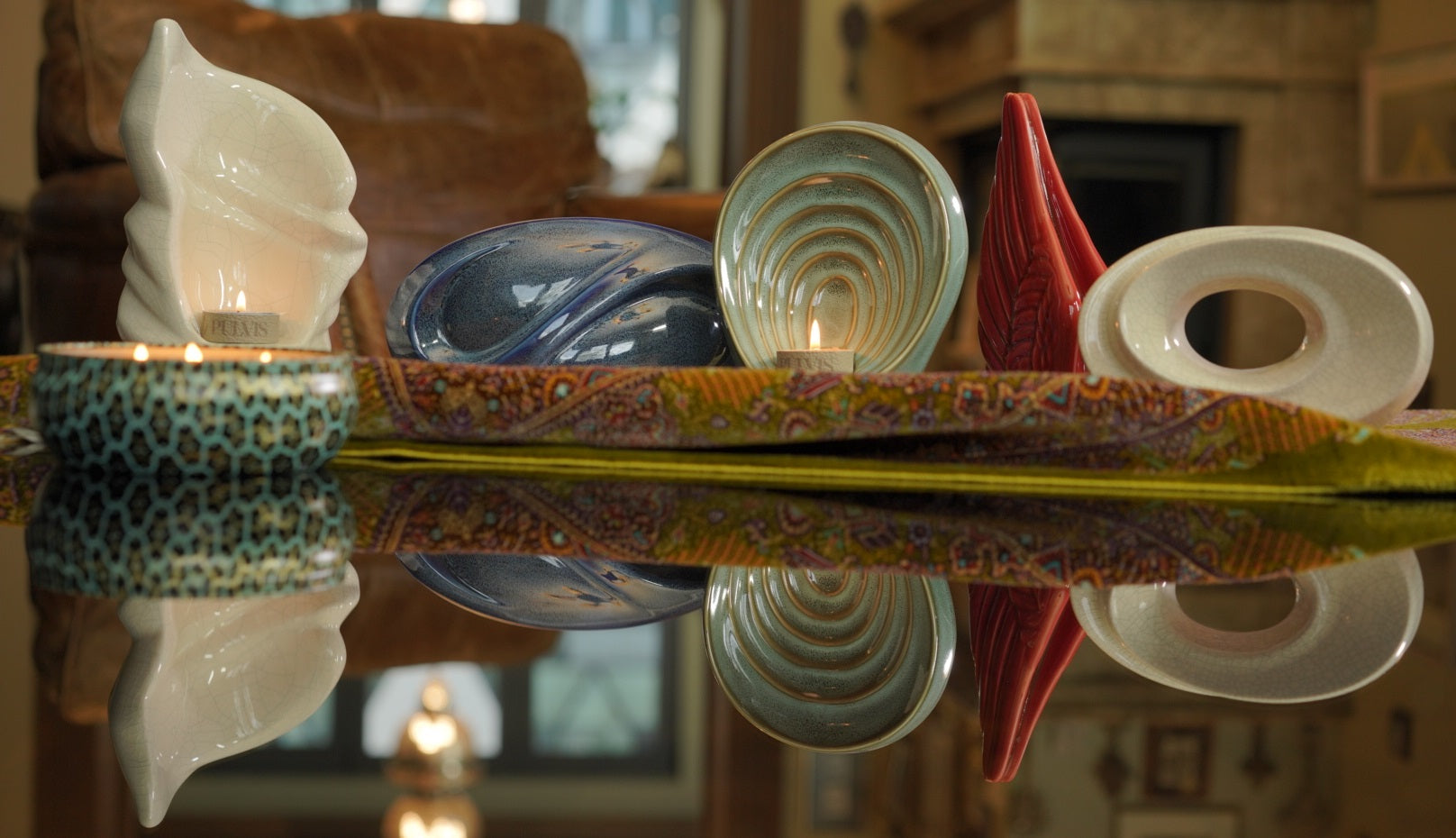
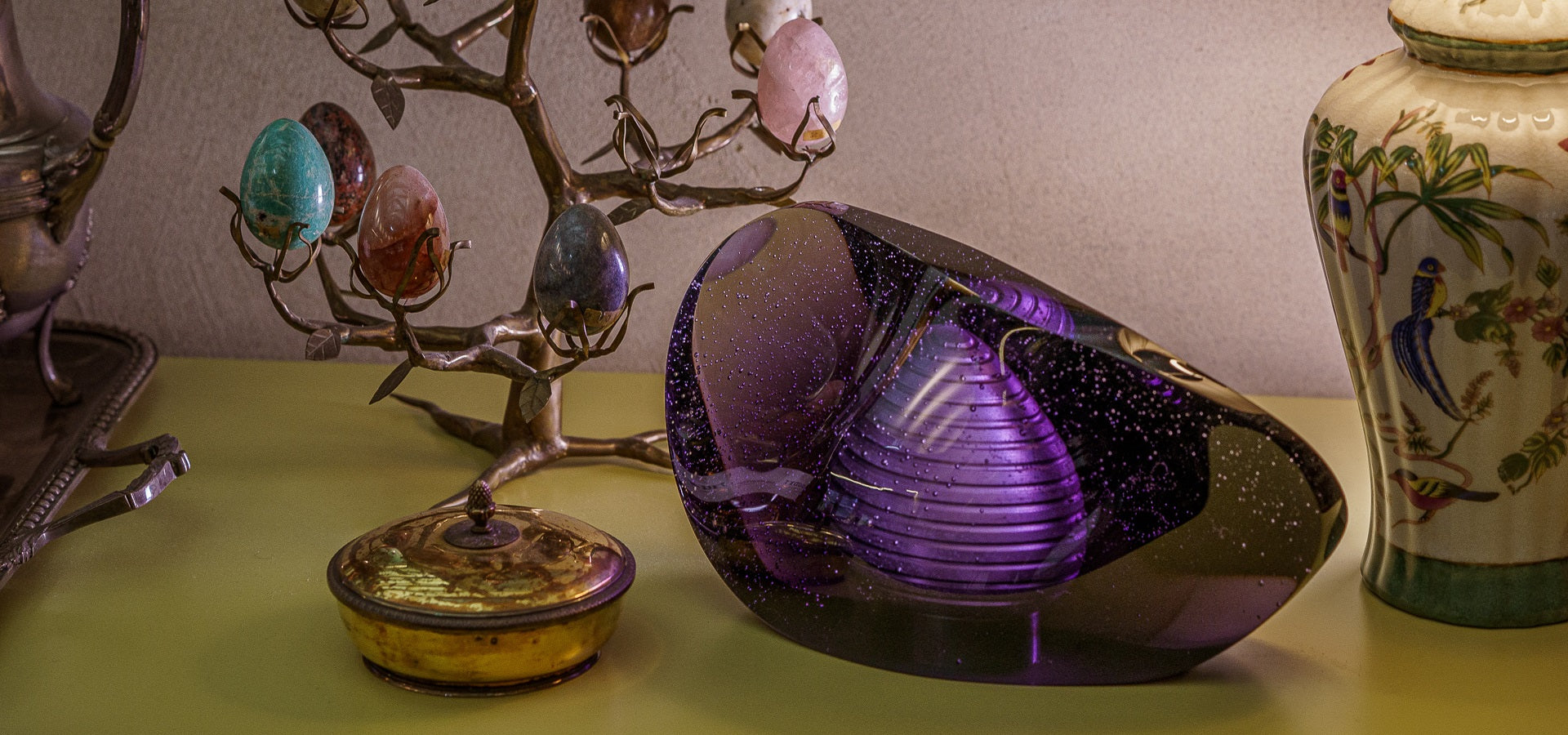
There is a growing trend in 2026 toward viewing the pulvis (ashes) as a living part of the home. Families increasingly opt for sculptural Cremation Urns made of Maine granite, driftwood-inspired ceramics, or hand-blown glass that mimics the colors of the Atlantic. These vessels act as permanent pieces of home art, keeping a loved one’s memory active in a shared living space rather than tucked away in a remote plot.
Residents have a deep-seated respect for their natural resources. Traditional burial is increasingly viewed as land-intensive due to the use of metal vaults and formaldehyde. Maine has become a hub for Green Burials, with sites like the Cedar Brook Burial Ground in Limington leading the way. These "natural" cemeteries require biodegradable shrouds or wicker caskets and prohibit embalming, allowing the body to return to the earth in a way that preserves Maine’s pristine wildlife habitats.
Mainers are also notoriously practical. In 2026, the financial delta between burial and cremation is a primary motivator.Choosing direct cremation can save a family thousands compared to a traditional burial. In a state where self-reliance is a virtue, these funds are often redirected toward a lasting family legacy, such as a scholarship or a donation to a local land trust.
Maine’s funeral and cremation costs remain relatively stable compared to the rest of New England, though prices in the "Midcoast" and Portland areas typically command a premium. For a Traditional Full-Service Burial, Maine families in 2026 should budget an average of $8,453, with total costs often ranging from $7,400 to over $12,500 once cemetery fees and monuments are included.
Direct Cremation remains the most affordable path, with a state average of $2,348. However, the market in 2026 is highly competitive; some "online-first" providers or specialized local crematories offer packages as low as $995, provided the family handles the initial paperwork and authorizations through digital portals.
For those who wish to combine the modern efficiency of cremation with the ceremony of a traditional funeral, a Full-Service Cremation (which includes a viewing and a formal ceremony prior to the process) typically averages $6,265. A Cremation with a Memorial Service (where the service is held after the cremation with the urn present) sits at a middle ground of approximately $5,890.

Maine law (Title 22, §2843) is distinct from its neighbors, particularly regarding waiting periods and the rights of the deceased to control their own final path.
Unlike many states that require only 24 hours, Maine law strictly prohibits cremation or Natural Organic Reduction(human composting) until 48 hours have elapsed since the time of death. This period allows for a thorough review by the medical examiner, which carries a state-mandated fee (typically $25 in 2026) to ensure there are no legal or medical concerns before a permanent disposition occurs.
Maine is a "Right to Direct" state. If you leave written, signed, and witnessed instructions regarding your funeral arrangements, the person in charge of your remains must follow them, provided you have left the funds to pay for them. If no prior instructions exist, the legal right to decide falls to a specific hierarchy: first to a designated agent, then the surviving spouse or domestic partner, followed by a majority of adult children, parents, and finally siblings.
Maine is one of the few states where home burial remains legally accessible and relatively simple. You can establish a "family burial ground" on your own land of up to 1/4 acre. By law, the site must be set back at least 100 feet from any dwelling and 200 feet from a domestic well. The property owner must record a description of the land with the town clerk. Once someone is buried there, the land is protected in perpetuity, and even if the property is sold, family members retain an easement to visit the gravesite.

The vessel chosen for the pulvis is the focal point of the modern Maine memorial. In 2026, the trend has moved away from mass-produced containers toward high-design pieces that mirror the state's rugged aesthetic.
The industry standard remains constant: 1 lb of body weight = 1 cubic inch of ash. A standard adult urn holds 200 cubic inches. For families planning to "split" the remains among multiple children or locations, keepsake urns (holding 1–5 cubic inches) are a popular way to ensure everyone has a tangible connection to the deceased.
Maine law is remarkably flexible, stating ashes may be "buried or disposed of in any manner not contrary to law."
At Sea: This is a Maine staple. Federal law (EPA) requires scatterings to occur at least 3 nautical miles from the coastline. Many lobster boat captains in the Casco and Penobscot Bays offer "scattering charters" in 2026, often incorporating maritime traditions like the ringing of a bell.
National Parks (Acadia): To scatter ashes in Acadia National Park, you must obtain a Special Use Permit.While the park is welcoming to memorials, they restrict scatterings in high-traffic areas like the summit of Cadillac Mountain or the middle of Sand Beach, often directing families to release the pulvis into the surf or in quiet wooded areas away from trails.
Artistic ceramic urns, such as those by Pulvis, are popular in 2026 because their textures mirror the granite cliffs of Mt. Desert Island and the deep indigo of the Atlantic, making them a "natural" fit for a Maine home mantle.

Based on 2026 service excellence and licensure data, several providers are highly regarded for their ability to blend Maine tradition with modern needs. In Portland, Jones, Rich & Barnes and Conroy-Tully Walker are known for their historic excellence and handling of complex traditional care. In the Lewiston area, Albert & Burpee has become a go-to for families seeking high-volume, affordable cremation options.
Moving north to Bangor, Brookings-Smith offers extensive facilities for large community gatherings, while Jordan-Fernald in the Bar Harbor region specializes in maritime memorials and green options near Acadia. For those in the "County," Duncan-Graves in Presque Isle remains the premier provider for Aroostook families. Other notable mentions include Cote Funeral Home in Saco, known for their personalized coastal services, and Knowlton & Hewins in Augusta, who are experts in state-level protocols and veterans' honors.
Choosing a final path in Maine is an exercise in honoring the "Way Life Should Be." Whether you opt for a traditional service in a historic village or a contemporary tribute featuring a sculptural ceramic urn on your mantle, your choice reflects a deep love for the person and the place. By mastering the 2026 costs and the specific 48-hour legal wait, you can ensure that the final tribute for the pulvis is as enduring and beautiful as a Maine sunrise.
Which urn size do I need?
A simple rule: about 1 cubic inch of urn per pound of body weight.
Every product page lists the urn's capacity. Keepsake urns hold a small portion of ashes to share.
Need it by a specific date?
Free shipping · Delivery in 3–5 business days
Express delivery in up to 3 business days – choose it at checkout
Need help choosing?
Talk to our team – we're happy to help you find the right urn.
(562) 609-4019 art@pulvisurns.comSend us a message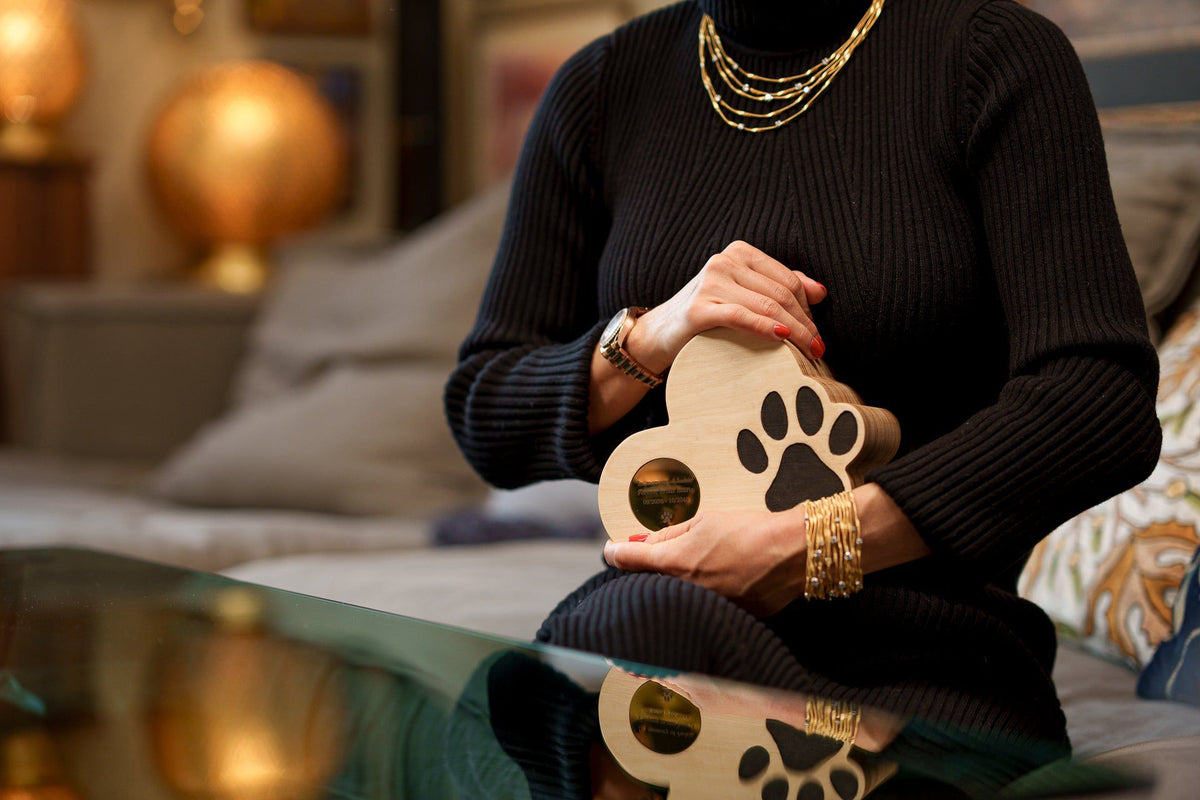
Can You Grieve a Life That Never Had Words?
Discover why losing a beloved pet can be so profound, how wordless bonds shape our lives, and how Pulvis Art Urns brings craftsmanship and thoughtful design to the art of remembering an animal companion.
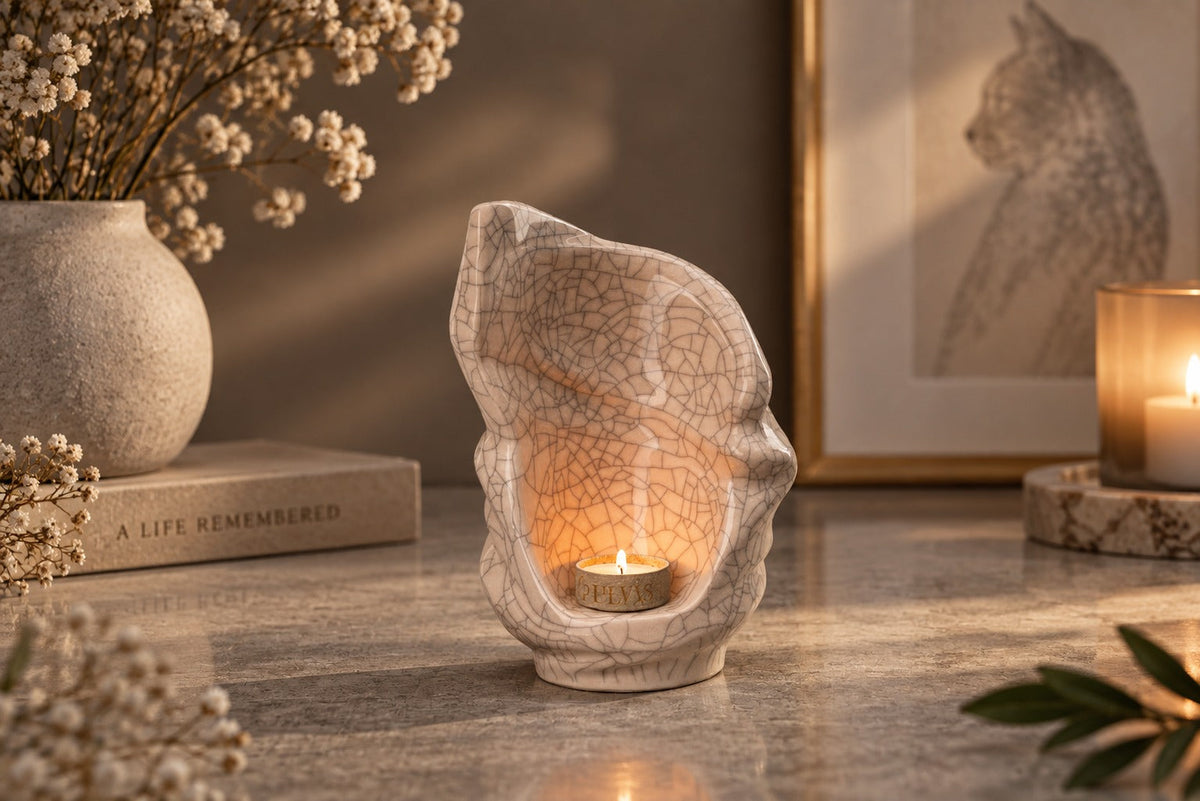
What Does the Bible Say About Cremation?
Explore what the Bible says about cremation, Christian beliefs about resurrection, and meaningful ways to honor a loved one’s memory through a thoughtful memorial.
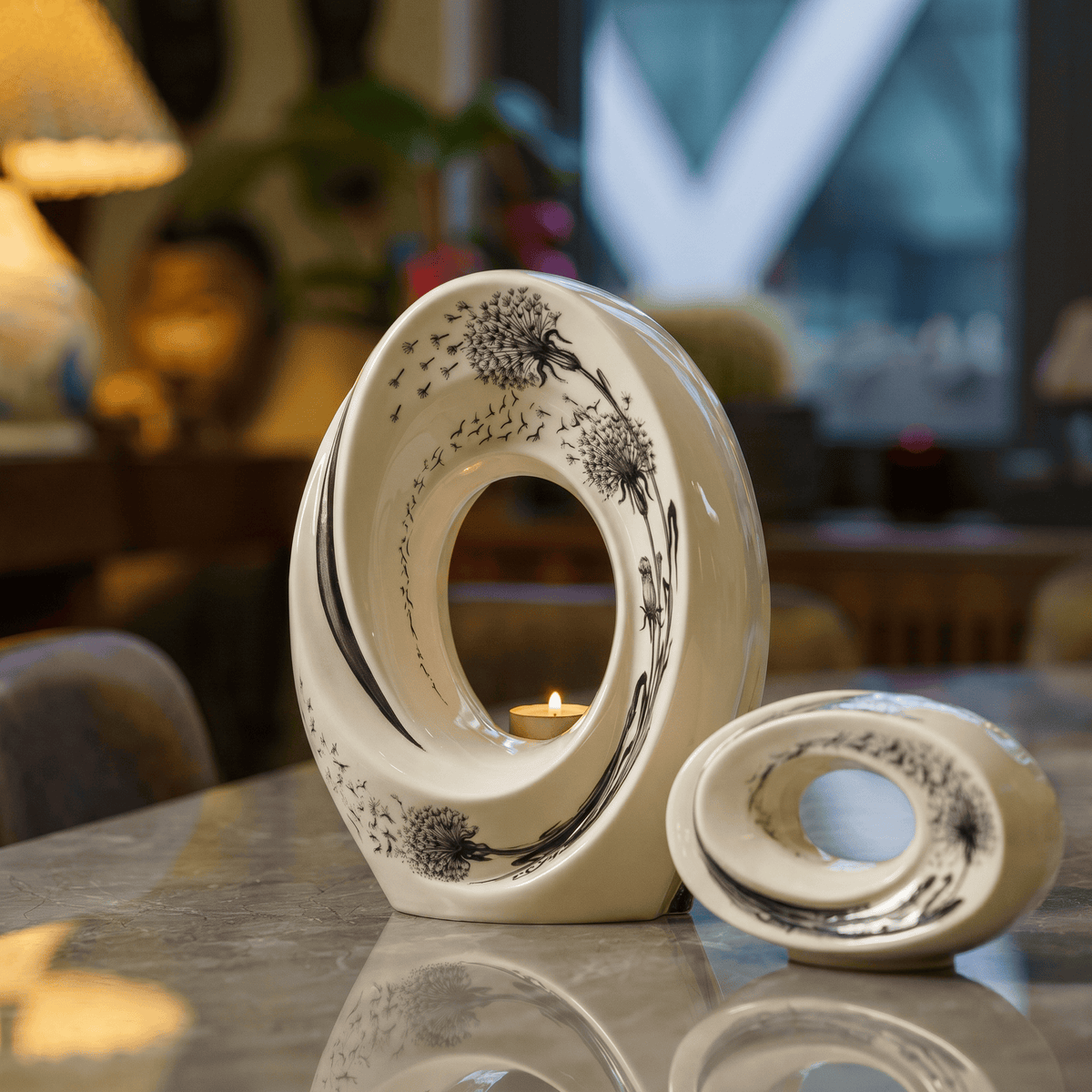
Why Do People Light Candles for the Dead?
Discover the meaning behind lighting candles for the dead, exploring the traditions, beliefs, and emotions that make this simple ritual a lasting expression of remembrance, comfort, and connection within the home.

The Pet as a Witness to a Human Life
Our pets witness far more of our lives than we realise. Explore what it means for an animal to become a quiet witness to our changing homes, relationships, routines and identities — and how a memorial urn can remain as a physical connection to the life they witnessed.

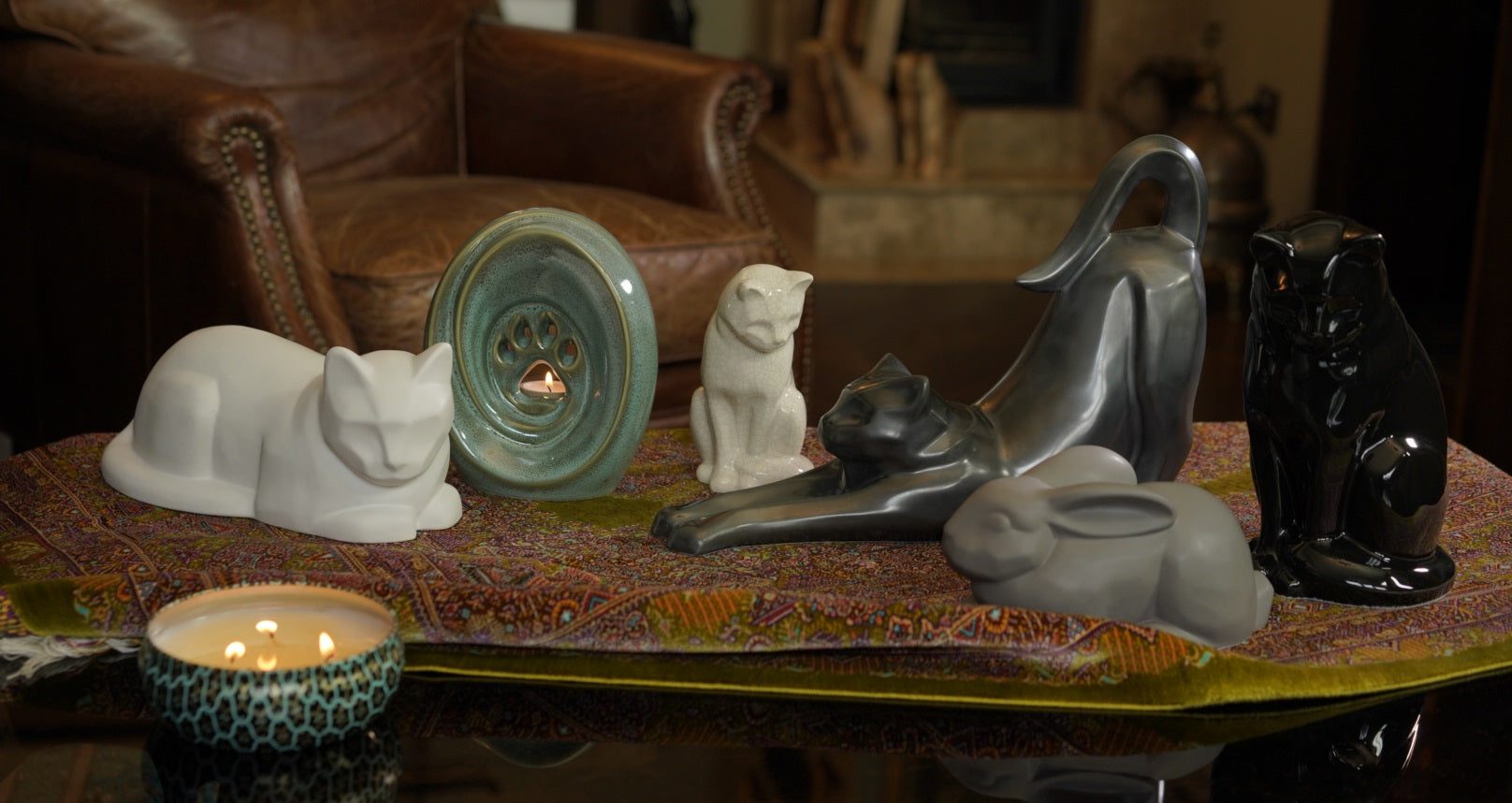
Can You Inherit a Pet’s Memory?
Can we remember a pet we never knew? Explore how stories, photographs, objects and memorials can carry an animal’s memory across generations, turning a private life into part of a family’s shared history.



Share:
How to Mail Cremains: The Complete 2026 Guide
5 Reasons for the Rise of Cremation in 2026