



Here for you: art@pulvisurns.com | (562) 609-4019
7% off your order
Use this code at checkout:
The transition from life to a lasting legacy is a journey that requires both practical knowledge and emotional fortitude. Cremation, once a misunderstood practice, has evolved into a sophisticated and highly regulated field of funeral service. Choosing cremation is not merely a logistical decision; it is a choice that affects how we grieve, how we remember, and how we honor the environmental footprint of a human life.
This expanded guide delves into the granular details of the process, the legal protections every consumer should know, and the modern innovations in memorialization.
Before a flame is ever lit, a rigorous administrative "chain of custody" is established. Understanding these legalities ensures that your loved one is treated with the highest level of professional ethics.
This is the most critical legal document. It must be signed by the Authorizing Agent (usually the legal next of kin). If there are multiple siblings, for example, many states require a majority or even all of them to sign to prevent future disputes.
The form will ask for a full disclosure of medical devices. As mentioned previously, pacemakers contain lithium batteries that can cause significant damage to the cremation equipment and the environment if not removed.
Professional crematories use a metal identification disc. This disc is stamped with a unique number and follows the deceased from the moment they enter the facility, through the heat of the chamber (as the metal has a much higher melting point than the human body), and finally into the urn.
It is highly recommended that individuals record their wishes in a Pre-need Authorization. This prevents family conflict and ensures your personal values regarding cremation are upheld.

A modern cremation chamber, or retort, is a marvel of engineering designed to be efficient, clean, and respectful.
The interior of the chamber is lined with high-density refractory brick. This material is designed to withstand temperatures up to 2,000°F. These bricks absorb heat, ensuring that the process is driven by radiant energy as much as by direct flame, which leads to a more uniform and thorough reduction.
Most people are unaware that modern crematories utilize a two-chamber system to protect the environment:
This is where the body is placed. The heat evaporates the moisture and breaks down the organic compounds.
The gases and particulates produced in the primary chamber are funneled into a second chamber. Here, they are exposed to even higher temperatures for a specific "residence time." This ensures that smoke and odors are completely neutralized before any air is released through the stack.
The process typically takes 2 to 3 hours, but variables include:
What remains after the heat cycle are known as "cremated remains" rather than "ashes," as they consist almost entirely of calcium phosphate from the skeletal structure.

Once the remains have cooled, a technician performs a manual inspection. This includes removing:
Recycling for Good: Most crematories participate in programs where these metals are recycled, and the proceeds are donated to charities such as the Wounded Warrior Project or local hospices.
The remaining bone fragments are processed in a cremulator. This machine uses heavy metal rollers or high-speed blades to reduce the fragments into a fine powder. The result is a sand-like substance, usually off-white or grey.
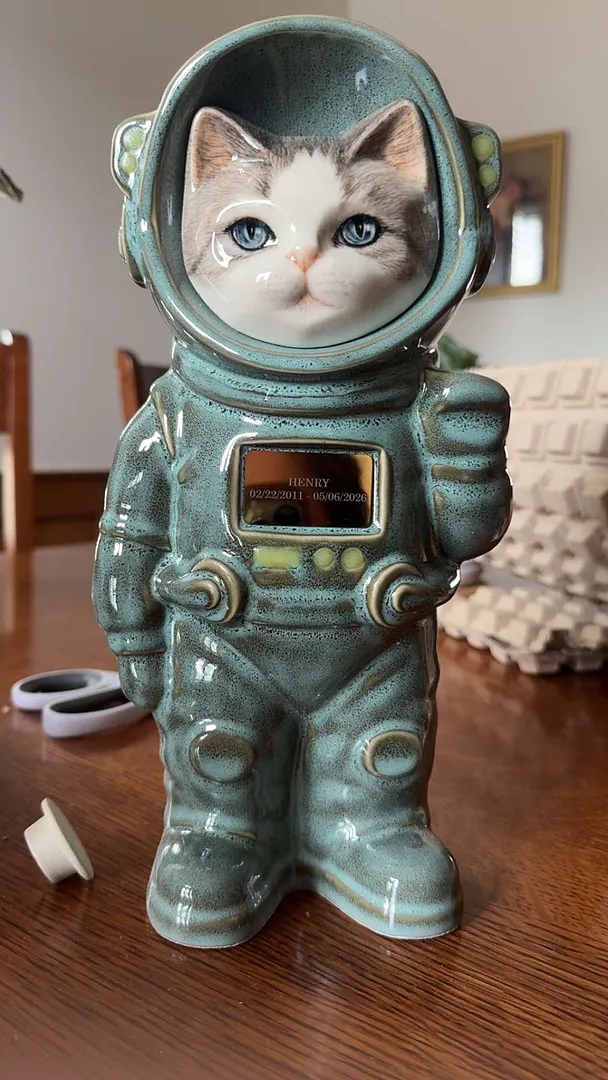
The portability of cremated remains has birthed a new era of "Personalized Tributes." The choice of a vessel is no longer just about storage; it is about reflecting the personality of the deceased.
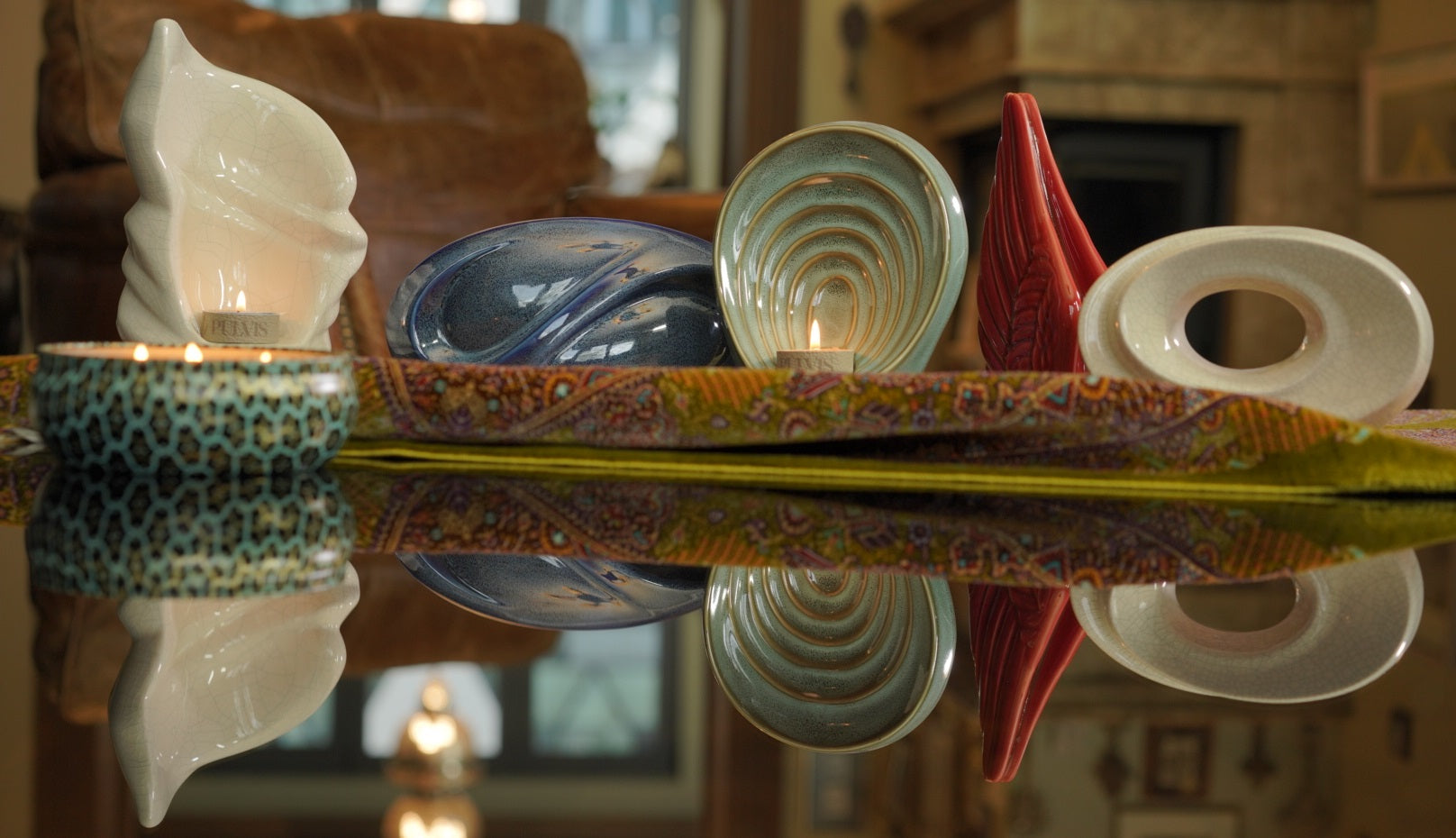
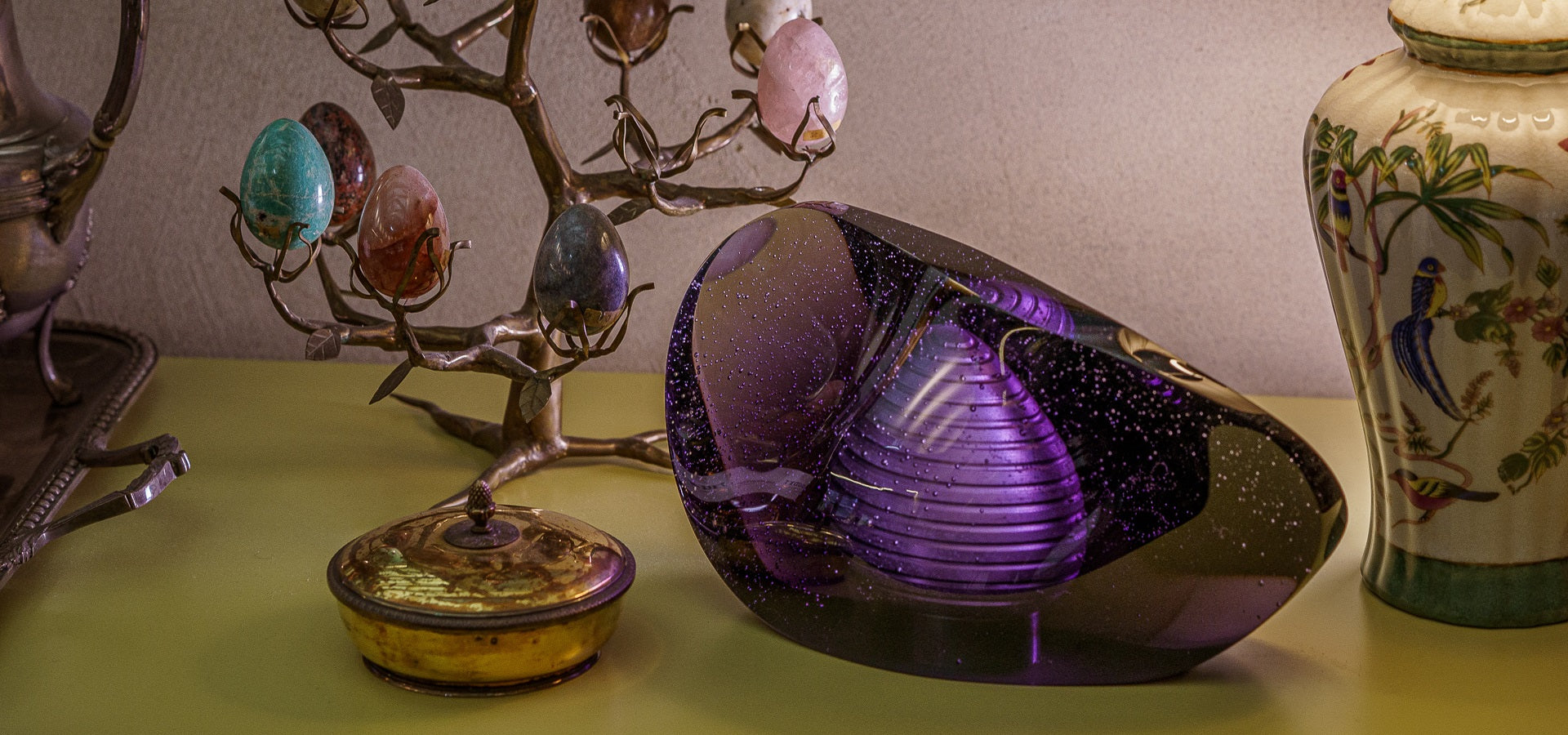
For many, a standard wooden box does not suffice for a life that was vibrant and artistic. Organizations specializing in artistic urns create vessels that resemble contemporary sculptures.
Aesthetic Integration: A modern ceramic urn can sit on a bookshelf or mantle as a piece of fine art, allowing the family to keep their loved one close without the object feeling "clinical" or "morbid."
The "Guardian" Concept: Some designs, such as earth- and sky-inspired collections, symbolize a return to nature.
When families are spread across the country, "splitting the ashes" has become a common tradition.
These are miniature versions of full-sized urns. Beautiful small keepsakes allow each child or grandchild to have a physical piece of the memorial.
Integrating a small amount of remains into a pendant allows the bereaved to carry their loved one with them during significant life events, such as weddings or graduations.

As we look toward the future, the "green" aspects of cremation are becoming more prominent.
Also known as "Aquamation," this process uses water, heat, and an alkaline solution to accelerate the natural decomposition of the body. It is often cited as having a lower carbon footprint than traditional flame-based cremation because it does not involve combustion or the release of carbon into the atmosphere.
If the plan is to bury the urn, families are increasingly choosing biodegradable urns. These are made from materials like salt, sand, or mulberry paper, which dissolve when placed in water or soil, returning the remains to the earth without leaving behind permanent containers.
Understanding the how of cremation is only half the battle; the why of the grief that follows is equally important.
Many people feel a sense of emptiness after a cremation because there is no physical grave to visit. It is important to create a dedicated space in your home—a "remembrance corner"—with a photo and a meaningful urn to provide a focal point for your grief.
Whether you choose a traditional funeral before the cremation or a celebration of life afterward, do not skip the ritual. Rituals provide a "beginning, middle, and end" to the initial shock of loss.
If the weight of the loss feels unmanageable, resources such as therapist directories can help you find specialists in grief and bereavement.

Cremation is a process of transformation. It takes the physical form and reduces it to its most basic, enduring elements. By understanding the meticulous care, the scientific precision, and the artistic possibilities involved, you can turn a moment of profound sadness into a meaningful tribute.
Whether you are looking for an exclusive designer urn to honor a parent, or considering a hand-crafted keepsake for a sibling, remember that the most important part of the process is the love that motivates it. Take your time, ask questions of your funeral director, and choose a path that feels authentic to the life you are honoring.
Which urn size do I need?
A simple rule: about 1 cubic inch of urn per pound of body weight.
Every product page lists the urn's capacity. Keepsake urns hold a small portion of ashes to share.
Need it by a specific date?
Free shipping · Delivery in 3–5 business days
Express delivery in up to 3 business days – choose it at checkout
Need help choosing?
Talk to our team – we're happy to help you find the right urn.
(562) 609-4019 art@pulvisurns.comSend us a message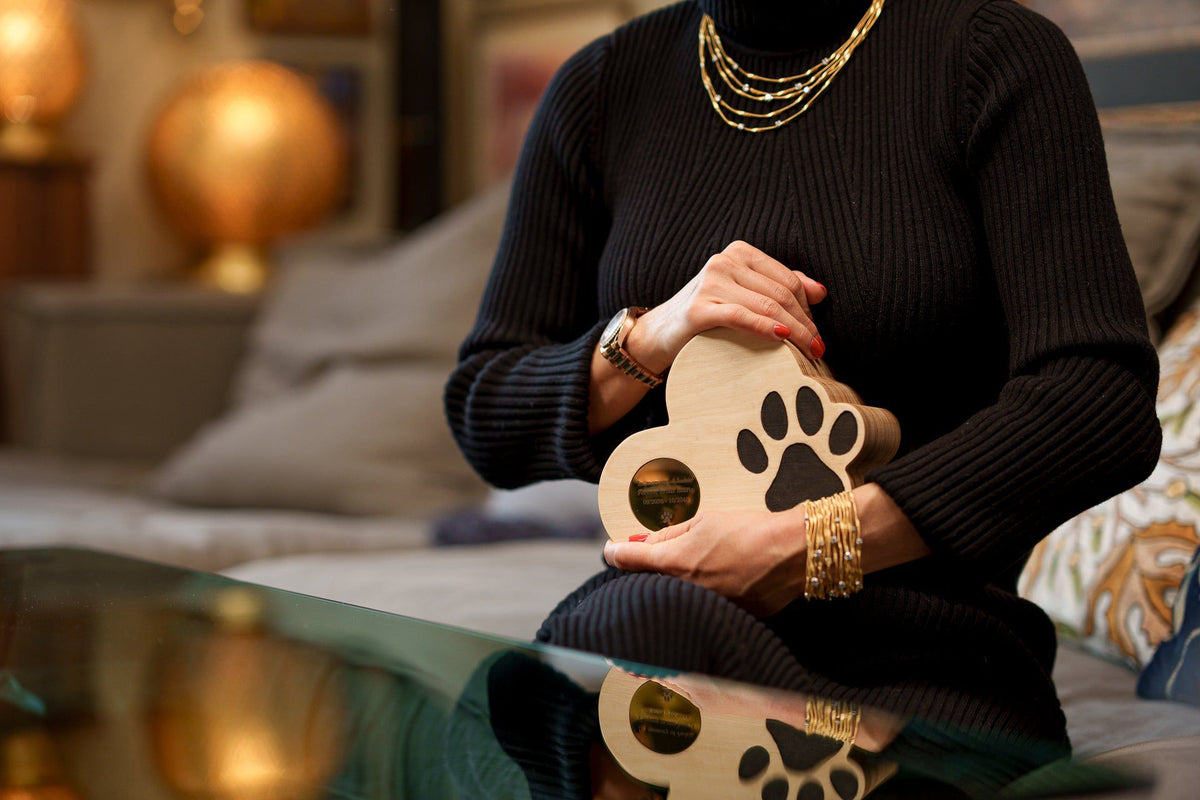
Can You Grieve a Life That Never Had Words?
Discover why losing a beloved pet can be so profound, how wordless bonds shape our lives, and how Pulvis Art Urns brings craftsmanship and thoughtful design to the art of remembering an animal companion.
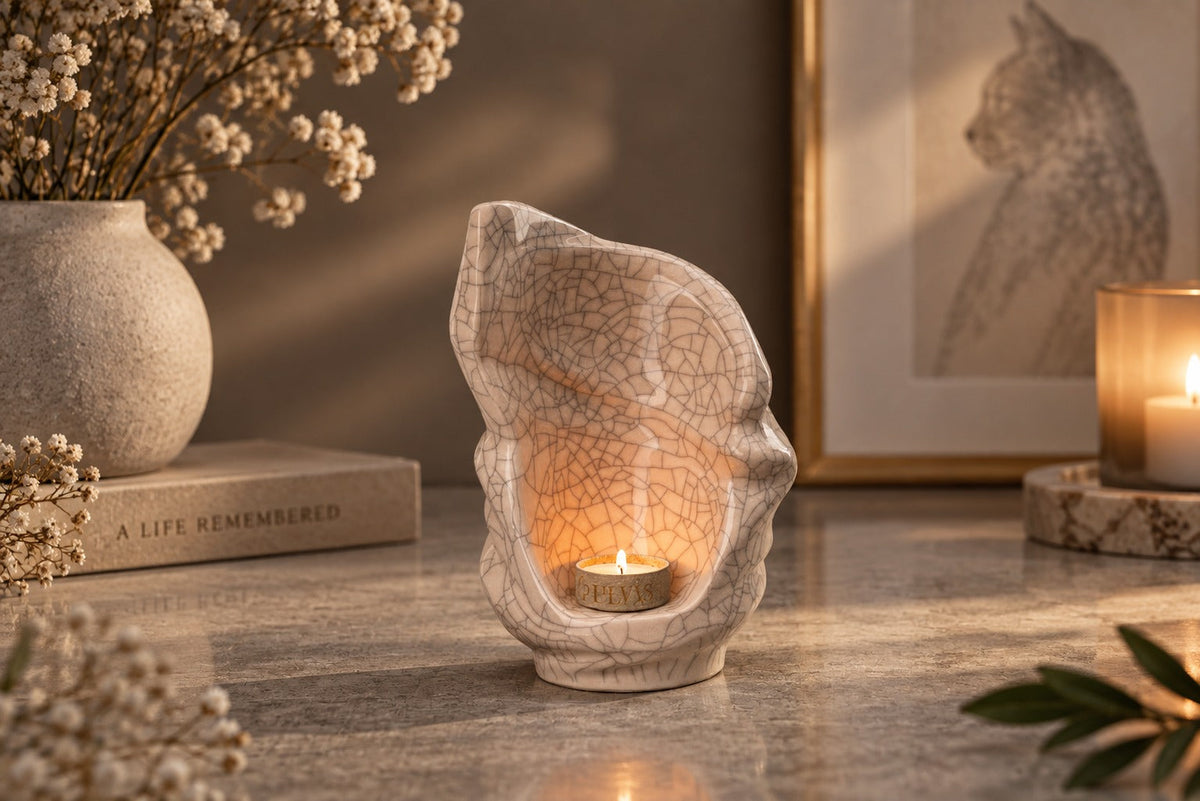
What Does the Bible Say About Cremation?
Explore what the Bible says about cremation, Christian beliefs about resurrection, and meaningful ways to honor a loved one’s memory through a thoughtful memorial.
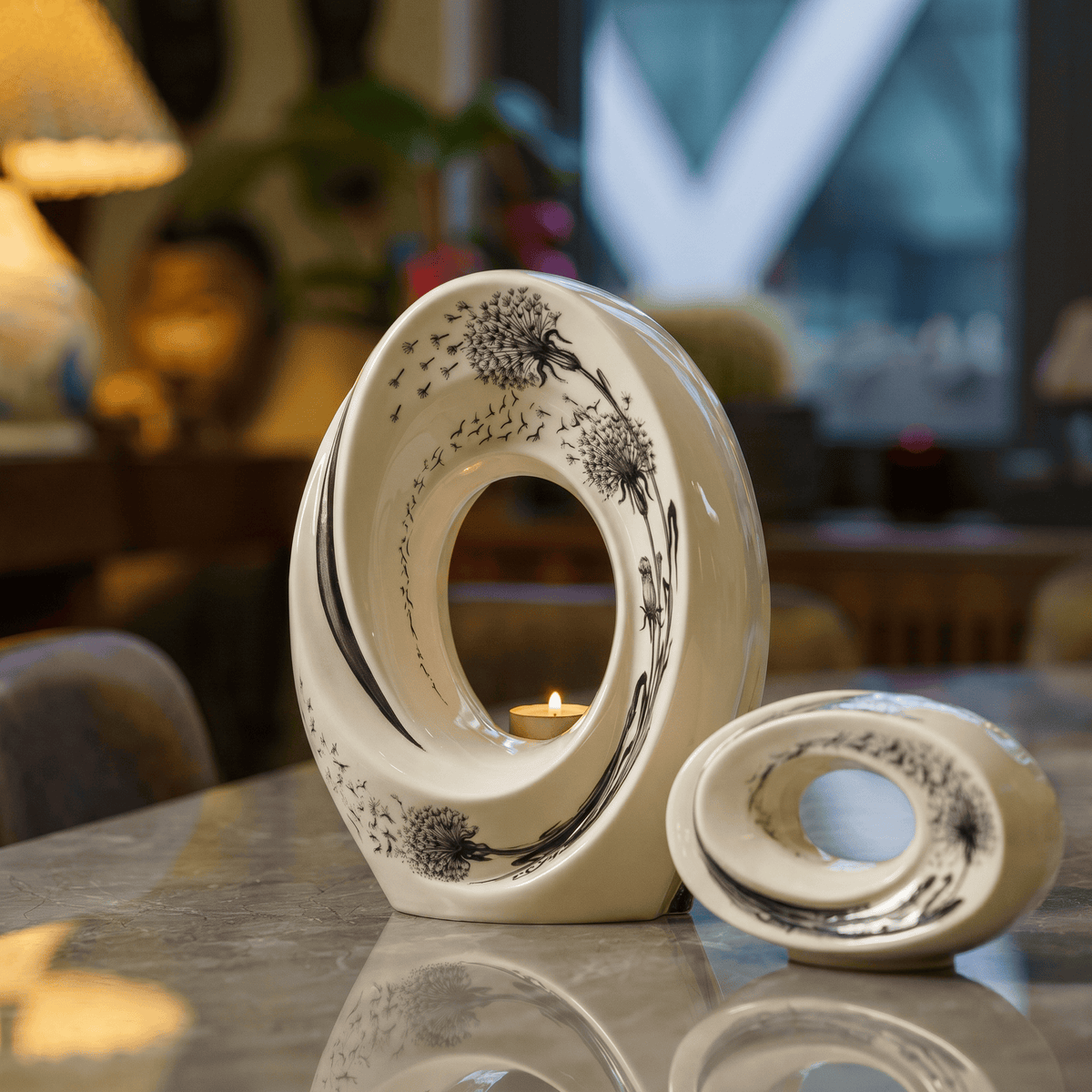
Why Do People Light Candles for the Dead?
Discover the meaning behind lighting candles for the dead, exploring the traditions, beliefs, and emotions that make this simple ritual a lasting expression of remembrance, comfort, and connection within the home.

The Pet as a Witness to a Human Life
Our pets witness far more of our lives than we realise. Explore what it means for an animal to become a quiet witness to our changing homes, relationships, routines and identities — and how a memorial urn can remain as a physical connection to the life they witnessed.

Can You Inherit a Pet’s Memory?
Can we remember a pet we never knew? Explore how stories, photographs, objects and memorials can carry an animal’s memory across generations, turning a private life into part of a family’s shared history.


Share:
5 Reasons for the Rise of Cremation in 2026
The Legal Maze of Final Disposition: Who Has the Right to Ashes After Cremation?