


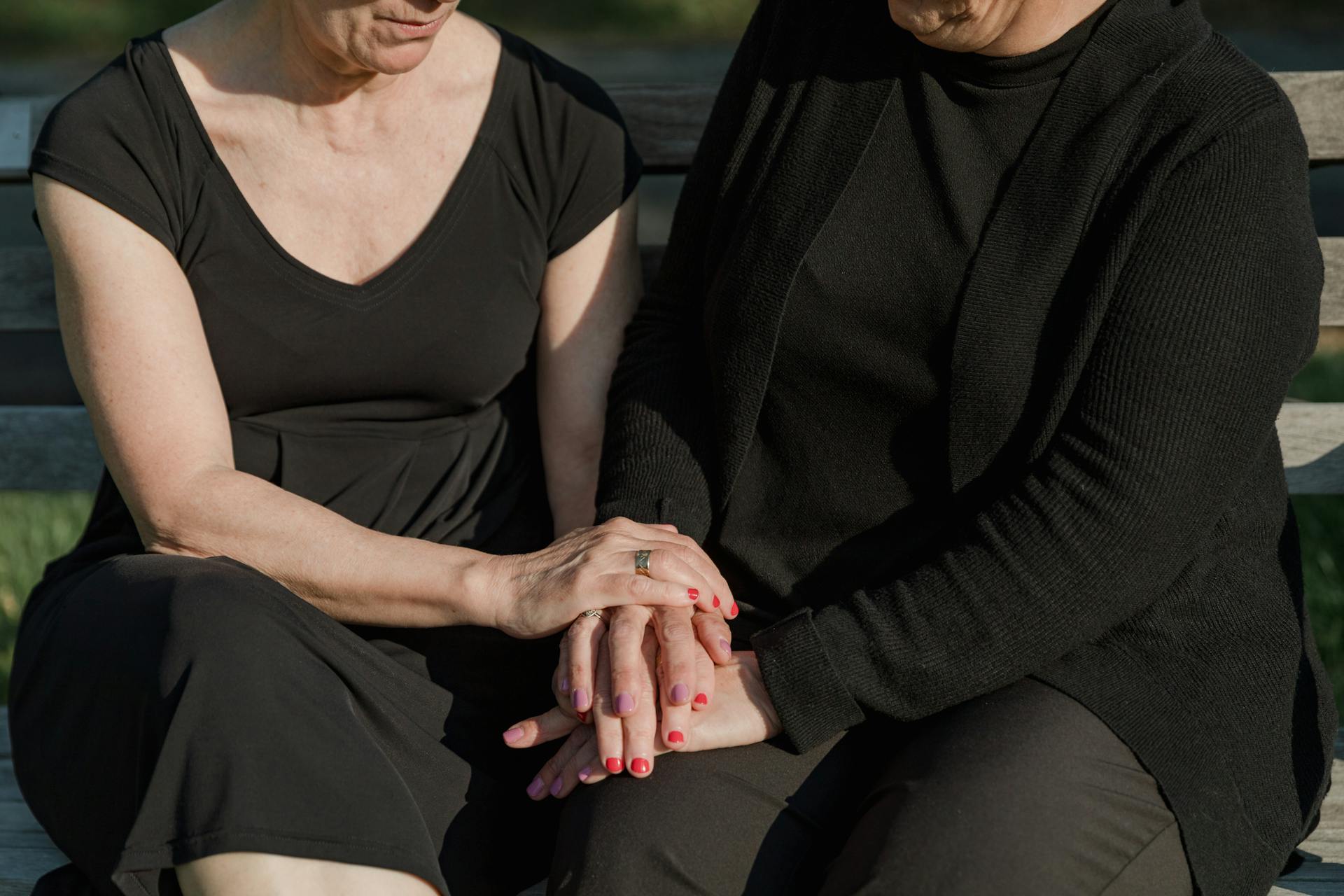
Losing a loved one is one of the most painful experiences anyone can go through. Whether it's a family member, friend, or pet, the grief can be overwhelming . During this difficult time, it's important to allow yourself to grieve and to take care of yourself. Surround yourself with supportive friends and family who can provide comfort and understanding .Showing condolences and sympathy is crucial for each person.
During times of loss or difficulty, people often feel overwhelmed by emotions. Knowing that others empathize with their pain and are there to offer support can provide immense comfort. Offering condolences validates the person's feelings of grief and sorrow. It lets them know that their emotions are recognized and accepted, which can help in the healing process. Grief can be an isolating experience, but receiving condolences reminds the person that they are not alone in their sorrow. It helps counteract feelings of isolation and loneliness .
When you say something to the mourner, it shows that you care enough to make the effort. It shows that their grief matters. And when you can talk about the decedent, it shows that their loved one’s life matters too, and is remembered.


While the pain of loss may never fully dissipate, it is possible to find healing and resilience in the aftermath of grief. Drawing upon the love, support, and cherished memories of our departed loved ones, we can find solace and strength to carry on. These messages are intended to offer comfort, support, and solace to those who are mourning the loss of a loved one.

Acknowledge their Loss Start by acknowledging the loss and expressing your sympathy. You could say something like, "I'm so sorry for your loss. My heart goes out to you and your family during this difficult time."
Offer Specific Support Let the grieving person know that you're there for them and offer specific ways you can help. For example, you could say, "If you need someone to talk to, I'm here for you," or "I'm available to help with errands or household tasks if you need assistance."
Help with Funeral or Cremation arrangement
Share Fond Memories If you knew the person who passed away, share any fond memories or stories you have of them. This can help bring comfort to the grieving person and keep the memory of their loved one alive.
Be a Good Listener Sometimes, the most important thing you can do is simply listen. Allow the grieving person to express their feelings without judgment or interruption. Offer a supportive presence and validate their emotions.
Send a Thoughtful Note or Gift If you're unable to express your condolences in person, consider sending a thoughtful note or gift. This could be a heartfelt letter, a bouquet of flowers, or a sympathy card with a personalized message.
Respect Their Space Everyone grieves differently, so it's important to respect the grieving person's need for space and privacy. Let them know that you're there for them whenever they're ready to reach out, but also give them the time and space they need to heal.

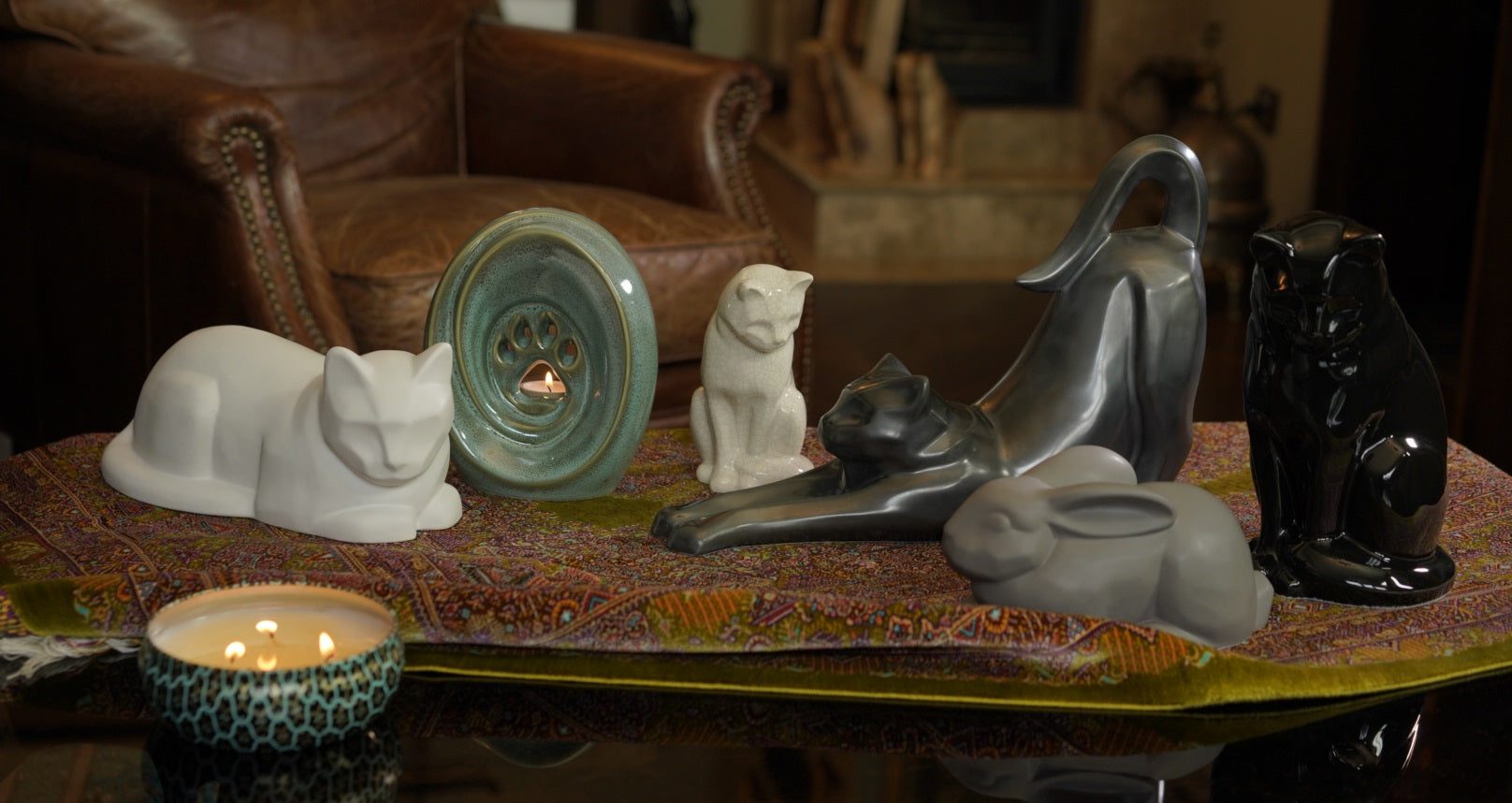
When selecting a cremation urn, it’s important to consider size, material, design, and the personal story of the person being remembered. Some families look for timeless elegance, while others prefer artistic or symbolic designs that reflect personality, beliefs, or cherished memories.
Pulvis Art Urns offers a carefully curated range of handcrafted cremation urns for both humans and pets, designed to combine dignity, artistry, and lasting quality. From elegant ceramic urns to thoughtfully designed memorial pieces, each urn is created to serve not just as a vessel, but as a lasting tribute—helping families find comfort in honoring a life well lived.

Expressing grief and sympathy when someone loses a loved one is not only a natural response but also an important part of the human experience. Showing grief and sympathy demonstrates empathy and compassion toward those who are experiencing loss. It acknowledges their pain and validates their emotions, showing them that they are not alone in their sorrow. Ultimately, expressing grief and sympathy when someone loses a loved one is a fundamental aspect of human interaction that promotes empathy, compassion, and support during times of sorrow. It helps individuals navigate the complex emotions associated with loss and fosters a sense of community and understanding within society.

Easy Guide to Funeral Homes in North Dakota
From the rise of Green Burial to the pragmatics of a $5,600 saving with cremation, North Dakota’s 2026 landscape is shifting. This guide breaks down the "Peace Garden State’s" unique eight-day rule, 2026 cost averages, and how families are honoring prairie roots with sophisticated, sculptural legacies.

The Alchemy of Remembrance: The Definitive Master Guide to Choosing the Color of a Memorial Urn
Choosing a memorial urn is a profound act of love where color serves as the "visual frequency" of a legacy. From the tranquil depth of celestial blues to the radiant warmth of amber glazes, the right hue transforms a vessel into a storyteller. Explore our master guide to matching personality, tradition, and home decor to find a tribute that resonates with the soul it holds.
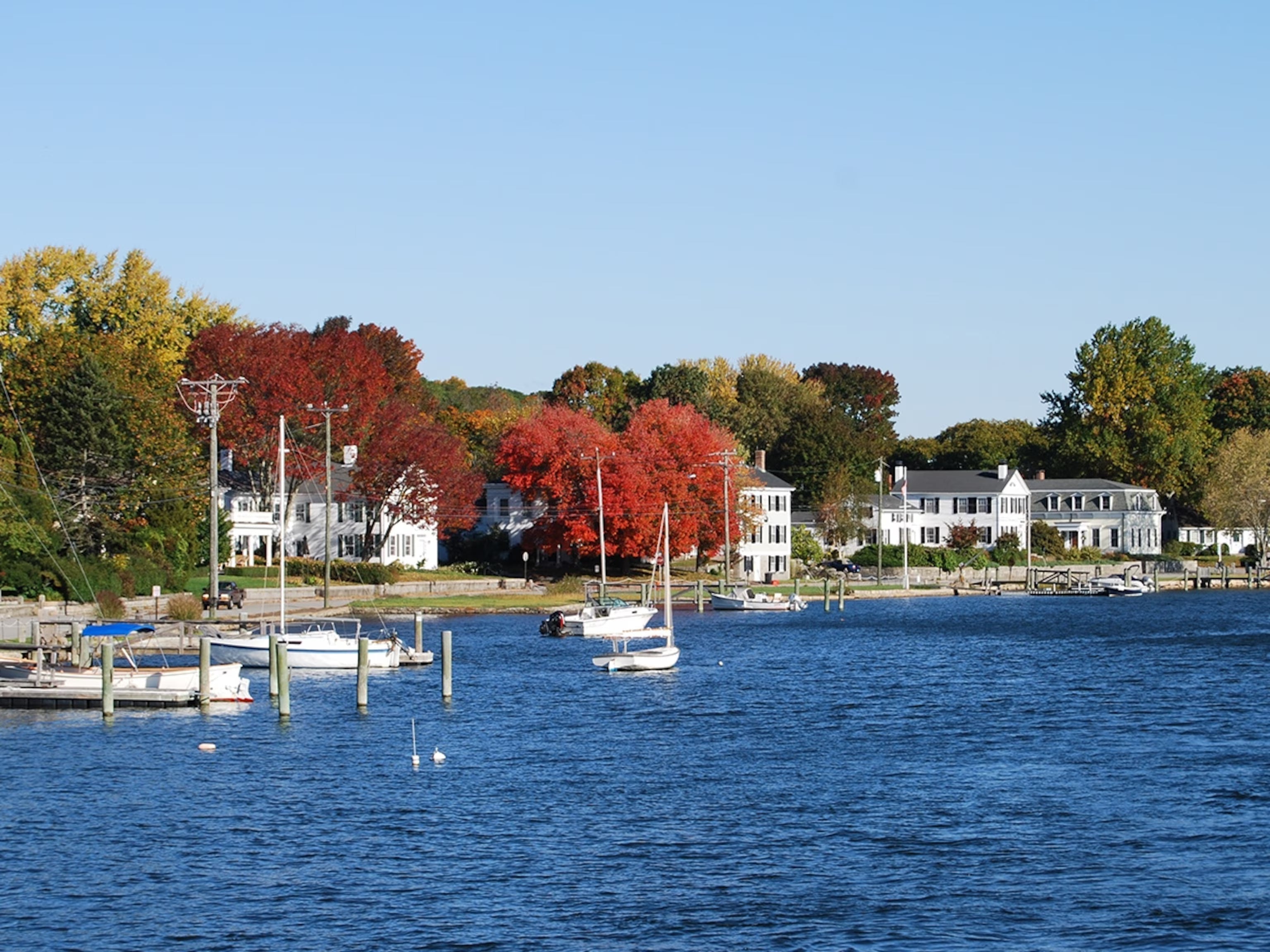
Easy Guide to Funeral Homes in Connecticut
In Connecticut, tradition meets modern, eco-friendly choices. As of 2026, cremation rises to 60–62%, with costs averaging ~$9,600 for burials and ~$3,100 for direct cremation. State law mandates a 48-hour wait before cremation. Families honor loved ones through historic plots or artistic urns reflecting Connecticut’s coastal, refined style.

Easy Guide to Funeral Homes in Alaska
From the debut of Natural Organic Reduction to the pragmatic shift toward coastal cremation, Delaware’s 2026 funeral landscape is changing. This guide breaks down the "First State’s" essential costs, the unique five-day rule, and how to plan a personalized "portable legacy" from Wilmington to the Atlantic shore.

Easy Guide to Funeral Homes in Idaho
In Idaho, rugged landscapes shape unique end-of-life traditions. By 2026, cremation and nature-focused memorials are rising, while traditional burial remains meaningful in farming communities. Costs: $765–$1,706 for cremation, $7,745–$9,750 for burial. Idaho law requires 24-hour waiting, coroner approval, and death certificate filing. Outdoor ceremonies are common. Artistic urns honor loved ones.





Share:
The Empty Seat at Home – How to Deal with Grief
Pet Loss And How to Honor Your Furry Friend. What We Need to Know?