

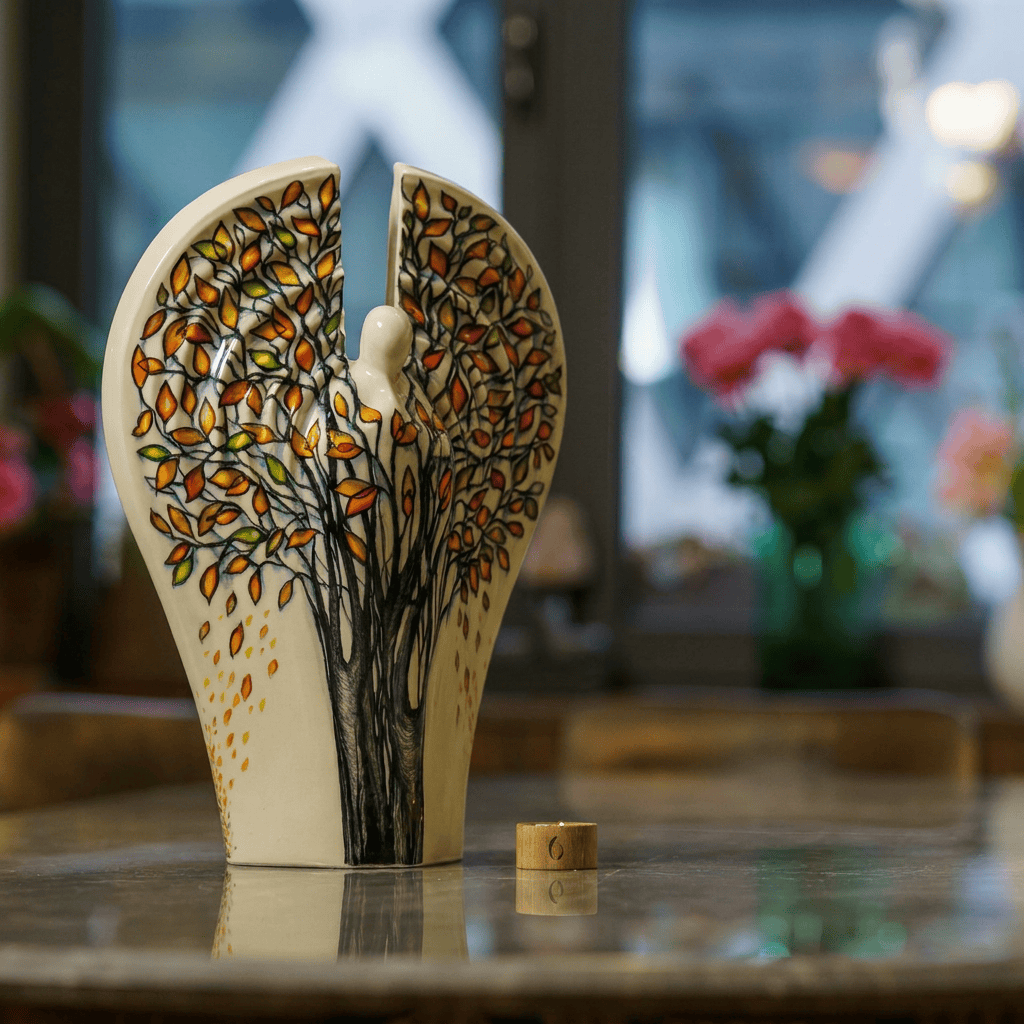
Here for you: art@pulvisurns.com | (562) 609-4019
Families may keep cremated remains at home in a secure, well-crafted urn, creating a peaceful memorial space with photographs, flowers, candles, or personal keepsakes.
Cremated remains can also be buried in a cemetery, family plot, memorial garden, or placed in a columbarium niche. Confirm the facility’s size, material, vault, and placement requirements before purchasing an urn.
Scattering ashes can provide a meaningful farewell at a favorite beach, forest, mountain, lake, or private location, but families should check local laws and obtain permission where required.
Choose an urn based on its intended use, capacity, material, design, security, and personalization. A common guideline is approximately one cubic inch of capacity for each pound of pre-cremation body weight.
Families can divide remains among relatives using keepsake urns or memorial jewelry, or create additional tributes such as a memorial tree, artwork, engraved plaque, memory book, donation, or annual remembrance ceremony.
Losing someone you love is never easy, and deciding what to do with their cremated remains can feel overwhelming. Every family has different traditions, beliefs, and personal wishes, making this an emotional decision rather than a practical one.
Pulvis Urns understands how important it is to honor a loved one's memory with dignity, beauty, and lasting respect. Whether you choose to keep the ashes at home, scatter them in a meaningful place, or create a permanent memorial, selecting the right human urns for ashes can help preserve cherished memories for generations.

After cremation, families often wonder what the next step should be. There is no universal answer because every person and every family is unique. The choice should reflect the wishes of the deceased whenever possible while also bringing comfort to those left behind.
Many people find peace in creating a memorial that serves as a place of remembrance. Others prefer to celebrate their loved one's life through symbolic ceremonies or keepsakes. Whatever path you choose, taking time to consider all available options helps ensure the decision feels meaningful for years to come.
Looking for the Right Urn Size? Now that you know how to choose the appropriate size, explore our collection of beautifully crafted memorial urns and find a meaningful tribute for your loved one. Explore Our Urn Collection

Keeping ashes at home is one of the most common choices after cremation. It allows family members to feel close to their loved one every day and provides a dedicated space for remembrance.
A beautifully designed collection of urns for ashes can become part of a home memorial, displaying photographs, candles, flowers, or cherished keepsakes. Many families appreciate having a peaceful location where they can reflect during birthdays, anniversaries, or holidays.
When choosing an urn for display, consider:
A quality material that will last for decades.
A design that complements your home's interior.
An appropriate size based on the amount of cremated remains.
A secure lid for long-term preservation.
A well-crafted urn can become both a memorial and a timeless piece of art.
Many people are surprised to learn that cremated remains can still be buried in a cemetery. This option provides a permanent resting place where future generations can visit.
A cemetery burial may include:
A traditional burial plot
A family plot
A columbarium niche
A memorial garden
Families often choose elegant cremation urns for ashes that are specifically designed for burial or placement inside a columbarium. This approach combines the flexibility of cremation with the tradition of having a dedicated memorial location.

Scattering ashes is a meaningful way to honor someone who loved nature or had a favorite destination. Many families choose beaches, mountains, forests, lakes, or private property with permission.
Before scattering ashes, it is important to understand local laws and regulations. Certain national parks, waterways, and public spaces may require permits or have restrictions.
Some families divide the ashes, keeping a portion inside a memorial urn for ashes while placing a small amount in memorial cremation jewelry to keep their loved one close. The remaining ashes can be scattered in a place that held special significance, creating both a lasting memorial and a symbolic farewell.
A permanent memorial helps preserve memories long after the funeral has ended. Instead of focusing only on loss, it becomes a celebration of a life well lived.
Meaningful memorial ideas include creating a remembrance corner in the home, planting a memorial tree, placing a personalized plaque in a garden, or displaying an artistic urn that reflects the individual's personality.
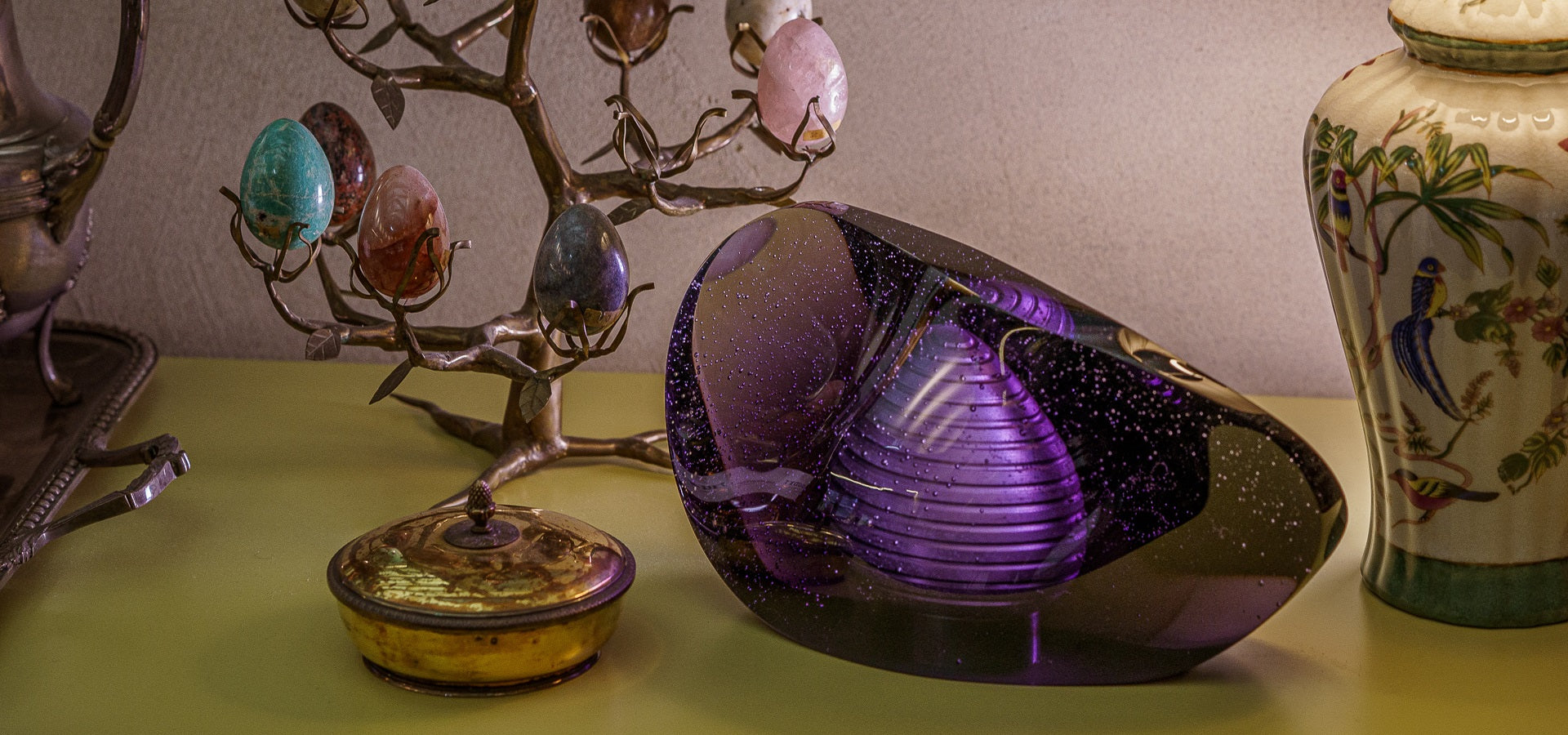
Many families choose handcrafted ceramic urns for ashes because they combine durability with artistic craftsmanship. Their timeless appearance allows them to become treasured family heirlooms while honoring the unique story of a loved one.
At Pulvis Urns, we believe every life deserves a tribute as unique as the memories it leaves behind. Learn more about our story and the artisans behind every handcrafted memorial on our About Us page, where we create artistic ceramic urns designed to honor your loved one's legacy with timeless beauty, exceptional craftsmanship, and lasting meaning.

Choosing an urn involves more than selecting a beautiful design. It should also reflect the personality, values, and legacy of the person being remembered. Several important factors should guide your decision.
The material plays an important role in both appearance and longevity. Ceramic, wooden urns, metal, stone, and biodegradable options each offer different benefits depending on how the urn will be used.
The size should comfortably accommodate the cremated remains. Most adult urns are designed to hold approximately one cubic inch per pound of body weight before cremation.
The design can represent hobbies, faith, culture, favorite colors, or artistic preferences, making the memorial deeply personal.
The intended location also matters. An urn displayed in the home may differ from one intended for burial or outdoor memorial placement.
Taking these considerations into account helps families select an urn that provides lasting comfort and beauty.
Modern memorial traditions have become increasingly personalized. Many families choose to divide cremated remains among siblings or close relatives.
This allows each family member to create their own remembrance space while maintaining a personal connection with the loved one.
Smaller keepsake urns, miniature memorials, and jewelry containing a small portion of ashes have become popular options for families living in different cities or countries. Sharing ashes can offer emotional comfort while respecting everyone's wishes.

Today's families often look beyond traditional memorials to celebrate a person's life in unique ways.
Some choose to commission artwork inspired by their loved one, while others create memory books, video tributes, or charitable donations in their honor. Memorial gardens, engraved benches, and annual remembrance events also help keep cherished memories alive.
The right memorial should reflect the person's life rather than simply marking their passing. Combining a meaningful ceremony with a carefully selected urn creates a tribute that future generations can appreciate.
There is no perfect answer that fits every family. The right decision depends on personal beliefs, family traditions, emotional needs, and the wishes of the deceased.
Rather than rushing, take time to discuss options with loved ones. Consider how you want future generations to remember the person and what type of memorial will bring the greatest sense of peace.
Whether you keep the ashes at home, bury them, scatter them, or create a lasting memorial, choosing thoughtfully ensures your loved one's memory is honored with respect and love.
Find the Right Urn for Your Loved One Choosing the right urn size is an important part of creating a meaningful memorial. Explore Pulvis Urns’ collection of thoughtfully designed urns and find an option that suits your needs and preferences. Explore Memorial Urns

Choosing what to do with cremated remains is one of the most personal decisions a family can make. Every option offers a unique way to celebrate a life, preserve precious memories, and create a lasting tribute. Pulvis Urns offers beautifully crafted memorial solutions designed to help families honor their loved ones with dignity, elegance, and care. Selecting high-quality human urns for ashes can provide comfort today while preserving memories for generations to come.
Contact us today to learn more about our handcrafted memorial collections and find the perfect tribute for your loved one.
1. What are the main options for human ashes after cremation?
Families commonly keep ashes at home in a memorial urn, bury them in a cemetery plot or columbarium niche, scatter them in a meaningful place (following local rules), divide them among relatives using keepsake urns or jewelry, or use biodegradable urns for tree-planting or water memorials. Each option offers a different way to honor a life and provide a place for remembrance.
2. How do I choose the right size urn for human ashes?
A practical rule is about 1 cubic inch of urn capacity for every 1 lb of body weight before cremation. Most adult urns are around 180–220 cubic inches, which fits an average adult. If you plan to divide ashes, ensure the combined capacity of all urns equals or exceeds the pre-cremation weight.
3. What materials are best for human urns?
Common materials include ceramic, wood, metal, stone, glass, and biodegradable options. Ceramic and wood offer warm, decorative finishes for home display; metal and stone provide durability for burial or outdoor placement; biodegradable urns are designed for green burials, tree memorials, or water scattering. Choose based on where the urn will live and how long you want it to last.
4. Can I keep ashes at home, and is it legal?
Yes. Keeping ashes at home in a sealed urn is legal in most places and is one of the most common choices. Families often create a memorial corner with photos, candles, or flowers. If you plan to transport ashes across state or national borders, check airline and customs rules in advance.
5. What should I know before scattering ashes?
Always check local laws and landowner permissions. Many public lands, parks, and waterways require permits or have restrictions. Scattering at sea generally must be done at least 3 nautical miles from shore in the U.S. Some families keep a small portion in a keepsake urn or jewelry and scatter the rest to balance remembrance with a symbolic farewell.
6. Can ashes be buried in a cemetery?
Yes. Cremated remains can be buried in a traditional plot, a family plot, a memorial garden, or placed in a columbarium niche. Many cemeteries offer smaller plots or niches for urns, and some require a burial urn or outer container. This option provides a permanent, visitable memorial for future generations.
7. What are keepsake urns and when are they useful?
Keepsake urns are small vessels designed to hold a portion of ashes, often 1–50 cubic inches. They are ideal for sharing among family members, creating multiple memorial locations, or keeping a small amount close while scattering or burying the rest. They also work well for travel or for placing inside memorial jewelry.
8. Are there eco-friendly or biodegradable urn options?
Yes. Biodegradable urns made from paper, sand, salt, or plant fibers can be used for green burials, tree-planting memorials, or water ceremonies. Some designs include a seed or sapling so the ashes help nourish a living memorial. These options support sustainable remembrance while reducing long-term environmental impact.
9. Can I turn ashes into jewelry, art, or other keepsakes?
Many families choose memorial jewelry (pendants, rings, glass beads), custom artwork, or 3D-printed urns that incorporate a small amount of ashes. Other options include vinyl records, hourglass urns, or reef balls for underwater memorials. These creative tributes can provide a tangible, personal connection to a loved one.
10. How do I decide between keeping, burying, or scattering?
Consider the deceased’s wishes, family traditions, religious or cultural beliefs, and where you want a lasting memorial. If you value a visitable site, burial or a columbarium may be best. If you prefer flexibility or a nature-based tribute, scattering or a biodegradable urn may fit. Many families combine options, such as keeping a portion at home and scattering the rest.
11. What features matter most when selecting an urn?
Focus on purpose (home display, burial, scattering), size (capacity for the ashes), material (durability and appearance), design (personal meaning and home décor), and budget. For home display, choose a sealed, high-quality urn that complements your space. For burial or outdoor use, prioritize weather-resistant materials and secure closures.
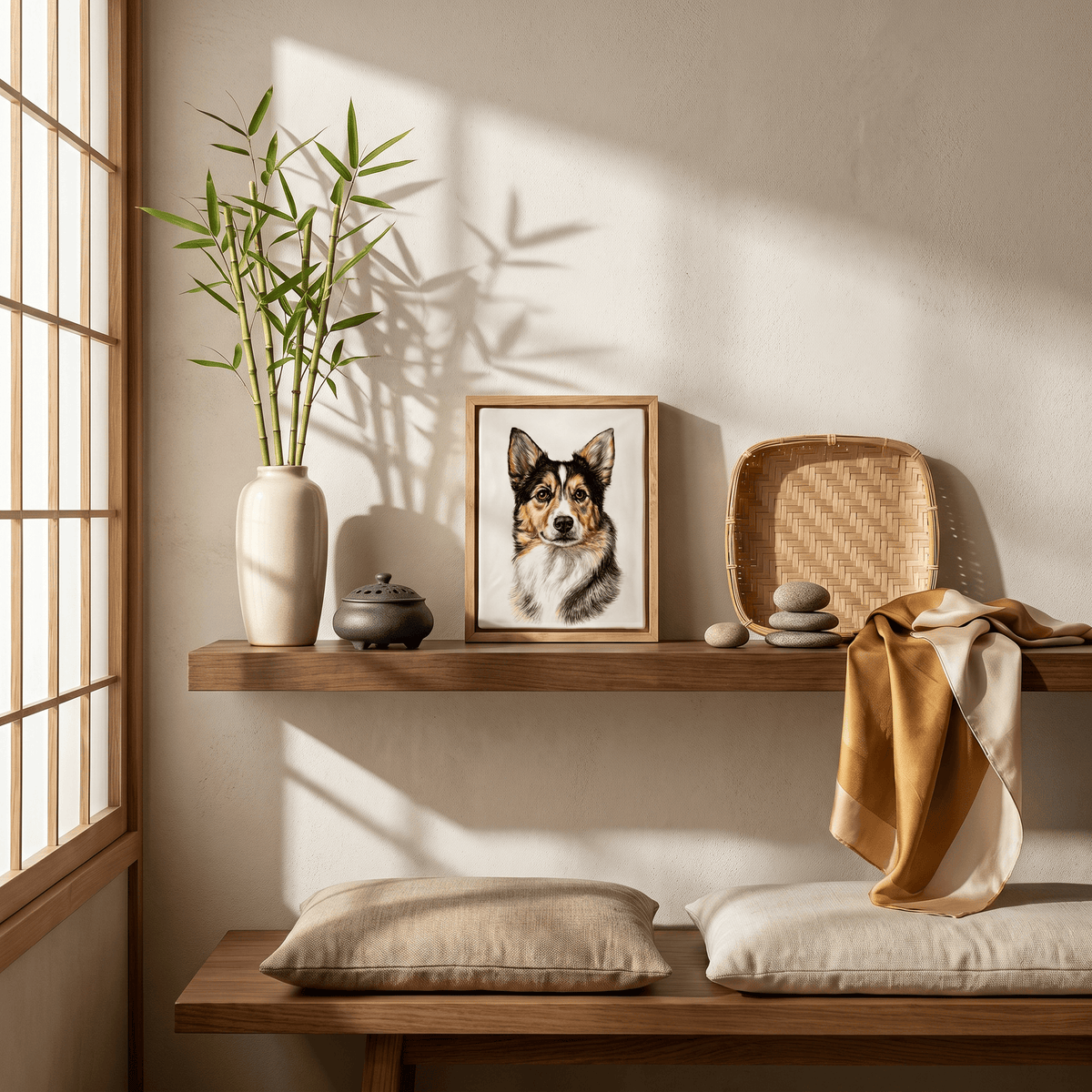
The Urn as a Bridge Between Presence and Absence
What happens when a pet is no longer physically present, but something of that life remains? Explore how a memorial urn can become a bridge between absence and presence, giving memory a tangible form and a lasting place within the home.
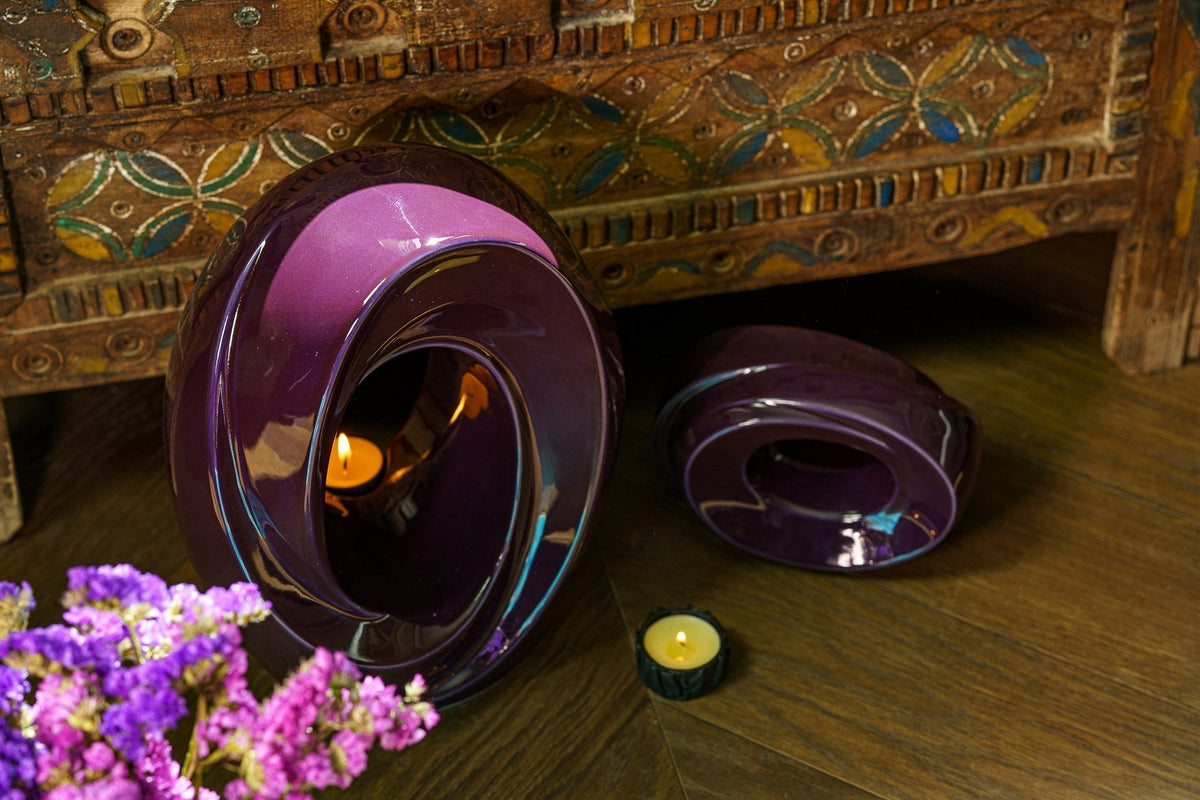
Memento Mori: Why Humans Have Always Made Art About Death
For thousands of years, humanity has transformed death into art — from skulls and fading flowers to portraits, monuments and memorial objects. Explore why we continue to create around mortality, memory and the human desire to make something last.
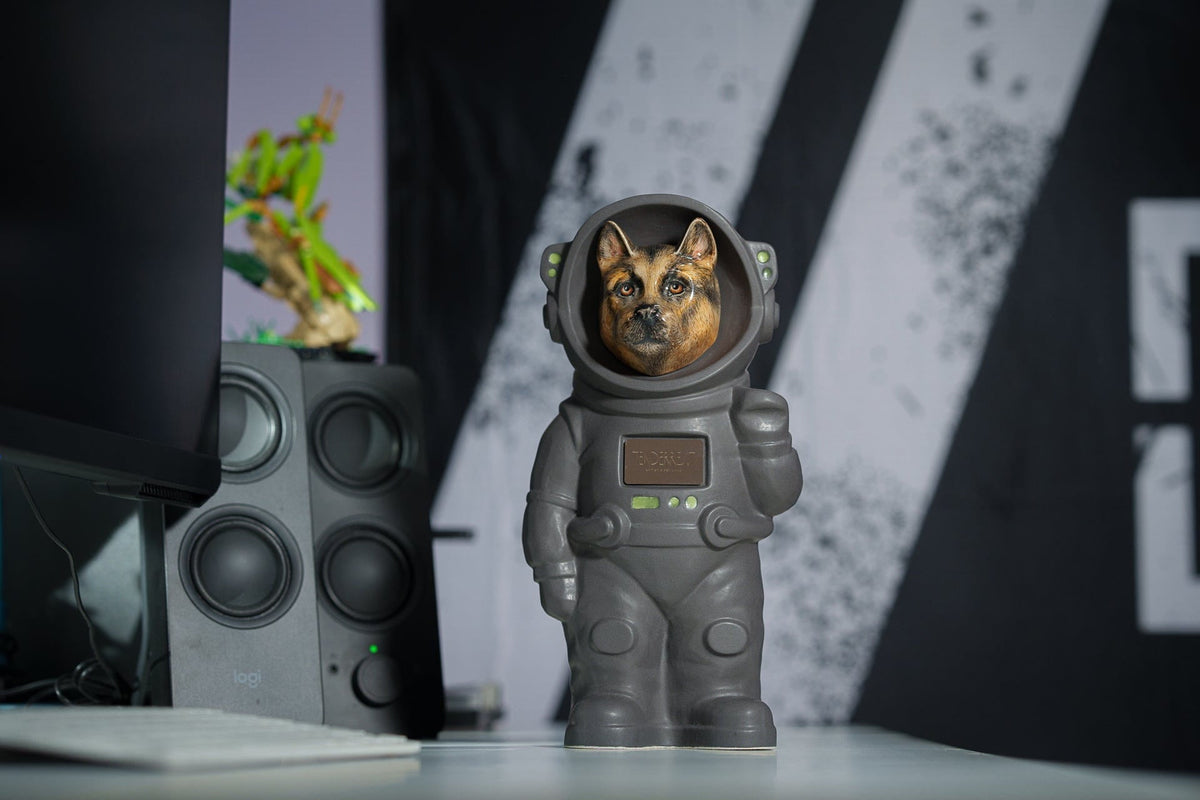
Every pet leaves behind an archive of its life — photographs, familiar objects, stories and traces of everyday routines. Discover how these fragments preserve not only memories, but the physical and emotional story of a beloved companion.
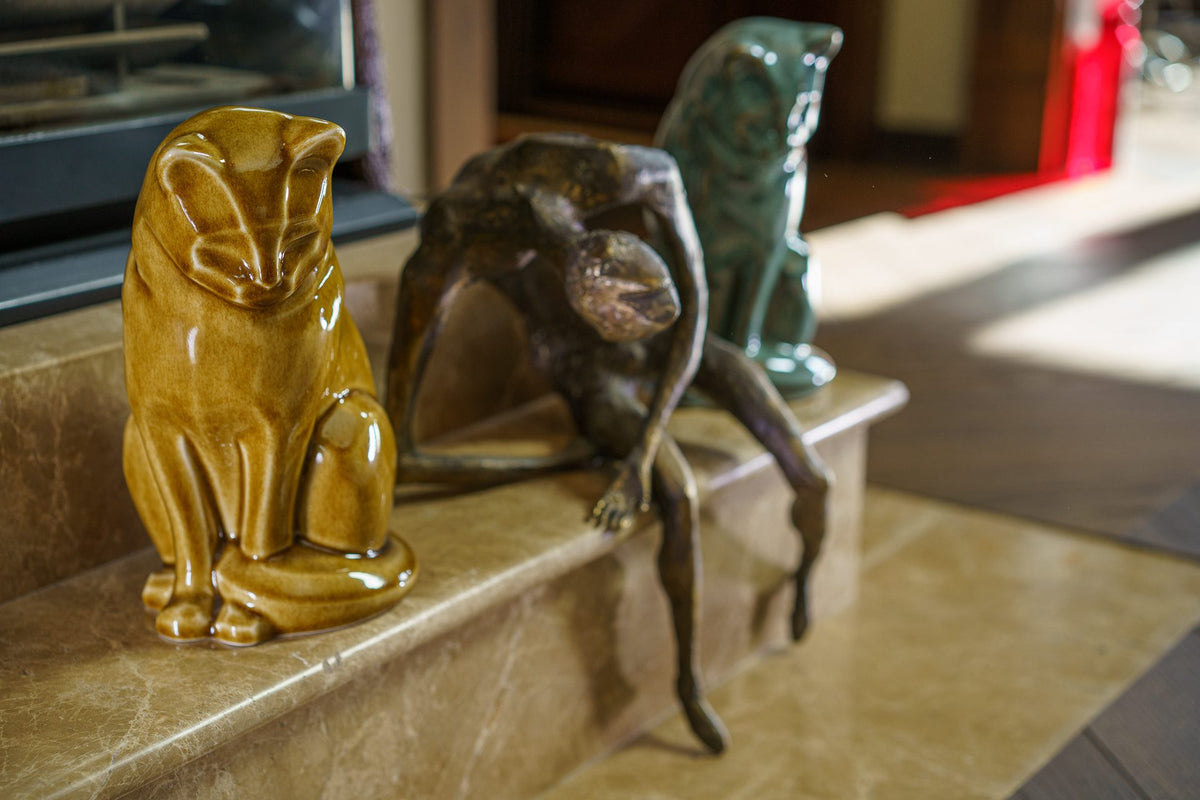
The New Aesthetics of Pet Memorials
Pet memorials are moving beyond traditional symbols of mourning. Explore how contemporary design, art, craftsmanship and materials are creating a more personal and understated aesthetic for remembering a beloved animal.
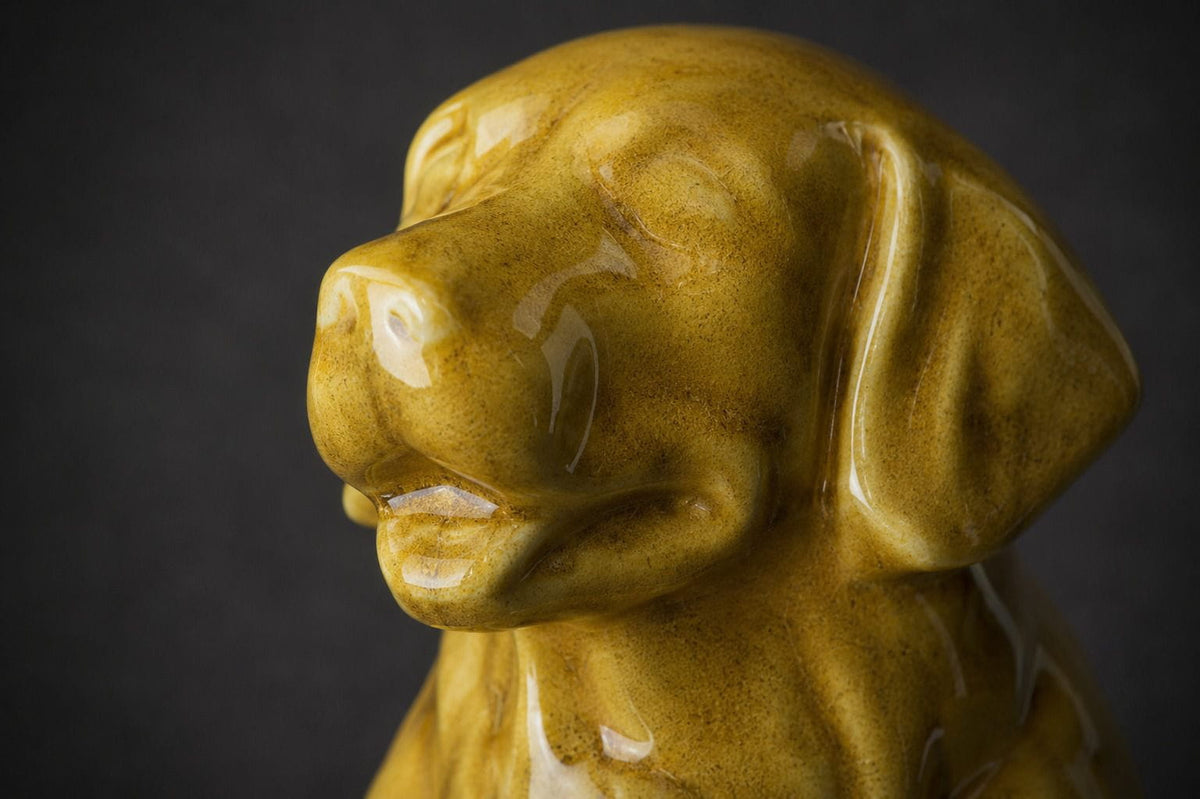
Can a pet urn be more than a vessel for ashes? Explore how craftsmanship, materials and sculptural design can transform a memorial urn into a meaningful work of art that keeps the memory of a beloved companion present.


Share:
How to Choose an Urn Based on Where It Will Be Kept
What to Do With an Urn When You Move House