


Here for you: art@pulvisurns.com | (562) 609-4019
7% off your order
Use this code at checkout:
When a pet dies, owners are often faced with decisions they have never had to make before. Among them is what should happen to their companion's remains. For those who choose cremation, receiving the ashes can be an important part of saying goodbye. Yet not everyone returns to collect them immediately. Some people need more time, others are unable to arrange collection, and some may not fully understand what happens after the cremation has taken place.
This raises a question that is rarely discussed: what actually happens when a pet's ashes are not collected?
The answer depends on the crematorium, its policies and the arrangements made when the animal was admitted. There is no single procedure followed by every provider. However, understanding the possible outcomes can help owners make informed decisions and avoid uncertainty during an already difficult period.
Following an individual cremation, the cremated remains are generally processed, placed in a suitable container and labelled or otherwise identified according to the provider's procedures. The ashes are then made available for collection or delivery to the owner.
The period between cremation and collection can vary. Some providers arrange a collection appointment, while others offer delivery or temporary storage. In certain cases, the remains may be kept at the crematorium until the owner is ready to receive them.
However, temporary storage does not necessarily mean that the ashes will be held indefinitely. Crematoriums may have specific collection periods, storage conditions and procedures for contacting owners who have not collected the remains. These arrangements should ideally be explained before the cremation takes place.
It is therefore important to distinguish between a delayed collection and remains that have been formally classified as unclaimed. The two situations may be treated differently under a provider's policy.

There are several reasons why someone might not collect their pet's ashes. Not all of them are related to a lack of attachment or concern.
For some owners, the process of receiving the ashes makes the loss feel particularly final. Although cremation may have been a considered decision, bringing the remains home can be an emotionally difficult step. They may need additional time before they feel ready to do so.
Others may face practical obstacles. Living far from the crematorium, moving house, travelling, financial difficulties or uncertainty about the collection arrangements can all delay the process. In other situations, a family may be dealing with the loss collectively and may not yet have agreed on what should happen to the ashes.
There are also circumstances in which an owner may not have been fully informed about the collection process. If the crematorium does not communicate its procedures clearly, someone may simply assume that the ashes will remain available whenever they decide to collect them.
These situations illustrate why clear communication between cremation providers and pet owners is so important.
When cremated remains are not collected within the period established by a provider, the next steps depend on its terms and applicable local requirements. There is no universal collection deadline or procedure followed by every pet crematorium.
Some providers retain uncollected ashes for a specified period, while others establish procedures for their eventual disposition. For example, certain crematoriums may offer continued storage, whereas others reserve the right to scatter or dispose of remains after a stated collection period. These arrangements should be clearly explained in the service agreement.
Industry standards developed by the International Association of Pet Cemeteries and Crematories and the Cremation Association of North America recognise the importance of addressing unclaimed cremated remains in the cremation authorisation documents. They also emphasise the importance of maintaining records of cremations and the final disposition of remains.
It is particularly important to distinguish between individual and communal cremation. With individual or private cremation, the remains are intended to be returned to the owner. With communal cremation, several animals are cremated together without their remains being separated, meaning that individual ashes are not returned. The arrangements for uncollected remains therefore depend partly on the service originally selected.
Owners should ask the crematorium what happens if individual ashes are not collected, how long they are retained, whether additional storage charges apply and what procedure is followed if the collection period expires.

A delayed collection does not automatically mean that the ashes have been disposed of or are no longer available. Some providers retain uncollected remains for a defined period, while others may have different arrangements.
If a considerable amount of time has passed, the first step is to contact the crematorium directly. Owners can ask whether the remains are still being held, whether the original identification details are available and what documentation may be required for collection.
It is important not to assume that ashes will remain available indefinitely. For example, some providers specify a collection period in their terms and conditions and reserve the right to arrange the final disposition of unclaimed remains after that period. The applicable arrangements should therefore be confirmed directly with the crematorium.
Understanding the provider's policy at the outset is preferable to relying on the assumption that collection can take place at any time.
Not being ready to collect a pet's ashes immediately is not unusual, and it does not mean that the owner cares any less about their companion. Grief can make even relatively simple decisions feel overwhelming, particularly when they involve something as personal as a pet's cremated remains.
If collecting the ashes feels too difficult, it may be helpful to speak with the crematorium about the available options. Some providers may allow additional time, arrange delivery or offer another practical solution. Asking about these possibilities can remove unnecessary pressure without requiring an immediate decision about a permanent resting place.
There is also no need to choose a final urn as soon as the ashes are received. Some owners prefer to keep the remains in the temporary container provided by the crematorium until they find a vessel that feels appropriate. Others may need time to consider the material, size, design and place where they would like to keep it.
A permanent urn is not simply a container for ashes. For many people, it represents a deliberate decision about how they wish to preserve a physical connection with an animal that was part of their lives. Such a decision deserves time and consideration.
When the time comes to bring a pet's ashes home, choosing an urn can become an important part of the process. After the practical arrangements have been made, owners may want something that does more than simply contain cremated remains. They may look for an object that reflects the significance of the relationship and offers a lasting place for their companion.
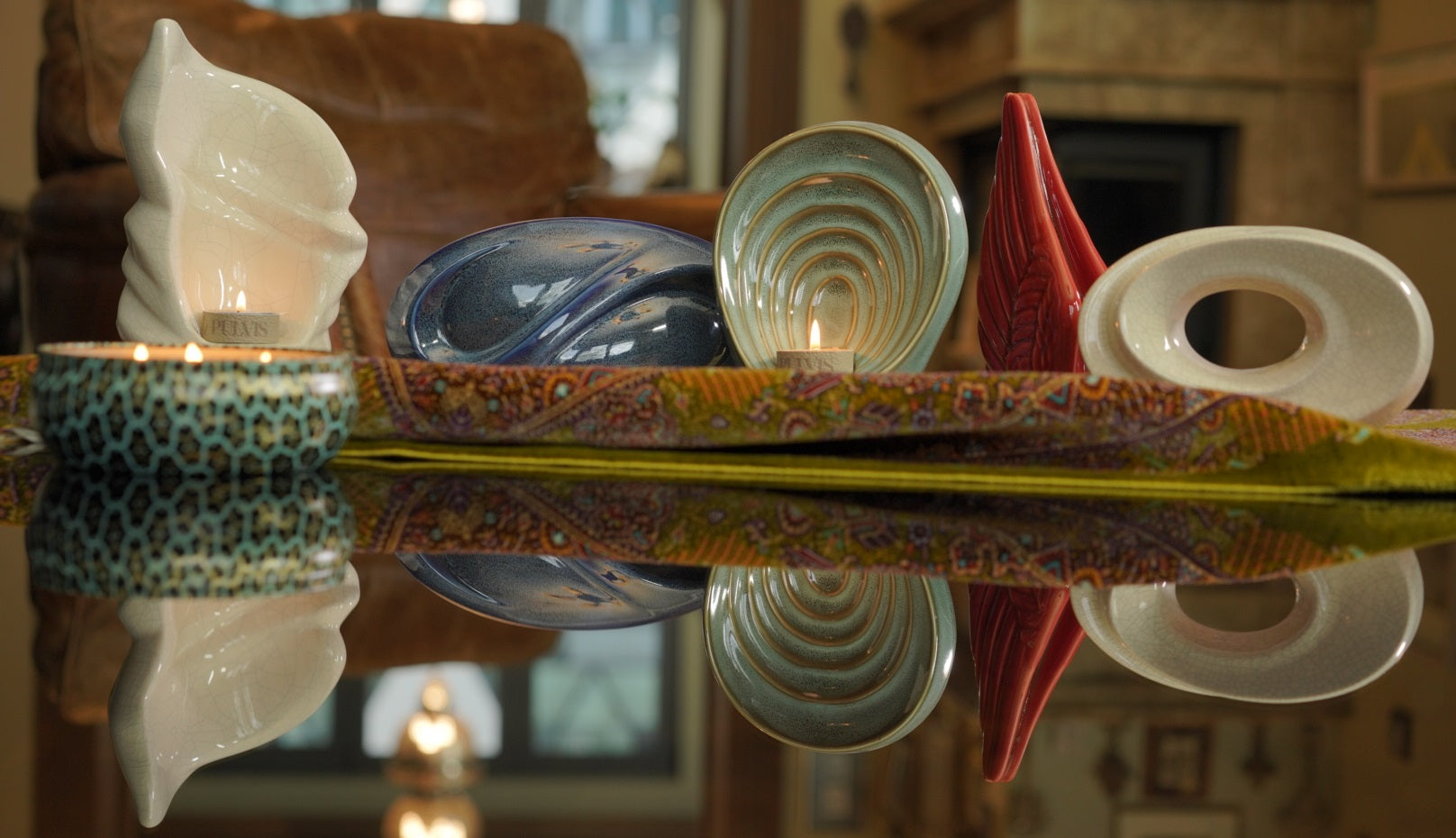
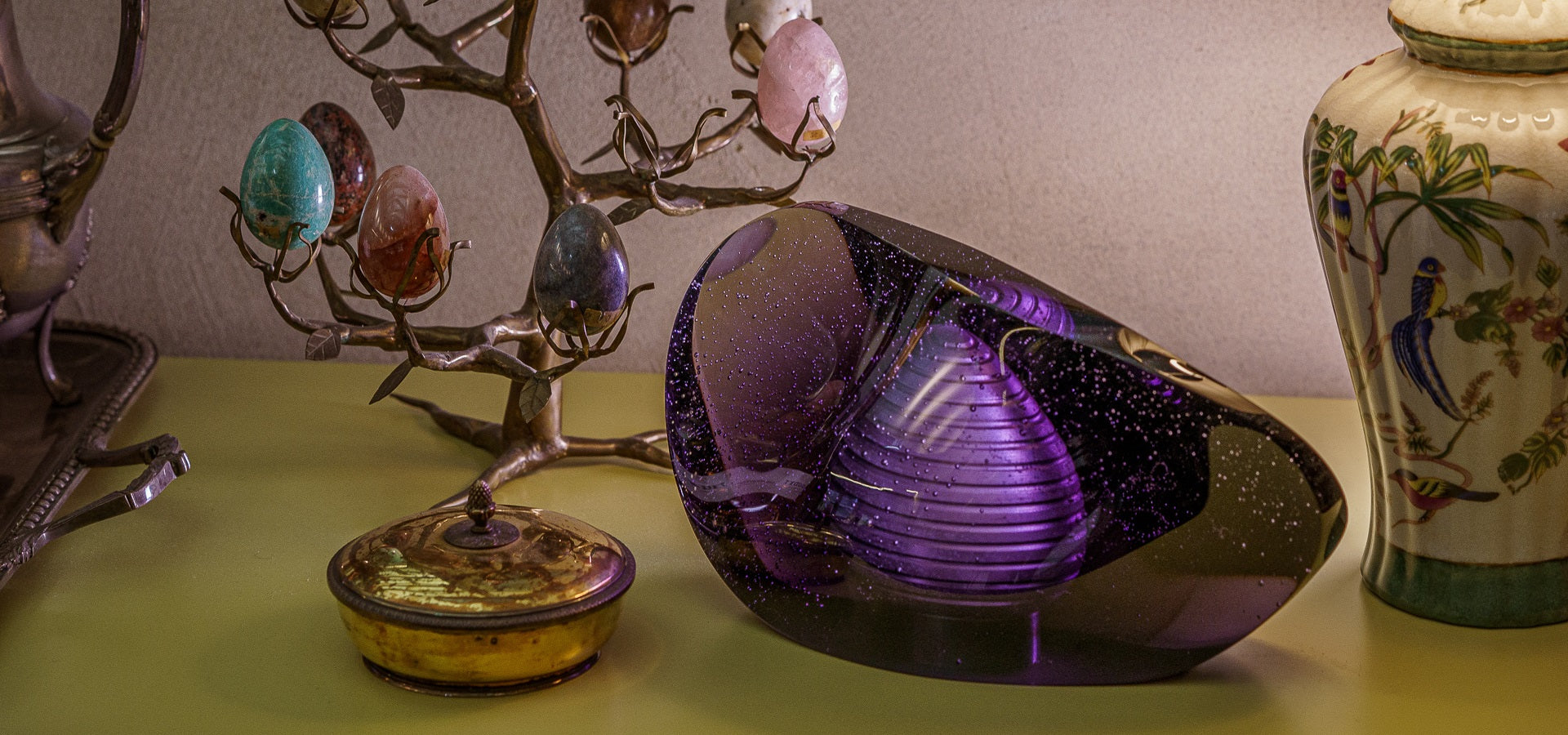
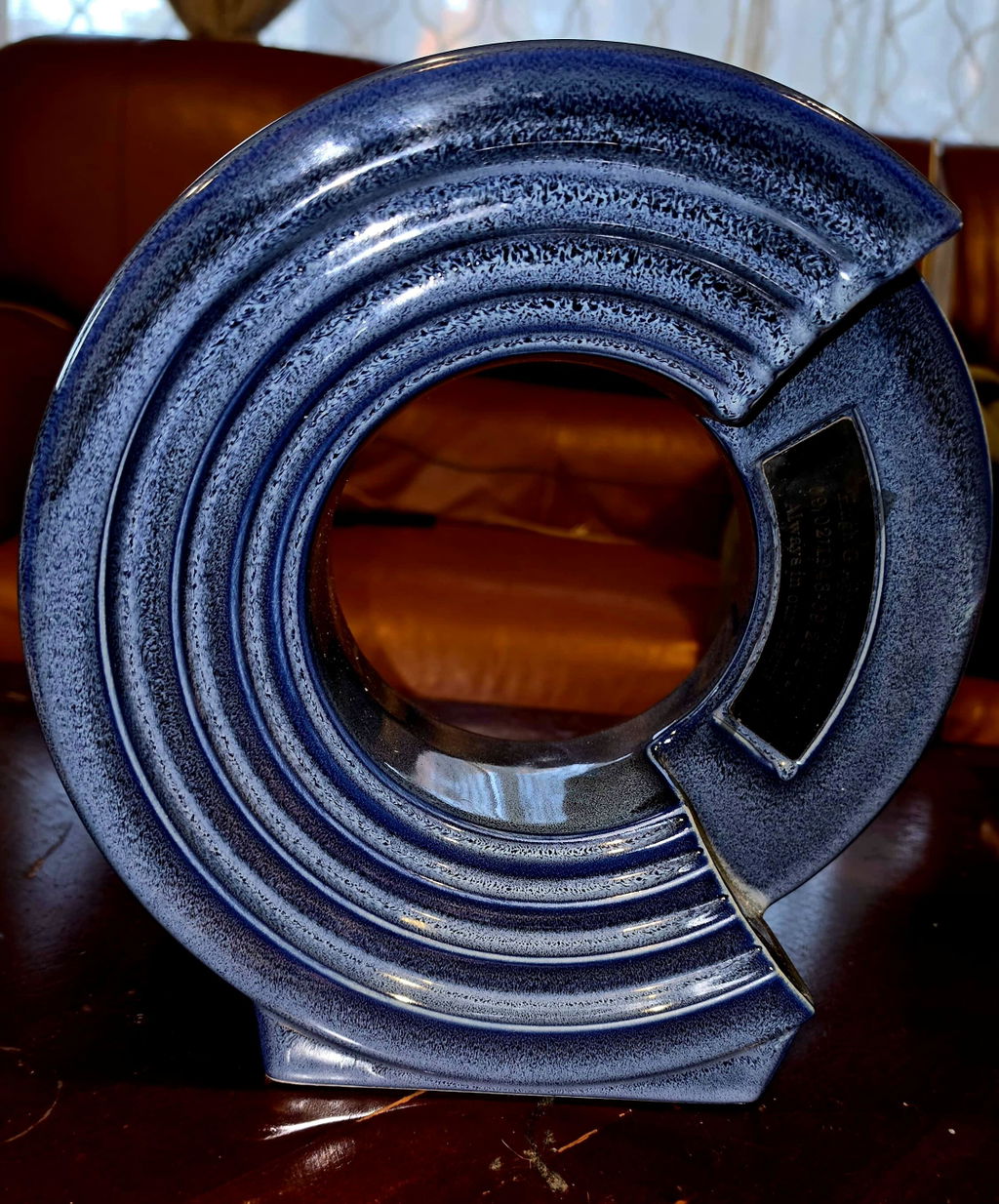
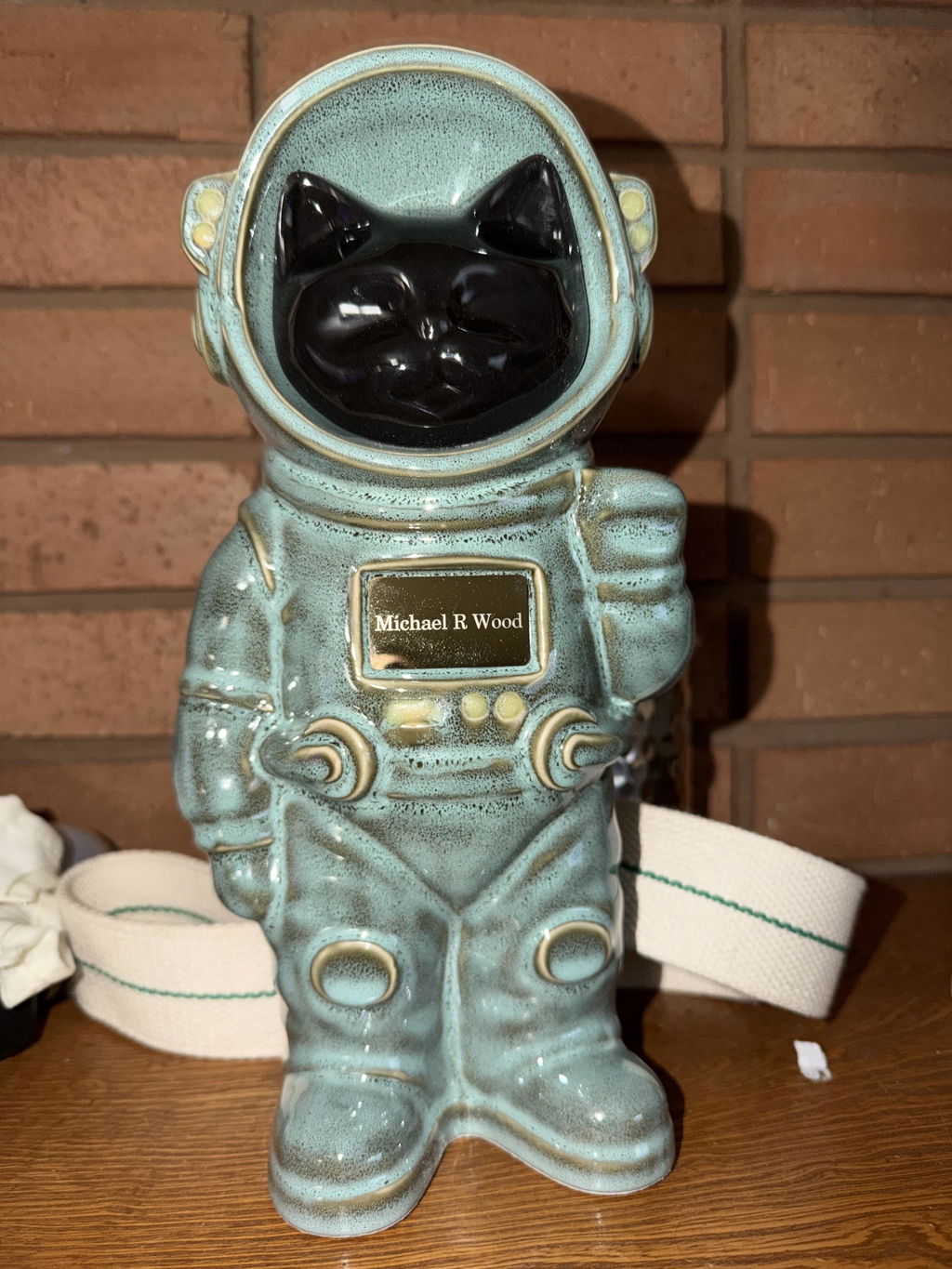
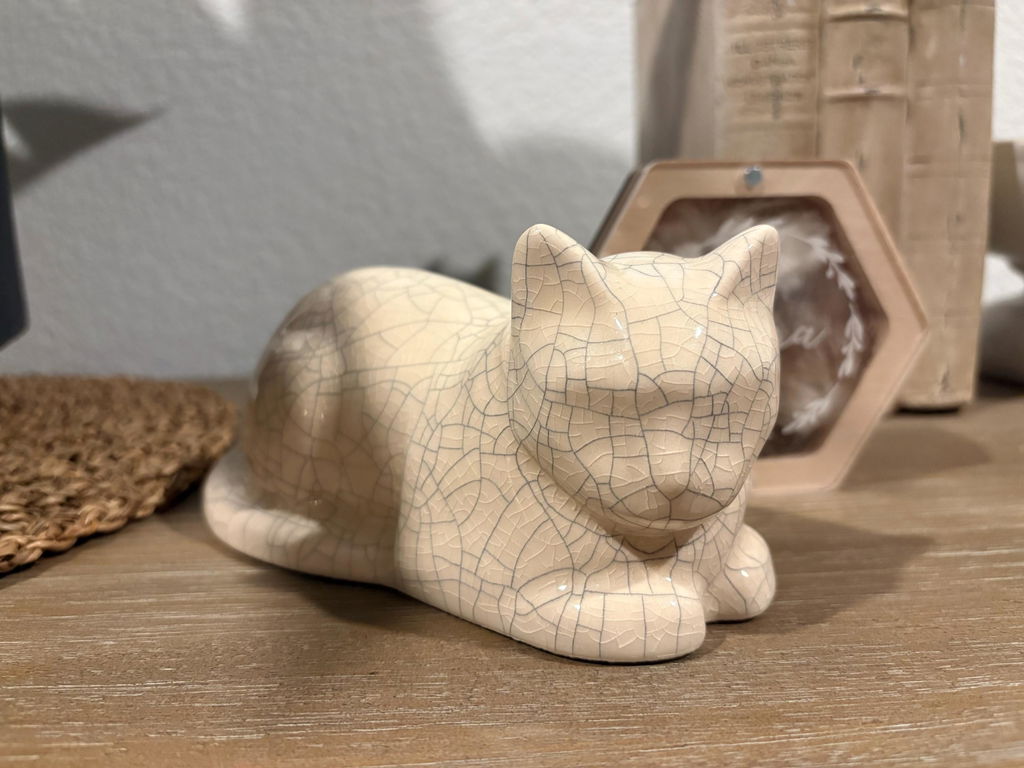
At Pulvis, pet cremation urns are designed with this purpose in mind. Combining artistic design with thoughtful craftsmanship, the collection offers a variety of forms, finishes and styles to suit different preferences. From understated ceramic designs to more distinctive sculptural pieces, each urn provides a considered way to preserve a pet's ashes.
Ceramic is particularly suited to memorial objects because of its versatility, durability and capacity for artistic expression. Its textures, shapes and finishes allow an urn to become part of a home's interior while retaining its personal significance. For owners who prefer a more discreet memorial, minimalist designs can offer a quiet presence without making the object feel overly symbolic.
The choice of an urn does not have to be made immediately after cremation. Some people prefer to take their time, consider different designs and select a piece that feels appropriate to the life they shared with their animal. Whether chosen shortly after the loss or much later, a carefully crafted urn can provide a permanent resting place for the ashes and a tangible reminder of a relationship that remains meaningful.
Explore the Pulvis collection of pet urns to discover designs created to honour the memory of a beloved companion.

The period following the death of a pet can be filled with uncertainty. Owners are expected to make practical arrangements while simultaneously processing an emotional loss. Understanding what happens to cremated remains when they are not collected can remove one source of that uncertainty.
Most importantly, delaying collection should not be confused with forgetting or abandoning an animal. People experience grief differently, and the practical decisions that follow a loss do not always happen according to a predictable schedule.
Whether the ashes are collected immediately, kept temporarily in their original container or eventually placed in a carefully chosen urn, the process should be guided by clear information and respect for the owner's wishes.
A thoughtful approach to aftercare begins with understanding the available options. And when the time comes to choose a permanent resting place, an urn can offer a lasting and personal way to honour the life of a beloved companion.
Which urn size do I need?
A simple rule: about 1 cubic inch of urn per pound of body weight.
Every product page lists the urn's capacity. Keepsake urns hold a small portion of ashes to share.
Need it by a specific date?
Free shipping · Delivery in 3–5 business days
Express delivery in up to 3 business days – choose it at checkout
Need help choosing?
Talk to our team – we're happy to help you find the right urn.
(562) 609-4019 art@pulvisurns.comSend us a message
What Happens When a Pet's Ashes Are Not Collected?
What happens when a pet's ashes are never collected? Discover how crematoriums handle unclaimed remains, what owners should know about collection policies and what options may be available.

The Guilt of Feeling Better After Losing a Pet
Feeling better after losing a pet can bring unexpected guilt. Discover why happiness does not diminish the bond you shared and how grief changes over time.
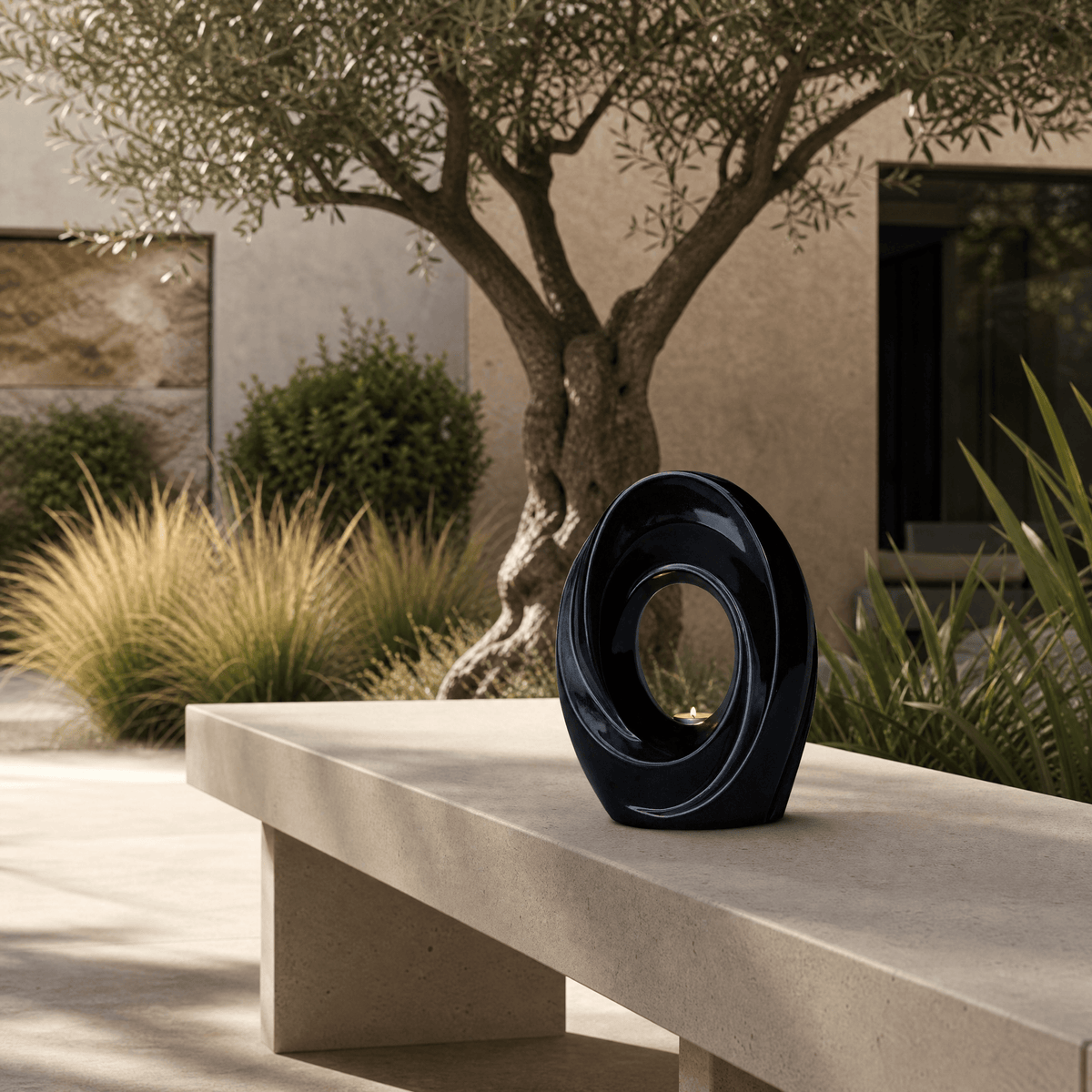
What Is the Best Material for a Cremation Urn?
Discover the best material for a cremation urn by comparing ceramic, metal, wood, glass, and biodegradable options to find a meaningful, lasting memorial for your loved one.
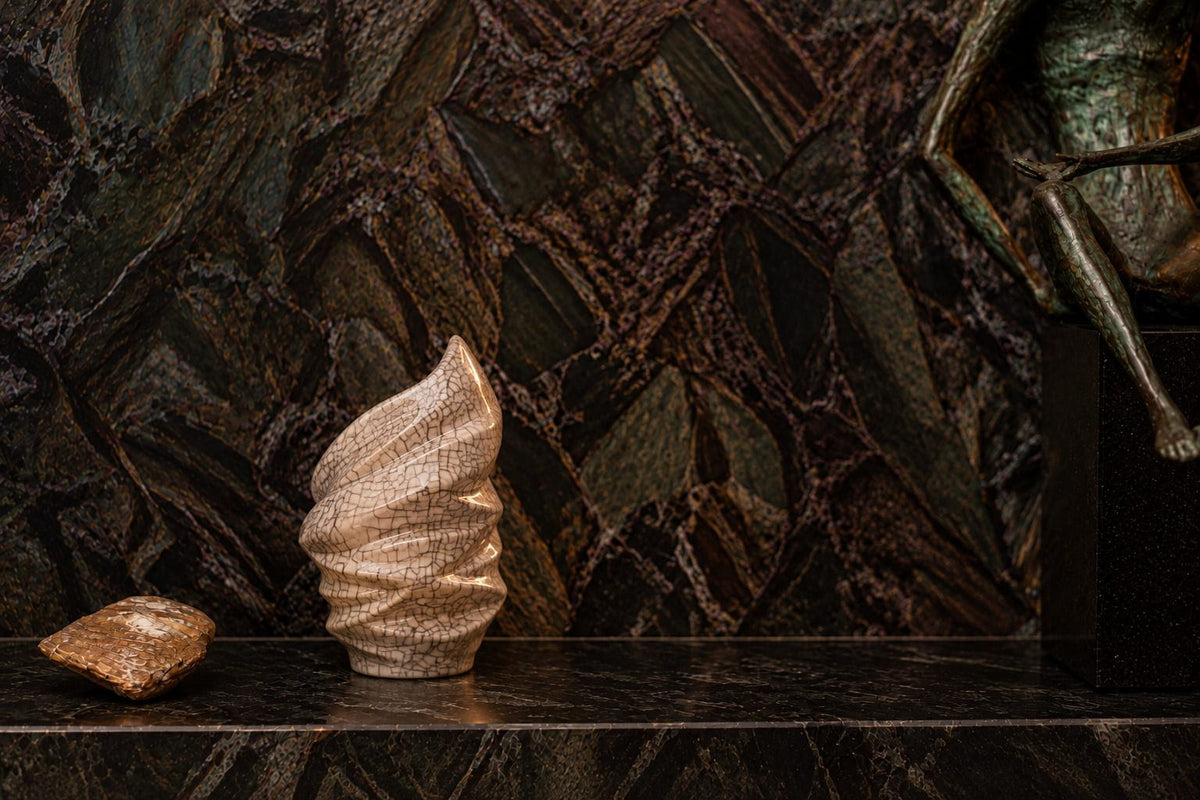
Should You Choose a Keepsake Urn or Full-Size Urn?
Choosing a keepsake urn or full-size urn? Explore their differences, capacity, materials, and benefits to find a meaningful way to honor your loved one.

Everything You Need To Know About Cremation Urns for Ashes


Share:
The Guilt of Feeling Better After Losing a Pet