

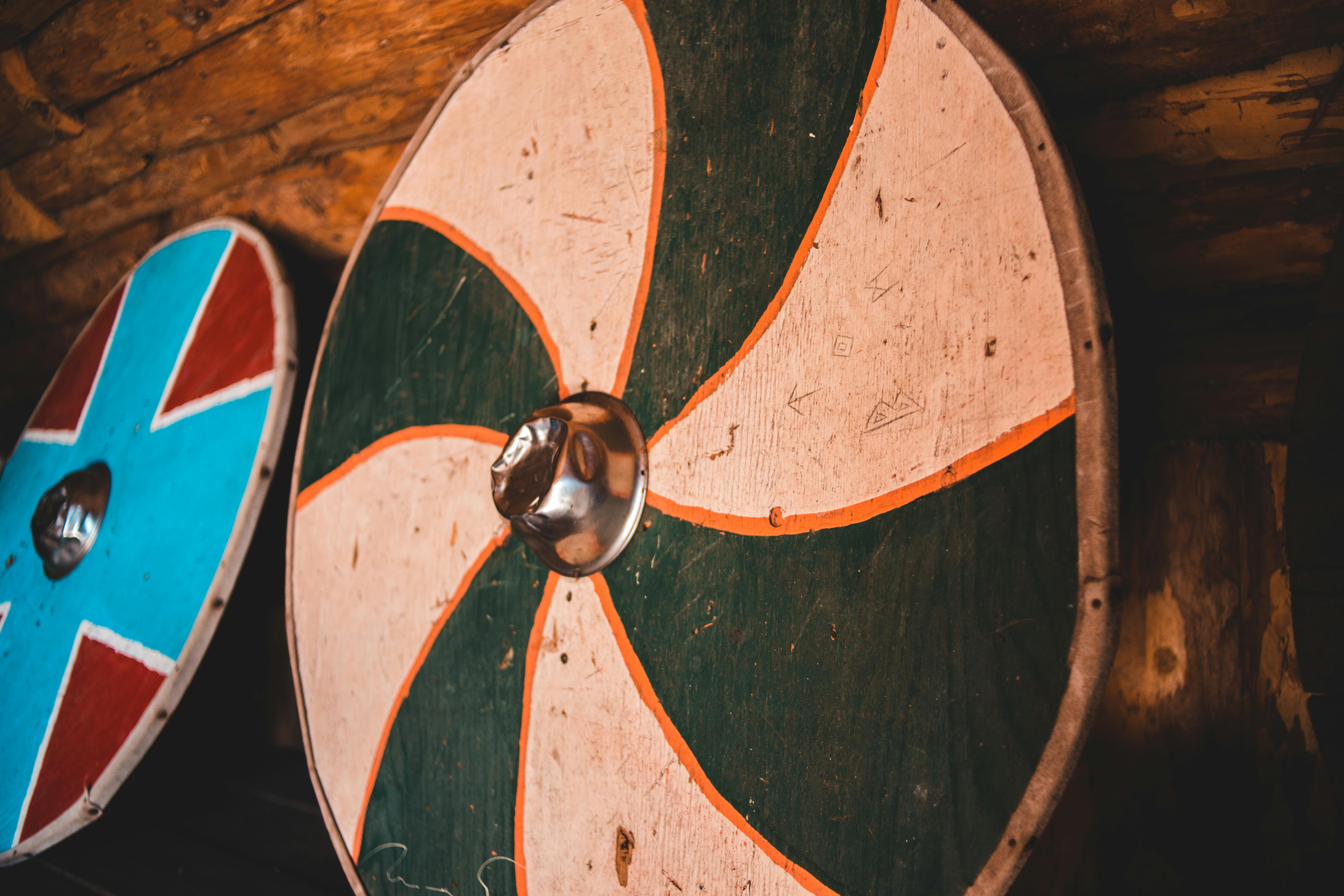
The Vikings, those seafaring warriors of the Norse realms, continue to capture the imagination of people across the centuries. Among their legendary customs, perhaps none evoke as much intrigue as their funerals, with the iconic image of a flaming ship adrift on the open sea persisting through time.
The Vikings, denizens of the Scandinavian lands, were a multifaceted society of sailors, traders, explorers, and warriors. Their existence spanned from the late 8th century to the 11th century, marked by a fervent devotion to pagan traditions intertwined with the worship of Norse gods and myths. Death, often met on the battlefield, was embraced as a natural part of life, heralding an honorable passage to the afterlife.
Viking funerals, complete with flaming send-offs, were indeed rare but significant events in Viking society. While standard burials were common for the masses, it was the royalty, great warriors, and leaders who were granted the grand spectacle of a fiery passage to the afterlife. The true essence of a Viking funeral incorporated various elements:
 Interesting Facts about Vikings Funerals and Traditions
While the image of a flaming ship burial is iconic, Viking funerary practices varied depending on factors such as social status, geographic location, and available resources. In addition to ship burials and funeral pyres, some Vikings were interred in mounds or barrows, while others were laid to rest in graves marked by standing stones or wooden markers. These diverse practices underscored the complexity and richness of Viking culture.
The Viking world was expansive, stretching from Scandinavia to as far as the Mediterranean and beyond. As a result, regional variances in funerary customs and beliefs emerged. For example, in areas where wood was scarce, cremation may have been less common, leading to alternative burial methods such as inhumation or mummification. Exploring these regional nuances provides a deeper understanding of the diversity within Viking society.

The funeral pyre held profound symbolic significance for the Vikings. Beyond its practical function of cremating the deceased, the flames were believed to purify the soul and facilitate its journey to the afterlife. The sight of a blazing pyre was also a visual reminder of the cyclical nature of life and death, echoing themes of renewal and transformation in Norse mythology.
While much of Viking history focuses on male warriors, women played crucial roles in funerary practices and rituals. Recent archaeological discoveries have revealed the presence of high-status female graves with elaborate burial goods, suggesting that women held positions of power and influence within Viking society. Exploring the role of women in funerary customs adds depth to our understanding of gender dynamics in the Viking Age.

Despite the spread of Christianity in the Viking world, heathen beliefs and practices persisted among certain segments of the population. This continuity is evident in the endurance of pagan funerary rituals, symbols, and mythological motifs long after the official conversion to Christianity. The coexistence of Christian and heathen elements in Viking funerals reflects the complex cultural landscape of the era.
The legacy of Viking funerary traditions extends far beyond the medieval period. Today, echoes of Viking customs can be found in modern funeral practices, literature, art, and popular culture. From contemporary reimaginings of Viking funerals in film and television to the incorporation of Norse mythology into heavy metal music, the enduring fascination with Viking lore underscores its enduring impact on global culture.
By delving deeper into the intricacies of Viking funerals and afterlife traditions, we gain a richer appreciation for the complexities of Norse society and the enduring legacy of the Vikings. Through archaeological discoveries, historical research, and cultural analysis, scholars continue to unravel the mysteries of Viking funerary practices, shedding new light on one of the most captivating aspects of Norse civilization.
While the era of the Vikings may have passed into history, their spirit lives on in the hearts and minds of those who seek to honor their legacy. Whether through historical reenactments, symbolic gestures, or personal reflections on valor and honor, the essence of Viking culture continues to resonate in the modern world.
The saga of Viking funerals offers a window into the rich tapestry of Norse mythology and cultural traditions. While the flaming ships and grand ceremonies may belong to a bygone era, their legacy endures as a testament to the indomitable spirit of the Vikings. As we reflect on their customs and beliefs, we gain a deeper appreciation for the complexities of life, death, and the eternal quest for glory.
-----------------------------------------------------------------------------------------------------------------------------------
Join us in helping families honor the memory of their loved ones and pets through art!
Our Affiliate Program is now available at https://www.pulvisurns.com/pages/affiliate-program-by-pulvis-art-urns

When Memory Becomes Part of the Home: Integrating a Memorial Urn into Interior Design
Grief evolves, and for many, remembrance becomes a quiet, personal part of everyday life. A memorial urn doesn’t have to be a standalone reminder of loss; it can be a meaningful, beautiful element of your home's narrative. This guide explores how to treat an urn as a sculptural art piece, blend it with minimalist or bohemian aesthetics, and use nature or dual-purpose designs to create a space that reflects love rather than loss.

The Eternal Vessel: When an Urn Becomes a Family Heirloom Across Generations
Traditionally, heirlooms were jewelry or watches. Today, high-quality ceramic urns are the new family anchors. Explore the science of preservation, the ethics of passing the memorial torch, and why art urns are the definitive choice for a 2026 legacy.

The Science of Ashes: Do Cremated Remains Expire and Why Do Colors Vary?
Many families wonder about the longevity of cremated remains. Do they have a shelf life? Why do colors vary from white to dark grey? This comprehensive guide dives into the chemistry of calcium phosphate, the impact of modern medicine on ash color, and how to preserve these remains for eternity.
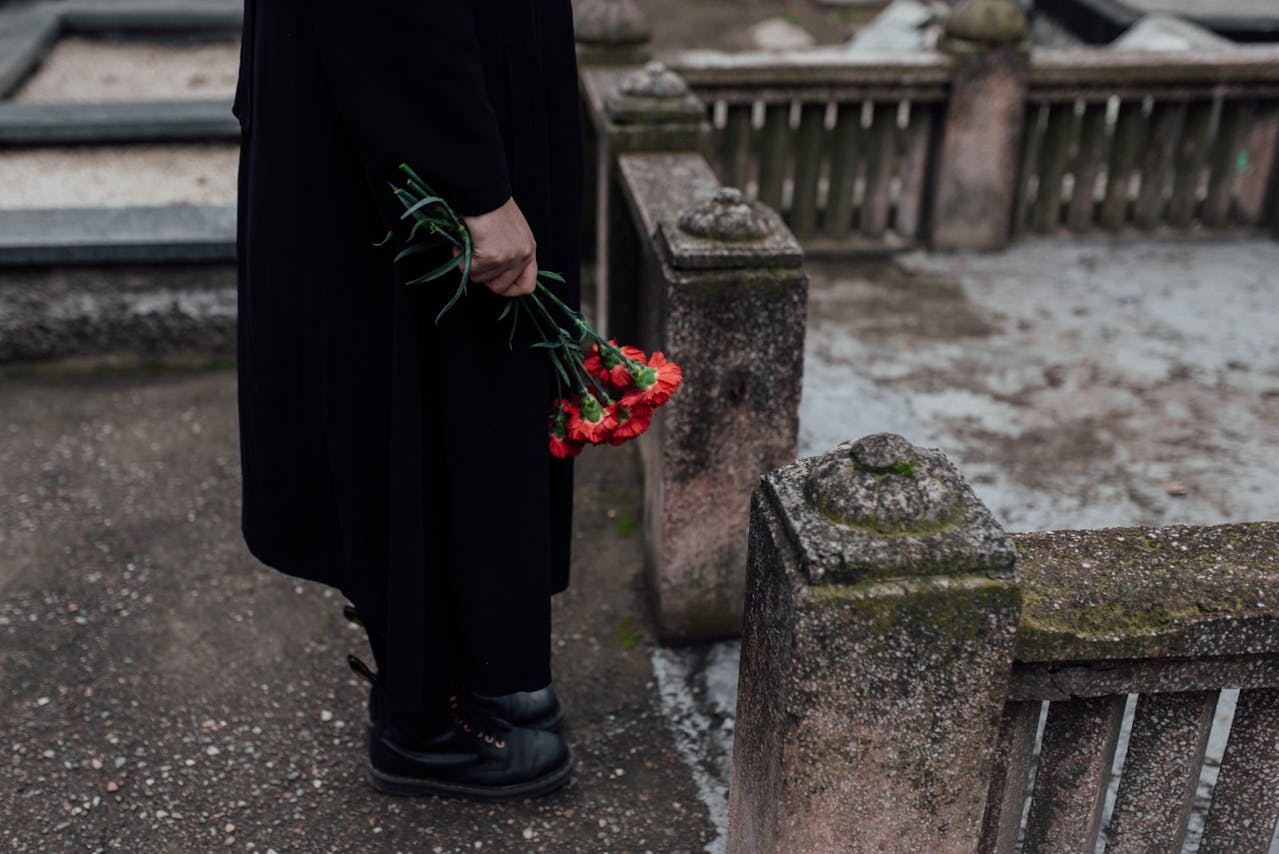
The Geometry of Grief: A Research Guide to Cremation, Art, and the Psychology of Presence
As we move through 2026, cremation has evolved from a simple method of final disposition into a sophisticated foundation for legacy building. But what happens after the process is complete? This master research guide explores the "Geometry of Grief," merging technical engineering data with modern psychological theories on bereavement. From the high-thermal science of the cremation retort to the neuro-aesthetics of tactile memorial art, discover everything you need to know about honoring a loved one’s unique spirit through modern innovation and timeless craftsmanship.
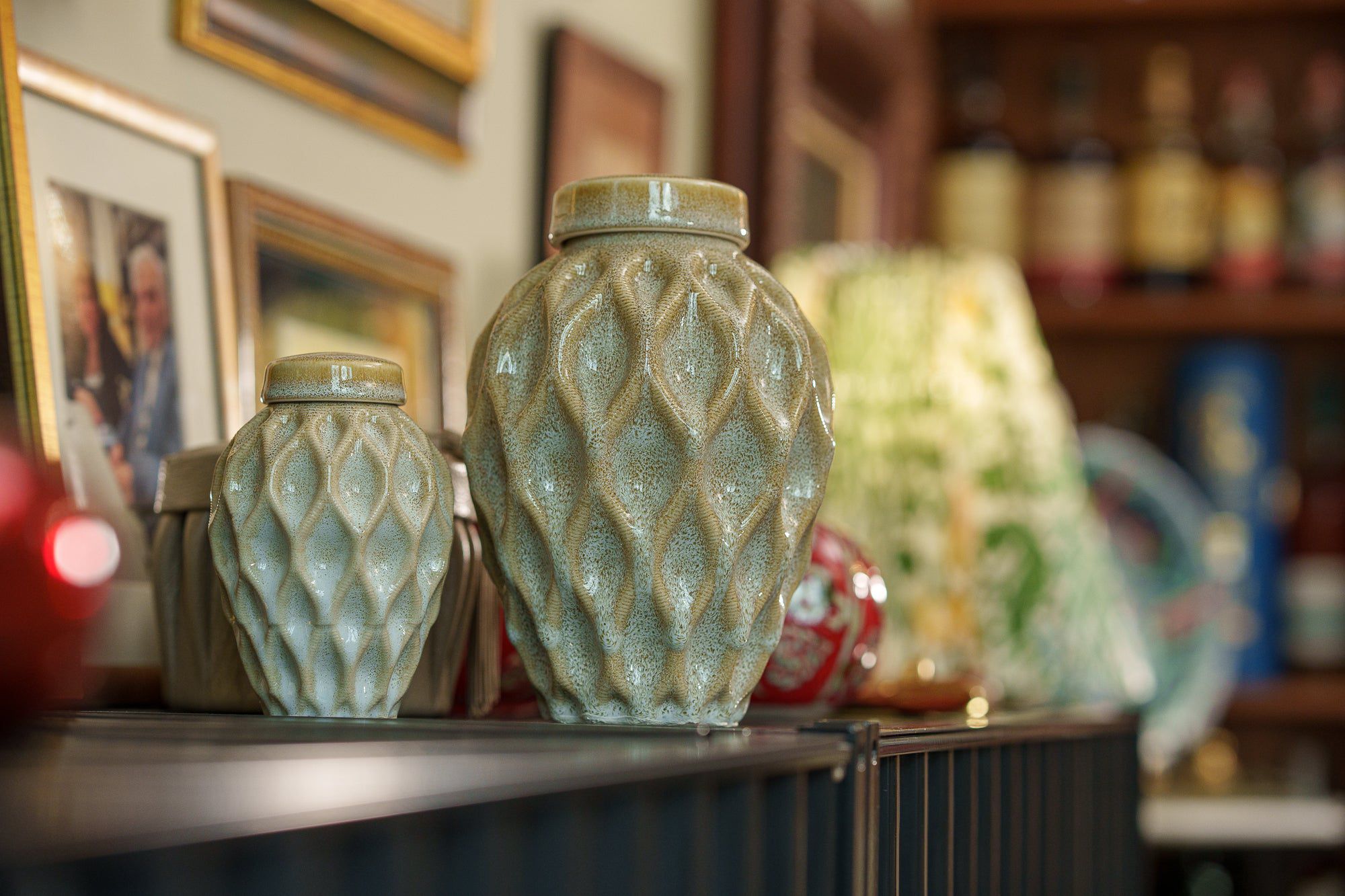
3D-Printed Urns with Parametric Design: The Future of Memorial Art
The world of memorial design is evolving. This in-depth guide explores how 3D-printed parametric urns combine mathematics, nature, and ceramic craftsmanship to create deeply personal and lasting tributes. From ancient traditions to cutting-edge technologies like AI, NFC, and sustainable materials, discover how the Echo Collection by Pulvis Art Urns is redefining remembrance.


Share:
What Does God Say About Keeping Ashes? Discover the Biblical Truth
How Much Should You Pay For A Cremation Urn?