



Unveil the mysteries of Tibetan sky burials. Delve into the traditions, cultural significance, and rituals of this fascinating funeral practice.
Tibetan Sky Burial, also known as a sky funeral in Tibet, is a unique and sacred death ritual that involves allowing vultures to consume the body of the deceased. This practice, deeply embedded in Tibetan culture, represents an intricate blend of spiritual beliefs and environmental considerations.
Understanding Tibetan sky burials provides insight into the broader context of Tibetan funeral customs and their underlying philosophies. The significance of this ritual extends beyond mere tradition; it reflects profound Buddhist concepts related to impermanence, the cycle of life and death, and the compassionate act of almsgiving to sustain other living beings.
Tibetan culture holds a nuanced perspective on death, viewing it as a transition rather than an end. Death rituals, including sky burials, are seen as essential rites to ensure the smooth passage of the soul into its next existence. In this light, these practices reveal much about Tibetan attitudes towards life, death, and the afterlife.
 Historical Context of Sky Burials
 Sky burials, a distinctive Tibetan death ritual, have roots deeply embedded in the region's ancient traditions. The practice is believed to have originated from pre-Buddhist customs where offering the deceased to nature was seen as a final act of generosity. This method aligns with the Tibetan understanding of life and death, emphasizing the impermanence of physical forms and the continuity of spiritual existence.
The 12th century marked a significant evolution in sky burial practices, largely influenced by Dampa Sangye, an important figure in Tibetan Buddhism. His teachings reinforced the belief that sky burials were not only practical but also spiritually beneficial. By promoting this practice, Dampa Sangye helped integrate it more deeply into Tibetan culture, aligning it with Buddhist doctrines of compassion and detachment from worldly attachments.
Over centuries, the significance of sky burials evolved alongside Tibetan society and its religious landscape. The ritual has remained resilient through various historical phases, serving as a poignant reminder of the cultural heritage and spiritual philosophies that define Tibet. Despite modern challenges such as urbanization and environmental concerns, sky burials continue to be revered for their profound spiritual meanings.
Understanding these historical contexts provides valuable insight into why sky burials remain an integral part of Tibetan death practices today.
 The Ritual Process of Sky Burial
Sky burials, or Tibetan air burials, involve detailed and sacred preparations. Selecting an appropriate location is crucial. Charnel grounds near temples or stupas are traditional choices, providing a serene setting that aligns with Buddhist beliefs. These designated sites are often remote, ensuring the ritual's sanctity and privacy.
The deceased's body undergoes meticulous preparation by rogyapas, or body-breakers. This process is both spiritual and practical:
The Tibetan air burial is a complex ritual with deep roots in Buddhist traditions. At the heart of this ceremony are the rogyapas, or sky burial operators, whose role is essential.
 Role of Rogyapas:
This practice not only reflects deep-seated spiritual beliefs but also emphasizes an ecological cycle where life feeds on life.
 Cultural and Spiritual Significance of Sky Burials
Sky burials hold deep meaning in Buddhism, reflecting key beliefs about life, death, and the natural world. Here are some of how sky burials embody these teachings:
The Tibetan practice emphasizes the transmigration or rebirth aspect of Buddhist doctrine. According to this belief:
Sky burials thus serve a dual purpose: honoring the deceased and adhering to a compassionate, environmentally conscious tradition that aligns with core Buddhist values.
 Comparisons to Other Death Practices
Looking at other burial methods like cremation and water burial alongside sky burials shows us the different ways cultures approach death rituals.
Each method highlights different cultural values and practical adjustments, showing us how various societies pay tribute to life and death.
 Conclusion
Tibetan Sky Burial, an ancient and sacred ritual, reflects the profound spirituality and environmental consciousness embedded in Tibetan culture. This practice, where vultures consume the deceased's body, epitomizes Buddhist principles of impermanence, compassion, and the cycle of life and death. Rooted in historical traditions and influenced by figures like Dampa Sangye, sky burials have adapted over centuries, maintaining their cultural and spiritual significance despite modern challenges.
The ritual process, involving meticulous preparations and the essential role of rogyapas, underscores a deep reverence for life’s cyclical nature. Sky burials not only honor the deceased but also demonstrate an ecological harmony, as the body returns to nature. The practice’s cultural and spiritual significance, juxtaposed with other burial methods like cremation and water burial, highlights the unique ways Tibetan society approaches death.
Modern challenges, such as urbanization and environmental issues, threaten the continuity of sky burials, impacting Tibetan cultural identity. Yet, personal reflections from those who have participated in these rituals reveal a profound connection to their spiritual and cultural roots. These accounts illustrate the enduring importance of sky burials, offering insight into the values and beliefs that continue to define Tibetan society.
Understanding Tibetan sky burials enriches our appreciation of the intricate relationship between cultural practices and spiritual philosophies, emphasizing the universal themes of life, death, and rebirth.

Easy Guide to Funeral Homes in North Dakota
From the rise of Green Burial to the pragmatics of a $5,600 saving with cremation, North Dakota’s 2026 landscape is shifting. This guide breaks down the "Peace Garden State’s" unique eight-day rule, 2026 cost averages, and how families are honoring prairie roots with sophisticated, sculptural legacies.

The Alchemy of Remembrance: The Definitive Master Guide to Choosing the Color of a Memorial Urn
Choosing a memorial urn is a profound act of love where color serves as the "visual frequency" of a legacy. From the tranquil depth of celestial blues to the radiant warmth of amber glazes, the right hue transforms a vessel into a storyteller. Explore our master guide to matching personality, tradition, and home decor to find a tribute that resonates with the soul it holds.
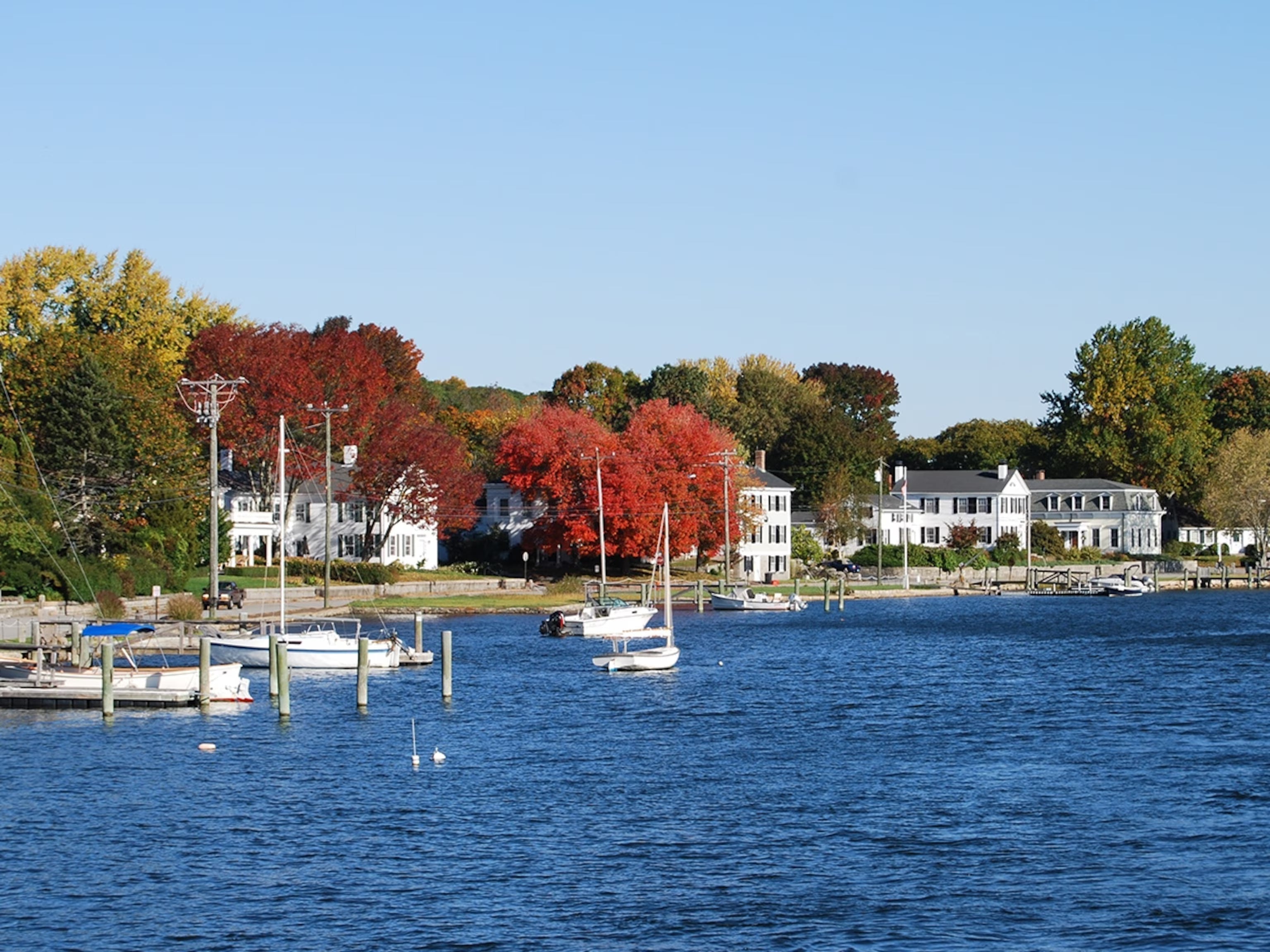
Easy Guide to Funeral Homes in Connecticut
In Connecticut, tradition meets modern, eco-friendly choices. As of 2026, cremation rises to 60–62%, with costs averaging ~$9,600 for burials and ~$3,100 for direct cremation. State law mandates a 48-hour wait before cremation. Families honor loved ones through historic plots or artistic urns reflecting Connecticut’s coastal, refined style.
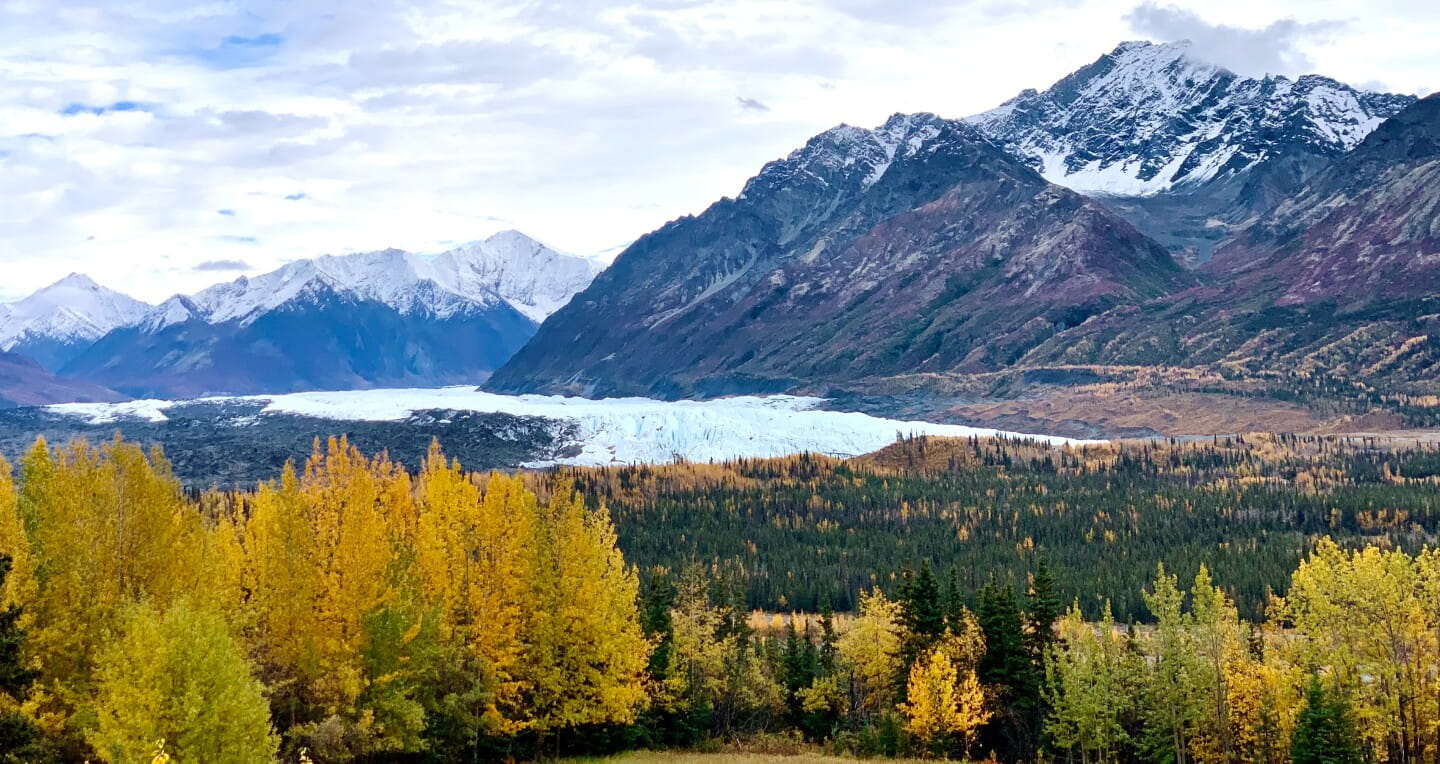
Easy Guide to Funeral Homes in Alaska
From the debut of Natural Organic Reduction to the pragmatic shift toward coastal cremation, Delaware’s 2026 funeral landscape is changing. This guide breaks down the "First State’s" essential costs, the unique five-day rule, and how to plan a personalized "portable legacy" from Wilmington to the Atlantic shore.
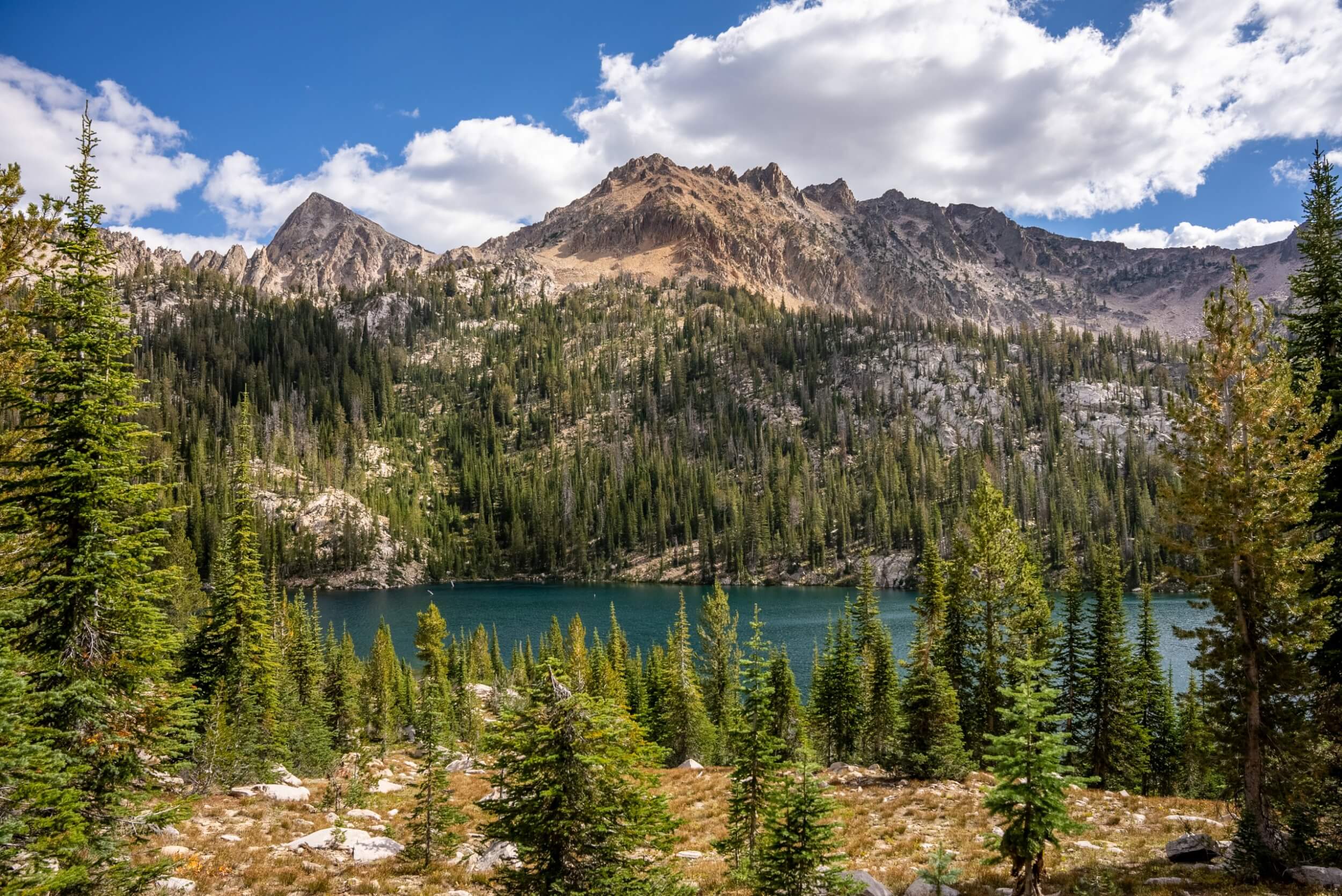
Easy Guide to Funeral Homes in Idaho
In Idaho, rugged landscapes shape unique end-of-life traditions. By 2026, cremation and nature-focused memorials are rising, while traditional burial remains meaningful in farming communities. Costs: $765–$1,706 for cremation, $7,745–$9,750 for burial. Idaho law requires 24-hour waiting, coroner approval, and death certificate filing. Outdoor ceremonies are common. Artistic urns honor loved ones.





Share:
Celebration of Life - Finding a Meaningful Memorial
Learning to Deal with Death: 8 Strategies for Coping