


Here for you: art@pulvisurns.com | (562) 609-4019
7% off your order
Use this code at checkout:
Say the word “millennial” to anyone over the age of 40 and watch as a look of disgust falls over their face. Selfish, lazy and unproductive are just some of the words used to describe those who were born between 1980 and 2000.
This, however, might not be exactly accurate. Millennials are transforming the world we live in. Now more than ever impact is being created, dreams are being pursued and the world of business is changing. Including the death care sector.

New trends are forming
It is estimated that millennials will make up about 70% of the workforce by 2025, and many of them are working in the funeral industry already. In fact, this connected and always-online generation could change the death sector dramatically.
There is a trend for “death positivity” as some funeral directors, from this generation, seeking ways to help people take a more active role in the processes that surround death.
Some of the ideas include encouraging clients to witness the process of cremation, giving people more opportunities to care for the body of a loved one, and promoting eco-friendly burials, new types of cremation urns for ashes and keepsakes.
There is also a visible conflict in the rising cremation rate paired with de-churching trends and millennials might be the reason.
Cremation urns for ashes are not historically exclusive to only one religion. The earliest cremation urns and memorials date back to 6500. Recent history, though, ties the funeral urns closely with death care rituals, which feel religious even if the object itself is not connected to a certain belief.
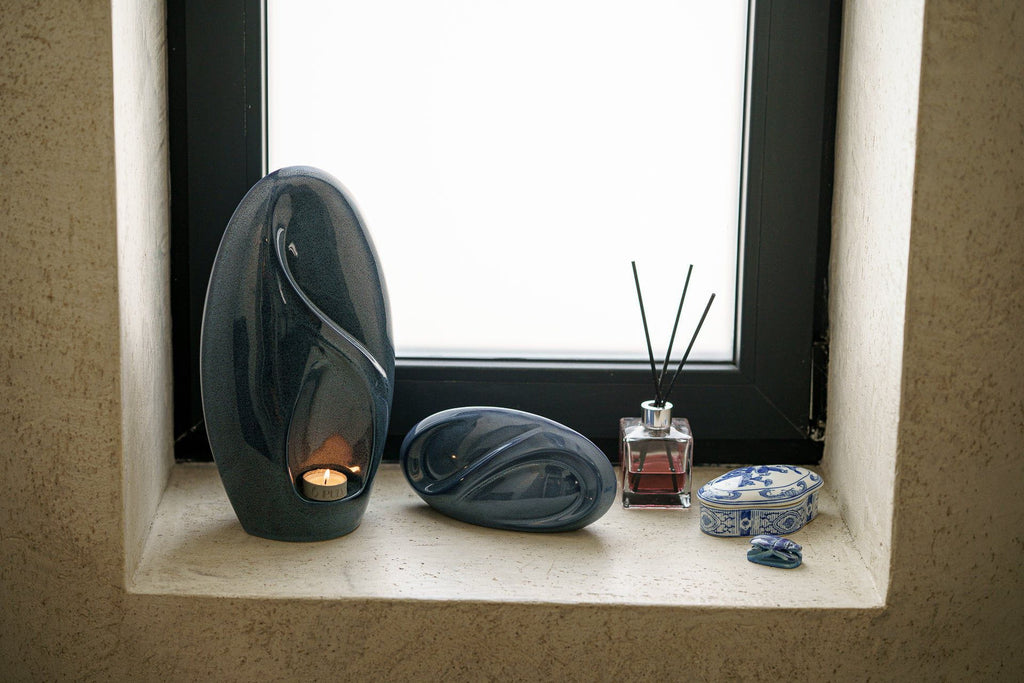
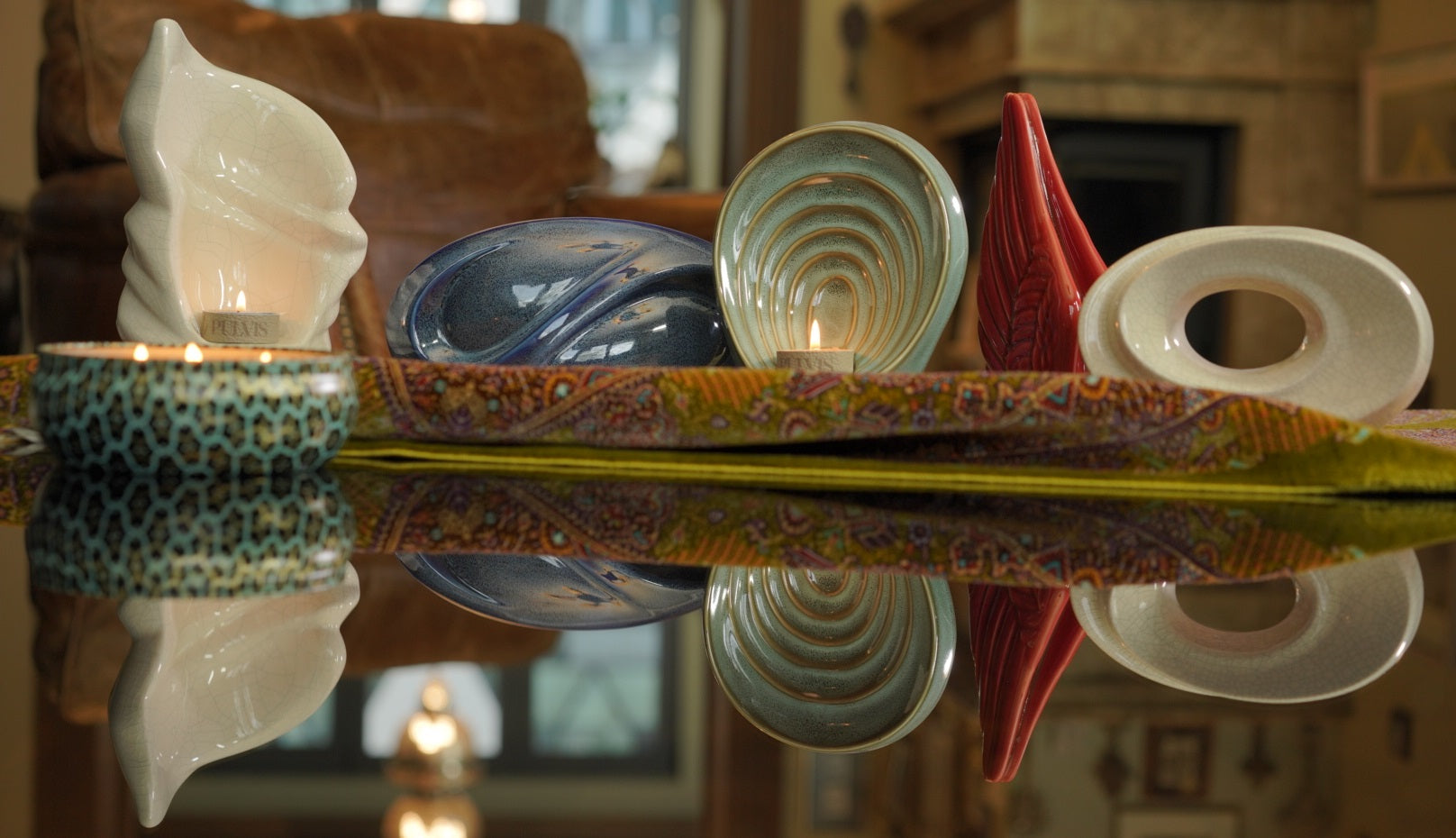
In the next 25 years, we could see the use of traditional conus-shaped cremation urns sharply drop. If cremation urns sales do start to go down, it is unlikely that the money spent on them will simply disappear into the breeze with the ashes of your loved one. More than 15,000 years of history has confidently proven we want to keep cremains close to us. Instead, we might see a change in consumer spending in the death care marketplace from the traditional-looking urn to religiously neutral cremation urns, art urns for ashes, even cremation keepsakes and biodegradable urns.
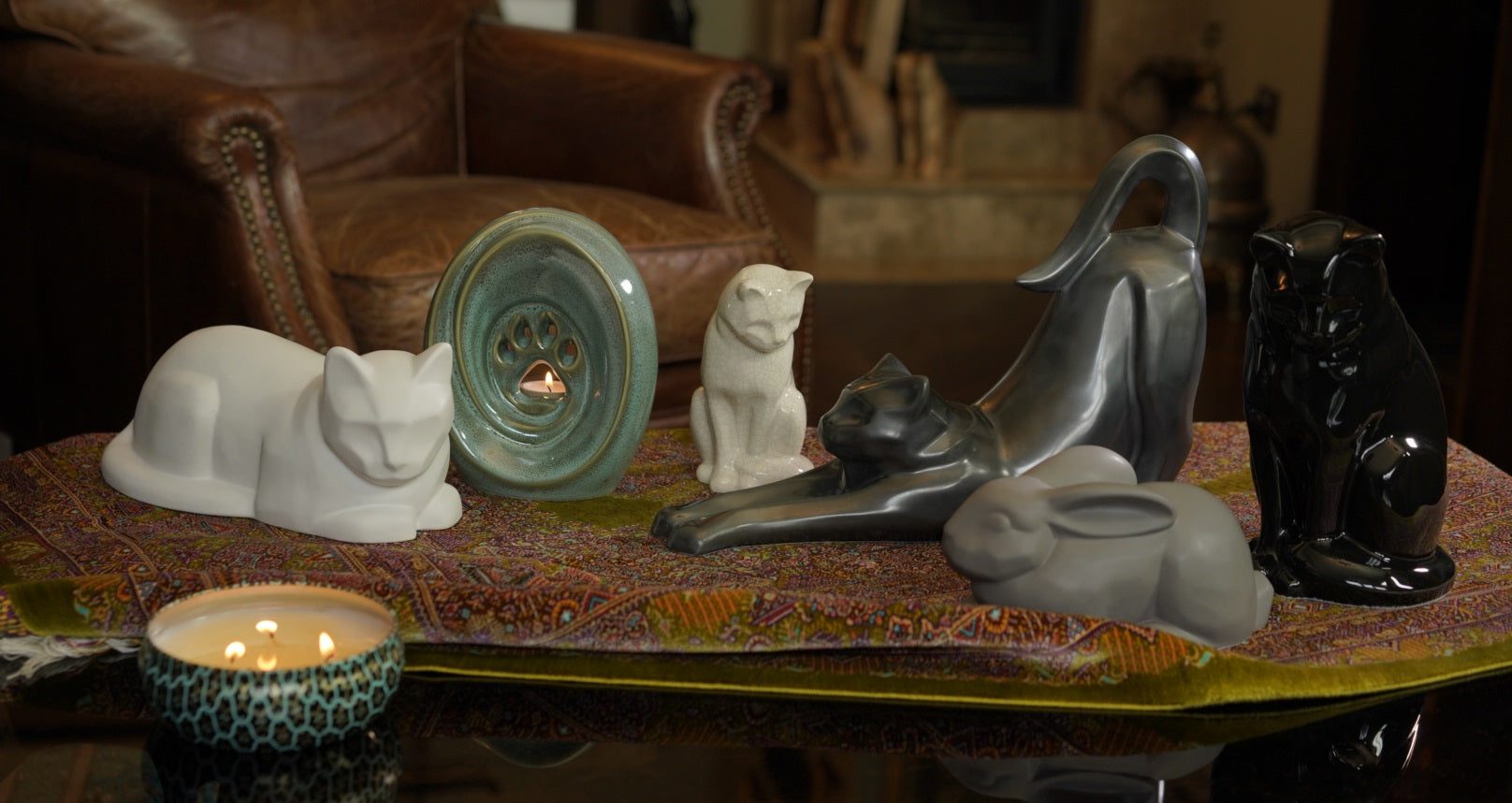
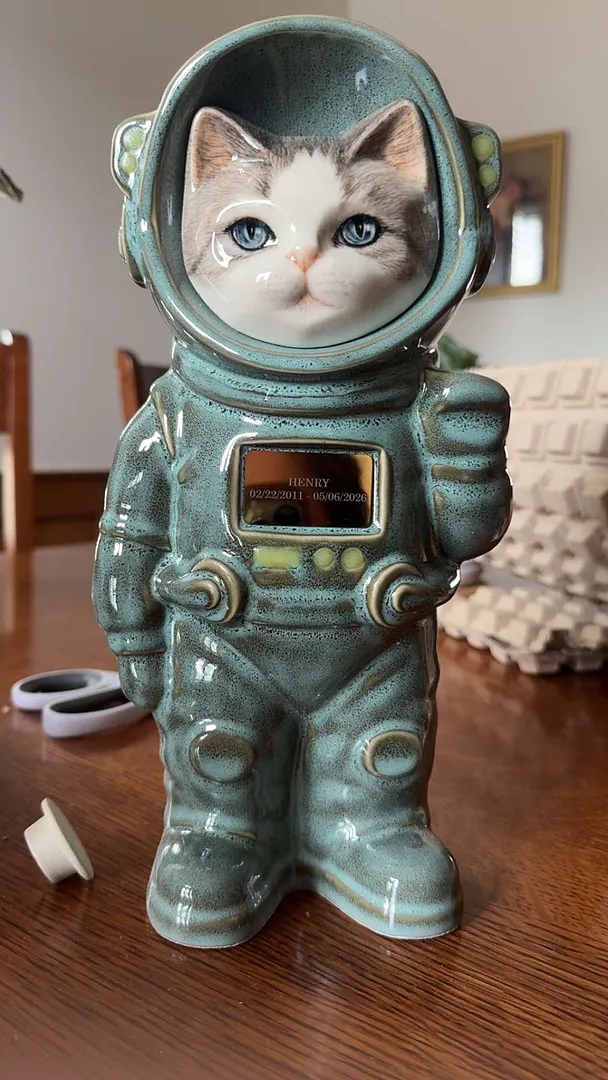
Do not forget pet cremations are one the rise too.
Not just the funeral professionals
Millennial consumers are becoming more influential even before they reach an age at which they themselves will need funeral services.They are also less traditional and religious than previous generations.
We will for sure see many shifts in the behaviour over the next several years, including:

No matter what your generation is, preplanning helps you ensure that your cremation urn for ashes is whatever you want it to be – truly unique.
At Pulvis Art Urns, we have been producing quality handmade cremation urns for ashes, which are the preferred choice for many years.
Visit our page and find all of our products or email us at art@pulvisurns.com for more information.
------------------
Our Affiliate Program is now available. at https://www.pulvisurns.com/pages/affiliate-program-by-pulvis-art-urns
Which urn size do I need?
A simple rule: about 1 cubic inch of urn per pound of body weight.
Every product page lists the urn's capacity. Keepsake urns hold a small portion of ashes to share.
Need it by a specific date?
Free shipping · Delivery in 3–5 business days
Express delivery in up to 3 business days – choose it at checkout
Need help choosing?
Talk to our team – we're happy to help you find the right urn.
(562) 609-4019 art@pulvisurns.comSend us a message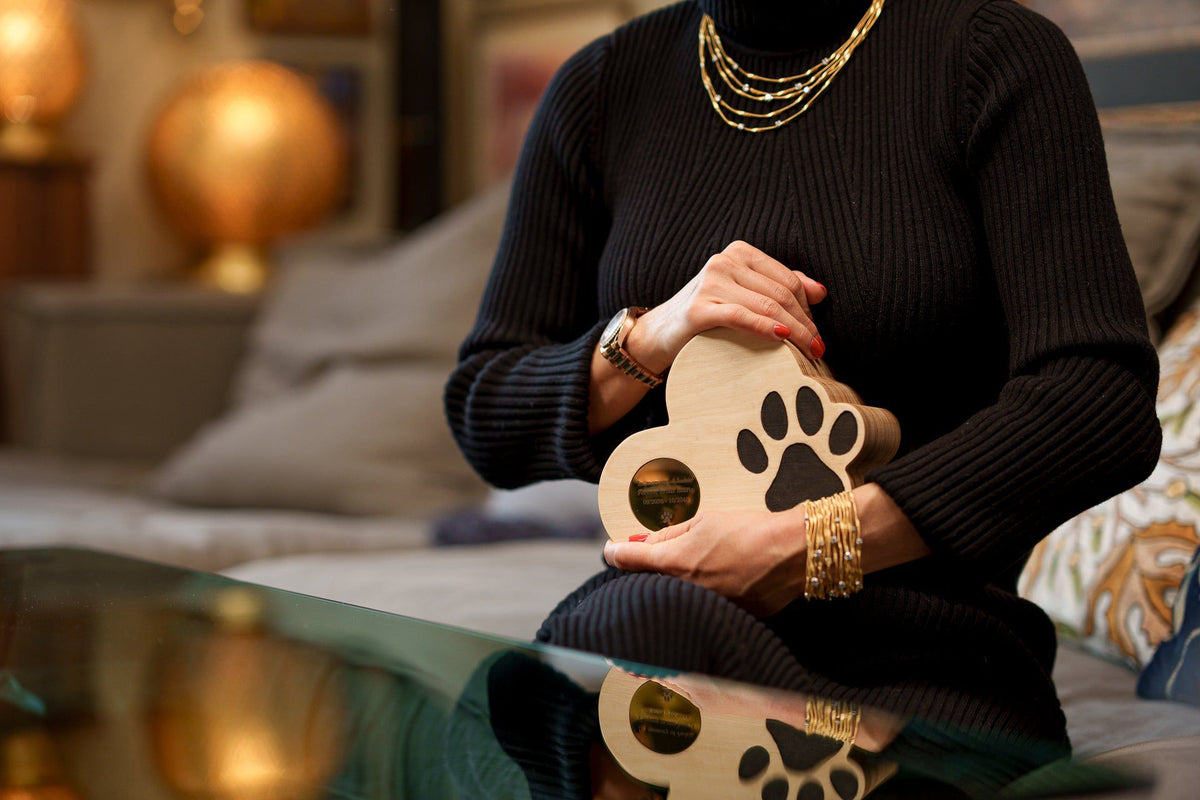
Can You Grieve a Life That Never Had Words?
Discover why losing a beloved pet can be so profound, how wordless bonds shape our lives, and how Pulvis Art Urns brings craftsmanship and thoughtful design to the art of remembering an animal companion.
What Does the Bible Say About Cremation?
Explore what the Bible says about cremation, Christian beliefs about resurrection, and meaningful ways to honor a loved one’s memory through a thoughtful memorial.
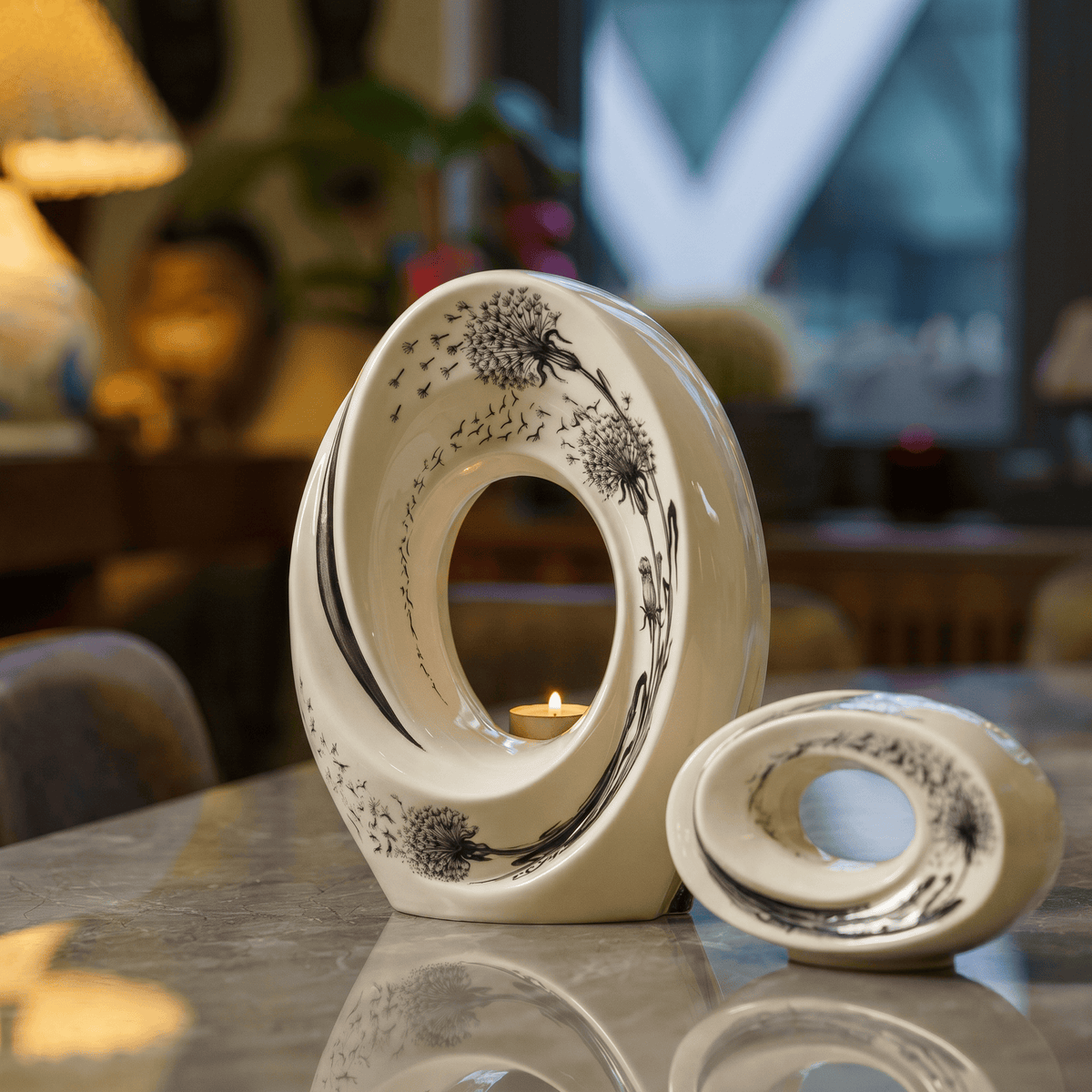
Why Do People Light Candles for the Dead?
Discover the meaning behind lighting candles for the dead, exploring the traditions, beliefs, and emotions that make this simple ritual a lasting expression of remembrance, comfort, and connection within the home.

The Pet as a Witness to a Human Life
Our pets witness far more of our lives than we realise. Explore what it means for an animal to become a quiet witness to our changing homes, relationships, routines and identities — and how a memorial urn can remain as a physical connection to the life they witnessed.

Can You Inherit a Pet’s Memory?
Can we remember a pet we never knew? Explore how stories, photographs, objects and memorials can carry an animal’s memory across generations, turning a private life into part of a family’s shared history.


Share:
Funeral Trade Shows Around the World
The Rising Popularity of Pet Cremation