


Here for you: art@pulvisurns.com | (562) 609-4019
7% off your order
Use this code at checkout:
Discover the key legal and emotional considerations for scattering ashes. Learn about property laws, public space regulations, and meaningful ways to honor your loved ones
Scattering ashes is a deeply personal and meaningful way to honor a loved one. However, it's essential to understand the legal considerations involved to ensure that this final gesture respects both the law and the memory of the deceased.
Before scattering ashes, it is crucial to comprehend the legal implications and emotional significance associated with this ritual.
 1. The Role of Property Laws in Ash Scattering
Understanding property laws is crucial when deciding where to scatter human ashes. Rules can vary greatly depending on the area and the type of property involved.
Some cemeteries have specific sections designated for ash scattering. Religious sites might have additional protocols based on denominational beliefs and practices.
 Why Permission is Important
Getting permission is essential to show respect for the land and its owners, and to avoid any potential legal issues. Scattering ashes without authorization on private property could result in trespassing charges or civil disputes, which would take away from the seriousness of the event.
Example: If you want to scatter ashes in a family member’s backyard, making sure you have clear permission from everyone involved can help avoid conflicts later on.
Following property laws not only meets legal requirements but also shows respect for your loved one’s final resting place.
When considering scattering ashes in public spaces, particularly national parks and other public lands, adhering to specific regulations is essential. Public land regulations vary by location, but they universally emphasize respect for the environment and other visitors.
National parks often have specific guidelines for ash scattering to preserve natural beauty and ensure visitor respect. Key guidelines include:
 Specific Regulations Regarding Ash Scattering in Public Lands
Beyond national parks, other public lands such as state parks or municipal reserves may have their own regulations:
Respecting these regulations ensures that the final resting place of your loved one remains a beautiful and undisturbed part of nature.
By understanding and complying with these guidelines, you can honor your loved one's memory while preserving the integrity of these cherished landscapes.
 3. Ocean Scattering: EPA Regulations and Environmental Considerations
Ocean scattering of ashes is a favored option for many due to its serene and symbolic nature. However, it is vital to understand the legality surrounding this practice.
Scattering ashes in the ocean is legal in the United States but falls under specific regulations set by the Environmental Protection Agency (EPA). The EPA mandates that all cremated remains must be scattered at least three nautical miles from shore. This guideline ensures environmental protection and adheres to federal laws governing ocean activities.
To comply with EPA regulations, consider these essential guidelines:
These measures ensure that ash scattering respects both environmental standards and legal requirements, providing peace of mind during this meaningful act.
This understanding makes the process more straightforward, allowing you to focus on honoring your loved one without legal concerns.
 4. Preparing for a Meaningful Ash Scattering Ceremony
Transporting cremains requires appropriate containers to ensure the ashes are handled with care and respect. Two main types of containers are recommended:
Using decorative scattering urns can enhance the ash-scattering ceremony in several ways:
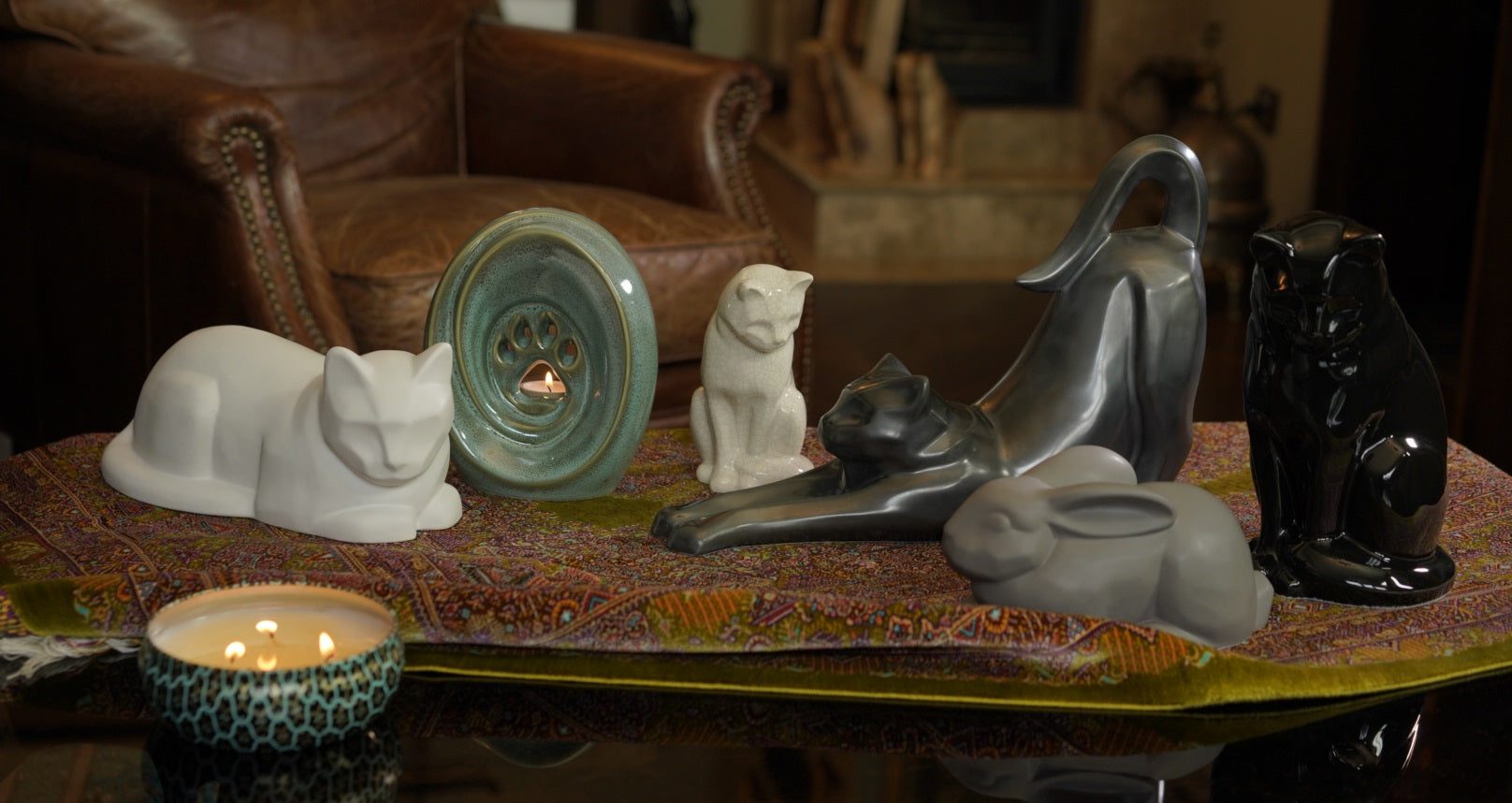
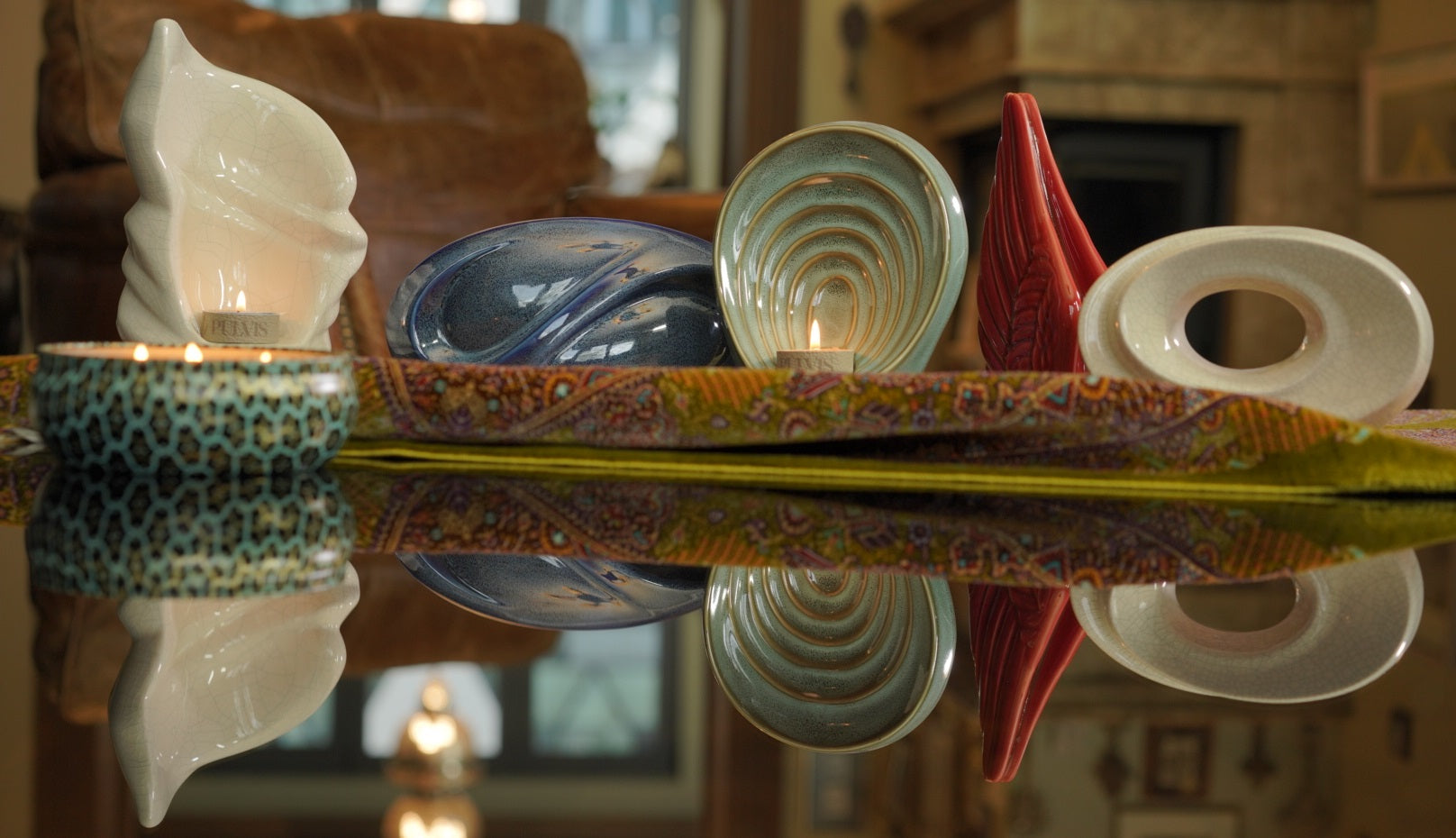
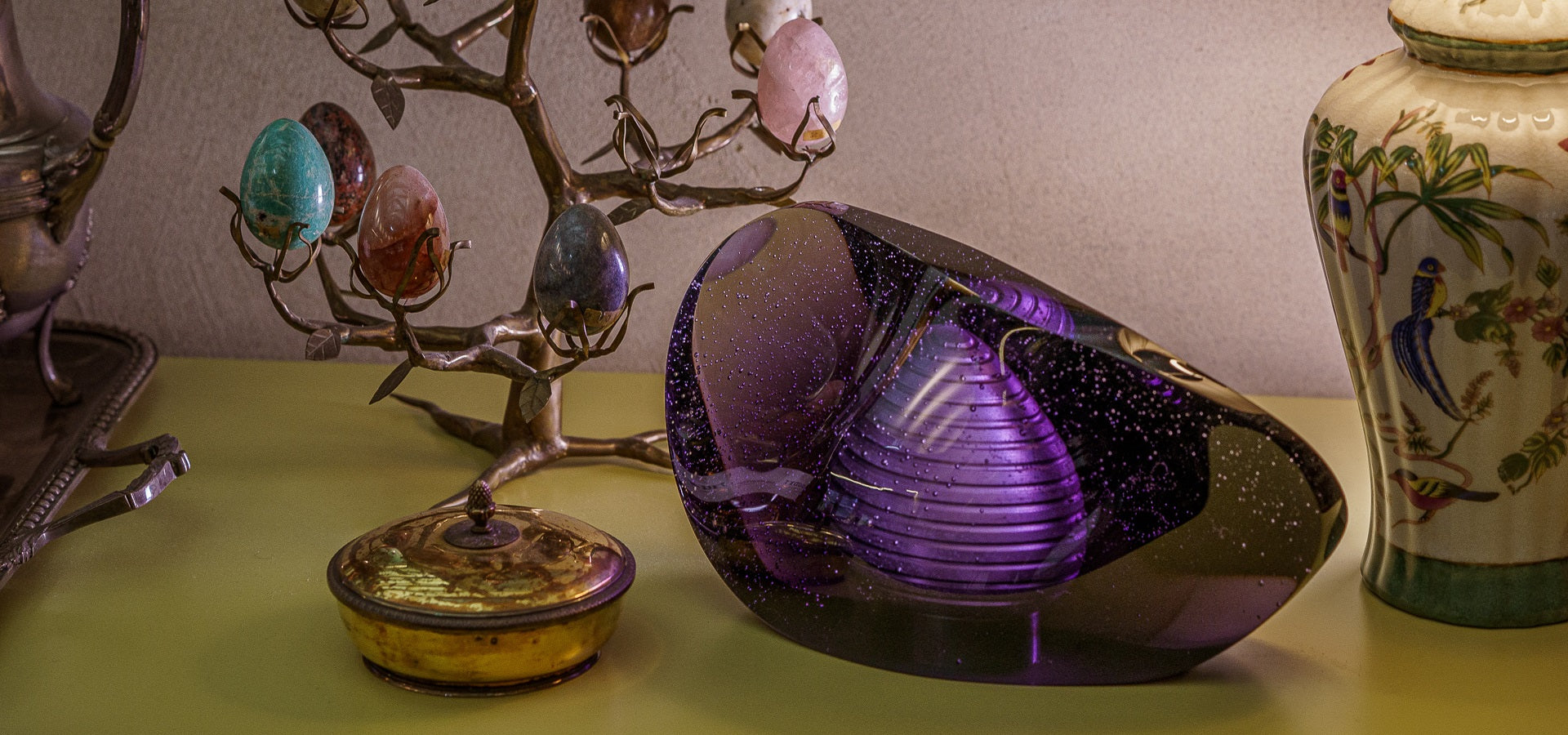
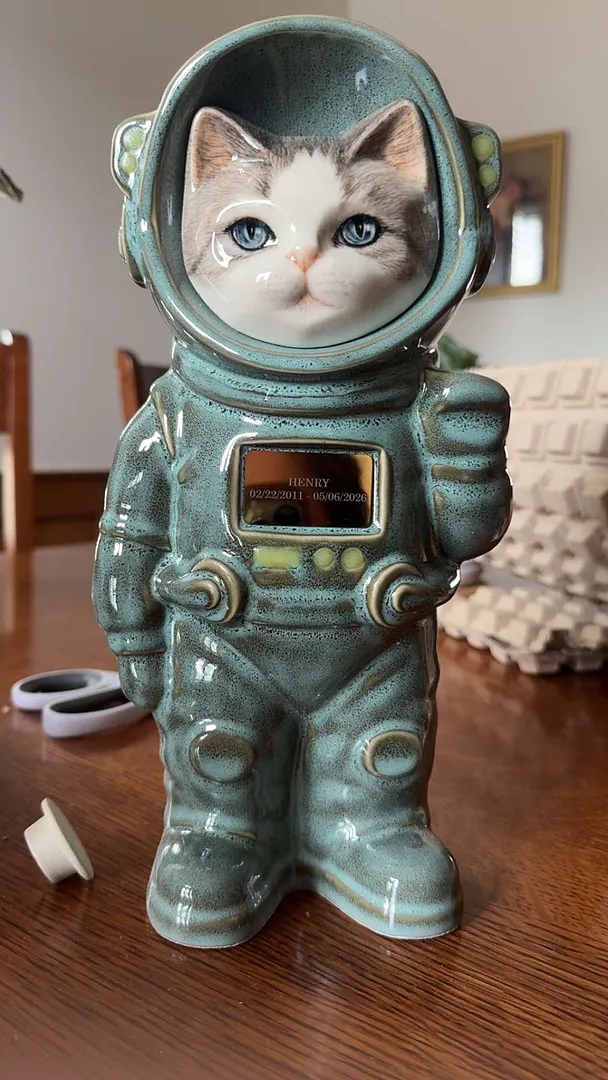
Pulvis Art Urns offers a range of handcrafted scattering urns that combine functionality with artistic design to honor your loved ones respectfully.
 5. Honoring Memory Through Thoughtful Location Selection
Choosing a location for ash scattering is a deeply personal and emotional decision. This choice often reflects the individual's connection to a particular place that held significance during their lifetime.
Considerations for Location Selection:
Using these considerations ensures the selected location not only honors the deceased but also provides solace for those left behind, reinforcing their emotional connection to the loved one’s memory.
 6. Practical Tips for a Respectful Ash Scattering Process
Selecting the right environmental conditions can greatly enhance the experience of an ash scattering ceremony. Here are some key tips to consider:
1. Weather Conditions: Opt for a calm day with minimal wind to ensure the ashes scatter gracefully and don't blow back towards participants.
2. Time of Day: Early mornings or late afternoons often provide more serene settings, with less chance of interruption from other people.
3. Seasonal Considerations: Each season offers unique opportunities and challenges. For instance, spring may bring beautiful blooms, but also unpredictable rain showers.
4. Location Features: Ensure the chosen spot is accessible and safe for all attendees. A stable ground surface is crucial to avoid accidents, especially in natural settings.
5. Environmental Impact: Be mindful of the surroundings. Avoid scattering ashes near water sources if not permitted by local regulations, and steer clear of protected wildlife habitats.
By taking these environmental factors into account, you can create a respectful and meaningful ash scattering ceremony that honors your loved one's memory while being considerate of nature and other individuals present.
 7. Commemorative Options After Ash Scattering: Keeping Their Memory Alive
Creating keepsakes from a small portion of ashes after the scattering ceremony offers a meaningful way to keep your loved one close. Several options exist for transforming ashes into lasting memorials, ensuring their memory continues to be cherished.
One popular choice is memorial jewelry. These pieces can incorporate a minute amount of ashes into:
Ashes can also be integrated into artistic creations like:
Small portions of ashes can be stored in keepsake urns, which are smaller versions of traditional urns. These are ideal for sharing remains among family members or keeping a part of your loved one in multiple locations.
Another option involves incorporating ashes into garden memorials:
Choosing the right commemorative option depends on personal preference and the unique ways you wish to honor your loved one's memory.
 Conclusion: Embracing Personal Choices in Honoring Loved Ones Through Ash Scattering
The process of scattering ashes is a deeply personal journey that reflects the unique relationships and cherished memories we hold. It is important to recognize the significance of personal choices in ensuring that the ceremony aligns with both emotional and legal considerations.
By familiarizing ourselves with property laws, public space regulations, and environmental guidelines, we can honor our loved ones in a way that is both respectful and lawful.
Choosing meaningful locations, preparing thoughtfully for the ceremony, and creating keepsakes from cremains are all ways to keep their memory alive. Each step we take in this process is a reflection of our commitment to respect, love, and remembrance.
 Explore Pulvis Art Urns: Handcrafted Urn Options That Honor Your Loved Ones
For those seeking unique and meaningful ways to memorialize their loved ones, Pulvis Art Urns offers a diverse range of handcrafted urns for ashes. Each piece is meticulously designed to reflect both emotional depth and artistic craftsmanship.
Here are some reasons why you should consider choosing Pulvis Art Urns:
Pulvis Art Urns ensures that each urn serves as a beautiful tribute, capturing the essence of your cherished memories.
Which urn size do I need?
A simple rule: about 1 cubic inch of urn per pound of body weight.
Every product page lists the urn's capacity. Keepsake urns hold a small portion of ashes to share.
Need it by a specific date?
Free shipping · Delivery in 3–5 business days
Express delivery in up to 3 business days – choose it at checkout
Need help choosing?
Talk to our team – we're happy to help you find the right urn.
(562) 609-4019 art@pulvisurns.comSend us a message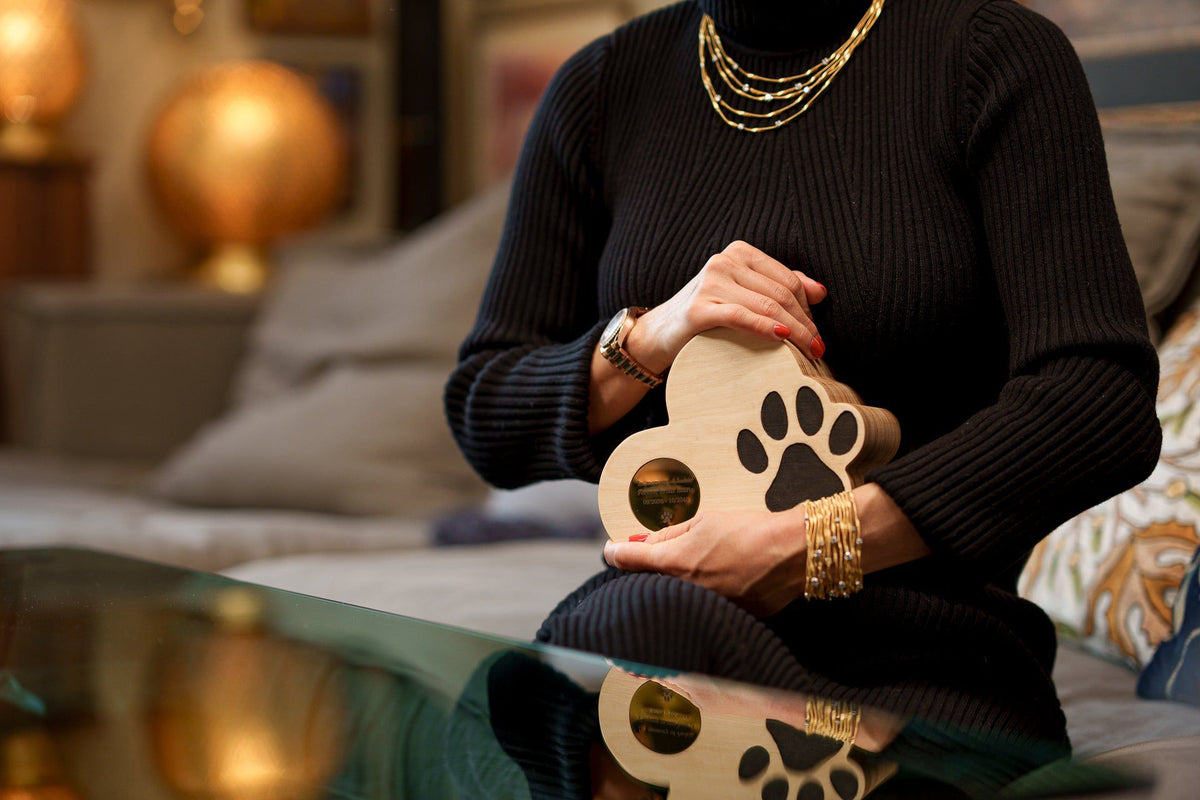
Can You Grieve a Life That Never Had Words?
Discover why losing a beloved pet can be so profound, how wordless bonds shape our lives, and how Pulvis Art Urns brings craftsmanship and thoughtful design to the art of remembering an animal companion.
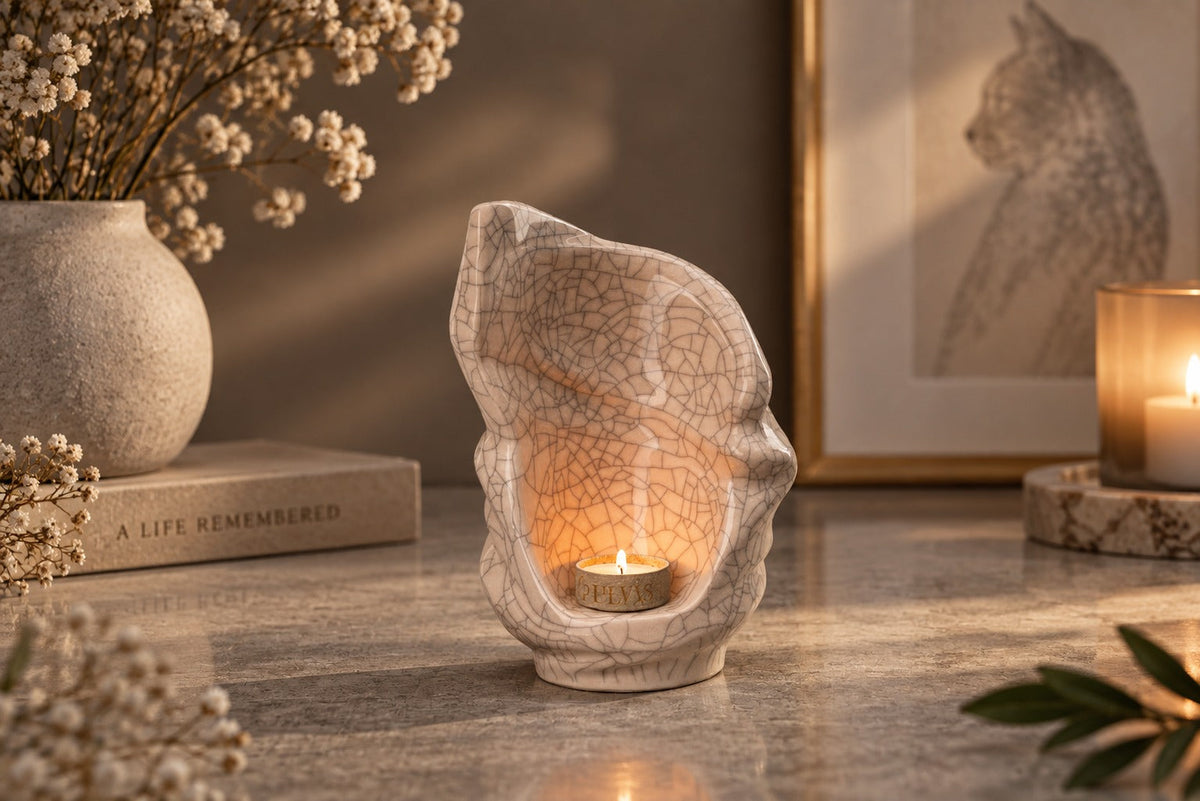
What Does the Bible Say About Cremation?
Explore what the Bible says about cremation, Christian beliefs about resurrection, and meaningful ways to honor a loved one’s memory through a thoughtful memorial.
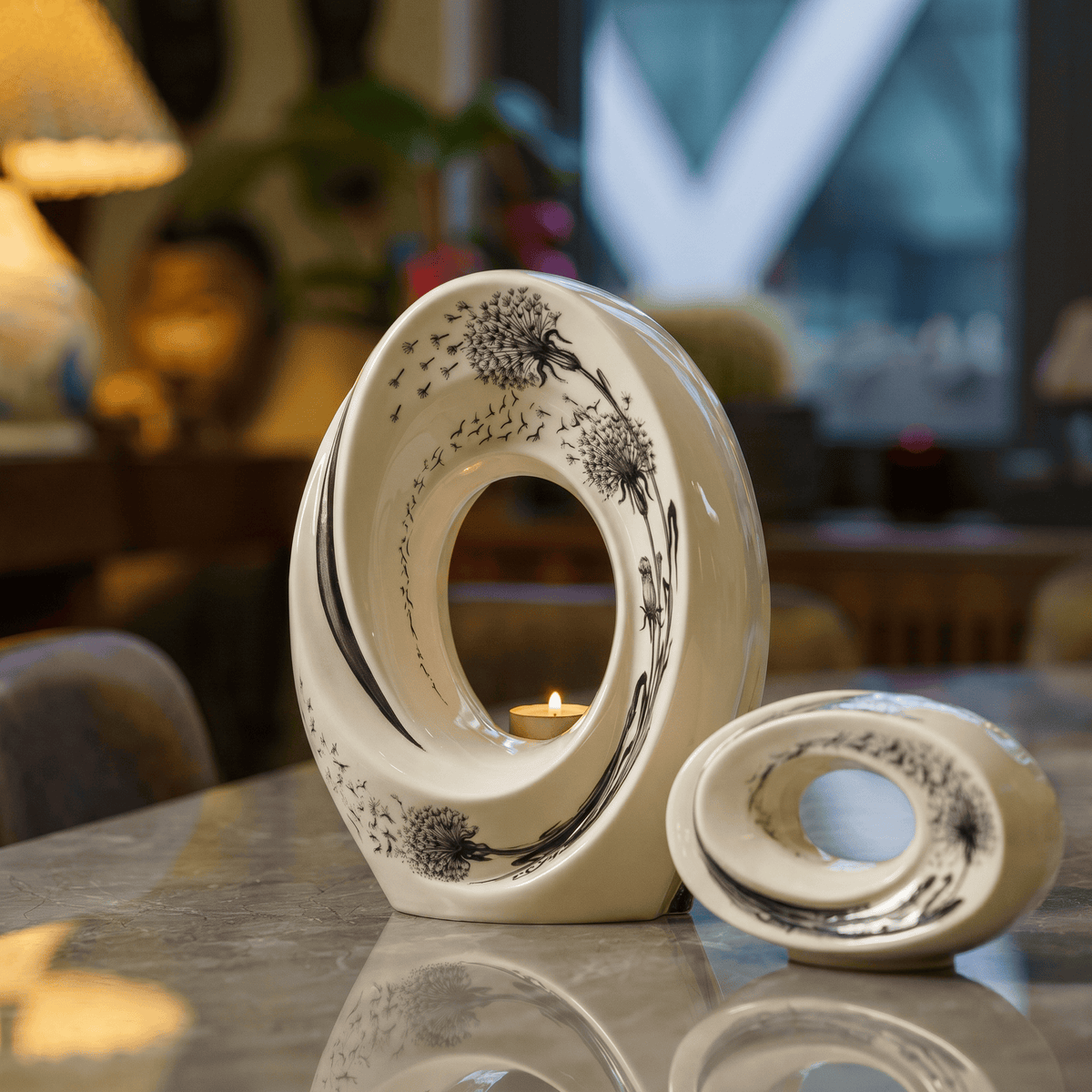
Why Do People Light Candles for the Dead?
Discover the meaning behind lighting candles for the dead, exploring the traditions, beliefs, and emotions that make this simple ritual a lasting expression of remembrance, comfort, and connection within the home.
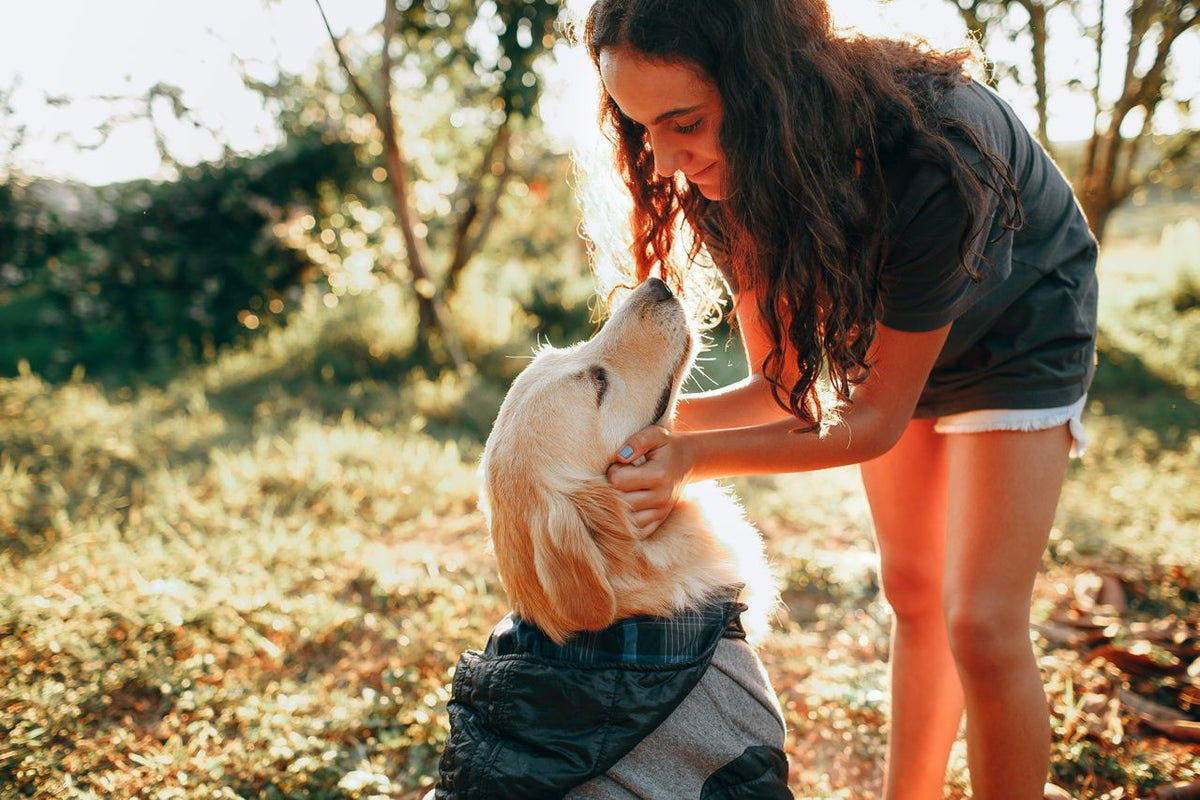
The Pet as a Witness to a Human Life
Our pets witness far more of our lives than we realise. Explore what it means for an animal to become a quiet witness to our changing homes, relationships, routines and identities — and how a memorial urn can remain as a physical connection to the life they witnessed.

Can You Inherit a Pet’s Memory?
Can we remember a pet we never knew? Explore how stories, photographs, objects and memorials can carry an animal’s memory across generations, turning a private life into part of a family’s shared history.


Share:
Here's What You Need to Know About Green Burials
Plywood Urns from Pulvis Art Urns - PRODUCT REVIEW 2024