
Here for you: art@pulvisurns.com | (562) 609-4019
We are delighted to announce that Pulvis Art Urns is a IFCCA supplier member now. The International Cemetery, Cremation and Funeral Association (ICCFA) is the only international trade association representing all segments of the cemetery, funeral service, cremation and memorialization profession.
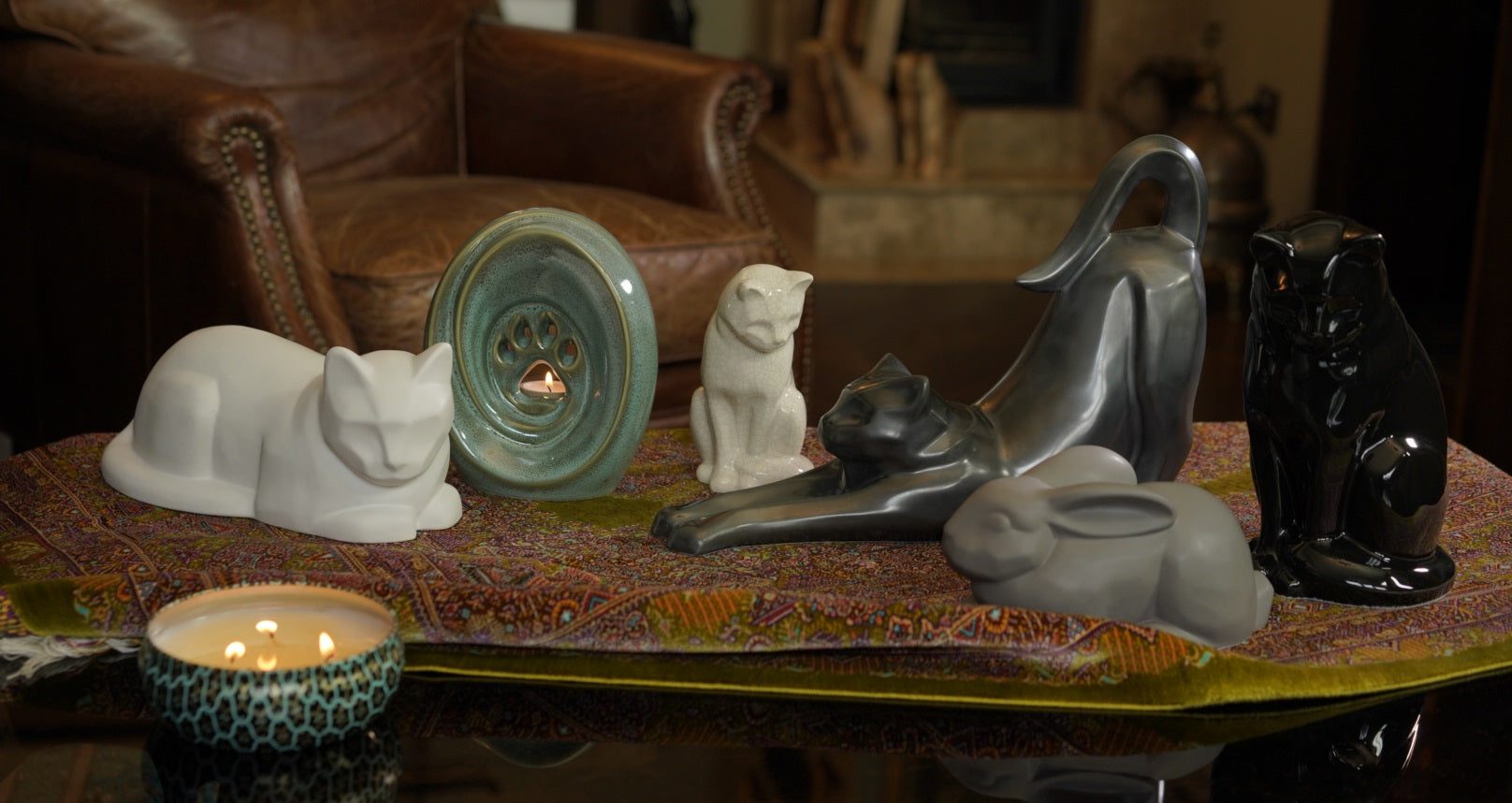
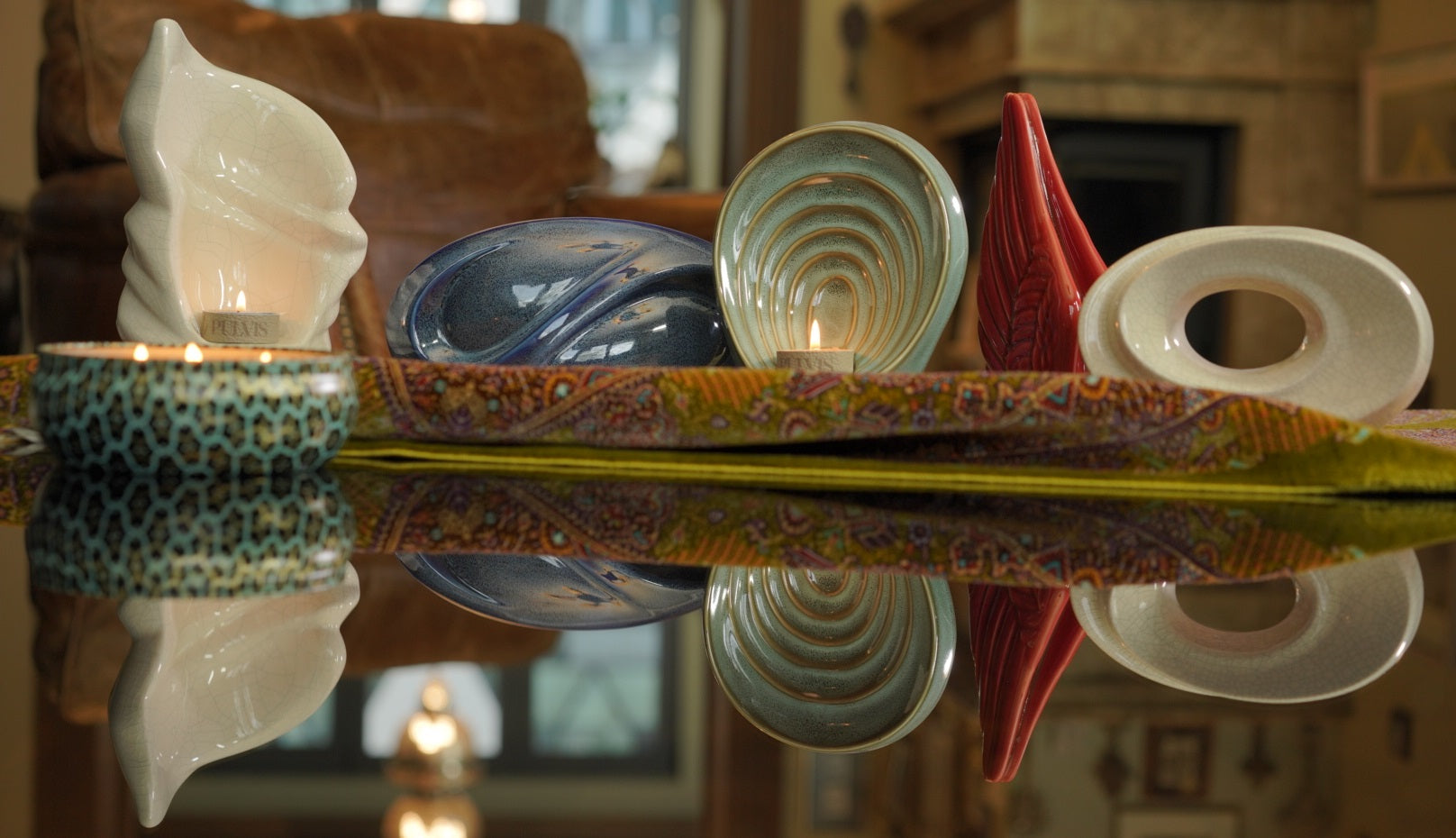
The name Pulvis evokes the brilliance of ceramics, the wonder of design, and the radiance of glazes. In their desire to create a product that makes a difference, Pulvis Art Urns supports the concept of a group of artists, ceramists and sculptors, who design and create models, which are far more than just traditional urns for ashes. Find a variety of handmade urns for ashes, keepsakes and pet urns.

The association is comprised of more than 10,000 members in the cemetery, funeral home and crematory industries, as well as supplier and related businesses worldwide. It serves and supports these members through a host of benefits designed to increase their management proficiency and improve their businesses–from regular updates on government and legal issues, to educational meetings, to a variety of services and products tailored to meet their needs.

Founded in 1887 as the Association of American Cemetery Superintendents, the organization was created by a group of 18 cemeterians whose goal was to improve the appearance and operations of their properties. Throughout its first century of operation, the association grew in size and mission and underwent several name changes, but it remained a national cemetery-only organization. In 1996, the association became the International Cemetery and Funeral Association, expanding its membership to include funeral homes and other related businesses and extending its reach beyond U.S. borders. In 2007, “Cremation” was added to the name to more accurately reflect the operations and goals of its membership.
The ICCFA Government and Legal Affairs Committee has developed a set of 28 model guidelines for state laws and regulations, which have been approved by the Board of Directors. The guidelines combine a sensitivity to consumer protection issues with the need for all industry members, whether for-profit or not-for-profit, cemeteries, funeral homes, retail monument dealers or crematories, to conduct their operations according to sound business principles.
As a supplier member, Pulvis Art Urns, contains all the necessary information of the company, including contacts, products and business details.
Until the early 1920's, cremation was the choice of the wealthy and the well-educated. All crematories were located on cemetery property and elaborate columbariums were built for the elaborate urns then being used.
After it was proven, through scientific investigation, that proper in-ground, full body burial was safe, cremation fell out of favor and remained in the 3% to 5% range. It wasn't until the early 1980's that the rate reached double digits and started to increase on the average of 1.5% - 2% annually until the USA national rate exceeded 50% in 2016.
TOP FUNERAL AND CREMATION ASSOCIATIONS AROUND THE WORLD
------------------
Our Affiliate Program is now available. at https://www.pulvisurns.com/pages/affiliate-program-by-pulvis-art-urns
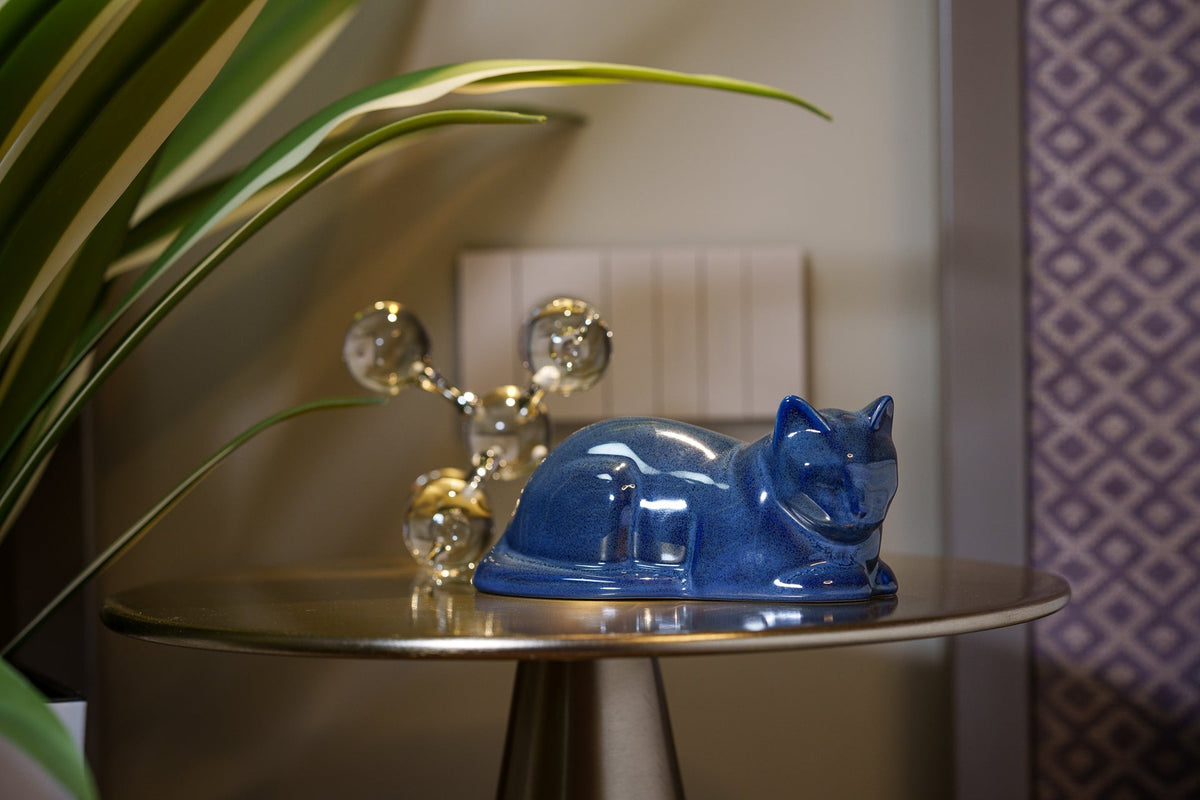
Can the Design of a Pet Urn Change the Way We Grieve?
Can the design of a pet urn influence the way we experience grief? Explore how meaningful materials, forms and memorial design can help transform loss into a lasting connection with a beloved companion.

What Are the Most Unique Urns Available Today?
Discover the most unique cremation urns available today, from handcrafted ceramic and sculptural designs to glass, nature-inspired, personalized, and keepsake memorials. Learn what makes an urn distinctive and how to choose a meaningful design based on capacity, material, placement, and personal significance.
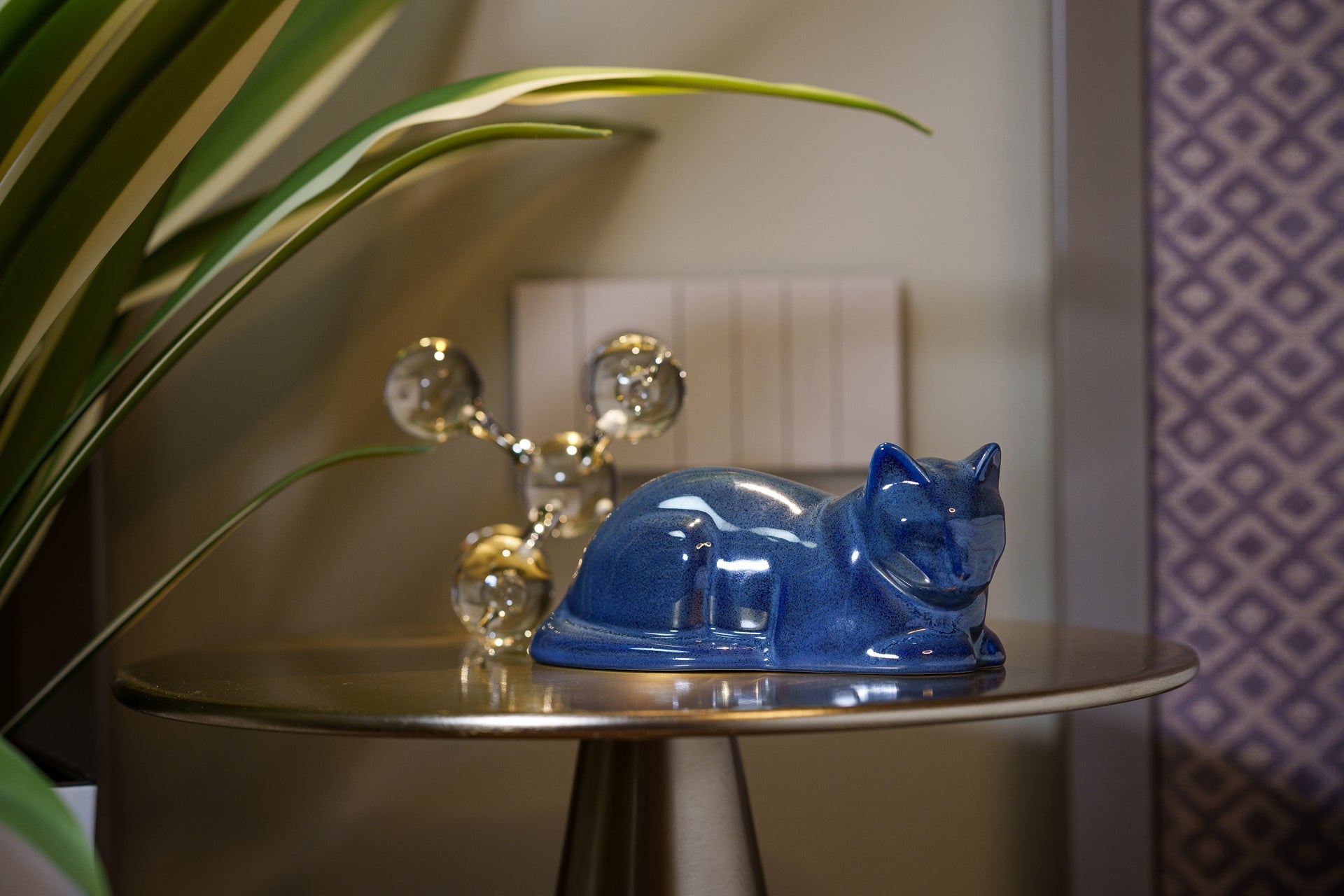
How Do You Choose the Right Pet Urn?
A practical guide to choosing the right pet urn, covering size, capacity, materials, personalization, closure, and meaningful ways to memorialize your beloved companion.
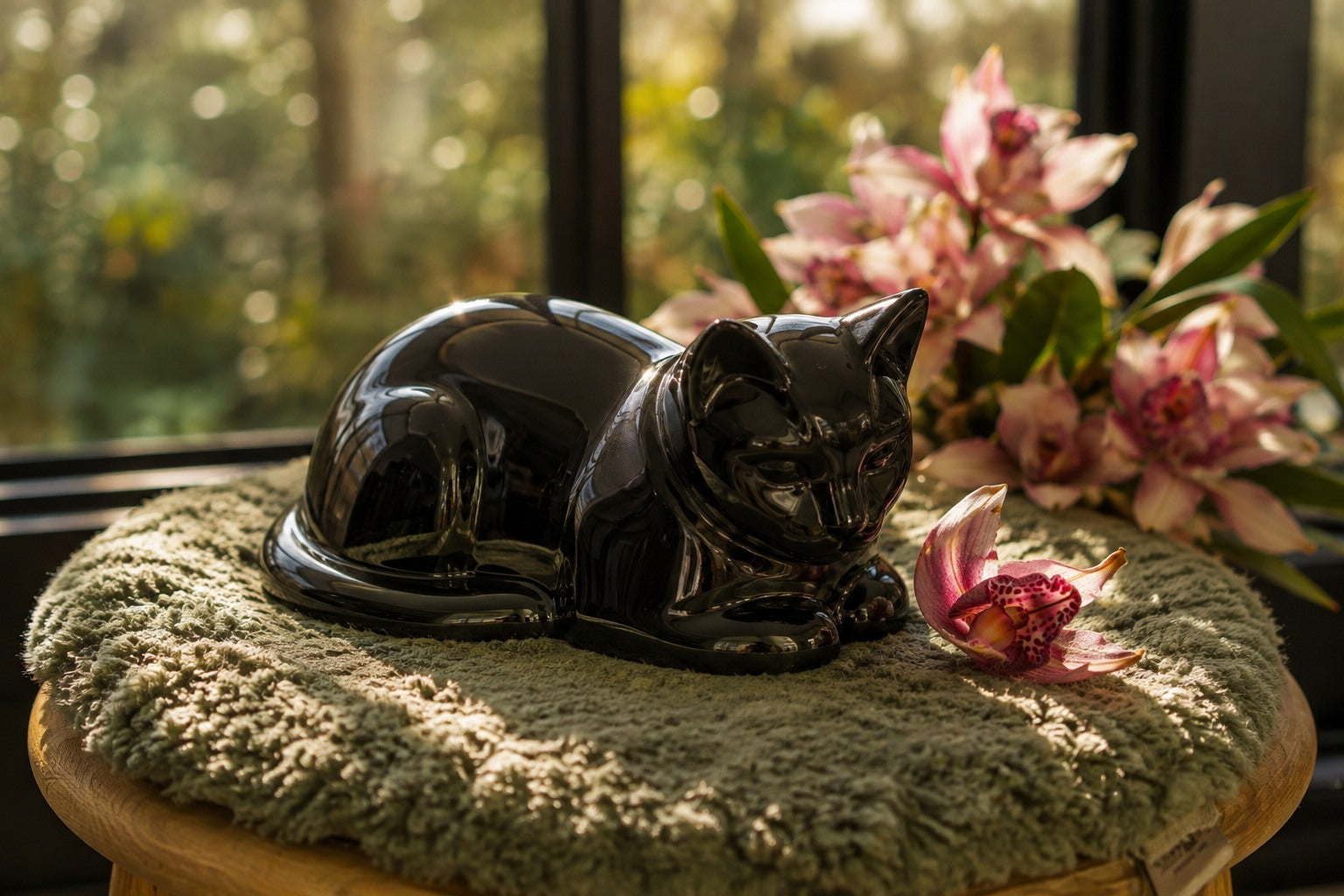
Why Pet Grief Doesn’t Always Get Easier. It Gets Different
Pet grief does not always become easier with time. It changes. Discover how loss evolves, why memories take on new meaning, and how memorial objects such as urns can become quiet reminders of a life once shared.
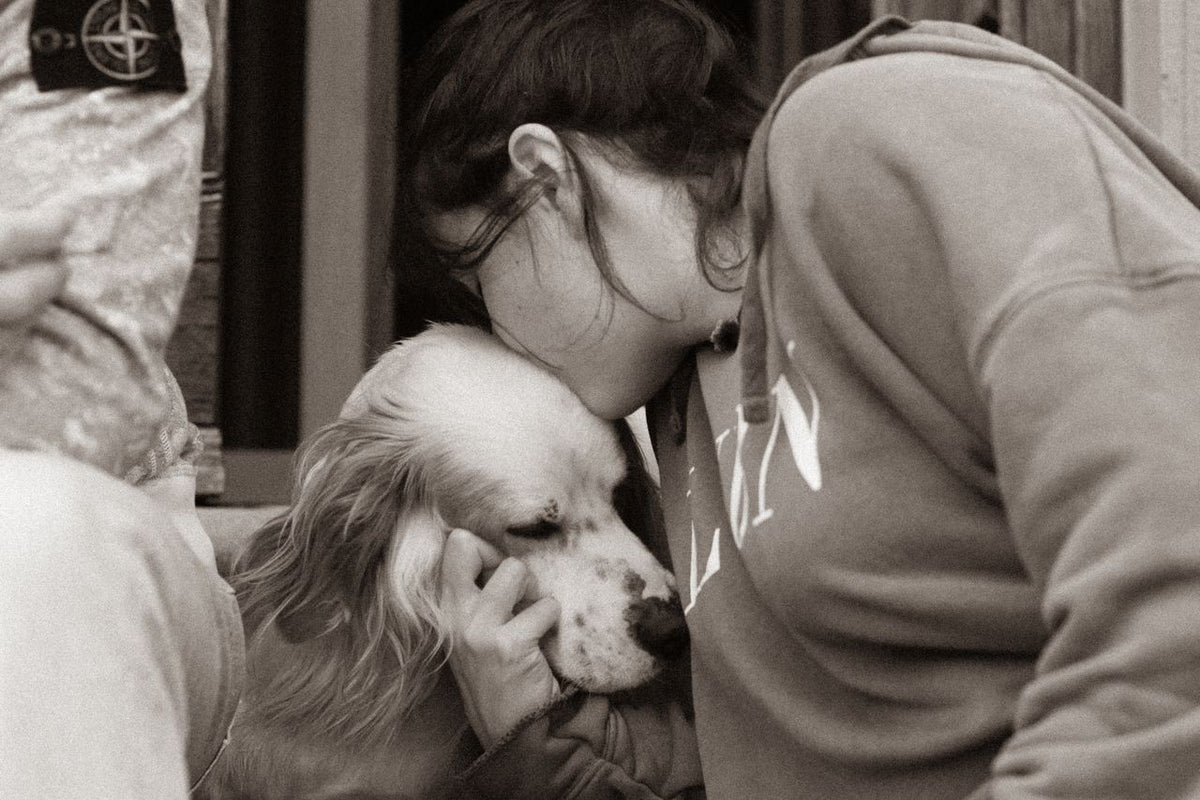
Why Your Pet’s Smell Can Bring Back an Entire Memory
Why can the smell of a pet bring back an entire moment? Discover how scent, emotion and memory are connected, and why the familiar smell of an animal can preserve some of our most intimate memories of life together.


Share:
Pulvis Art Urns is now a member of the IAOPCC
Pulvis Art Urns joins FIAT-IFTA