

Here for you: art@pulvisurns.com | (562) 609-4019
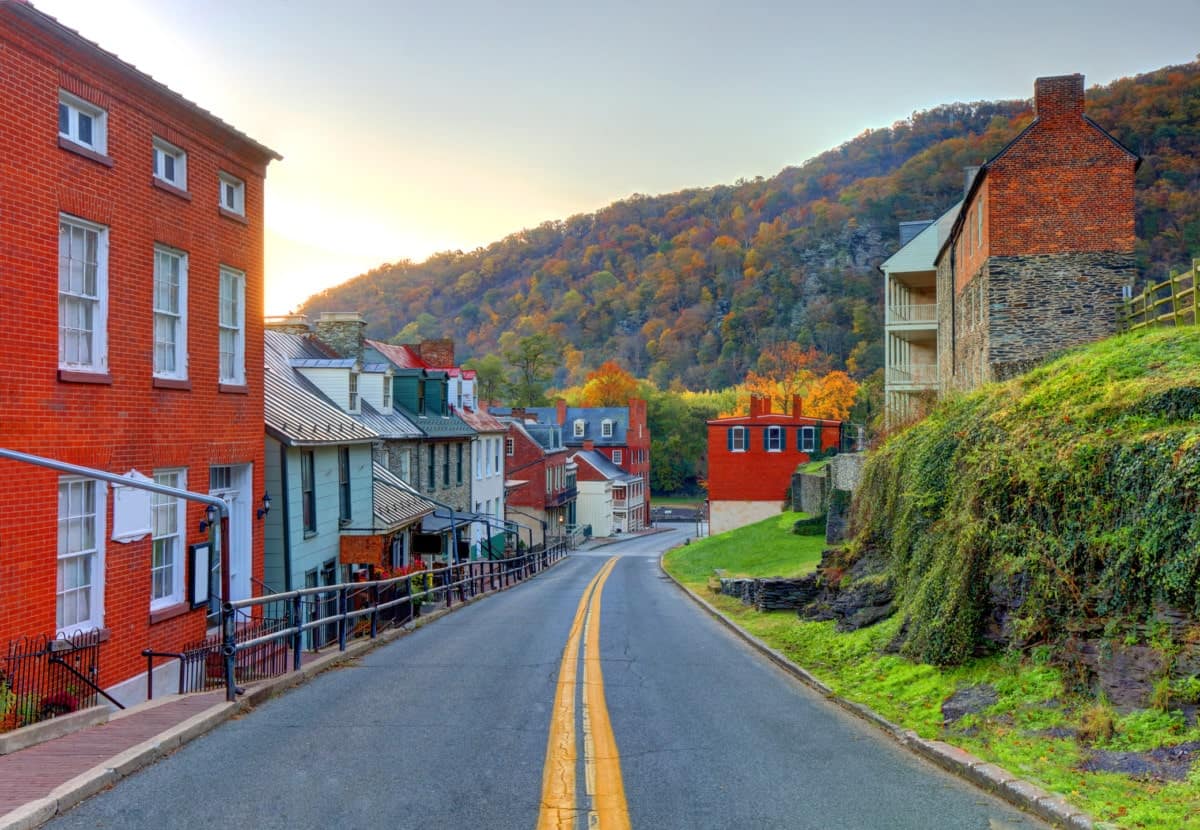
In West Virginia, the "Mountain State," end-of-life traditions are deeply rooted in community and family ties, yet they are evolving as the state modernizes its funeral service laws. As of 2026, West Virginia remains one of the more traditional states in the region, with a strong heritage of burial, though cremation is steadily gaining ground as a practical and flexible alternative. This guide provides the essential 2026 data to help you navigate final arrangements amidst the rolling hills and historic river valleys of the Appalachian heartland.
A West Virginia Perspective on Heritage and Transition
In West Virginia, the choice between burial and cremation often reflects a balance between honoring generations of mountain heritage and adapting to modern financial and environmental realities.
Emotional and Cultural Factors: Traditional burial in a family plot or local churchyard remains a significant pillar of West Virginia's mourning process. However, as families become more mobile, cremation is increasingly seen as a "portable" legacy. It allows for a Celebration of Life at a meaningful location—perhaps a quiet service on a family farm or a gathering overlooking the New River Gorge. Many families choose to keep a loved one’s remains in a sculptural Cremation Urn, treating the pulvis (ashes) as a permanent piece of home art that keeps the memory present.

Environmental Values: Mountain State residents possess a profound connection to their land. Traditional burial is increasingly viewed as a permanent land commitment. Cremation, particularly when paired with a handcrafted ceramic vessel for the pulvis, is regarded as a lower-impact alternative. There is also a nascent interest in Green Burials, which align with the state’s preservationist values by returning the body to the earth in its most natural form.
Financial Practicality: West Virginians are famously pragmatic. In 2026, the cost of a traditional funeral can be substantial, leading many to favor cremation as the "common sense" choice. Opting for direct cremation can save a family between $5,000 and $6,000 compared to a full-service burial, allowing those resources to be redirected toward a more personalized memorial or a lasting family heirloom.
While West Virginia has historically had lower cremation rates compared to the national average, the gap is narrowing as more families prioritize simplicity.
Cremation Rates: As of 2026, West Virginia’s cremation rate is approximately 46-48%, a steady increase as the region shifts away from traditional-only practices.
Average Cost Breakdown: In 2026, West Virginia families should budget for the following average expenses:
Traditional Full-Service Burial: A full funeral service in West Virginia typically averages around $8,074, though in cities like Charleston or Huntington, it can reach $9,000 to $11,000.
Direct Cremation: For a simple process with no ceremony, the average cost is $2,257. Specialized providers in the state offer packages starting as low as $995 - $1,195.
Full-Service Cremation: A cremation that includes a formal viewing and ceremony typically averages $5,768 - $5,878.
West Virginia law (WV Code Chapter 30-6 and 16-5) ensures that final disposition is handled with strict oversight and respect for the pulvis.
The Coroner's Permit: No cremation can proceed in West Virginia without a permit or authorization from the county medical examiner or coroner of the county where the death occurred.
Death Certificate Filing: A death certificate must be filed with the vital statistics office within five days of death and prior to the final disposition of the body.

Authorizing Agent: Written permission for cremation must be obtained from an authorized person, typically the surviving spouse or next of kin, on a standard form prescribed by the state board.
Modernization of Licensure: 2026 legislation (HB 4483) has updated funeral service licensure to modernize crematory operations and chain-of-custody protocols, ensuring greater transparency for families.
In West Virginia, the vessel chosen for the pulvis is often a reflection of the state's rugged beauty and the individual's character.
Sizing Rules: The industry standard remains: 1 lb of body weight prior to cremation = 1 cubic inch of ash. A standard adult urn generally holds 200 cubic inches.
Scattering the Pulvis: There are no state laws strictly prohibiting the scattering of ashes, but "common sense" is encouraged. Scattering on private property requires owner consent. For public lands, it is recommended to keep scatterings at least 100 yards away from trails, roads, and waterways.
Artistic Tributes: 2026 trends include "Mountain-Top Scatterings" and the use of artistic ceramic urns—such as those by Pulvis—that mirror the granite-like textures and deep forest tones of the West Virginia landscape.

Based on 2026 service excellence and directory data, here is an expanded list of providers serving the state:
| City | Funeral Home | Website |
| Charleston | Barlow Bonsall | barlowbonsall.com |
| Huntington | Reger Funeral Home | regerfh.com |
| Hurricane | Allen Funeral Home | allenfuneralhomewv.com |
| Morgantown | Hastings Funeral Home | hastingsfuneralhome.com |
| Parkersburg | Leavitt Funeral Home | leavittfuneralhome.com |
| Wheeling | Kepner Funeral Homes | kepnerfuneral.com |
| Martinsburg | Brown Funeral Home | brownfuneralhomeswv.com |
| Summersville | White Funeral Home | whitefuneralhomewv.com |
| Keyser | Markwood Funeral Home | markwoodfuneralhome.com |
| Gilbert | Mounts Funeral Home | mountsfuneralhome.com |
| Beckley | Rose & Quesenberry | roseandquesenberry.net |
| Fairmont | Ford Funeral Home | fordfuneralhomes.com |
| Princeton | Seaver Funeral Home | seaverfuneralservice.com |
| Bluefield | Mercer Funeral Home | mercerfuneralhome.com |
Whether you find peace in a traditional ceremony near the rolling Appalachian hills or in the sculptural beauty of a Cremation Urn displayed on your mantle, your choice is a profound act of love. By understanding the 2026 costs and the specific permit requirements in West Virginia, you can ensure your final tribute for the pulvis is as soulful and enduring as the land itself.
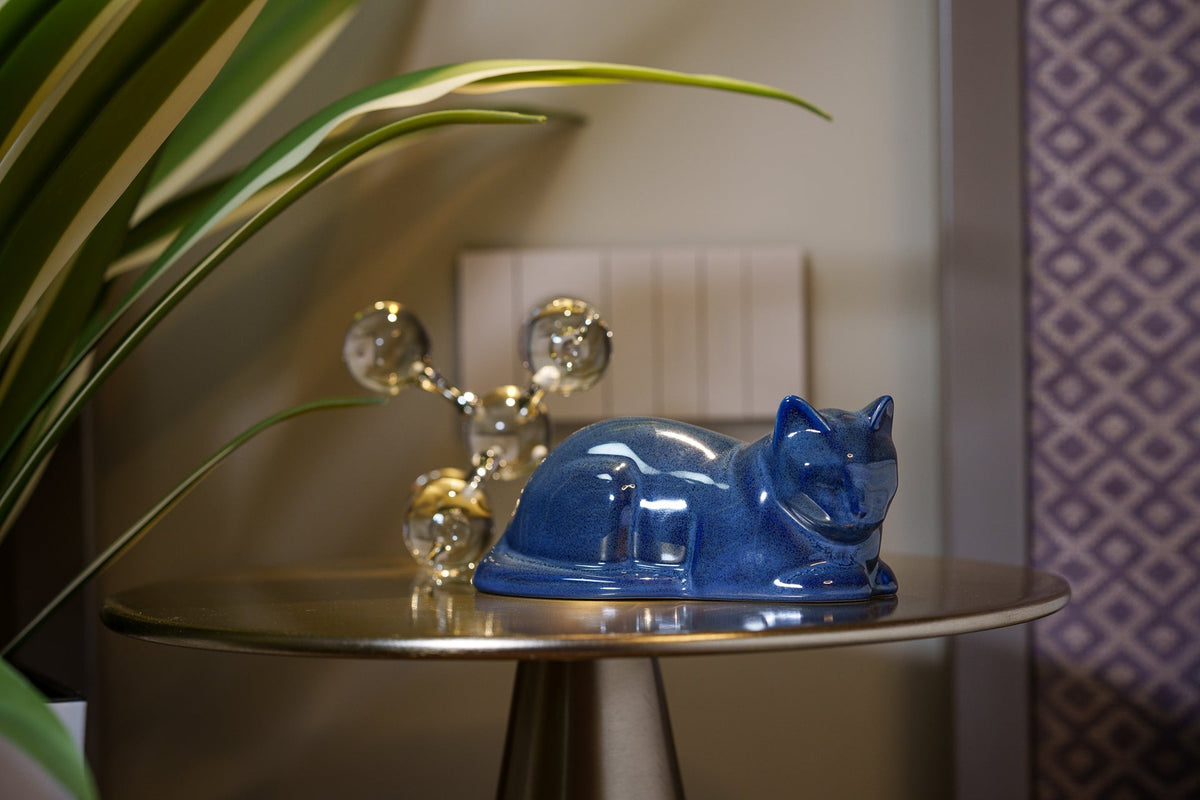
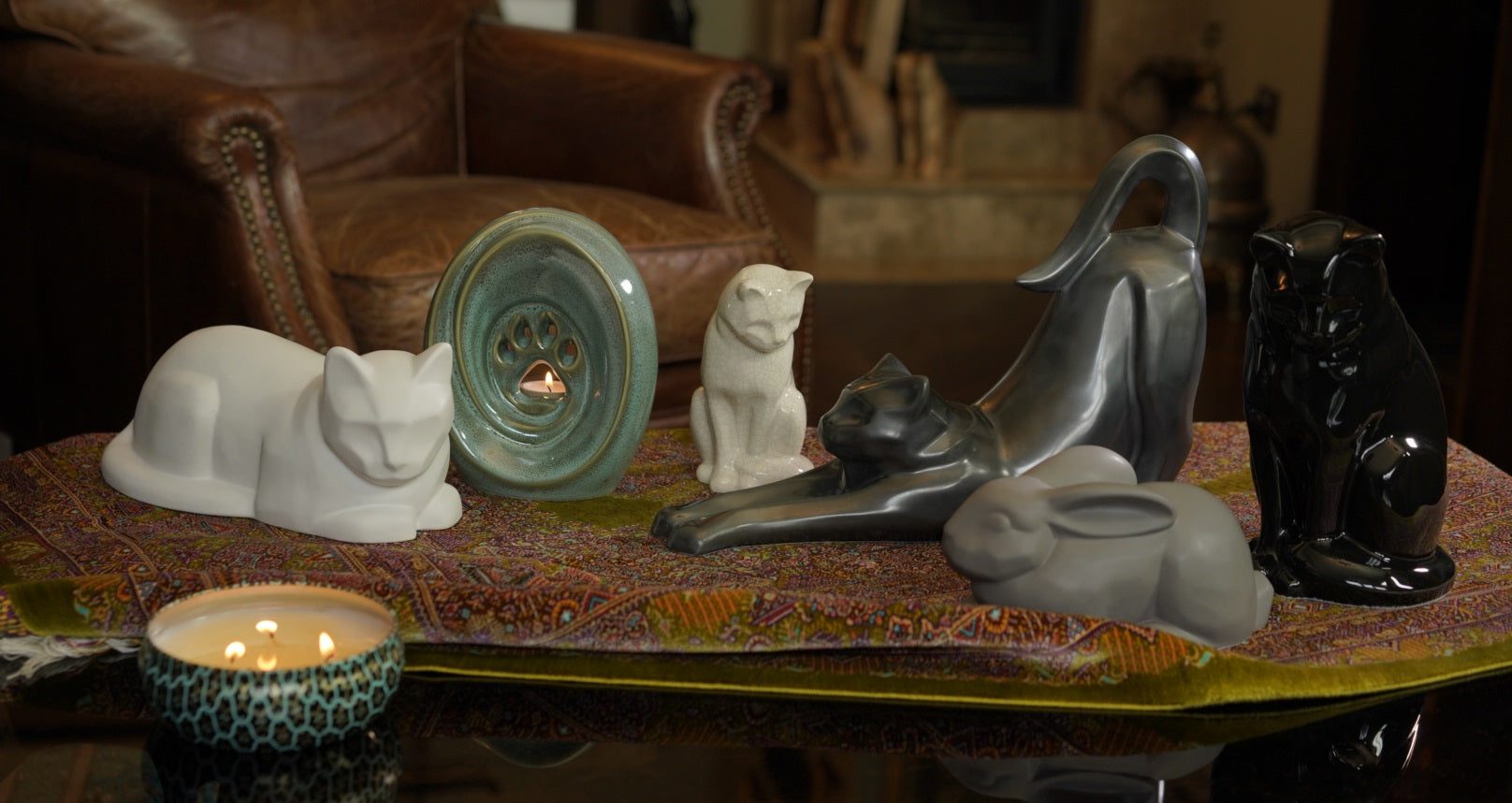
Can the Design of a Pet Urn Change the Way We Grieve?
Can the design of a pet urn influence the way we experience grief? Explore how meaningful materials, forms and memorial design can help transform loss into a lasting connection with a beloved companion.

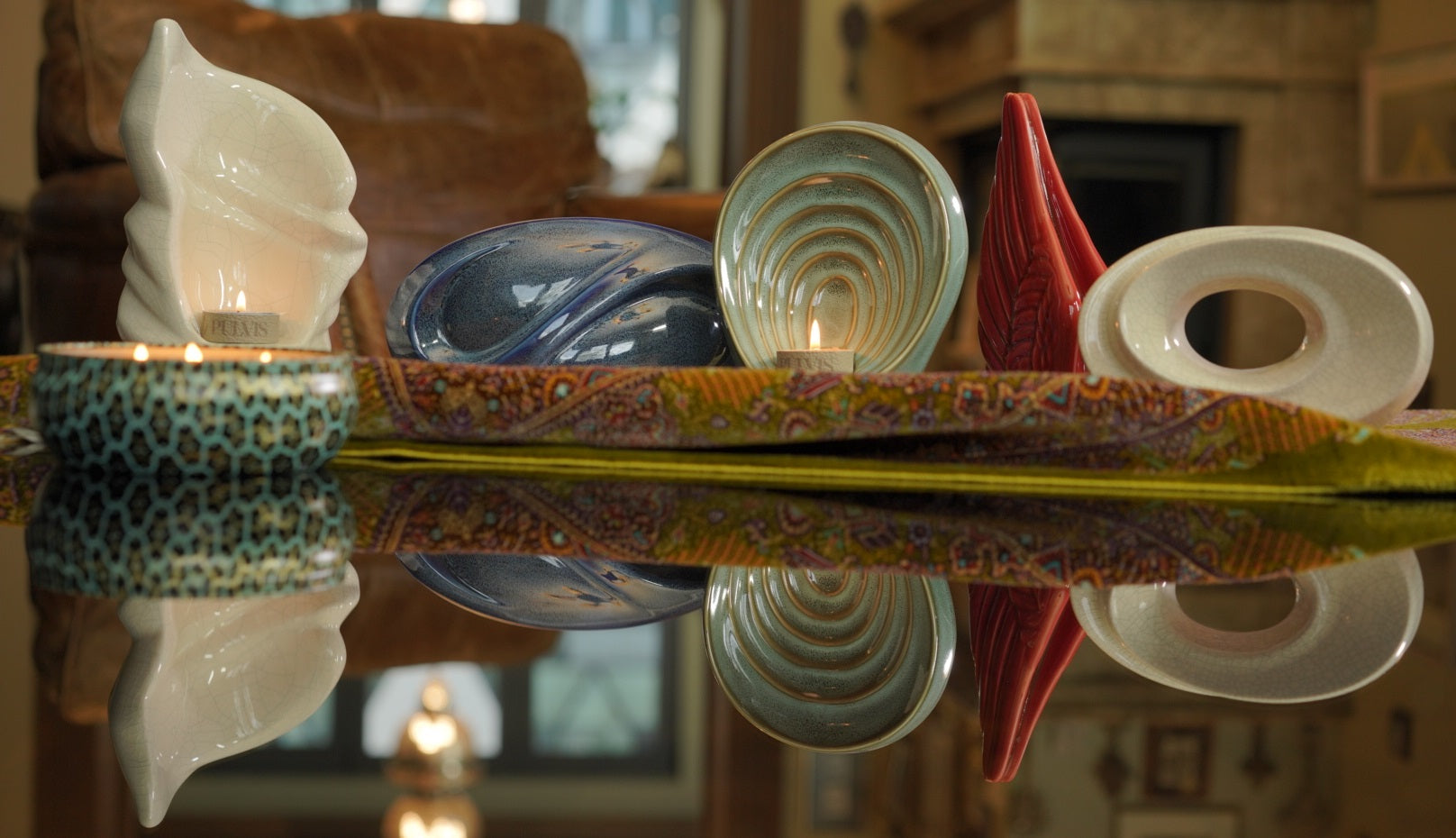
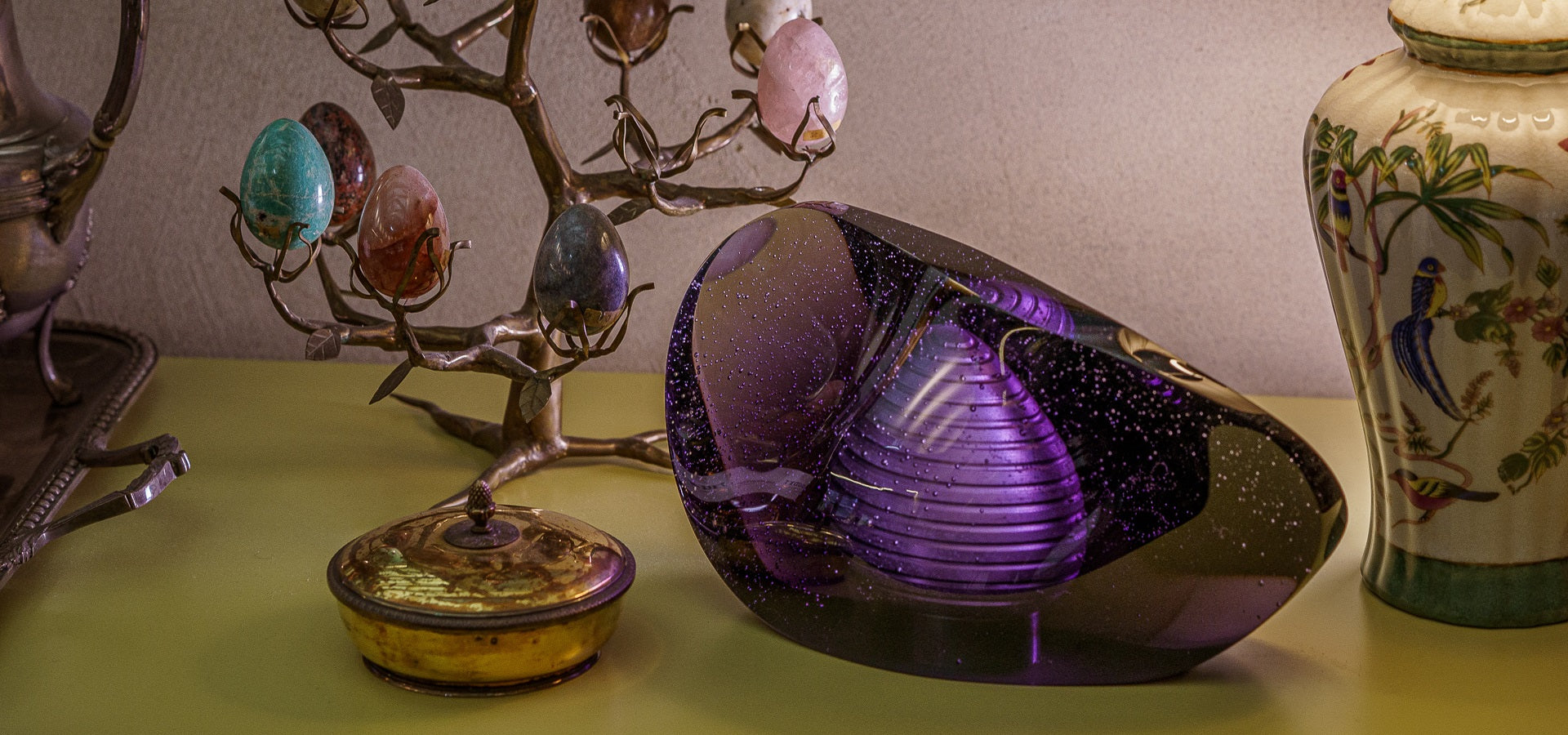
What Are the Most Unique Urns Available Today?
Discover the most unique cremation urns available today, from handcrafted ceramic and sculptural designs to glass, nature-inspired, personalized, and keepsake memorials. Learn what makes an urn distinctive and how to choose a meaningful design based on capacity, material, placement, and personal significance.
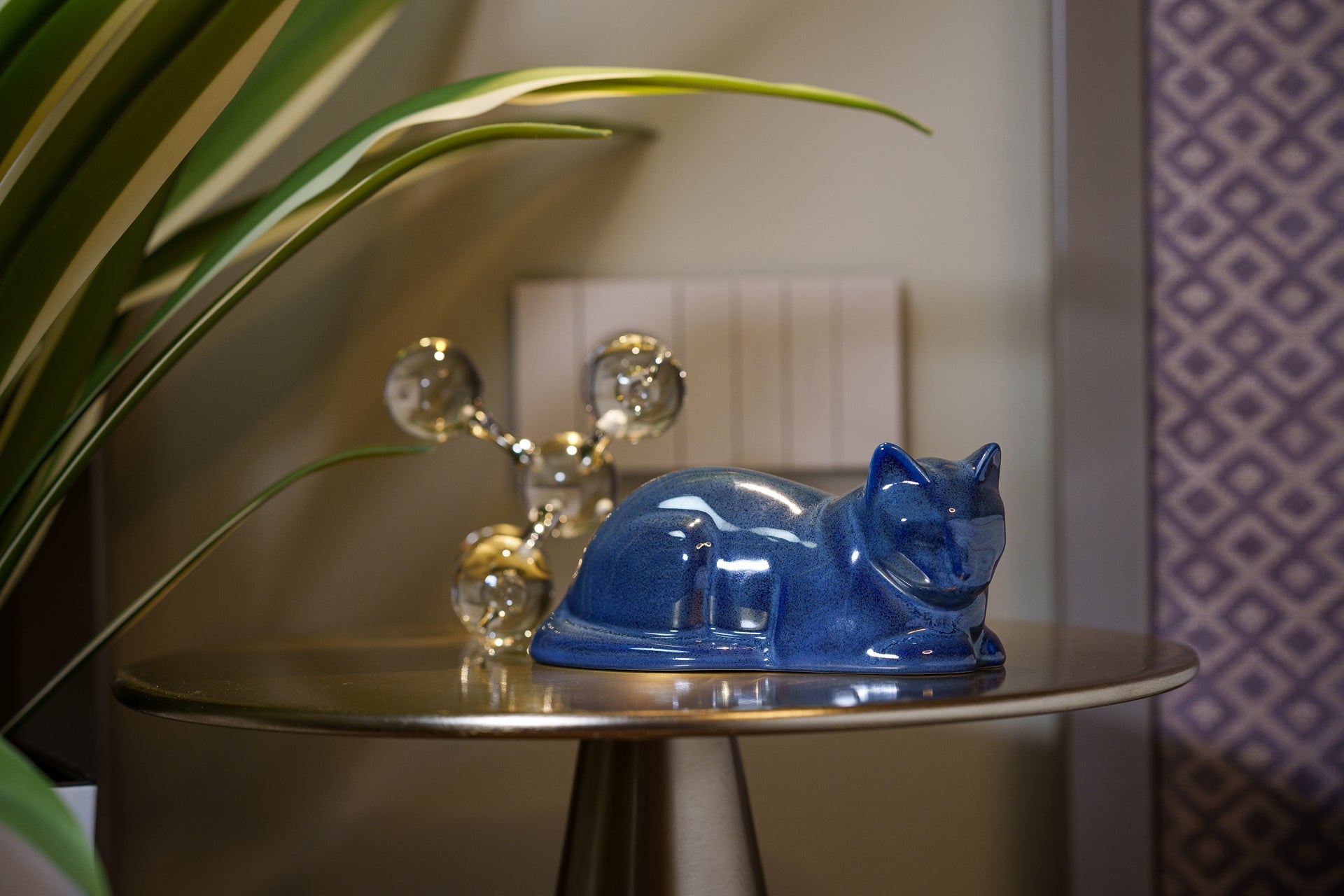
How Do You Choose the Right Pet Urn?
A practical guide to choosing the right pet urn, covering size, capacity, materials, personalization, closure, and meaningful ways to memorialize your beloved companion.
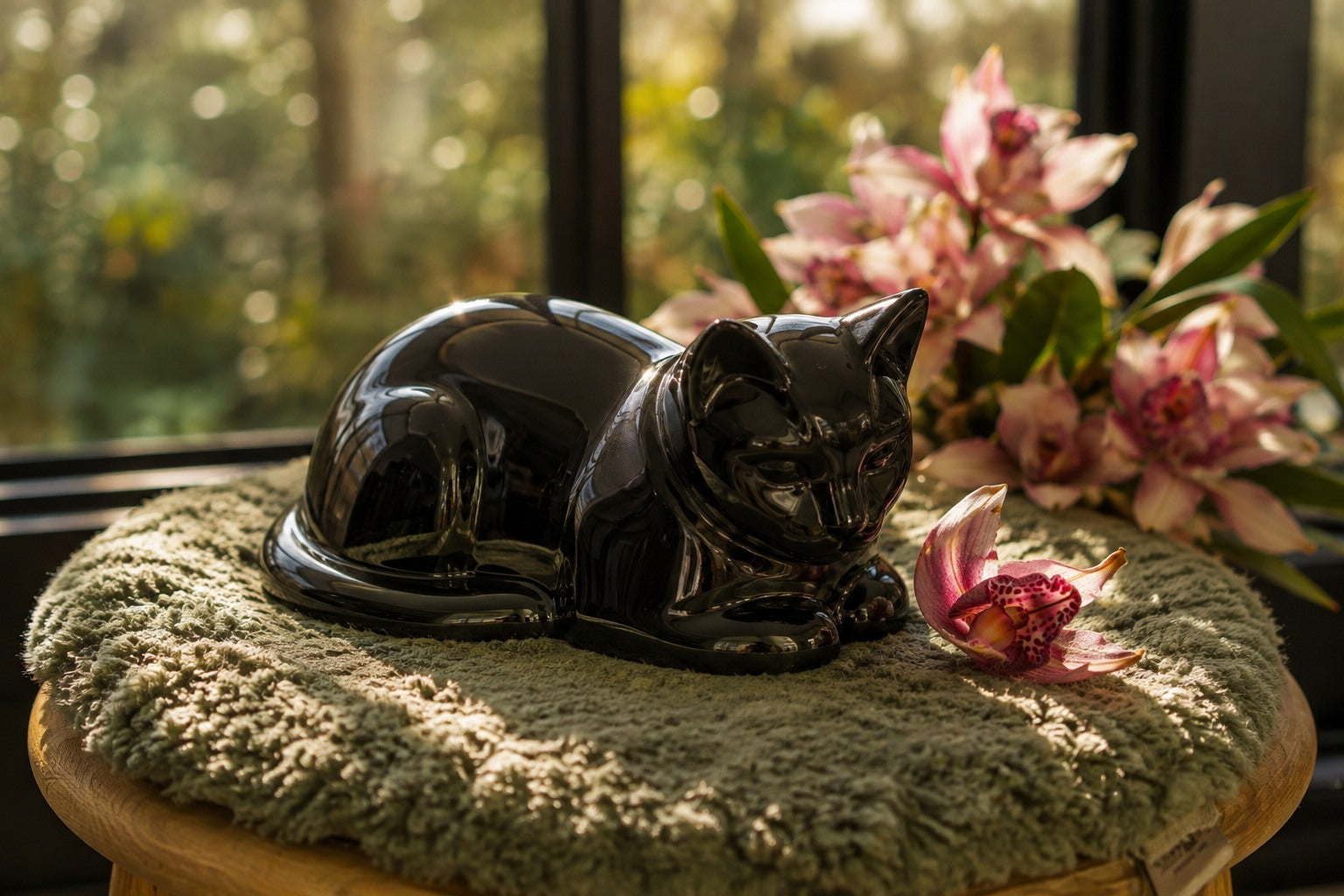
Why Pet Grief Doesn’t Always Get Easier. It Gets Different
Pet grief does not always become easier with time. It changes. Discover how loss evolves, why memories take on new meaning, and how memorial objects such as urns can become quiet reminders of a life once shared.
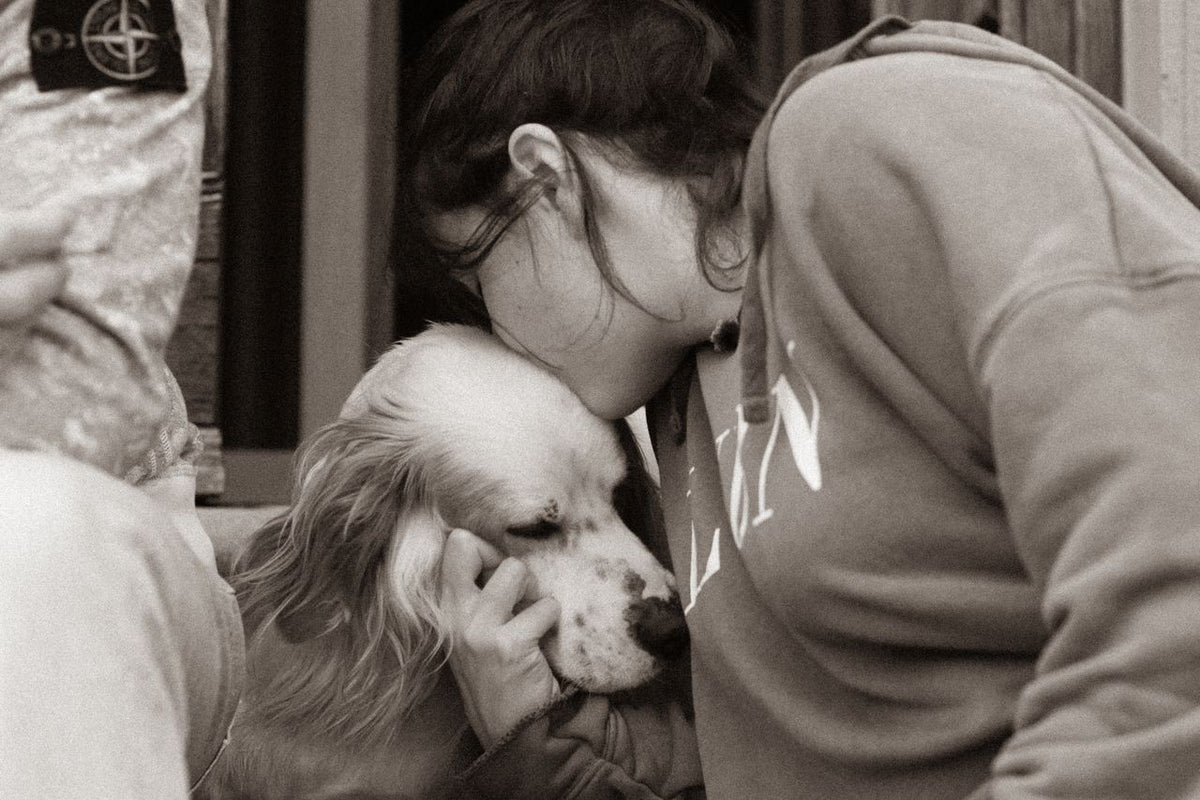
Why Your Pet’s Smell Can Bring Back an Entire Memory
Why can the smell of a pet bring back an entire moment? Discover how scent, emotion and memory are connected, and why the familiar smell of an animal can preserve some of our most intimate memories of life together.


Share:
Easy Guide to Funeral Homes in Nebraska
Easy Guide to Funeral Homes in Montana