



Here for you: art@pulvisurns.com | (562) 609-4019
7% off your order
Use this code at checkout:
In Oregon, a state renowned for its rugged coastline, high-desert vistas, and a culture deeply rooted in environmental activism, the approach to end-of-life care is arguably the most pioneering in the country. Oregonians have a long history of prioritizing personal liberty—being the first state to pass Death with Dignity legislation—and this spirit of autonomy now extends to how they return to the earth. As we move through 2026, the state is characterized by "gentle disposition" trends, where eco-conscious technology and home-centered vigils are becoming the standard. Whether you are in the creative heart of Portland or the quiet expanses of Central Oregon, this guide provides the essential data to help you navigate a modern legacy.
——————————————————————————————————————————
A Pacific Northwest Perspective on Sustainability and Choice In Oregon, the decision between burial and cremation is increasingly viewed through the lens of environmental footprint and the desire for a "living" legacy.
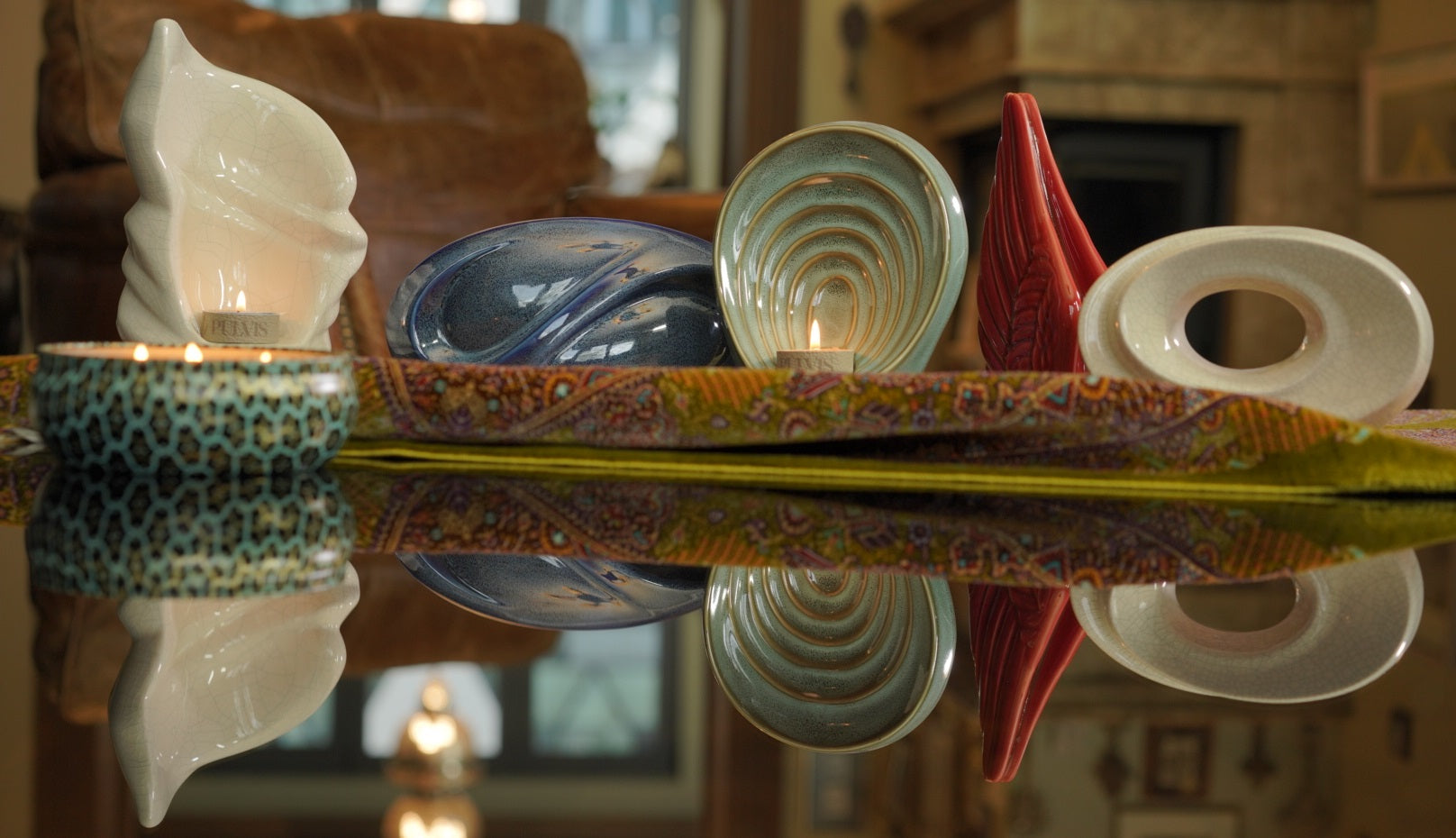
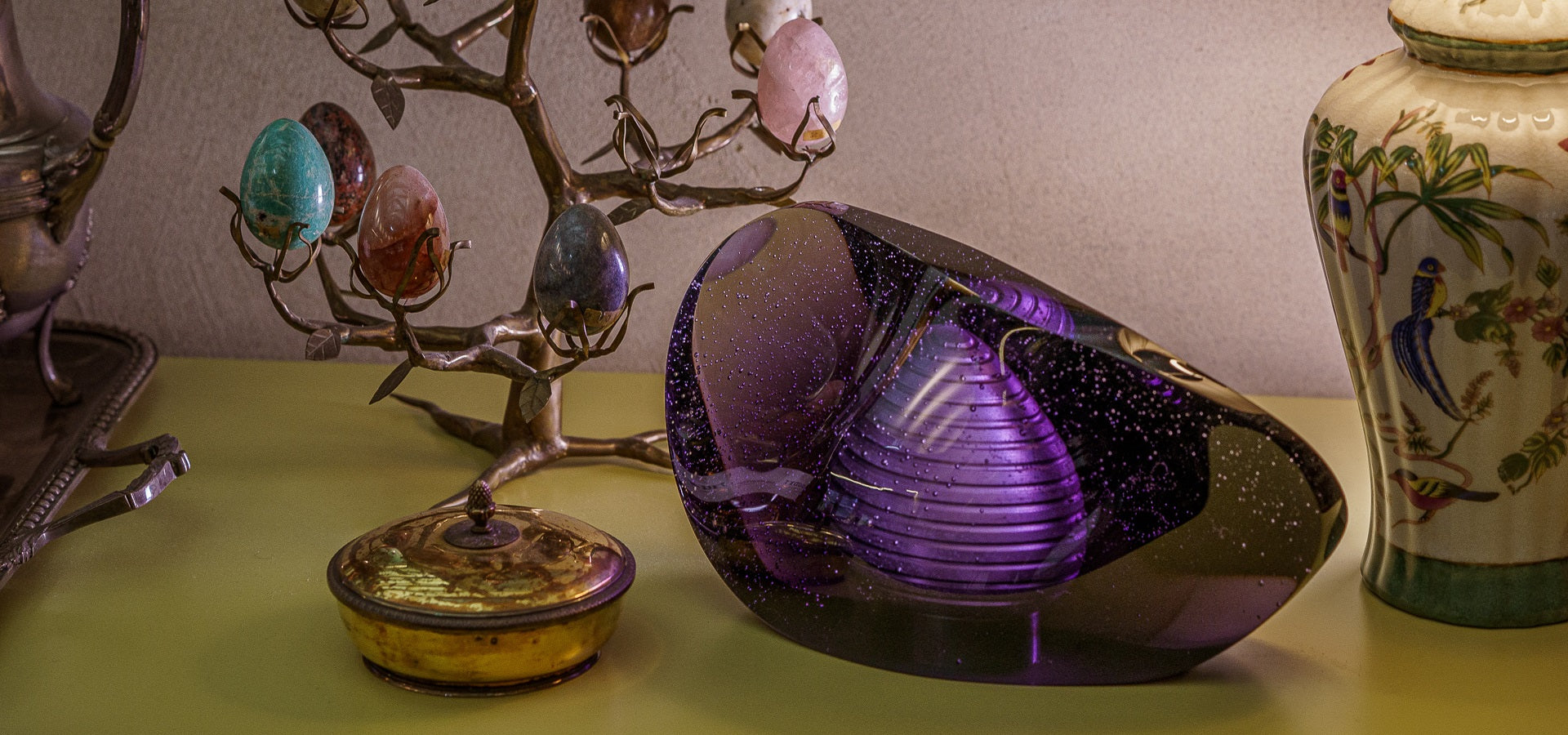
Emotional and Psychological Factors: For many in the Beaver State, a traditional burial feels too restrictive and environmentally taxing. Cremation is the preferred emotional choice because it reflects the Oregonian spirit of movement and nature. It allows for a Celebration of Life to take place in the landscapes the deceased loved—be it a misty morning on Cannon Beach or a sunset gathering in the Columbia River Gorge. Many families choose to keep remains in a sculptural Cremation Urn that serves as a piece of artistic home decor, keeping the memory of their loved one integrated into the natural flow of their home life.

Financial Realities: The cost-effectiveness of cremation is a significant factor in Oregon’s high adoption rates. According to 2026 data, a traditional funeral with a casket and cemetery plot in cities like Portland or Eugene can be prohibitively expensive. Cremation removes the need for "permanent real estate," allowing families to pivot their budget toward more meaningful Memorial Ideas, such as planting a memorial forest or investing in a handcrafted ceramic vessel that will be passed down through generations.
Environmental Impact: Oregon is a global leader in "Green Death" care. Beyond standard cremation, the state has fully embraced Natural Organic Reduction (human composting) and Alkaline Hydrolysis (aquamation). These methods are viewed as the gold standard for those who wish to minimize their carbon footprint. Even for those choosing standard cremation, placing remains in an artistic ceramic urn at home is seen as a space-efficient, respectful way to honor the deceased without the use of land-intensive cemetery practices.
——————————————————————————————————————————
Oregon maintains one of the highest cremation and alternative disposition rates in the United States, reflecting its secular and nature-focused population.
Cremation Rates: As of 2026, the cremation rate in Oregon has reached approximately 82%. This includes a rising percentage of "water cremations" and human composting.
Average Cost Breakdown: In 2026, Oregon families should budget for the following average expenses:
Traditional Funeral with Burial: A full-service funeral in Oregon averages $7,835. In metro areas, once the cemetery plot and vault are added, costs typically range from $11,000 to $16,500.
Direct Cremation: For a simple process with no ceremony, the average cost in Oregon is $1,277. Flat-rate providers in the Portland-Beaverton area offer packages starting as low as $995.
Full-Service Cremation: A cremation that includes a formal viewing and memorial service typically averages $5,812.
——————————————————————————————————————————
With the vast majority of Oregonians opting for cremation or alternative disposition, the choice of vessel is often considered a primary act of memorialization.
Sizing Rules: Standard industry sizing remains the rule: 1 lb of body weight = 1 cubic inch of ash. A Standard Adult Urn (200 cubic inches) is the typical requirement for an adult.
The Memorial Keepsake: Very common in the PNW, Memorial Keepsakes allow family members to share remains, often used to scatter a portion in a favorite hiking spot while keeping a small amount in a handcrafted token at home.

Creative Tributes: 2026 trends in Oregon include "Home Vigils," where the deceased remains at home for a 1–3 day viewing before cremation, and "Living Memorials" centered around a Pulvis ceramic urn that blends seamlessly into modern, minimalist Northwest interiors.
——————————————————————————————————————————
Based on 2026 service excellence, here are several highly-regarded providers in the state:
In the Portland area, Skyline Memorial Gardens offers a stunning hilltop setting with a focus on both traditional and multicultural tributes. They are located at 4101 NW Skyline Blvd, Portland, OR 97229, and can be reached at (503) 292-6611.
Serving the Salem region, City View Funeral Home and Cemetery is noted for its historic grounds and personalized cremation services. Located at 390 Hoyt Street S, Salem, OR 97302, they can be reached at (503) 363-8652.
In the Bend area, Niswonger-Reynolds Funeral Home is a trusted provider for Central Oregon, specializing in life celebrations that reflect the outdoor spirit of the region. They are located at 105 NW Irving Ave, Bend, OR 97701, and can be reached at (541) 382-2471.
Under the Federal Trade Commission's "Funeral Rule," you have the right to purchase an urn from any outside source. Oregon funeral homes are prohibited from charging "handling fees" for using a third-party vessel, such as a handcrafted urn from Pulvis.
——————————————————————————————————————————
Whether you find peace in the silence of a green burial forest or in the artistic presence of a Cremation Urn displayed in your home, Oregon offers more freedom of choice than almost anywhere else. By understanding the 2026 costs and the innovative options available, you can ensure your final act is one that honors both your life and the earth you called home.
——————————————————————————————————————————
Which urn size do I need?
A simple rule: about 1 cubic inch of urn per pound of body weight.
Every product page lists the urn's capacity. Keepsake urns hold a small portion of ashes to share.
Need it by a specific date?
Free shipping · Delivery in 3–5 business days
Express delivery in up to 3 business days – choose it at checkout
Need help choosing?
Talk to our team – we're happy to help you find the right urn.
(562) 609-4019 art@pulvisurns.comSend us a message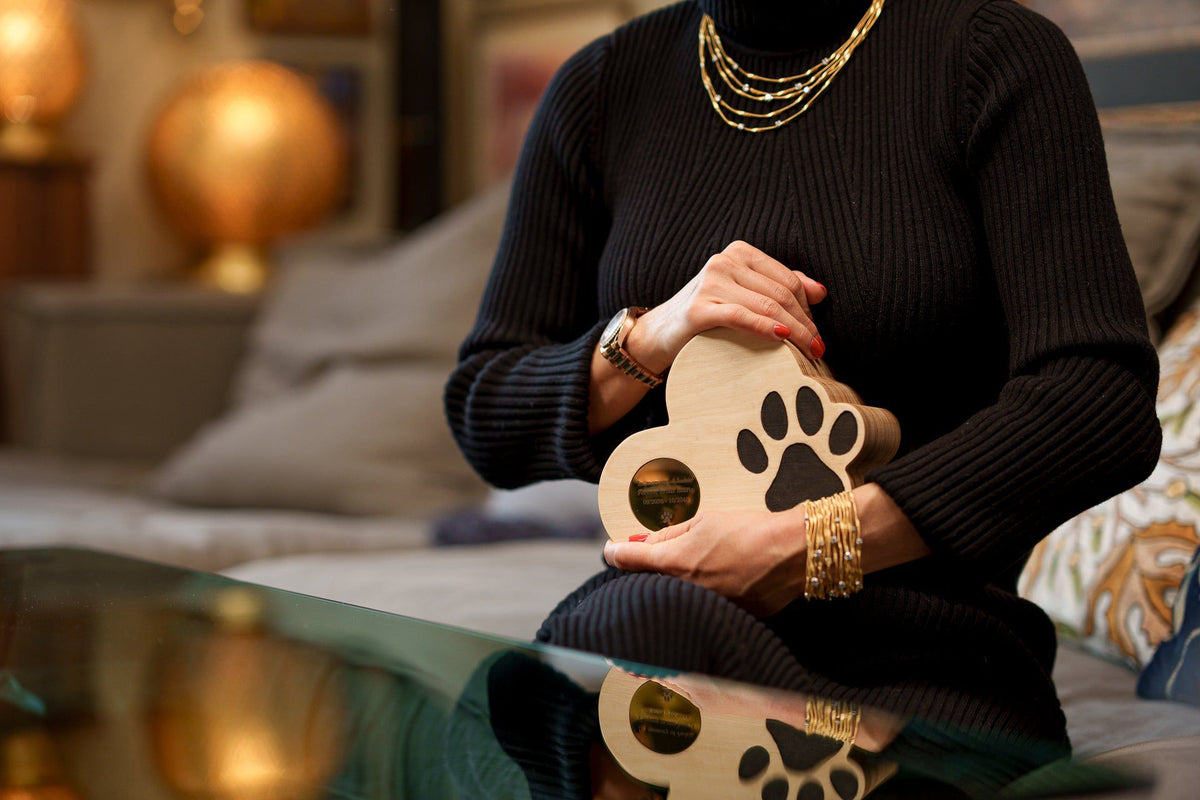
Can You Grieve a Life That Never Had Words?
Discover why losing a beloved pet can be so profound, how wordless bonds shape our lives, and how Pulvis Art Urns brings craftsmanship and thoughtful design to the art of remembering an animal companion.
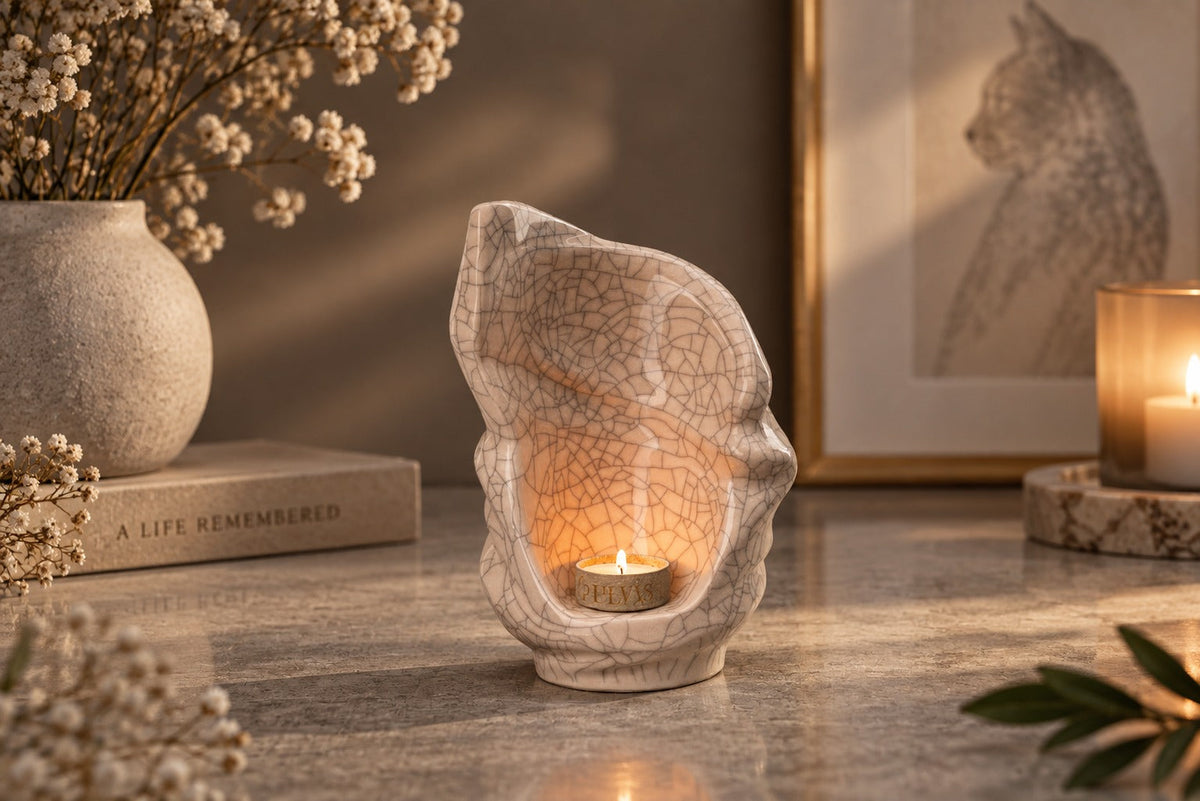
What Does the Bible Say About Cremation?
Explore what the Bible says about cremation, Christian beliefs about resurrection, and meaningful ways to honor a loved one’s memory through a thoughtful memorial.
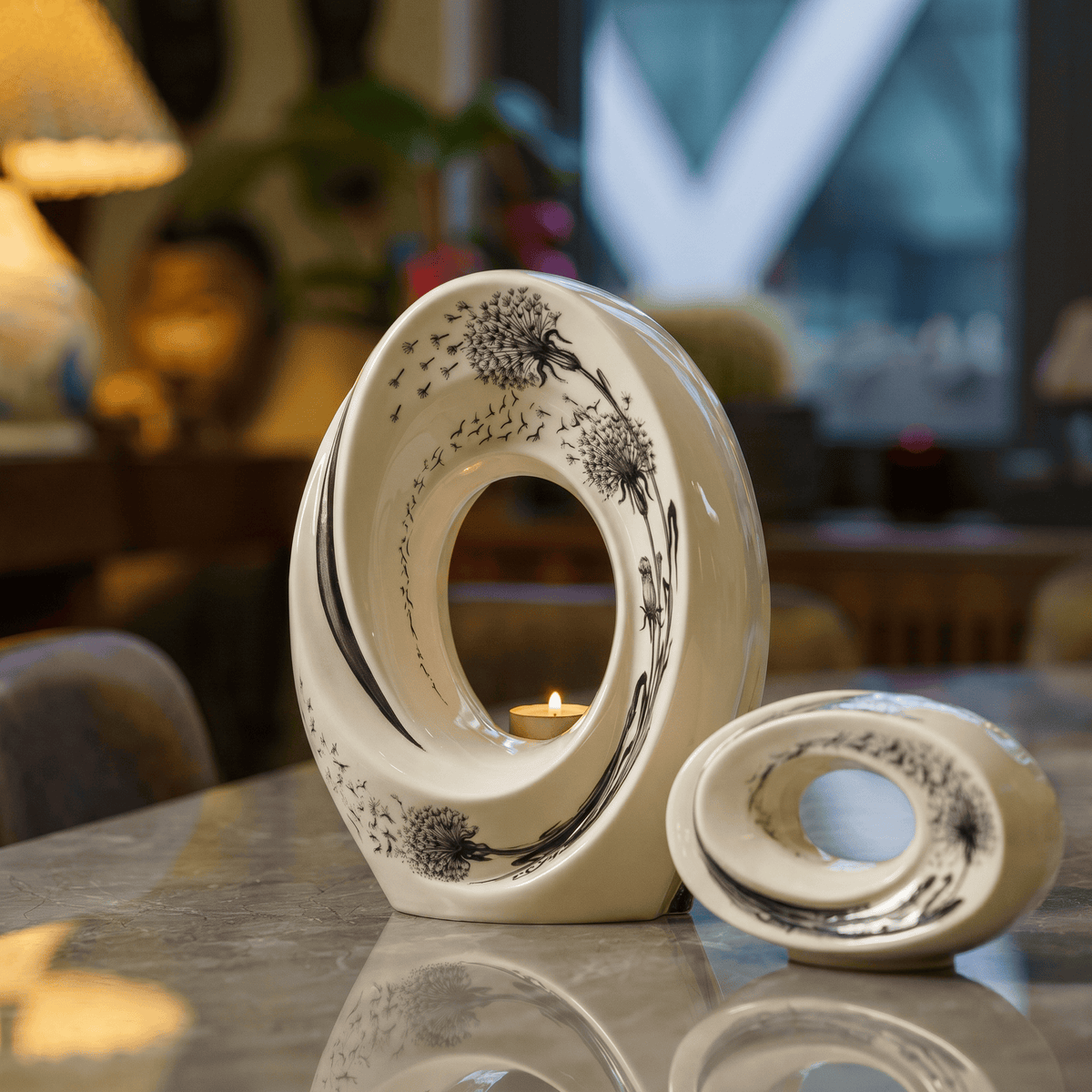
Why Do People Light Candles for the Dead?
Discover the meaning behind lighting candles for the dead, exploring the traditions, beliefs, and emotions that make this simple ritual a lasting expression of remembrance, comfort, and connection within the home.

The Pet as a Witness to a Human Life
Our pets witness far more of our lives than we realise. Explore what it means for an animal to become a quiet witness to our changing homes, relationships, routines and identities — and how a memorial urn can remain as a physical connection to the life they witnessed.

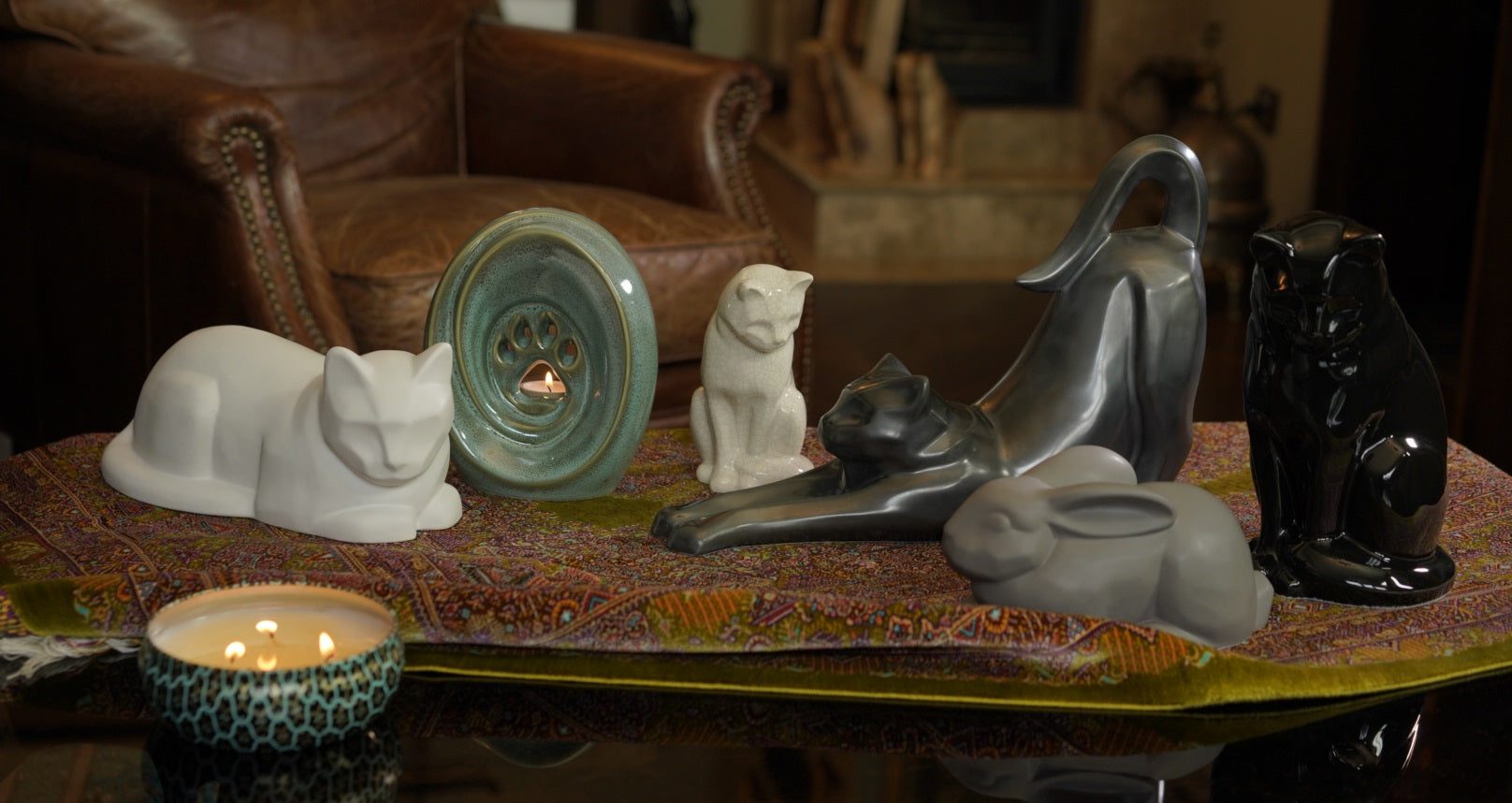
Can You Inherit a Pet’s Memory?
Can we remember a pet we never knew? Explore how stories, photographs, objects and memorials can carry an animal’s memory across generations, turning a private life into part of a family’s shared history.


Share:
Easy Guide to Funeral Homes in Wisconsin
Easy Guide to Funeral Homes in Missouri