



Here for you: art@pulvisurns.com | (562) 609-4019
7% off your order
Use this code at checkout:
The death of a loved one is an event that all of us is likely to experience during our lifetimes, and this often changes our world. You may feel numb, fearful, shocked or even angry sometimes, but remember that all of these feelings are normal. Grief is a natural and complex emotional response to loss, and there is no one-size-fits-all approach to overcoming it.
Even though time is a helpful healer when it comes to overcoming the grief of a loved one, you can do a thing or two to feel better in a short term. We hope we can be helpful with our tips.

Grief comes in various different forms. While most people associate grief with death and funerals — throughout our whole life we grieve many different losses. The loss of a job, a marriage, separation, the loss of a pet, home or other things as well as the absence of certain elements that we think are necessary to make us happy.
Family, friends and even a therapist are some of the people who can and should be accessed during this period in your life. Remember that you cannot travel this path alone and there are people who are there to give you support and care. Call whoever you think will help you and you will be surprised.
Check our page with support organisations here:
https://www.pulvisurns.com/pages/support-organisations
Talking is often a good way to soothe the bad emotions. Talking to a close friend, family member or a health professional can improve the healing process.
Also keep us with simple things like doing the housework, as keeping your routine up can really help.
It is not easy to cope after a loved one passes away. You will most certainly mourn and grieve. Mourning is the natural process you go through to accept a major loss.
Grieving is the outward expression of your loss. Your grief is likely to be expressed emotionally, psychologically and even physically.
In moments like this you can experience a mix of emotions. Gently remind yourself that those feelings are yours and they are within the norm. Do not stop yourself from having a cry if you feel one coming on.
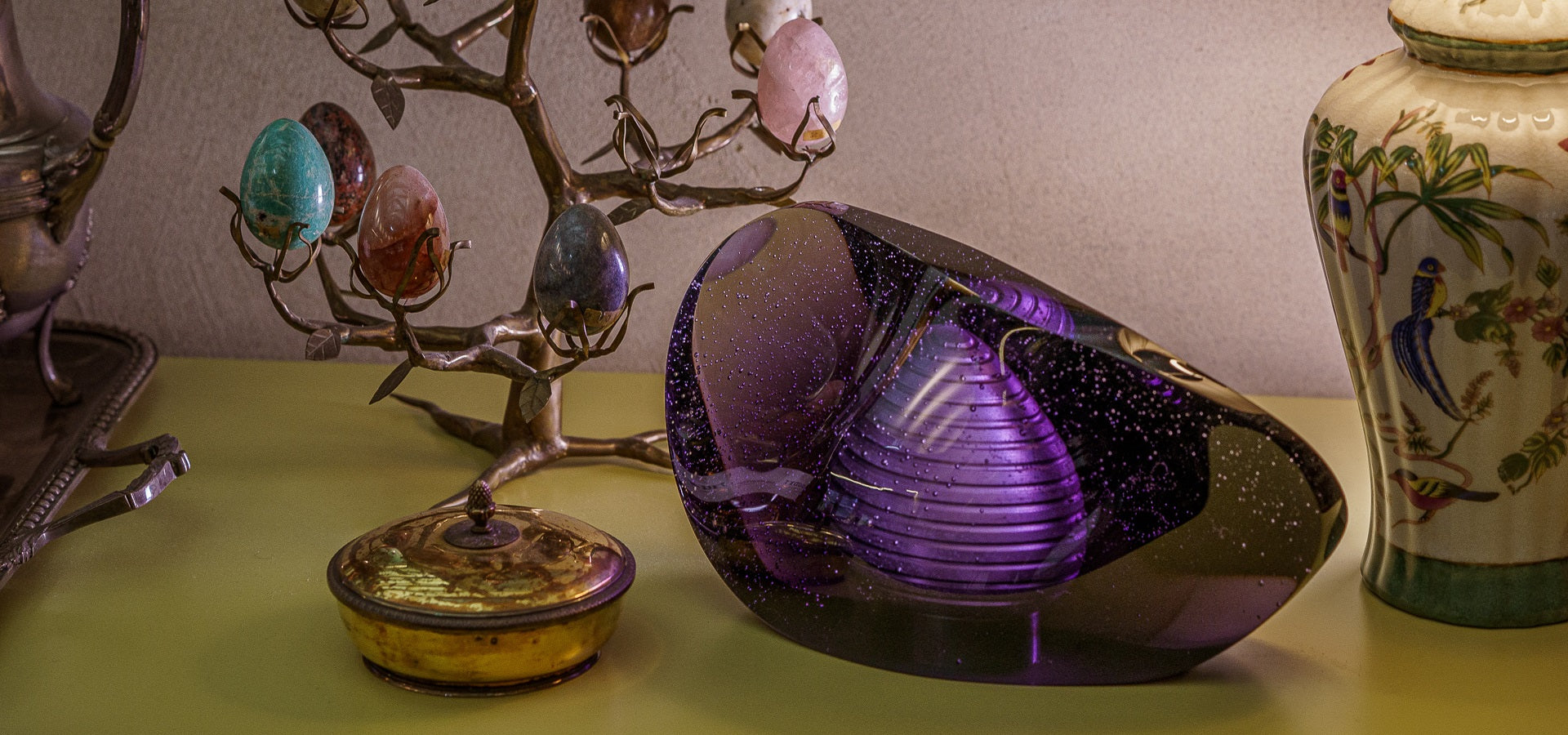
Creating a memorial to the person who died is a surprisingly good way to feel better. There are many possibilities when it comes to this. If the person has been cremated there are various ways to pay tribute to him through his ashes. Placing the ash in an art urn or planting a tree in memory of your loved one are among the endless options.

Don’t blame yourself — some of us blame ourselves or practically anyone who came into close contact with the situation. In the case of a death of a loved one, there is also survivor’s grief. So don't blame yourself.
Grief can take a toll on your physical health as well as your emotional health. Try to eat well, exercise regularly, and get enough sleep.
Allow yourself plenty of time to do everyday activities and try not to over-schedule yourself. Getting involved in new activities or work can keep you focused and distracted from the grief. Try having a little fun, after all, laughter is excellent medicine.
Remember that mourning the loss of a loved one takes time and it is common to have roller coaster of different emotions during that time. It may be hard to move on with your life but remember that this is what your loved one wants. Overcoming grief is a gradual and ongoing process, but with time, support, and self-care, you can find a way to move forward and honor the memory of your loved one.
If you have any questions - do not hesitate to contact us. We are always at your disposal with helpful tips and advises.
Join us in helping families honor the memory of their loved ones and pets through art!
Our Affiliate Program is now available at https://www.pulvisurns.com/pages/affiliate-program-by-pulvis-art-urns
Which urn size do I need?
A simple rule: about 1 cubic inch of urn per pound of body weight.
Every product page lists the urn's capacity. Keepsake urns hold a small portion of ashes to share.
Need it by a specific date?
Free shipping · Delivery in 3–5 business days
Express delivery in up to 3 business days – choose it at checkout
Need help choosing?
Talk to our team – we're happy to help you find the right urn.
(562) 609-4019 art@pulvisurns.comSend us a message
Can You Grieve a Life That Never Had Words?
Discover why losing a beloved pet can be so profound, how wordless bonds shape our lives, and how Pulvis Art Urns brings craftsmanship and thoughtful design to the art of remembering an animal companion.
What Does the Bible Say About Cremation?
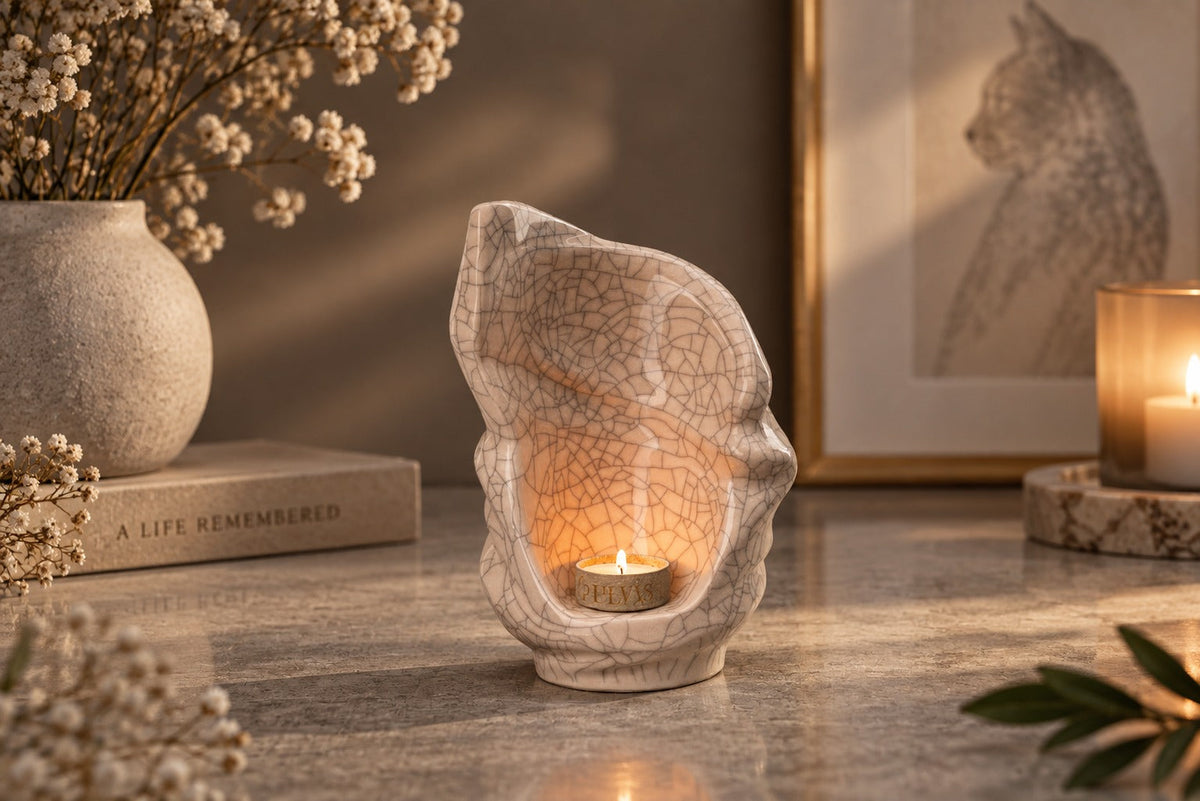
Explore what the Bible says about cremation, Christian beliefs about resurrection, and meaningful ways to honor a loved one’s memory through a thoughtful memorial.
Why Do People Light Candles for the Dead?
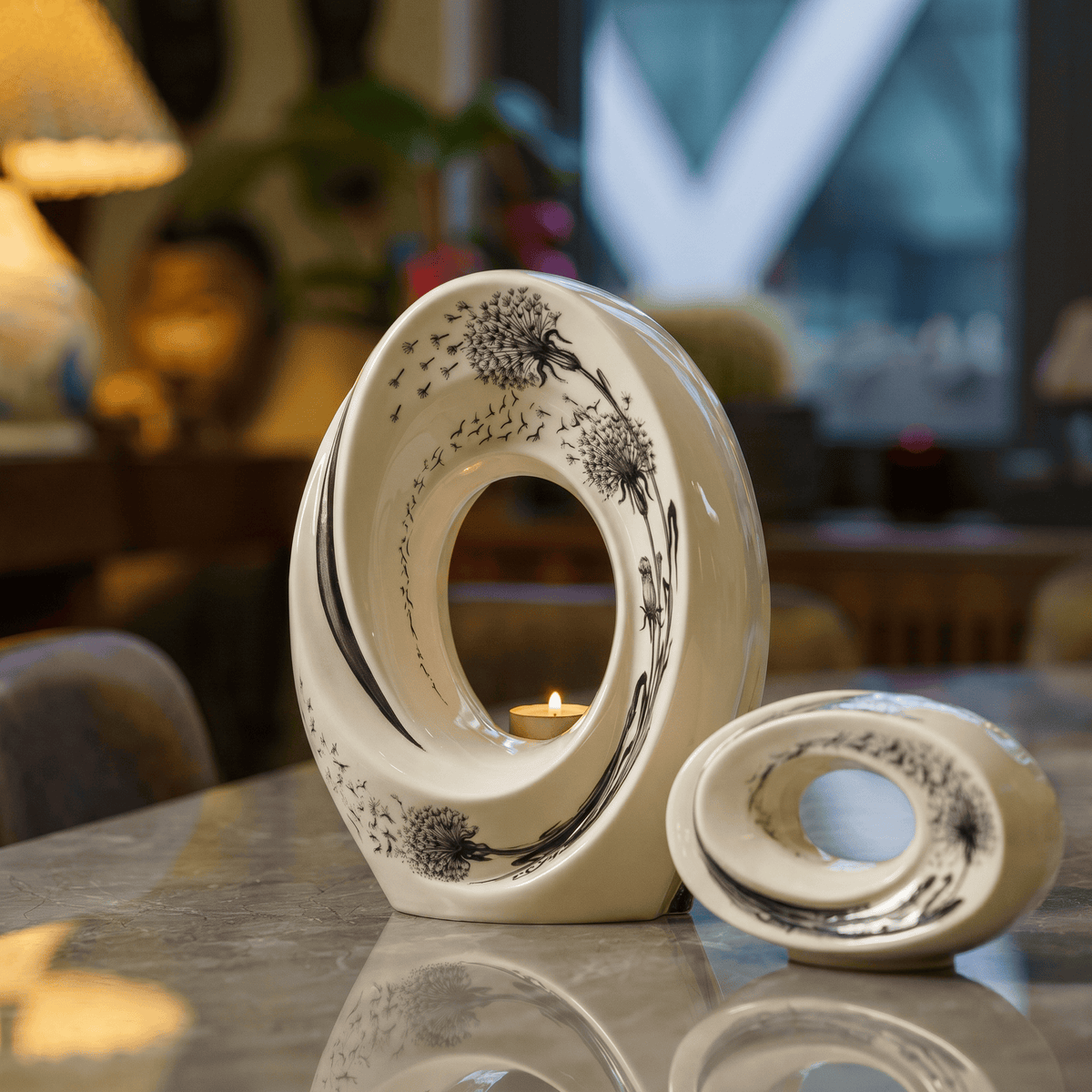
Discover the meaning behind lighting candles for the dead, exploring the traditions, beliefs, and emotions that make this simple ritual a lasting expression of remembrance, comfort, and connection within the home.

The Pet as a Witness to a Human Life
Our pets witness far more of our lives than we realise. Explore what it means for an animal to become a quiet witness to our changing homes, relationships, routines and identities — and how a memorial urn can remain as a physical connection to the life they witnessed.

Can You Inherit a Pet’s Memory?
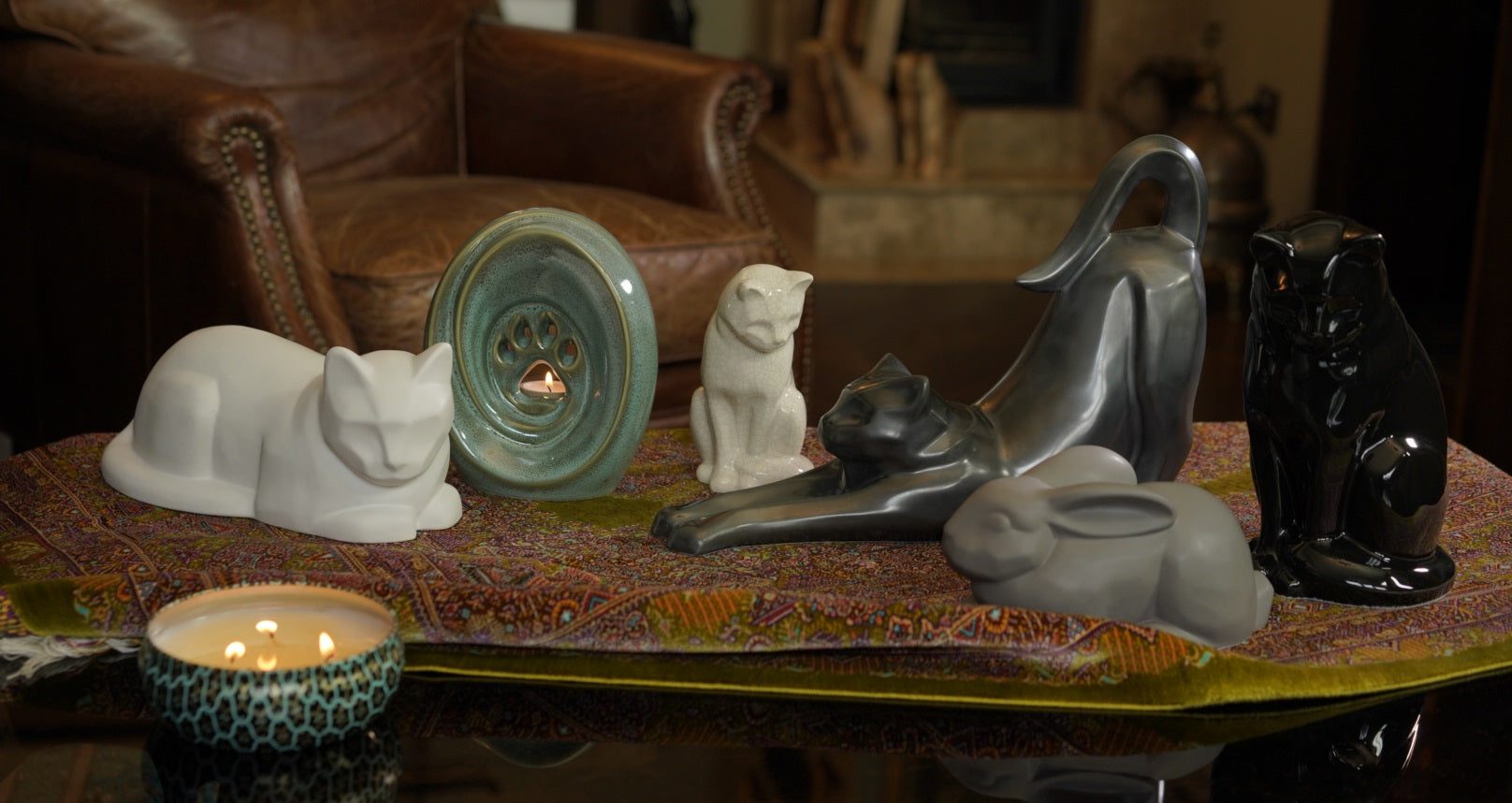
Can we remember a pet we never knew? Explore how stories, photographs, objects and memorials can carry an animal’s memory across generations, turning a private life into part of a family’s shared history.


Share:
Pre-planning your funeral ceremony. Should you do it now?
Pre-planning your funeral ceremony. Should you do it now?