

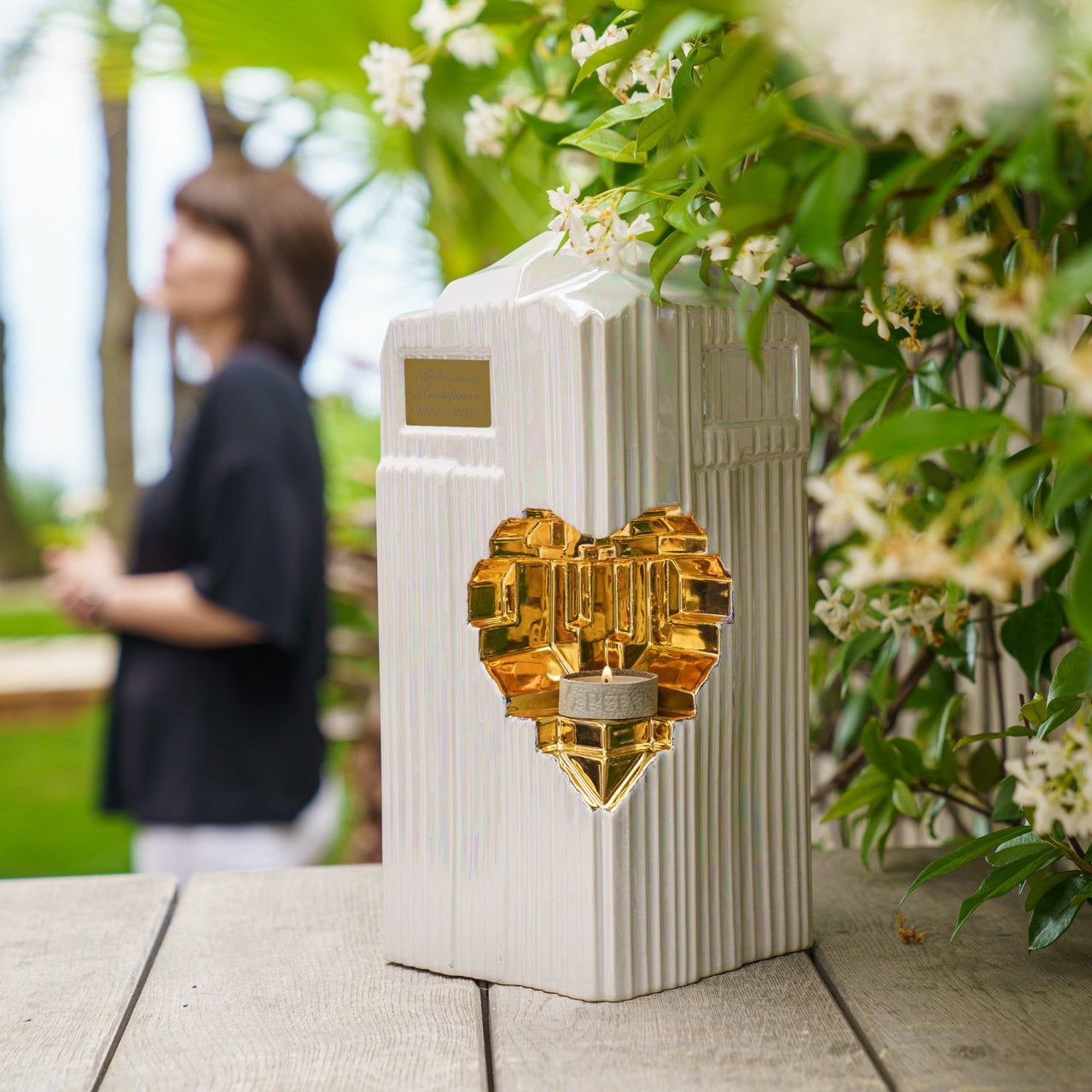
Here for you: art@pulvisurns.com | (562) 609-4019
Grief does not move in a straight line. What feels like a permanent decision in the early stages of loss can, years later, take on a different emotional meaning. One of the most quietly common examples of this is the decision to relocate ashes—moving a loved one’s remains from one resting place to another long after the funeral has passed.
At first glance, this may appear practical or logistical. In reality, it is often deeply emotional. Relocating ashes is rarely about rejecting the past choice. More often, it reflects how grief evolves over time, how life circumstances change, and how relationships with memory continue to shift long after loss.
For many families, this is not about undoing something. It is about updating how remembrance fits into the present.
In the early period after a loss, emotions are often intense, immediate, and overwhelming. Decisions are made under emotional pressure, uncertainty, and the need to create stability quickly. The choice of a resting place happens within that emotional reality.
At that time, it may feel entirely right.
But grief does not remain fixed. Over months and years, it becomes less acute and more integrated into daily life. As emotional intensity softens, perspective changes.
What once felt appropriate may later feel:
emotionally distant
too formal or impersonal
disconnected from daily life
no longer aligned with family circumstances
Relocation often reflects this shift. It is not correction. It is recalibration.

One of the most common reasons for relocating ashes is simple: life does not stay still after loss.
Homes change. Countries change. Families grow and restructure. Relationships evolve. Children become adults and begin to understand family memory differently. Aging parents reassess long-term arrangements.
Common life transitions include:
moving to a new home, city, or country
selling a long-term family residence
changes in family structure or caregiving roles
remarriage or blended family dynamics
consolidating family memory into one shared place
In these situations, a resting place chosen years earlier may no longer fit into lived reality.
Relocation becomes a way of bringing memory back into alignment with present life.

Physical distance often becomes emotional distance without intention.
When a resting place is far away or difficult to visit, visits naturally become less frequent. Over time, what was once a close point of connection can begin to feel remote.
Many people describe this simply:
“It felt too far to visit regularly.”
“We stopped going as often.”
“It started to feel distant in every way.”
Relocating ashes can restore something subtle but important: the ability to feel close in everyday life, not only during planned visits or anniversaries.

Grief is not linear—it is cyclical. Even years after loss, emotional awareness can return through life milestones and transitions.
Common triggers include:
weddings or births in the family
children reaching milestones without the deceased present
anniversaries gaining new emotional meaning over time
personal life changes such as relocation or retirement
These moments often prompt reflection:
“Does this still feel like the right place for them in my life now?”
As life changes, emotional needs change with it.
Relocation becomes a response to that evolving relationship with memory.
Relocating ashes is often misunderstood as letting go. In reality, it is usually the opposite.
It reflects a shift in how the relationship is experienced:
from separation → to integration
from distance → to proximity
from formal remembrance → to lived presence
from static memory → to evolving bond
Memory does not remain fixed. It changes as the person remembering changes.
Relocation becomes a way of aligning physical space with emotional reality.

Where ashes are placed significantly influences how remembrance is experienced.
Over time, some locations may begin to feel:
emotionally neutral rather than meaningful
visually present but emotionally distant
too institutional or formal
disconnected from daily life
Other spaces may feel more aligned:
closer to home and daily routines
more personal and intimate
integrated into family living spaces
reflective of current emotional needs
This is why some families eventually choose to bring ashes into home memorial settings or more personal environments.
The goal is not to change memory, but to change how memory is experienced.
Relocation is rarely sudden. It is usually gradual, thoughtful, and discussed over time.
In practice, it may involve:
moving ashes from a distant cemetery to a family resting place
transferring remains after selling or leaving a long-term home
consolidating family members into a shared memorial space
creating a more intimate remembrance setting after years of distance
These actions are often accompanied by reflection, conversation, and quiet acknowledgment.
They are not interruptions of memory. They are reorganizations of it.

Relocating ashes also involves practical and legal frameworks that vary by country and region.
Families may need to consider:
cemetery or crematorium regulations
permits or documentation for transfer
transportation requirements for human remains
consent from next of kin
cultural or religious guidelines
While not the emotional driver, these factors shape how the process is carried out.
For many families, the procedural aspect becomes part of a careful, respectful transition.
Even when relocation feels right, it is often accompanied by hesitation.
Common thoughts include:
“Is this disrespectful?”
“Are we disturbing their rest?”
“Does this mean we are moving on?”
These feelings are natural because relocation challenges the idea that grief should move in one direction.
But grief is not linear, and memory is not static.
In most cases, relocating ashes does not diminish love or memory. It reflects that the emotional relationship is still alive and evolving.
Over time, many people describe a shift:
“At first I wasn’t sure, but afterwards it felt more aligned with where we are now.”

Relocating ashes often becomes a second moment of remembrance.
This may include:
gathering family members again
sharing stories and memories
acknowledging the passage of time since the loss
creating or redesigning a new memorial space
marking the transition with symbolic gestures
This is not a repetition of the original funeral. It is a continuation of remembrance in a new emotional phase.
It often reflects a more integrated and stable relationship with grief.
A common misunderstanding is that relocating ashes means letting go.
In most cases, it reflects:
a desire for closeness
a need for emotional integration
a redefinition of presence in daily life
an adaptation to changing circumstances
Memory is not fixed in place. It moves with life.
Relocation is one way people ensure that connection remains meaningful rather than distant.

Relocating ashes years after loss is not a contradiction—it is a reflection of how grief actually works.
What begins as a final arrangement often becomes part of a longer emotional journey. As life changes, so does the way people relate to memory, space, and presence.
Bringing ashes into a new place is rarely about ending anything. It is about reshaping connection so it continues in a form that feels closer, more integrated, and more aligned with the present.
Grief does not remain in one place. It evolves with time, with family, and with life itself.
And sometimes, moving ashes is not about changing where someone rests—but about changing how they remain present in the lives of those who remember them.
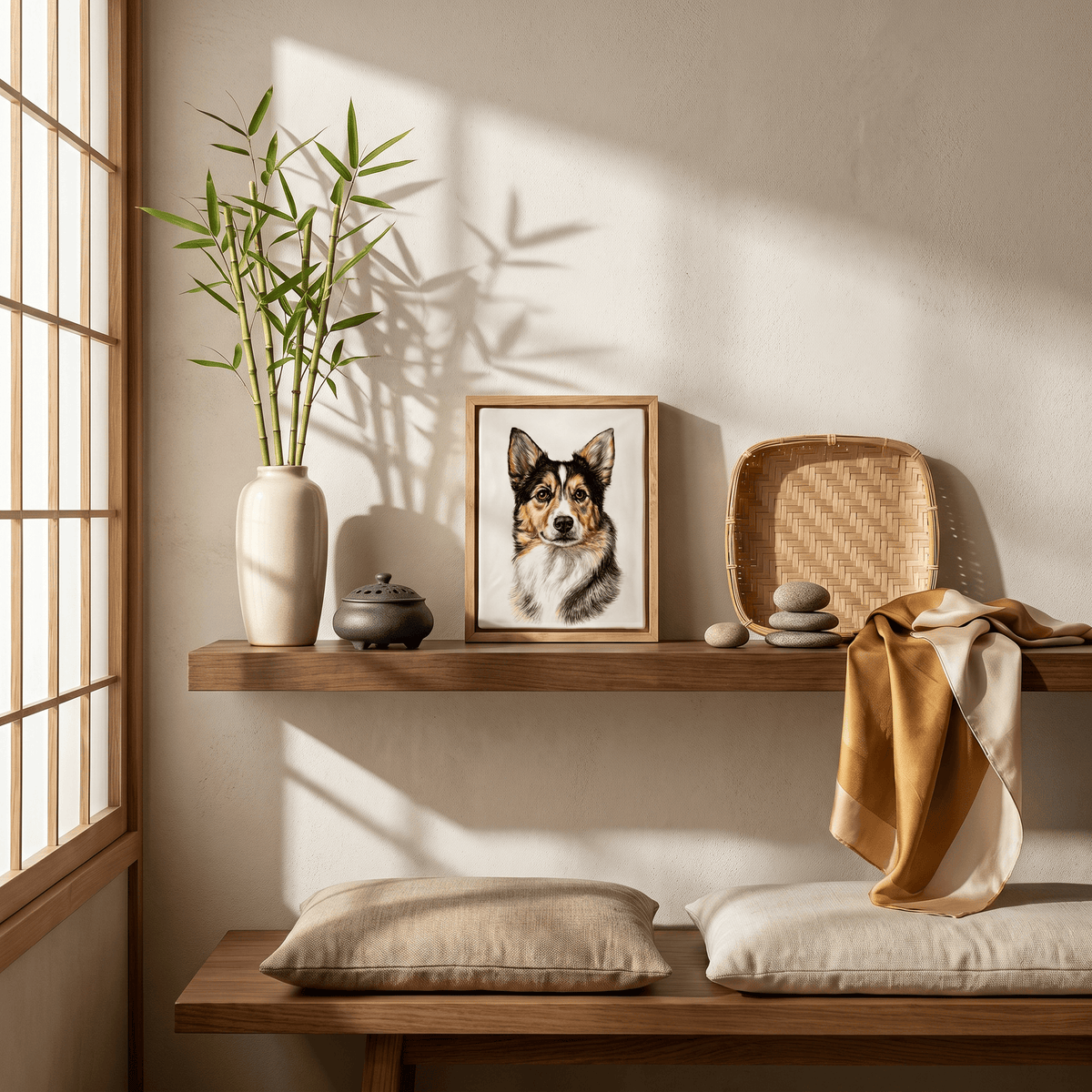
The Urn as a Bridge Between Presence and Absence
What happens when a pet is no longer physically present, but something of that life remains? Explore how a memorial urn can become a bridge between absence and presence, giving memory a tangible form and a lasting place within the home.
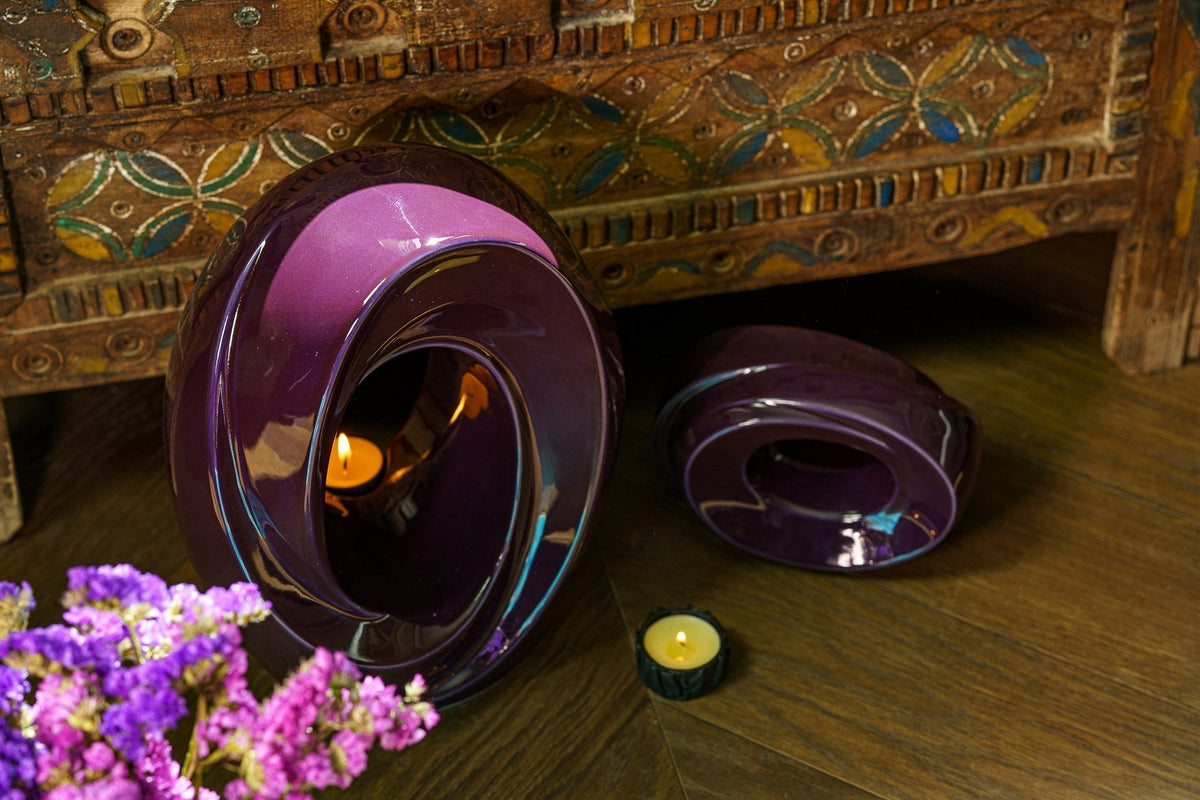
Memento Mori: Why Humans Have Always Made Art About Death
For thousands of years, humanity has transformed death into art — from skulls and fading flowers to portraits, monuments and memorial objects. Explore why we continue to create around mortality, memory and the human desire to make something last.

Every pet leaves behind an archive of its life — photographs, familiar objects, stories and traces of everyday routines. Discover how these fragments preserve not only memories, but the physical and emotional story of a beloved companion.
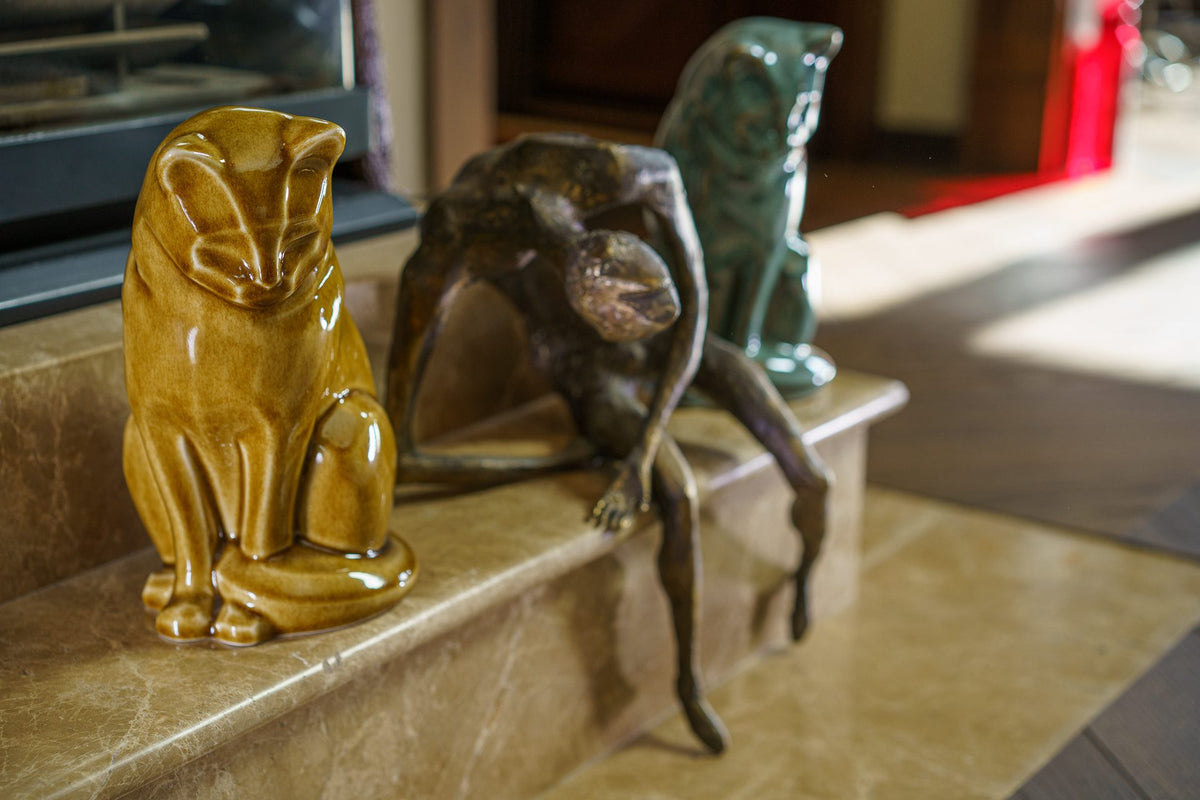
The New Aesthetics of Pet Memorials
Pet memorials are moving beyond traditional symbols of mourning. Explore how contemporary design, art, craftsmanship and materials are creating a more personal and understated aesthetic for remembering a beloved animal.
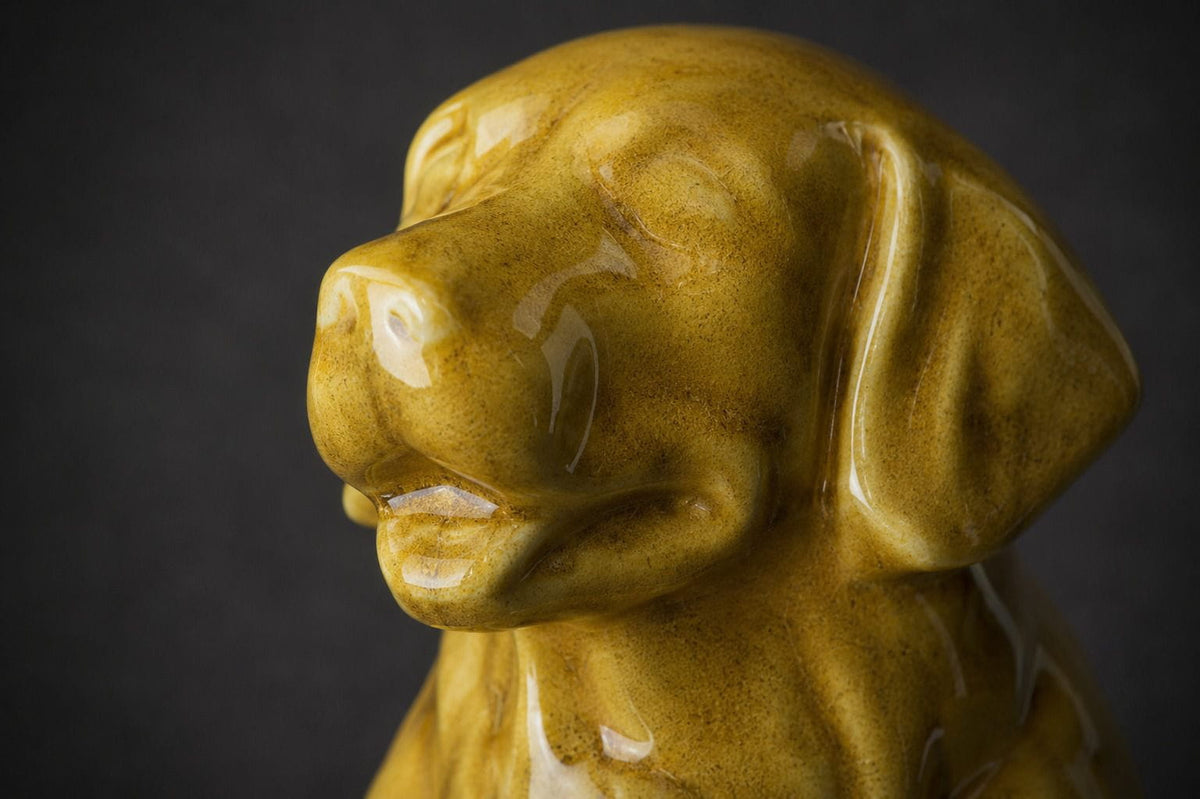
Can a pet urn be more than a vessel for ashes? Explore how craftsmanship, materials and sculptural design can transform a memorial urn into a meaningful work of art that keeps the memory of a beloved companion present.


Compartir:
The Role of Touch in Grief: Why Physical Objects Matter More Than Digital Memories
Why Some People Need a Place to Visit While Others Need Something to Keep