

Here for you: art@pulvisurns.com | (562) 609-4019
Moving into a retirement home is a significant transition. It often means leaving behind a home that has been familiar for many years, sorting through decades of belongings, and deciding what can come along to a smaller living space.
Among the most difficult decisions can be what to do with the urn of a loved one.
An urn can carry far more meaning than an ordinary household object. It may represent a spouse, parent, sibling, child, or another person whose memory remains an important part of everyday life. When moving into a retirement community or assisted living residence, the practical limitations of the new space can make you wonder whether the urn should come with you, remain with family, or be placed somewhere else.
There is no single right answer. The most appropriate choice depends on the person’s wishes, the available space, family circumstances, and what feels emotionally comfortable.
In many cases, residents can bring personal memorial items with them when moving into a retirement home or assisted living residence.
However, individual facilities may have their own policies concerning personal belongings, furniture, and objects that can be displayed in a resident’s room.
Before moving, ask the facility whether urns or other memorial items can be kept in a private room or apartment. If the residence has specific restrictions regarding certain materials, placement, or the use of shelves and furniture, knowing these requirements in advance can make the transition easier.
If you are moving into a private apartment within a retirement community, you may have more freedom over where the urn is placed. A smaller assisted living room may require more careful consideration of space and safety.
The important thing is not to assume that moving into a retirement home means you have to leave the urn behind.
For many people, bringing the urn with them provides a sense of continuity during an otherwise unfamiliar transition.

Moving into a retirement home can involve a great deal of change at once.
The furniture may be different. The surroundings may be unfamiliar. Daily routines can change, and belongings accumulated over many years may need to be reduced.
An urn can therefore become an especially meaningful object to take along.
It may provide a tangible connection to someone who was part of the person’s life and to the home they shared together.
For someone who has spent decades living with a spouse, for example, an urn containing their ashes may represent a continuing presence within the home.
Having it nearby can make a new room feel more personal and familiar.
The goal does not have to be to recreate the previous home. Instead, bringing a few deeply meaningful objects can help transform a new space into somewhere that feels like home.
One of the biggest challenges when moving into a retirement home is reduced living space.
A large house may contain multiple shelves, cabinets, display cases, and dedicated areas for photographs and family memorabilia. A smaller room may offer only a few surfaces.
This does not mean the urn needs to be hidden or given away.
Instead, consider creating a smaller, intentional memorial space.
A single shelf, bedside table, cabinet, or other stable surface may be enough. The urn can stand on its own or be accompanied by one meaningful photograph or personal object.
A smaller memorial can sometimes feel even more intimate because it focuses attention on the objects that matter most.
If the existing urn is particularly large, heavy, or difficult to accommodate, this may also be an opportunity to consider whether a different memorial urn would work better in the new space.

Safety becomes particularly important when moving into a smaller residence.
The urn should be placed somewhere stable where it is unlikely to be knocked over accidentally.
Avoid placing it on a narrow shelf, an unstable table, or somewhere where it could easily be reached or bumped during everyday activities.
Consider the movement of residents, visitors, caregivers, and cleaning staff around the room.
If the resident uses a walker, wheelchair, or other mobility aid, make sure the urn does not obstruct pathways or create a potential hazard.
The ideal location should be both meaningful and practical.
A secure cabinet or sturdy shelf can provide protection while still allowing the urn to remain visible.
If the facility has maintenance or housekeeping staff who may enter the room, it can also be helpful to inform them that the urn is a valuable and sentimental object that should not be moved unnecessarily.
There is no requirement to display a loved one’s urn.
Some people find comfort in seeing it every day. Others prefer to keep it somewhere more private.
A visible urn may become part of the room’s decor and provide an immediate reminder of the person who has died. A private placement, meanwhile, can create a more personal space for reflection.
Both approaches are completely valid.
Think about how the person feels when imagining the urn in their new home. If seeing it every morning brings comfort, a visible location may be appropriate. If the urn feels too emotionally intense to have constantly in view, a cabinet or private area may be more comfortable.
The purpose of the memorial is to provide meaning and comfort, not to satisfy an external expectation of what remembrance should look like.

For a surviving spouse, moving into a retirement home can be particularly emotional when the urn contains the ashes of their husband or wife.
The urn may have shared the home with them for years.
Leaving that home can therefore feel like leaving behind another part of their shared life.
Bringing the urn into the new residence can create a sense of continuity. A photograph, wedding picture, personal item, or other reminder placed nearby can turn a small corner of the new room into a familiar and meaningful space.
For some couples, the urn may have always been displayed alongside family photographs or other treasured belongings. Recreating a smaller version of that arrangement can help preserve a sense of familiarity after the move.
Sometimes the decision is not only about the resident.
Adult children, siblings, grandchildren, or other relatives may have different opinions about where the urn should remain.
A family member may believe that the urn should stay with the person moving into the retirement home. Another may prefer to keep it in the family home or eventually place it in a cemetery or columbarium.
These conversations can become emotional, particularly when everyone has a different relationship with the person whose ashes are being preserved.
Whenever possible, discuss the decision before the move.
The most important consideration should be the wishes of the person who died, if those wishes were known. If they did not leave instructions, consider what arrangement respects their memory while also taking the resident’s wishes and practical circumstances into account.
There does not need to be a permanent decision immediately.
The urn can remain with the resident while the family takes time to discuss longer-term arrangements.

There may be circumstances where bringing the urn is not practical.
The new residence may have limited space, the resident may not feel comfortable caring for it, or family members may believe another arrangement would be more suitable.
In such situations, there are several possibilities.
The urn could be entrusted to a family member who is willing to care for it. It could be placed in a cemetery, columbarium, mausoleum, or another appropriate memorial location. Depending on personal wishes and local regulations, the ashes could also eventually be buried or scattered.
However, there is no need to make this decision simply because the move is approaching.
If the resident still wants the urn nearby, it may be worth looking for a safe and compact way to accommodate it.
A move into a retirement home can also prompt a reassessment of the urn itself.
Perhaps the original urn was selected for a large family home and has a substantial presence. Perhaps it was designed to be displayed on a mantelpiece or in a large cabinet. A smaller residence may call for a different approach.
A more compact urn can occupy less space while still providing a permanent and meaningful memorial. This does not mean that the original urn was inappropriate. It simply means that the way we live with memorial objects can change as our circumstances change.
For those looking for an urn that combines practical considerations with artistic design, Pulvis offers handcrafted memorial urns created to serve as lasting objects of remembrance. Their designs can become part of a smaller living space while preserving the individuality and significance of the person being remembered.
When choosing a new urn, consider not only its size but also its material, stability, design, and where it will be placed in the new home. The right urn should feel natural within the space while continuing to reflect the importance of the person it commemorates.

The urn is rarely the only memorial object that needs consideration during a move.
A home may contain photographs, letters, clothing, jewelry, books, artwork, furniture, and personal belongings associated with the person who died.
Trying to bring everything into a smaller space may not be possible.
One approach is to identify the objects that carry the greatest emotional significance.
You might choose one photograph instead of an entire collection, one handwritten letter instead of a box of correspondence, or one personal object instead of several.
The urn can become the central element of a smaller memorial arrangement.
This can make downsizing feel less like getting rid of memories and more like choosing which objects will continue to represent them.
If the person moving into a retirement home finds it increasingly difficult to care for the urn independently, family members can help.
This does not necessarily mean taking the urn away.
A family member might assist with transporting it, moving it to a safer location, or helping maintain the memorial space.
If the resident eventually decides that they would prefer a family member to keep the urn, this can also be arranged as part of a longer-term plan.
It is useful to discuss these wishes openly before they become urgent.
Knowing who will care for the urn in the future can provide reassurance to everyone involved.

This is a difficult subject, but it can be an important one to consider.
If a person living in a retirement home keeps a loved one’s urn, the family may eventually need to decide what happens to it after the resident’s death.
Planning ahead can prevent relatives from having to make a difficult decision while also dealing with grief.
The resident may want the urn to pass to a particular family member, remain with the family, be placed in a cemetery, or be incorporated into another memorial.
These wishes can be documented alongside other estate and end-of-life arrangements.
Even a simple written note explaining the preferred arrangement can provide valuable guidance.
Some families choose to keep the ashes of spouses or other close relatives together.
For example, a person moving into a retirement home may already have their spouse’s urn and later wish for their own ashes to be placed alongside it.
There are also companion urns designed to hold the cremated remains of two people.
This can be a meaningful option for couples who wish to remain commemorated together.
If this is something a family is considering, it is worth discussing the wishes of everyone involved and considering how the memorial arrangement will work in the long term.

A move into assisted living or a nursing care environment can involve more practical restrictions than moving into an independent retirement apartment.
The resident may have less control over furniture placement, storage, and room arrangements.
Before bringing the urn, ask the facility about its policies concerning personal belongings and memorial objects.
A secure location may be particularly important if staff members regularly enter the room.
It can also be helpful to label the urn discreetly or keep relevant information with the resident’s personal records, particularly if there is any possibility that belongings could be moved between rooms.
The aim is to ensure that the urn remains both safe and identifiable.
For some people, the urn itself may be almost as meaningful as the ashes it contains.
It may have been selected personally, purchased shortly after the death, passed down through the family, or chosen because its material or design reminded the family of the person who died.
In these cases, downsizing can feel particularly difficult.
Remember that there is no requirement to replace an urn simply because the new home is smaller.
If the existing urn fits safely within the space, it can remain exactly as it is.
If it does not fit, the family can explore ways to preserve both the ashes and the significance of the original memorial.
The goal should not simply be to make the urn fit into the room. It should be to find an arrangement that feels respectful and comfortable.

Moving into a retirement home can sometimes feel like leaving behind a lifetime.
The new room may initially look unfamiliar and impersonal.
Small details can make a significant difference.
A favorite chair, familiar photographs, books, artwork, and meaningful personal objects can help create continuity.
An urn can become part of this process.
Instead of treating it as an object that needs to be hidden or stored away, consider how it can naturally belong within the new environment.
A photograph beside the urn, a small flower arrangement, or another personal object can create a quiet memorial corner.
It does not need to be elaborate.
Sometimes a single meaningful object is enough to make an unfamiliar room feel more personal.
Disagreements about a loved one’s ashes can be particularly painful.
If family members cannot agree on what should happen to the urn, return to the wishes of the person who died whenever possible.
Written instructions, conversations held before death, or estate documents may help clarify their intentions.
If no wishes were expressed, try to focus on practical and emotional considerations rather than treating the decision as a competition between family members.
The person moving into the retirement home may have a particularly strong reason for wanting the urn nearby. At the same time, other relatives may have legitimate emotional connections to the ashes.
A calm conversation can sometimes lead to a temporary arrangement while the family considers a longer-term solution.
Moving into a retirement home often requires letting go of physical space.
But downsizing a home does not mean downsizing a life.
The memories associated with a loved one do not depend on the size of the room, the number of belongings displayed, or the amount of space available for a memorial.
An urn can occupy a small and carefully chosen place while continuing to represent an entire relationship.
For many people, bringing a loved one’s urn into a retirement home can provide a sense of continuity during a major life transition.
It can serve as a reminder that although the surroundings have changed, the person being remembered remains an important part of the resident’s story.

In many cases, yes, but individual facilities may have their own policies concerning personal belongings and memorial objects. It is best to confirm the rules with the residence before moving.
Choose a stable, secure location that does not obstruct movement around the room. A sturdy shelf, cabinet, or bedside surface can work well, depending on the layout and the resident’s needs.
That depends entirely on personal preference. Some people find comfort in seeing an urn every day, while others prefer a more private location.
Consider creating a small dedicated memorial area or choosing a more compact urn. The size of the memorial does not determine its emotional significance.
Only if that feels appropriate and reflects the wishes of the person who died or the person currently caring for the urn. There is no need to transfer responsibility simply because someone is moving into a smaller home.
Yes. A different urn can be chosen if the original no longer suits the living space or if the family wants a different form of memorialization. The decision should be made carefully, particularly if the original urn has sentimental value.
This is worth discussing in advance. The resident can specify whether the urn should pass to a particular family member, remain with the family, be placed in a cemetery or columbarium, or be handled according to another personal wish.
Moving into a retirement home is ultimately about creating a new living environment while carrying a lifetime of memories forward.
Not everything from a previous home can make the journey. Furniture may be donated, possessions may be passed to family members, and belongings that once filled entire rooms may need to be reduced.
But some things deserve to remain close.
For someone who has lost a loved one, an urn can be one of those things.
Whether it sits quietly on a shelf, becomes part of a small memorial corner, or is kept somewhere private, it can provide a lasting connection to the person whose life it represents.
A smaller home may require less space, but it does not require less room for remembrance.

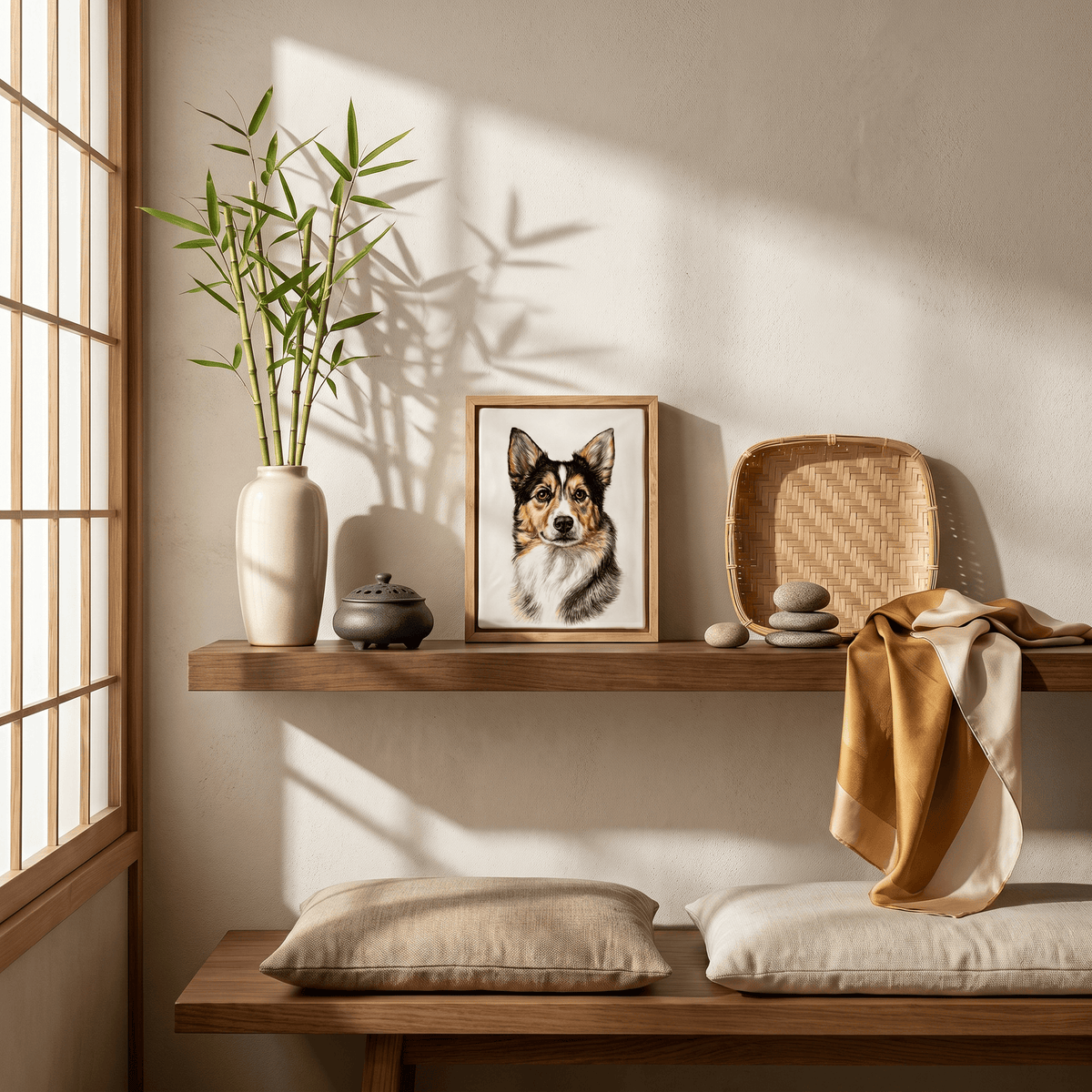
The Urn as a Bridge Between Presence and Absence
What happens when a pet is no longer physically present, but something of that life remains? Explore how a memorial urn can become a bridge between absence and presence, giving memory a tangible form and a lasting place within the home.
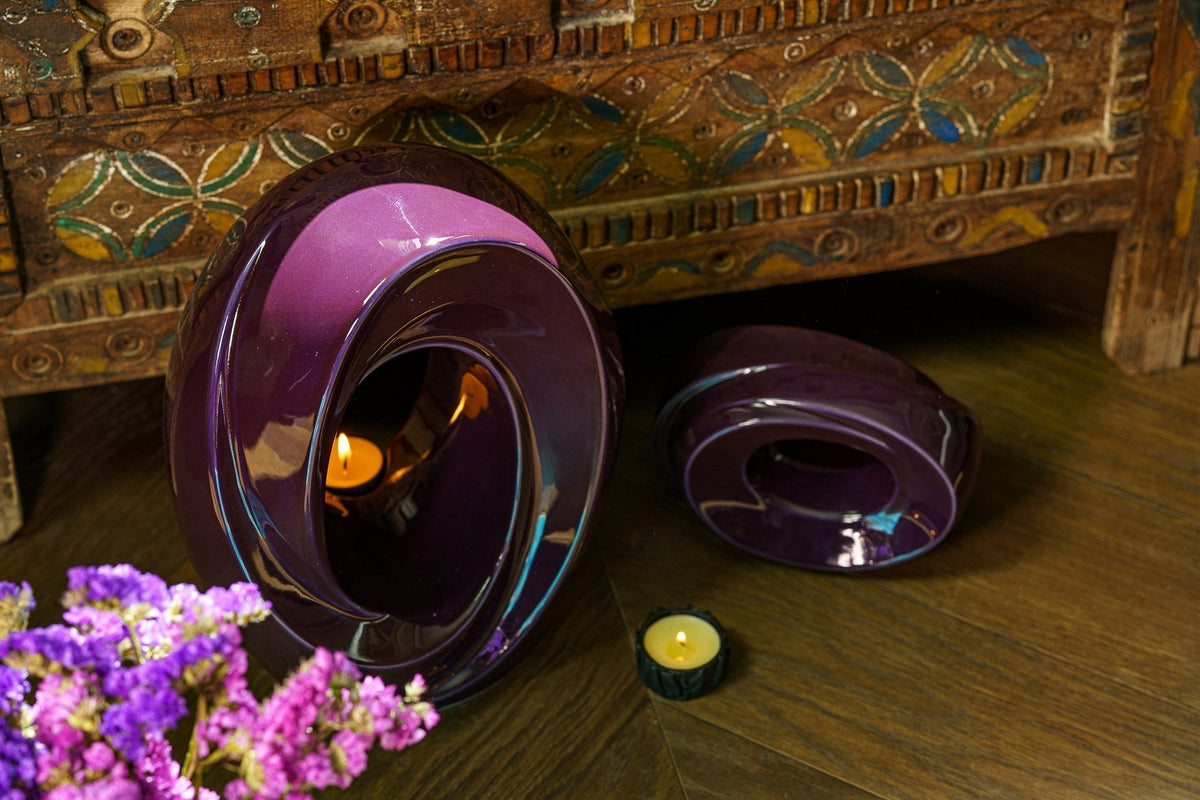
Memento Mori: Why Humans Have Always Made Art About Death
For thousands of years, humanity has transformed death into art — from skulls and fading flowers to portraits, monuments and memorial objects. Explore why we continue to create around mortality, memory and the human desire to make something last.

Every pet leaves behind an archive of its life — photographs, familiar objects, stories and traces of everyday routines. Discover how these fragments preserve not only memories, but the physical and emotional story of a beloved companion.
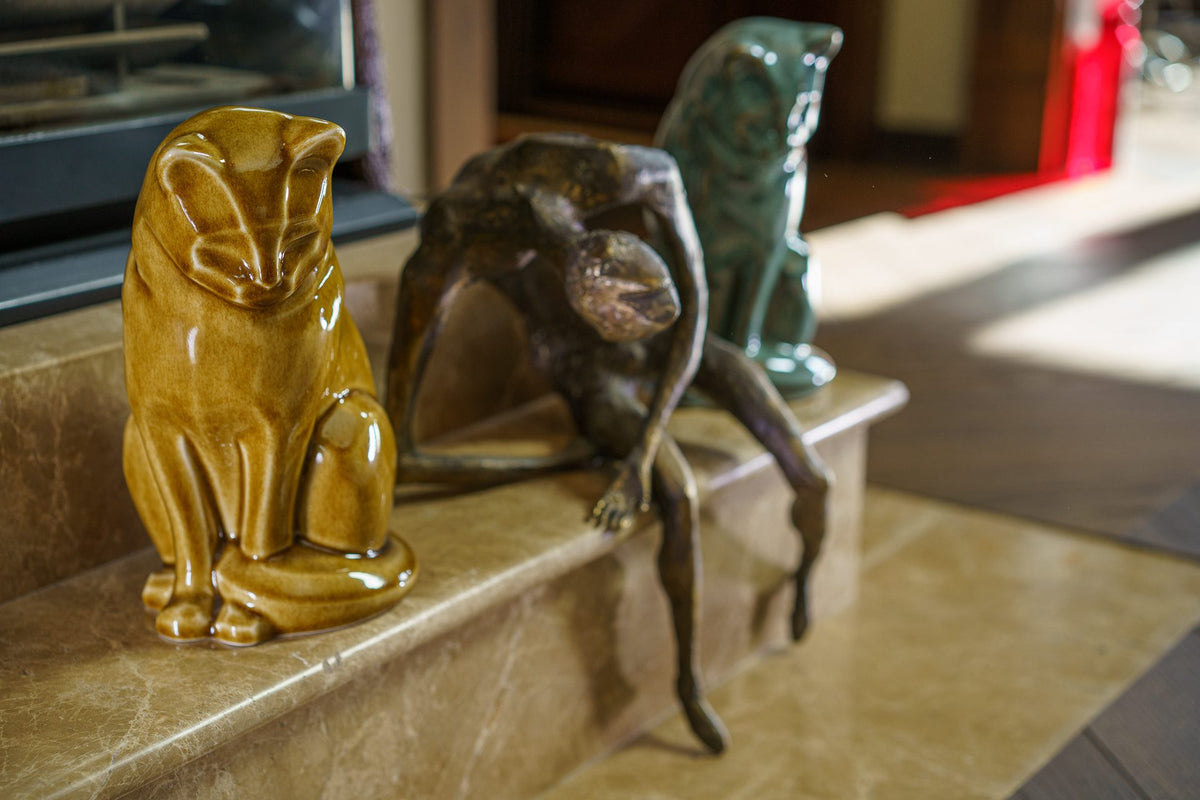
The New Aesthetics of Pet Memorials
Pet memorials are moving beyond traditional symbols of mourning. Explore how contemporary design, art, craftsmanship and materials are creating a more personal and understated aesthetic for remembering a beloved animal.
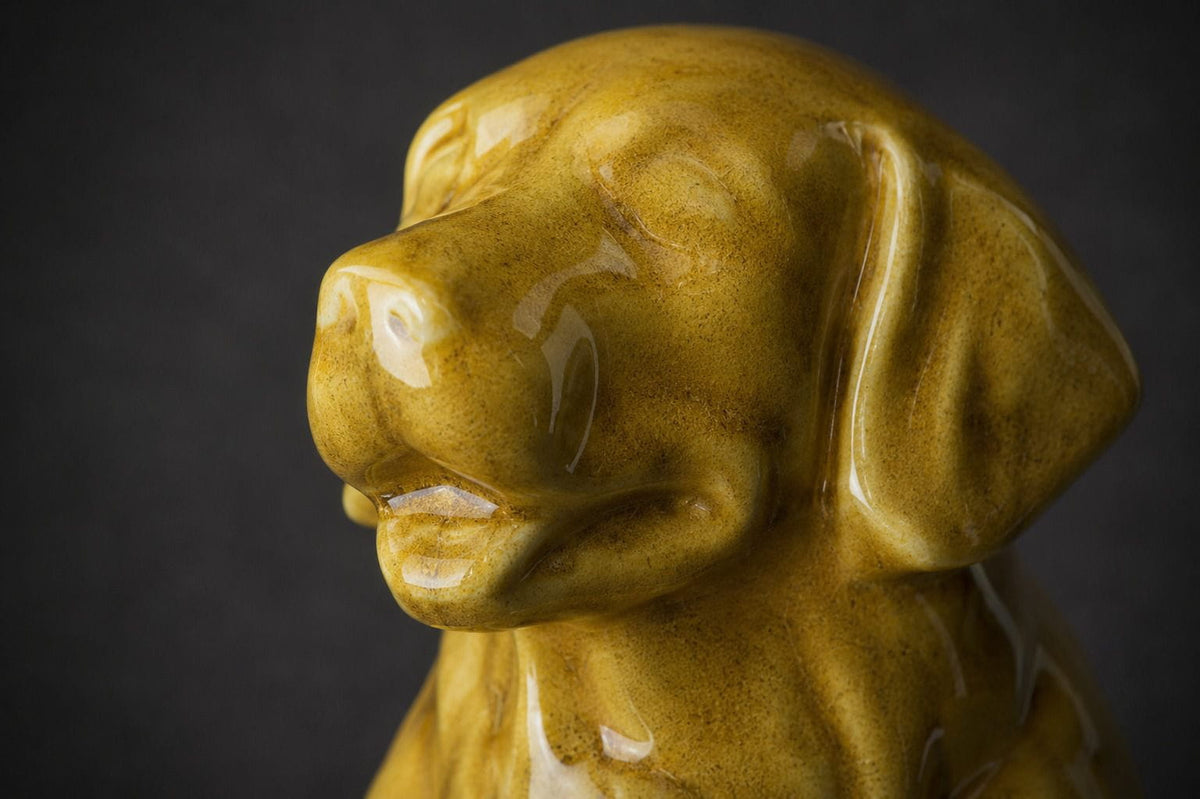
Can a pet urn be more than a vessel for ashes? Explore how craftsmanship, materials and sculptural design can transform a memorial urn into a meaningful work of art that keeps the memory of a beloved companion present.


Compartir:
What to Do With an Urn When You Move House
Can You Travel Internationally With Cremated Remains?