

Here for you: art@pulvisurns.com | (562) 609-4019
When a beloved pet is cremated, one of the most important questions for their family is how their ashes are identified. How can you be sure that the ashes returned to you actually belong to your pet?
It is a completely understandable concern. After sharing years of life with an animal, receiving their ashes can be an intensely personal and emotional moment. Being able to trust the cremation process therefore matters enormously.
Pet crematoriums use different identification and tracking procedures to maintain the connection between the animal and their ashes throughout the various stages of the process. The exact methods vary between facilities, but the goal remains the same: to reduce the possibility of confusion and give families greater peace of mind.
Identification is an essential part of individual pet cremation.
When a family chooses an individual cremation, they expect to receive the ashes of their own pet. The crematorium therefore needs a reliable system for distinguishing that animal from others being handled at the facility.
This is more than an administrative matter. For a grieving family, the ashes may represent the last physical connection to a beloved companion.
Knowing that the pet has been carefully identified and tracked throughout the process can provide reassurance during an already difficult time.

When a pet arrives at a crematorium, information about the animal is generally recorded.
Depending on the facility, this may include the pet’s name, the owner’s contact information, details provided by a veterinary clinic or pet aftercare service, and information about the requested cremation.
A unique identification number or code may also be assigned to the pet.
This identifier creates a connection between the animal and the documentation associated with its cremation.
The exact procedure varies between crematoriums, but the purpose is always to establish the animal’s identity clearly before cremation begins.
A unique identification system allows a crematorium to associate a pet with a specific number, code, or other identifier.
This identifier may remain associated with the pet throughout the relevant stages of the cremation process and can also be connected to the documentation and container in which the ashes will eventually be placed.
Some facilities use heat-resistant identification tags or other specially designed markers capable of withstanding the conditions inside a cremation chamber.
Because cremation takes place at extremely high temperatures, ordinary paper labels and other conventional identification methods cannot simply accompany the animal throughout the entire process.
The exact method depends on the crematorium’s procedures and equipment.

Before cremation begins, the information associated with the pet is generally checked.
Staff may confirm the pet’s name, the owner’s details, and the type of cremation selected.
Any specific requests made by the family may also be reviewed at this stage.
If an individual cremation has been selected, the pet is prepared according to the facility’s procedures so that its identification remains connected to the process.
This initial verification is an important part of the overall chain of identification.
Cremation takes place at extremely high temperatures. Ordinary identification methods therefore cannot simply be placed alongside the pet.
Instead, specially designed identification systems are used.
A heat-resistant identifier may accompany the pet during cremation and remain associated with the relevant process afterward.
The systems can vary between providers. Some crematoriums use heat-resistant metal tags or discs, while others have their own documented tracking procedures.
The fundamental principle remains the same: the identification should stay connected to the individual cremation throughout the different stages of the process.
Generally, no.
After cremation, the remains do not necessarily look like the fine, powder-like material people commonly imagine when they hear the word “ashes.”
They may initially contain larger bone fragments, which are subsequently processed to create a finer and more consistent material.
For this reason, it is generally not possible to identify a pet simply by looking at its ashes.
This is precisely why the identification system used before and during cremation is so important.
The identity of the ashes is established through the crematorium’s tracking and documentation procedures, rather than their physical appearance.
After cremation, the remains are generally allowed to cool before being further processed.
The cremated remains are then typically processed into a finer and more consistent material that can be returned to the family.
During this stage, the identification information remains associated with the individual cremation according to the facility’s procedures.
The remains can then be placed in a temporary container or in the urn selected by the family.

Once the remains have been processed, they are prepared for return to the family.
Depending on the crematorium, the ashes may be placed directly into the urn or into a sealed inner container that is then placed inside the chosen urn.
The identification information associated with the cremation should correspond with the information connected to the final container.
If the family has selected a personalized urn, the crematorium may transfer the ashes into that urn before returning it.
Understanding the type of cremation is essential when discussing the identification of ashes.
With an individual cremation, the pet is cremated separately from other animals. The purpose of this service is to allow the family to receive the ashes associated with that specific pet.
With a communal cremation, multiple animals are cremated together. Because the remains are not kept separately, the ashes generally cannot be returned as belonging to one specific animal.
Terminology can vary between crematoriums. It is therefore important to ask exactly what terms such as “individual cremation,” “private cremation,” “separate cremation,” or “communal cremation” mean at the facility you choose.

Individual cremation is designed to keep one pet’s cremation separate from that of other animals.
However, cremation is a physical process, and procedures can differ between providers.
Families who want to understand exactly how separation is maintained can ask the crematorium to explain its procedures.
It may be useful to ask about the identification system, how the pet is prepared, the procedures used in the cremation chamber, cleaning between cremations, and how the remains are processed.
A professional provider should be able to explain its procedures clearly.
Pets may arrive at a crematorium wearing a collar, identification tag, or other personal belongings.
How these items are handled depends on the crematorium’s policies and the family’s instructions.
A microchip is different from a visible identification tag. It is implanted beneath the animal’s skin and is generally not the primary identification system used during cremation.
Families who want to keep their pet’s collar, tag, favorite toy, or another personal item should tell the crematorium before cremation.
Some items may need to be removed before the process, particularly if they contain materials that are unsuitable for cremation.

Absolutely.
If you are arranging a cremation and want to understand how your pet will be identified, you can ask the crematorium to explain its process.
Useful questions include:
How is my pet identified when they arrive?
Are they assigned a unique identification number?
How does that identifier remain associated with my pet during cremation?
What happens to the identifier after cremation?
How are the ashes transferred into the urn?
Does the family receive documentation confirming the cremation?
The answers can help you understand what measures are in place to ensure traceability.
Many professional pet cremation services keep records for each animal they receive.
Documentation may include the pet’s name, the owner’s details, the date of cremation, the type of service selected, and the identification number associated with the cremation.
Some providers may also give the family a certificate or another form of documentation.
The documents available vary depending on the provider and the country.
If written confirmation is important to you, it is best to ask about it when arranging the cremation rather than assuming that every provider offers the same documentation.

Many pets are transported to crematoriums through veterinary clinics or specialist pet aftercare services.
In these situations, identification may take place at several stages.
The veterinary clinic may identify the animal before the transfer, while the crematorium can verify the information when the pet arrives.
The documentation accompanying the animal can then be connected to the crematorium’s own identification system.
This creates a documented connection between the veterinary clinic, the crematorium, the pet, and ultimately the ashes returned to the family.

When you are grieving the loss of a pet, it can be difficult to think about practical questions.
Families may focus on choosing an urn, understanding the cost, or finding out when the ashes will be returned without asking exactly how identification works.
Understanding the process beforehand can, however, provide additional peace of mind.
A professional crematorium should be able to explain its identification and tracking procedures clearly.
You do not need to understand every technical detail. But you have every right to ask questions and understand how the facility ensures that the ashes returned to you belong to your pet.
For a grieving family, pet cremation is much more than a technical procedure.
It is an important part of saying goodbye to a companion who may have shared everyday life with the family for many years.
Identification and traceability provide structure and reassurance throughout the process. From the moment the pet arrives at the crematorium to the return of the ashes, each stage helps maintain the connection between the animal and what is ultimately entrusted to their family.
Once the ashes are placed in an urn, the urn itself can become part of that remembrance.
Pulvis creates handcrafted memorial urns designed to transform a functional object into a personal and lasting tribute. An urn can give a family a tangible place to keep their pet’s ashes and continue honoring the unique role that animal played in their lives.
Ultimately, traceability helps answer a simple but deeply important question:
How can I know that the ashes returned to me truly belong to the pet I loved?
The answer lies in identification, documentation, and the care with which a crematorium manages every stage of the process.

The Urn as a Bridge Between Presence and Absence
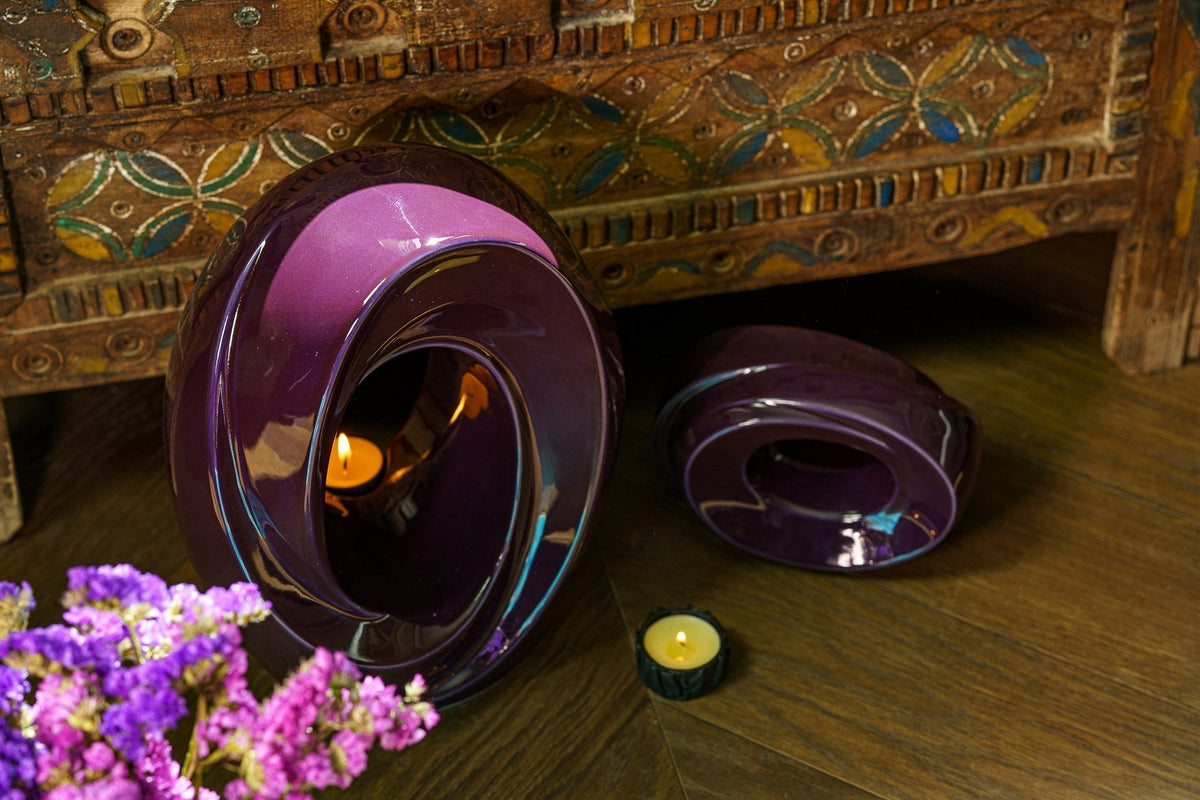
What happens when a pet is no longer physically present, but something of that life remains? Explore how a memorial urn can become a bridge between absence and presence, giving memory a tangible form and a lasting place within the home.
Memento Mori: Why Humans Have Always Made Art About Death
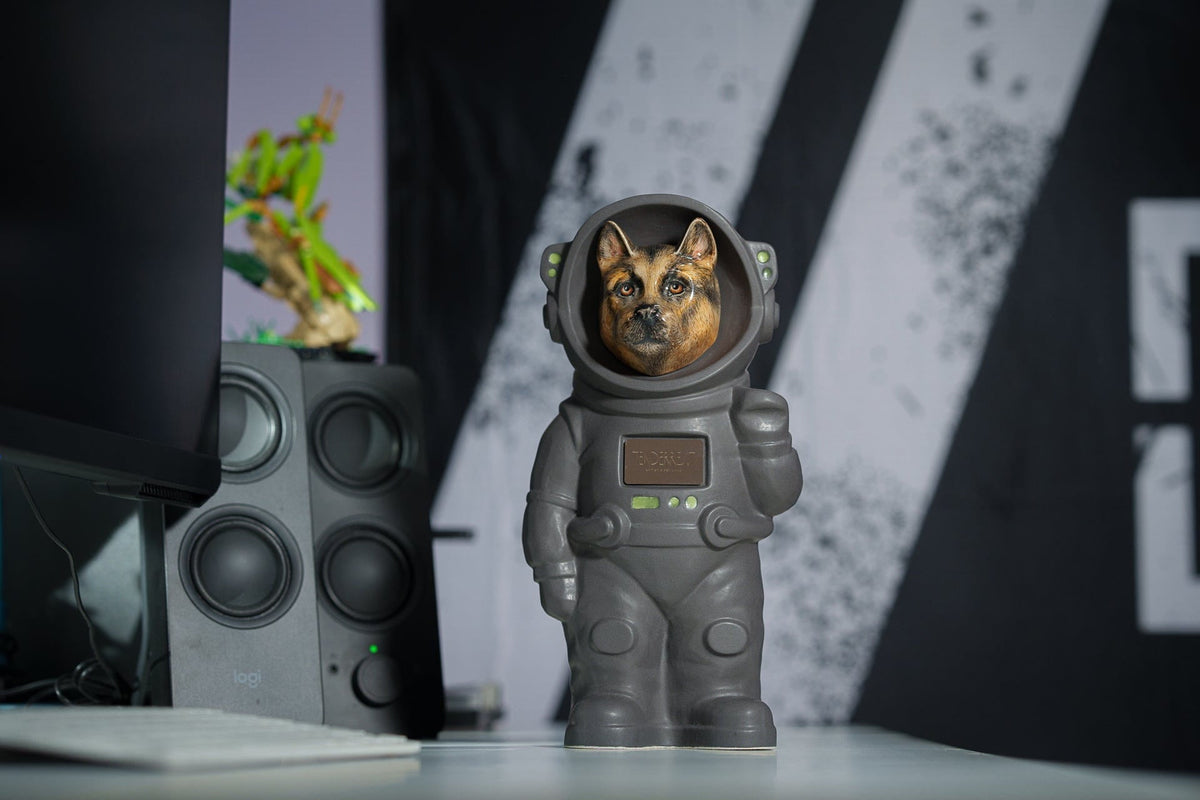
For thousands of years, humanity has transformed death into art — from skulls and fading flowers to portraits, monuments and memorial objects. Explore why we continue to create around mortality, memory and the human desire to make something last.
Every pet leaves behind an archive of its life — photographs, familiar objects, stories and traces of everyday routines. Discover how these fragments preserve not only memories, but the physical and emotional story of a beloved companion.
The New Aesthetics of Pet Memorials
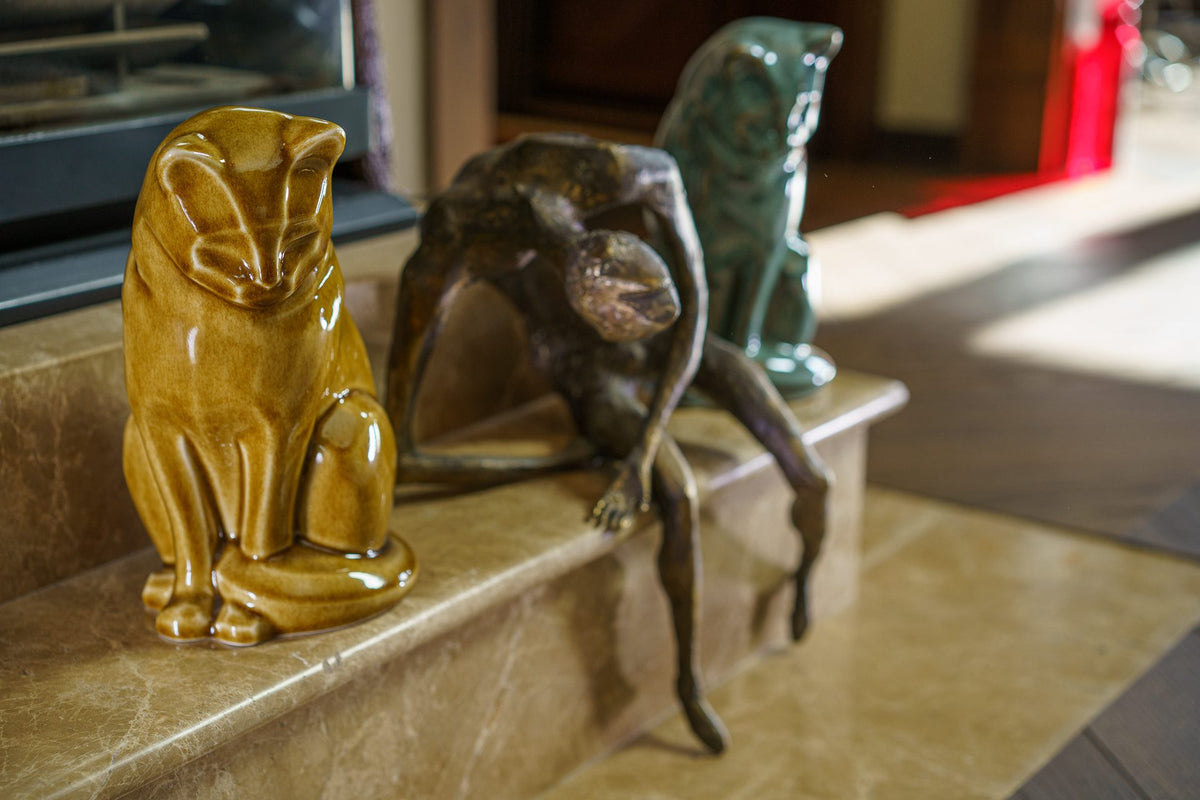
Pet memorials are moving beyond traditional symbols of mourning. Explore how contemporary design, art, craftsmanship and materials are creating a more personal and understated aesthetic for remembering a beloved animal.
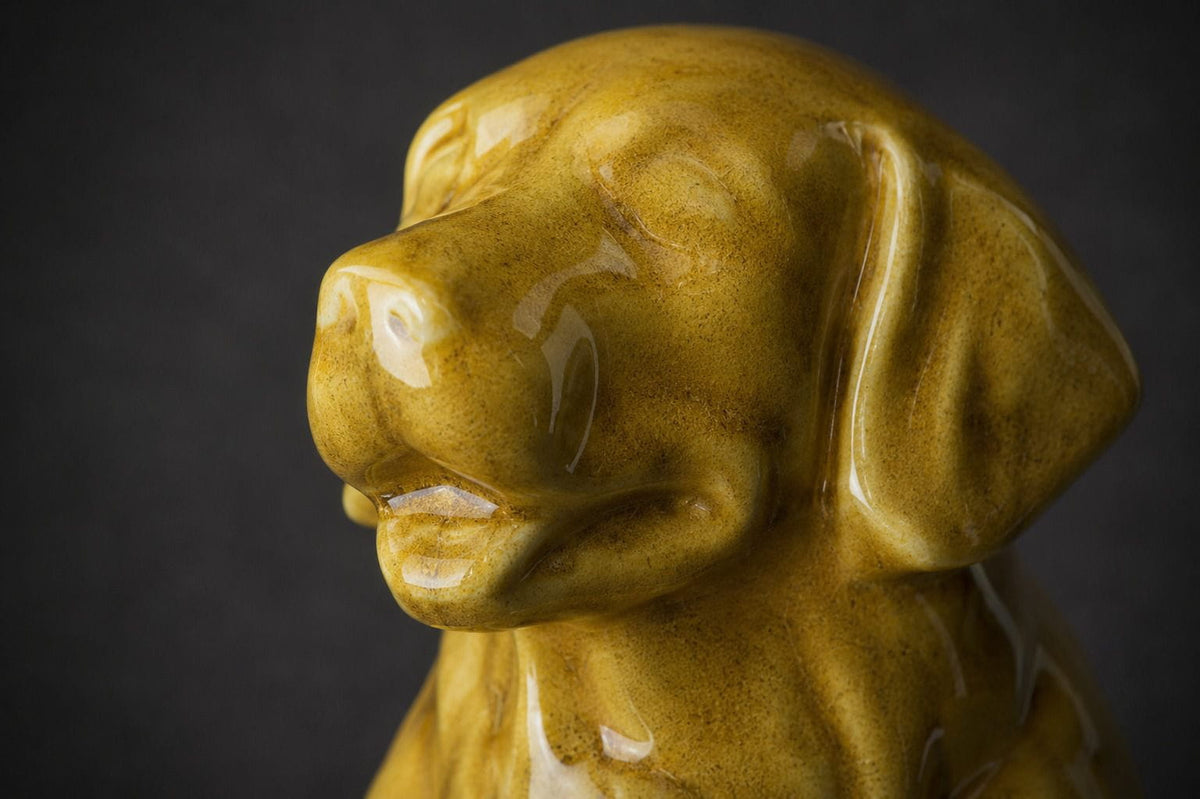
Can a pet urn be more than a vessel for ashes? Explore how craftsmanship, materials and sculptural design can transform a memorial urn into a meaningful work of art that keeps the memory of a beloved companion present.



Compartir:
Can You Travel Internationally With Cremated Remains?
Can Pet Ashes Be Made Into Glass Art?