

Here for you: art@pulvisurns.com | (562) 609-4019
Grief is not only an emotional state—it is a full-body experience. It lives in posture, breath, sleep, appetite, and in the strange heaviness of ordinary moments that suddenly feel unfamiliar. When someone dies, what remains is not only memory, but absence experienced physically.
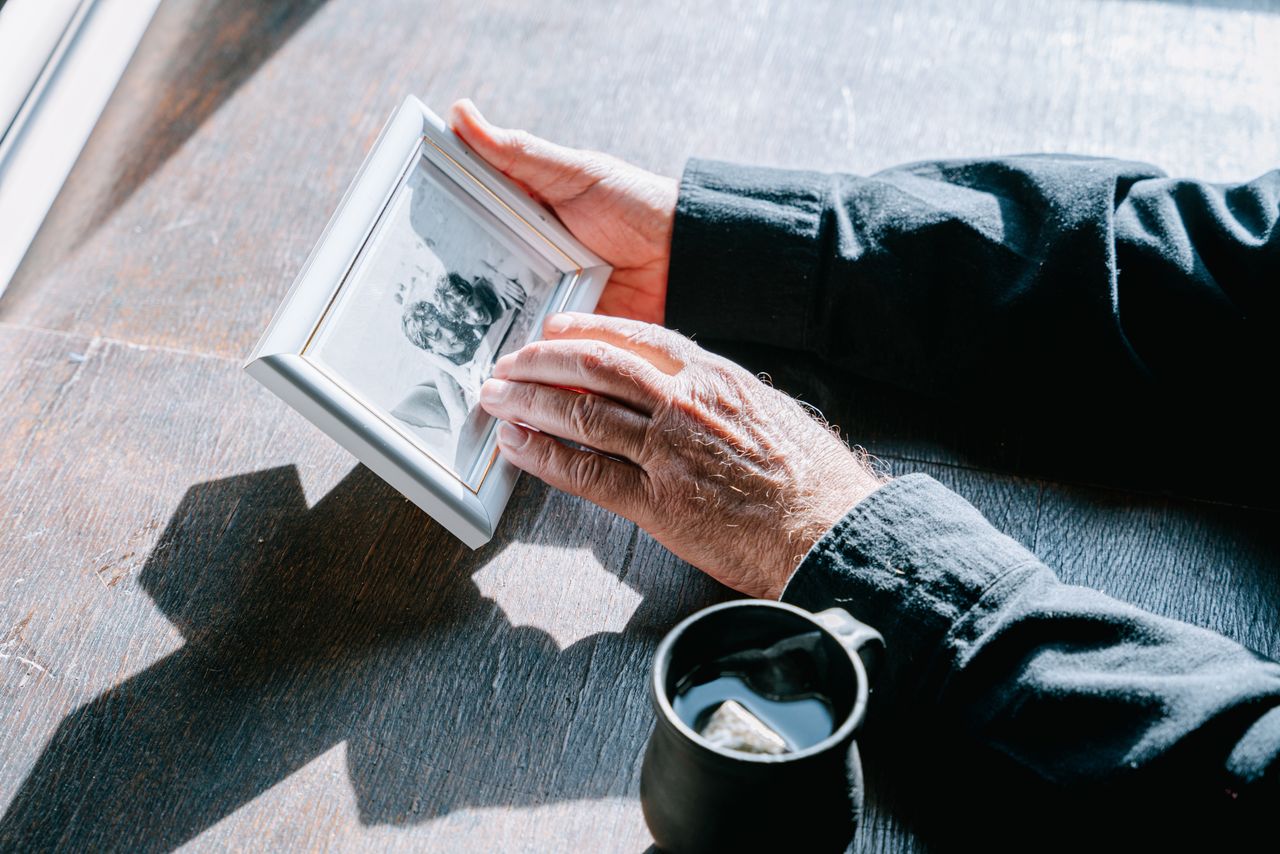
In that space, people often reach instinctively for something tangible. A photograph, a piece of clothing, a handwritten note, a keepsake, or a memorial object. These things are not important because of what they are materially, but because they can be touched. They exist in the same physical reality as the grieving body.
This is where a fundamental difference emerges between physical and digital memory. Digital memories preserve information. Physical objects preserve presence. And in grief, presence is often what the body is searching for.
This is why physical memorial objects—such as an urn, a personal belonging, or a crafted remembrance piece—often become central in how people navigate loss. Not as symbols alone, but as anchors in lived space.

Grief begins in the mind, but it does not stay there. It moves through the nervous system, shaping how the body reacts to silence, space, and time. Many people describe grief as disorienting or unreal—not because they do not understand the loss intellectually, but because the body has not yet adapted to it.
Human attachment is built through physical presence. From early life, safety and connection are learned through touch, proximity, and shared space. When that presence disappears, the nervous system does not immediately adjust. It continues to expect continuity where none exists.
This is why grief often produces physical symptoms: tightness in the chest, fatigue, restlessness, or a sense of emptiness in the body itself. The absence is not only remembered—it is felt.
Physical objects help bridge this gap. They do not replace the person, but they restore something the body can recognize: a stable, tangible point of reference in space.

Touch is one of the most fundamental human senses. It is how we first understand the world as safe or unsafe, present or absent, real or distant. Unlike vision or hearing, touch confirms existence through direct contact.
In grief, this becomes especially significant. A physical object offers:
resistance under the hand
weight that anchors awareness
texture that creates sensory feedback
temperature that shifts with environment
a fixed presence in space
These qualities matter because they create continuity. The object does not disappear when attention shifts. It does not require access or activation. It simply remains.
There is a quiet psychological effect in this permanence. Holding something solid during emotional instability can create a sense of grounding—not by removing grief, but by stabilizing the experience of it.
Even small interactions, such as brushing a hand across an object or adjusting its position in a room, can subtly regulate emotional intensity. The body receives confirmation that something in the world is still stable.

Digital memory plays an important role in modern grief. Photos, videos, voice messages, and text conversations preserve moments with remarkable clarity. They allow people to revisit expressions, voices, and interactions that would otherwise fade.
However, digital memory exists in a mediated environment. It is accessed through devices, screens, and interfaces. This creates a form of distance, even when the content is emotionally close.
Digital memory is:
sequential (you scroll through it)
reversible (you can close it instantly)
context-dependent (it exists within apps and platforms)
visually dominant but physically absent
Because of this, digital remembrance often feels episodic. It is something you return to, not something you live alongside continuously.
This is not a limitation in value, but in function. Digital memory preserves experience; it does not occupy space with us.
Physical memory, by contrast, exists continuously. It does not require interaction to remain present. It shares the environment in which daily life unfolds.
When grief is ongoing, people often develop relationships with physical objects that extend beyond symbolic meaning. These objects become part of emotional regulation and daily orientation.
In psychological terms, this relates to continuing bonds—the idea that relationships do not end with death, but transform into new forms of connection.
Physical objects support this transformation by providing:
continuity in physical space
stability during emotional fluctuation
a focal point for memory and reflection
a non-verbal form of connection
Unlike digital memory, which requires intentional engagement, physical objects are passively present. They become part of the environment of living.
This presence does not demand attention, but it allows attention when needed.

Physical objects do not gain meaning instantly. Their emotional significance develops through repetition and interaction. Over time, people often form quiet, unspoken rituals around them.
These may include:
placing the object in a specific part of the home
acknowledging it at certain times of day
lighting a candle nearby during reflection
gently touching it during moments of remembrance
arranging surrounding objects, such as flowers or personal items
These actions are rarely formalized. They are intuitive and personal. Yet their repetition matters.
Ritual creates structure where grief otherwise feels unstructured. It introduces rhythm into emotional experience. It allows grief to exist alongside daily life rather than interrupting it entirely.
Importantly, ritual does not resolve grief. It gives it form.

In everyday life, the role of physical objects in grief often appears in subtle, practical ways rather than dramatic gestures.
Some people integrate memorial objects into shared living spaces, where they become part of the home’s visual landscape. Others create small remembrance areas—quiet corners with photographs, objects, or candles. Some keep a single meaningful object nearby as a point of grounding during emotionally difficult moments.
These expressions are not formalized practices. They are lived responses to absence. They reflect a need to maintain connection in ways that are physically present and emotionally accessible.
Over time, these objects often stop being perceived only as reminders of loss. They become part of continuity—part of how life is carried forward.
Modern culture often organizes memory digitally. Photographs are stored in clouds, conversations archived in messaging apps, and memorials expressed through screens. Even grief can become shaped by this structure—shared, documented, and displayed.
Physical grieving offers something different: privacy and slowness.
There is no external audience for a physical object. No expectation of expression or explanation. No interface shaping how memory is accessed. Only direct, unmediated presence.
This creates a form of permission that is often overlooked: the permission to grieve without performing grief.
For many people, this quiet privacy becomes essential in early stages of loss.

Despite its limitations in physical presence, digital memory holds deep emotional value. It preserves elements of life that physical objects cannot: voice inflections, movement, expressions, spontaneous interactions, and shared moments captured in time.
For many, these digital fragments become essential parts of remembrance. They offer clarity and detail that physical objects cannot contain.
The difference lies not in importance, but in function:
Digital memory allows revisiting
Physical memory allows presence
Most people move fluidly between both forms. One supports reflection; the other supports grounding.
Together, they form a more complete emotional landscape.
As life becomes increasingly digital, physical experience becomes more emotionally distinct. Screens mediate memory but do not share space with the body. They represent presence but do not embody it.
Grief, however, is deeply embodied. It unfolds in time, space, and sensation. It requires not only remembrance, but grounding in reality.
Physical objects exist within that same reality. They occupy space. They remain present without activation. They can be encountered, not just viewed.
This shared physicality is what gives them emotional weight. They do not erase absence—they make it tangible.

Grief does not follow a clear path toward resolution. It changes shape over time, becoming less acute but never entirely absent. Instead of ending, it often integrates into the structure of daily life.
Physical objects play a quiet but important role in this integration. They do not resolve grief, and they do not replace what has been lost. Instead, they allow loss to exist in a form that can be lived with.
Through touch, memory becomes something more than recall. It becomes experience. It becomes presence within absence.
In this way, physical objects offer something subtle but profound: continuity. Not the continuation of what was, but the continuation of connection in a form that the body can still recognize.
And in grief, that recognition—simple, silent, and tangible—can matter more than anything else.

The Urn as a Bridge Between Presence and Absence
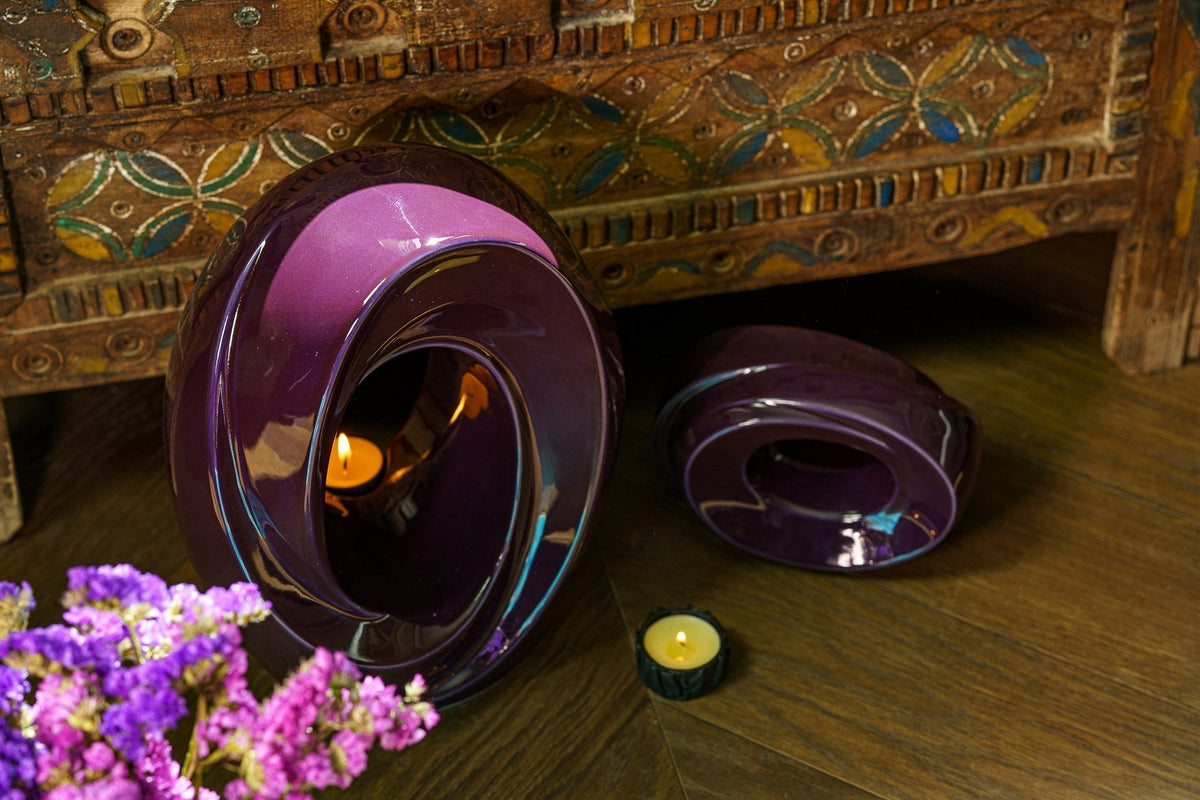
What happens when a pet is no longer physically present, but something of that life remains? Explore how a memorial urn can become a bridge between absence and presence, giving memory a tangible form and a lasting place within the home.
Memento Mori: Why Humans Have Always Made Art About Death
For thousands of years, humanity has transformed death into art — from skulls and fading flowers to portraits, monuments and memorial objects. Explore why we continue to create around mortality, memory and the human desire to make something last.
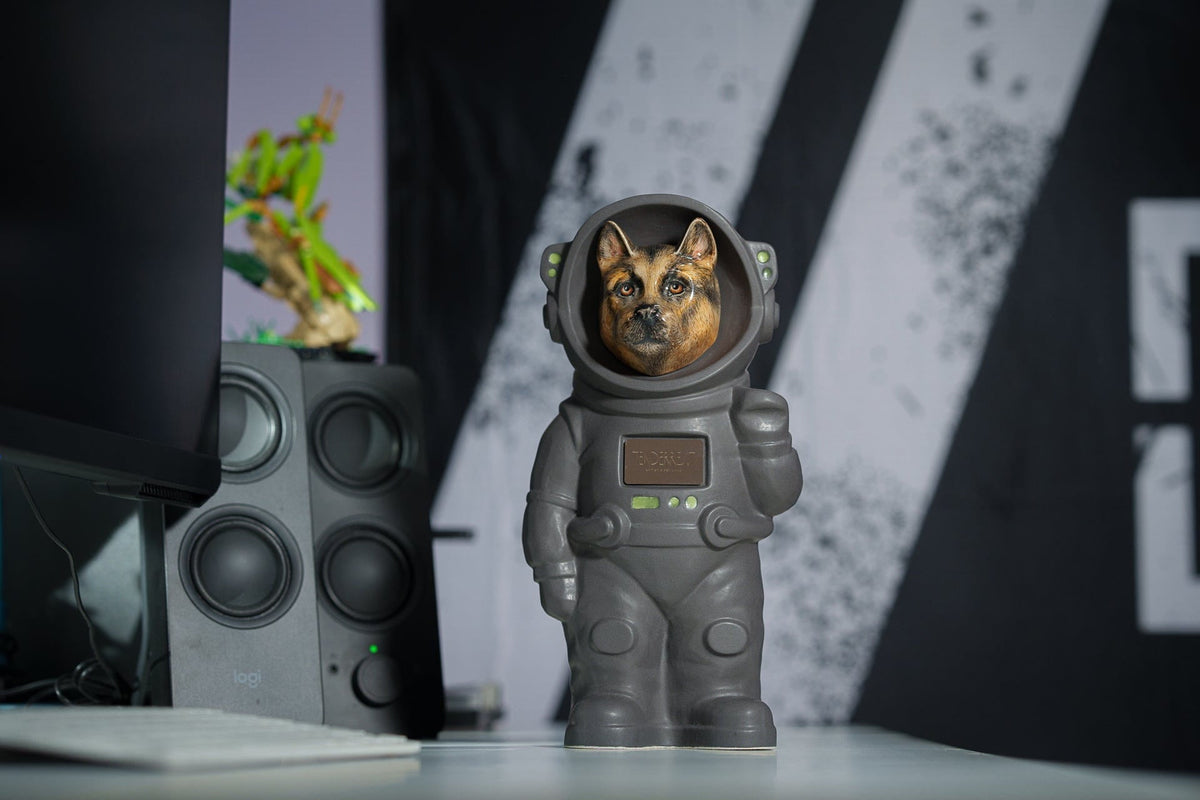
Every pet leaves behind an archive of its life — photographs, familiar objects, stories and traces of everyday routines. Discover how these fragments preserve not only memories, but the physical and emotional story of a beloved companion.
The New Aesthetics of Pet Memorials
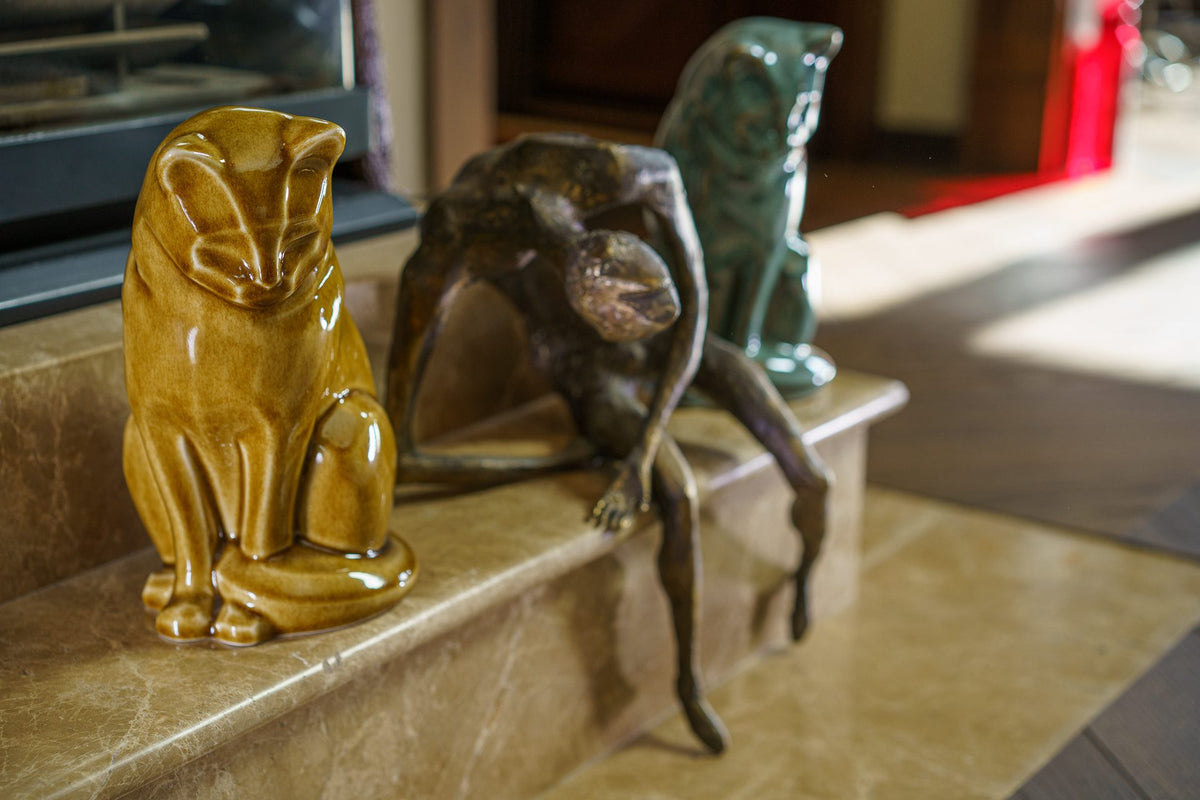
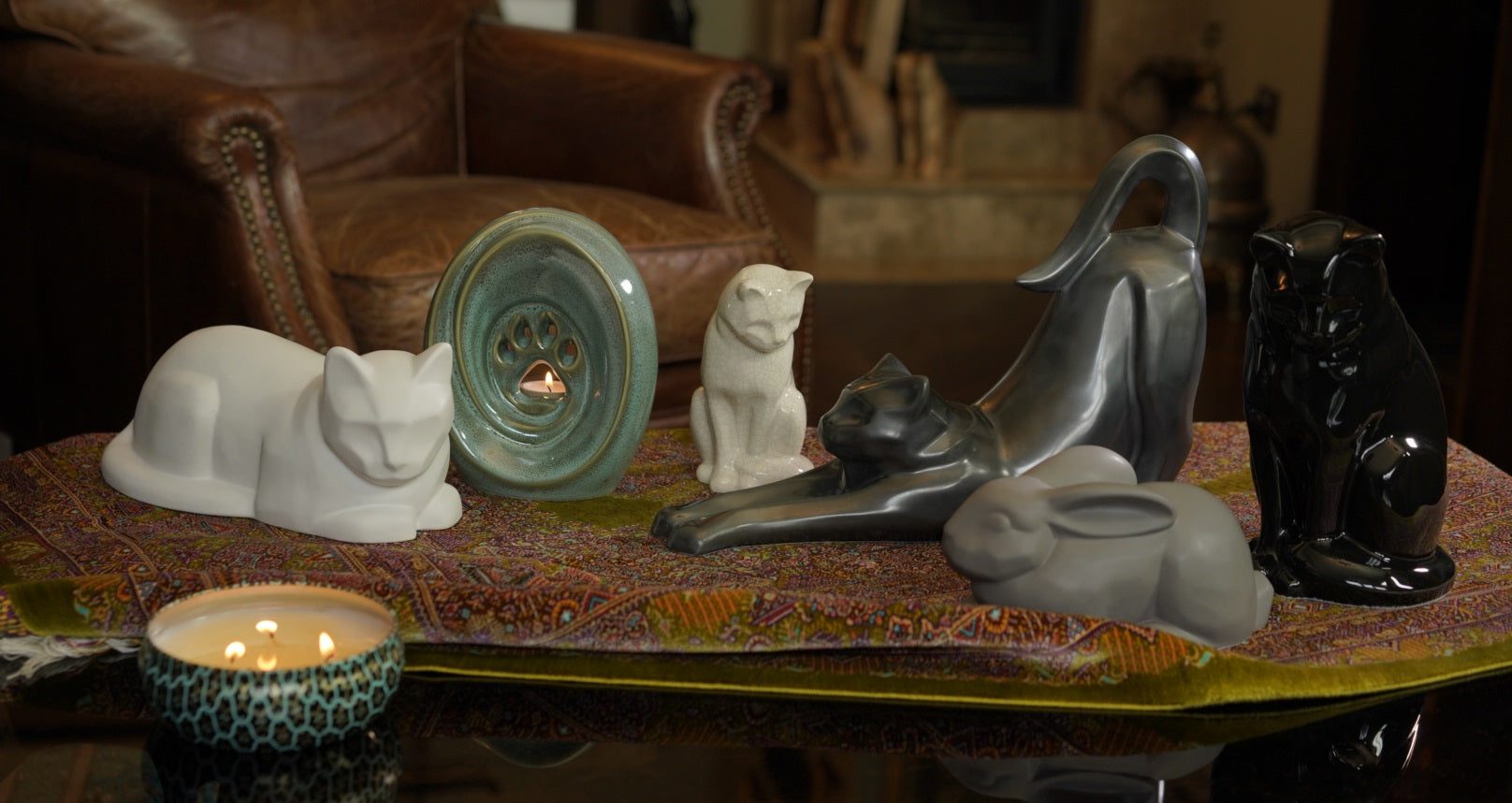
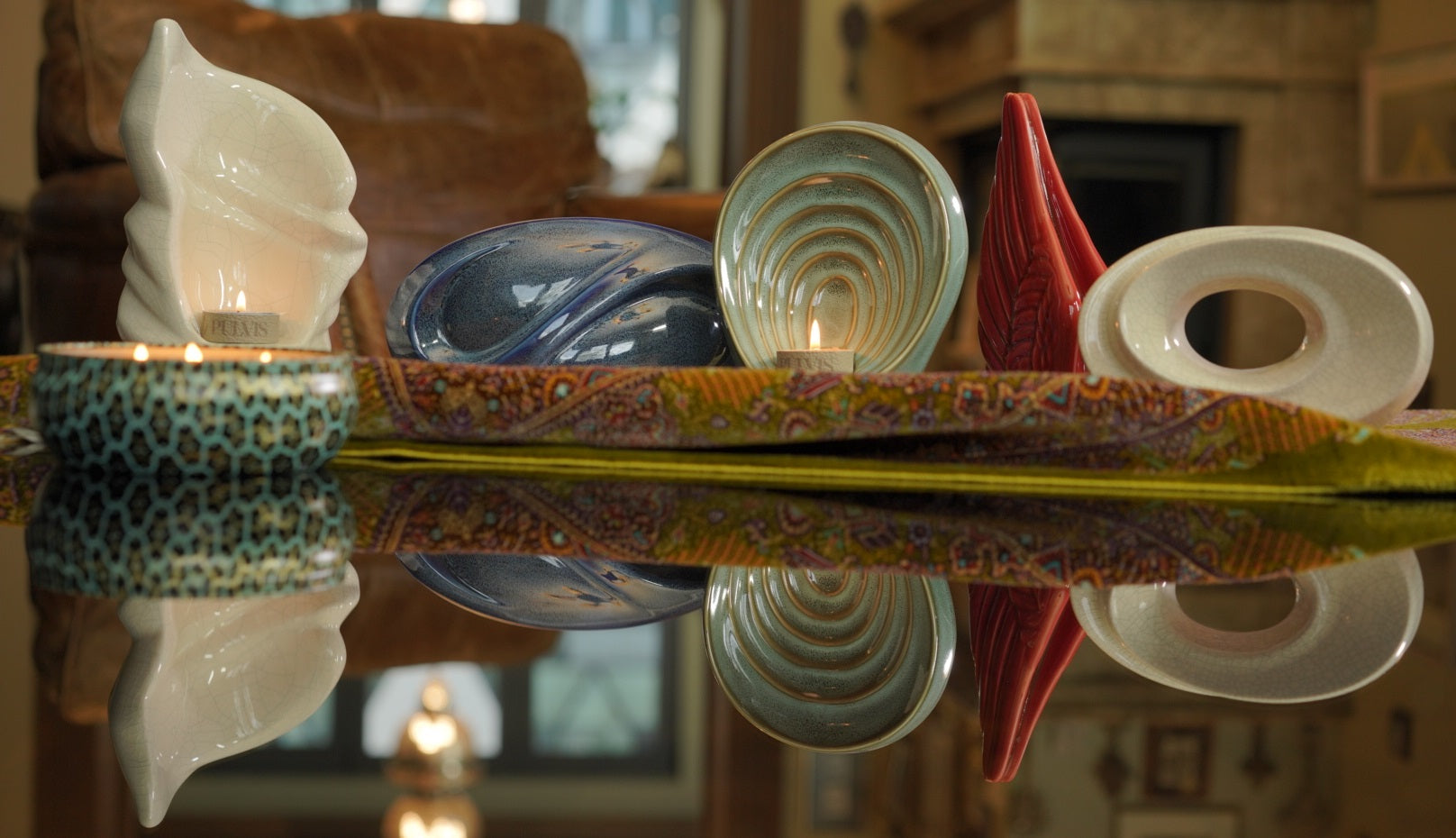
Pet memorials are moving beyond traditional symbols of mourning. Explore how contemporary design, art, craftsmanship and materials are creating a more personal and understated aesthetic for remembering a beloved animal.
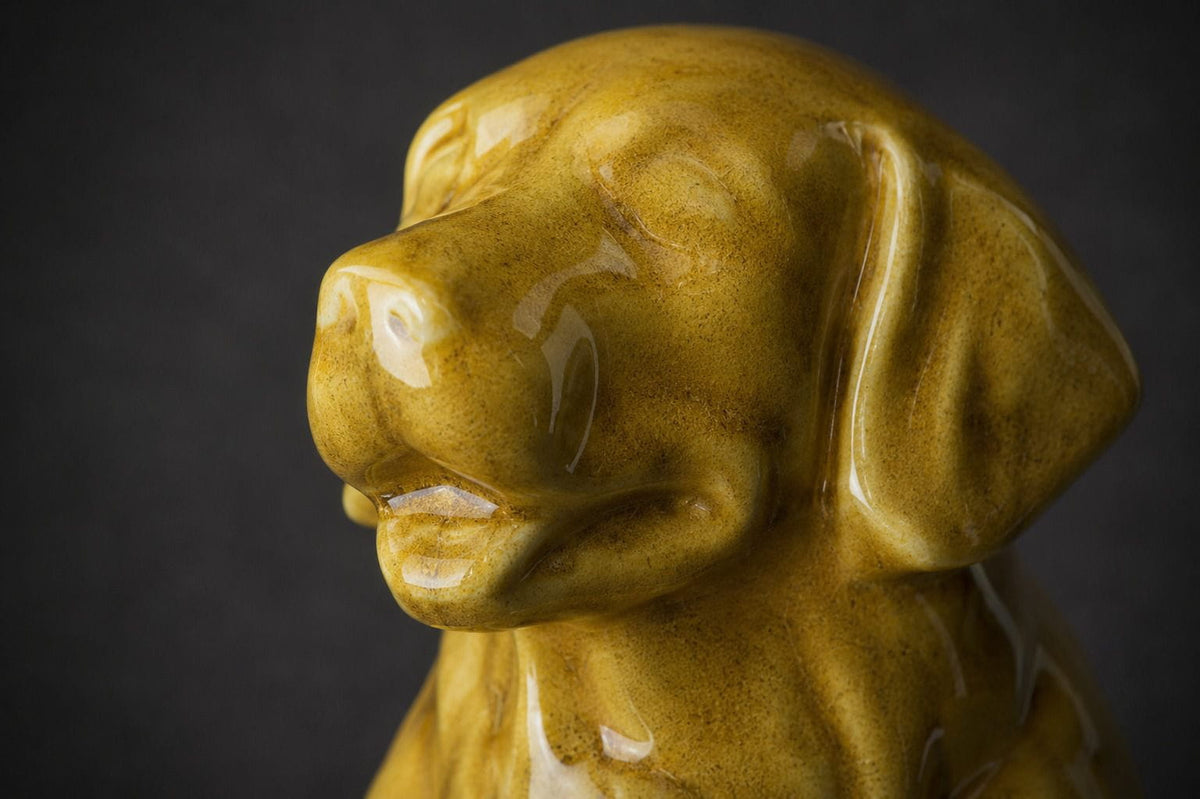
Can a pet urn be more than a vessel for ashes? Explore how craftsmanship, materials and sculptural design can transform a memorial urn into a meaningful work of art that keeps the memory of a beloved companion present.


Compartir:
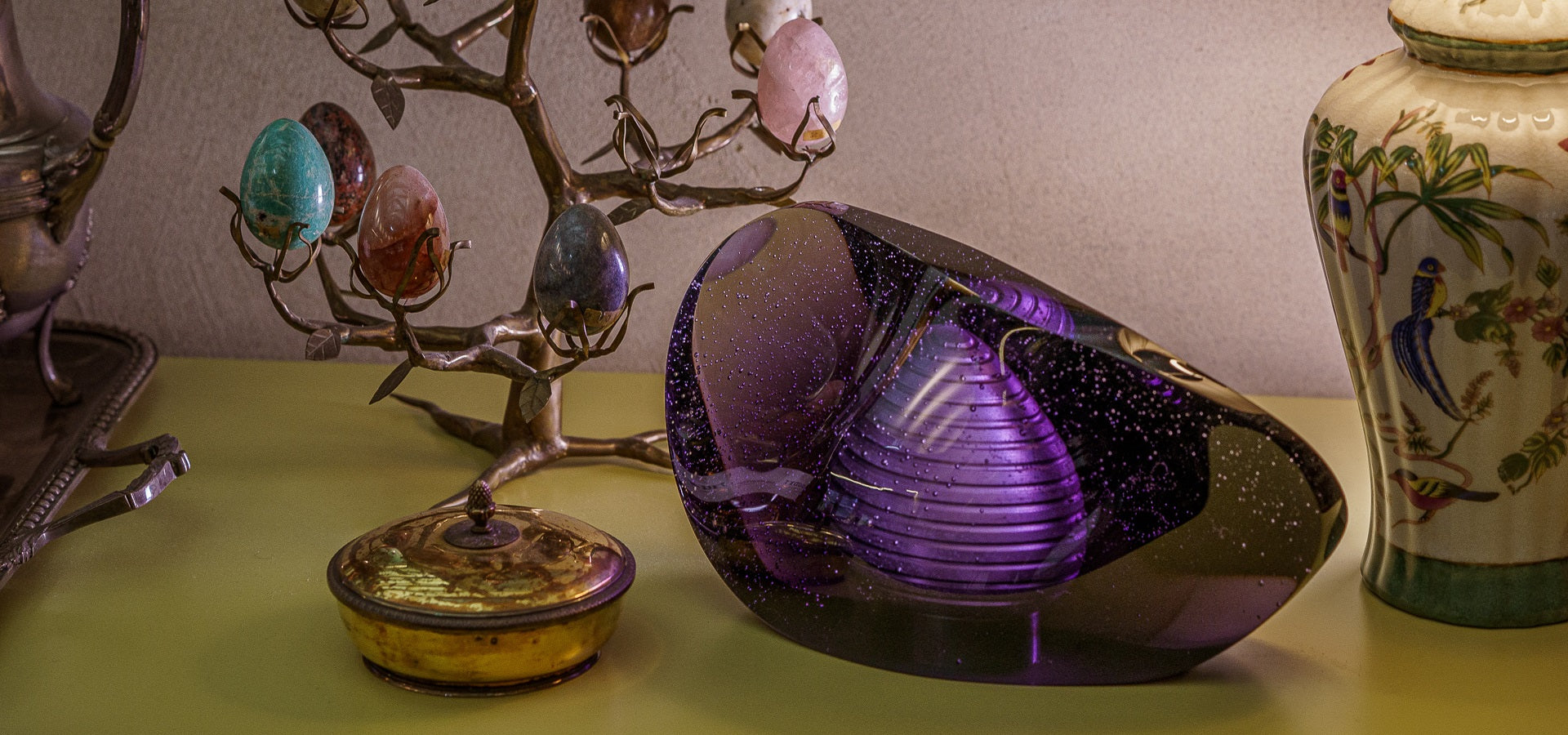
When Memory Becomes Part of the Home: Integrating a Memorial Urn into Interior Design
Why People Choose to Relocate Ashes Years Later (and What It Means Emotionally)