


Here for you: art@pulvisurns.com | (562) 609-4019
7% de descuento en tu pedido
Usa el código al finalizar la compra:
Introduction
At Pulvis Urns, we understand that every life — human or animal — deserves to be remembered with love, dignity, and care. Whether you are choosing an urn for a beloved pet or a cherished family member, the decision carries deep emotional significance.
Pet urns and human urns may share the same purpose — to protect and honor ashes — but they differ in size, design, sealing, and function. Understanding these distinctions can help you select the most fitting memorial for your loved one.
In this guide, we’ll explore the key differences and considerations between pet urns and human urns, offering helpful insights for those seeking the perfect tribute.
Before comparing pet and human urns, it’s important to understand what an urn represents.
Urns serve as both a vessel for ashes and a symbol of remembrance. Whether placed in a home, garden, or columbarium, each urn holds emotional and cultural significance — transforming grief into a tangible form of love.
Both pet urns and human urns embody the same values: love, respect, and the desire to keep memories close. They are physical expressions of connection, allowing families to honor those who have passed in a deeply personal way.

The first and most noticeable distinction between pet urns and human urns is size.
The capacity of an urn is typically measured in cubic inches, with one cubic inch representing approximately one pound of body weight before cremation. For example:
· A 20-pound pet would need an urn with a 20-cubic-inch capacity.
· A 180-pound adult would require around 180 cubic inches.
Pet urns are therefore smaller and more compact, designed to accommodate a wide range of animals — from small cats to large dogs. Human urns, on the other hand, are larger and often come in standardized sizes suitable for adults or shared memorials for couples or families.
When selecting an urn, it’s best to confirm the capacity needed based on your loved one’s weight. This ensures a perfect fit while maintaining the urn’s aesthetic harmony.
The design of an urn reflects not just style but sentiment. Both pet and human urns are created to express personality, memory, and beauty — yet their designs often serve different emotional and visual purposes.
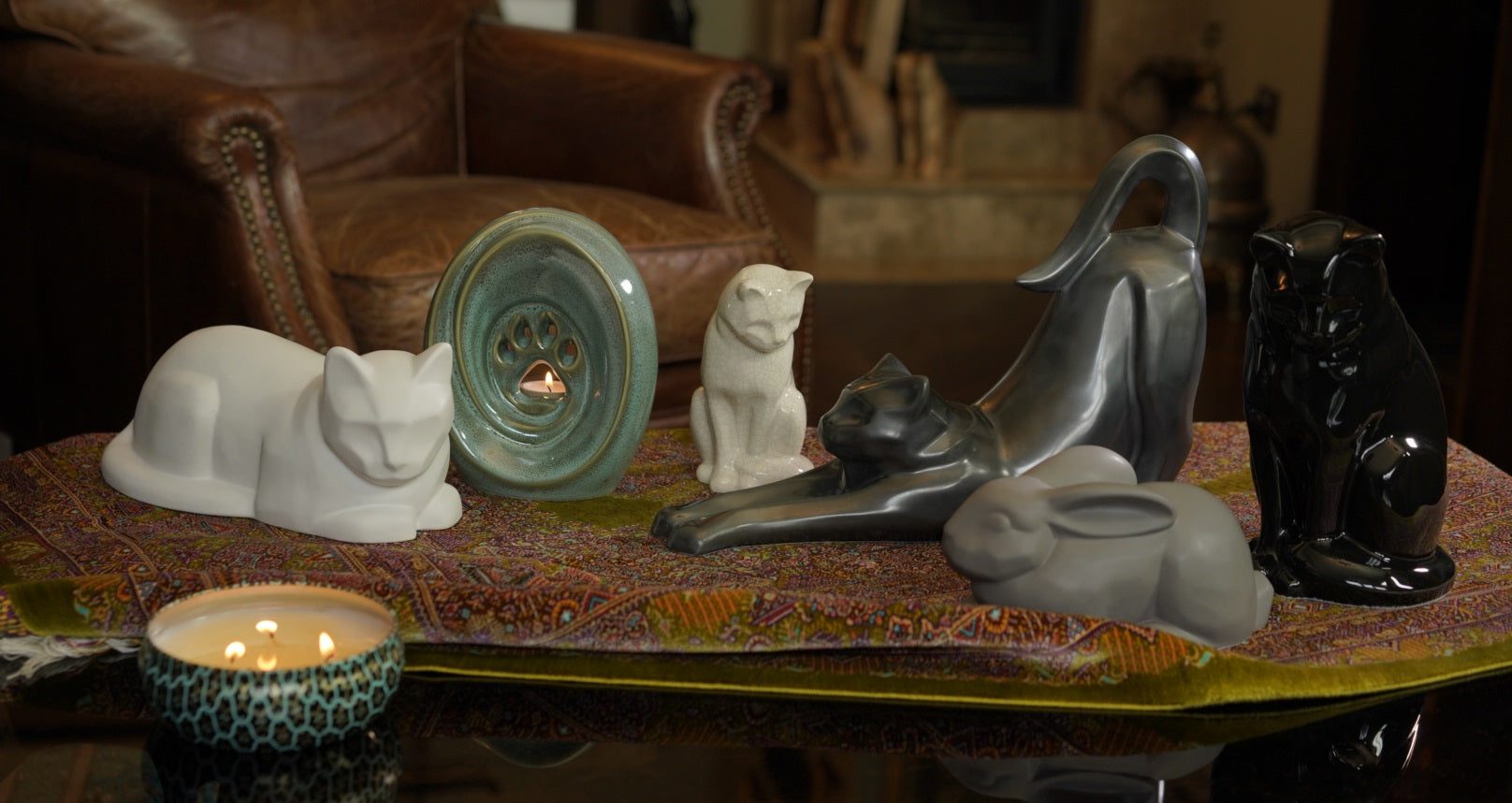
Pet urns often feature motifs inspired by nature, playfulness, or companionship. Paws, hearts, and animal silhouettes symbolize loyalty and love. These designs help families celebrate their pets’ joyful spirits and unconditional affection.
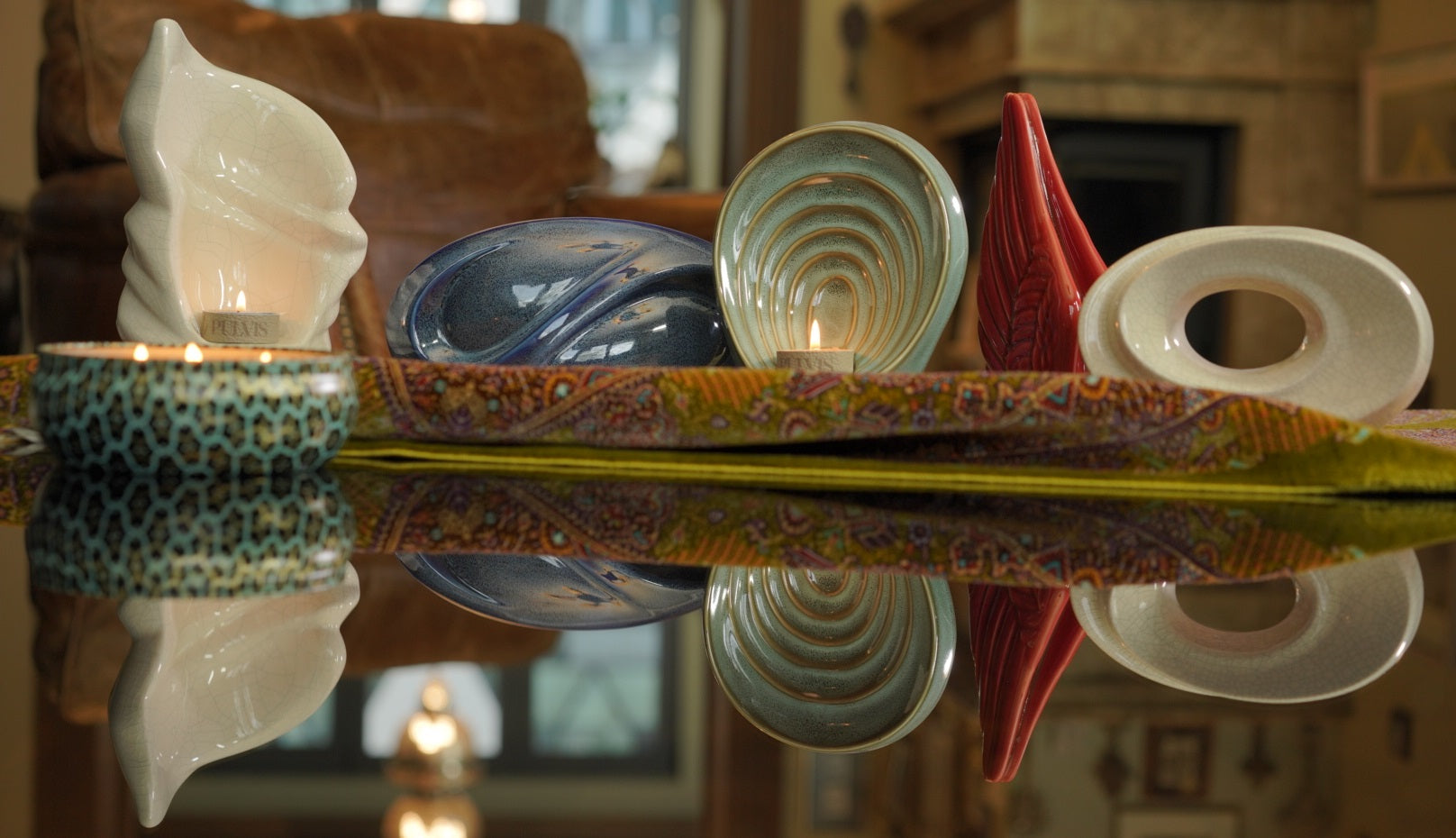
Human urns, in contrast, tend to embody timeless elegance and symbolism. Sculptural forms, abstract designs, and natural patterns convey dignity and peace. Many urns are shaped to represent spiritual balance or the continuity of life.
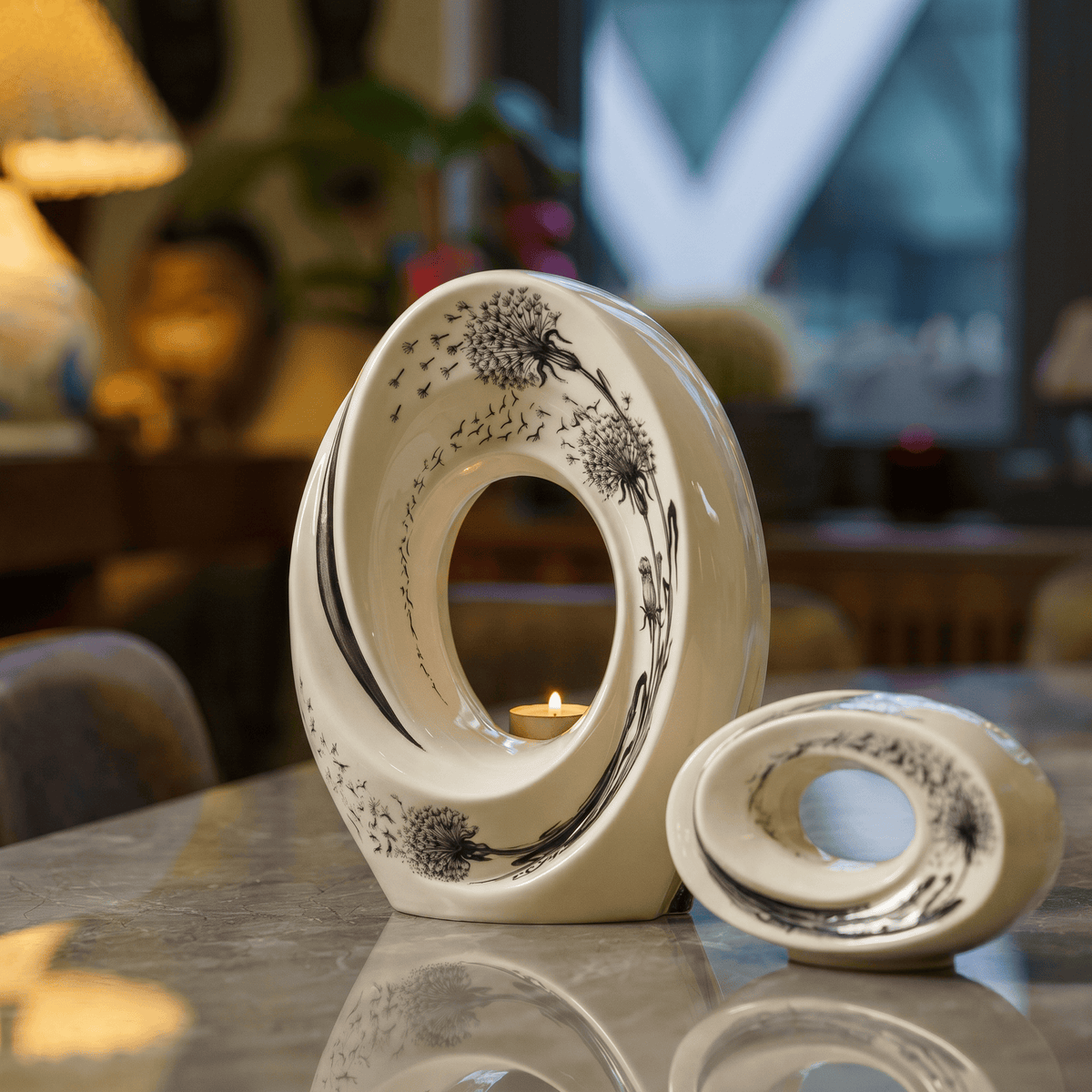
At Pulvis Urns, each design — whether for a pet or person — is crafted by hand using ceramic artistry. This process allows for individuality and emotion in every piece, ensuring that no two urns are ever alike.
Both pet urns and human urns are designed to protect ashes, but their sealing mechanisms can differ depending on use and placement.
Human urns are often sealed using threaded lids, adhesives, or pressure-fit closures for long-term protection. They are built to be durable and secure, ensuring ashes remain preserved over time.
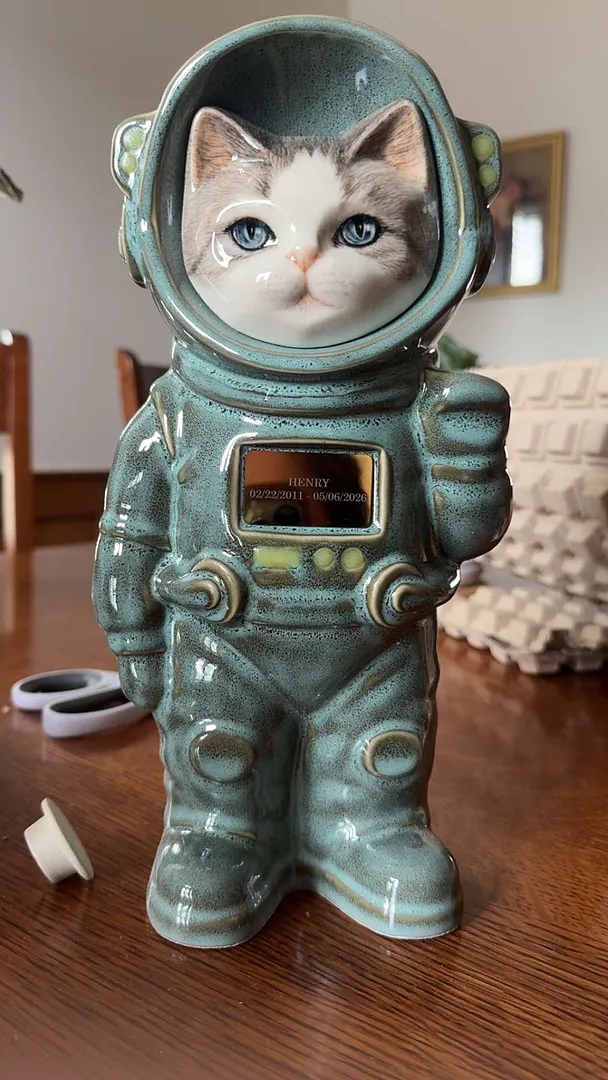
Pet urns, while still secure, may feature slightly different sealing methods depending on where they’ll be kept — at home, outdoors, or buried. Some designs use bottom screws, ceramic plugs, or silicone seals that allow easy access if families wish to add mementos like collars or name tags.
When placing urns outdoors, weather resistance becomes essential. Handmade ceramic urns, like those created by skilled artisans, undergo high-temperature firing to ensure they can withstand time and elements, making them suitable for gardens or memorial spaces.
Personalization transforms a simple vessel into a deeply meaningful tribute. Both pet urns and human urns can be customized to capture the essence of the individual being honored.
Families can choose to add engraved names, dates, or heartfelt messages. Some opt for poems, paw prints, or symbols that carry personal significance. These engravings ensure the memory remains etched forever — literally and emotionally.
The choice of color plays a significant role in personalization. For pets, warm tones and cheerful glazes often symbolize joy and companionship. For human urns, serene hues like ivory, blue, or earth tones evoke tranquility and grace.
Each design element — from glazed patterns to shape — tells part of the story, allowing families to feel a continuous connection with their loved one.

Art and emotion are inseparable, and urns serve as artistic reflections of love and remembrance.
For pets, the urn often represents devotion and gratitude. Symbols like hearts, wings, and animal forms remind us of unconditional love and joyful companionship. Each urn becomes a reminder of the happiness a pet brought into our lives.
Human urns tend to carry universal symbols of life and eternity — circles for wholeness, trees for growth, and doves for peace. These designs help families find comfort in continuity, representing the unbroken bond between the living and the departed.
By choosing a symbolic design, families transform grief into an expression of beauty — a tangible reminder that love transcends time.
Another important difference between pets and human urns lies in how they are displayed or stored.
Pet urns are often placed in cozy spaces within the home — on shelves, mantels, or small memorial tables. Some families choose to keep them near a pet’s favorite spot or create garden memorials to reflect the pet’s playful nature.
Human urns are typically displayed in formal memorial spaces or columbaria. Many families choose to keep them in urn niches, private home altars, or family vaults.
Regardless of placement, both types of urns offer comfort and presence — a way to keep memories alive through artful remembrance.

Selecting an urn can be an emotional journey — a final act of love that reflects how we wish to remember someone dear.
Grief is universal, whether we are mourning a pet or a human-loved one. The act of choosing an urn allows families to channel their emotions into something tangible and meaningful. For many, the process is healing — it becomes a personal ritual that honors love rather than loss.
Art brings peace to pain. Knowing that an urn was made by human hands — with care and intention — often brings comfort. Handmade urns symbolize compassion, turning remembrance into beauty, and helping families feel connected to their loved ones in a deeply emotional way.

Beyond aesthetics, choosing the right material ensures longevity and respect for your loved one’s memory.
Both pet and human urns can be made from materials such as ceramic, metal, wood, or glass. Handmade ceramic urns, however, are highly valued for their elegance, durability, and artistic appeal.
Ceramic retains color and texture for decades, making it ideal for both indoor and outdoor memorials.
Properly sealed cremation urns for ashes can preserve remains indefinitely. With minimal maintenance, ceramic urns can remain pristine — symbolizing the enduring nature of love and memory.
At Pulvis Urns, we believe that every life — whether that of a human or a beloved pet — deserves to be celebrated with care and artistry.
While pet urns and human urns share the same heartfelt purpose, they differ in their form, design, and symbolic expression. Pet urns often capture the warmth of companionship and playfulness, while human urns reflect elegance, peace, and timeless love.
Choosing the right urn is about more than size or material — it’s about emotion. Whether you seek something traditional or modern, simple or symbolic, what truly matters is that it honors your loved one’s unique spirit.
Our handmade cremation urns serve as vessels of memory, each crafted with compassion and meaning — ensuring that love lives on, beautifully and eternally.
If you’re looking for the perfect urn to honor your loved one, we’re here to help.
Explore our wide range of pet urns, human urns, and handmade cremation urns crafted by skilled artisans.
Contact us today to learn more about our designs or receive guidance in selecting the right cremation urn for ashes for your family.
1. What is the main difference between pet urns and human urns?
The primary difference lies in size and design. Pet urns are smaller and often feature playful or nature-inspired motifs, while human urns are larger and more traditional in form.
2. How do I choose the right urn size?
Use one cubic inch of urn space per pound of body weight. For example, a 50-pound pet needs a 50 cubic-inch urn.
3. Can pet urns be customized?
Yes, pet urns can be personalized with engravings, photos, or decorative motifs that reflect your pet’s unique personality.
4. Are handmade ceramic urns suitable for outdoor use?
Yes. High-fired ceramic urns are durable and can withstand outdoor conditions, making them ideal for garden or memorial placements.
5. Can I use the same urn design for both humans and pets?
Absolutely. Many families choose similar designs to create harmony in their memorial spaces, celebrating all loved ones equally.

¿Qué tamaño de urna necesito?
Regla sencilla: aprox. 1 litro de capacidad por cada 28 kg de peso corporal.
Cada página de producto indica la capacidad de la urna. Las urnas recuerdo guardan una pequeña parte de las cenizas para compartir.
¿Lo necesita para una fecha concreta?
Envío gratuito · Entrega en 3–5 días hábiles
Envío exprés en hasta 3 días hábiles: elígelo al finalizar la compra
¿Necesita ayuda para elegir?
Hable con nuestro equipo: le ayudaremos a encontrar la urna adecuada.
(562) 609-4019 art@pulvisurns.comEnvíenos un mensaje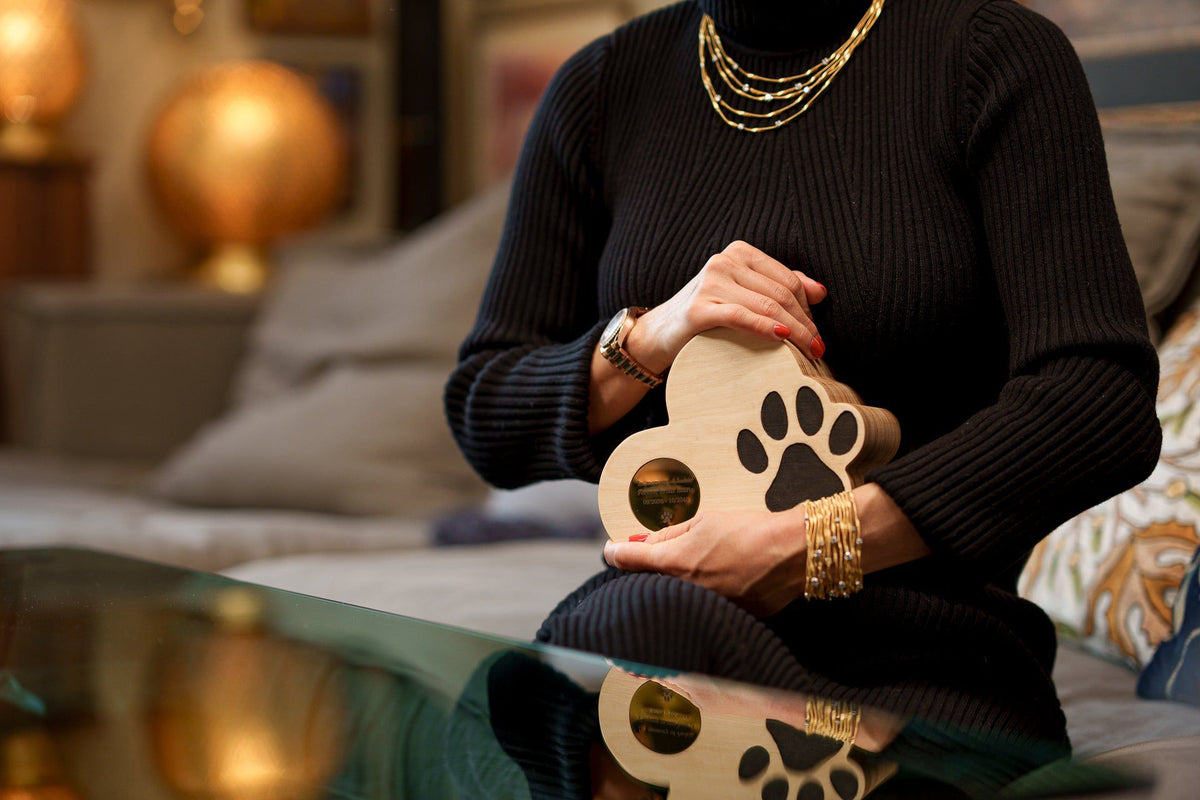
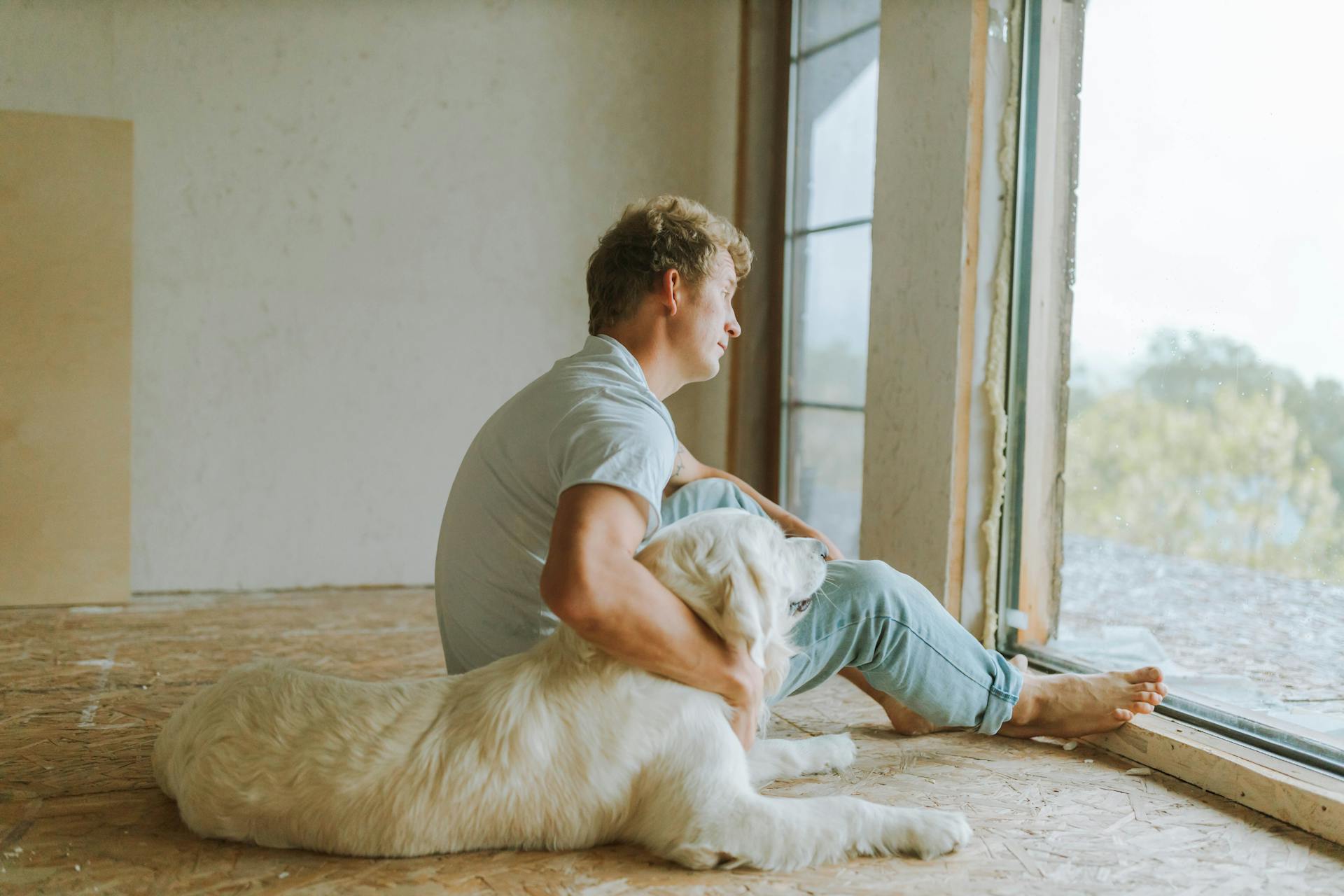
Can You Grieve a Life That Never Had Words?
Discover why losing a beloved pet can be so profound, how wordless bonds shape our lives, and how Pulvis Art Urns brings craftsmanship and thoughtful design to the art of remembering an animal companion.
What Does the Bible Say About Cremation?
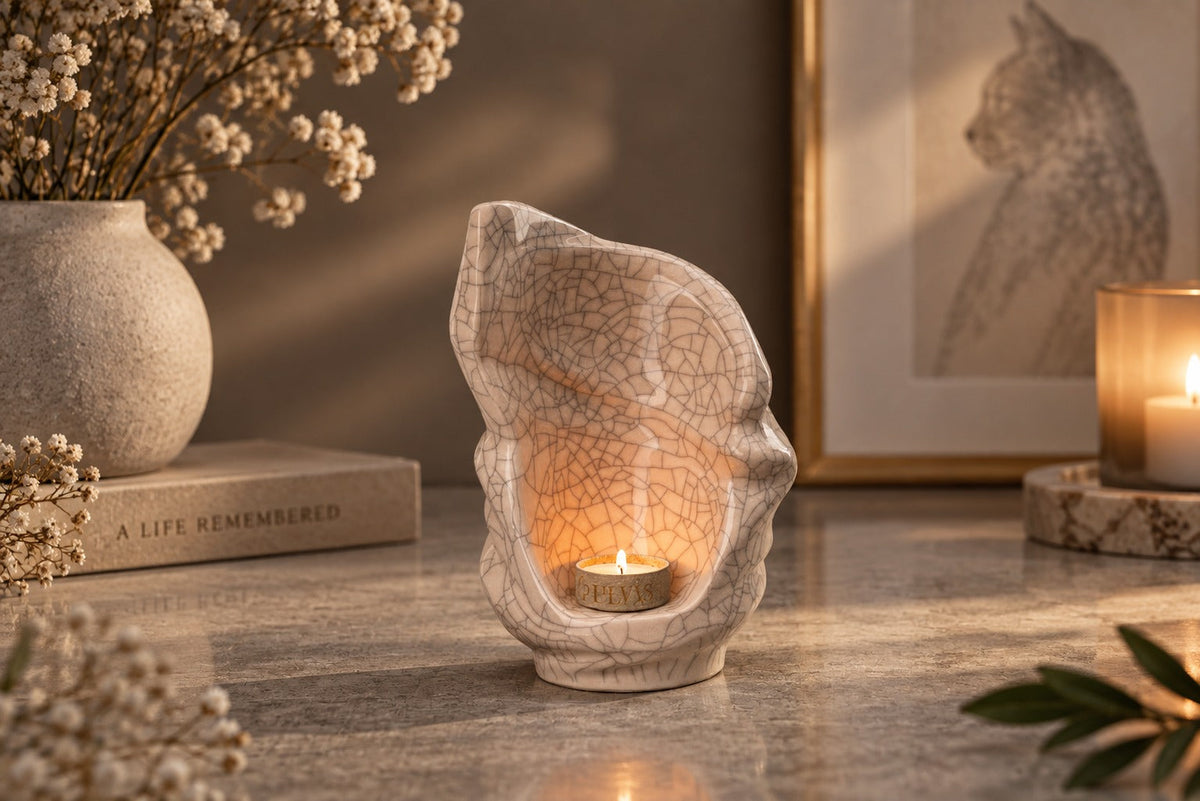
Explore what the Bible says about cremation, Christian beliefs about resurrection, and meaningful ways to honor a loved one’s memory through a thoughtful memorial.
Why Do People Light Candles for the Dead?
Discover the meaning behind lighting candles for the dead, exploring the traditions, beliefs, and emotions that make this simple ritual a lasting expression of remembrance, comfort, and connection within the home.
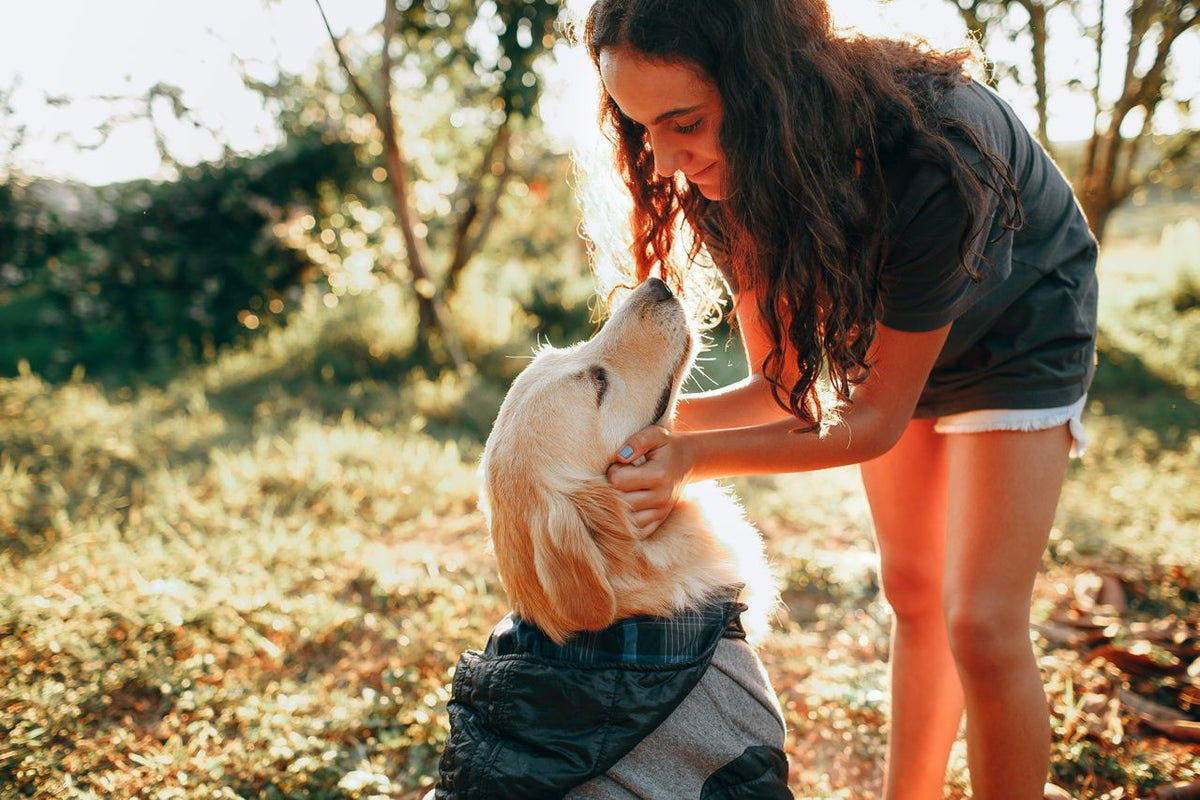
The Pet as a Witness to a Human Life
Our pets witness far more of our lives than we realise. Explore what it means for an animal to become a quiet witness to our changing homes, relationships, routines and identities — and how a memorial urn can remain as a physical connection to the life they witnessed.

Can You Inherit a Pet’s Memory?
Can we remember a pet we never knew? Explore how stories, photographs, objects and memorials can carry an animal’s memory across generations, turning a private life into part of a family’s shared history.


Compartir:
La creciente popularidad de las joyas y los recuerdos de cremación
Essential Legal Steps After a Loved One’s Passing: Comparative Guide for Families