

Here for you: art@pulvisurns.com | (562) 609-4019
There are animals we remember without ever having met them.
A photograph on a shelf. A name that appears in an old story. A dog described as impossibly energetic, a cat that apparently slept in the same chair every afternoon, a horse that belonged to someone long before we were born. We may know their habits, their names and even their personalities without ever having seen them move through the world.
These are not our memories in the traditional sense. We did not live alongside these animals. We did not hear their sounds or learn their routines firsthand. And yet, somehow, they can become familiar to us.
This raises a strange question: can we inherit the memory of a pet?
Perhaps memory is not always something that belongs exclusively to the person who experienced it. Sometimes, it is passed from one person to another through stories, photographs, objects and rituals. A pet can become part of a family's history long after its own life has ended.
Most pets live relatively private lives. They are not photographed for newspapers or remembered in history books. Their worlds are usually small: a home, a garden, a neighbourhood, a family.
Yet within that small world, an animal can become enormously significant.
A child may grow up hearing about the dog their mother had as a teenager. Someone may know that their grandmother once had a cat called Luna, even though Luna disappeared decades before they were born. A family may continue telling the same story about a particular animal at birthdays, holidays or gatherings.
Over time, the animal becomes more than a character from the past. It becomes part of the family's shared vocabulary.
The person who never met the pet may still know exactly what it was like.

Human memory is often described as something personal: something we experienced and stored inside our own minds. But families have another kind of memory — one created collectively through repetition.
A story told once is an anecdote. A story told for years can become family history.
This is how an animal can cross the boundary between individual memory and collective memory. Someone remembers the pet directly. They tell the story to a child. The child grows up hearing it and eventually tells it to someone else.
The original experience belongs to one person, but the memory begins to belong to many.
The details may change along the way. Stories are rarely transferred perfectly. One person remembers the animal as mischievous; another remembers it as gentle. A particular event becomes funnier with every retelling. A small habit becomes legendary.
The pet gradually becomes a figure assembled from memories rather than a living presence.
There is something fascinating about remembering an animal we never knew.
When we remember our own pets, memory is often sensory. We can imagine the sound of their paws, the weight of their body, the texture of their fur or the way they looked at us. Memories can return through physical sensations as much as through images.
Inherited memories work differently.
They are constructed through language and imagination. We know that the dog was always waiting by the kitchen door because someone told us. We know that the cat hated rain because we heard the story. We know what the animal's favourite place was because someone who knew it showed us.
We do not remember the animal's life.
We remember being told about it.
And yet the emotional effect can still be real.
Photographs change this relationship between memory and imagination.
A story allows us to imagine an animal. A photograph gives that imagination a face.
This is why an old photograph of a pet can feel unexpectedly intimate. Even if we never knew the animal, we can suddenly see it sitting on a particular sofa, standing in a garden or looking towards the person holding the camera.
The photograph does not belong to our own experience, but it becomes part of our understanding of the past.
And photographs are rarely isolated. They are often surrounded by captions, dates, names and stories. Someone points to the animal and explains who it was. The photograph becomes an entry point into a life that would otherwise have disappeared completely.
In this sense, the image is not simply documentation. It is a bridge between generations.
Not every memory survives in a photograph.
Sometimes it survives through an object.
A collar kept inside a drawer. A worn toy. A bowl that was never thrown away. A blanket folded into a cupboard. A leash hanging behind a door.
These objects may seem ordinary to anyone else. Their importance comes from the story attached to them.
This is one of the peculiar qualities of objects connected to animals. Their physical form remains long after the context in which they were used has disappeared. A collar no longer circles a neck. A bowl no longer waits for a meal. A toy no longer belongs to a particular animal.
But the object can continue to tell the story.
Someone can pick it up years later and ask, “Whose was this?”
And the story begins again.

At a certain point, some animals stop being remembered only as individual companions. They become part of the history of a family itself.
Their existence becomes connected to a particular house, a particular period of someone's life or a particular generation.
A childhood dog can become inseparable from stories about childhood. A cat can become part of the story of a first home. A pet can appear in photographs from weddings, holidays, birthdays or family gatherings.
The animal was not simply present during these moments. It became part of them.
This is perhaps why stories about old pets can feel surprisingly important. They do not only tell us about an animal. They tell us about the people who loved it and the lives they were living at the time.
The pet becomes a small but permanent character in the larger story of a family.
There is something particularly beautiful about the idea that an animal can be remembered by someone who never knew it.
It suggests that a life does not have to be directly witnessed by everyone who remembers it.
We inherit stories about people we never met. We know places we have never visited through photographs. We can feel connected to periods of history that existed before we were born.
Animals can become part of this same process.
A pet can belong to a generation that has already passed and still have a place in the imagination of someone born much later. Its life may have been ordinary, but the affection surrounding it allows something of that life to travel forward.
The animal becomes a memory without ever becoming our memory.
Of course, inherited memories are never complete.
Every retelling leaves something out.
We cannot know exactly what an animal felt, what it noticed or what its everyday life was truly like. Even those who lived with it cannot remember everything. Human memory selects. It preserves certain moments and allows countless others to disappear.
What reaches the next generation is therefore not an entire life.
It is a fragment.
But perhaps that is how all memory works.
We do not preserve people or animals in their entirety. We preserve moments, gestures, objects, photographs and stories. We construct a version of a life from the traces that remain.
The absence of complete information does not necessarily make the memory less meaningful. Sometimes, the gaps allow imagination to become part of remembrance.

This is where memorial objects occupy an interesting place.
A photograph preserves an image. A story preserves an experience through language. An object preserves a physical connection to the past. A memorial vessel can become another part of this chain.
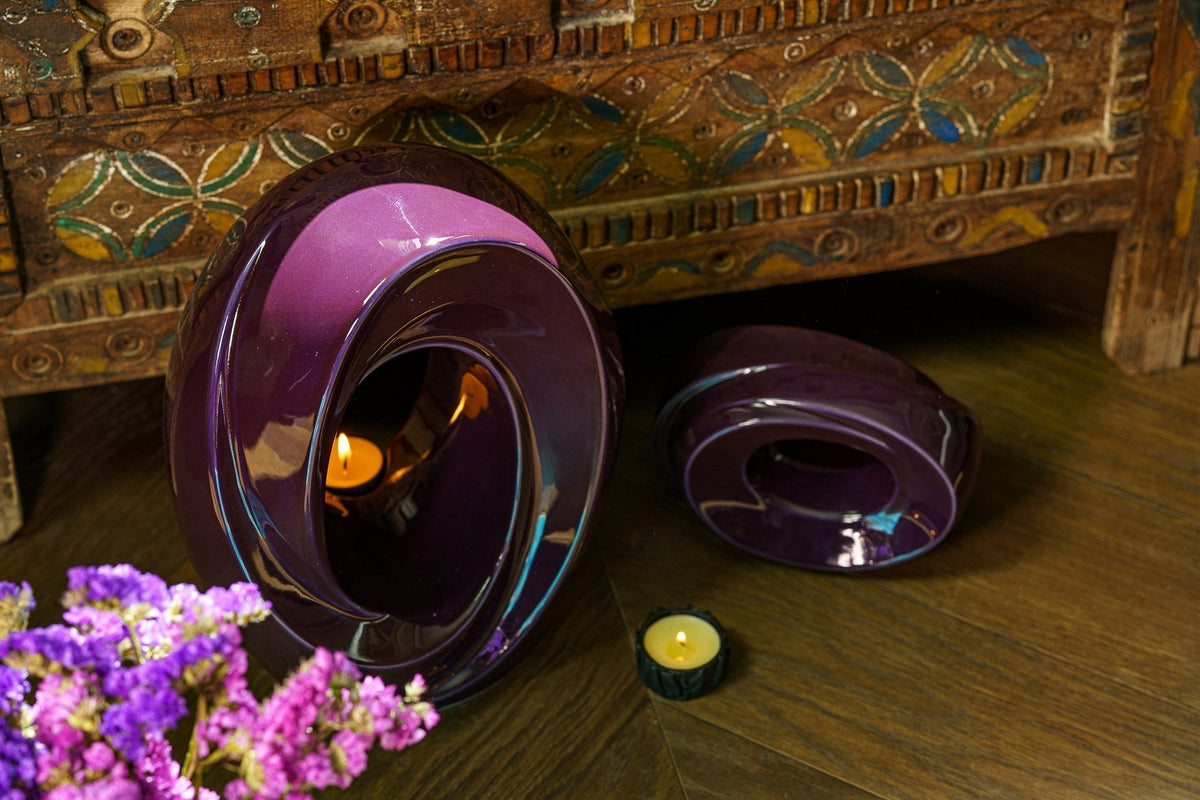
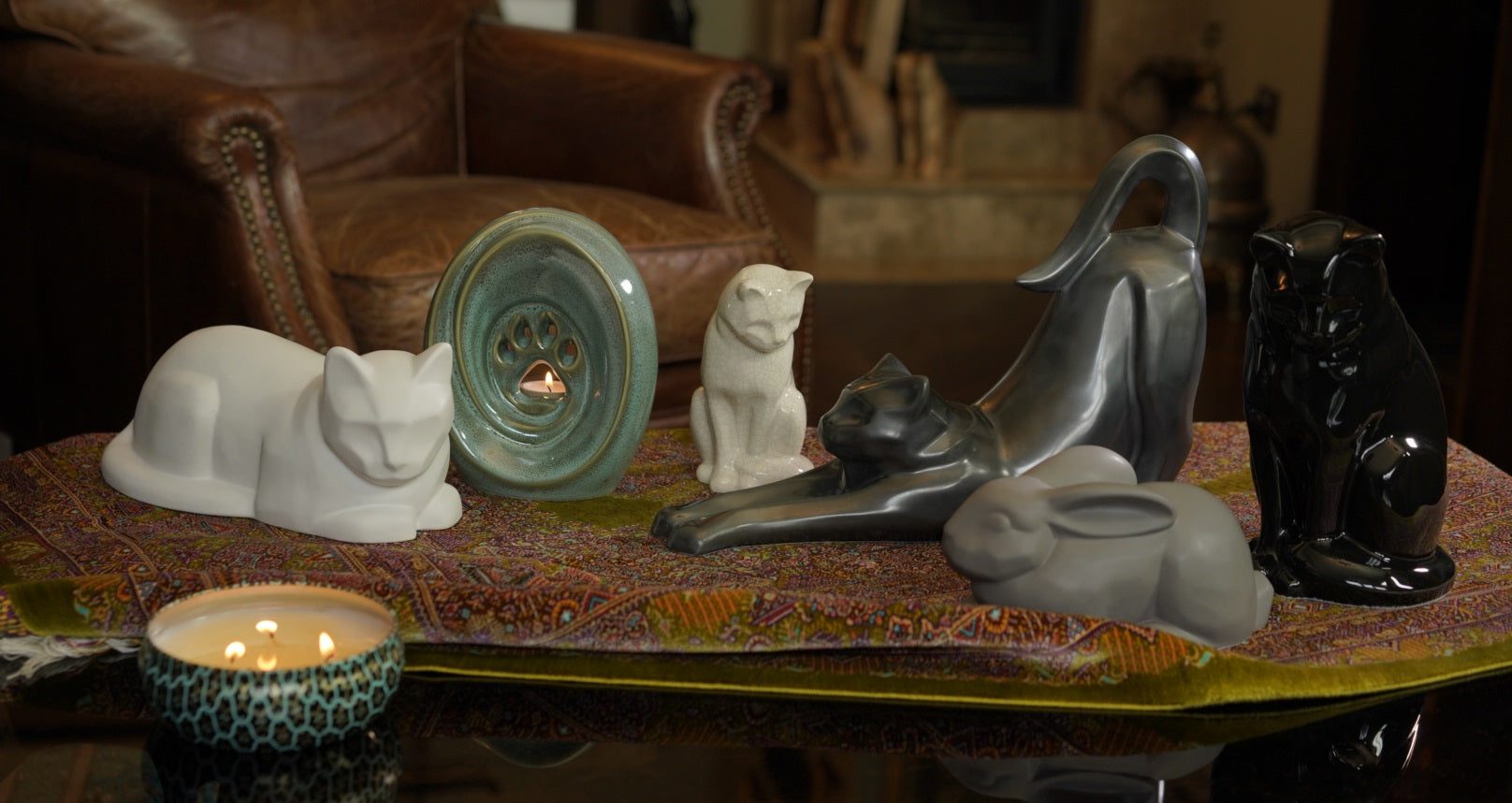
The philosophy behind Pulvis is particularly relevant here because an urn can be understood not simply as a container for ashes, but as a physical part of a life’s continuing archive. The animal's ashes are one material trace of its existence, while the object that holds them becomes part of the environment in which its story continues to be remembered.
The significance lies in this relationship between material and memory. A carefully designed urn can exist alongside photographs, objects and stories, becoming another physical point through which an animal's life remains present within a family.
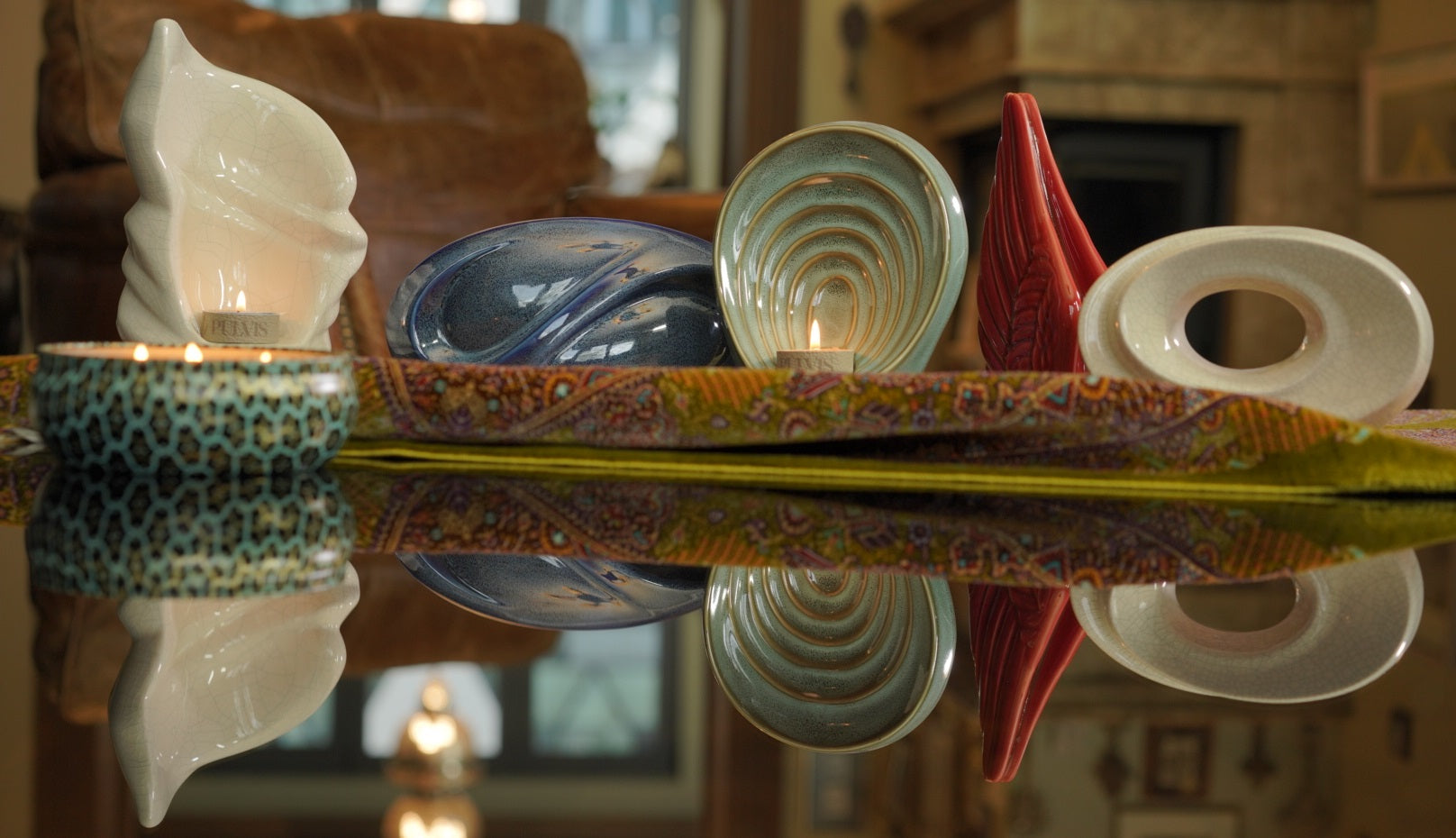
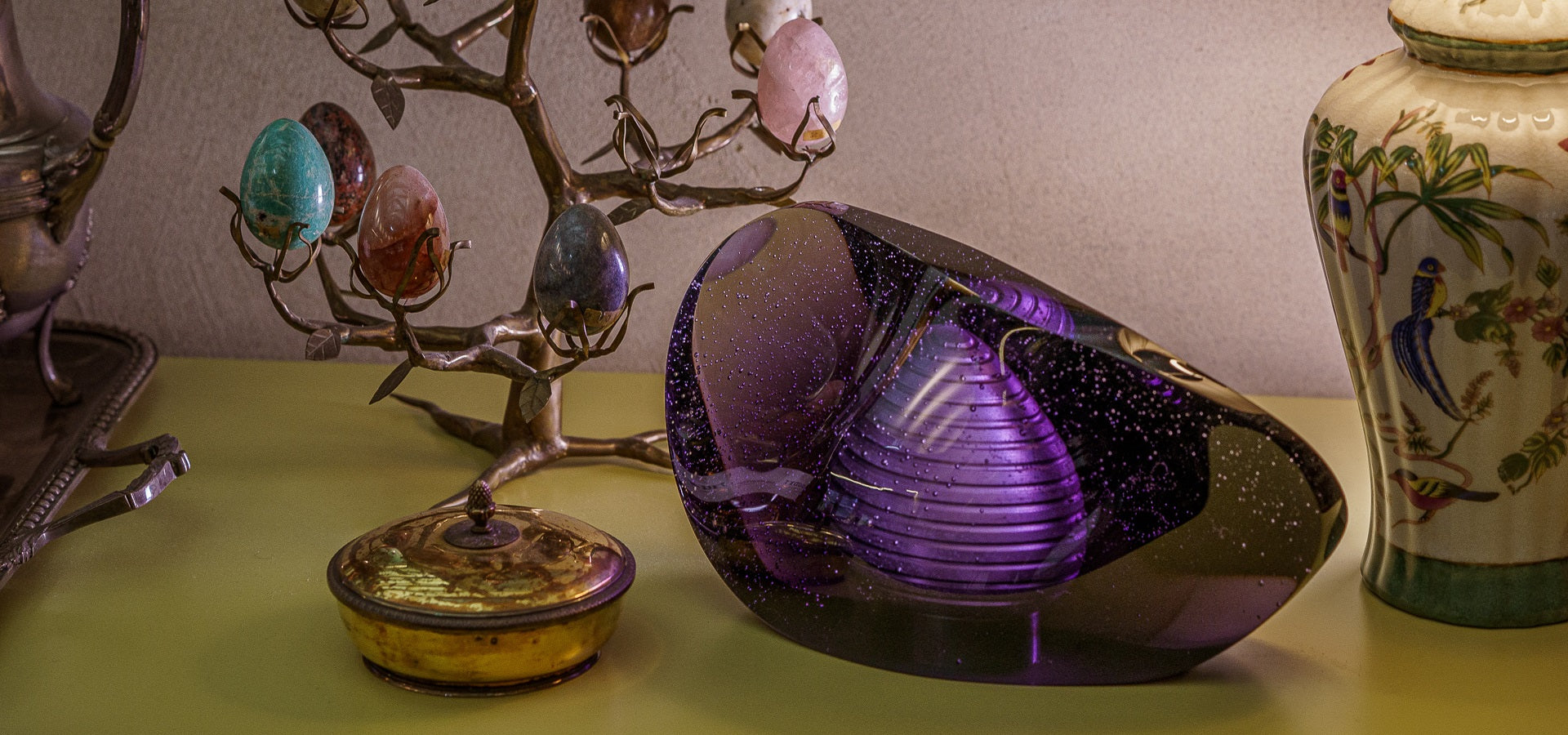
Through its focus on ceramic craftsmanship and artistic design, Pulvis approaches the urn as an object intended to remain meaningful beyond the immediate moment of loss. It can become part of the visual and physical history of a home — something that carries the memory of an animal while also becoming an object in its own right.
In this way, the memorial does not have to end with the person who originally knew the animal. It can become part of what is passed forward.
Perhaps the answer depends on what we mean by memory.
If memory means the direct recollection of something we personally experienced, then no. We cannot truly remember a pet we never met.
But if memory means the preservation of a life through stories, images, objects and the people who continue to speak about it, then perhaps we can.
We inherit family photographs. We inherit names. We inherit stories about houses, journeys, relatives and places that existed before us. Sometimes, we inherit the memory of an animal too.
What we receive is not the original experience. It is something transformed by time and passed through another person's affection.
And perhaps that is enough.
A pet's life may last ten years, fifteen years or twenty years. But the memory of that life can travel much further.
It can move from one generation to another through a photograph taken decades ago. Through a story told at the dinner table. Through a name that still makes someone smile. Through an old collar discovered in a drawer. Through an object that remained after everything else changed.
Eventually, the details may become fewer. The stories may become shorter. Someone may no longer remember exactly when the photograph was taken or why the animal had a particular nickname.
But the fact that the animal existed can remain.
And perhaps this is one of the most extraordinary things about remembrance: a life does not have to continue physically in order to continue culturally, emotionally or within a family.
We may not be able to inherit a pet's actual memories.
But we can inherit its place in someone else's memory.
And sometimes, that is how an ordinary animal becomes part of a story that outlives everyone who first knew it.
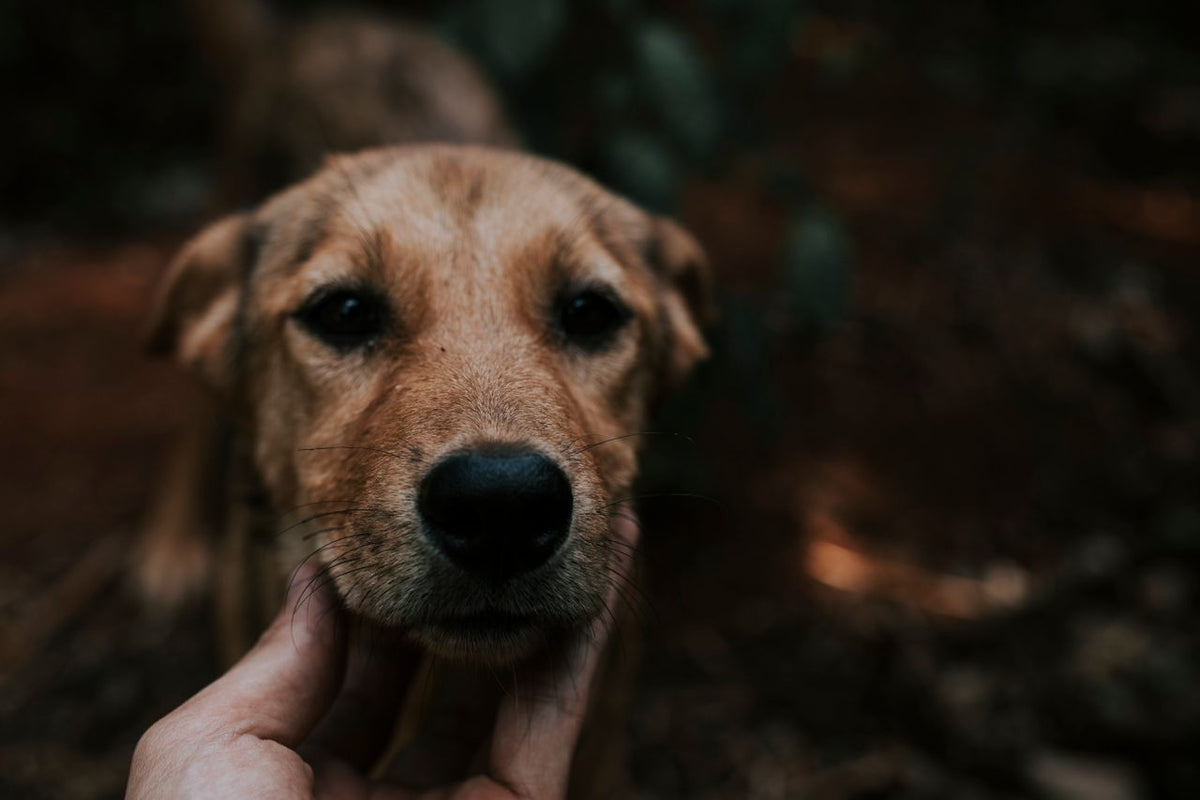
Can You Inherit a Pet’s Memory?
Can we remember a pet we never knew? Explore how stories, photographs, objects and memorials can carry an animal’s memory across generations, turning a private life into part of a family’s shared history.
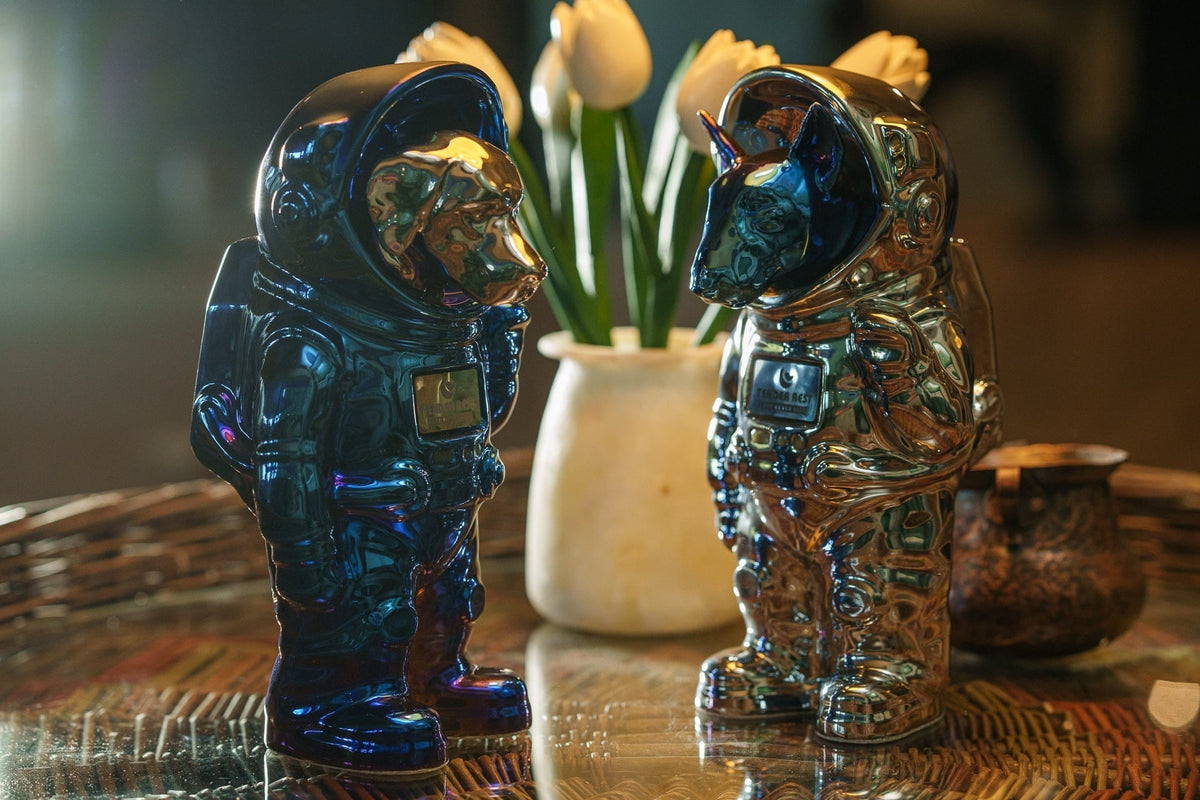
What a Pet Teaches Us About Impermanence
Living alongside a pet teaches us that the most meaningful parts of life are often temporary. Explore how animals shape our understanding of time, impermanence a quiet, lasting expression of what remains.
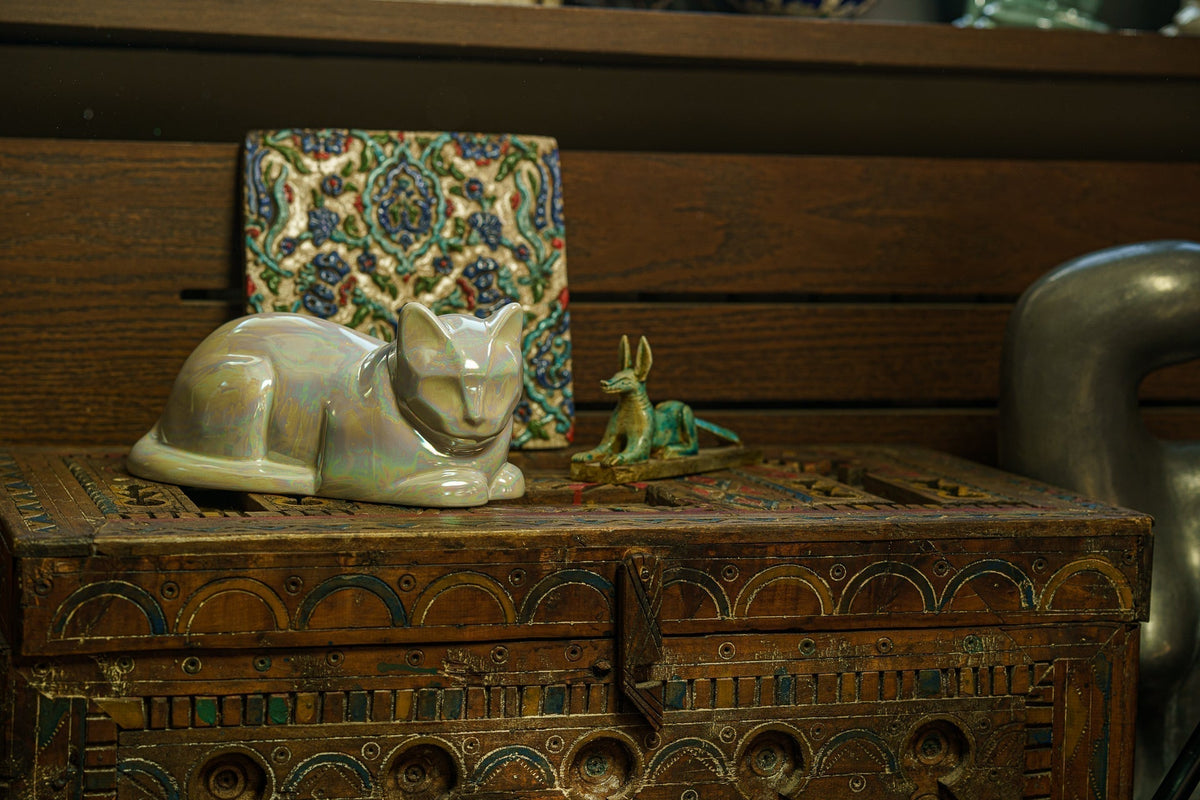
Why the Best Pet Memorials Don't Always Look Like Pet Memorials
The most meaningful pet memorials do not always rely on familiar symbols. Discover how contemporary pet urn design uses form, material, colour, and craftsmanship to create personal memorials that quietly belong within the home.
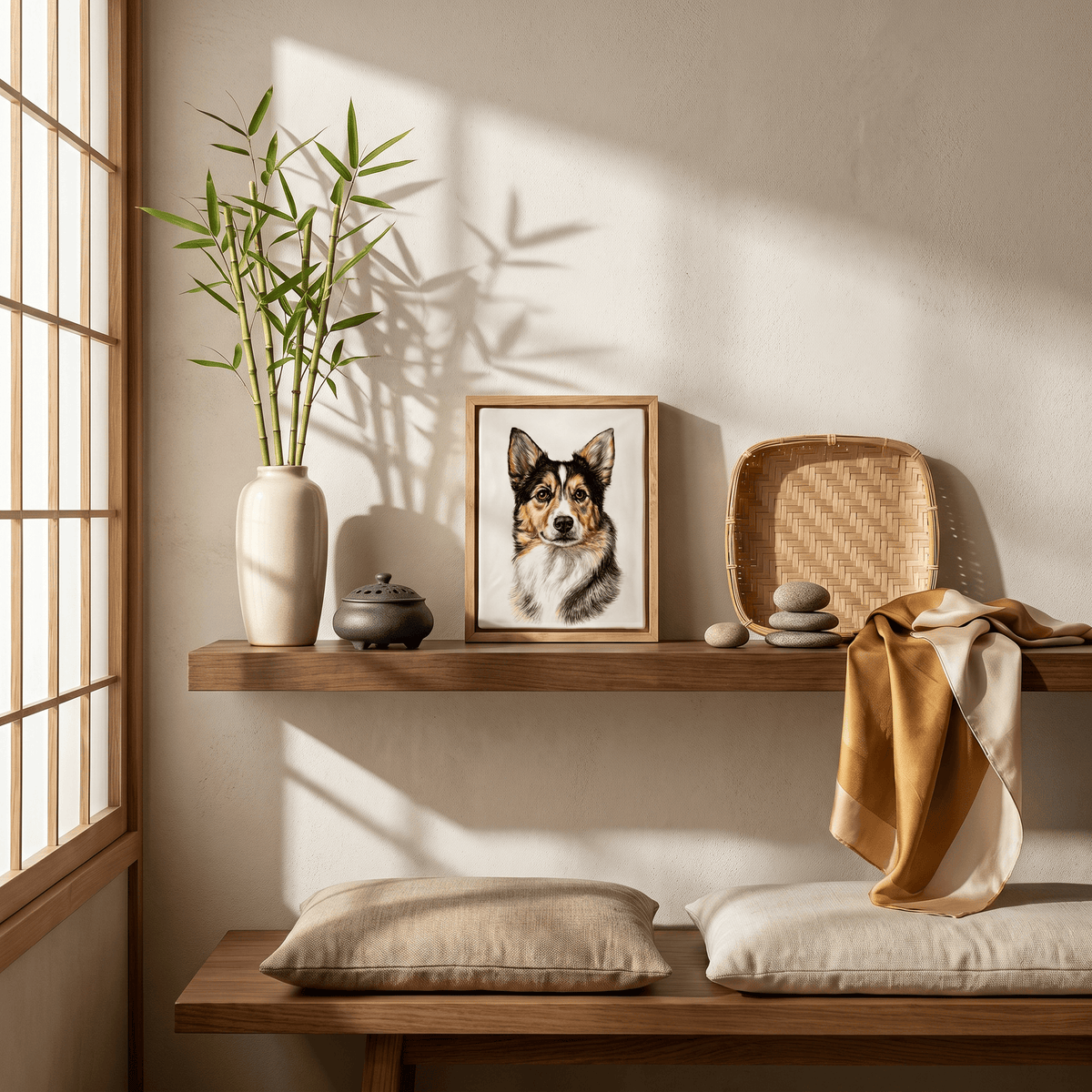
The Urn as a Bridge Between Presence and Absence
What happens when a pet is no longer physically present, but something of that life remains? Explore how a memorial urn can become a bridge between absence and presence, giving memory a tangible form and a lasting place within the home.
Memento Mori: Why Humans Have Always Made Art About Death
For thousands of years, humanity has transformed death into art — from skulls and fading flowers to portraits, monuments and memorial objects. Explore why we continue to create around mortality, memory and the human desire to make something last.


Compartir:
What a Pet Teaches Us About Impermanence