

Here for you: art@pulvisurns.com | (562) 609-4019
Lighting a candle for someone who has passed away is a simple gesture, yet it can carry profound emotional and spiritual meaning. Across religions, cultures, and personal traditions, candlelight has become associated with remembrance, prayer, hope, and the continuing presence of someone we love. For families creating a peaceful memorial at home, a candle can become part of a meaningful tribute alongside photographs, flowers, keepsakes, or a memorial urn for ashes. Pulvis Art Urns offers artistic memorial options that can complement these personal moments of remembrance.
Before exploring different traditions, it helps to understand why a small flame can have such emotional significance. A candle creates a visible symbol of something that cannot be physically seen: memory, love, prayer, and connection.
The flame can represent several ideas:
Remembrance: A candle keeps someone's memory present.
Hope: Light can symbolize hope during a difficult period of grief.
Prayer: In many faith traditions, candles accompany prayers or intentions.
Presence: The continuing flame can represent a loved one's lasting influence.
Reflection: Candlelight creates a quiet atmosphere for personal remembrance.
Modern memorial practices often use candlelight because it gives grieving families a simple ritual they can return to whenever they need a moment of peace.
Light has a powerful symbolic quality because it contrasts naturally with darkness. During grief, people may experience uncertainty, sadness, and a sense of emptiness. A small flame can create a gentle visual reminder that memories and love can continue even after a physical loss.
The meaning does not necessarily have to be religious. Someone may light a candle because it reminds them of a particular person, creates a peaceful environment, or gives them a moment to pause.
For many families, the ritual is less about the candle itself and more about what happens while it burns. Sitting quietly, remembering a story, saying a prayer, or looking through photographs can transform a simple flame into a meaningful memorial experience.
Different religions have developed their own customs surrounding candles and remembrance. Although the practices differ, many connect light with prayer, spiritual reflection, honor, or the memory of someone who has died.
Jewish families may observe the tradition of lighting a yahrzeit candle in memory of a deceased loved one. It is commonly lit on the anniversary of the person's death according to the Hebrew calendar. Some Jewish customs also involve memorial candles during other significant periods of remembrance.
The candle can serve as a reminder of the departed and create a dedicated period for reflection. The tradition demonstrates how a physical flame can become connected with memory and spiritual observance.
Candles also have an important place in Christian and Catholic practices. Votive candles are commonly associated with prayer and devotion, and memorial services may incorporate candlelight as a way of honoring someone who has died.
For many Christians, light carries associations with faith, guidance, hope, and the presence of God. Lighting a candle during prayer can therefore become a quiet expression of remembrance and spiritual trust.
Candlelight appears in many other memorial and spiritual customs around the world. Some families use candles during vigils, remembrance ceremonies, anniversaries, or celebrations of life.
The specific meaning depends on the tradition, but the underlying purpose is often similar: creating a physical moment dedicated to someone who is no longer physically present.

A home memorial can provide families with a private place to remember someone after a funeral or memorial service. It does not need to be elaborate. A small table, shelf, or peaceful corner can become a place for reflection.
Families may combine:
A framed photograph
Favorite flowers
A meaningful keepsake
A candle or flameless light
A memorial urn
A book, letter, or personal item
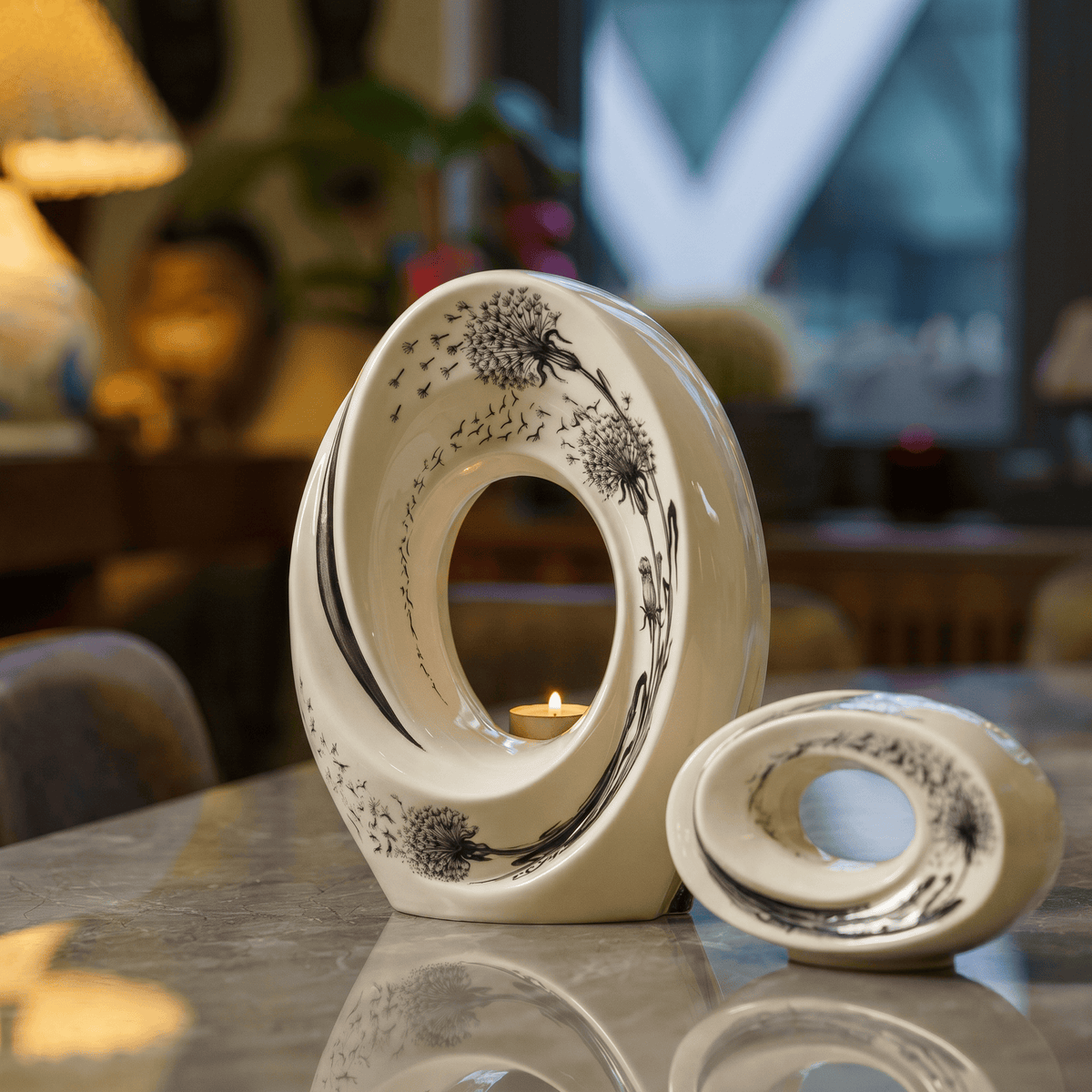
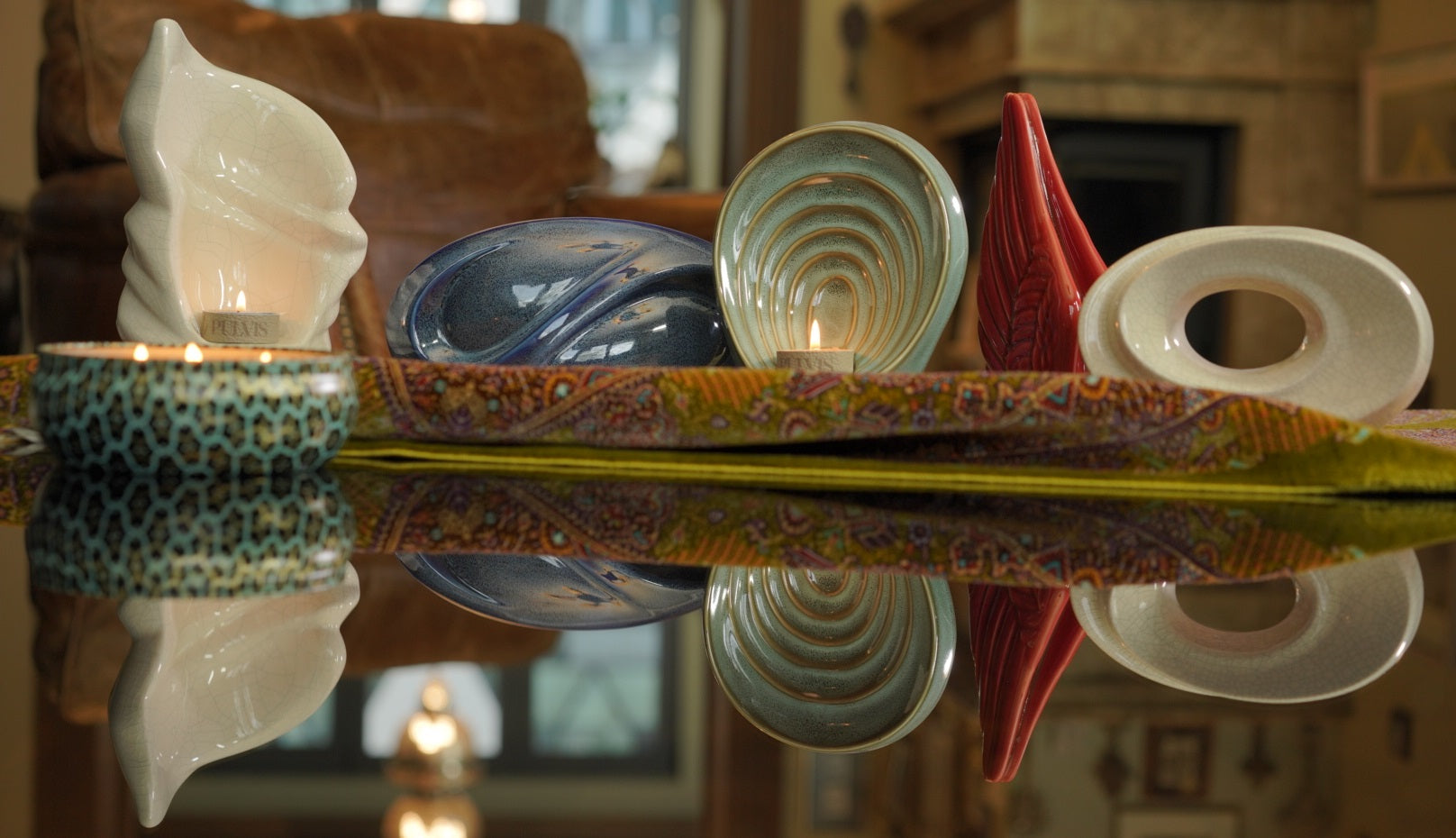
For families who keep cremated remains at home, a memorial urn for ashes can become a central part of this arrangement. Placing a candle nearby can add warmth and create a peaceful environment for reflection.
The goal is not to create a formal display. It is to create a space that feels emotionally meaningful to the people who visit it.

As more families choose cremation, memorialization can take many forms. An urn may remain in the home, be placed in a cemetery or columbarium, or become part of another respectful memorial arrangement.
Cremation urns for ashes can provide a dedicated place to preserve a loved one's remains while allowing families to create a personal tribute around them.
A candle placed near an urn can help establish a quiet ritual. For example, family members might light it on:
A birthday
An anniversary
A holiday
A meaningful family occasion
A difficult day when remembrance feels especially important
There is no universal schedule for lighting a memorial candle. The most meaningful time is often simply when a person feels the need to pause and remember.
Memorialization is deeply personal, which is why families often look beyond ordinary functional objects when choosing something to represent a loved one's life.
Handmade cremation urns can offer an artistic and personal quality. Each piece may have its own shape, texture, finish, or design character, helping families select something that feels connected to the person being remembered.
A handcrafted memorial can also become part of the home's surroundings rather than feeling like an ordinary storage container. This can be especially meaningful when the family wants the memorial space to feel peaceful, beautiful, and personal.
The right memorial piece is ultimately one that feels appropriate to the family and reflects the individuality of the person being honored.
Material can influence the appearance and feeling of a memorial. Ceramic urns for ashes are one option for families who appreciate artistic craftsmanship and distinctive designs.
Ceramic can be shaped into a variety of forms and finished with different colors, textures, and decorative details. This allows families to choose a memorial piece that complements a home or reflects the personality of their loved one.
A ceramic memorial can also work naturally within a remembrance area containing flowers, photographs, books, and candlelight. The combination can create a calm setting where family members can spend time reflecting.

Candles can be appropriate in many types of memorial services, but their use should reflect the family's beliefs, the type of ceremony, and the preferences of the venue.
A candle-lighting moment may be included as part of a prayer, tribute, reading, moment of silence, or remembrance ceremony. In a secular service, the candle can simply represent the person's continuing memory.
For a group ceremony, one candle may be lit for the deceased, or family members and guests may each light individual candles. This can create a shared moment where everyone participates in remembering the person.
The important element is intention. A memorial candle does not need elaborate symbolism to be meaningful.

A memorial ritual can be as simple or personal as a family wants. The purpose is to create a repeatable action that provides space for remembrance.
Some families may choose to:
Light a candle beside a favorite photograph.
Say a short prayer or personal message.
Share one favorite memory.
Spend a few quiet minutes together.
Extinguish the candle after the remembrance moment.
If an open flame is not practical, a flameless LED candle can provide a similar visual effect without the same fire risk. Safety guidance recommends keeping burning candles away from anything that can catch fire and extinguishing them when leaving the room or going to sleep.
Lighting a candle for someone who has passed away is a small action that can hold a deeply personal meaning. For some, it is an expression of prayer. For others, it represents hope, love, memory, or simply a quiet moment to feel connected to someone they miss. When paired with a meaningful memorial, Cremation Urns and candlelight can become part of a peaceful space where memories continue to be honored. Pulvis Art Urns provides artistic memorial options for families who want to create a thoughtful and personal tribute to someone they love.
If you are looking for a meaningful memorial piece for a loved one, Contact Us to explore options that can help create a beautiful and lasting remembrance.
Lighting a candle can symbolize remembrance, prayer, love, hope, or the continuing influence of someone who has passed away. The exact meaning varies according to religious beliefs and personal traditions.
There is no universal duration. Some religious traditions have specific practices, while personal memorial rituals may last only a few minutes. Certain Jewish traditions, for example, involve a memorial candle burning for approximately 24 hours.
A yahrzeit candle is a memorial candle traditionally lit by Jewish people in remembrance of a deceased loved one, particularly on the anniversary of the person's death according to the Hebrew calendar.
Yes. Many people choose to light candles at home as part of private remembrance. A candle can be placed near a photograph, keepsake, or memorial display, provided appropriate fire-safety precautions are followed.
Yes. An LED or flameless candle can be a practical alternative when an open flame is unsuitable. Some Jewish memorial traditions also recognize the use of an electric lamp when a traditional candle is unavailable.
Why Do People Light Candles for the Dead?
Discover the meaning behind lighting candles for the dead, exploring the traditions, beliefs, and emotions that make this simple ritual a lasting expression of remembrance, comfort, and connection within the home.

The Pet as a Witness to a Human Life
Our pets witness far more of our lives than we realise. Explore what it means for an animal to become a quiet witness to our changing homes, relationships, routines and identities — and how a memorial urn can remain as a physical connection to the life they witnessed.

Can You Inherit a Pet’s Memory?
Can we remember a pet we never knew? Explore how stories, photographs, objects and memorials can carry an animal’s memory across generations, turning a private life into part of a family’s shared history.
What a Pet Teaches Us About Impermanence
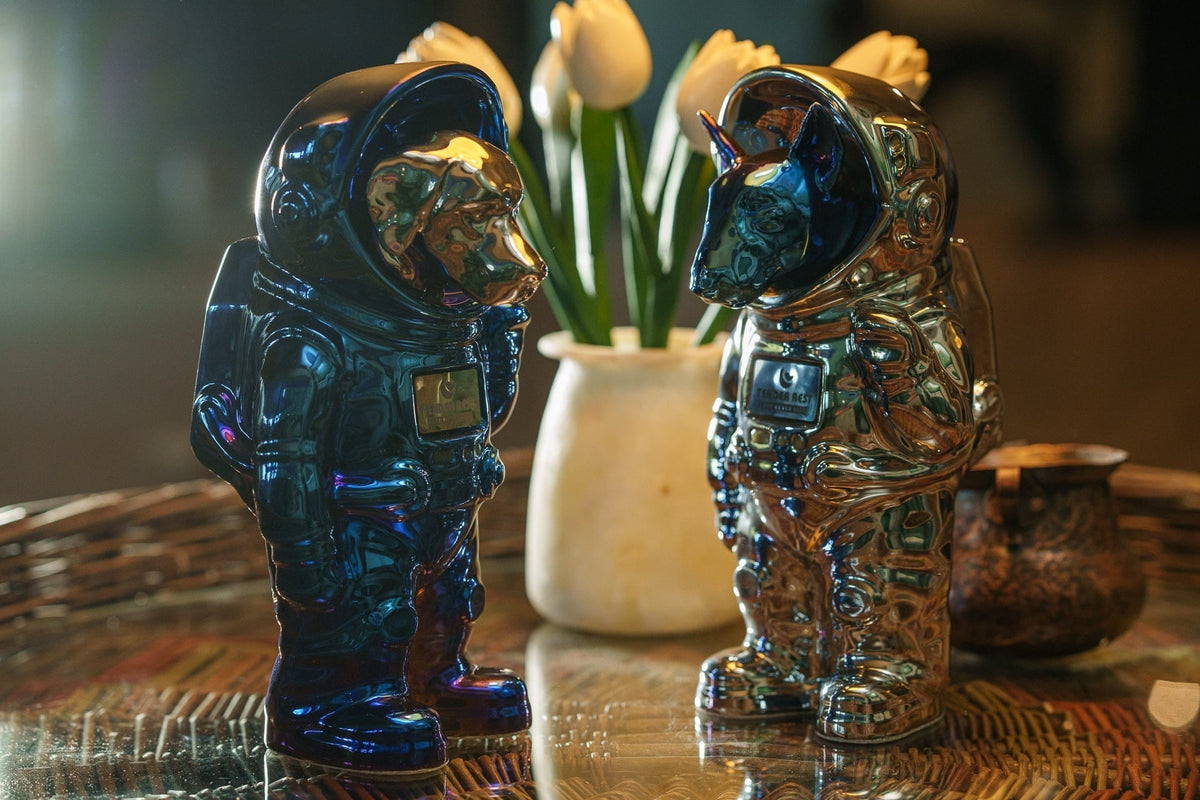
Living alongside a pet teaches us that the most meaningful parts of life are often temporary. Explore how animals shape our understanding of time, impermanence a quiet, lasting expression of what remains.
Why the Best Pet Memorials Don't Always Look Like Pet Memorials
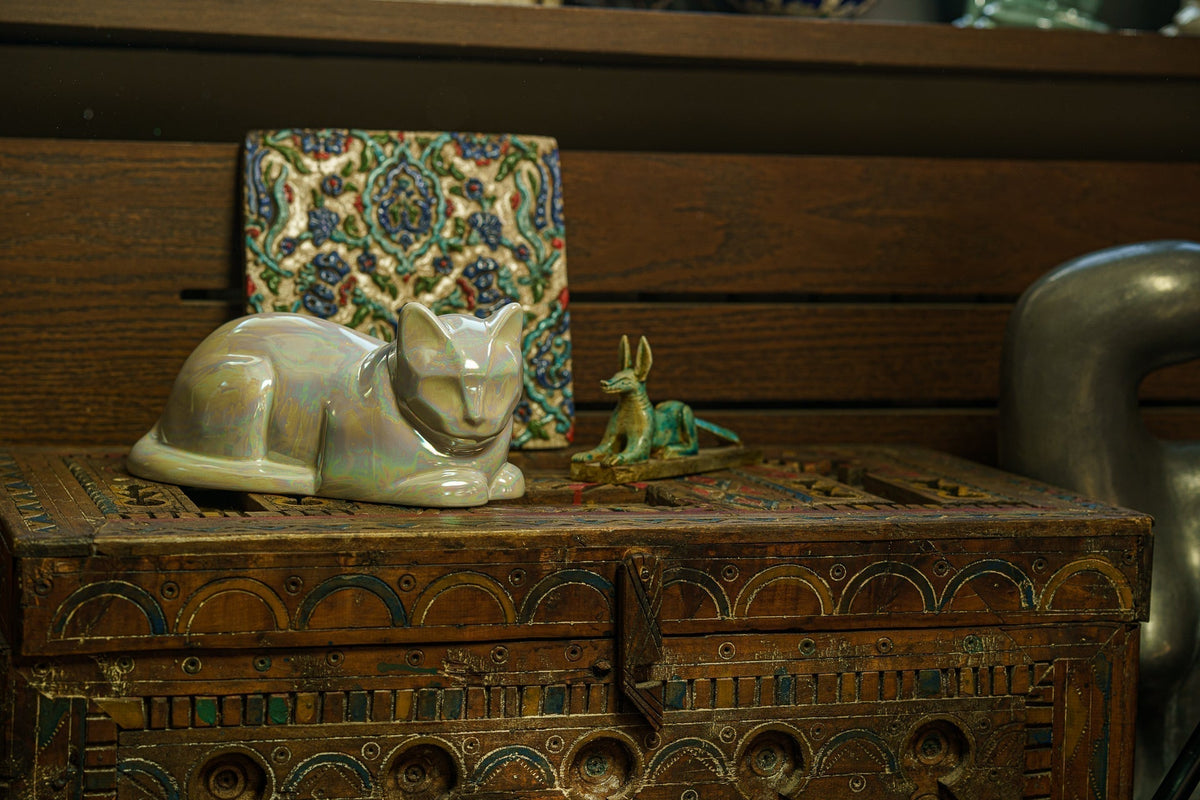
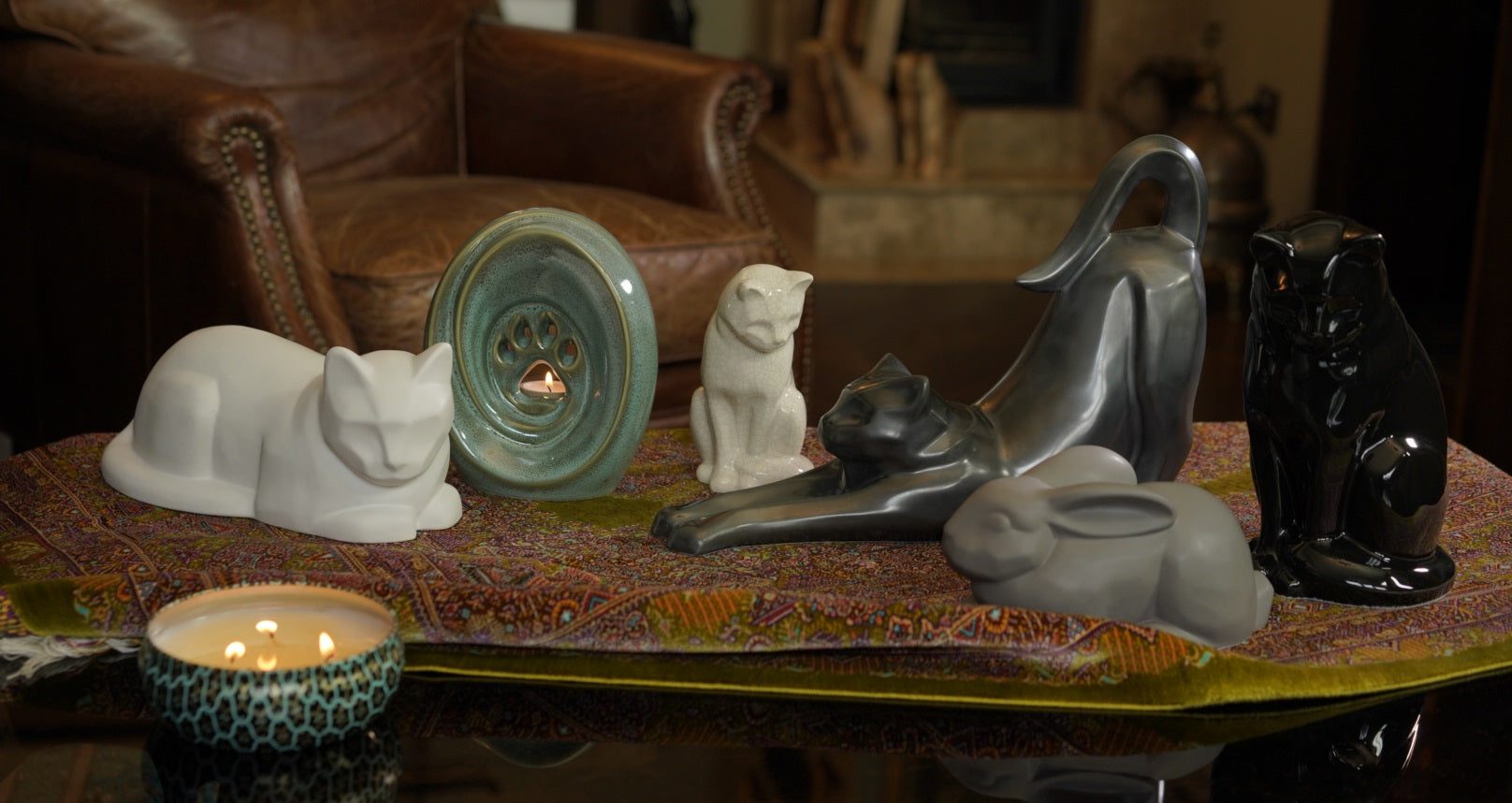
The most meaningful pet memorials do not always rely on familiar symbols. Discover how contemporary pet urn design uses form, material, colour, and craftsmanship to create personal memorials that quietly belong within the home.


Compartir:
The Pet as a Witness to a Human Life