



Here for you: art@pulvisurns.com | (562) 609-4019
7% de descuento en tu pedido
Usa el código al finalizar la compra:
Choosing a cremation urn is one of those decisions no one ever wants to make—yet when the time comes, we want something that feels worthy of the person or pet we’re remembering. More and more families are moving away from factory-made metal or resin urns and toward handmade ceramic cremation urns, artisan memorial urns, and other custom cremation urns handmade by skilled ceramic artists. The dedication behind this slow, intentional work reflects the values celebrated by the American Craft Council, an organization that supports and preserves the traditions of handmade craft and studio pottery: https://www.craftcouncil.org/.
For families exploring cremation or memorial options for the first time, the Funeral Consumers Alliance offers clear, unbiased information to help guide these important decisions: https://funerals.org/
There’s something undeniably comforting about an object shaped by human hands, created slowly and intentionally—not rushed out of a mass-production facility.
Discover the artistry behind Pulvis Art Urns and learn how each piece is meticulously handcrafted in their ‘Know‑how’ process: Pulvis Art Urns — “Know‑how” (handcrafted processes)

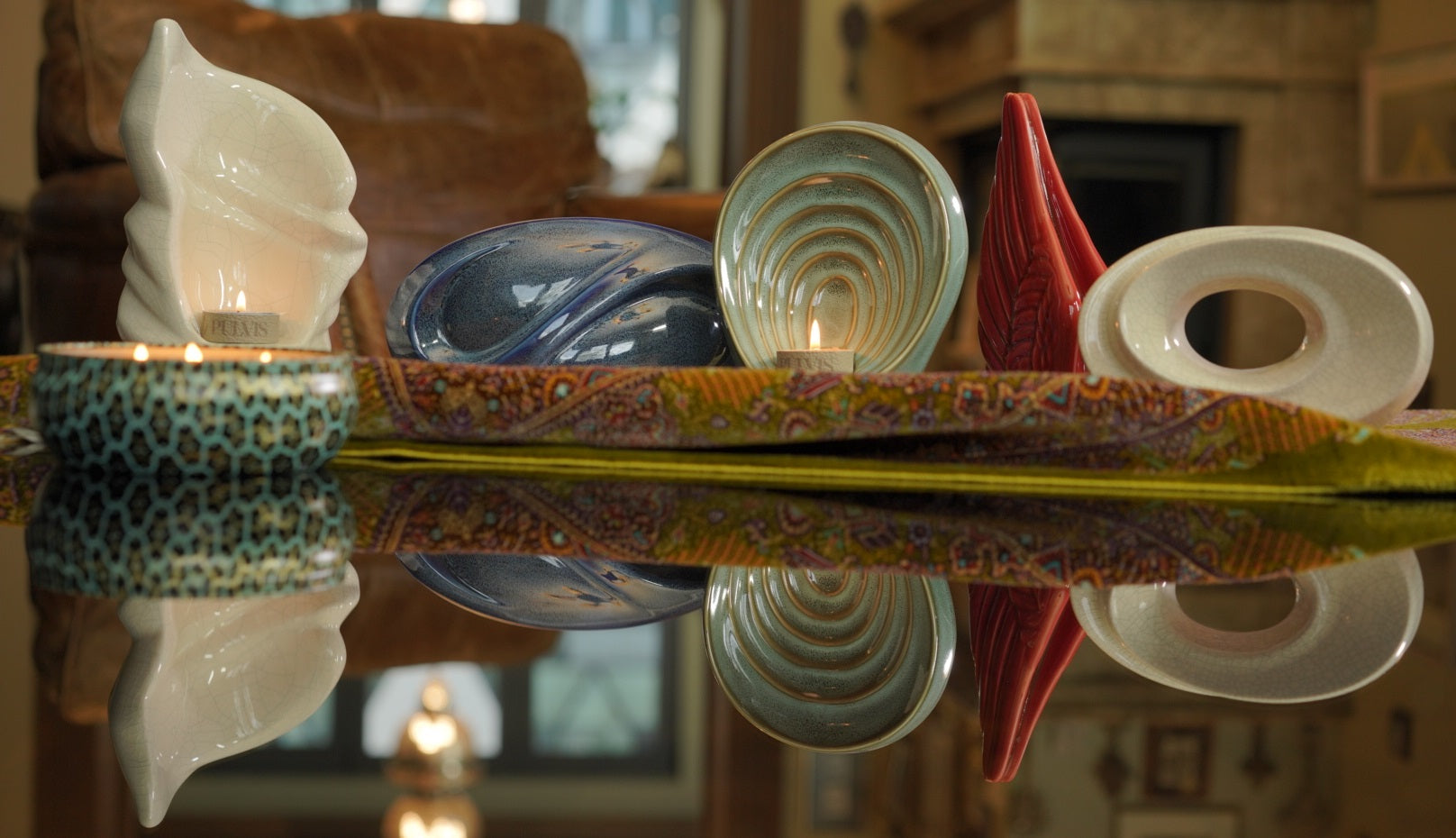
When you choose a handmade ceramic urn, you’re choosing a piece that begins life on a potter’s wheel or worktable—not in a mold. Studio artists spend years perfecting the techniques that go into shaping clay: forming the body, refining the lid, adjusting proportions, smoothing surfaces, and trimming details.You can see examples of this handmade approach in the collection at Pulvis Art Urns, where every urn is shaped
This slow, skilled process creates a vessel with real presence. While mass-produced urns tend to look identical, artisan urns ceramic have a warmth and individuality that machine-made pieces simply can’t replicate.
Every glaze an artist mixes, applies, and fires is chosen with intention. Most handmade urns use lead-free, non-toxic glazes, making them safer for both families and the environment. And because potters work in small batches, they have the luxury of inspecting each piece carefully—checking glaze fit, finish consistency, and firing results.
The end result is a well-crafted, beautifully finished urn made to last for generations.

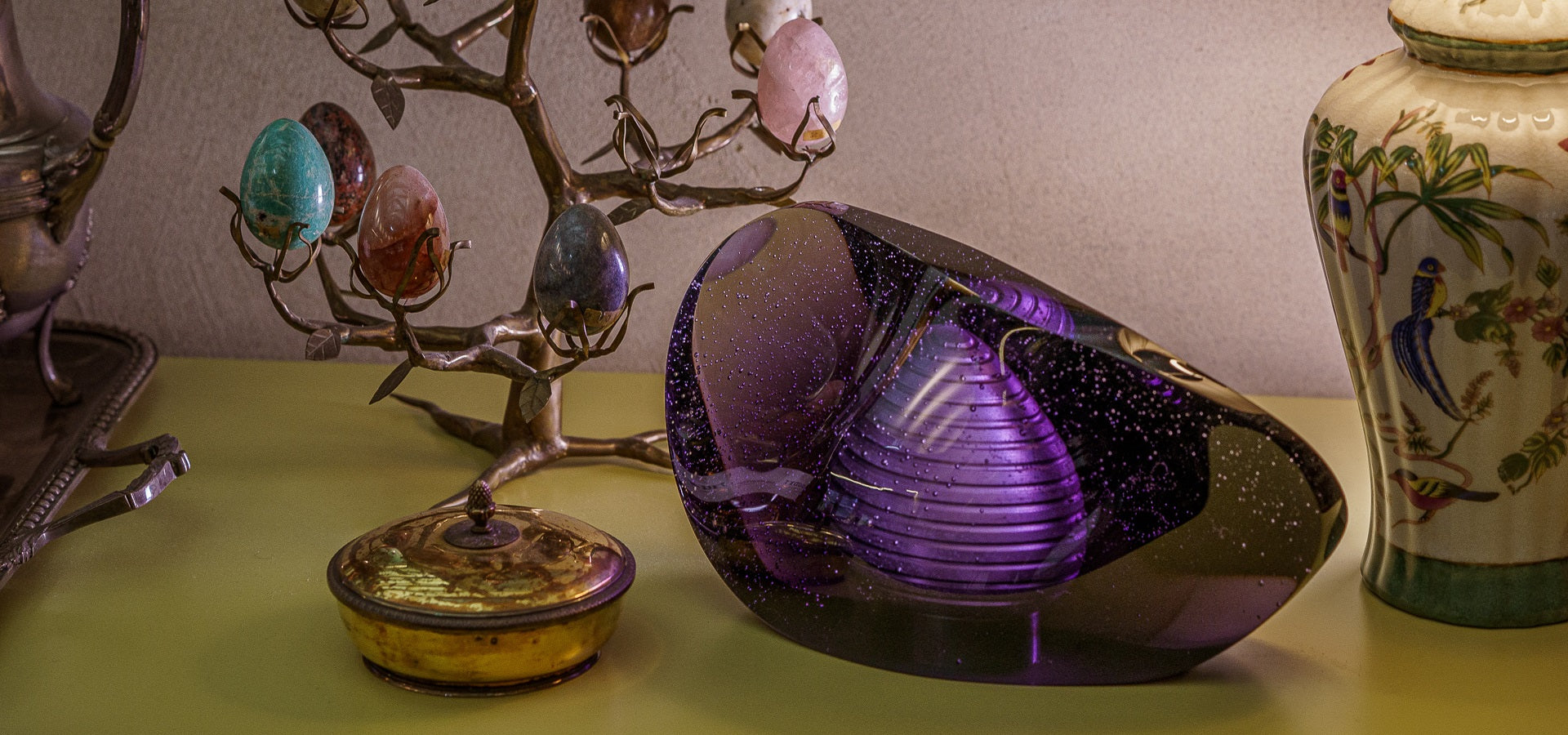
One of the most cherished qualities of handmade ceramic urns is that no two are ever the same. Variations in glaze flow, brushwork, carving, and firing create subtle differences that make each piece truly unique.For example, the handmade Pulvis “Passage” urn beautifully showcases the kind of organic glaze movement and artistic texture that only true studio craftsmanship can achieve: https://www.pulvisurns.com/pages/the-passage-cremation-urn-for-ashes
These aren’t imperfections—they’re the fingerprints of craftsmanship. Many families find comfort in knowing their loved one’s urn is one-of-a-kind, just like the life it represents.
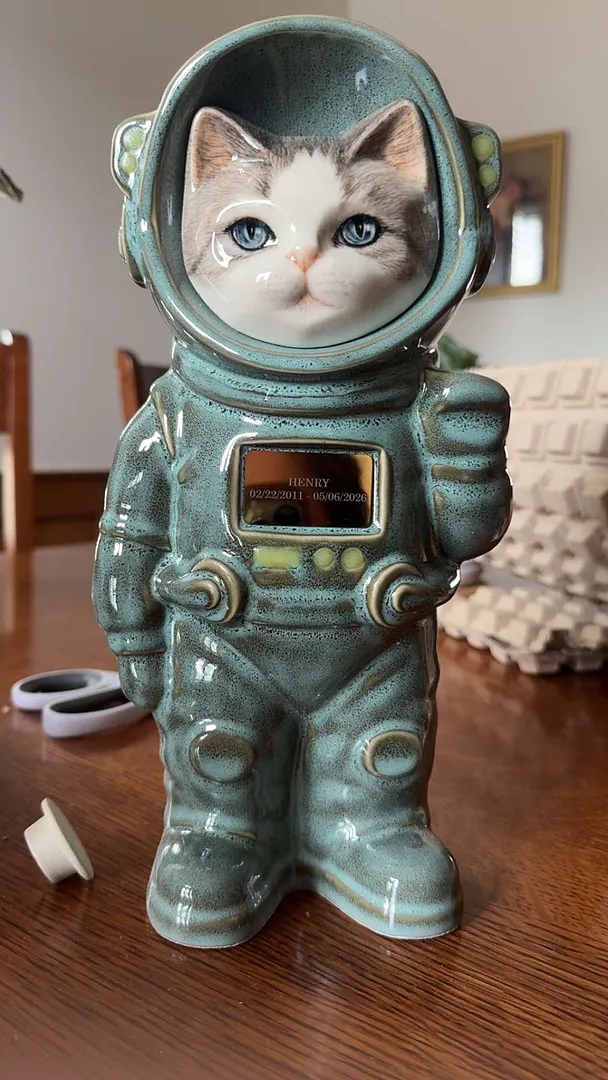
Working with an artisan also opens the door for personalization. Whether it’s a carved paw print for a handmade pet cremation urn, a favorite color glaze, or a meaningful quote, artists can usually incorporate custom elements that factory urns don’t offer. Pulvis also offers custom-decorated ceramic urns, allowing families to request hand-painted motifs, personalized details, or pet-specific designs crafted by their artists: https://www.pulvisurns.com/pages/custom-decorated-pet-urns
Common customization options include:
Names, dates, song lyrics, or inscriptions
Symbolic motifs (like trees, hearts, mountains, or paw prints)
Size adjustments for humans, pets, or companion urns
Coordinated sets for family members
These thoughtful touches transform an urn from an object into a true memorial piece.

There’s something very special about knowing an urn was made by someone who understands the weight of what they’re creating. Many potters who make artisan memorial urns take pride in crafting pieces that will hold a lifetime of memories.
Families often tell artisans about the loved one or pet they’re memorializing. That personal connection infuses the creation process with meaning, and you can feel that intention in the final piece.
Because handmade urns look like art rather than industrial products, they fit naturally into homes, memorial shelves, gardens, or sacred spaces. Their soft lines, natural textures, and earthy glaze palettes offer a sense of peace wherever they’re displayed.
For many families, choosing a handmade urn ensures the vessel looks comforting—not clinical or mass-produced.
The nonprofit Art Therapy Resources notes that surrounding yourself with meaningful, beautiful objects—like handmade ceramic urns—can offer comfort and support during the grieving process: https://www.arttherapyresources.com.au/

Factory urns are typically made from materials chosen for affordability: thin metals, resin blends, plastics, or composites. These can warp, dent, or discolor over time.
Handmade ceramic urns, on the other hand, are fired at extremely high temperatures—sometimes over 2,300°F. This process vitrifies the clay, turning it into a durable, stone-like material that can last for centuries.
An artisan will also inspect the piece multiple times as they work, catching flaws long before the urn ever leaves their studio. The level of quality control is simply unmatched.
Ceramic artisans put great care into ensuring a secure, stable closure. Depending on the design, this may include:
A precisely fitted lid
A cork or rubber gasket
Optional permanent sealing
Mass-produced urns often rely on standardized lids that may not fit as securely. With handmade pieces, every detail is crafted intentionally, giving families peace of mind. Pulvis even offers their distinctive INNER COATING® option, designed to enhance the urn’s long-term safety and interior protection: https://www.pulvisurns.com/pages/inner-coating%C2%AE-by-pulvis

One of the underrated ceramic urn benefits is sustainability. Pulvis highlights this commitment in their Masterpiece Materials Collection, where each ceramic urn is created using eco-conscious clays and mineral-based glazes: https://www.pulvisurns.com/pages/masterpiece-urns-by-material. Clay is natural, abundant, and biodegradable in its raw state. Many potters also use mineral-based glazes that contain far fewer chemicals than those used in industrial production.
You’re not buying something mass-manufactured with heavy machinery—you’re choosing a piece created from earth, water, fire, and human skill.
Purchasing artisan urns ceramic supports real people: studio artists, small family businesses, and local makers. These artisans tend to prioritize ethical sourcing and waste-reducing practices. Their studios produce only small batches, which means lower environmental impact and higher transparency.
You know exactly who made your urn, how it was created, and where it came from—something that can be incredibly meaningful during a time of loss.

A handmade ceramic urn isn’t just a container; it’s a piece of art, a personal tribute, and a source of comfort. It reflects the uniqueness of the person or pet it memorializes. It carries the story of the hands that shaped it. And it offers a level of beauty, durability, and emotional depth that mass-produced alternatives simply cannot match.
Whether you’re choosing an urn for a loved one or selecting one of the many beautiful handmade pet cremation urns, an artisan-made piece ensures the memorial feels honest, heartfelt, and truly special. If you or your family are navigating loss, organizations like HelpGuide offer compassionate guidance on grief, healing, and remembrance: https://www.helpguide.org/articles/grief/coping-with-grief-and-loss.htm

¿Qué tamaño de urna necesito?
Regla sencilla: aprox. 1 litro de capacidad por cada 28 kg de peso corporal.
Cada página de producto indica la capacidad de la urna. Las urnas recuerdo guardan una pequeña parte de las cenizas para compartir.
¿Lo necesita para una fecha concreta?
Envío gratuito · Entrega en 3–5 días hábiles
Envío exprés en hasta 3 días hábiles: elígelo al finalizar la compra
¿Necesita ayuda para elegir?
Hable con nuestro equipo: le ayudaremos a encontrar la urna adecuada.
(562) 609-4019 art@pulvisurns.comEnvíenos un mensaje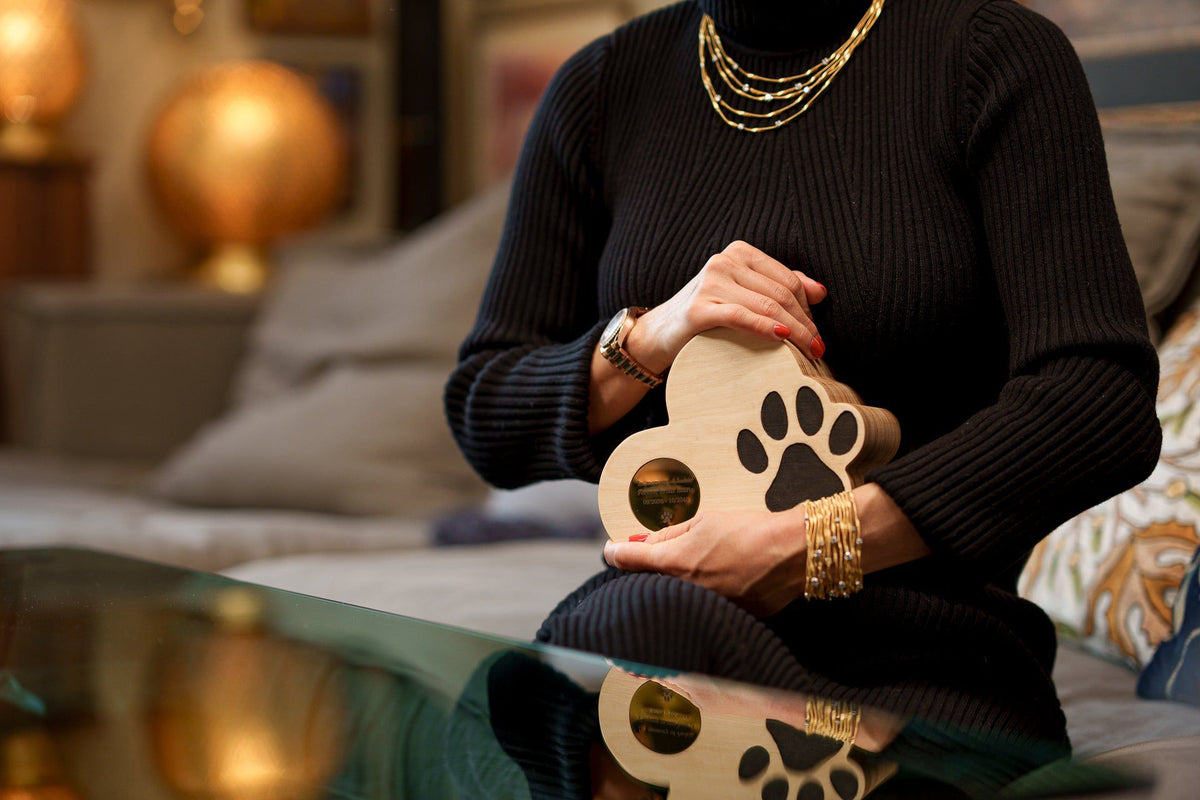
Can You Grieve a Life That Never Had Words?
Discover why losing a beloved pet can be so profound, how wordless bonds shape our lives, and how Pulvis Art Urns brings craftsmanship and thoughtful design to the art of remembering an animal companion.
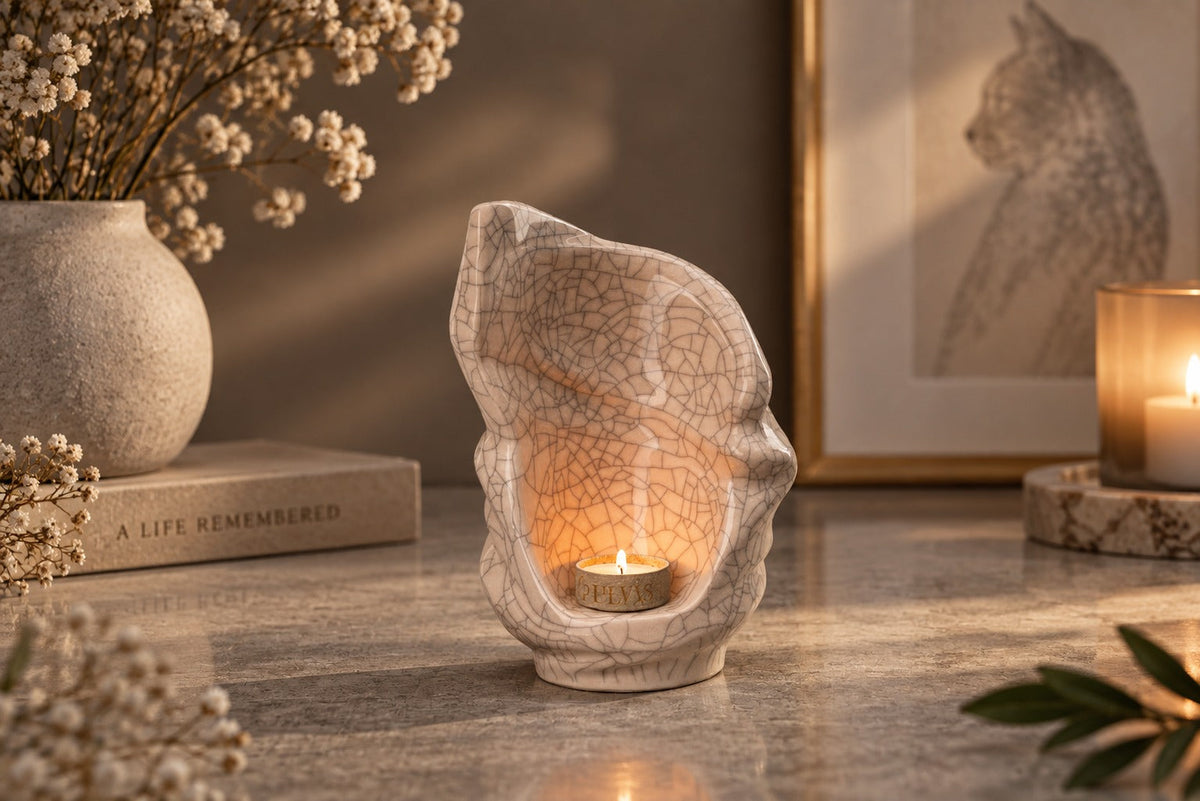
What Does the Bible Say About Cremation?
Explore what the Bible says about cremation, Christian beliefs about resurrection, and meaningful ways to honor a loved one’s memory through a thoughtful memorial.
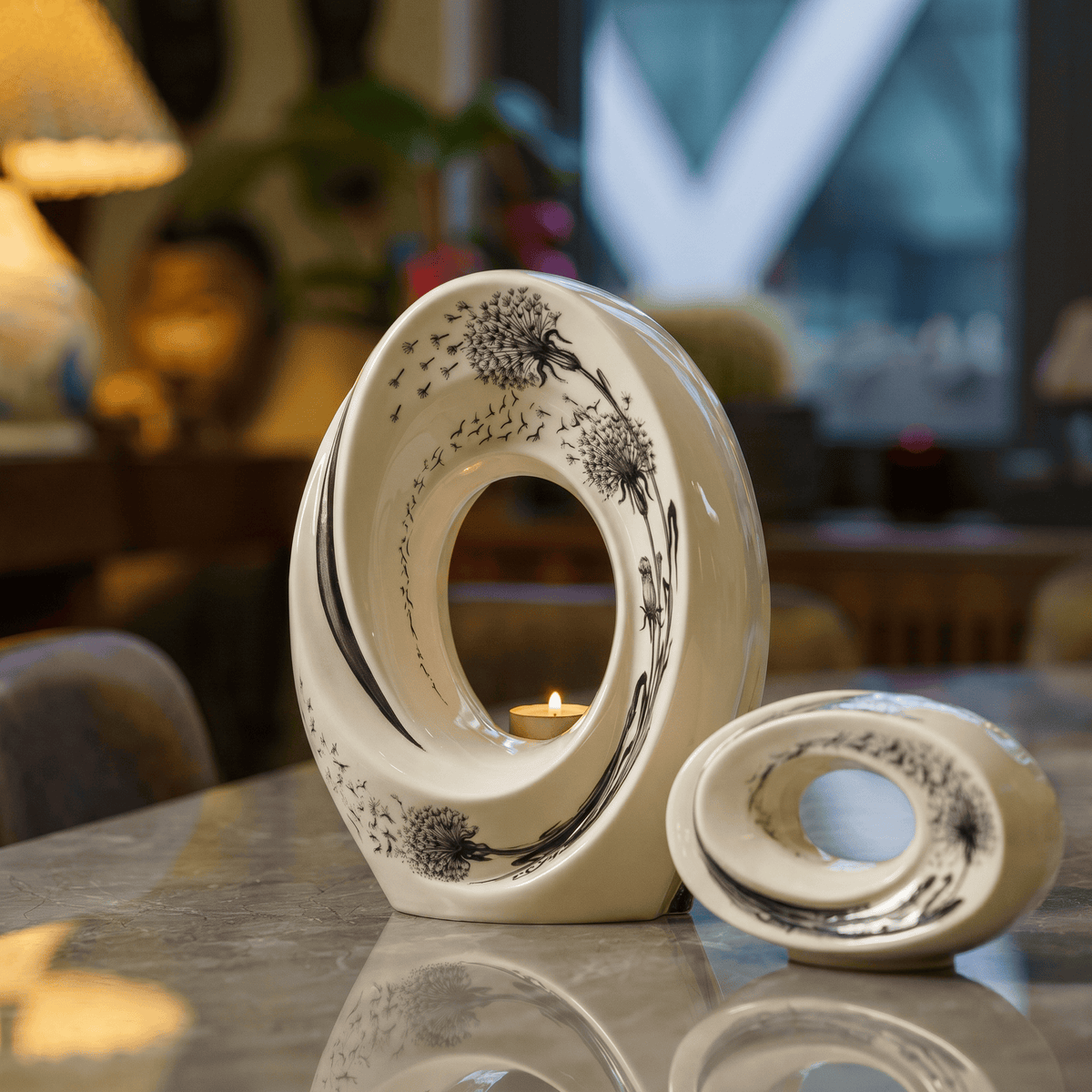
Why Do People Light Candles for the Dead?
Discover the meaning behind lighting candles for the dead, exploring the traditions, beliefs, and emotions that make this simple ritual a lasting expression of remembrance, comfort, and connection within the home.

The Pet as a Witness to a Human Life
Our pets witness far more of our lives than we realise. Explore what it means for an animal to become a quiet witness to our changing homes, relationships, routines and identities — and how a memorial urn can remain as a physical connection to the life they witnessed.

Can You Inherit a Pet’s Memory?
Can we remember a pet we never knew? Explore how stories, photographs, objects and memorials can carry an animal’s memory across generations, turning a private life into part of a family’s shared history.


Compartir:
Ceramic Memorial Urns That Serve Both Humans & Pets
Understanding the Modern Cremation Process