

Here for you: art@pulvisurns.com | (562) 609-4019
Choosing a final resting place for a loved one is a deeply personal process that combines emotional reflection with practical considerations. Families are often faced with an important decision: whether to choose memorials produced in large quantities using automated manufacturing processes or those individually crafted by skilled artisans. Each option offers unique advantages that align with different memorial preferences, design styles, and family traditions.
This guide explores the distinct characteristics of these two production methods as they relate to cremation urns for ashes. By understanding differences in construction quality, design flexibility, and material selection, families can make an informed choice that respectfully honors their loved one while supporting long-term preservation and personal meaning.

Mass-produced vessels are manufactured using standardized industrial processes, often in large factory settings. These methods allow for the creation of a high volume of products with a very high level of consistency in their physical appearance. This approach is frequently utilized for popular, classic designs that families recognize from funeral home showrooms or large-scale online catalogs.
The primary appeal of these options is their accessibility and predictability. Because they are made in batches using molds or machine-driven lathes, the final product usually looks exactly like the photograph provided at the time of purchase. This can be particularly reassuring for families who want a specific look without any unexpected variations in color, size, or texture during a stressful time.
· High Consistency: Automation ensures that every piece in a specific product line has the same exact dimensions and finish quality.
· Efficient Availability: These items are typically kept in large inventories, meaning they can be delivered quickly for immediate memorial services.
· Affordability: Large-scale manufacturing lowers the cost per unit, making these a helpful choice for those managing strict budget requirements.
· Simplified Selection: With standardized sizing, it is often easier to quickly match the urn capacity to the requirements of the remains.

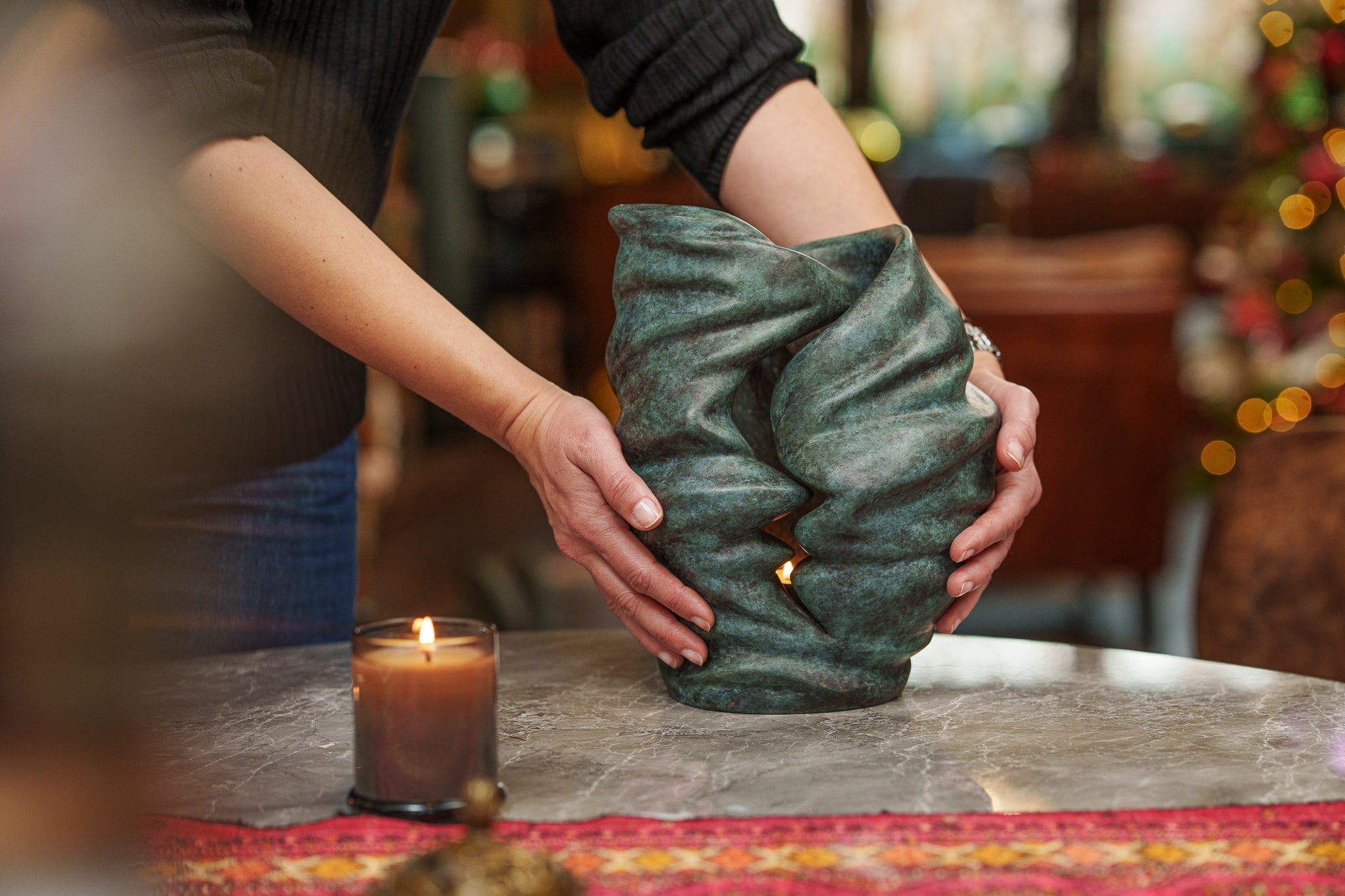
Handmade cremation urns for ashes are created by individual artists, master potters, or small specialized studios. These vessels are often formed using traditional techniques such as pottery wheel throwing, hand-sculpting, or custom metal fabrication. The focus of this production style is not on speed or volume, but on the artistic process and the creation of a singular, meaningful tribute.
Crafted memorials carry a sense of human touch that many find deeply comforting during the grieving process. Because they are not made on an assembly line, the artisan can pay close attention to the structural integrity and the finer details of the finish. This results in a piece that feels more like a unique work of art or a gallery-quality sculpture than a mass-market container.
· Material Integrity: Artisans often hand-select premium grade materials, such as specific clay bodies or high-end metals, that provide a substantial feel.
· Distinctive Details: Hand-applied glazes, oxidation processes, or hand-carved textures ensure that no two pieces are exactly alike.
· Personal Connection: Knowing that a person spent hours of focused attention on the creation of the vessel can add a layer of sentimental value.
· Sustainable Practices: Small-batch artisan production often has a smaller environmental footprint compared to large-scale industrial manufacturing

When evaluating mass vs handmade options, it is helpful to look at how they perform across various categories. While both serve the same fundamental purpose of protecting remains, the experience of owning and displaying them can differ significantly based on the production method.
The following table provides a quick reference for the primary differences between these two styles of memorial vessels, helping you identify which factors align best with your family's needs.
|
Feature |
Mass-Produced Options |
Handmade Artisan Urns |
|
Production Speed |
Very fast, usually ships immediately |
Longer, often requires 2 to 6 weeks |
|
Design Uniqueness |
Low, many identical units exist |
High, every piece has unique traits |
|
Standardized metals and resins |
Premium ceramics, glass, and wood |
|
|
Limited to surface engraving |
Can include custom shapes and glazes |
|
|
Consistency |
High, identical to stock photos |
Moderate, natural variations occur |
|
Tactile Feel |
Uniform and smooth |
Textured and substantial |

The discussion of cost vs value is central to selecting a memorial. While cost refers strictly to the initial price paid, value represents the longevity, emotional resonance, and satisfaction the family receives over the years. A memorial that lasts for decades and brings daily comfort can be seen as having high value regardless of the initial price point.
Handmade options generally represent a higher initial investment because they require skilled labor, expensive kiln firings, and significantly more time to produce. However, many families find that the uniqueness and artistic quality provide a deeper sense of peace and a more fitting tribute to a unique life. Standardized options provide excellent value for those who need a respectful, well-made vessel at a lower price point, allowing funds to be allocated toward other aspects of a memorial service or a charity donation in the loved one's name.

Ensuring the safety and preservation of the remains is a top priority for any family. Both production methods can produce durable results, but the durability often depends on the specific materials used and the environment where the vessel will be kept for the long term.
Standardized urns are often made of aluminum, brass, or composite resins. These materials are naturally sturdy and resistant to impact. However, some mass-produced finishes may be prone to scratching or peeling over several years if the protective lacquer is thin. They are best suited for stable indoor environments where they will be kept in a niche or on a shelf and not handled frequently.
Artisan urns crafted from high-fired ceramics or heavy-gauge metals are built to last for generations. Artisans frequently utilize thicker materials and specialized sealing techniques to ensure the vessel remains airtight and structurally sound. Because these pieces are designed with heirloom quality in mind, they are often capable of being passed down through a family while maintaining their original aesthetic appeal and structural integrity.

The process of choosing a vessel often serves as a significant step in the mourning journey. For some, the efficiency of a mass-produced urn provides a sense of order and quick resolution during a chaotic time. For others, the search for a handmade piece acts as a creative outlet for their grief, allowing them to channel their love into finding a one-of-a-kind object that matches the person they lost.
When a memorial sits in a home, it becomes part of the daily environment. An artisan piece may spark conversations about the loved one’s unique taste, while a classic mass-produced design may offer a quiet, dignified presence that brings a sense of traditional honor. Neither choice is inherently better, but the emotional "fit" of the urn is a factor that should not be ignored.
Both mass-produced and handmade cremation urns for ashes offer a respectful and meaningful way to honor a loved one’s memory. The right choice depends on whether you prioritize the convenience and consistency of factory-made designs or the individuality and artistic character of a handcrafted piece. By considering durability, long-term value, and personal significance, you can select a memorial that provides lasting comfort and truly reflects a life well lived.
Above all, the urn should feel right to those who cherish the memory it represents. Whether simple or intricately crafted, the best memorial is one that brings peace, dignity, and remembrance for years to come. If you need guidance in choosing the right option, please Contact Us for personalized assistance.
Is a handmade cremation urn for ashes always better than a mass-produced one?
Not necessarily. Handmade urns offer uniqueness and artistic value, while mass-produced urns provide consistency, faster availability, and are often more budget-friendly. The best choice depends on what matters most to you.
How does the production process affect the uniqueness of the memorial?
Mass-produced urns are made in large quantities and look nearly identical, while handmade urns feature natural variations in color, texture, and finish. These details make a handcrafted memorial truly one of a kind.
What should I consider when comparing cost vs value?
Consider whether the urn will be a long-term display piece or a more practical container. While handmade urns may cost more upfront, many families feel their craftsmanship and emotional significance add lasting value.
Are handmade urns as durable as factory-made urns?
Yes, and often more so. Artisans carefully inspect and reinforce each piece during creation, and when made from quality materials like ceramic or metal, handmade urns can last for generations.
Which type of urn is better for long-term indoor display?
Both can work well, but handmade urns are often preferred for visible indoor displays because of their artistic detail and heirloom-quality appearance, while mass-produced urns suit more traditional or discreet settings.

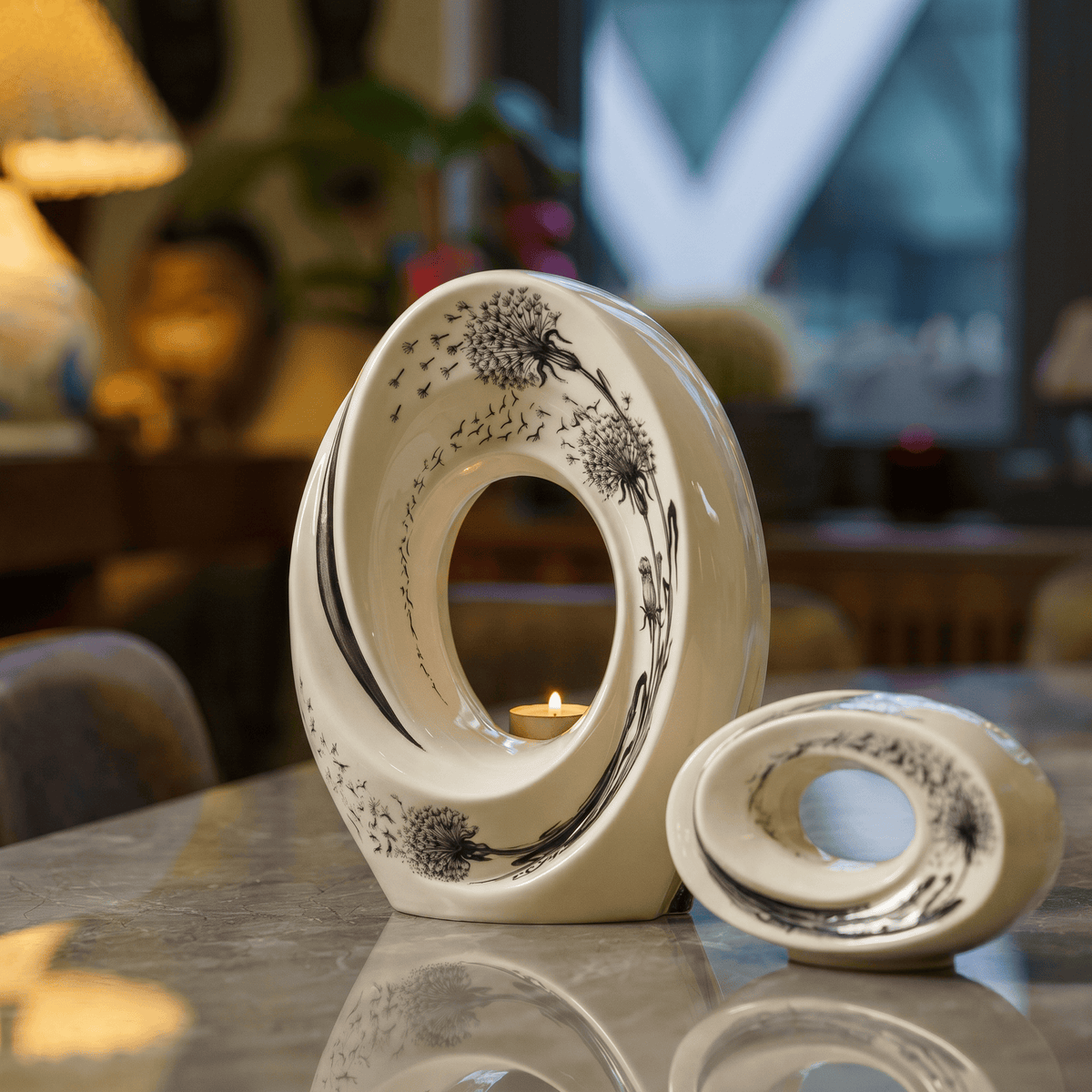
Why Do People Light Candles for the Dead?
Discover the meaning behind lighting candles for the dead, exploring the traditions, beliefs, and emotions that make this simple ritual a lasting expression of remembrance, comfort, and connection within the home.

The Pet as a Witness to a Human Life
Our pets witness far more of our lives than we realise. Explore what it means for an animal to become a quiet witness to our changing homes, relationships, routines and identities — and how a memorial urn can remain as a physical connection to the life they witnessed.

Can You Inherit a Pet’s Memory?
Can we remember a pet we never knew? Explore how stories, photographs, objects and memorials can carry an animal’s memory across generations, turning a private life into part of a family’s shared history.
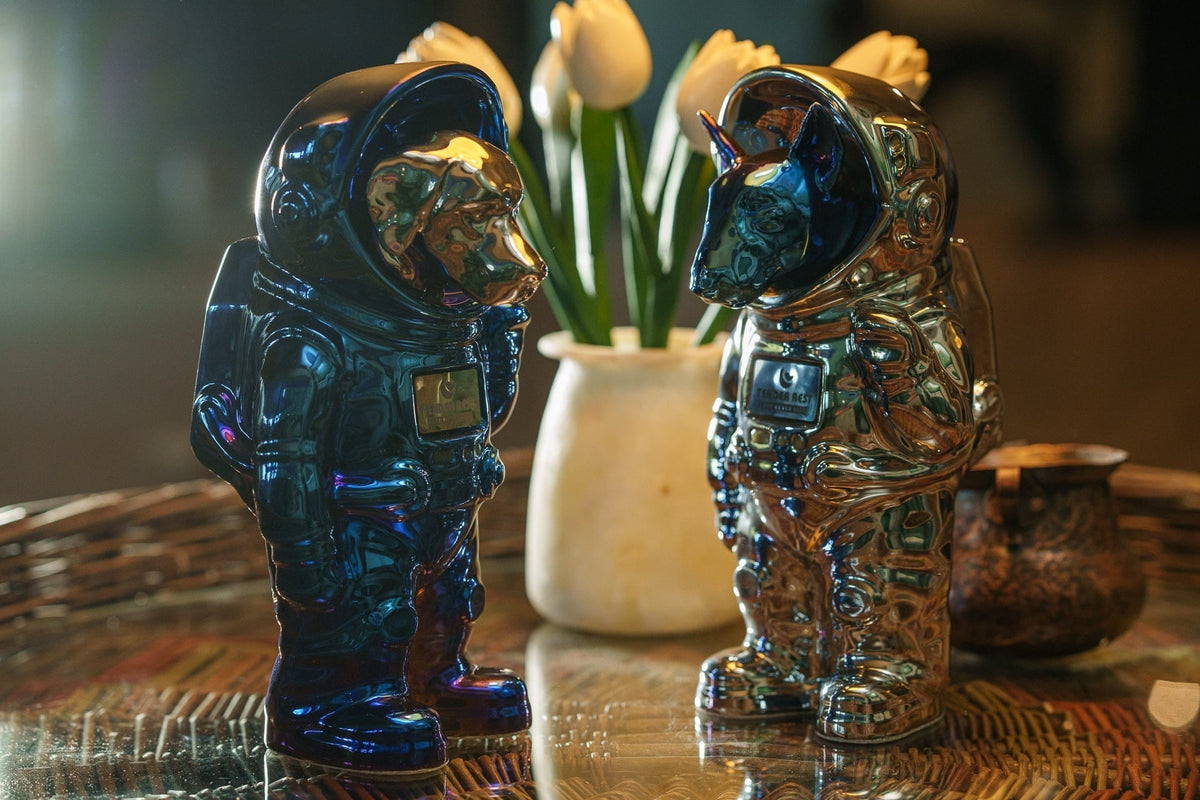
What a Pet Teaches Us About Impermanence
Living alongside a pet teaches us that the most meaningful parts of life are often temporary. Explore how animals shape our understanding of time, impermanence a quiet, lasting expression of what remains.
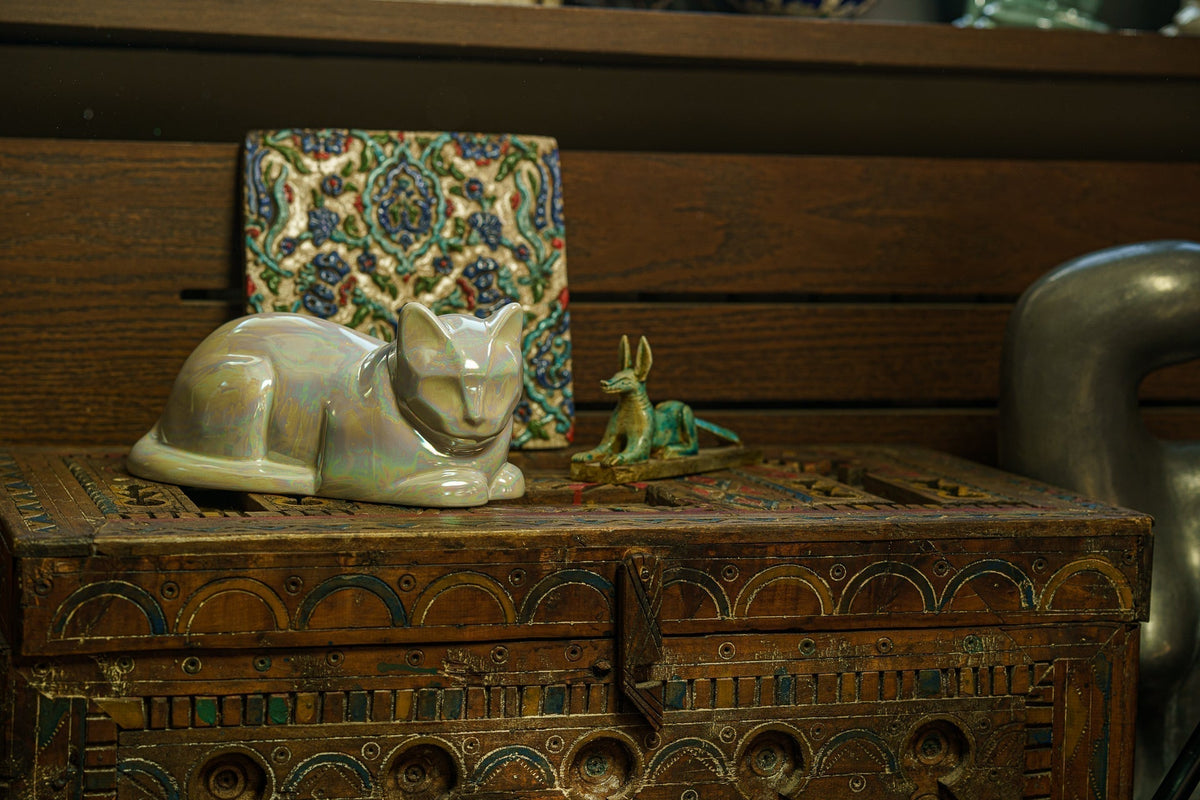
Why the Best Pet Memorials Don't Always Look Like Pet Memorials
The most meaningful pet memorials do not always rely on familiar symbols. Discover how contemporary pet urn design uses form, material, colour, and craftsmanship to create personal memorials that quietly belong within the home.


Compartir:
Urn for a Cat: Style, Size and Personalization Tips
Funeral Merchandise Cost Guide 2026: Understanding Caskets, Urns, and More