


Here for you: art@pulvisurns.com | (562) 609-4019
7% de descuento en tu pedido
Usa el código al finalizar la compra:
Navigating the intricate world of funeral merchandise costs can feel overwhelming, but our Funeral Merchandise Cost Guide 2026 is here to clarify the expenses associated with caskets, urns, and other memorial items. Whether you are pre-planning or arranging a loved one’s funeral, having a clear understanding of the pricing landscape can provide peace of mind during a difficult time. In this guide, we explore the latest trends, updated cost ranges, and practical insights to help you make informed decisions without exceeding your budget. From traditional caskets to eco-friendly urns, we cover a range of options while highlighting cost-effective alternatives that maintain dignity and sentiment.
 Understanding the costs associated with funeral merchandise is crucial for anyone facing the challenging task of planning a funeral. Merchandise typically includes caskets, urns, memorial products, and related services, each varying significantly in price depending on material, design, and the retailer’s pricing structure. In 2026, the average cost of a funeral in the United States is projected to range from approximately $8,000 to $13,000, depending on the level of service and items chosen. Casket costs generally start around $2,500 for basic models and can exceed $12,000 for premium options. Urns, depending on their materials and craftsmanship, usually range from $120 to $3,500. These figures are averages and may fluctuate based on location, specific funeral homes, and the degree of personalization a family desires. Some families may opt for simpler services to keep costs manageable, while others choose more elaborate arrangements that naturally increase expenses. Understanding these ranges empowers families to make informed choices that honor their loved ones without causing financial strain.

The type of material used in caskets or urns plays a major role. Caskets can be constructed from wood, metal, or biodegradable materials, each carrying its own price range. Luxurious hardwoods such as mahogany or walnut typically cost more than pine or composite options, while metal caskets made from steel, stainless steel, or copper vary in price depending on weight and craftsmanship. Similarly, urns crafted from metal, ceramic, or wood, or designed with intricate patterns, command higher prices. Personalization is another factor; families often seek custom engravings, unique designs, or shapes that reflect the personality of the deceased, and these choices can add to the overall cost. Geographical location also affects pricing, with urban areas generally exhibiting higher costs due to demand and operational expenses, while rural areas may offer more affordable options.
Caskets come in a wide range of styles, materials, and price points. Wooden caskets, such as those made from oak, cherry, or walnut, typically range from $2,500 to $5,500, depending on the wood type and craftsmanship. Metal caskets, including steel and stainless steel models, can cost anywhere from $2,000 to more than $12,000, with heavier gauges generally commanding higher prices. Eco-friendly caskets have grown in popularity, made from sustainable materials such as bamboo, wicker, or recycled paper, and usually range from $1,200 to $4,000. While these options may differ in appearance from traditional caskets, they offer a meaningful alternative for families seeking to reduce their environmental footprint. Budget-conscious options are also available, with basic caskets starting around $900 to $1,800, still providing a respectful and dignified choice for services. Funeral directors can often suggest options that balance quality with budget limitations.

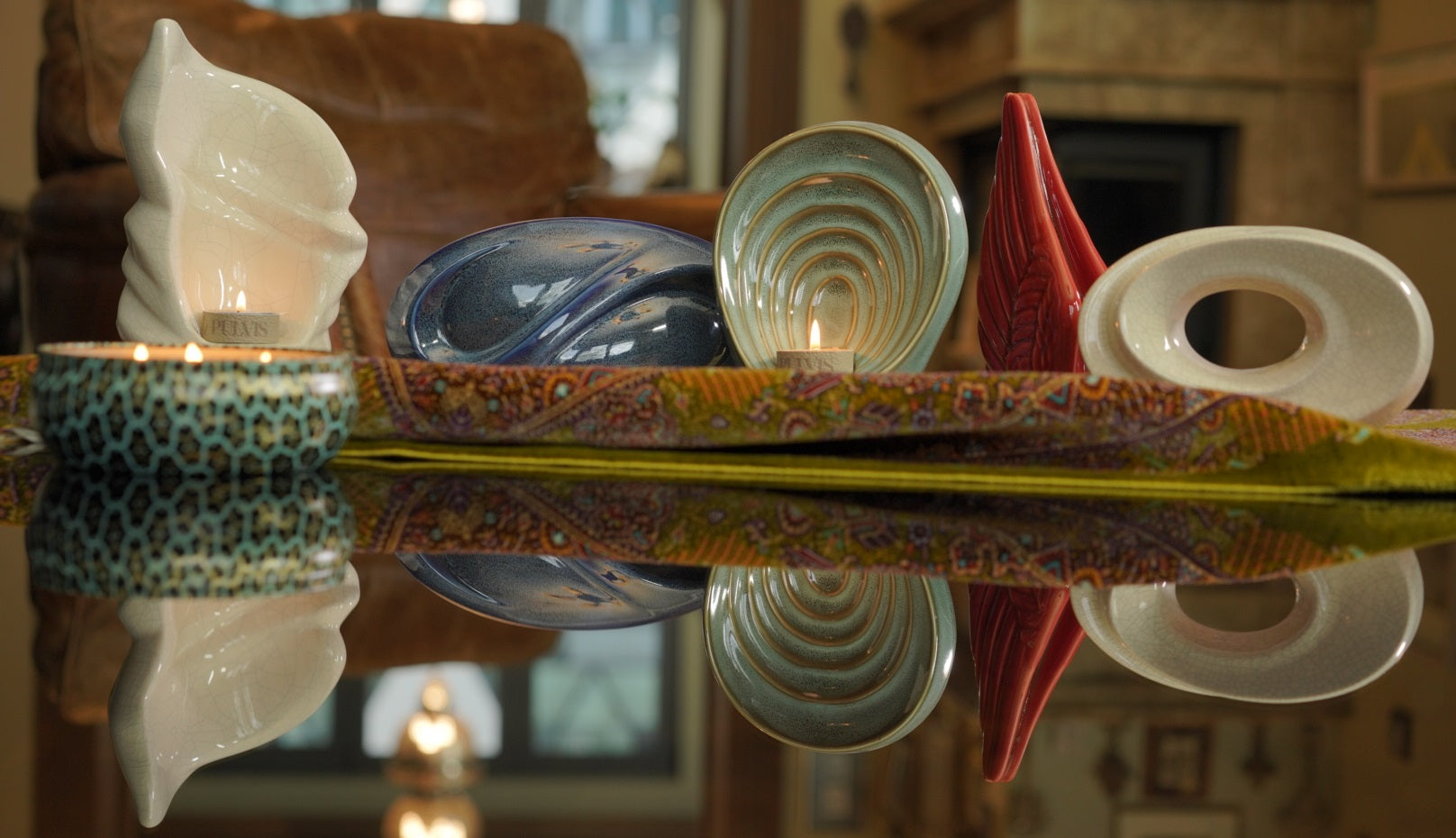
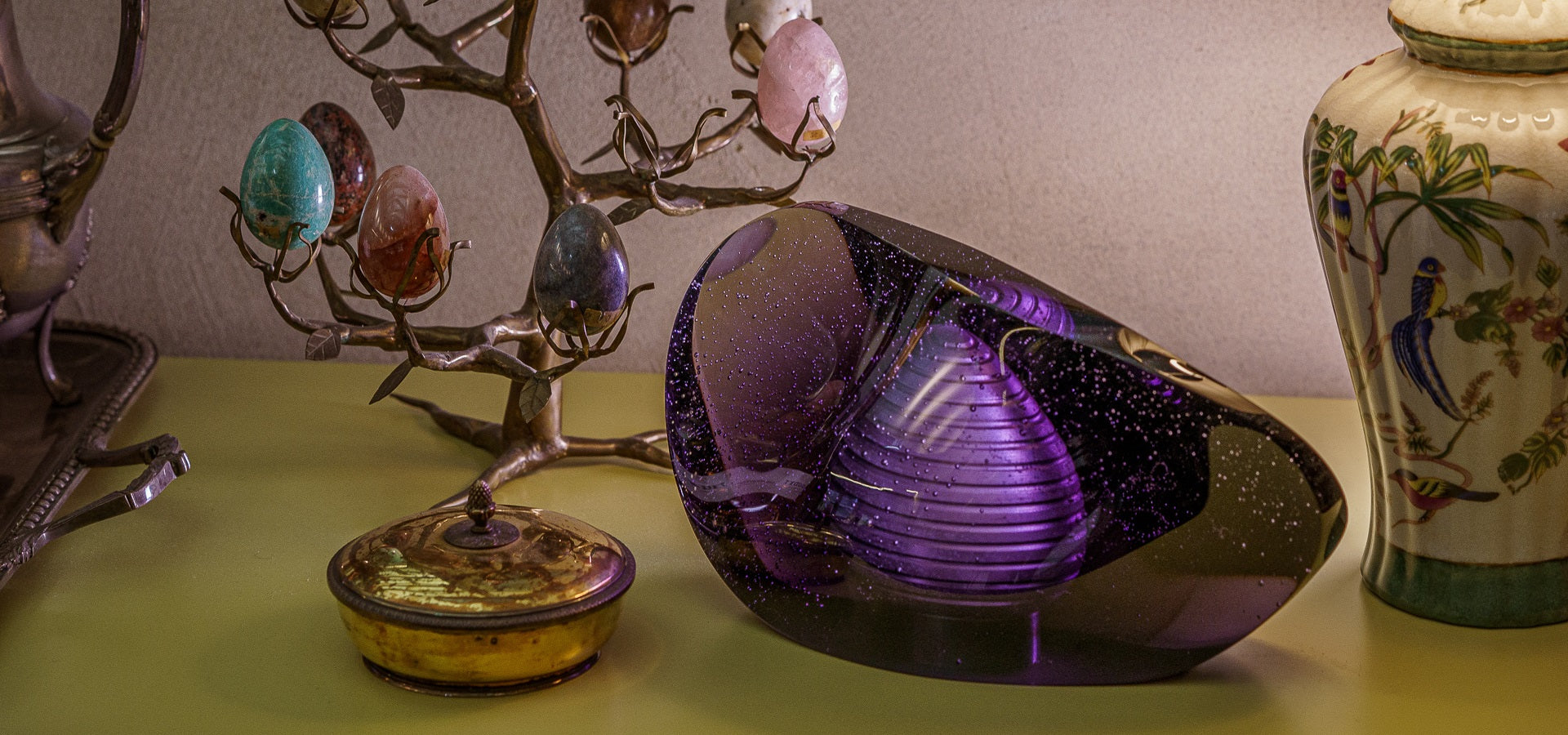
The material, size, and design are key factors, as urns can be crafted from metal, wood, ceramic, or biodegradable substances, each providing unique aesthetics and qualities. The size of an urn is also important, as standard adult urns typically hold about 200 cubic inches of ashes, while smaller keepsake urns are suitable for sharing among family members or for those seeking to store only a portion of the ashes. Design options range from traditional to modern or artistic, with some urns reflecting hobbies, interests, or favorite colors of the deceased. Prices for urns in 2026 range from $120 for simple designs to $3,500 for intricate handcrafted pieces, offering families a balance between sentiment and financial considerations.
Beyond caskets and urns, families often explore additional funeral merchandise to enhance the memorial experience. Memorial jewelry, for example, can incorporate a small portion of ashes or bear engravings of names and dates, providing a constant reminder of a loved one and ranging from $50 to $550 depending on materials and design. Keepsake boxes allow for the storage of personal items, letters, or photographs, offering a meaningful way to preserve memories, with prices ranging from $30 to several hundred dollars based on size and craftsmanship. Personalized grave markers are increasingly popular as families seek unique tributes. These can range from traditional headstones to modern memorials incorporating photographs or artistic designs, costing anywhere from a few hundred dollars to several thousand for custom creations.

Eco-friendly products continue to gain traction, with biodegradable urns and sustainably made caskets reflecting a growing desire to minimize environmental impact. Personalization remains highly sought after, with families increasingly choosing custom caskets, urns, and memorial products to honor the individuality of the deceased. Technology has also become a significant factor, with virtual memorial services, online tributes, and digital guestbooks allowing families to connect and celebrate lives remotely, blending tradition with modern convenience.
Budgeting for funeral merchandise requires careful planning and thoughtful prioritization. It begins with determining the total amount available to spend, including the cost of caskets or urns, additional merchandise, and associated service fees. Families should prioritize elements that are most meaningful to them, allocating larger portions of the budget to key items while limiting spending on less critical details. Exploring a variety of purchasing options, including online retailers, can provide broader selection and potentially lower costs. Negotiating with funeral homes is also worthwhile, as many are willing to accommodate budgets when families are informed and proactive.
When deciding between online and in-store purchases, families face different considerations. In-store shopping allows for a tactile experience, letting buyers see and touch items while benefiting from the guidance of knowledgeable staff. Online shopping, however, offers convenience, accessibility, and often lower prices, with the added advantage of comparing multiple options without pressure. Families can select the approach that best suits their needs and comfort, ensuring they find meaningful merchandise while remaining within budget.
Customization has become a central element in funeral merchandise, allowing families to create tributes that reflect the life and personality of their loved ones. Personalized engravings, unique shapes, colors, or materials can all add significance and emotional value. While customization often adds to the overall cost, it can make memorial items profoundly meaningful. Families are encouraged to discuss available options with funeral directors or retailers to explore cost-effective ways to achieve a desired outcome.

Navigating funeral merchandise costs in 2026 can be challenging, but informed planning and understanding of the options available can make the process more manageable. Balancing sentiment with financial considerations allows families to honor their loved ones respectfully and thoughtfully. By familiarizing themselves with costs, trends, and personalization opportunities, and by carefully considering both online and in-store purchasing, families can create lasting memorials that celebrate life and legacy while remaining mindful of their financial resources. Knowledge, preparation, and compassion are essential tools that help transform the difficult task of planning a funeral into an opportunity for meaningful remembrance.

¿Qué tamaño de urna necesito?
Regla sencilla: aprox. 1 litro de capacidad por cada 28 kg de peso corporal.
Cada página de producto indica la capacidad de la urna. Las urnas recuerdo guardan una pequeña parte de las cenizas para compartir.
¿Lo necesita para una fecha concreta?
Envío gratuito · Entrega en 3–5 días hábiles
Envío exprés en hasta 3 días hábiles: elígelo al finalizar la compra
El precio que ves es todo lo que pagas, sin gastos de importación.
¿Necesita ayuda para elegir?
Hable con nuestro equipo: le ayudaremos a encontrar la urna adecuada.
(562) 609-4019 art@pulvisurns.comEnvíenos un mensaje
Can Animals Sense When Another Animal Is Dying? What Science Reveals About Their Awareness
Can animals sense when another animal is approaching death? From dogs' extraordinary ability to detect changes in scent to elephants' responses to dying companions, scientific research reveals how animals recognise illness, respond to changes in their social environment and react to death.
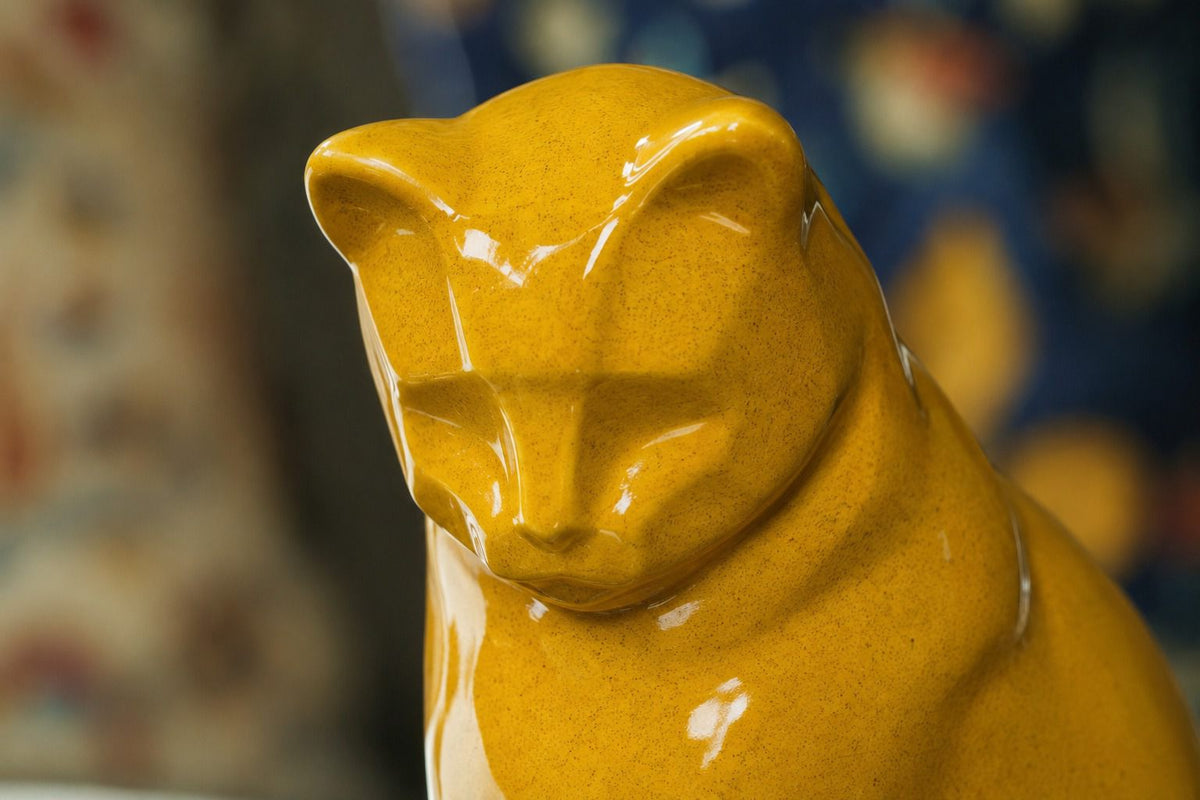
Who Regulates the Pet Aftercare Industry? Understanding the Rules Behind a Final Goodbye
Pet aftercare is often treated as a matter of trust, but who ensures that cremation providers handle animals' remains responsibly? From European legislation and voluntary industry standards to licensing requirements in the United States, this article examines the regulations, gaps and questions surrounding an industry that deserves greater transparency.

What Happens When a Pet's Ashes Are Not Collected?
What happens when a pet's ashes are never collected? Discover how crematoriums handle unclaimed remains, what owners should know about collection policies and what options may be available.

The Guilt of Feeling Better After Losing a Pet
Feeling better after losing a pet can bring unexpected guilt. Discover why happiness does not diminish the bond you shared and how grief changes over time.
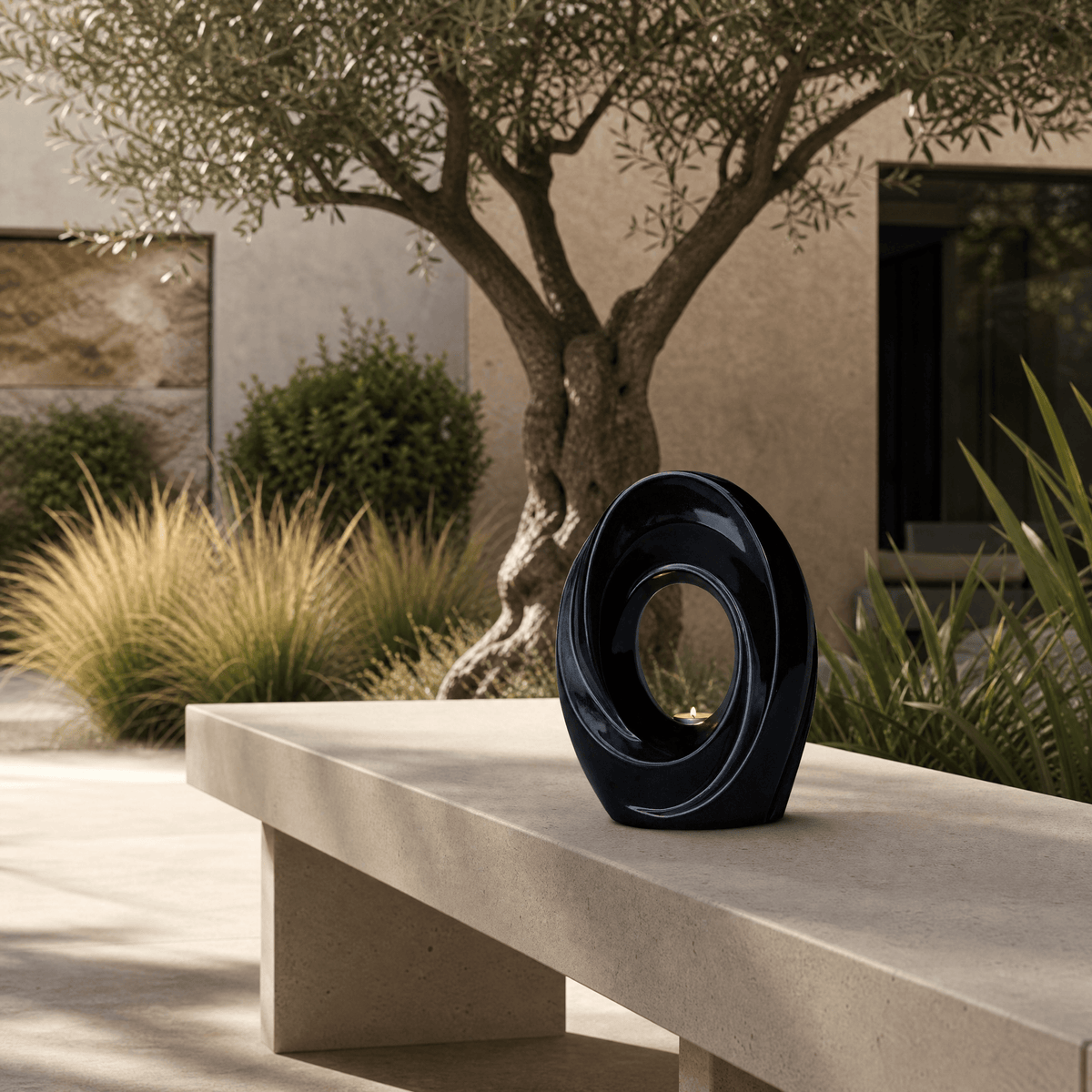
What Is the Best Material for a Cremation Urn?
Discover the best material for a cremation urn by comparing ceramic, metal, wood, glass, and biodegradable options to find a meaningful, lasting memorial for your loved one.


Share:
Mass-Produced vs Handmade Cremation Urns: Top Things to Know
Easy Guide to Funeral Homes in California