

Here for you: art@pulvisurns.com | (562) 609-4019
For many pet owners, a microchip is an important part of their pet’s identification. It accompanies a dog, cat, or other companion throughout their life and connects their identity with their family’s contact information.
But what happens when a pet passes away and the family chooses cremation?
What actually happens to the microchip during cremation?
It may seem like a very specific question, but it is a natural one for many pet owners. After a pet dies, families not only have to cope with their grief but also deal with practical questions surrounding cremation, ashes, and identification.
Understanding what happens to the microchip can help owners better understand the process and know what information or documents they may want to keep afterward.
A microchip is a small electronic identification device placed under a pet’s skin, usually between the shoulder blades. It is approximately the size of a grain of rice and contains a unique identification number.
The number can be read using a special scanner and is linked to information stored in a registration database, including details that can help identify the pet and contact its owner.
A microchip is primarily an identification device.
Importantly, it is not a GPS tracker. It cannot be used to locate a pet in real time.
During a pet’s life, however, a microchip can be extremely useful. If a lost pet is found and taken to a veterinarian or animal shelter, the chip can be scanned to identify the animal and potentially locate its owner.
During a pet’s lifetime, a microchip serves a practical purpose.
After the pet dies, it no longer serves that same function. However, its identification number may still be connected to the animal’s veterinary records and registration information.
For this reason, some families may want to keep their pet’s microchip information even after their companion has passed away.
The exact procedure depends on the country, the registration database, and the veterinarian or cremation provider involved.

A microchip is not designed to withstand the extremely high temperatures used during cremation.
During the cremation process, its electronic and other components are exposed to intense heat. As a result, the microchip is destroyed or significantly altered.
It therefore does not remain as a functioning microchip in the ashes.
Once the cremation has been completed, the chip can no longer be used as an identification device in the way it was during the pet’s life.
Specific procedures can vary between crematories and cremation services. If you have questions about how a particular microchip will be handled, it is best to ask the veterinarian or cremation provider directly.
This depends on the practices of the veterinarian or cremation provider.
In some circumstances, a veterinarian may remove the microchip before cremation if this is necessary or specifically requested.
In other cases, the chip remains in place during cremation and is destroyed by the high temperatures.
Pet owners should never attempt to remove an implanted microchip themselves.
If you would like the chip to be removed or preserved as a keepsake, discuss this with a veterinarian.
During an individual cremation, the pet is cremated separately so that the ashes returned to the family can be attributed to that particular animal.
The presence of a microchip does not necessarily change this principle.
The chip itself does not remain as a functioning identification device among the ashes.
Instead, the identification and tracking of the pet throughout the cremation process depend on the procedures and documentation used by the cremation provider.
If it is important to your family that the ashes are clearly associated with your pet, ask the cremation provider how they document and maintain identification before the cremation takes place.

During a communal cremation, several animals are cremated together.
In this type of cremation, the ashes are generally not returned individually to each family.
How microchips and other identification elements are handled depends on the cremation provider’s procedures.
If identification or the handling of the ashes is particularly important to you, it is worth asking the provider about the process before making arrangements.
No. The ashes should not be considered a way of preserving or reading the microchip’s identification number.
The microchip is a physical electronic device that is exposed to extremely high temperatures during cremation.
After the process, it is no longer functional.
If you want to preserve your pet’s identification number, it is better to record it before cremation or keep the documents where the number appears.
Yes.
For some families, the microchip number can become part of their pet’s personal history.
It could be written down in a memory book or kept with veterinary records and other documents.
At first, a number may seem like a purely practical detail. After the loss of a beloved pet, however, even small details can become meaningful.
The microchip itself may no longer be present after cremation, but the information associated with it can remain part of the pet’s story.

In many cases, it is advisable to notify the relevant registration database that the pet has passed away.
The exact procedure depends on the country and the database where the animal is registered.
A veterinarian may be able to explain how the registration should be updated.
Updating the record can help prevent the owner’s contact information from remaining associated with a pet that has passed away.
Identification documents can be kept together with other memories of your pet.
These may include veterinary records, identification certificates, adoption documents, or microchip registration information.
Some families keep these documents alongside a collar, tag, photographs, or a paw print.
Not everything needs to be kept. However, the small items that have a personal meaning can become valuable reminders of the animal over time.
If the microchip was removed by a veterinarian before cremation, a family may choose to keep it.
It may seem like an unusual keepsake, but for someone grieving a beloved pet, even a very small object can have emotional significance.
However, an implanted microchip should never be removed by the owner. If you would like to preserve it, discuss its removal with a veterinarian.

A microchip is a very small device, and its presence is something that professional cremation providers can take into account as part of their procedures.
However, practices can vary between crematories.
If your pet has any additional implants or medical devices, you should inform the veterinarian or cremation provider in advance.
This allows the professionals to determine how the relevant materials should be handled.
The microchip is only one small part of an animal’s life.
After a pet dies, families often have to decide what to do with its collar, tag, toys, bed, photographs, and other belongings.
Some items may be kept for many years.
Others may eventually be donated, given away, or stored.
There is no universally correct way to handle these belongings. Each family can decide which objects feel meaningful enough to keep.
For many families, the ashes become one of the most important physical reminders of their pet after cremation.
They may be kept in an urn at home or placed in a memorial location, where permitted.
Choosing an urn can also become a personal part of the farewell.
Some people prefer a traditional and understated urn. Others look for something that reflects their pet’s personality or the importance of the relationship they shared.
A pet urn does not necessarily have to look like a traditional funeral object.
For many families, it is important to choose something that feels natural in their home while still serving as a meaningful reminder of their companion.
The shape, material, texture, and design can all contribute to turning an urn into a personal memorial object.
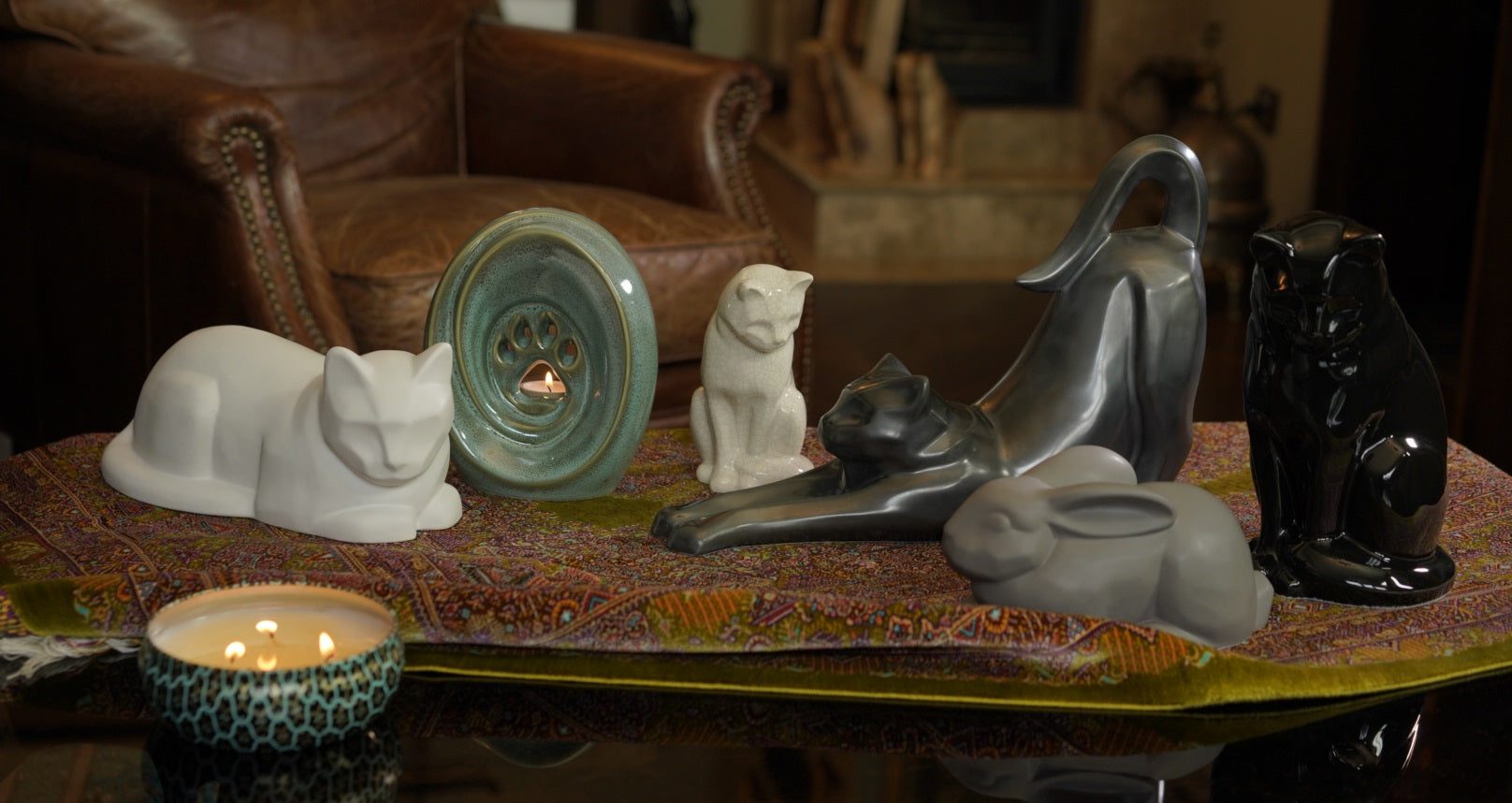
Pulvis creates handcrafted memorial urns that combine design, craftsmanship, and the purpose of preserving memories.
An urn can therefore become more than a container for ashes. It can express the relationship between a person and their pet and become a lasting part of their story.

Yes.
Many families choose to create a small personal space dedicated to their deceased pet.
An urn can be placed alongside a photograph, collar, tag, paw print, or another meaningful object.
The memorial space does not need to be large.
A shelf, small table, or quiet corner of the home may be enough.
The purpose is not to create a monument, but to create a place where memories have their own space.
A microchip may initially seem like nothing more than an identification number.
But behind that number is an animal that shared an important part of its life with a family.
The microchip may have been implanted when the pet was still young. It accompanied the animal through veterinary visits and remained connected to its official records.
After cremation, the microchip is no longer functional.
But the animal’s identity does not disappear with it.
It remains in photographs, stories, belongings, and everyday memories.
That is why some families choose to keep their pet’s microchip information alongside other meaningful records and keepsakes.

Understanding what happens to a microchip during cremation answers a practical question.
But it can also highlight something more important.
After a pet dies, families are not only trying to preserve its ashes.
They are trying to preserve its story.
A collar, tag, photographs, veterinary records, and small everyday belongings can all become pieces of that story.
The urn can hold a particularly special place among them.
Pulvis creates handcrafted memorial urns with particular attention to materials, forms, and artisanal craftsmanship.
Because after cremation, it is not only about keeping ashes.
It is about preserving a tangible connection to a life that mattered.
The microchip helped identify your pet during its lifetime.
After its death, it is the memories, stories, and belongings that continue to tell you who it was.
And sometimes, a carefully chosen urn becomes a quiet and personal place where that story can continue to live.
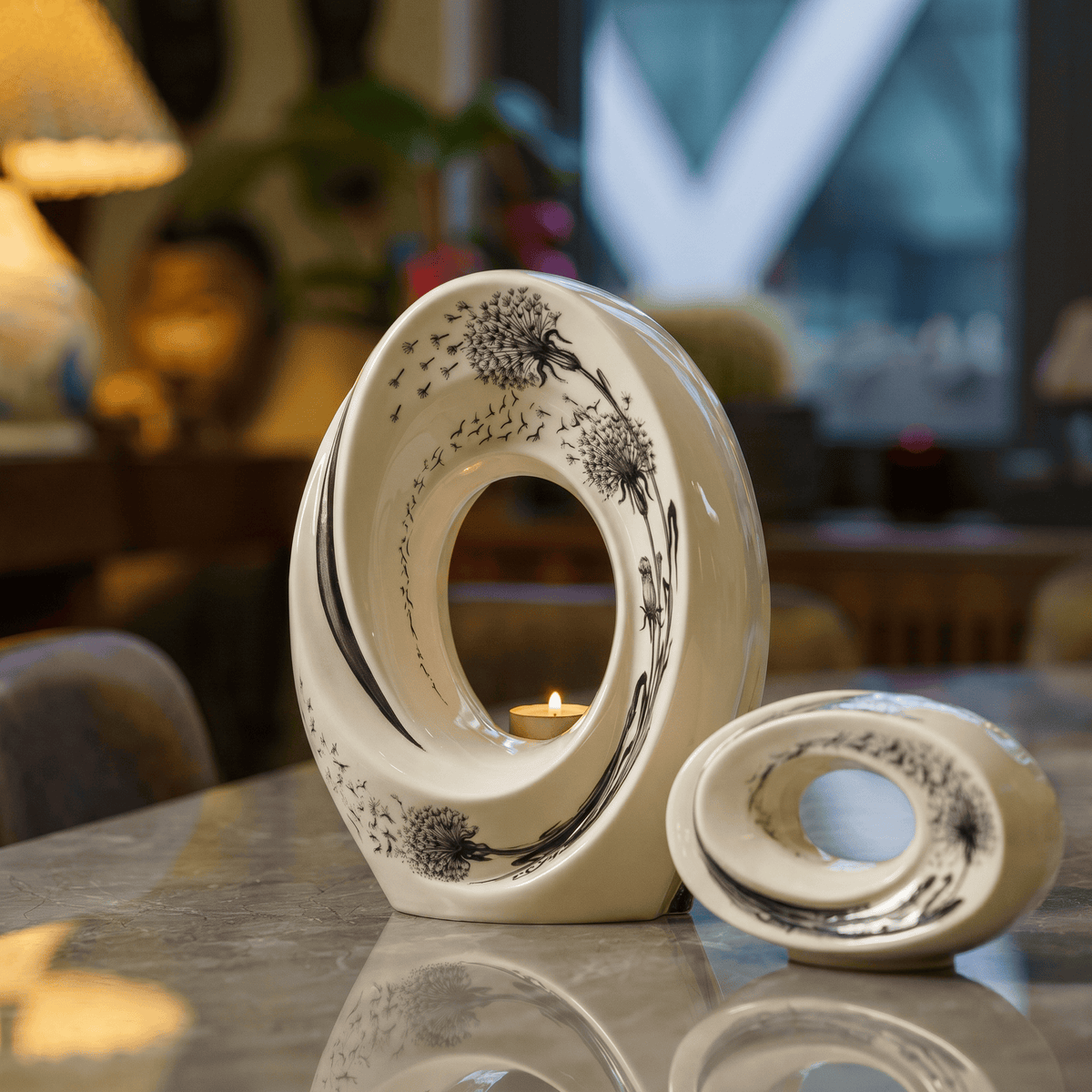
Why Do People Light Candles for the Dead?
Discover the meaning behind lighting candles for the dead, exploring the traditions, beliefs, and emotions that make this simple ritual a lasting expression of remembrance, comfort, and connection within the home.

The Pet as a Witness to a Human Life
Our pets witness far more of our lives than we realise. Explore what it means for an animal to become a quiet witness to our changing homes, relationships, routines and identities — and how a memorial urn can remain as a physical connection to the life they witnessed.

Can You Inherit a Pet’s Memory?
Can we remember a pet we never knew? Explore how stories, photographs, objects and memorials can carry an animal’s memory across generations, turning a private life into part of a family’s shared history.
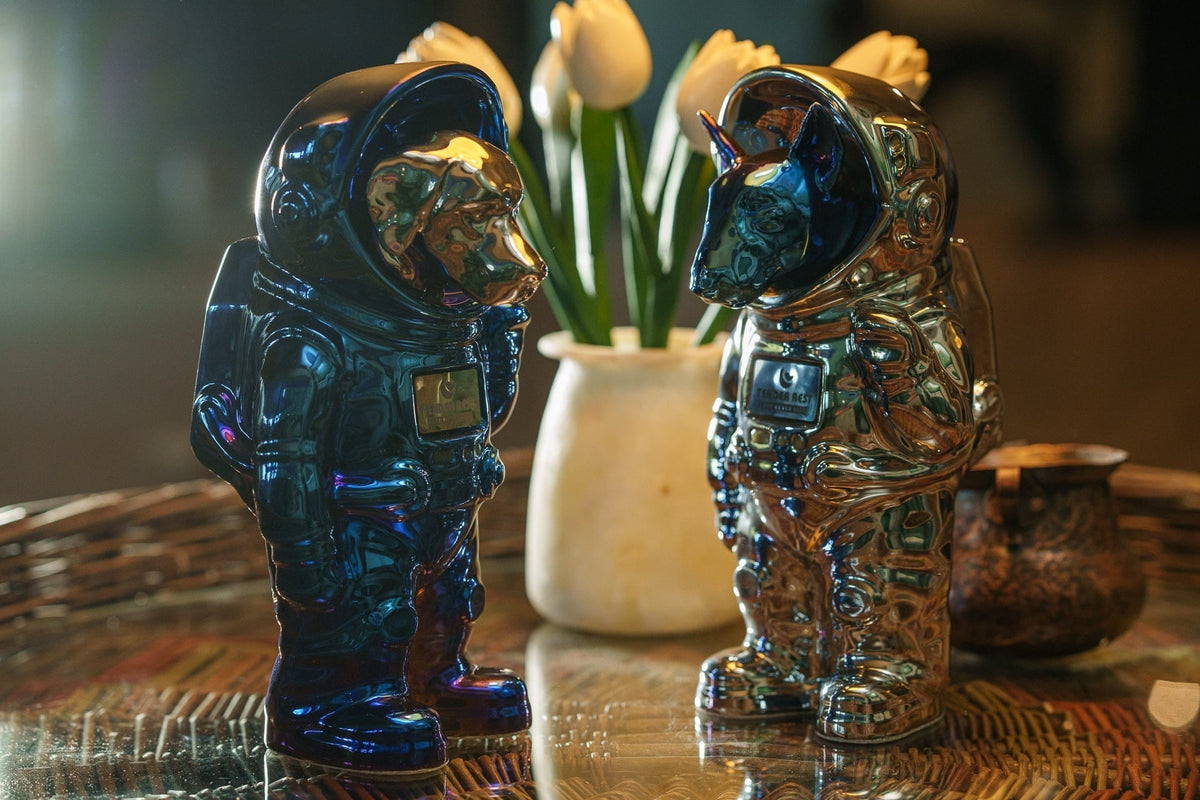
What a Pet Teaches Us About Impermanence
Living alongside a pet teaches us that the most meaningful parts of life are often temporary. Explore how animals shape our understanding of time, impermanence a quiet, lasting expression of what remains.
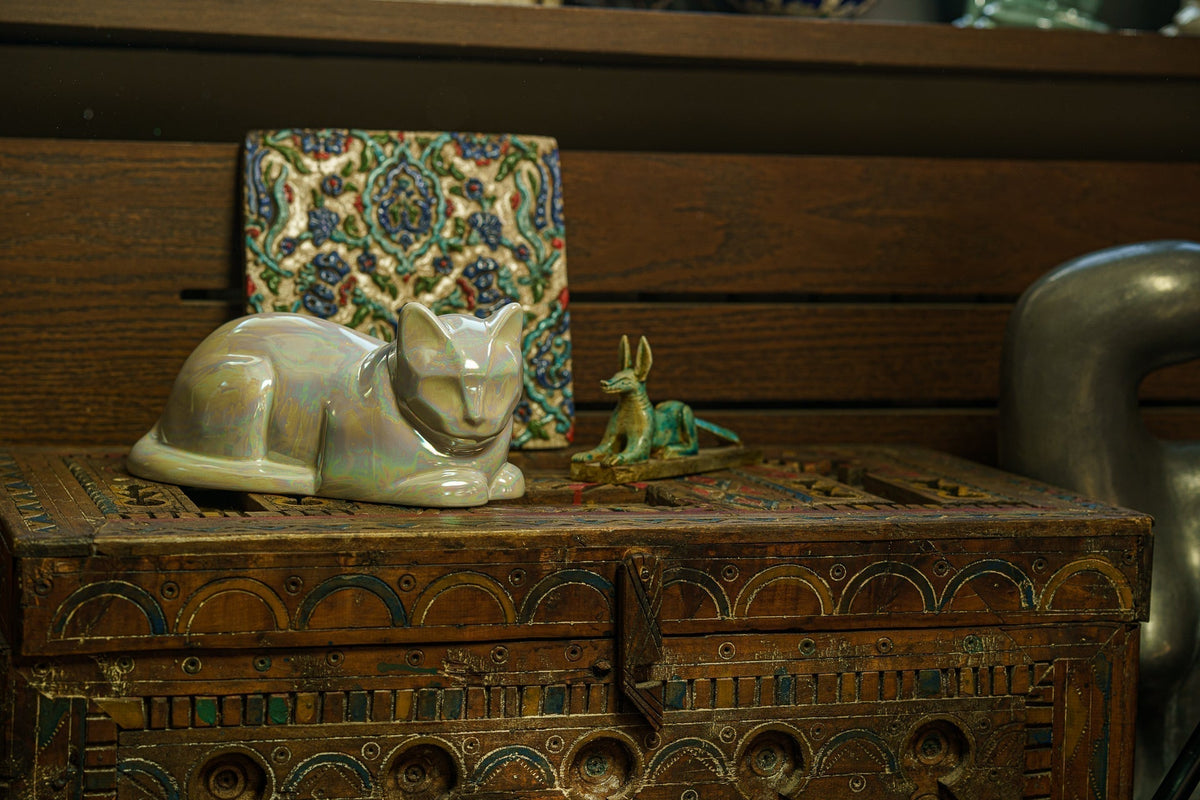
Why the Best Pet Memorials Don't Always Look Like Pet Memorials
The most meaningful pet memorials do not always rely on familiar symbols. Discover how contemporary pet urn design uses form, material, colour, and craftsmanship to create personal memorials that quietly belong within the home.


Compartir:
Can Two People’s Ashes Be Kept in the Same Urn?
Can a Pet’s Ashes Be Turned Into a Diamond?