

Here for you: art@pulvisurns.com | (562) 609-4019
When someone important dies, a family does not only lose a person—they lose routines, shared habits, and the quiet structure that person brought into everyday life. Holidays feel different. Gatherings change. Silence appears where presence once was.
Yet over time, many families discover something unexpected: while some traditions fade, others begin to form.
New rituals emerge not because families are trying to replace what was lost, but because they are trying to maintain connection in a new reality. A candle lit on a specific day, a meal prepared in someone’s honor, a story repeated at gatherings, or a visit to a meaningful place can all become ways of keeping that connection alive.
Remembrance is not static. It evolves. And through that evolution, families often find that grief slowly transforms into something else: a continuing relationship expressed through ritual.
Ritual has always been central to human life. It helps people navigate transitions that feel too large or complex to process internally alone.
After a loss, rituals provide structure in emotional uncertainty. They create moments where grief can be acknowledged rather than avoided.
A ritual allows families to:
express emotions collectively
preserve memory in shared action
create continuity during change
mark time in meaningful ways
feel connected to the person who has passed
Ritual does not remove grief. It gives grief form.
It turns memory into something lived, not only remembered.

Most families begin with inherited traditions—cultural, religious, or generational practices that provide familiarity during difficult moments.
These may include:
funerals and memorial services
cemetery visits
religious ceremonies
annual remembrance dates
family gatherings in honor of the deceased
These rituals offer grounding because they connect individuals to something larger than themselves.
But over time, families often adapt them. As life continues, remembrance naturally shifts from formal structure toward personal meaning.
What begins as tradition becomes something more individualized.
One reason new traditions emerge is that remembrance is not simply repetition of the past.
It is the continuation of meaning.
A person may no longer be physically present at family gatherings, but their influence remains through:
recipes they once made
values they taught
phrases they used
stories people tell about them
habits they inspired in others
New rituals allow families to carry forward the essence of a person rather than only repeating past forms.

Modern remembrance is increasingly personal. Families often create rituals that reflect their unique relationship with the person they lost.
These can include:
lighting a candle on meaningful dates
preparing a favorite meal
visiting a significant place
planting a tree or garden
displaying a memorial object
sharing stories during gatherings
taking a moment of silence together
The power of these rituals lies not in their complexity, but in their meaning.
A small repeated act can become deeply significant over time.
Objects often become central to remembrance rituals because they provide something physical to focus memory on.
A memorial object may:
serve as a focal point during remembrance days
connect generations through shared meaning
hold emotional significance within the home
act as a tangible reminder of presence
Objects allow memory to become anchored in something real and visible.
They turn remembrance into something families can return to, together or individually.

One of the most meaningful evolutions in remembrance is the inclusion of the deceased within ongoing family life.
During celebrations, families may:
set aside a moment of reflection
mention the person in conversation or toast
continue traditions they once started
include symbolic gestures of remembrance
display meaningful objects or photographs
These acts reflect an important emotional truth: absence does not erase presence in memory.
The person becomes part of how the family continues to define itself.

Holidays often change after a loss. The first celebrations can feel incomplete, marked by absence as much as presence.
Over time, families often reshape these moments into something new.
A holiday may include:
a shared memory or story
a symbolic meal
a candle or object of remembrance
a quiet moment of acknowledgment
a gesture that reflects the person’s life
These changes do not replace tradition—they expand it.

Remembrance rituals are also a way of preserving memory across generations.
Children and grandchildren may not have personal memories of someone who passed away, but rituals allow them to understand:
who that person was
what they valued
how they influenced the family
why they are still remembered
Through ritual, memory becomes shared heritage rather than private grief.

Within the same family, grief often takes different forms.
One person may feel drawn to places of remembrance. Another may prefer private objects. Another may express memory through storytelling, creativity, or quiet reflection.
These differences are natural.
Grief is not uniform, even when the loss is shared.
Often, multiple forms of remembrance coexist and together create a fuller emotional picture of the person who has passed.

Storytelling is one of the most enduring forms of remembrance.
Before written records or photographs, memory was preserved through spoken stories passed between generations.
Families continue this tradition today by remembering:
moments that defined a person
phrases they often used
emotional qualities and personality traits
experiences shared together
Over time, stories become part of family identity.
A person continues to exist through the memories others choose to keep speaking aloud.
Some of the most powerful forms of remembrance are sensory.
Smell, sound, taste, and place can instantly evoke emotional memory.
Families often build rituals around sensory connection:
cooking a favorite meal
listening to meaningful music
visiting familiar environments
keeping objects associated with daily life
These experiences allow remembrance to be felt, not only thought.
Creating new rituals is not always easy.
Some people feel hesitation, as though changing traditions might mean forgetting the past. Others may feel emotional resistance to redefining how remembrance should look.
But remembrance is not about preserving every detail exactly as it was.
New rituals do not replace old ones—they extend them.
They allow memory to remain active in a changing world.
Healthy remembrance allows two things to exist at the same time:
honoring the person who has passed
continuing to engage with life in the present
A ritual should not freeze memory in the past. Instead, it should allow it to live alongside ongoing experience.
Remembrance becomes a bridge between what was and what continues to be.

Over time, personal rituals often evolve into family traditions.
A candle lit in memory may become a yearly custom.
A meal may become part of every gathering.
A story may become part of family identity.
What begins as individual grief can transform into collective memory.
A single life becomes part of a larger family narrative.
Memorial objects often gain deeper meaning over time.
They are not only reminders of loss—they become symbols of belonging and history.
Future generations may connect to a person they never met through:
photographs
keepsakes
written memories
objects with emotional significance
These items help answer a deeper question:
Where do we come from, and who shaped the story we are part of today?

Grief changes the structure of family life. Creating new traditions helps transform that change into meaning.
A ritual says:
“We remember this person.”
“Their life mattered.”
“Their influence continues.”
This does not erase pain. It allows meaning to exist alongside it.

Today, families are moving away from fixed expectations of how remembrance should look.
Instead, rituals are shaped by:
personal relationships
emotional needs
cultural identity
family dynamics
individual memory
This shift reflects a broader understanding: there is no single correct way to remember.
There is only what feels meaningful and true to the relationship being honored.
At the core of all remembrance rituals is a psychological reality: relationships do not end with physical absence.
They continue in a different form.
Through ritual, families maintain what psychologists often describe as “continuing bonds”—an ongoing emotional connection that evolves rather than disappears.
A ritual allows that bond to be expressed in physical, shared, and meaningful ways.
Loss changes families, but it does not end connection.
Over time, new traditions emerge because remembrance is part of how humans process love, memory, and absence.
A candle lit each year, a shared story, a familiar meal, a memorial object, or a quiet moment of reflection can all become ways of saying:
“You are still part of us.”
These traditions are not replacements for what was lost. They are extensions of it.
They show that remembrance is not fixed in the past—it continues to grow, adapt, and be passed forward.
In this way, families do not only remember the people they have lost. They continue building relationships with them, through rituals that evolve alongside life itself.

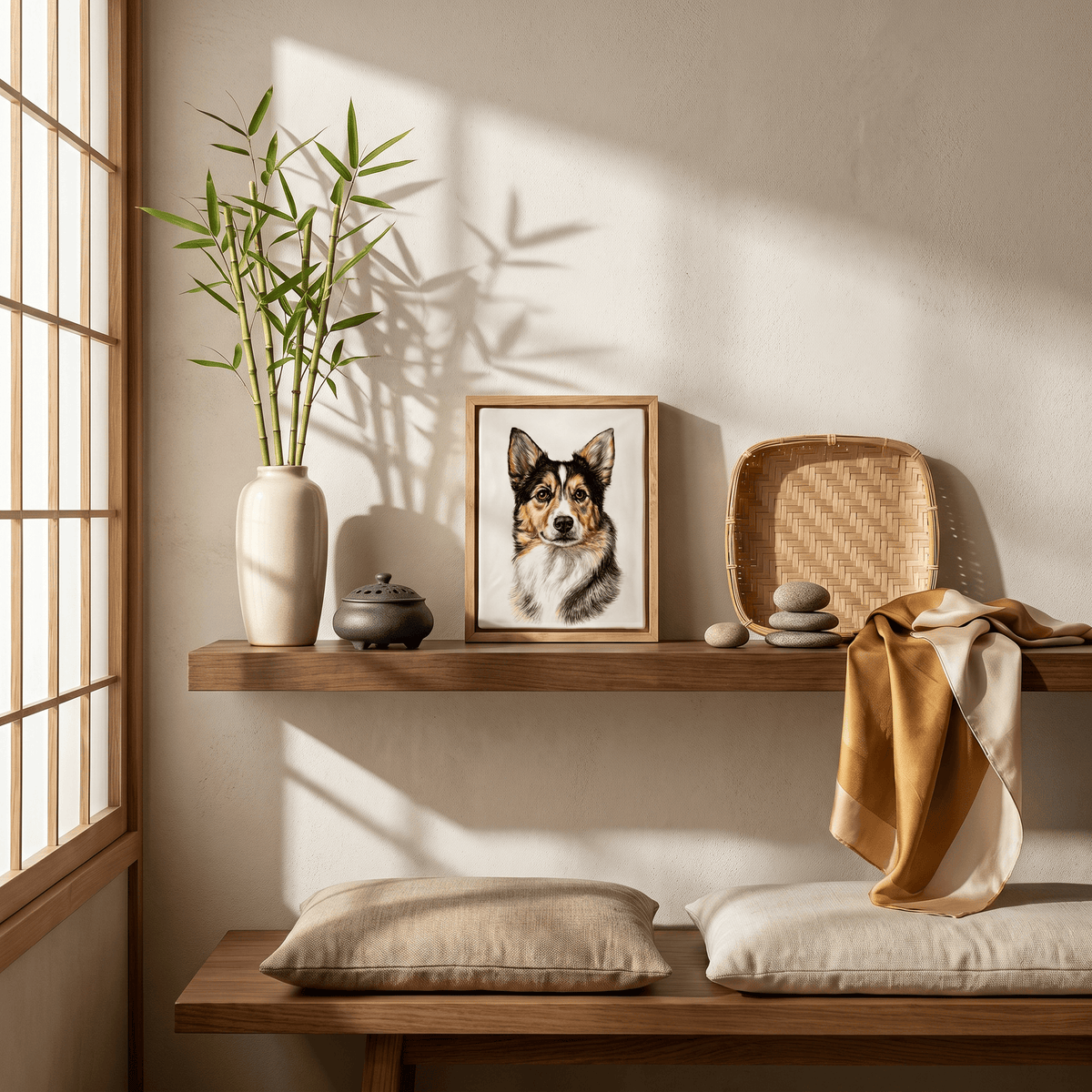
The Urn as a Bridge Between Presence and Absence
What happens when a pet is no longer physically present, but something of that life remains? Explore how a memorial urn can become a bridge between absence and presence, giving memory a tangible form and a lasting place within the home.
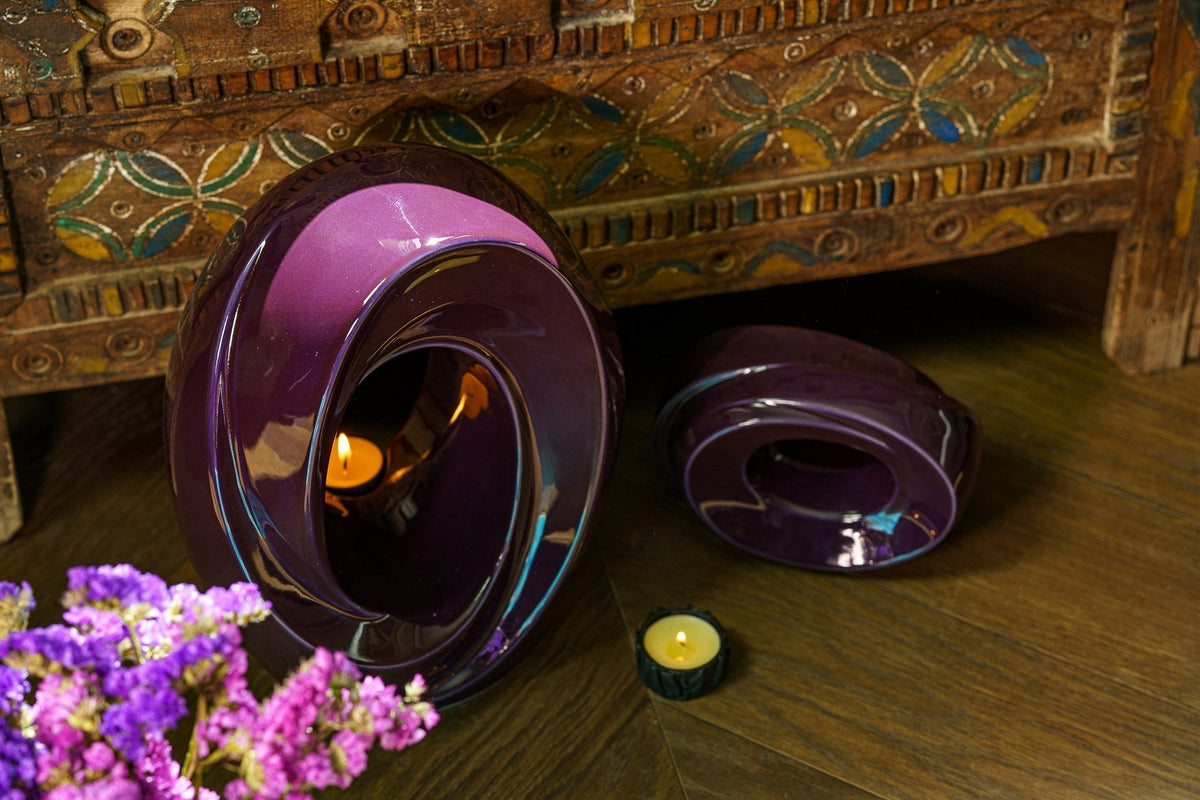
Memento Mori: Why Humans Have Always Made Art About Death
For thousands of years, humanity has transformed death into art — from skulls and fading flowers to portraits, monuments and memorial objects. Explore why we continue to create around mortality, memory and the human desire to make something last.

Every pet leaves behind an archive of its life — photographs, familiar objects, stories and traces of everyday routines. Discover how these fragments preserve not only memories, but the physical and emotional story of a beloved companion.
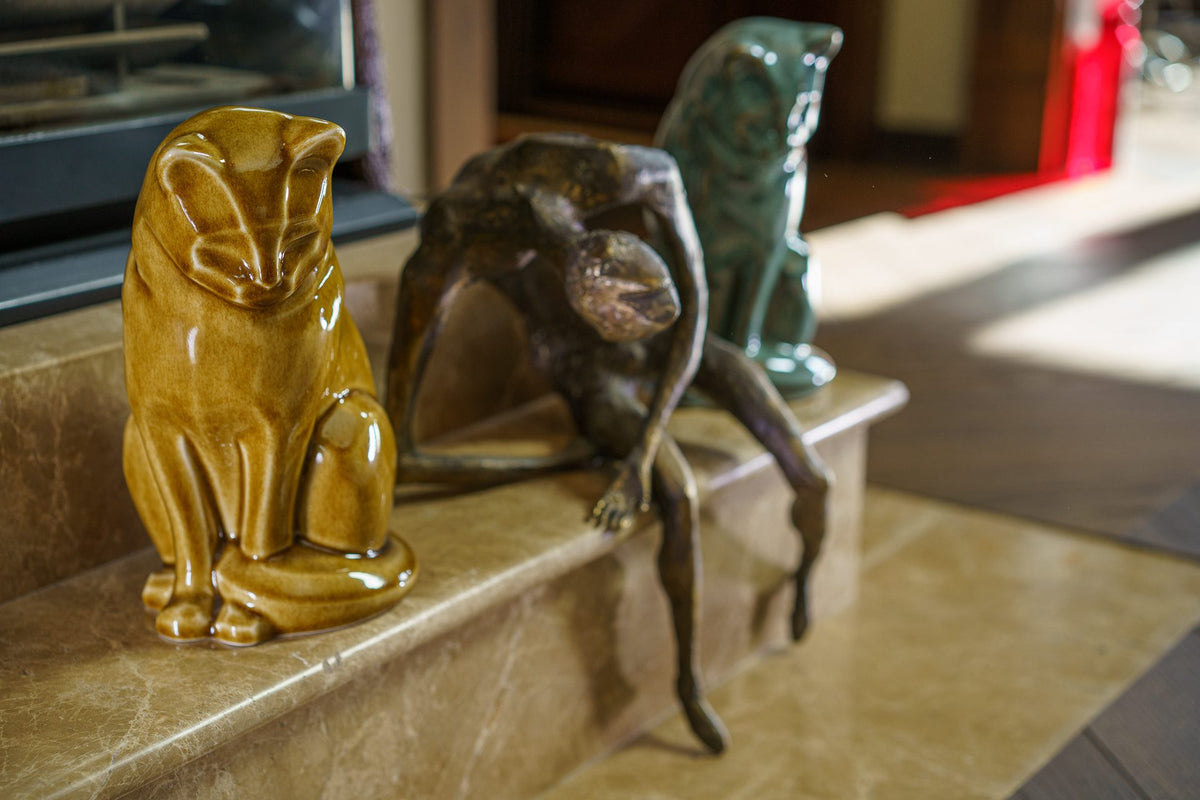
The New Aesthetics of Pet Memorials
Pet memorials are moving beyond traditional symbols of mourning. Explore how contemporary design, art, craftsmanship and materials are creating a more personal and understated aesthetic for remembering a beloved animal.
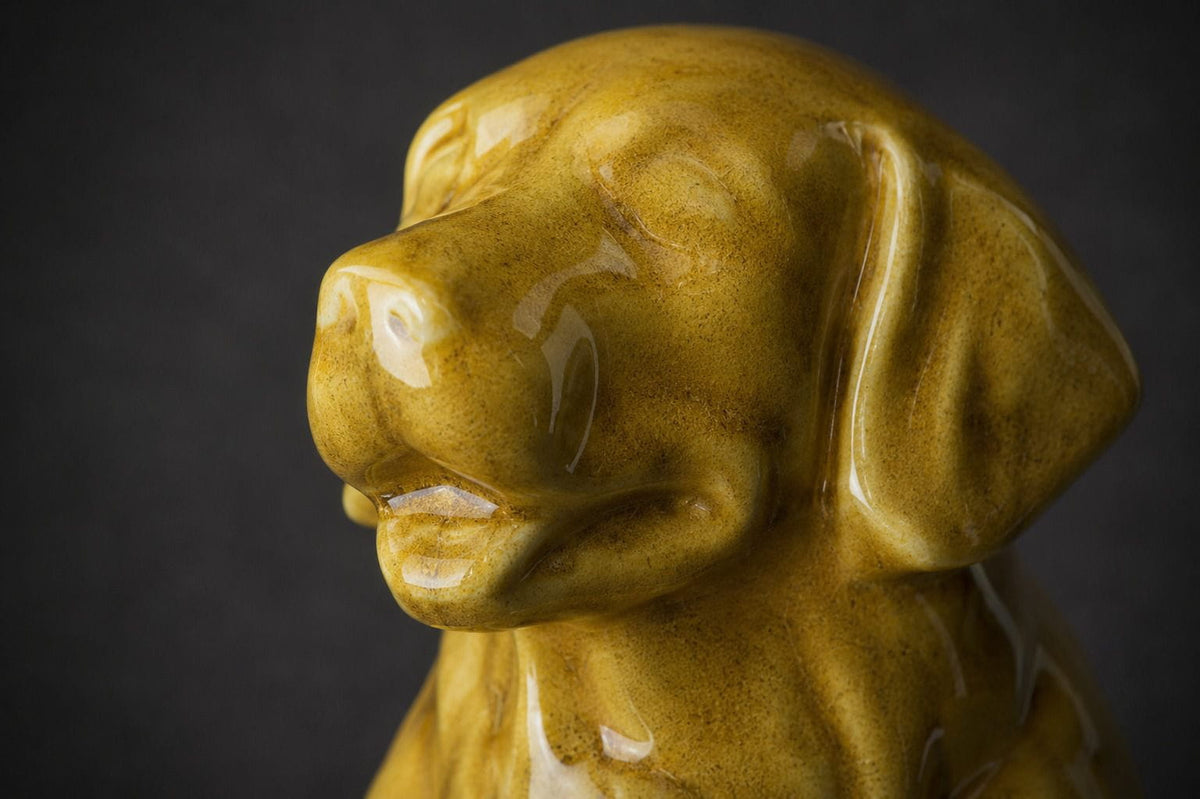
Can a pet urn be more than a vessel for ashes? Explore how craftsmanship, materials and sculptural design can transform a memorial urn into a meaningful work of art that keeps the memory of a beloved companion present.

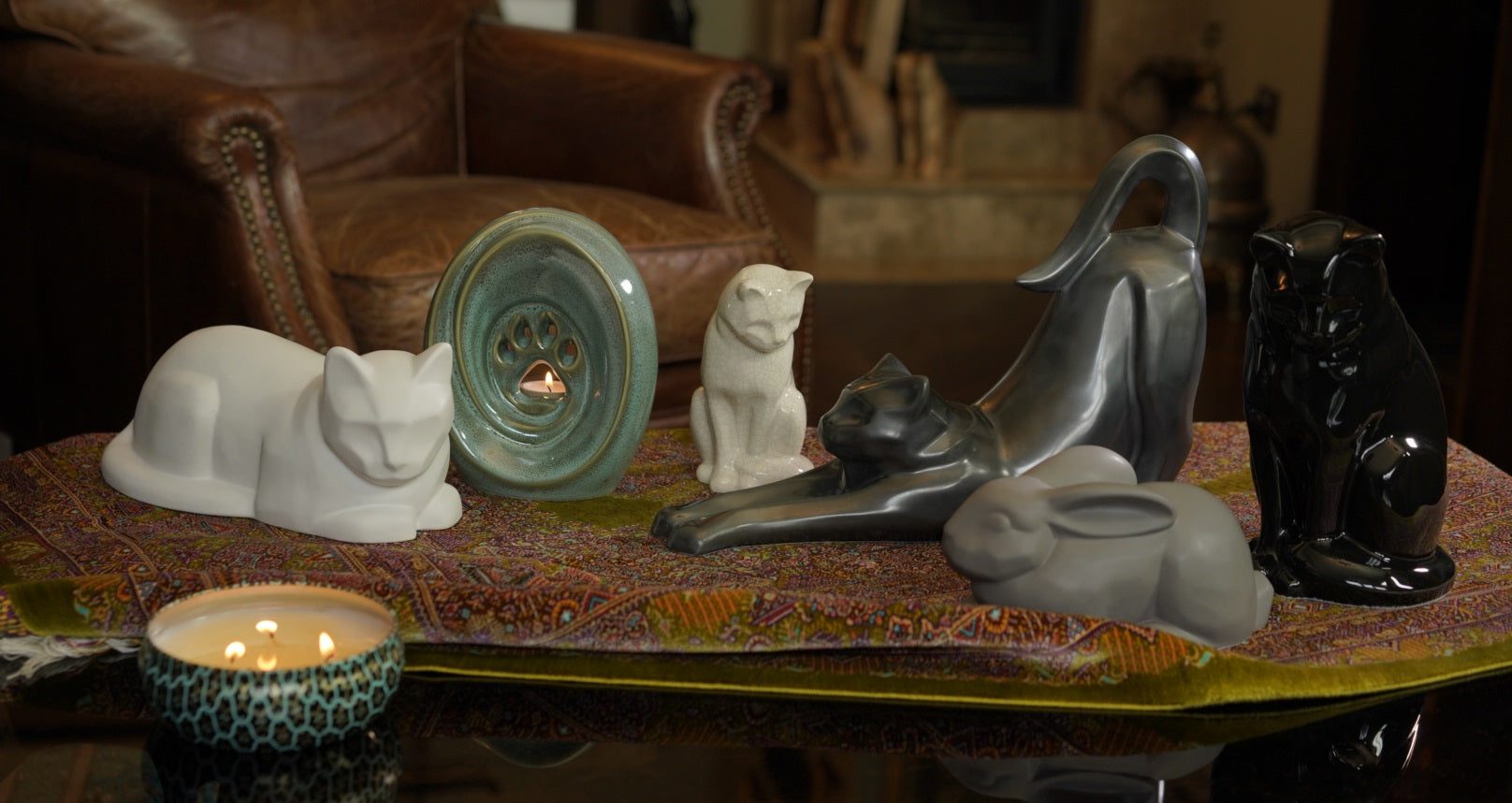
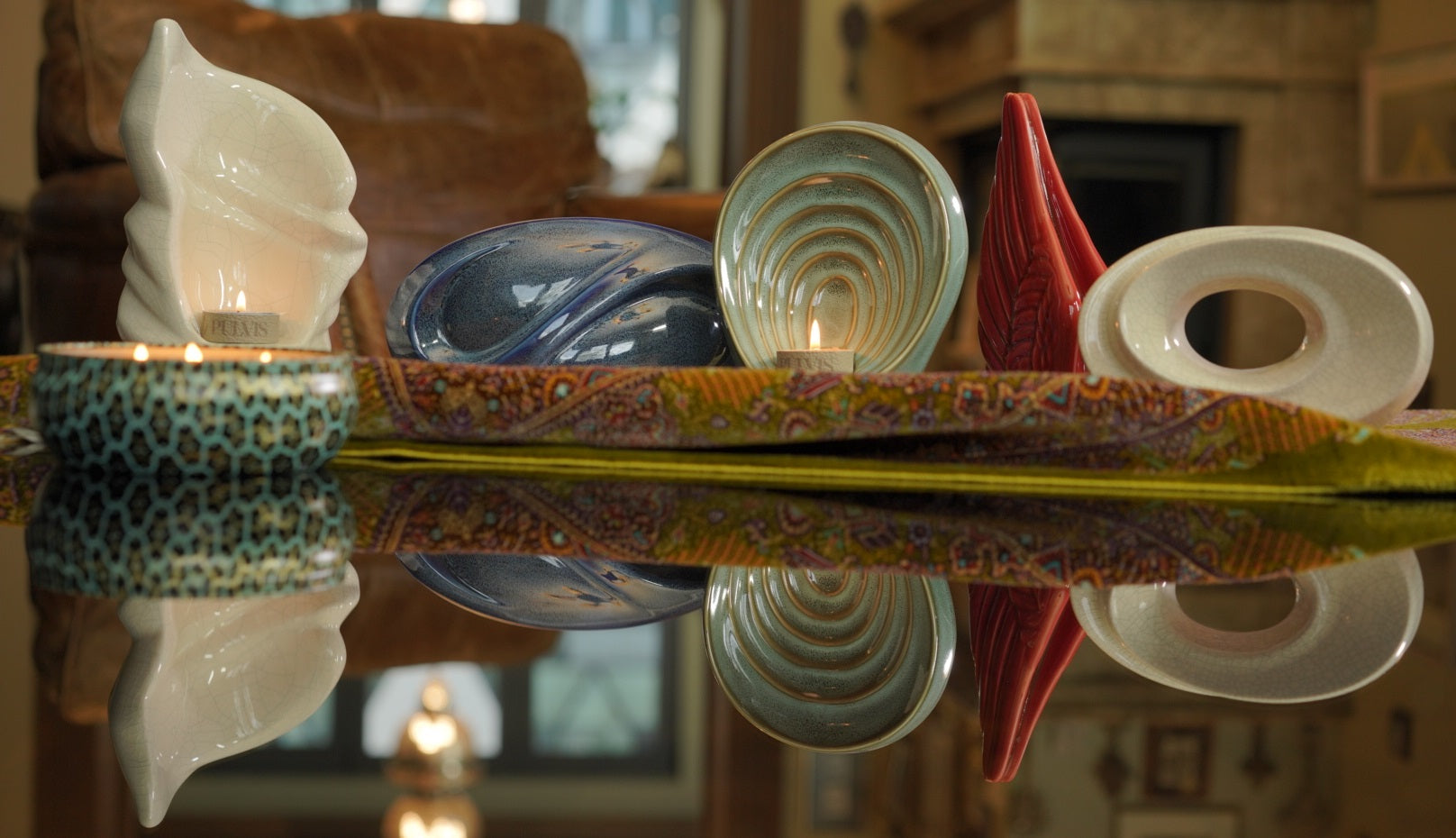
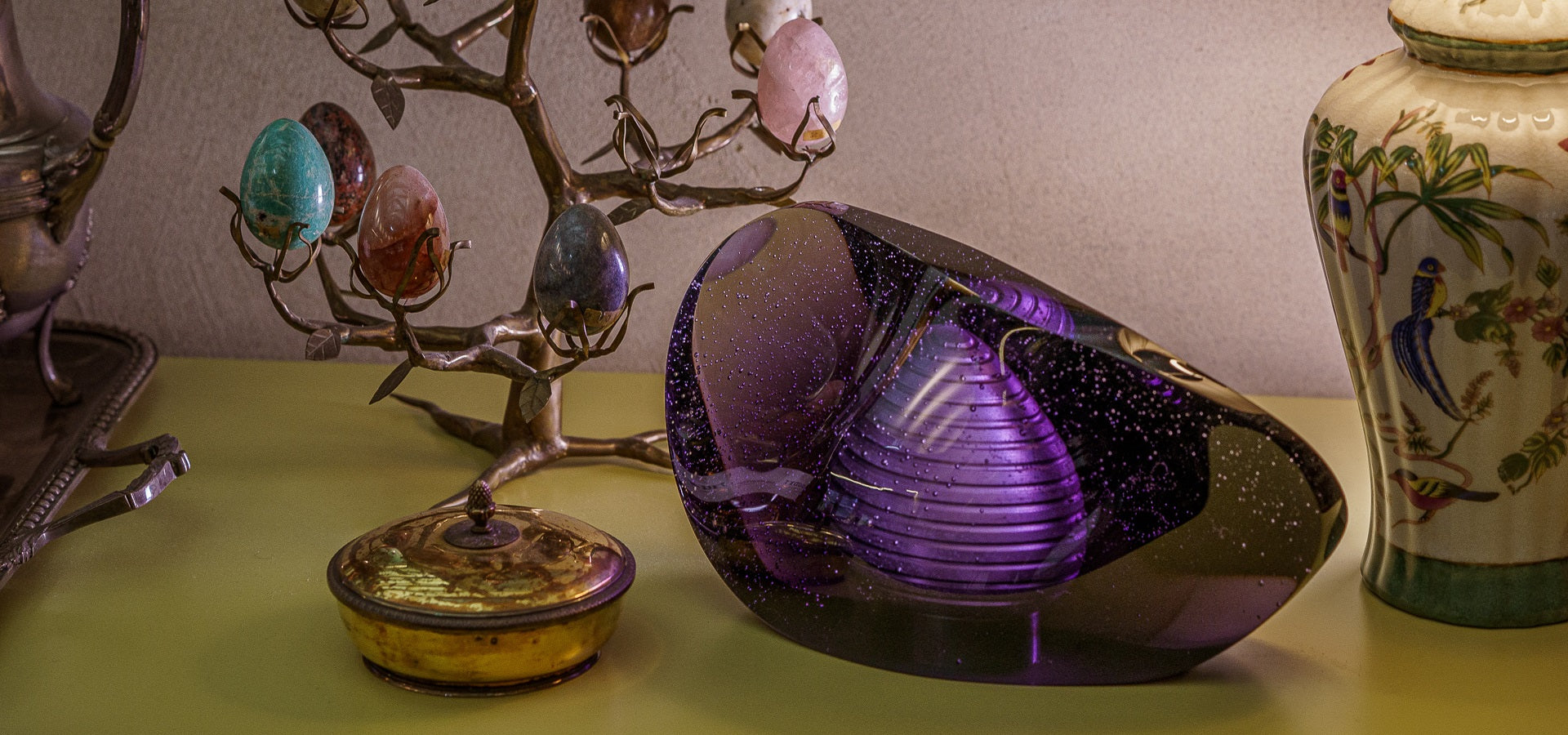

Compartir:
Why Some People Need a Place to Visit While Others Need Something to Keep
Why We Talk to Loved Ones Who Have Passed Away: The Psychology of Continuing Bonds