

Here for you: art@pulvisurns.com | (562) 609-4019
We document our pets constantly without necessarily thinking of ourselves as documenting them.
A photograph taken on an ordinary afternoon. A video of a familiar sound. A picture of an animal asleep in exactly the same place it has chosen for years. A collar kept in a drawer. A toy that has long since stopped being used but somehow never gets thrown away.
Taken individually, these things seem insignificant.
Together, they become something else: an archive.
Unlike a formal archive, it was never planned. There was no intention to preserve every detail. The record accumulated naturally, through everyday life, until a collection of images, objects and fragments began to represent something much larger than itself.
A life.
And perhaps this is one of the most interesting things about the way we remember animals today. We do not simply remember them. We leave behind evidence that they were here.

The modern pet may be one of the most photographed members of a household.
We photograph them sleeping, eating, playing, waiting by the door. We photograph them on holidays, in gardens, on sofas and in places they have visited only once. We record their strange habits, their expressions, their sounds and the small gestures that are recognisable only to the people who know them.
Most of these photographs are not created with posterity in mind.
They are simply part of living with an animal.
Yet this constant documentation creates an accidental biography.
There may be no official record of a pet's life, but there can be hundreds or thousands of images showing its progression through time: growing older, changing shape, discovering places, becoming familiar with a home.
The archive is created almost without our noticing.
And that may be precisely why it feels so intimate.
Archives traditionally privilege what is considered important.
Documents. Letters. Photographs. Historical objects. Things that appear to explain an event or a period of time.
But the archive of a pet's life works differently.
Its most valuable elements may be completely ordinary.
A favourite toy. A worn blanket. A food bowl. A leash. A particular place beside the window. The object that was always moved out of the way and always returned to the same position.
None of these things necessarily has significance outside the relationship.
Inside it, however, they can become almost impossible to separate from memory.
This is because relationships are built through repetition.
We remember not only exceptional moments, but the things that happened every day. The sound of an animal moving through the house. The expectation of seeing it in a particular room. The routine of opening a door and finding someone waiting on the other side.
An archive preserves fragments of those repetitions.
It gives form to a life that was largely made of moments nobody thought needed to be preserved.
A photograph can appear to preserve only an image.
But what it actually preserves is often much more.
A photograph of a dog lying on a sofa also preserves the sofa, the room, the light coming through the window, the objects surrounding it and perhaps the person standing behind the camera.
A photograph of a cat sitting beside someone at breakfast records more than the cat. It records a particular morning, a particular home and a particular relationship.
This is why photographs can become so powerful over time.
They do not simply answer the question of what something looked like.
They can answer where it was.
Who was there.
What life looked like around it.
The photograph becomes a small piece of evidence from a world that no longer exists in exactly the same form.

There is an interesting question hidden inside the idea of preservation:
What exactly deserves to be kept?
If we were deliberately creating an archive of an animal's life, we might instinctively choose the obvious things. The best photographs. The most beautiful portraits. The happiest moments.
But an archive does not necessarily need to be beautiful.
In fact, its most meaningful pieces may be the least impressive.
The blurry photograph. The badly lit video. The picture where the animal is looking away. The object that has been scratched, worn or damaged through years of use.
These things carry something that a perfect portrait cannot always capture.
They carry time.
They show that the life was not staged for remembrance. It was lived.
Perhaps this is what makes an archive different from a tribute. A tribute can represent an idealised version of someone. An archive can preserve the irregular, unfinished reality of having known them.
For previous generations, the physical photograph was often the central record of a pet's life.
Today, that record can be almost unimaginably large.
A single phone may contain years of photographs and videos. Cloud storage can preserve thousands of images without taking up any physical space. Messages can contain stories, photographs and conversations about an animal that would once have existed only in memory.
The modern pet therefore leaves behind a digital archive.
It is enormous, but strangely fragile.
A physical object can sit quietly in a drawer for decades. A digital archive depends on devices, accounts, passwords, storage systems and formats that can change.
This creates a peculiar contradiction.
We have never had more ways to document a life.
And yet we have also never had so much of our memory stored in forms that are almost entirely intangible.
The archive of a contemporary pet can exist simultaneously on a phone, in a cloud account, in social-media posts and in the physical objects still occupying a home.
Memory has become both more abundant and more difficult to touch.

An archive is never completely objective.
Two people can look at the same photograph and see entirely different things.
One person may notice the animal. Another may remember the room. Someone else may remember the day on which the photograph was taken.
This is what gives personal archives their particular power.
They are not simply collections of information.
They are collections of associations.
A photograph does not need to be remarkable to anyone else. An object does not need to have obvious historical value. A particular corner of a room may mean nothing to another person.
Its significance comes from having belonged to a shared life.
This is why personal archives cannot be measured by conventional ideas of importance.
Their value is relational.
They matter because someone remembers what they meant.
Eventually, some parts of everyday life become objects.
A collar is removed.
A toy is placed somewhere and no longer picked up.
A blanket remains folded.
A bowl is no longer filled.
The object itself may be unchanged, but its position within life has changed completely.
This is one of the strange qualities of material memory.
An object can continue to exist after the routine that gave it meaning has disappeared.
Its physical presence becomes a reminder of something that once happened repeatedly.
It is no longer simply an object.
It has become a fragment of a vanished routine.
And this is where the physical archive becomes particularly powerful. Unlike a photograph on a screen, an object occupies space. It has weight. Texture. Material presence.
It can remain somewhere quietly, becoming part of the environment in which memory continues.
There is another kind of object that can become part of this archive: the memorial itself.
A memorial does not have to stand outside the story of a life as something separate from it. It can become one of the physical forms through which that story continues.
An urn is, at its most basic level, a vessel. But the object surrounding what it holds can also become part of how a life is remembered.
This is where craftsmanship becomes important.
The archive of a life is not necessarily made only from things that happened to survive. Sometimes we deliberately create something that is intended to survive.
A carefully made object can provide a permanent physical point within an otherwise changing collection of memories.
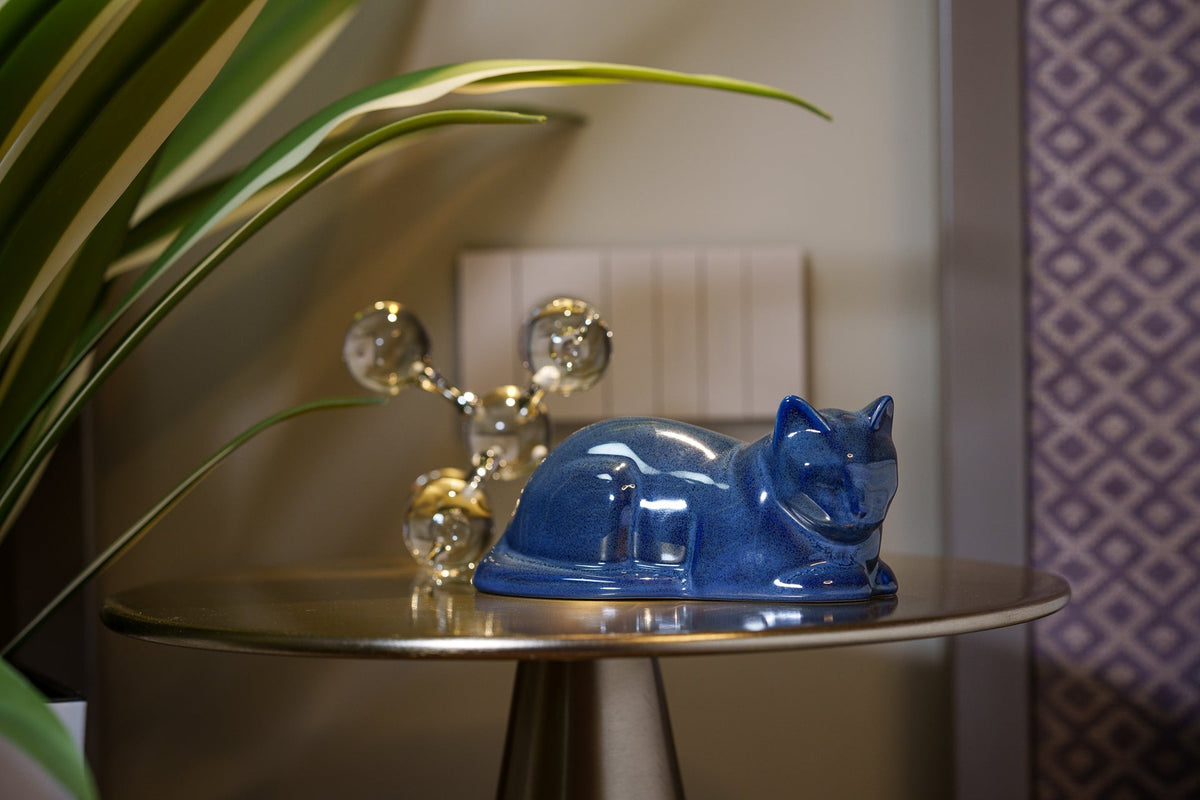
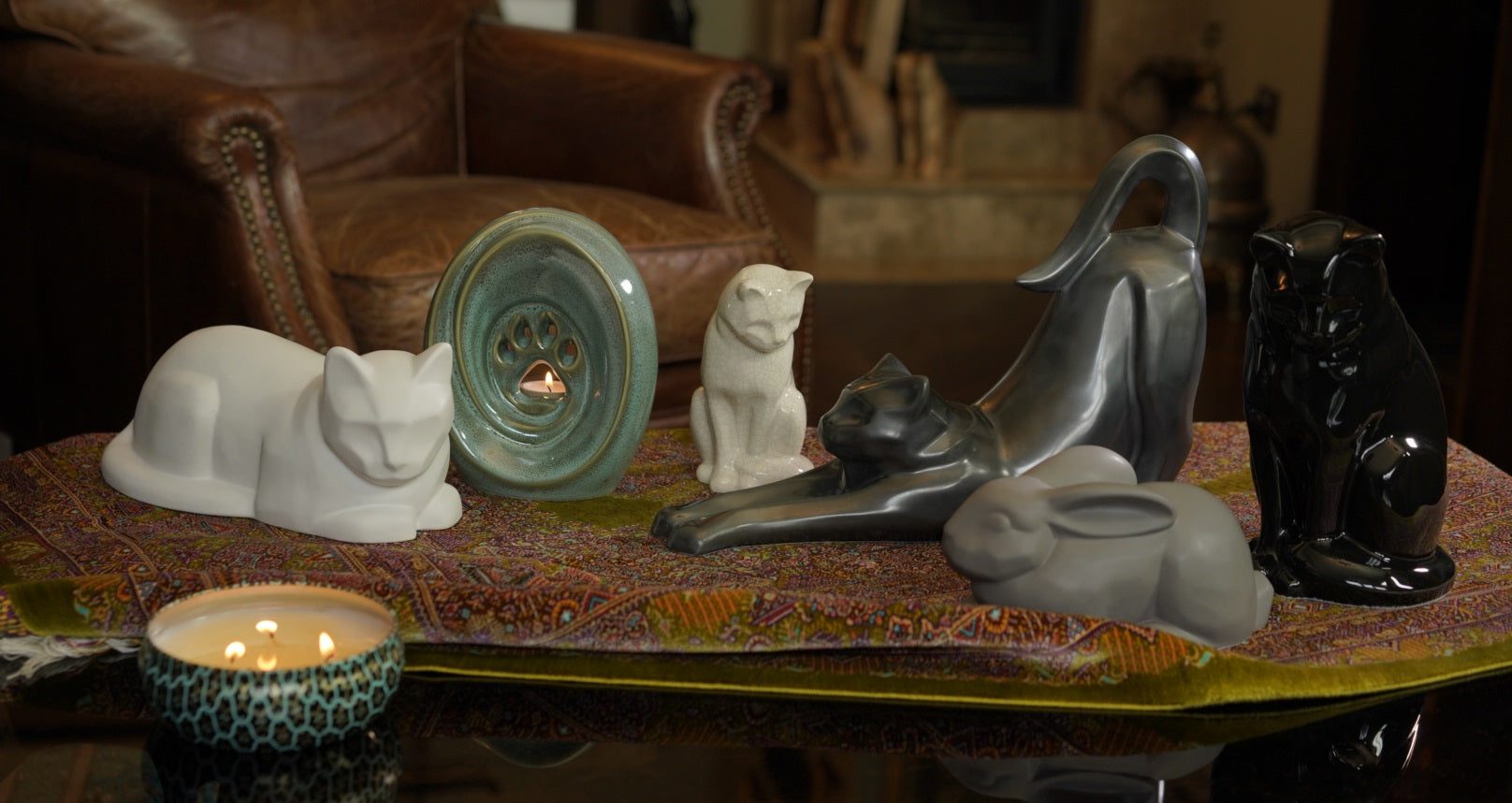
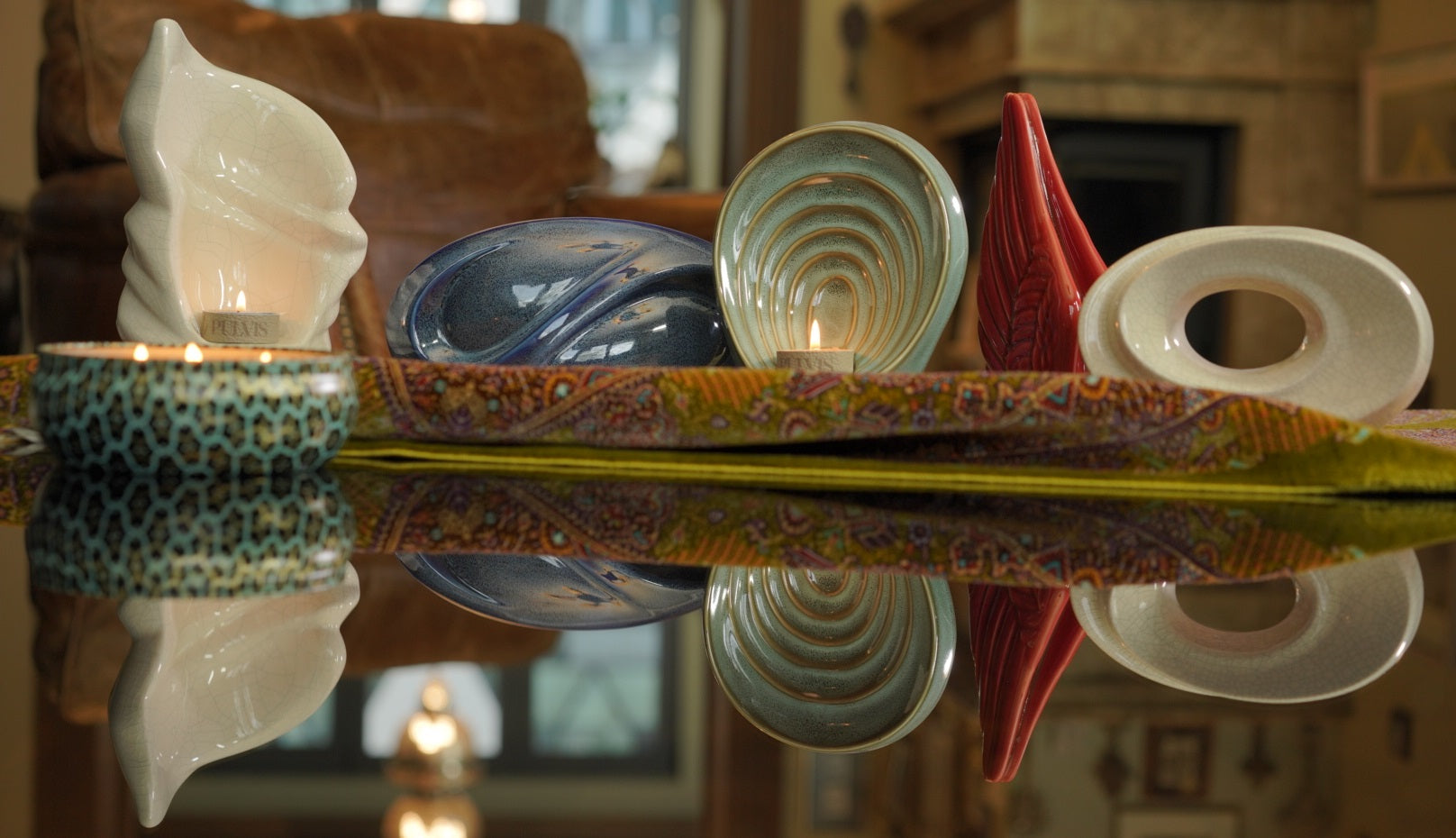
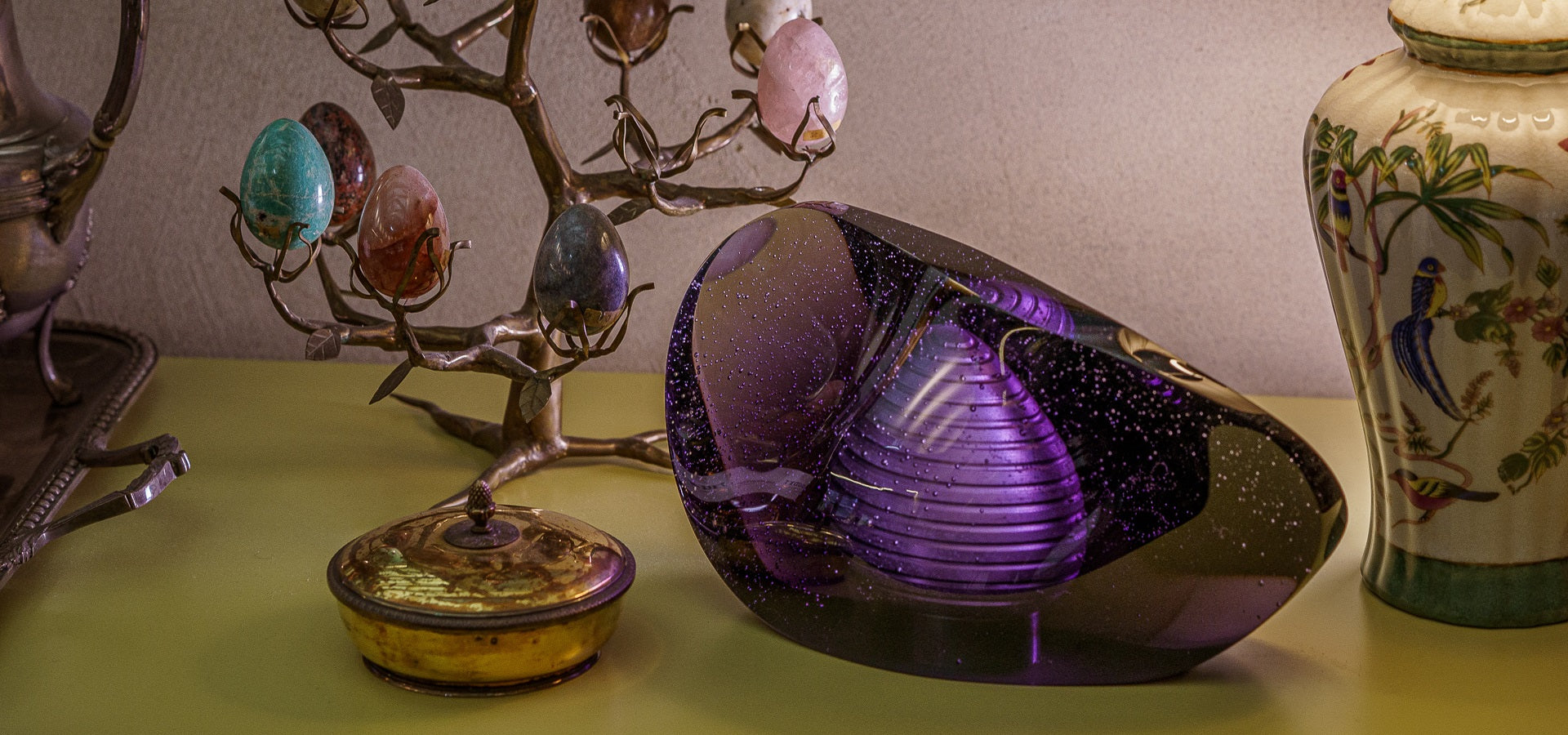
This is an idea reflected in the work of Pulvis, where pet urns are approached not simply as containers for ashes, but as thoughtfully designed memorial objects. Through form, material, surface and craftsmanship, the urn itself can become part of the story it preserves.
That distinction matters.
The purpose is not to make an urn more decorative for its own sake. It is to recognise that the object carrying the remains of a beloved animal can also become part of the environment in which that animal is remembered.
In this sense, the urn can occupy a unique position within the archive.
Photographs preserve images.
Objects preserve fragments of everyday life.
Stories preserve experiences.
A memorial urn can preserve something more fundamental: the physical remains of the life being remembered.
It becomes a meeting point between memory and material presence.

There is something increasingly unusual about objects intended to last.
So much of contemporary life is temporary. Digital images disappear into endless feeds. Products are replaced. Trends change. Files are moved between devices and platforms.
A carefully crafted physical object operates differently.
It asks us to consider time.
The material has to withstand years. The form has to remain meaningful beyond the moment in which it was chosen. The object becomes capable of existing not only for the person who first encounters it, but potentially for the future.
This is one reason craftsmanship can matter so deeply in memorial objects.
The making is not separate from the meaning.
A thoughtfully constructed urn can become more than the place where ashes are kept. It can become a lasting object within a home — something that quietly carries its significance without demanding attention.
For Pulvis, this relationship between craftsmanship and remembrance is central. The intention is not simply to create a functional vessel, but to approach the urn as an object worthy of the life it represents.
That makes the memorial part of the archive rather than merely a container within it.
Perhaps the purpose of an archive is not to prevent forgetting.
That would be impossible.
Memory changes. Details disappear. Some moments become clearer while others become less precise. Even the strongest memories are altered by time.
An archive cannot stop that process.
What it can do is preserve fragments.
It can keep a photograph from disappearing. It can give an ordinary object a place in the present. It can allow a particular image, story or physical form to remain available when the memory itself becomes harder to access.
This is particularly meaningful with animals because so much of their lives is communicated without words.
There may be no letters written by them, no recorded account of what they experienced, no explanation of what particular moments meant.
There are only traces.
Photographs.
Objects.
Places.
Sounds.
Stories told by the people who knew them.
And sometimes, a carefully made memorial object that gives those traces a permanent physical centre.
Together, they become a portrait.
Not necessarily a complete one.
But a human one.

Ultimately, every archive is also an act of selection.
We cannot preserve everything.
We choose certain photographs. Certain objects. Certain stories. Certain details that, for reasons we may not even be able to explain, feel impossible to let disappear.
That choice says something about how we understand a life.
Perhaps we keep the object that reminds us of a routine.
Perhaps we save the photograph that captures an expression nobody else would recognise.
Perhaps we preserve something physical simply because touching it brings back a world that photographs cannot quite reproduce.
And perhaps we choose an object deliberately made to remain — something that can hold its place in the home long after the routines surrounding it have changed.
There is no universal archive of a pet's life.
There does not need to be.
Every relationship creates its own collection of evidence.
And perhaps that is what makes the idea of an archive so fitting. It does not claim to contain an entire life. It simply refuses to let every trace of that life disappear.
A pet's existence can be ordinary and still be worth preserving.
It can be made up of thousands of moments that seemed unimportant when they happened.
And years later, those moments can become the most important things we have left.
We do not archive a life because every moment was extraordinary.
We archive it because, to someone, it was.
And sometimes, preserving that life means giving one small part of it a permanent place in the world — an image, an object, a story, or something carefully made to remain.
Because an archive is ultimately not about keeping everything.
It is about deciding what should not disappear.
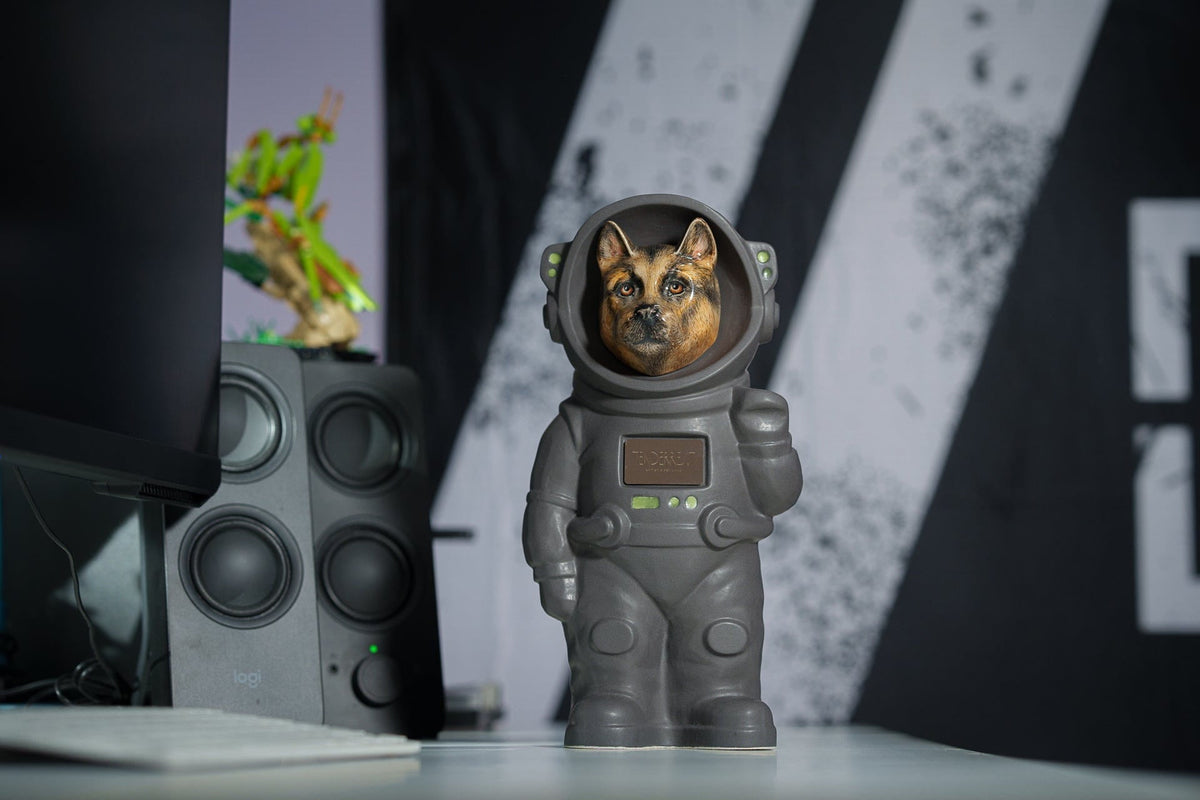
Every pet leaves behind an archive of its life — photographs, familiar objects, stories and traces of everyday routines. Discover how these fragments preserve not only memories, but the physical and emotional story of a beloved companion.
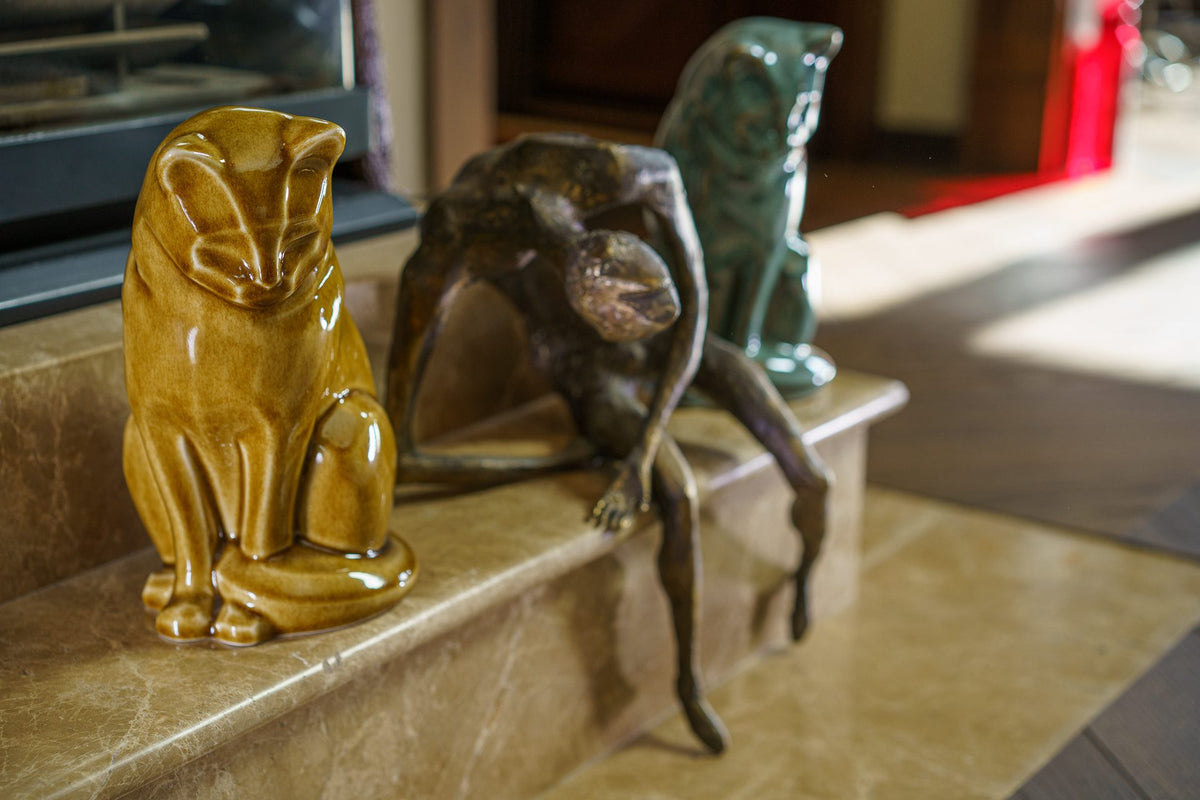
The New Aesthetics of Pet Memorials
Pet memorials are moving beyond traditional symbols of mourning. Explore how contemporary design, art, craftsmanship and materials are creating a more personal and understated aesthetic for remembering a beloved animal.
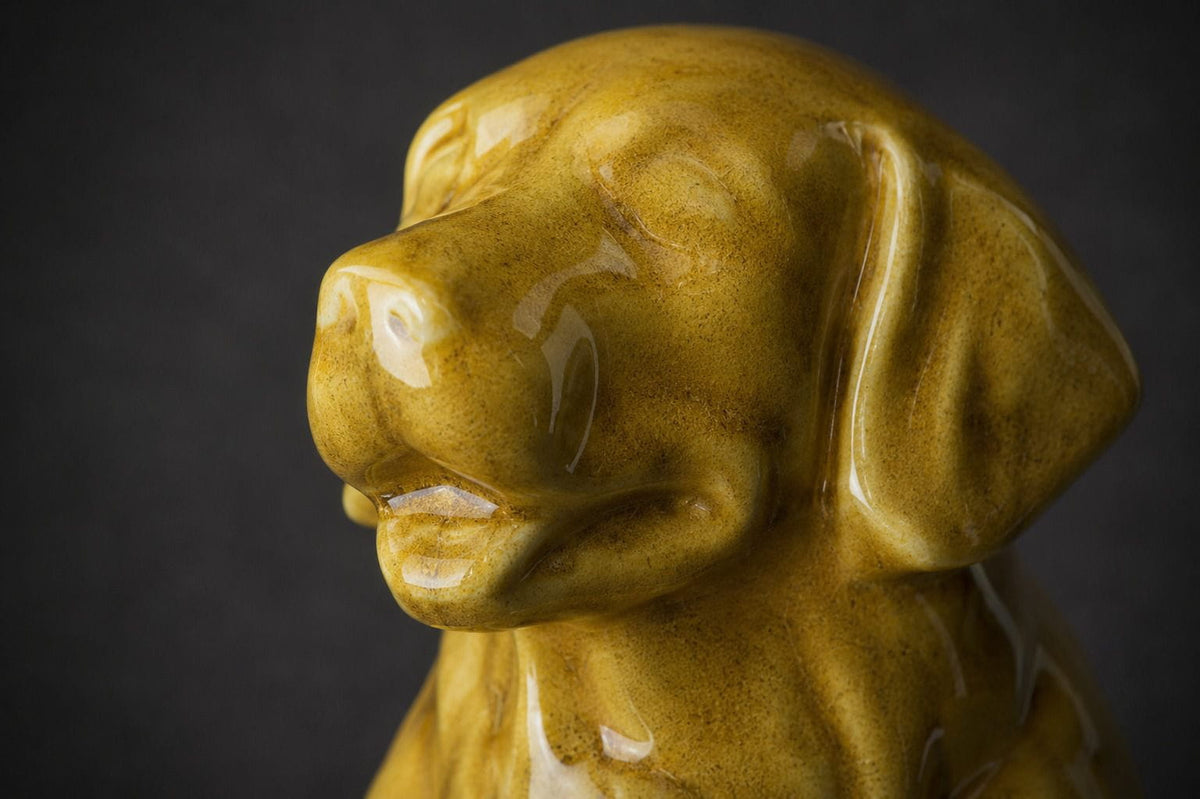
Can a pet urn be more than a vessel for ashes? Explore how craftsmanship, materials and sculptural design can transform a memorial urn into a meaningful work of art that keeps the memory of a beloved companion present.
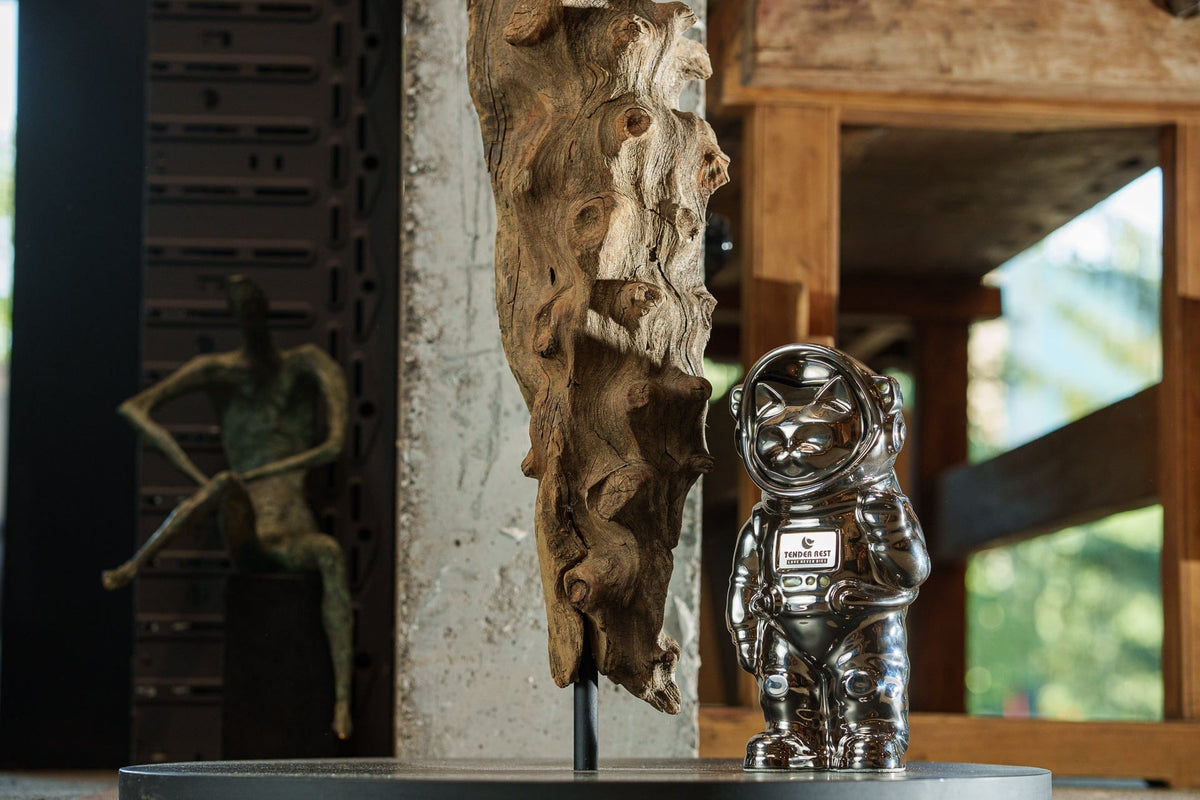
The Pet Funeral Is Changing: What Modern Goodbyes Look Like
Pet funerals are changing as animals become an increasingly important part of our families. Discover how cremation, memorial ceremonies, personalized urns and new rituals are creating more personal ways to say goodbye to a beloved companion.
Can the Design of a Pet Urn Change the Way We Grieve?
Can the design of a pet urn influence the way we experience grief? Explore how meaningful materials, forms and memorial design can help transform loss into a lasting connection with a beloved companion.


Compartir:
The New Aesthetics of Pet Memorials