



Here for you: art@pulvisurns.com | (562) 609-4019
7% de descuento en tu pedido
Usa el código al finalizar la compra:
There is a particular kind of guilt that can appear when grief begins to soften. After weeks or months of sadness, a person might find themselves enjoying an ordinary afternoon, laughing at something unexpected or going an entire morning without thinking about the pet they have lost. What should feel like a welcome moment of relief can instead bring an uncomfortable question: how can I feel happy when they are no longer here?
For many people, losing a pet is not simply the loss of an animal. It is the absence of a familiar presence woven into the structure of everyday life. The morning routines, the sounds around the house, the quiet companionship and the small gestures of affection all become part of a shared existence. When that presence disappears, the adjustment can be profound. It is therefore understandable that the return of ordinary happiness might initially feel unfamiliar, even undeserved.
One of the reasons this guilt can be so difficult is that people sometimes associate the intensity of their grief with the depth of their love. If they are no longer crying every day, if they can concentrate on work or enjoy spending time with friends, they may wonder whether their attachment is somehow becoming weaker.
This creates an unfair emotional equation: suffering becomes proof of devotion, while happiness starts to resemble disloyalty. Yet the two are not opposites. The pain of losing a pet does not need to remain constant for the relationship to have been meaningful.
Grief is not a measure of how much someone loved. It is a response to a significant absence, and that response changes as a person gradually adjusts to life without the one they have lost. Feeling better does not mean that the loss has become unimportant. It may simply mean that the absence is becoming easier to carry.
Another source of guilt is the fear that moving forward will eventually lead to forgetting. When an animal is no longer part of everyday life, the details that once seemed impossible to overlook can become less immediate. The exact sound of their footsteps, the way they waited by the door or the particular expression they made when asking for attention may become harder to recall.
This can be unsettling. People sometimes feel compelled to preserve every memory, as though allowing ordinary life to take its course might gradually erase the relationship.
But remembering someone does not require constantly revisiting the pain of losing them. Memories are not made more authentic by suffering, nor do they become less valuable when they bring a smile instead of tears. In time, a familiar habit or a small detail might become a source of warmth rather than sadness. That change does not diminish the memory; it changes the way it is experienced.

It is tempting to imagine recovery as a gradual movement from sadness towards acceptance, with each day becoming slightly easier than the one before. In reality, grief rarely follows such a neat progression.
A person might feel relatively peaceful for several weeks and then find themselves overwhelmed by emotion after seeing an animal that resembles their own. A birthday, an anniversary, a familiar walking route or even a change in season can bring back feelings they thought had already softened.
These moments do not necessarily mean that someone has returned to the beginning of their grieving process. Emotional recovery can include both progress and difficult days. Feeling better and missing a pet intensely can exist at the same time.
There is also no universal timetable. Some people begin to adjust relatively quickly, while others experience the loss for a much longer period. The circumstances of the death, the nature of the relationship and the individual's own experiences all influence how grief unfolds. Comparing one person's recovery with another's rarely offers a useful measure.
One of the most difficult parts of losing a pet is learning how to continue with routines that were once shared. The home may become quieter, familiar responsibilities disappear and certain moments of the day can feel strangely incomplete.
Eventually, new routines begin to form. People return to activities they had temporarily neglected, make plans, travel or rediscover interests that were difficult to enjoy during the earliest stages of grief. Sometimes, they even begin considering welcoming another animal into their lives.
These changes can provoke unexpected feelings of guilt. Is it too soon to enjoy life again? Does adopting another pet mean replacing the one who died? Is it wrong to make new memories?
There is no single answer to when someone is ready for change, but one distinction is important: a new experience does not erase an earlier one. Another animal cannot occupy exactly the same place in someone's life, just as the love shared with one pet does not prevent the possibility of forming another meaningful bond. Continuing to live is not an act of replacement.

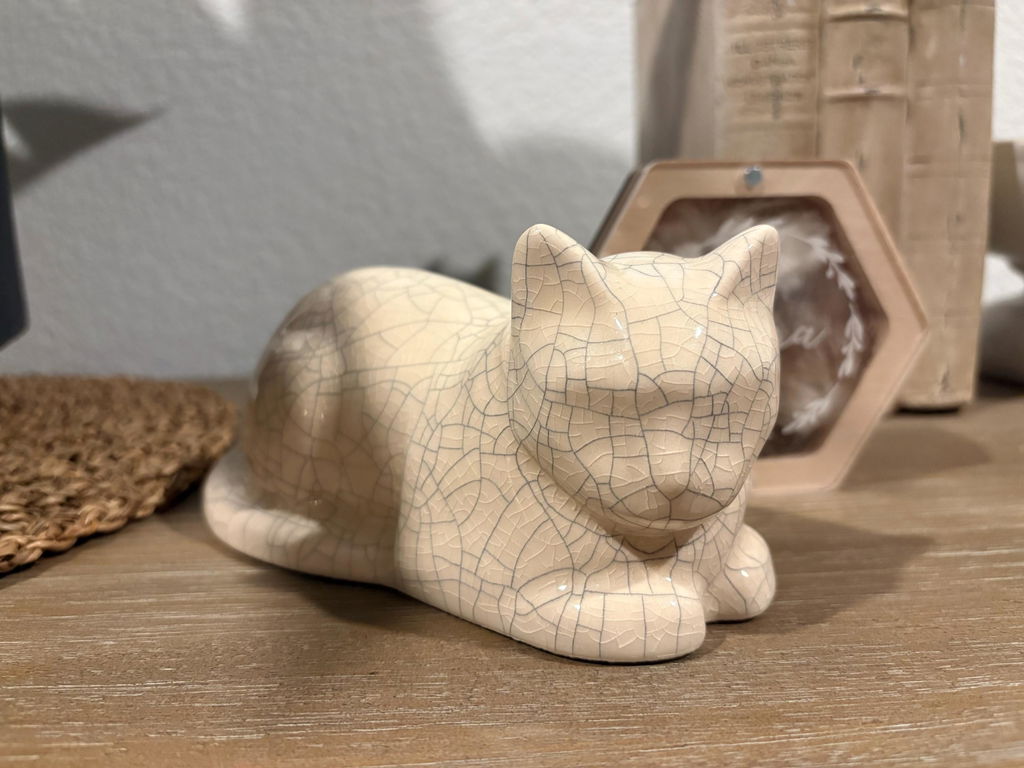
For some people, keeping their pet's ashes in an urn provides a sense of continuity during a period when so much has changed. An urn can become a quiet, tangible reminder of a relationship that once occupied a very visible place in everyday life.
Its meaning, however, does not have to remain fixed. In the early stages of grief, the urn might be associated primarily with the finality of the loss. Later, it may become part of the home, a familiar object connected with memories of companionship rather than the circumstances of death.
This change can be significant. It suggests that remembrance does not have to remain centred on the most painful moment of a relationship. A carefully chosen urn can provide a lasting place for a pet's ashes without requiring its owner to remain in a constant state of mourning. Its presence can be meaningful even on days when grief is no longer overwhelming.
For those who choose to keep an urn at home, there is no prescribed way to interact with it. Some prefer a visible place, while others choose a more private setting. The decision can reflect personal comfort rather than an obligation to remember in a particular way.
Perhaps the most important thing to understand about the guilt of feeling better is that love and grief are not interchangeable. A person does not need to remain unhappy to demonstrate that an animal mattered. They do not need to revisit painful memories every day, preserve every object or measure their affection by how long they mourn.
The relationship existed in the life that was shared: in the care provided, the routines established, the trust developed and the ordinary moments that may have seemed insignificant at the time. None of these things becomes less real because life eventually begins to feel enjoyable again.
There may still be difficult days. There may be moments when the absence feels particularly noticeable, even years later. But there can also be laughter, new experiences and genuine happiness. These emotions do not cancel one another out.
Perhaps healing does not mean learning to miss a pet less. It means reaching a point at which remembering them no longer requires being unhappy. The love remains, even as the pain changes. And feeling better is not a betrayal of that love; it is simply another part of learning to live with its absence.

¿Qué tamaño de urna necesito?
Regla sencilla: aprox. 1 litro de capacidad por cada 28 kg de peso corporal.
Cada página de producto indica la capacidad de la urna. Las urnas recuerdo guardan una pequeña parte de las cenizas para compartir.
¿Lo necesita para una fecha concreta?
Envío gratuito · Entrega en 3–5 días hábiles
Envío exprés en hasta 3 días hábiles: elígelo al finalizar la compra
¿Necesita ayuda para elegir?
Hable con nuestro equipo: le ayudaremos a encontrar la urna adecuada.
(562) 609-4019 art@pulvisurns.comEnvíenos un mensaje
The Guilt of Feeling Better After Losing a Pet
Feeling better after losing a pet can bring unexpected guilt. Discover why happiness does not diminish the bond you shared and how grief changes over time.
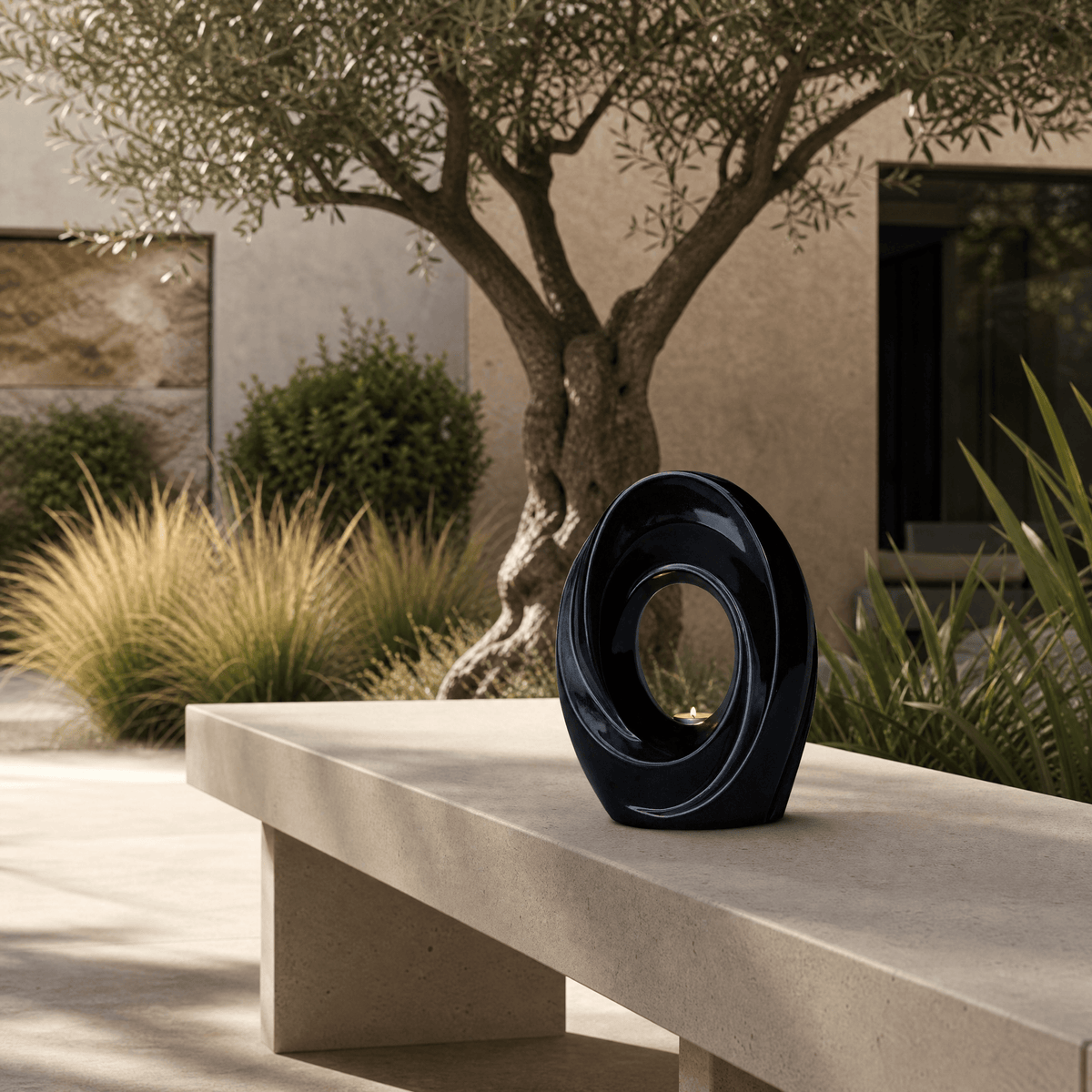
What Is the Best Material for a Cremation Urn?
Discover the best material for a cremation urn by comparing ceramic, metal, wood, glass, and biodegradable options to find a meaningful, lasting memorial for your loved one.
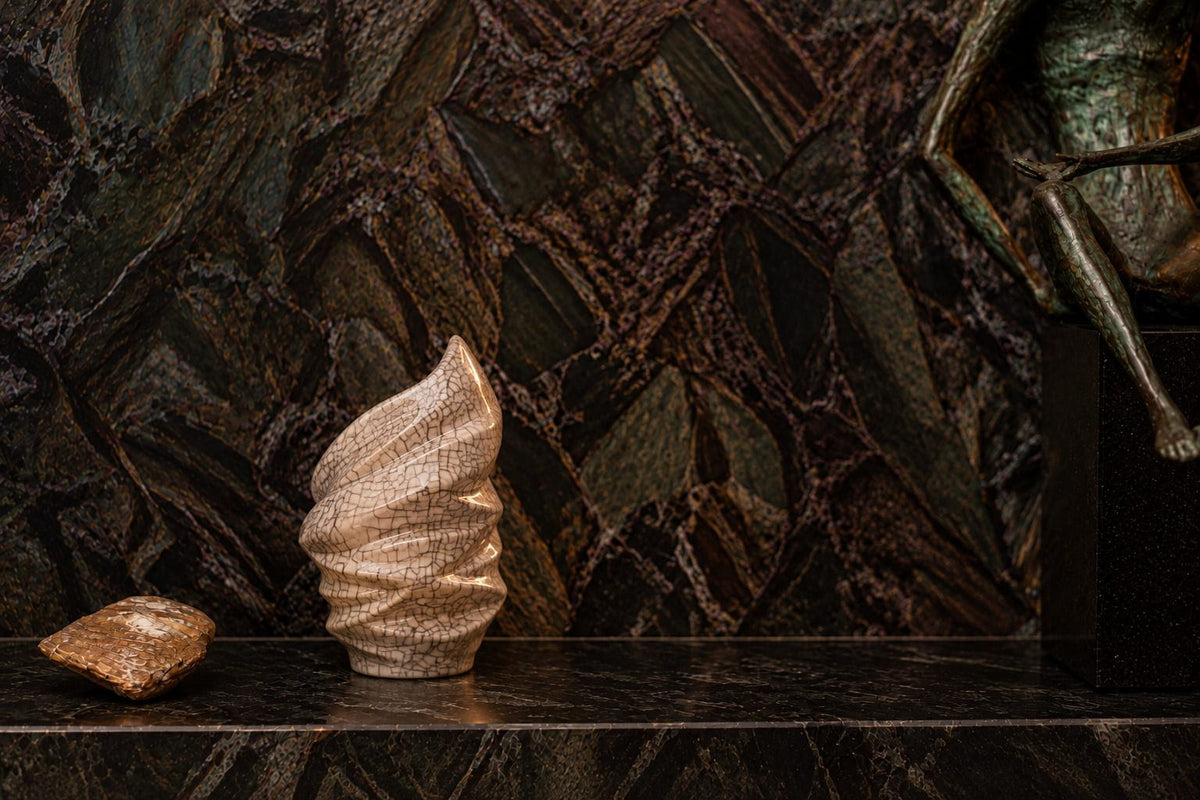
Should You Choose a Keepsake Urn or Full-Size Urn?
Choosing a keepsake urn or full-size urn? Explore their differences, capacity, materials, and benefits to find a meaningful way to honor your loved one.

Todo lo que necesita saber sobre las urnas de cremación para cenizas

Las mejores ideas para guardar cenizas en casa - Guía 2023
Algunos de los recuerdos más preciados de la vida se comparten en casa, por lo que no sorprende que guardar urnas en casa se haya convertido en una práctica común y celebrada. En muchos casos, las familias no pueden imaginar elegir otro lugar de descanso final para su ser querido después de la cremación. Descubre algunas de las mejores ideas para celebrar eternamente la vida de un ser querido desde la comodidad del hogar.


Share:
What Is the Best Material for a Cremation Urn?