


Here for you: art@pulvisurns.com | (562) 609-4019
7% de descuento en tu pedido
Usa el código al finalizar la compra:
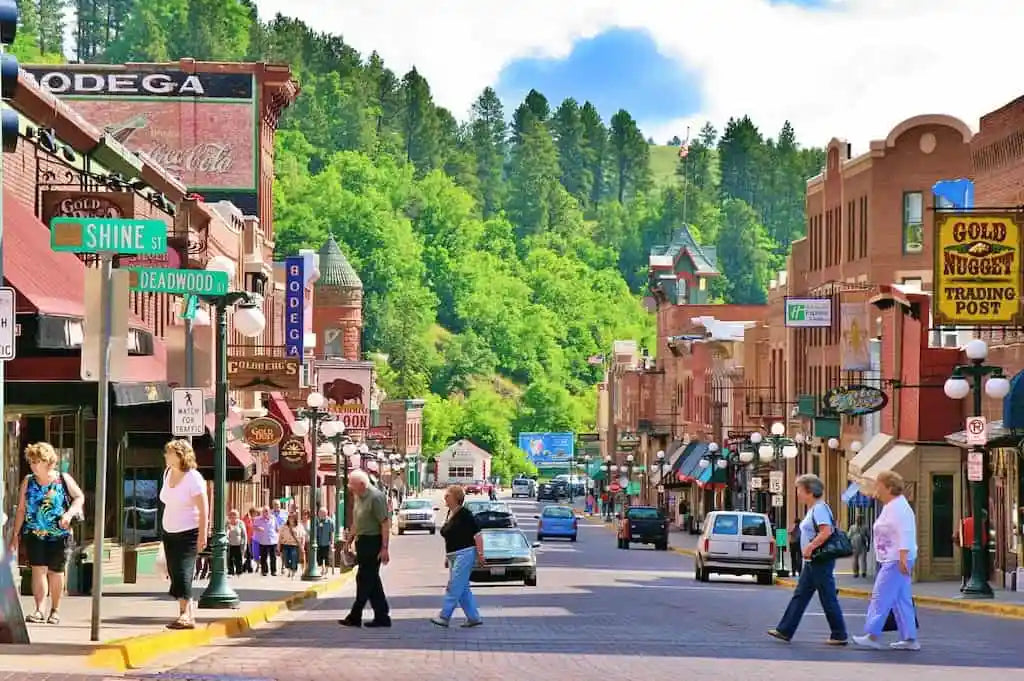
In South Dakota, the "Mount Rushmore State," end-of-life traditions are defined by a connection to the vast, golden prairies and the rugged Black Hills. As of 2026, the state remains a place where traditional values meet modern practicalities, with a growing number of families opting for cremation while still honoring deep-rooted community ties. This guide provides the essential 2026 data and legal insights for navigating final arrangements in South Dakota.
A South Dakota Perspective on Legacy and the Land
In South Dakota, the choice between burial and cremation often reflects the state's agricultural heritage and the desire for a memorial that matches its wide-open spaces.
Emotional and Cultural Factors: Traditional burial in local or church cemeteries remains a cornerstone of South Dakota life, particularly in rural areas where family plots have been maintained for generations. However, cremation is increasingly seen as a way to create a "mobile" legacy. It allows for a Celebration of Life at a favorite hunting spot, a family ranch, or a scenic overlook in the Badlands. Many families choose to keep a loved one’s remains in a sculptural Cremation Urn, viewing the pulvis (ashes) as a permanent piece of home art that keeps the person’s memory active.

Environmental Values: Residents have a profound respect for their land. Traditional burial is increasingly viewed as land-intensive. Cremation, particularly when paired with a handcrafted ceramic vessel for the pulvis, is viewed as a lower-impact choice. There is also rising interest in Green Burial (offered at sites like Mount Pleasant Cemetery in Sioux Falls), which returns the body to the earth without embalming or vaults.
Financial Practicality: South Dakotans are famously pragmatic. In 2026, the cost difference is a primary driver for many families. Choosing direct cremation can save a family roughly $5,800 compared to a full-service burial, allowing those funds to be used for a meaningful community memorial or a lasting family legacy.
South Dakota’s funeral and cremation costs remain competitive, though they vary by region, with Sioux Falls and Rapid City often seeing higher service fees.
Cremation Rates: By 2026, South Dakota’s cremation rate follows the national trend, which is projected to reach over 63% as more families prioritize simplicity.
Average Cost Breakdown: In 2026, South Dakota families should budget for the following average expenses:
Traditional Full-Service Burial: A full funeral service averages $8,614, but can range from $7,200 to $10,300+ depending on the choice of casket and cemetery.
Direct Cremation: For a simple process with no ceremony, the average cost is $2,826, with some providers offering packages as low as $1,170.
Full-Service Cremation: A cremation including a formal viewing and ceremony typically averages $6,689.

South Dakota law (SDCL 34-26A) provides a clear framework to ensure that final arrangements are handled with dignity and transparency.
The 24-Hour Waiting Period: By law, a body cannot be cremated for 24 hours following the time of death, as pronounced by a physician or coroner.
Refrigeration Requirements: Crematories in South Dakota must provide a refrigerated facility for the retention of decedents awaiting cremation.
The Disposition Permit: Before a body can be cremated or moved, a permit for disposition must be obtained electronically from the Department of Health or the local registrar.
Authorizing Agent: South Dakota follows a strict hierarchy for who can authorize cremation: the surviving spouse, followed by a majority of adult children, then parents, and then siblings.
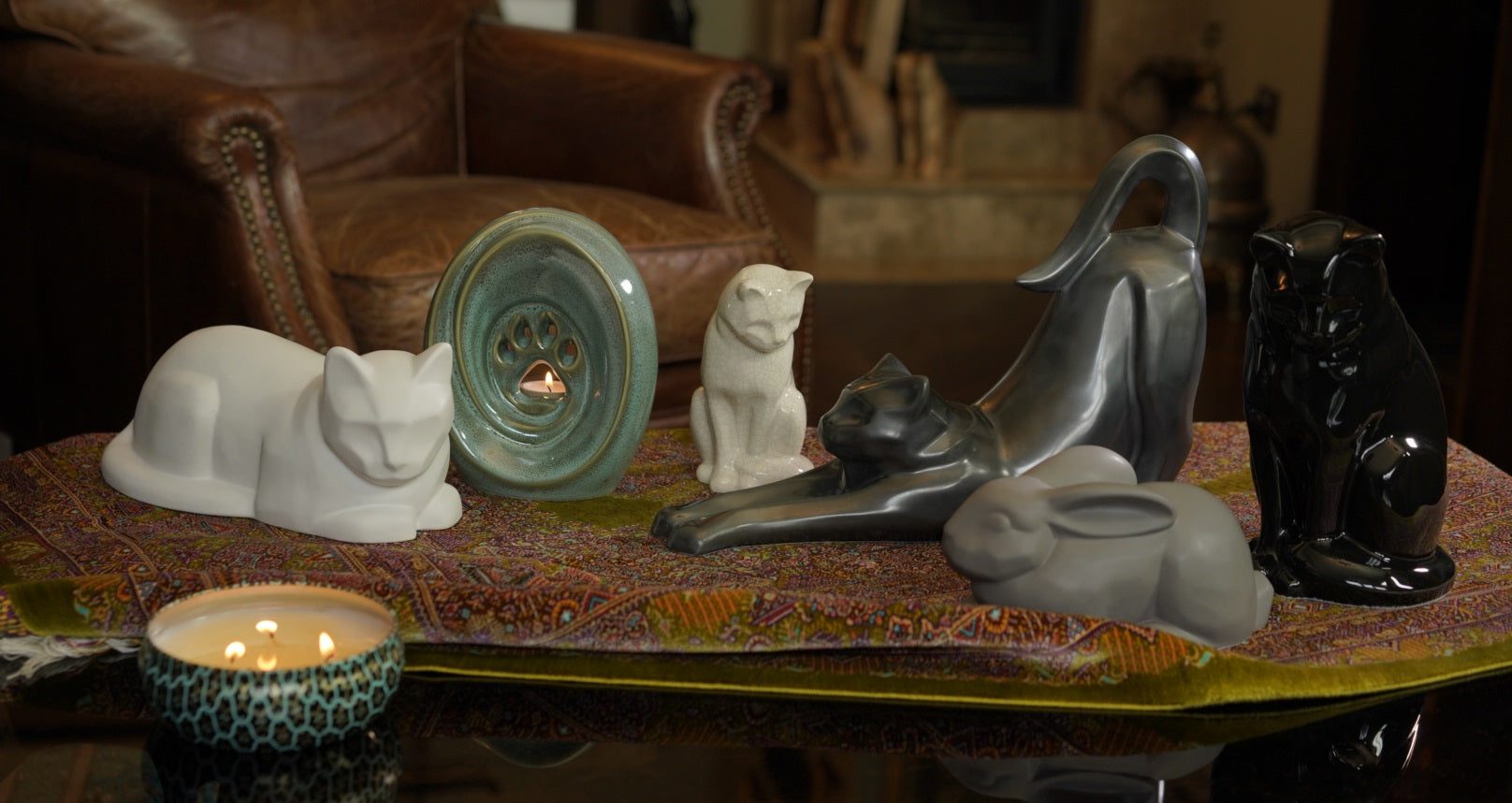
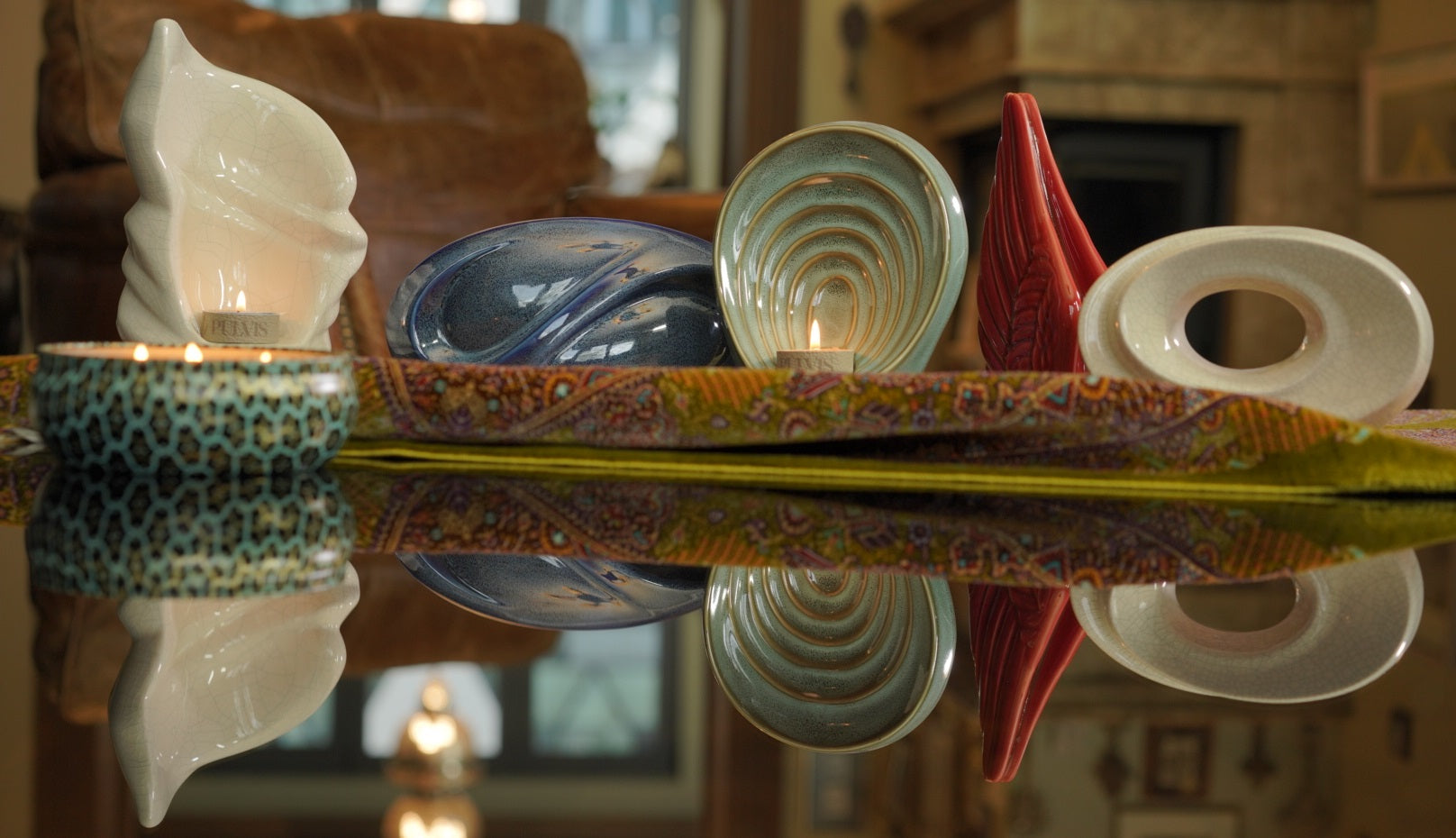
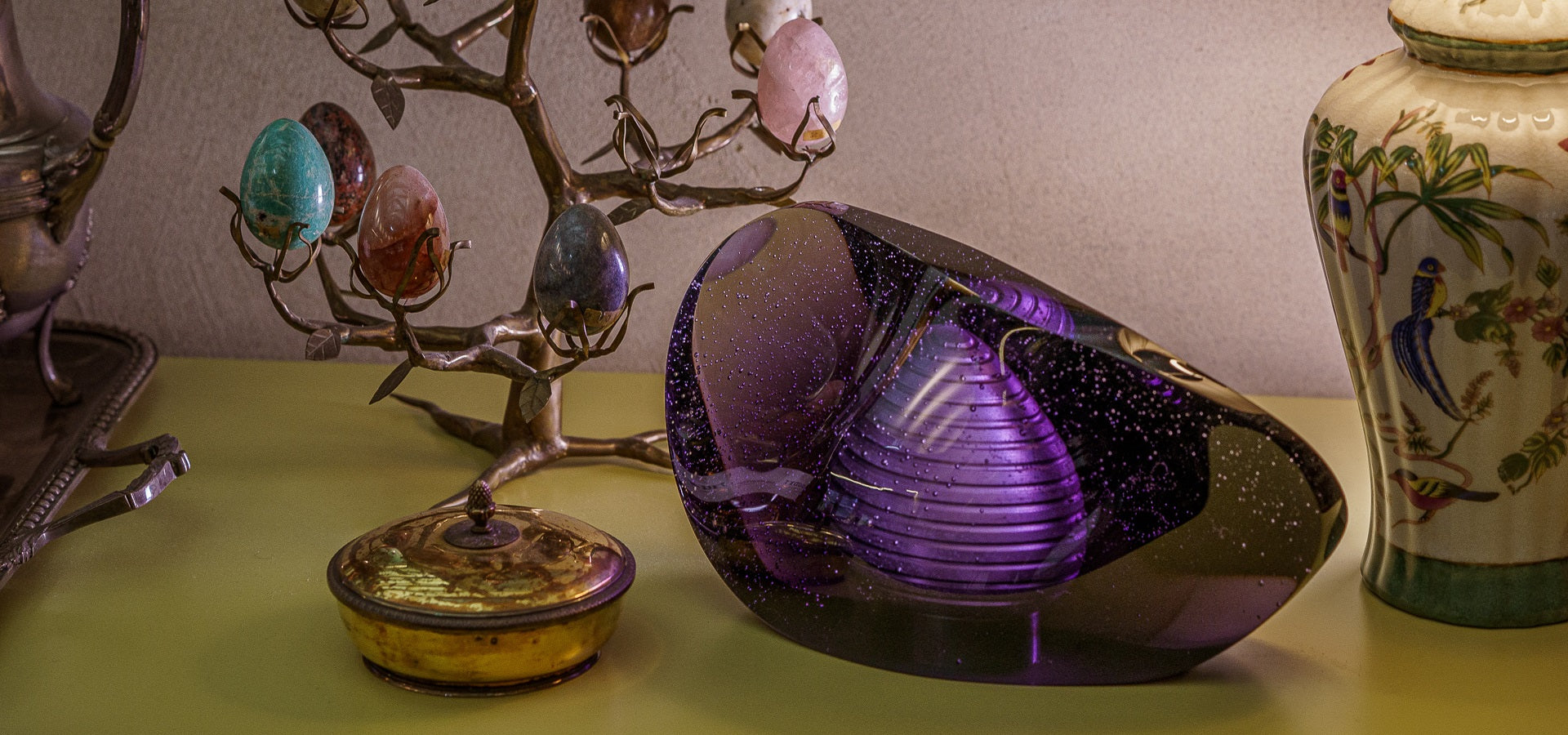
In South Dakota, the vessel chosen for the pulvis is often a centerpiece of the home, mirroring the earthy tones of the prairie.
Sizing Rules: The industry standard is: 1 lb of body weight prior to cremation = 1 cubic inch of ash. A standard adult urn generally holds 200 cubic inches.
Scattering the Pulvis: South Dakota has no state-wide laws restricting the scattering of ashes. They may be scattered on private property with owner consent or on uninhabited public lands.
National Parks: To scatter ashes in Badlands National Park or Wind Cave, a Special Use Permit is required. You must follow specific guidelines, such as scattering away from trails and water sources.
Artistic Tributes: 2026 trends include "Prairie Scatterings" and the use of artistic ceramic urns—such as those by Pulvis—that mirror the granite-like textures and golden hues of the South Dakota landscape.

Based on 2026 service excellence and licensure data, here are several highly-regarded providers serving the state:
| City | Funeral Home | Website |
| Sioux Falls | George Boom Funeral Home | georgeboom.com |
| Sioux Falls | Miller Funeral Home | millerfh.com |
| Sioux Falls | Barnett-Lewis Funeral Home | barnett-lewis.com |
| Rapid City | Behrens-Wilson Funeral Home | behrenswilson.com |
| Rapid City | Osheim & Schmidt | osheimschmidt.com |
| Aberdeen | Spitzer-Miller Funeral Home | spitzerfuneralhome.com |
| Watertown | Crawford-Osthus Funeral Chapel | crawfordosthus.com |
| Mitchell | Bittner Funeral Chapel | bittnerfuneralchapel.com |
| Pierre | Feigum Funeral Home | feigumfh.com |
| Spearfish | Fidler-Isburg Funeral Chapel | fidler-isburgfuneralchapels.com |
Whether you find peace in a traditional ceremony on the sweeping plains or in the sculptural beauty of a Cremation Urndisplayed on your mantle, your choice is a profound act of love. By understanding the 2026 costs and the specific 24-hour waiting period in South Dakota, you can ensure your final tribute for the pulvis is as soulful and enduring as the land itself.
¿Qué tamaño de urna necesito?
Regla sencilla: aprox. 1 litro de capacidad por cada 28 kg de peso corporal.
Cada página de producto indica la capacidad de la urna. Las urnas recuerdo guardan una pequeña parte de las cenizas para compartir.
¿Lo necesita para una fecha concreta?
Envío gratuito · Entrega en 3–5 días hábiles
Envío exprés en hasta 3 días hábiles: elígelo al finalizar la compra
¿Necesita ayuda para elegir?
Hable con nuestro equipo: le ayudaremos a encontrar la urna adecuada.
(562) 609-4019 art@pulvisurns.comEnvíenos un mensaje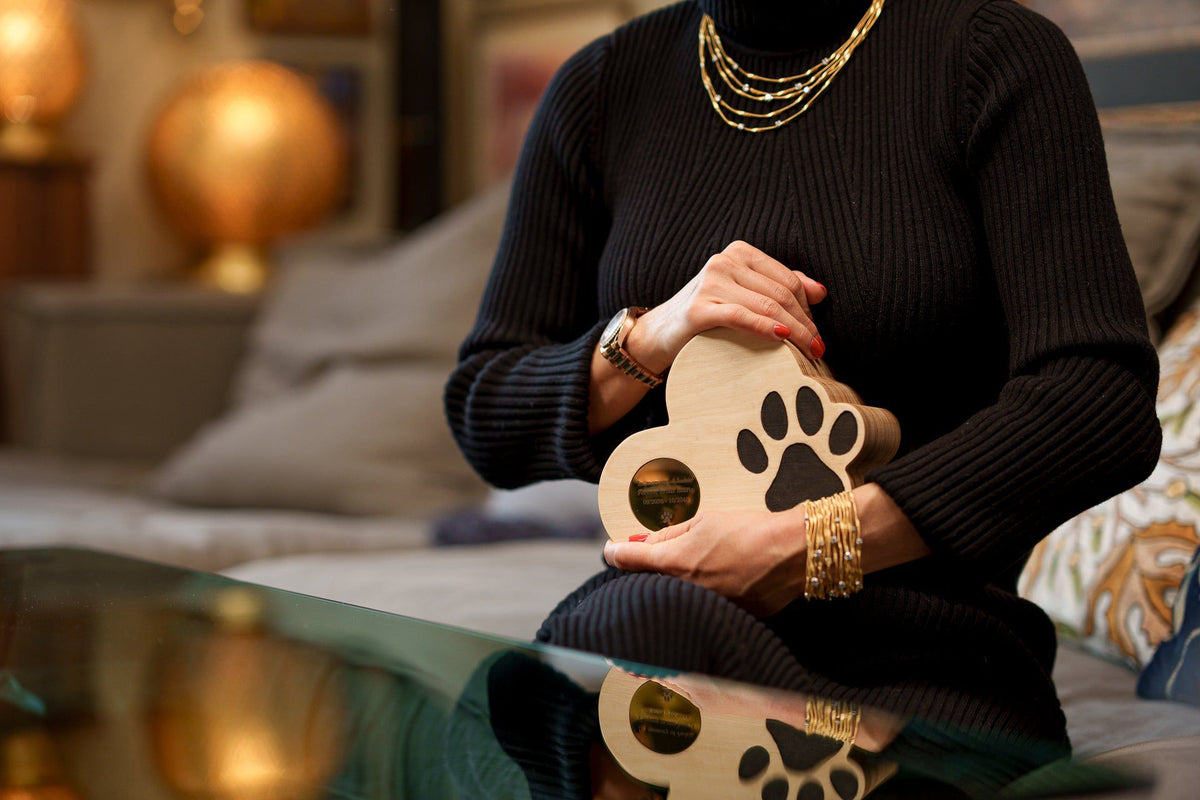
Can You Grieve a Life That Never Had Words?
Discover why losing a beloved pet can be so profound, how wordless bonds shape our lives, and how Pulvis Art Urns brings craftsmanship and thoughtful design to the art of remembering an animal companion.
What Does the Bible Say About Cremation?
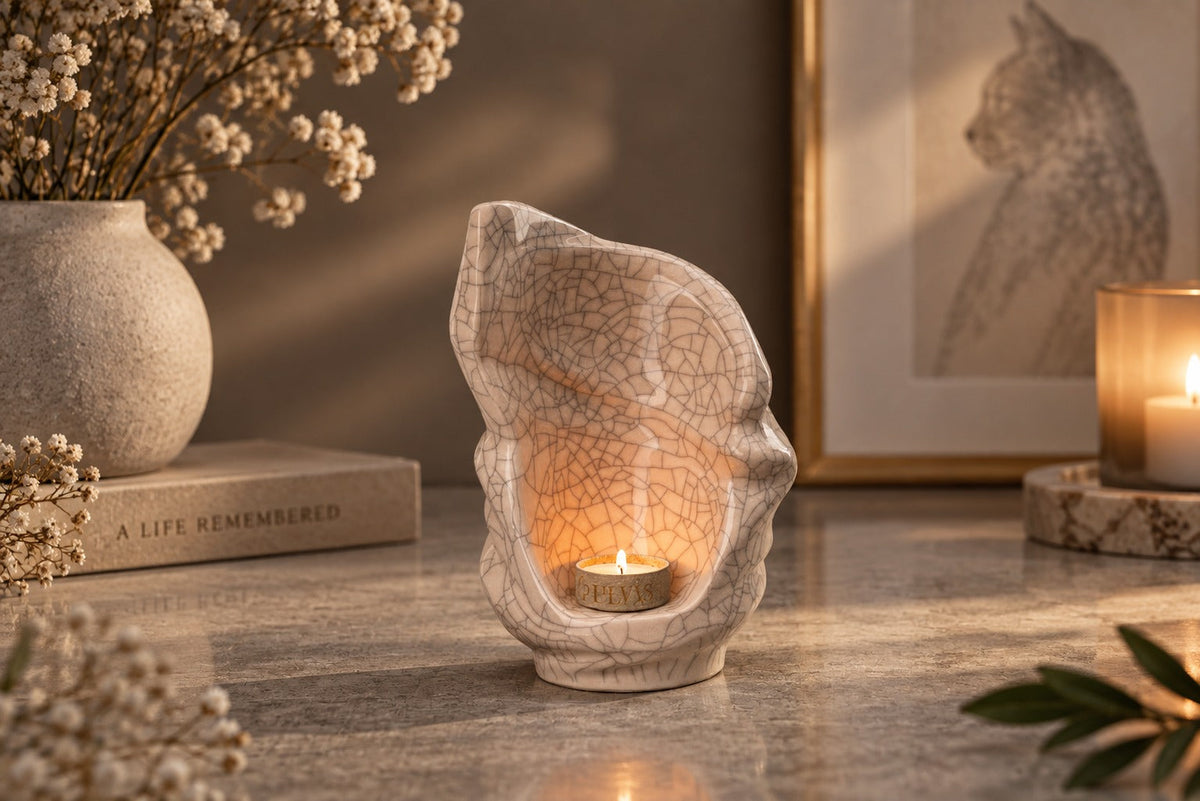
Explore what the Bible says about cremation, Christian beliefs about resurrection, and meaningful ways to honor a loved one’s memory through a thoughtful memorial.
Why Do People Light Candles for the Dead?
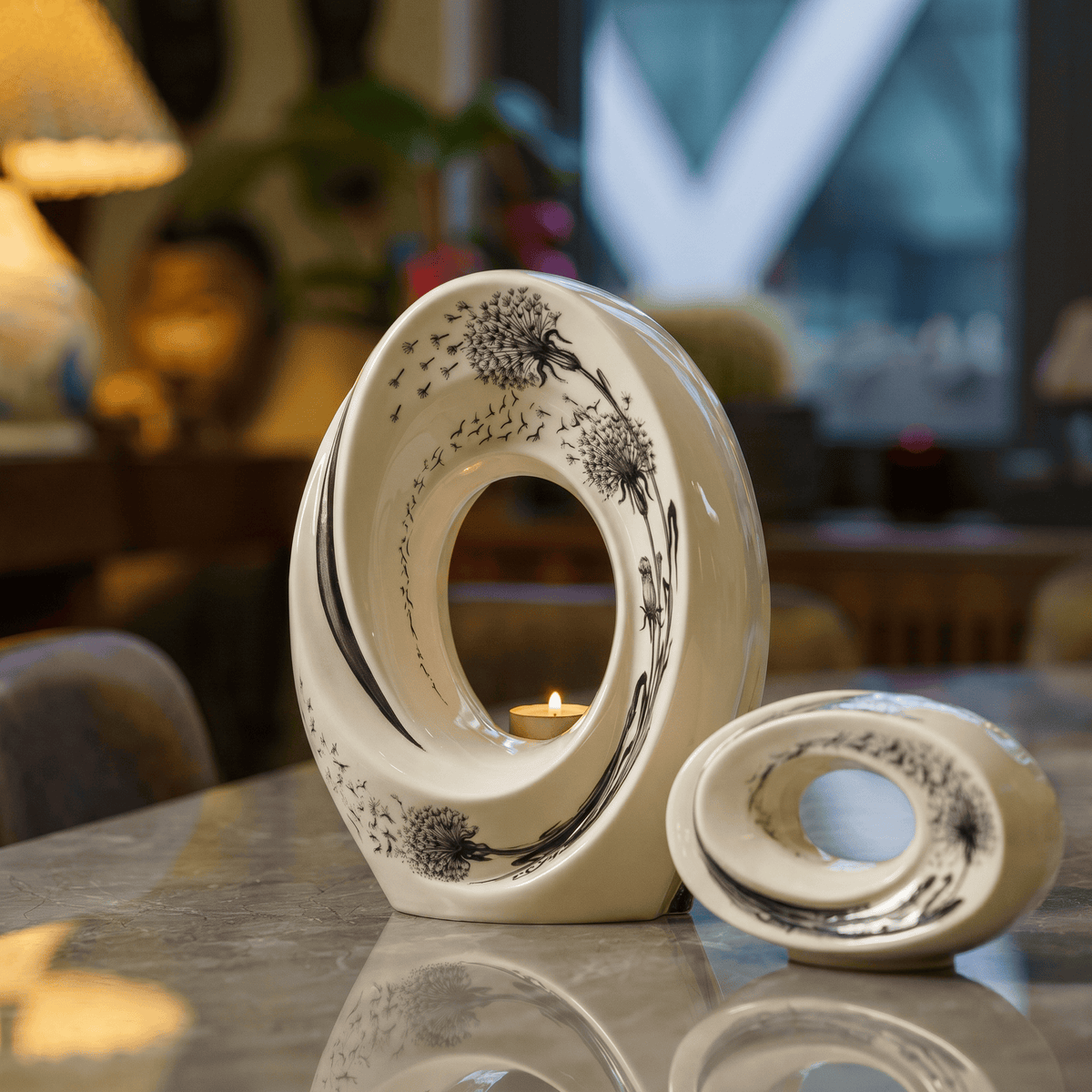
Discover the meaning behind lighting candles for the dead, exploring the traditions, beliefs, and emotions that make this simple ritual a lasting expression of remembrance, comfort, and connection within the home.

The Pet as a Witness to a Human Life
Our pets witness far more of our lives than we realise. Explore what it means for an animal to become a quiet witness to our changing homes, relationships, routines and identities — and how a memorial urn can remain as a physical connection to the life they witnessed.

Can You Inherit a Pet’s Memory?
Can we remember a pet we never knew? Explore how stories, photographs, objects and memorials can carry an animal’s memory across generations, turning a private life into part of a family’s shared history.


Compartir:
Personalized Dog Urns Creating a One of a Kind Tribute
Easy Guide to Funeral Homes in Mississipi