

Here for you: art@pulvisurns.com | (562) 609-4019
Moving a loved one’s urn from one cemetery to another can be an emotional decision. Families may need to relocate an urn because they are moving to another city, changing family arrangements, choosing a different cemetery, or simply finding a resting place that feels more appropriate over time.
Although cremated remains are often easier to relocate than a traditional burial, moving an urn from one cemetery to another is not always as simple as physically taking it from one place and placing it somewhere else. Depending on the country, region, cemetery and type of interment, there may be specific rules and permissions involved.
Understanding the process beforehand can make the transition more straightforward and help families approach it with care.
In many circumstances, yes. An urn containing cremated remains can potentially be moved from one cemetery to another.
However, the process depends on where the urn is currently interred, where it will be moved, and the regulations governing both locations.
An urn may be placed in an urn grave, columbarium niche, family plot, mausoleum, or another designated memorial space. Each type of placement can have different rules concerning removal and relocation.
The cemetery where the urn is currently located will usually need to be contacted before any removal takes place.
It is important not to assume that an urn can simply be removed by the family. Once cremated remains have been formally interred, the cemetery may have its own procedures for authorizing and documenting their removal.

There are many reasons a family might decide to relocate cremated remains.
One of the most common is a family move. If relatives relocate permanently, they may want their loved one to be closer to them.
A family may also decide to move an urn because a particular cemetery no longer feels like the right resting place. Relationships, circumstances and family structures can change over the years.
In other cases, a cemetery may close, undergo redevelopment, change ownership or alter the way memorial spaces are managed.
Families may also choose to bring several relatives together in one cemetery or family plot.
Whatever the reason, moving an urn does not diminish the significance of the original resting place. For some families, relocation simply represents a new chapter in how they care for and remember the person who died.
The first step is usually to contact the cemetery where the urn is currently located.
Ask the cemetery administration about its procedure for removing and transferring cremated remains.
They can explain whether an authorization, application, identification documents or other paperwork is required.
It is also important to contact the cemetery where the urn will be moved. The new cemetery may have its own requirements before accepting the cremated remains.
Speaking to both cemeteries before making arrangements can prevent unexpected problems later.

In many cases, some form of authorization is required.
The exact requirements depend on the jurisdiction and the circumstances of the interment.
The person responsible for the burial or the legal holder of the cemetery rights may need to provide consent. In some situations, additional documentation may be necessary, particularly if several family members have rights connected to the grave or memorial space.
The cemetery should be able to explain who is authorized to request the removal and what documents are required.
Because regulations differ considerably, families should always check the specific rules applicable to their location rather than relying on general assumptions.
The documentation varies, but families may be asked for information such as the deceased person's death certificate, cremation certificate, burial or interment records, identification of the person requesting the transfer, and documentation relating to the cemetery plot or niche.
Additional authorization may be required if the person requesting the transfer is not the person who originally arranged the interment.
If the urn is being moved internationally, considerably more documentation may be necessary.
Keeping the original cremation and cemetery records together can make the process easier.
The process can be slightly different when an urn is stored in a columbarium niche rather than buried in the ground.
A columbarium is a structure containing individual spaces designed to hold cremation urns.
The cemetery or memorial facility will typically have records showing which niche contains the urn and who has the rights associated with it.
The administration may need to formally authorize the opening of the niche and removal of the urn.
The family should not attempt to open or access a niche themselves unless the cemetery explicitly permits it.
Once the urn has been removed, the cemetery can provide documentation confirming the transfer or release of the remains, depending on its procedures.

If the urn is buried underground, the cemetery may need to arrange for the grave or burial space to be opened.
This can involve specific procedures and may need to be carried out by cemetery personnel.
The family may not be permitted to remove the urn themselves.
The cemetery can explain whether there are requirements concerning the timing of the removal, who may be present, and how the urn will be handled.
Once removed, the urn can then be transferred to the new cemetery according to the applicable regulations.
Not necessarily.
In many cases, the urn can remain sealed throughout the relocation process.
Whether it can remain sealed depends on the condition of the urn, the cemetery's procedures and any legal requirements.
If the urn is damaged, deteriorating or unsuitable for transportation, the family may need to consider transferring the ashes into a new container.
This can be an emotional moment, especially if the original urn has been with the family for many years.
If the existing urn is in good condition, there may be no reason to open it simply because the ashes are being moved.
An urn may become damaged over time, particularly if it has been buried for many years or exposed to moisture, temperature changes or pressure.
If the urn is fragile, the cemetery may recommend placing it inside a protective container before transportation.
If the urn is severely damaged, families may choose to transfer the ashes into a new urn.
This can also be an opportunity to select an urn that better reflects the person's memory or the new resting place.
A handcrafted memorial urn from Pulvis can provide a new permanent container if the original is no longer suitable.
The transition does not erase the history of the original urn. Instead, a new urn can become another chapter in the memorial story.

Whether you can physically transport an urn yourself depends on the relevant laws and the cemetery's procedures.
For a domestic transfer, some jurisdictions may allow families to transport cremated remains personally, while others may impose specific requirements.
The situation can become more complicated when transportation crosses regional or international borders.
Before moving the urn, ask both cemeteries whether there are any requirements concerning transportation, documentation, packaging or authorized carriers.
If professional transportation is required, the cemetery or funeral service provider may be able to recommend an appropriate service.
International relocation is more complicated.
Different countries can have different requirements for transporting cremated remains across borders.
Documents may need to be translated, certified or legalized. Airlines and transport providers may also have their own rules concerning cremated remains.
The requirements can depend on both the country of departure and the country of destination.
If you are moving an urn internationally, contact the relevant authorities, the cemetery, the funeral service provider and the transport company well in advance.
Do not assume that the rules that applied to the original cremation will automatically apply to international transportation.
In some circumstances, families may choose to relocate an urn into an existing family grave or memorial space.
Whether this is possible depends on the cemetery's rules and the rights associated with the grave.
The cemetery may have restrictions on the number of urns that can be placed in a particular plot, the type of urn permitted, and who can be interred there.
If the family grave belongs to several people or generations, additional consent may sometimes be necessary.
The cemetery administration can explain what is possible and what documentation is required.

Once an urn has been removed, the cemetery may update its records to show that the space is no longer occupied.
If the family has a lease or interment right associated with the location, the terms of that agreement will determine what happens next.
In some cases, the space may return to the cemetery. In others, the family may retain certain rights depending on the type of property involved.
This is another reason to discuss the entire process with the cemetery before removing the urn.
The new cemetery will generally document the arrival and placement of the urn.
The family may need to provide information about the deceased, the cremation and the previous place of interment.
The urn can then be placed in its new grave, niche or memorial space according to the cemetery's procedures.
For many families, this final stage can feel like an important moment. The physical location changes, but the purpose of the memorial remains the same: providing a place where the person can continue to be remembered.
Not necessarily.
A resting place can be meaningful, but the relationship between a person and the people who remember them is not confined to a particular piece of land.
Families sometimes feel guilty about moving a loved one's remains, especially when the original cemetery has been part of the family story for many years.
But relocation can also be an act of care.
Moving an urn closer to family can make it easier for loved ones to visit. Placing it alongside other relatives can create a shared family memorial. Choosing a new location can also reflect changing circumstances or wishes that developed over time.
There is no single correct place for every person's ashes.

This can be one of the most difficult aspects of relocating an urn.
Different family members may have different ideas about where a loved one should rest.
Before taking any action, it is important to understand who has the legal authority over the interment and cremated remains.
If there is disagreement, the cemetery may require additional documentation or consent before allowing the urn to be removed.
In particularly complicated situations, obtaining professional legal advice may be appropriate.
The goal should be to resolve the practical issue while treating the deceased person's wishes and the family's emotional needs with respect.
For some people, the idea of moving a loved one's remains can feel uncomfortable.
But there is no universal rule that says a person's memorial must remain in its original location forever.
Families move, cemeteries change, and circumstances evolve.
What matters is that the decision is made thoughtfully and in accordance with the relevant rules.
For some families, the new location may ultimately feel more appropriate than the original one.
The act of moving an urn does not have to mean leaving a loved one behind. It can mean bringing their memorial into a place where they can continue to be part of the family's life.
Relocating cremated remains can also lead families to reconsider the urn itself.
Perhaps the original urn was chosen quickly during a difficult period. Perhaps it has become damaged over time. Or perhaps the family's aesthetic and emotional needs have changed.
A new urn can provide an opportunity to create a memorial that feels more personal.
Design, material, texture and form can all influence how an urn is experienced within a home or memorial space.
Pulvis creates handcrafted memorial urns designed to give cremated remains a lasting place while also becoming meaningful objects of remembrance.
For a family moving an urn to a new cemetery, choosing a new urn can mark the transition without changing the significance of the ashes themselves.
Moving an urn from one cemetery to another may involve paperwork, permissions and careful coordination, but at its heart, it is a deeply personal decision.
The most important step is to understand the requirements of both the current and future cemetery before making any arrangements.
Once the practical details have been addressed, the emotional meaning of the move can become clearer.
A cemetery is a place of remembrance, but it is not the only place where memory exists.
Sometimes relocating an urn means bringing a loved one closer to the people who remain. Sometimes it means creating a new family memorial. And sometimes it simply means finding a place that feels right today.
The location may change, but the memories do not.
And when an urn is moved with care, the new resting place can become another chapter in the story of how a life continues to be remembered.
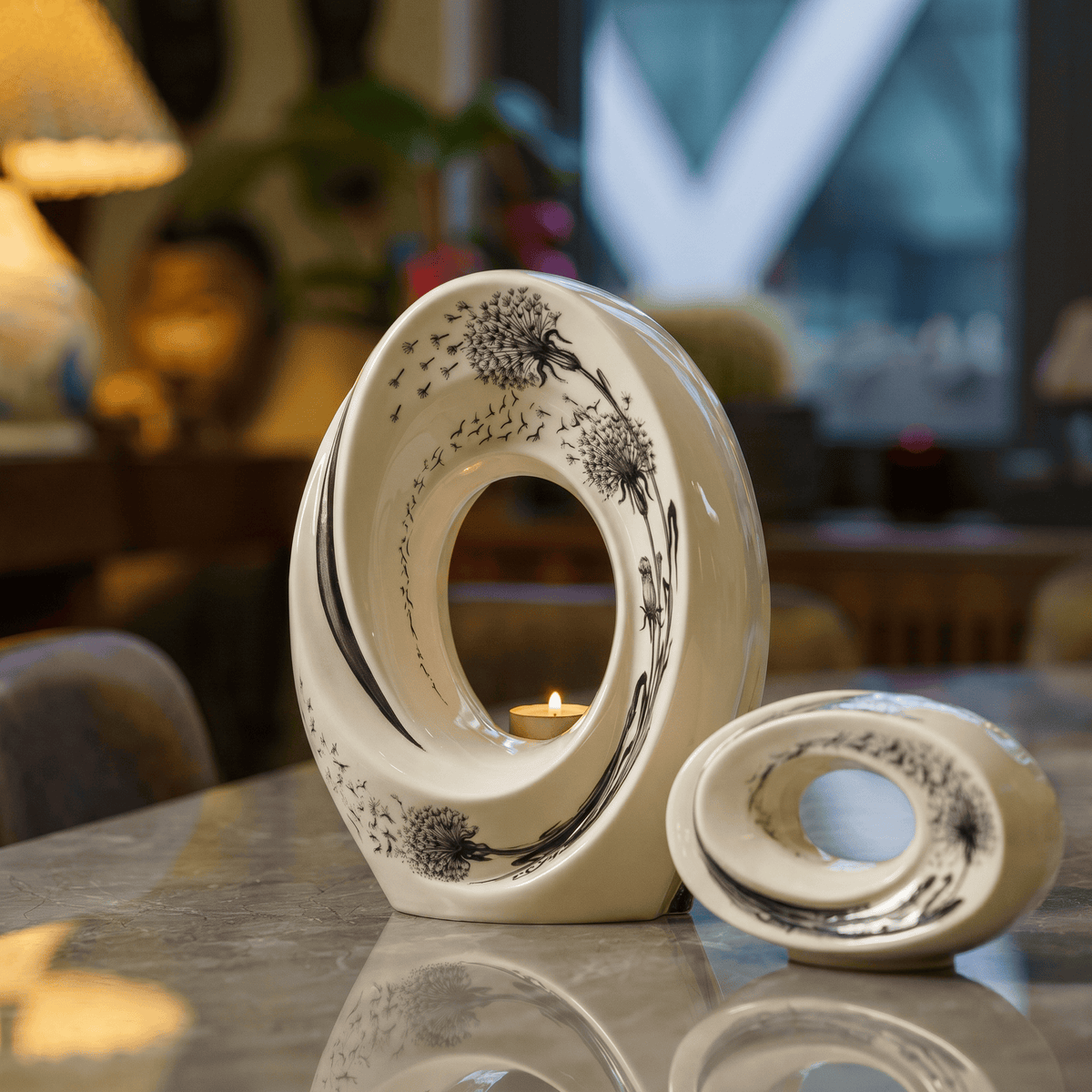
Why Do People Light Candles for the Dead?
Discover the meaning behind lighting candles for the dead, exploring the traditions, beliefs, and emotions that make this simple ritual a lasting expression of remembrance, comfort, and connection within the home.

The Pet as a Witness to a Human Life
Our pets witness far more of our lives than we realise. Explore what it means for an animal to become a quiet witness to our changing homes, relationships, routines and identities — and how a memorial urn can remain as a physical connection to the life they witnessed.

Can You Inherit a Pet’s Memory?
Can we remember a pet we never knew? Explore how stories, photographs, objects and memorials can carry an animal’s memory across generations, turning a private life into part of a family’s shared history.
What a Pet Teaches Us About Impermanence
Living alongside a pet teaches us that the most meaningful parts of life are often temporary. Explore how animals shape our understanding of time, impermanence a quiet, lasting expression of what remains.
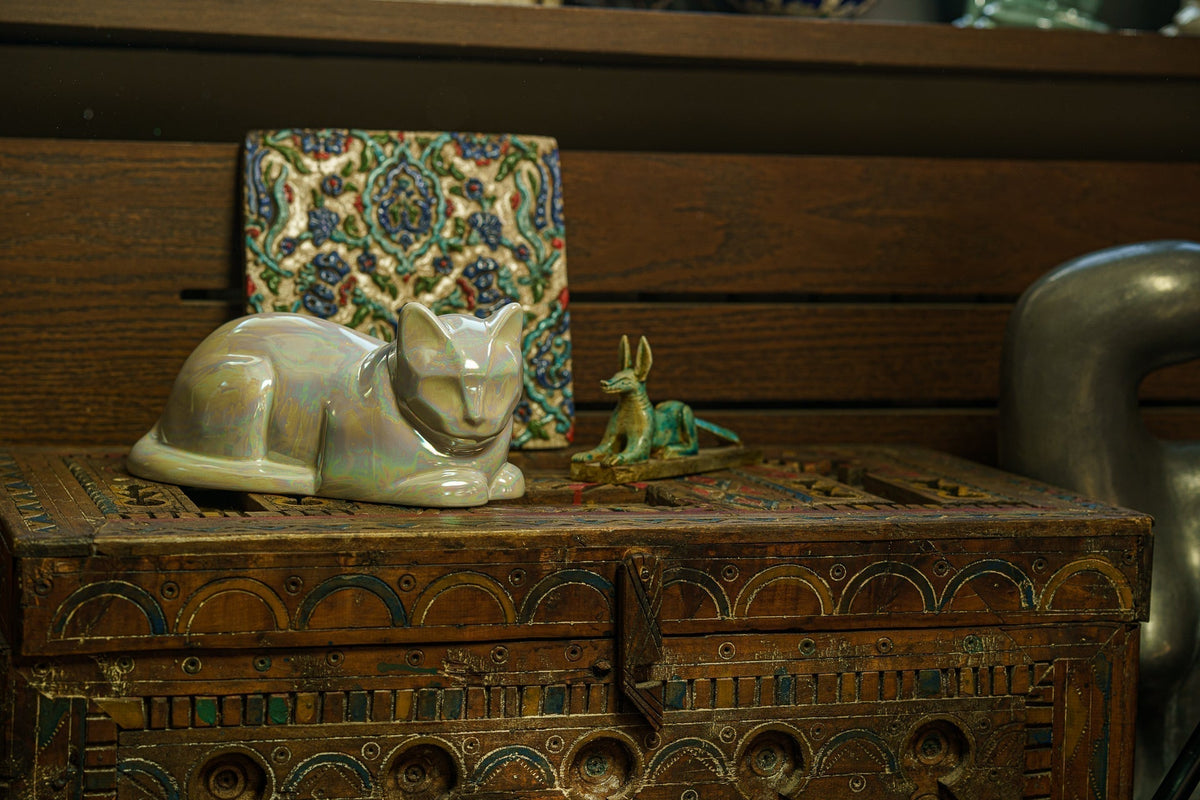
Why the Best Pet Memorials Don't Always Look Like Pet Memorials
The most meaningful pet memorials do not always rely on familiar symbols. Discover how contemporary pet urn design uses form, material, colour, and craftsmanship to create personal memorials that quietly belong within the home.


Compartir:
Can Pet Ashes Be Planted With a Memorial Tree?
Can Two People’s Ashes Be Kept in the Same Urn?