


Here for you: art@pulvisurns.com | (562) 609-4019
Dreams have fascinated humanity for thousands of years. Across cultures and generations, people have searched for meaning in the mysterious experiences that happen while we sleep. Some dreams disappear within moments of waking, while others remain unforgettable for a lifetime. Among the most powerful and emotional dreams are those involving loved ones who have passed away.
Many people who have experienced the loss of a family member, partner, close friend or someone deeply important describe similar experiences. They dream that they are having a conversation with someone who is no longer physically present. They may walk together through a familiar place, share a meal, hear their voice or simply spend time together as if nothing has changed. In the dream, everything feels completely real.
Then they wake up.
For a brief moment, the person they lost feels close again. The emotions return. The connection feels alive. Some people wake feeling comforted, while others experience a deep sense of sadness because they are reminded once again that the person is gone.
This raises one of the most fascinating questions about the human mind: why do we dream about people we have lost?
For centuries, these dreams have been interpreted through spiritual and cultural beliefs. Many traditions view dreams of deceased loved ones as meaningful encounters, signs or messages. Modern science approaches these experiences differently, exploring how the brain processes memories, emotions and attachment during sleep.
Although neuroscience cannot explain every aspect of dreaming, researchers have discovered that these dreams are deeply connected to the way the brain stores relationships and adapts to grief.
The people we love leave traces inside our minds.
Not only emotional traces.
Biological ones.
Every conversation, every shared experience, every familiar routine and every moment of connection creates networks within the brain. Over years, relationships become part of the way we understand the world. This is why losing someone can feel like losing a part of everyday reality. The brain is not only processing sadness; it is also adjusting to the absence of someone who became deeply connected to our identity.
Dreams about loved ones who have passed away reveal something extraordinary about human memory: relationships do not simply disappear when someone is gone. They continue to exist through the patterns, emotions and experiences that remain inside us.

To understand why dreams about loved ones can feel so powerful, it is important to understand how memory works. The human brain contains approximately 86 billion neurons that communicate through incredibly complex networks. Every thought, feeling and memory is created through patterns of activity between these cells.
When we experience something meaningful, the brain creates connections between different areas responsible for information, emotions and sensory experiences. These connections become stronger when the experience carries emotional importance.
The hippocampus plays a central role in forming and retrieving autobiographical memories — the memories that create our personal history. It helps us remember places, conversations, important events and moments from our lives.
However, memories are not created by the hippocampus alone. The amygdala, a small structure located deep within the brain, helps determine the emotional importance of an experience. When something is connected with strong emotions such as love, happiness, fear or sadness, the amygdala helps strengthen that memory.
This explains why ordinary moments with someone we love can become some of the strongest memories we carry.
A simple afternoon together.
A familiar phrase they always used.
The sound of their laughter.
A tradition repeated every year.
At the time, these moments may have seemed ordinary. However, because they carried emotional meaning, the brain marked them as important.
Years later, a small reminder can activate those same networks again.
The brain does not ask whether the person is physically present.
It recognises the connection.
One of the most remarkable aspects of these dreams is how realistic they can feel. Many people describe hearing a loved one's voice exactly as they remember it. Others describe seeing their face, feeling their presence or experiencing physical sensations such as an embrace.
Some people wake up feeling as though they genuinely spent time with that person.
This happens because memory is not stored in the brain like a photograph or video recording. Instead, memories are constantly reconstructed through a combination of emotions, sensory information and previous experiences.
When we dream, many of these same networks become active. The brain can recreate voices, faces, places and feelings connected to someone we love. Because the areas responsible for logical analysis are less active during certain stages of dreaming, the experience can feel completely real.
The brain is not creating a fake person.
It is rebuilding a meaningful connection from the memories that remain.
This is why dreams about parents, partners, children or close friends can feel incredibly vivid. The brain is not creating something from nothing. It is using years of emotional experiences stored within neural networks.

When someone becomes an important part of our lives, the brain begins to predict their presence. It expects their voice, their messages, their habits and their place in everyday routines.
The brain is constantly creating predictions based on past experiences. This ability helps humans navigate the world efficiently.
When someone dies, the emotional understanding of the loss may happen quickly, but the brain’s predictive systems require more time to adjust.
For years, the brain has learned one reality:
This person is here.
Now it must gradually learn another:
This person is no longer physically present.
Dreams may be part of this adjustment process. They allow the brain to revisit memories while processing a new reality. They create a space where the relationship can continue internally, even though physical presence has ended.
This does not mean someone is refusing to accept the loss. It means the brain is adapting to a major change in the patterns it has built over time.
Grief is not simply the process of forgetting someone.
It is the process of learning how to carry their absence while preserving their importance.
When people dream about loved ones who have passed away, the memories that appear are often connected to moments that carried deep emotional meaning. The brain does not randomly select memories. It prioritises experiences that are connected to emotions, personal identity and important relationships.
A person may dream about a childhood home, a family celebration, a conversation that happened years ago or a simple moment that seemed ordinary at the time but later became one of the most treasured memories they carry.
This happens because emotional memories are stored differently from ordinary information. The brain gives special importance to experiences connected with love, belonging and attachment. A simple action can become unforgettable because of the person connected to it.
A morning coffee shared together. A favourite phrase someone always repeated. The sound of their laughter. A song they loved. A tradition that existed only within that relationship.
The power of these memories does not come from the event itself. It comes from the emotional connection attached to it.
When we dream about someone we have lost, the brain is not only replaying the past. It is bringing forward the parts of that relationship that continue to influence who we are.

Grief is one of the most complex experiences of being human. It affects emotions, thoughts, behaviour and even the way the body functions. When someone important dies, the brain must process an enormous change.
A person who was once part of everyday life is suddenly absent. The routines connected to them change. The expectations connected to them change. The future we imagined with them changes.
The brain must gradually reorganise its understanding of reality.
Dreams can become part of this process.
During sleep, the mind continues working with memories and emotions. It creates connections between past experiences and present feelings. For someone experiencing grief, dreams may provide a place where the relationship can continue in a different form.
Some dreams bring comfort. A loved one may appear peaceful. They may smile. They may say something meaningful. They may simply be present.
Other dreams may feel painful. A person may wake up feeling the sadness of losing them again. They may search for them in the dream. They may experience confusion about why the person is gone.
These experiences are not unusual.
They reflect the complicated relationship between love, memory and loss.
The brain is trying to understand two realities at the same time:
The person mattered deeply.
The person is no longer physically here.
Dreams can become a space where these two truths exist together.
Sleep is not a passive state where the brain simply rests. During sleep, the brain remains highly active. It processes information, strengthens memories and regulates emotions.
Researchers believe that dreaming is connected to the way the brain organises experiences from daily life.
Throughout the day, we collect thousands of pieces of information. Some are forgotten almost immediately. Others become connected with important emotions and become part of our long-term memory.
During sleep, the brain sorts through these experiences. It strengthens some connections, reduces the importance of others and creates new associations.
After the loss of a loved one, this process becomes especially important because the brain is dealing with a major emotional transformation. It must preserve years of memories while also adapting to a new reality.
This is why dreams about deceased loved ones often appear during periods of emotional change, anniversaries, important life events or moments when a person feels a strong need for connection.
The dream is not simply a random image.
It is the brain processing something deeply meaningful.
Many people describe dreams about deceased loved ones as different from ordinary dreams. They often feel clearer, more emotional and more meaningful.
Some people describe them as feeling like an actual meeting.
From a scientific perspective, this can happen because dreams combine memory, emotion and imagination in powerful ways.
The brain can recreate details with remarkable accuracy. A person's face. Their voice. Their movements. Their expressions. Even small details such as the way they walked or laughed can appear in dreams because these memories are stored throughout different areas of the brain.
The emotional intensity of the relationship can make the experience even stronger.
However, the meaning of these dreams is personal.
Some people understand them through neuroscience, seeing them as the brain processing memories and emotions.
Others experience them as spiritual moments or a continuation of a connection beyond physical life.
Regardless of interpretation, one thing remains clear:
These dreams matter because the relationship mattered.
The emotional impact comes from the depth of the bond between two people.

For a long time, many people believed that healing after loss meant eventually letting go completely. Modern psychology offers a different understanding.
Researchers now often discuss the idea of continuing bonds — the belief that people can maintain an ongoing emotional connection with someone who has died while still continuing their own lives.
This connection may appear through memories, traditions, objects, stories and dreams.
A person may continue preparing a loved one's favourite recipe. They may celebrate a tradition that person created. They may keep photographs or personal belongings. They may talk about them with family members. They may dream about them.
These actions are not signs that someone is unable to move forward.
They are expressions of love.
The relationship changes, but it does not disappear.
Human beings are not designed to erase meaningful connections.
The people we love become part of our internal world. They influence our thoughts. They shape our values. They affect the way we see ourselves and others.
When someone dies, their physical presence ends, but their influence continues.
Love changes form. Memory changes form.
But the connections created throughout a lifetime can remain one of the most powerful parts of being human
One of the most fascinating aspects of dreams about loved ones who have passed away is that they can appear long after the loss has happened. Some people are surprised when someone they lost many years ago suddenly appears in a dream. They may wonder why this memory returned after such a long time.
However, the human brain does not measure emotional importance by time.
A relationship that shaped our lives can remain deeply connected to our identity, even decades after a person is gone. Memories connected to love, attachment and important life experiences are stored through complex networks throughout the brain. They do not disappear simply because years have passed.
Sometimes, these memories become active during important moments in our own lives.
A wedding.
The birth of a child.
A major personal achievement.
A difficult period.
A moment when we wish we could share something with that person.
The brain often brings forward the people who helped shape us when we experience events that remind us of our connection with them.
This is why someone who passed away many years ago may suddenly appear in a dream. The dream is not necessarily about the past alone. It may also be connected to the present and the continuing influence that person has on our lives.
Many people describe a special type of dream in which they do not simply see someone they lost, but actually communicate with them.
They talk.
They listen.
They share a moment together.
Sometimes the person in the dream offers comfort. Sometimes they say something meaningful. Sometimes the conversation feels like an opportunity to express emotions that were never fully spoken.
From a scientific perspective, these experiences can be understood through the brain’s ability to recreate memories, personalities and emotional connections. When we know someone deeply, our brain stores countless details about them: their voice, their expressions, their reactions, their way of speaking and the emotions associated with being around them.
During dreams, the brain can bring these elements together into an experience that feels like an interaction.
These dreams can also have emotional importance because they provide a space where people can process feelings connected to loss.
Words that were never said.
Questions that remained unanswered.
Gratitude that was never fully expressed.
Love that continues even after physical separation.
The dream does not change what happened, but it can help the mind create a sense of connection and meaning.

For many people, dreams about loved ones who have passed away become an important part of the grieving process.
Grief is not a straight path. It does not follow a schedule or disappear completely after a certain amount of time. Instead, people learn to carry the memory of someone while continuing their own lives.
Dreams can become one of the ways the brain manages this transformation.
They allow memories and emotions to exist together. They remind us of the relationship while also helping us understand the reality of the loss.
A dream about someone who has passed away is not necessarily a sign that a person is unable to move forward.
Sometimes, it is the opposite.
It can represent the brain finding a new way to maintain a meaningful connection.
The relationship changes, but the importance remains.
One of the most important things about remembrance is understanding that keeping someone’s memory alive does not mean refusing to accept their absence.
Humans are capable of carrying two truths at the same time:
Someone is no longer physically present.
Someone can still have a profound influence on our lives.
The memories we keep, the traditions we continue and the objects we preserve are not attempts to recreate the past. They are ways of recognising the impact a person had.
A loved one continues through the stories we tell.
Through the values they shared.
Through the lessons they taught.
Through the parts of ourselves that were shaped by knowing them.
In this way, memory becomes a form of legacy.

The way humans remember loved ones continues to evolve. While traditional forms of memorialisation remain meaningful, many people today are searching for more personal and emotional ways to honour someone’s life.
They want remembrance to reflect individuality.
They want stories instead of symbols.
They want something that represents the person, not simply the moment of loss.
This is why artistic memorial design has become increasingly important.
A meaningful memorial object can capture elements of a person’s identity: their connection with nature, their personality, their passions, their values or the memories shared with those who loved them.
This approach transforms remembrance from something purely associated with sadness into something that also celebrates life.
Art allows families to create a lasting expression of love.
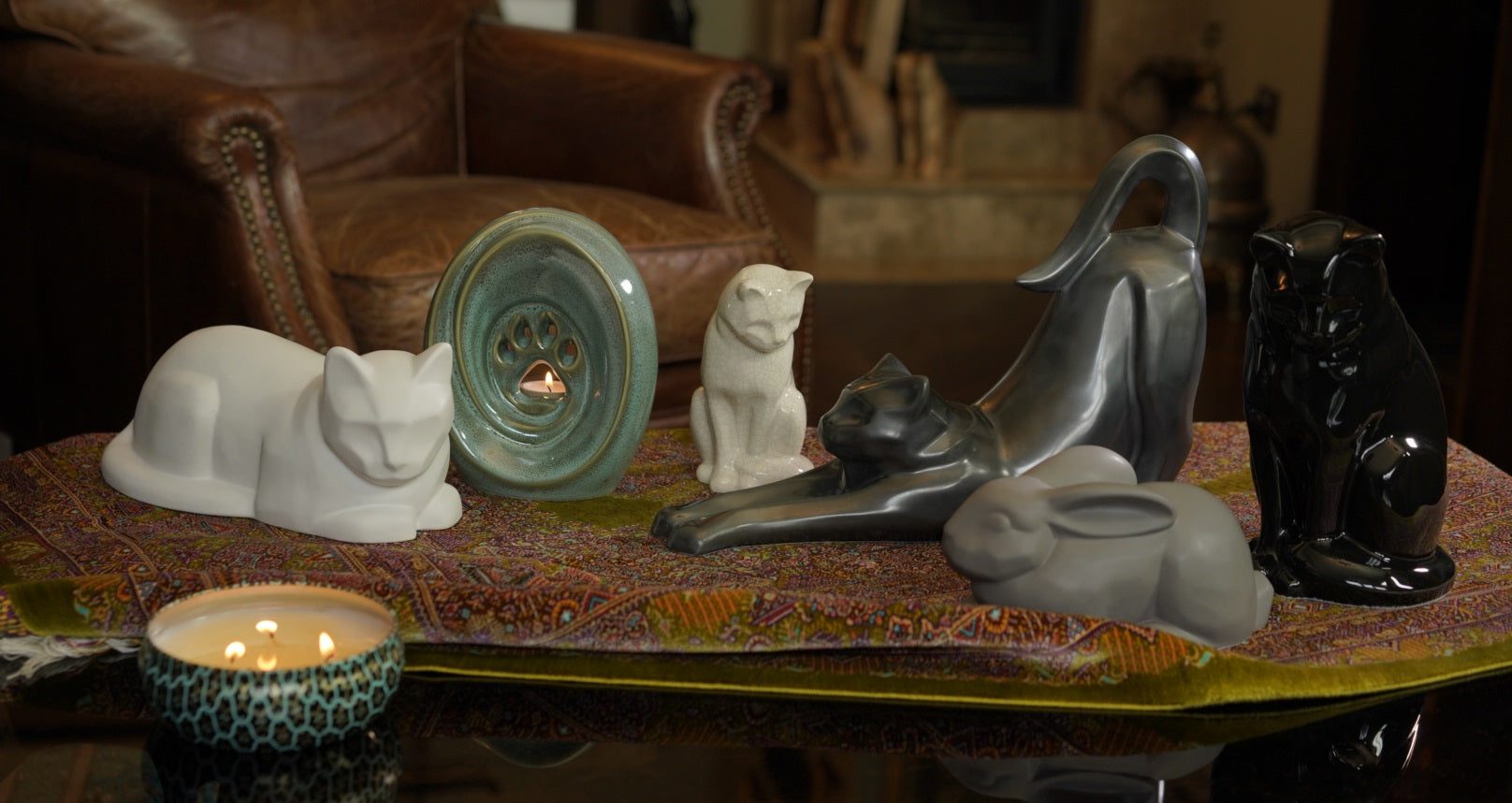
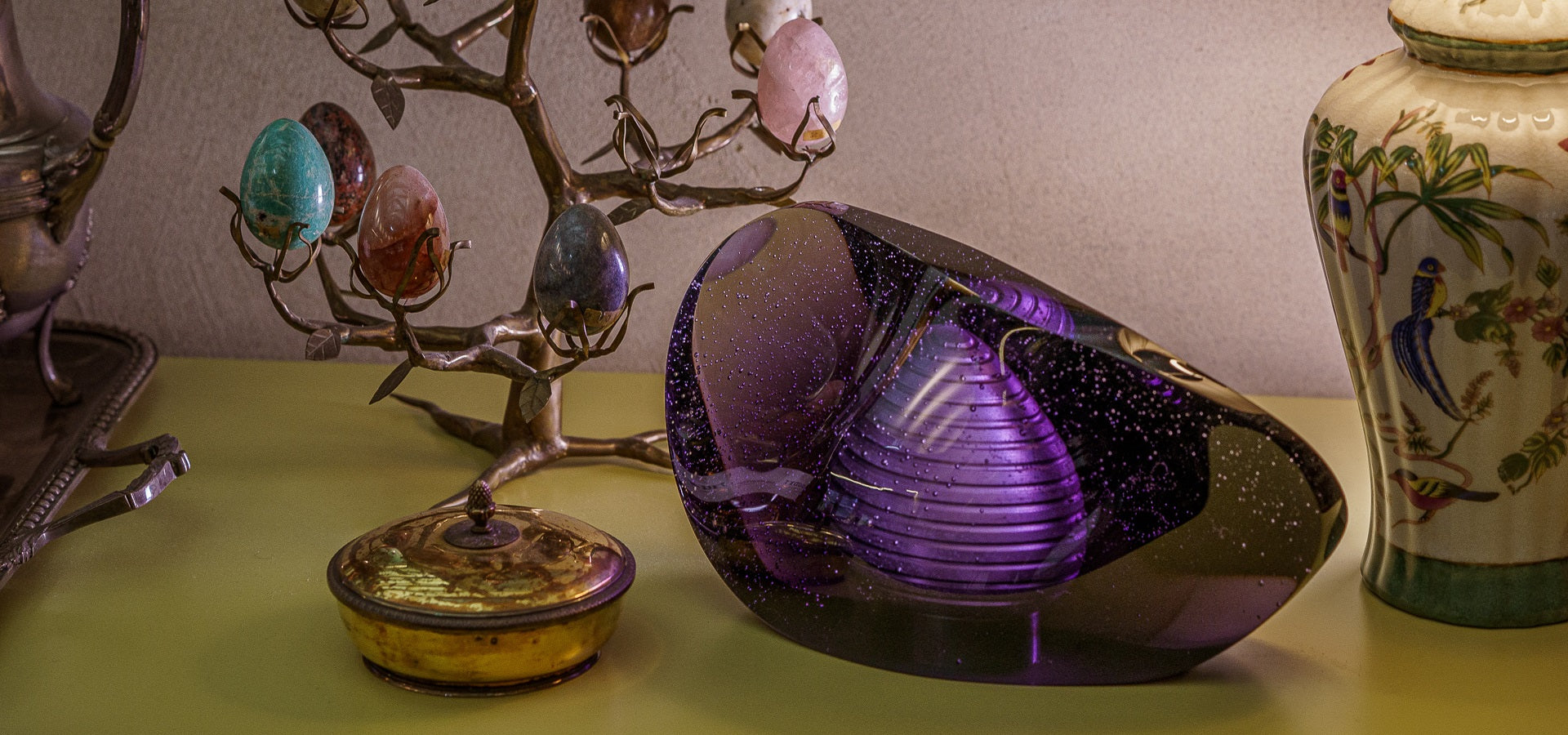
This philosophy is reflected in the work of Pulvis Art Urns, where memorial urns are created not only as resting places but also as artistic pieces designed to preserve individuality, emotion and memory. Through craftsmanship and thoughtful design, an urn can become a physical representation of a unique life story.
The purpose is not only to remember how someone was lost.
It is to celebrate how they lived.

When we dream about someone we have lost, we experience one of the most extraordinary abilities of the human mind.
The brain can bring back a voice.
A face.
A feeling.
A moment.
For a brief time, someone who is physically absent can feel close again.
Science helps explain how these experiences happen. It reveals the role of memory, emotion, neural connections and the incredible ability of the brain to preserve relationships.
But beyond science, these dreams reveal something deeply human.
The people we love leave something behind.
They leave memories.
They leave stories.
They leave parts of themselves within us.
A dream, a photograph, a tradition or a memorial object does not replace someone who is gone.
Instead, these things remind us that meaningful connections do not disappear.
They transform.
They continue through the lives they influenced.
They remain through the love that was created.
Because remembering someone is not only about holding onto the past.
It is about recognising the ways they continue to exist in the present.


What Are the Most Unique Urns Available Today?
Discover the most unique cremation urns available today, from handcrafted ceramic and sculptural designs to glass, nature-inspired, personalized, and keepsake memorials. Learn what makes an urn distinctive and how to choose a meaningful design based on capacity, material, placement, and personal significance.

How Do You Choose the Right Pet Urn?
A practical guide to choosing the right pet urn, covering size, capacity, materials, personalization, closure, and meaningful ways to memorialize your beloved companion.

Why Pet Grief Doesn’t Always Get Easier. It Gets Different
Pet grief does not always become easier with time. It changes. Discover how loss evolves, why memories take on new meaning, and how memorial objects such as urns can become quiet reminders of a life once shared.
Why Your Pet’s Smell Can Bring Back an Entire Memory
Why can the smell of a pet bring back an entire moment? Discover how scent, emotion and memory are connected, and why the familiar smell of an animal can preserve some of our most intimate memories of life together.
Can You Recognize Your Pet’s Personality in Their Face?
Can you recognize your pet’s personality in their face? Explore how years of companionship teach us to read subtle expressions, emotions and familiar gestures — and why a pet’s face can become one of the most powerful places where memory lives.



Partager:
What Happens in the Brain When We Remember Someone We've Lost?
Can an Object Help Us Grieve? The Psychology Behind Meaningful Memorials