

Here for you: art@pulvisurns.com | (562) 609-4019
There is a particular kind of silence that follows the loss of a pet. The house is still there. The familiar places remain. The bed may still sit in its usual corner, and the toys may still be where they were left. Yet something fundamental has changed. The animal who gave meaning to those spaces is no longer physically present.
This is one of the strange contradictions of loss: the world remains almost exactly as it was, while the animal who occupied so much of it is suddenly absent. And yet, after cremation, something physical can remain. Not the animal as we knew it, and certainly not a replacement for its presence, but its ashes, held within an object that can occupy a place in the home and in memory.
This is where the pet urn takes on a meaning that extends beyond its practical function. An urn can become a bridge between presence and absence — between what is no longer physically possible and what can still be held, remembered and given a place in the world.
During a pet's life, presence is usually effortless. We do not have to think about where our pet is in the house. We simply know. We hear paws moving across the floor, see a familiar face waiting at the door and recognise the sounds associated with feeding, sleeping, walking and playing.
A pet becomes woven into the physical structure of everyday life so gradually that we rarely notice how much space its presence occupies. Then that presence disappears. The absence is not only emotional; it is physical. There is no longer anyone waiting by the door, moving through the room or making a familiar sound from another part of the house.
This is why the objects left behind can become so powerful. A collar is no longer simply a collar. A toy is no longer simply a toy. A photograph is no longer simply a photograph. Their meaning changes because the life connected to them has changed.
The urn exists within this same transformation, but with an important difference. Unlike an object that simply belonged to the pet, it is an object deliberately created to hold what remains of the animal physically. It occupies a unique position between memory and material presence.

An urn does not erase absence, and it does not bring an animal back. Its purpose is not to create the illusion that nothing has changed. Instead, it acknowledges the change while providing something tangible within it.
This is what makes the idea of the urn as a bridge so compelling. On one side is presence: the life that was lived, the routines that existed and the personality that filled a home. On the other is absence: the reality that the animal is no longer physically there. The urn belongs somewhere between these two states.
It contains the physical remains of the animal while simultaneously becoming an object through which the living continue to remember. The distinction matters. The urn is not the pet, but it is connected to the pet in a way that an ordinary object cannot be. That connection gives it a particular emotional weight.
Cremation creates a remarkable transformation. A living animal — moving, breathing, eating, sleeping and interacting with the world — eventually becomes ashes that can be preserved within a vessel. The transformation is physical, but the meaning attached to it is emotional.
The ashes represent what remains materially of a body that once had a completely different physical form. The urn then gives those remains a defined place.
This is one reason the vessel itself matters. Without a container, ashes are simply remains. Within a carefully created memorial object, they become part of a deliberate act of preservation. The object does not change what happened; it changes the way the remains can exist within the world of the living. They can have a place, be protected, remain close and become part of the physical landscape of memory.
A vessel has always been more than a practical object. Across cultures and throughout history, humans have created containers for things they considered valuable, sacred or significant. We place precious objects in boxes, preserve letters in drawers, protect photographs in albums and keep ashes in vessels.
The act of containment itself communicates something: this matters enough to preserve.
A pet urn follows this ancient logic while giving it an intensely personal meaning. The vessel protects the remains of an individual animal whose personality, habits and relationship with its family cannot be reduced to the physical material inside it.
That is why the urn can become more than a container. Its physical presence can represent the importance of the life it holds.

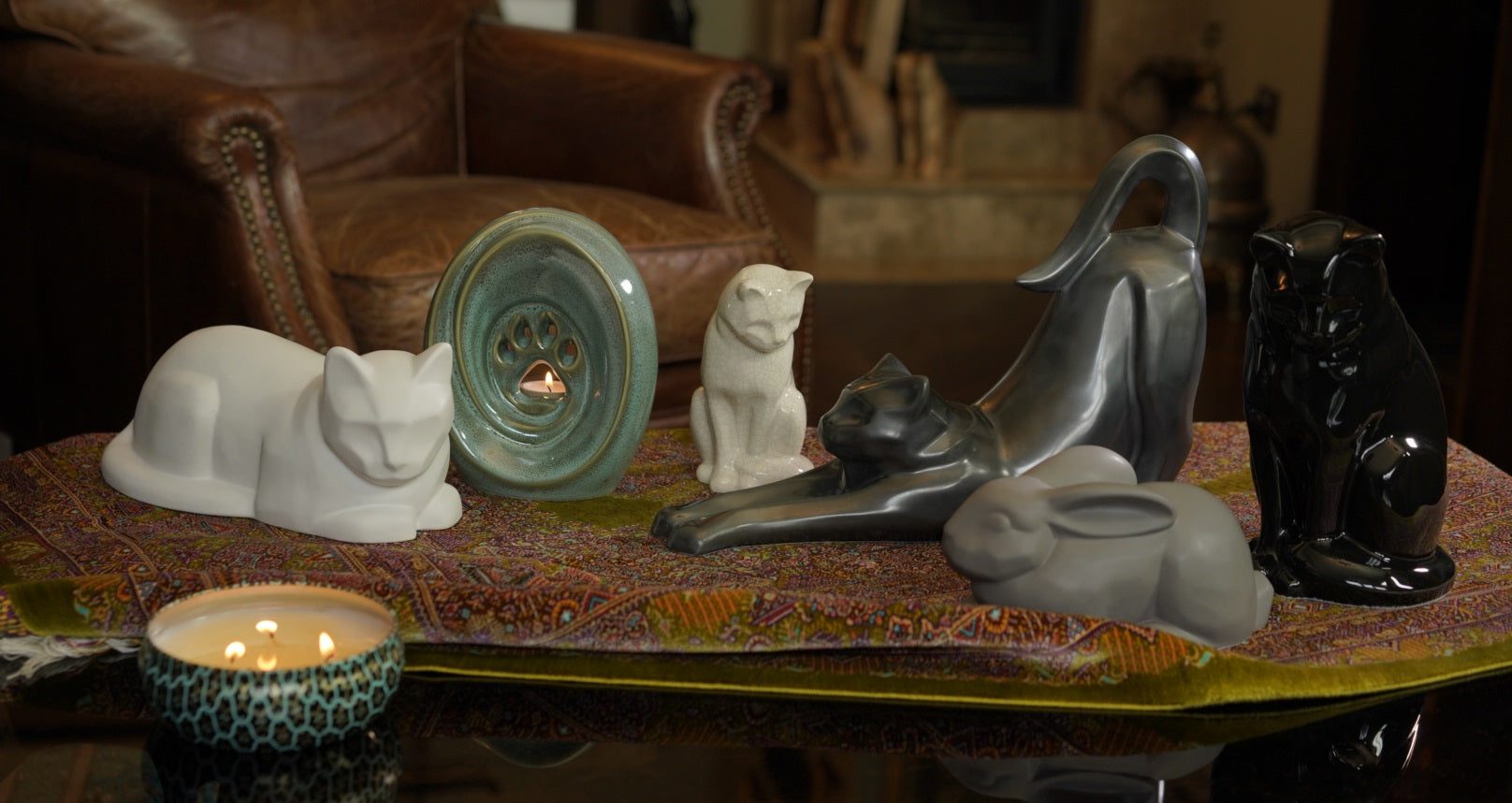
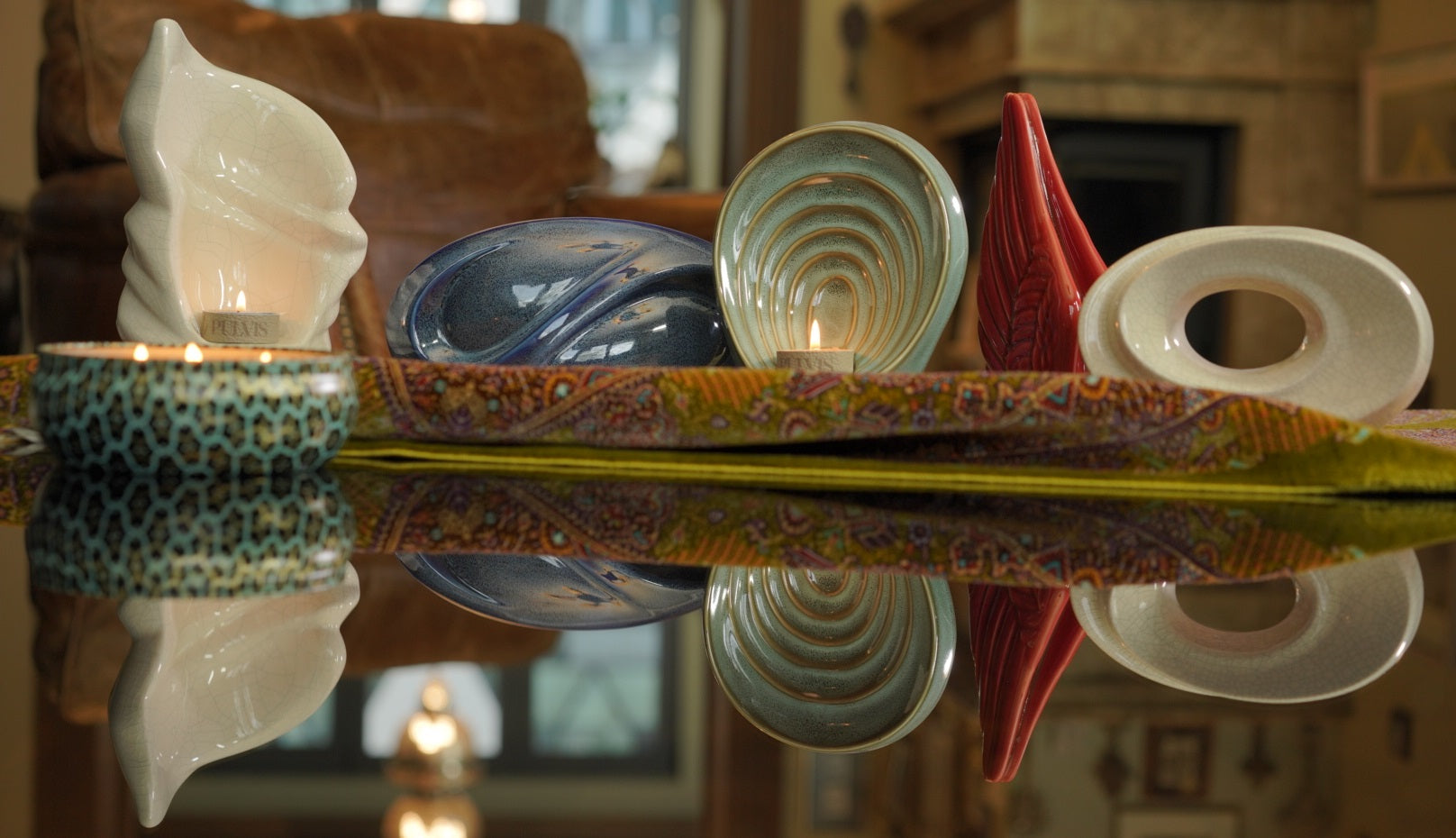
If the urn is going to remain in a home, its material and design inevitably become part of the experience. Ceramic, stone, metal and other materials each have different physical qualities. Some feel warm and tactile, others feel solid and architectural. Some reflect light, while others absorb it. Some show the marks of the hand that made them.
These characteristics can influence how an object is experienced over time, particularly when it is connected to memory. A memorial does not exist in isolation from the person who lives alongside it. It becomes part of a room, part of a home and part of everyday life.
This is where the philosophy behind Pulvis becomes particularly relevant. Pulvis treats the urn not as the final step in a practical process, but as the point at which something invisible — memory, attachment, the sense of having shared a life — is given a physical form. The vessel is therefore designed to carry two kinds of meaning at once: what it physically contains and what it represents.
That is why form matters. A memorial object will be seen long after the moment for which it was created has passed. Its surface, proportions, texture and presence within a room become part of how the memory is encountered over time. Through its approach to ceramic craftsmanship and artistic design, Pulvis turns the urn into something that can belong to the continuing life of a home rather than existing only as an object associated with death.
The distinction is subtle, but important. The purpose is not to make grief beautiful or to soften the reality of loss. It is to create an object that can carry remembrance with dignity — something made not only to contain what remains, but to remain itself.
One of the most difficult aspects of losing a pet is that personality seems to be inseparable from physical presence. We remember the way a dog tilted its head, the way a cat chose a particular chair, the sound an animal made when it wanted attention and the strange habits that no one else would recognise.
These details are what make an animal an individual. An urn cannot contain those things literally, but it can become associated with them.
This is how objects acquire emotional meaning. A photograph becomes connected to a particular moment. A collar becomes connected to a particular animal. A favourite toy becomes connected to a particular period of life. The urn can become connected to the entire relationship. It can stand not for one memory, but for a life.
Traditional memorials often belong to specific places. A grave belongs to a cemetery. A monument belongs to a public space. A memorial plaque belongs to a particular location.
A pet urn offers something different: it can exist within the home.
This matters because the home is where much of the relationship with a pet actually took place. The animal slept there, played there, waited there and grew older there. Its presence became part of the architecture of everyday life.
Keeping the urn within that environment can therefore create a continuation of place. The pet is no longer physically moving through the home, but something connected to its life remains within the same environment. The relationship between place and memory becomes especially powerful here. The memorial is not necessarily somewhere we travel to. It can be somewhere we already live.

There is an important difference between remembering someone and pretending they are still physically present. A memorial object does not have to blur that distinction. In fact, it can make the distinction clearer.
The animal is gone. The relationship existed. The memories remain. The ashes remain. The object remains. These truths can exist simultaneously.
This is perhaps why the idea of an urn as a bridge is more useful than the idea of an urn as a replacement. A bridge connects two places without becoming either one. In the same way, an urn does not recreate the life that ended. It connects the physical remains of that life with the continuing act of remembering it.
The meaning of an urn can also change with time. Immediately after a loss, it may be closely associated with grief. The object may feel heavy because the loss itself is still immediate.
Months or years later, the same object may carry something different. The sadness may still exist, but it can exist alongside affection, gratitude and even happiness when remembering the life that came before the loss.
The urn remains physically the same. Its emotional meaning changes. This is one of the remarkable qualities of memorial objects: they can accompany different stages of remembrance without needing to change themselves. The object stays, while the person's relationship to the memory evolves.
Memory is invisible. Love is invisible. Absence is invisible. Yet humans repeatedly create physical objects to give these experiences somewhere to exist.
We photograph people. We keep their belongings. We preserve letters. We build monuments. We create memorials.
The pet urn belongs to this much larger human tradition. Its purpose is not simply to contain ashes. It creates a physical point around which memory can gather. The object gives the invisible relationship a material presence — not the presence of the animal itself, but the presence of something that allows the relationship to continue being acknowledged.
That distinction is essential.

Eventually, the intensity of loss may change. The house may feel different again. The silence may become less noticeable. The routines of everyday life return. But remembrance does not necessarily disappear.
The urn can remain quietly within the home, no longer representing only the moment of loss but the life that came before it. It becomes a physical reminder that absence and presence are not always complete opposites.
A pet can be physically absent and still remain deeply present in memory. A life can have ended and still continue to influence the people who experienced it. An object can be silent and still carry meaning.
This is perhaps the quiet role of the memorial urn. It does not bring a beloved animal back. It does something more honest: it gives what remains a place. It allows memory to have a physical form.
And somewhere between the life that was lived and the absence that followed, the urn becomes a bridge.
The Urn as a Bridge Between Presence and Absence
What happens when a pet is no longer physically present, but something of that life remains? Explore how a memorial urn can become a bridge between absence and presence, giving memory a tangible form and a lasting place within the home.
Memento Mori: Why Humans Have Always Made Art About Death
For thousands of years, humanity has transformed death into art — from skulls and fading flowers to portraits, monuments and memorial objects. Explore why we continue to create around mortality, memory and the human desire to make something last.
Every pet leaves behind an archive of its life — photographs, familiar objects, stories and traces of everyday routines. Discover how these fragments preserve not only memories, but the physical and emotional story of a beloved companion.
The New Aesthetics of Pet Memorials
Pet memorials are moving beyond traditional symbols of mourning. Explore how contemporary design, art, craftsmanship and materials are creating a more personal and understated aesthetic for remembering a beloved animal.
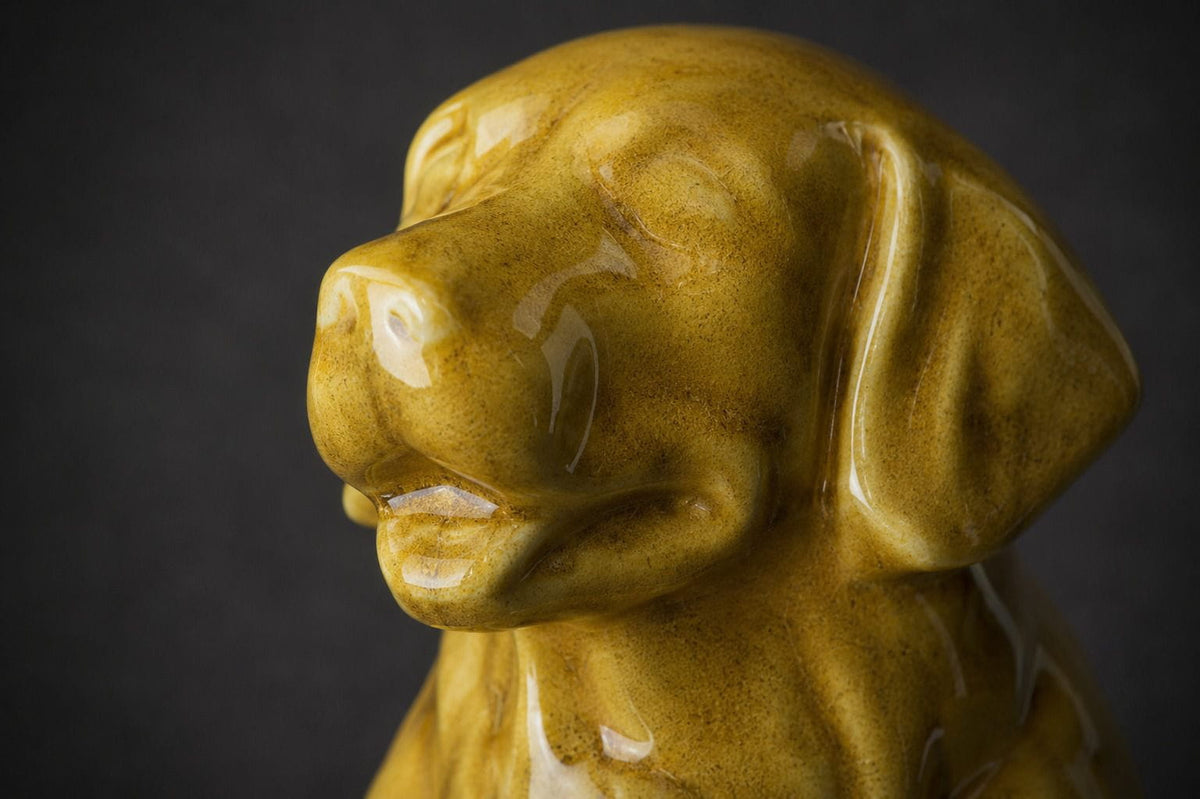
Can a pet urn be more than a vessel for ashes? Explore how craftsmanship, materials and sculptural design can transform a memorial urn into a meaningful work of art that keeps the memory of a beloved companion present.


Partager:
Memento Mori: Why Humans Have Always Made Art About Death