

Here for you: art@pulvisurns.com | (562) 609-4019
The landscape of memorialization is undergoing a seismic shift. Families are increasingly rejecting the impersonal nature of mass-produced funerary products in favor of bespoke tributes that capture a unique life story. At the heart of this evolution is the marriage of ancient ceramic traditions with cutting-edge digital precision.
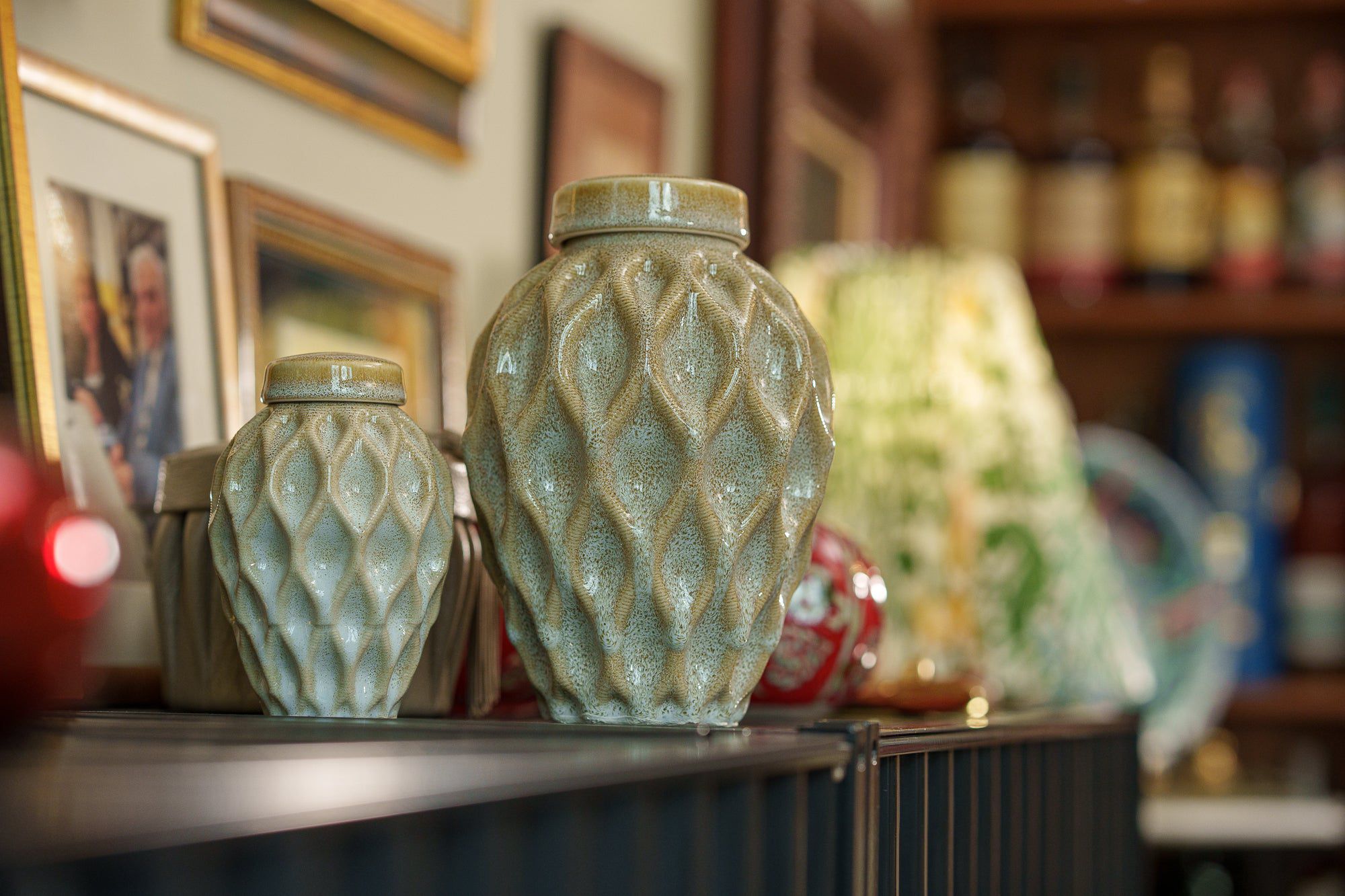
The Echo Collection by Pulvis Art Urns stands as the global benchmark for this movement. By utilizing parametric design, this collection creates a new language of remembrance—one that is mathematically perfect yet emotionally resonant. This guide explores the technical, psychological, and historical layers of this technology, showcasing how 3D printing is redefining what it means to create a lasting sanctuary for a loved one.
To understand the beauty of the Echo Urn collection, one must first understand Parametricism. Unlike traditional sculpting, where an artist manually shapes clay, parametric design uses algorithms and mathematical parameters to define a form. This architectural movement was pioneered by visionaries such as Antoni Gaudí and later refined in the digital age by Zaha Hadid.
Parametric design is based on tessellation—the tiling of a surface using geometric shapes with no overlaps or gaps. In the Echo collection, these shapes are manipulated digitally to create "pulses" or waves. These are not random; they symbolize the rhythm of a life, a visual heartbeat captured in ceramic.

Many modern urns utilize Voronoi diagrams. In mathematics, these are partitions of space based on distance to specific points. This pattern is ubiquitous in nature—seen in the cell structure of a leaf, the wings of a dragonfly, or the spots on a giraffe. By using Voronoi logic, 3D-printed urns symbolize the organic interconnectedness of all living things.

Designers input variables—such as height, curvature, and surface rhythm—into software like Grasshopper. The software generates complex geometries that mimic natural "echoes": ripples in water, the growth rings of a tree, or the logarithmic spirals of a galaxy. The result is a vessel that possesses a perfect mathematical harmony, representing the order and beauty of the universe.
The 3D-printed urns at Pulvis utilize Liquid Deposition Modeling (LDM). This is a meticulous process that blends mechanical accuracy with the ancient art of kiln-firing.
The process begins with a specialized ceramic paste. A high-precision nozzle deposits this material layer by layer, following a digital map.
Vase Mode (Spiral Printing): Most Echo urns are printed in a continuous spiral. Because there are no vertical seams or "stop-and-start" points for the nozzle, the urn has superior structural strength and a flawlessly smooth finish.
Internal Geometries: 3D printing allows for internal lattice structures that reinforce the urn from within. This makes the vessel exceptionally durable while maintaining a lightweight, sculptural feel.

Once the "green" (unfired) urn is printed, it must undergo the same rigorous treatments as a hand-sculpted ceramic urn.
Vitrification: The urns are fired at temperatures exceeding 2,000°F (approx. 1,100°C). This causes the ceramic to "vitrify"—turning it into a glass-like, non-porous substance. This makes the urn virtually indestructible and resistant to moisture, acids, and environmental decay.
Artisan Finishing: After the print, Pulvis artists hand-apply glazes. This ensures that while the shape is born of digital precision, the finish possesses the warmth and soul of human craftsmanship.
The practice of placing remains in a vessel is one of the oldest human rituals, documented extensively across global history.
The Urnfield Culture (1300–750 BC): In Late Bronze Age Europe, a fundamental shift occurred where people began cremating their dead and placing them in ceramic urns buried in vast fields. According to Wikipedia, this marked a shift in myths about the soul’s journey—moving from body preservation to spiritual transformation.
Roman Columbaria: Ancient Romans used stone or earthenware urns placed in underground columbaria. The word "urn" itself comes from the Latin urna, meaning a rounded vessel.
The "Urn as Body": Historically, urns were considered a "new identity" for the dead. Greek pottery often labeled parts of a vase using anatomical terms: the "lip," "neck," "shoulder," and "foot." Modern 3D printing continues this tradition by creating a "Shape of Spirit."
The New York Times recently highlighted how bespoke tributes serve as a therapeutic tool for the bereaved.
Research into Biophilic Design suggests that patterns mimicking nature can reduce cortisol levels. Running one's hand along the rhythmic ridges of an Echo urn can be a grounding, meditative act.

2026 research indicates that human eyes have evolved to crave the visual complexity of fractals. Parametric urns that mimic these self-similar patterns provide a sense of calm and order during the chaos of grief.
The parametric patterns create a sense of movement. As light hits the ridges and valleys of the printed surface, it creates shifting shadows that make the urn feel "alive" and responsive to its environment.
The definition of a memorial is moving from a static object to a dynamic experience.
NFC & Digital Personas: Some 3D-printed urns now feature embedded NFC (Near-Field Communication) tags. Tapping a phone against the urn can trigger a "Digital Twin" or an interactive video legacy, as featured in the NYT story on Peter Listro.
AI Legacy Assistants: AI can now simulate a voice and tone based on a loved one's writings, allowing for a comforts-based dialogue within a private digital memorial.
The Metaverse Connection: Families can now own a high-fidelity digital replica of their Pulvis urn for use in virtual columbaria, allowing relatives globally to gather in a shared virtual space.

Blockchain Security: Digital assets and cryptographic keys to the deceased’s online estate can be linked to the physical urn, making the vessel a "vault" for both physical and digital remains.
In 2026, 3D printing is a leader in Circular Manufacturing.
Additive Efficiency: Unlike traditional carving (subtractive), 3D printing is additive. It reduces raw material waste by up to 90%.
Eco-Friendly Chemistry: The rise of Alkaline Hydrolysis (water cremation) produces remains that are particularly well-suited for the precise nozzles of ceramic LDM printers.
Green Burial Compatibility: For those choosing eco-burials, 3D-printed urns can be made from bioplastics (PLA)or soluble clay that returns to the earth at a controlled rate.
To understand the scale and precision of this technology, observe the fabrication process in action:
3D Printed Ceramic Urn "Echo" - Pulvis Art Urns
This visual guide demonstrates the hypnotic, layer-by-layer growth of the Echo Urn, showcasing how LDM technology translates complex algorithms into physical, sculptural reality.

A core advantage of 3D printing is scalability. Models can be resized without losing geometric proportions.
Large Full-Size Urns: Designed to hold the full remains of an adult with a commanding yet serene presence.

Medium and Keepsake Options: For those sharing remains or memorializing a pet, the Medium 3D-printed Echo urns offer the same intricate design in a compact form.
Unified Design Language: Families often choose matching designs for a spouse or even a pet urn, creating a harmonious tribute for the entire household.
Vitrified Stability: Vitrified ceramic is fire-resistant and chemically inert. Unlike wood or plastic, it will not leach toxins or degrade over centuries.

UV Resistance: Glazes fused at high temperatures will not fade, even in direct sunlight.
Secure Sealing: Each vessel features a secure opening that can be sealed with permanent adhesive, ensuring the remains are safely housed and protected from moisture and air.
At Pulvis Art Urns, the definition of "handmade" is evolving into Digital Craftsmanship. While the printer provides the structure, the human artist provides the soul.
The Artist's Digital Hand: Designers spend hundreds of hours refining the parametric code to ensure the Echo collection resonates emotionally.
Hybrid Manufacturing: Combining 3D printing with hand-glazing and hand-inspection represents the pinnacle of 21st-century memorial art.

Choosing a memorial is one of the most personal decisions a family will ever make. The Echo 3D-printed ceramic urn offers a unique opportunity to celebrate a life through the lens of innovation and mathematical beauty.
By combining the parametric code of the universe with the enduring strength of ceramic and the interactive possibilities of AI, these vessels provide more than just a resting place; they provide a "Shape of Spirit." Whether as a large central urn or a shared keepsake, the Echo collection ensures that the memory of your loved one continues to resonate, beautiful and unbroken, through the passage of time.
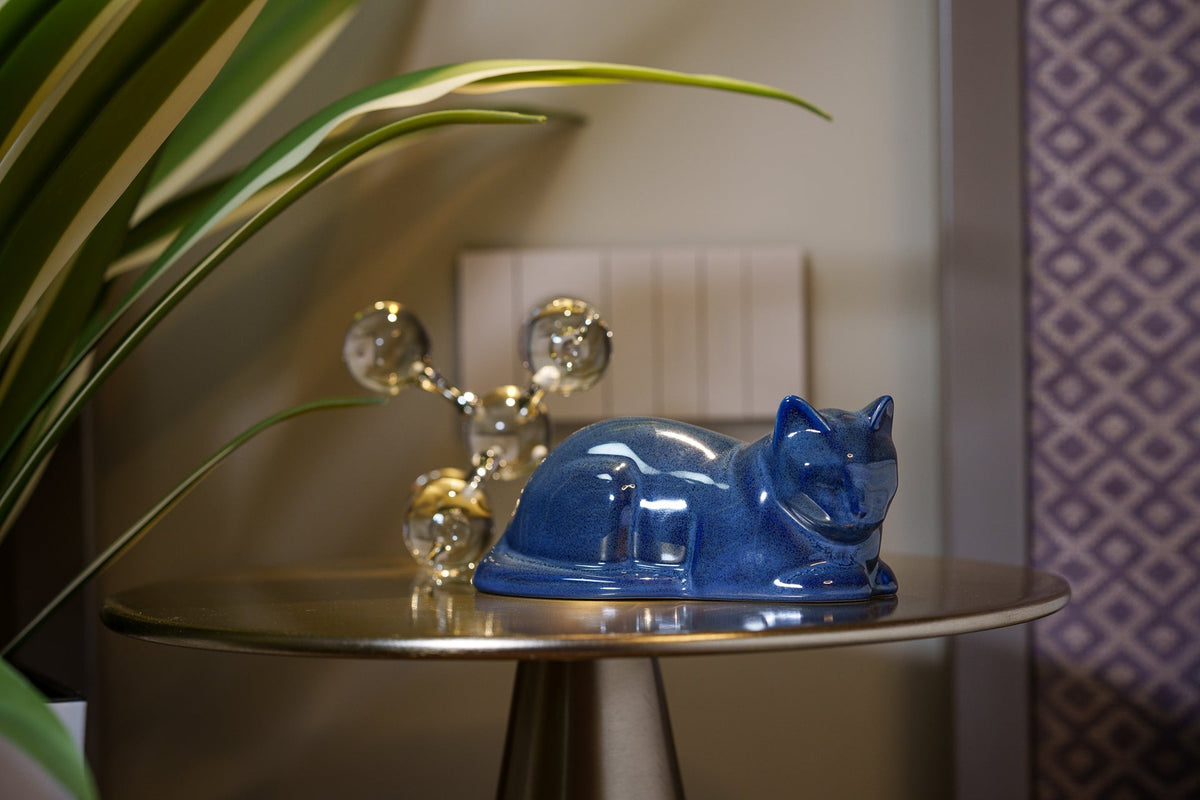
Can the Design of a Pet Urn Change the Way We Grieve?
Can the design of a pet urn influence the way we experience grief? Explore how meaningful materials, forms and memorial design can help transform loss into a lasting connection with a beloved companion.

What Are the Most Unique Urns Available Today?
Discover the most unique cremation urns available today, from handcrafted ceramic and sculptural designs to glass, nature-inspired, personalized, and keepsake memorials. Learn what makes an urn distinctive and how to choose a meaningful design based on capacity, material, placement, and personal significance.
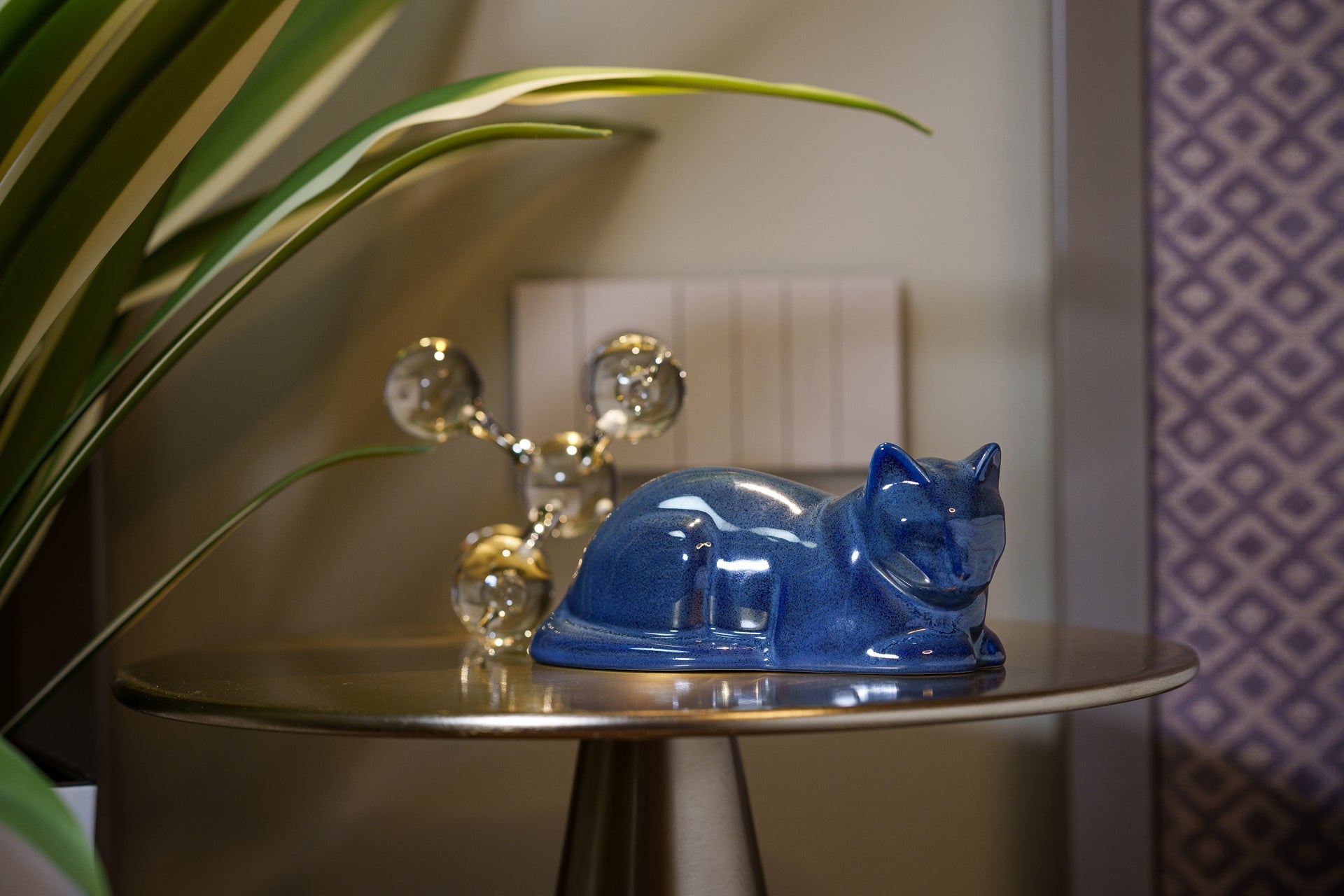
How Do You Choose the Right Pet Urn?
A practical guide to choosing the right pet urn, covering size, capacity, materials, personalization, closure, and meaningful ways to memorialize your beloved companion.
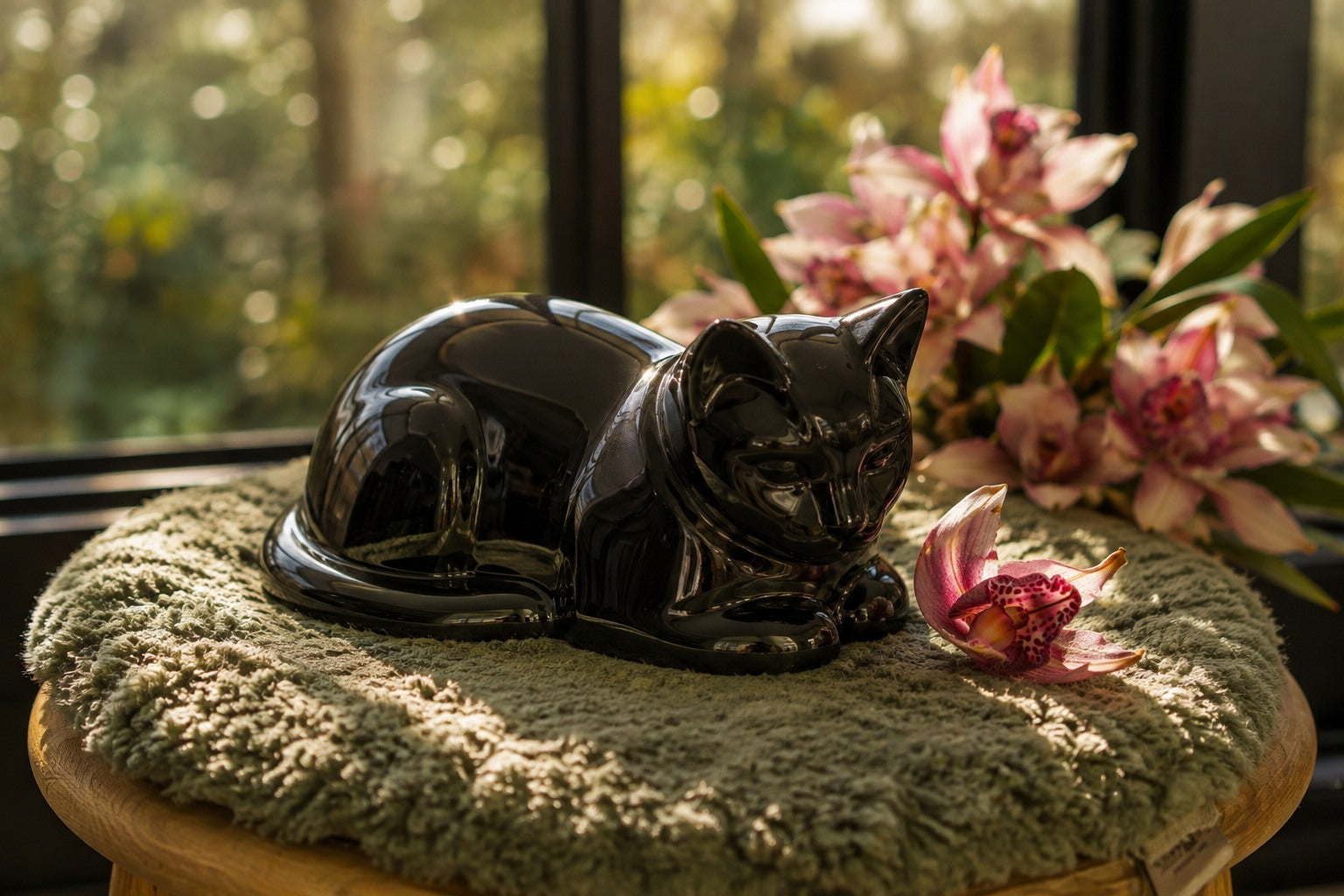
Why Pet Grief Doesn’t Always Get Easier. It Gets Different
Pet grief does not always become easier with time. It changes. Discover how loss evolves, why memories take on new meaning, and how memorial objects such as urns can become quiet reminders of a life once shared.

Why Your Pet’s Smell Can Bring Back an Entire Memory
Why can the smell of a pet bring back an entire moment? Discover how scent, emotion and memory are connected, and why the familiar smell of an animal can preserve some of our most intimate memories of life together.


Partager:
The Legal Maze of Final Disposition: Who Has the Right to Ashes After Cremation?
The Geometry of Grief: A Research Guide to Cremation, Art, and the Psychology of Presence
1 commentaire
My 38 year old son passed away suddenly July 12. We were able to witness the beginning of his cremation. That created closure for my family. I found the Pulvis urn “Echo” which to me resembles cactus. My son loved cactus and had a nice collection of them.
Thank you so much for creating this beautiful urn. I will treasure it and his memory until it is my time to be cremated.