


Here for you: art@pulvisurns.com | (562) 609-4019
7 % de réduction sur votre commande
Utilisez ce code lors du paiement :
In Montana, the "Treasure State," end-of-life traditions are defined by the state’s massive scale, rugged independence, and a deep reverence for the "Big Sky." As of 2026, Montana continues to see a significant shift toward cremation and natural burial, driven by a population that values the freedom to choose a final resting place as vast as the wilderness itself. Whether you are in the mountain shadows of Missoula or the expansive plains of Billings, this guide provides the essential 2026 data to help you create a legacy that honors the spirit of the West.
A Montana Perspective on Scale and Sanctuary
In Montana, the choice between burial and cremation is often a reflection of one's relationship with the land—whether rooted in a specific town or connected to the state's endless horizon.
Emotional and Psychological Factors: For many "old-line" ranching families, traditional burial in a local or family cemetery is a sacred way to remain part of the land they worked for generations. However, cremation has become the dominant choice for those who view Montana’s entire wilderness as their sanctuary. It provides the "mobile peace" necessary for a Celebration of Life at a meaningful location—perhaps a sunrise service at the gates of Glacier National Park or a quiet gathering along the Madison River. Many families choose to keep a loved one’s remains in a sculptural Cremation Urn, treating the pulvis (ashes) as a permanent piece of home art that reflects the rugged beauty of the mountains.

Environmental Values: Montanans are fiercely protective of their natural resources. Traditional burial, involving embalming fluids and concrete vaults, is increasingly seen as a high-impact choice. Cremation, particularly when paired with a handcrafted ceramic vessel to hold the pulvis, is viewed as a respectful, low-impact alternative. Montana is also a leader in the Green Burial movement, where remains are returned to the prairie or forest floor in biodegradable containers, supporting the state’s conservationist ethos.
Financial Practicality: Montanans value self-reliance and fiscal common sense. In 2026, the cost of a traditional funeral with burial can be a major burden. Cremation offers a way to bypass the extreme costs of cemetery real estate and monument maintenance, often saving families between $5,500 and $8,000, which can be redirected toward a travel-based memorial or a lasting family heirloom.
Montana reports some of the highest cremation rates in the Mountain West, reflecting a culture that prioritizes simplicity and outdoor-focused memorials.
Cremation Rates: As of 2026, Montana’s cremation rate is approximately 72-75%. This high adoption rate is driven by the state's secular trends and the logistical challenges of winter burials in high-altitude areas.
Average Cost Breakdown: In 2026, Montana families should budget for the following average expenses:
Traditional Full-Service Burial: A full funeral service averages $7,925. In areas like Bozeman or Missoula, premium services including the plot and vault can reach $10,500 - $13,000.
Direct Cremation: For a simple process with no ceremony, the average cost in Montana is $1,840. specialized "direct disposer" establishments often offer packages starting as low as $995.
Full-Service Cremation: A cremation including a formal viewing and memorial service typically averages $5,815.
Montana law (MCA Title 37, Chapter 19) ensures that the process of final disposition is handled with legal oversight and dignity for the pulvis.
The 24-Hour Rule: Under state regulations, a body must be buried, cremated, or embalmed if final disposition does not occur within 24 hours. Alternatively, the body may be refrigerated.
The Coroner’s Authorization: Montana requires a specific authorization for cremation from the county coroner if the death is under their jurisdiction. Even in non-jurisdictional deaths, many crematories require a 24 to 48-hour "cooling off" period before the procedure.
Death Certificate Filing: The death certificate must be filed with the local registrar within 10 days of death and prior to the final disposition.
The Right to Control: Montana law follows a strict hierarchy for who can authorize cremation: a person designated in a written instrument, the surviving spouse, and then a majority of adult children.
In Montana, the vessel for the pulvis is often a centerpiece of the memorial, chosen to harmonize with the state's rustic and natural aesthetic.
Sizing Rules: The industry standard is: 1 lb of body weight prior to cremation = 1 cubic inch of ash. Most adults require a Standard Adult Urn with 200 cubic inches of capacity.
Scattering on Public Land: Montana is home to vast federal lands (Forest Service and BLM). While "leave no trace" principles are required, scattering the pulvis is generally permitted if done discreetly away from trails, developed areas, and water sources.
National Parks: To scatter ashes in Glacier or Yellowstone National Park, a free Special Use Permit is required. Families must follow specific guidelines, such as scattering at least 100 yards from any water source and ensuring the ashes are fully dispersed.
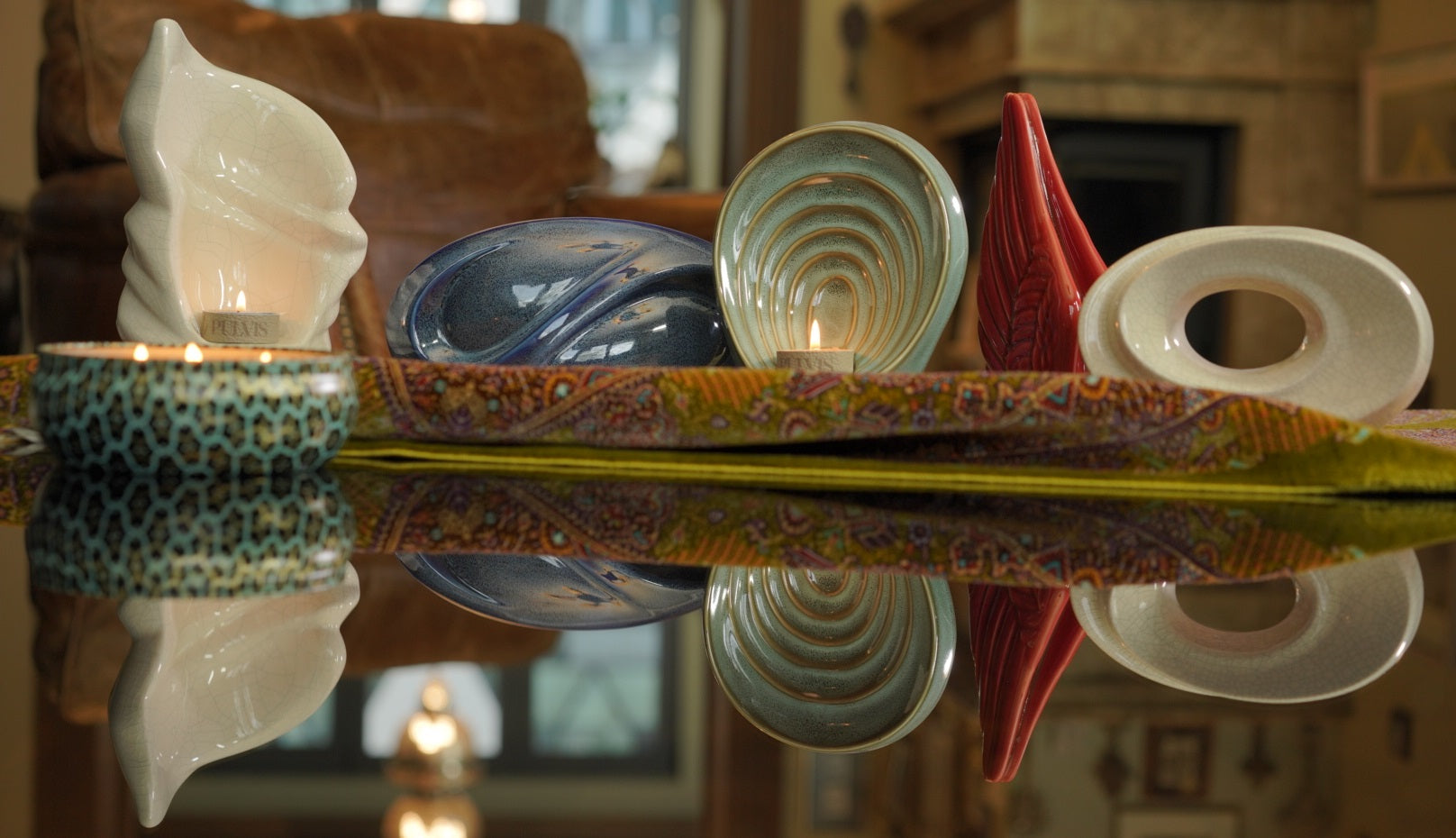
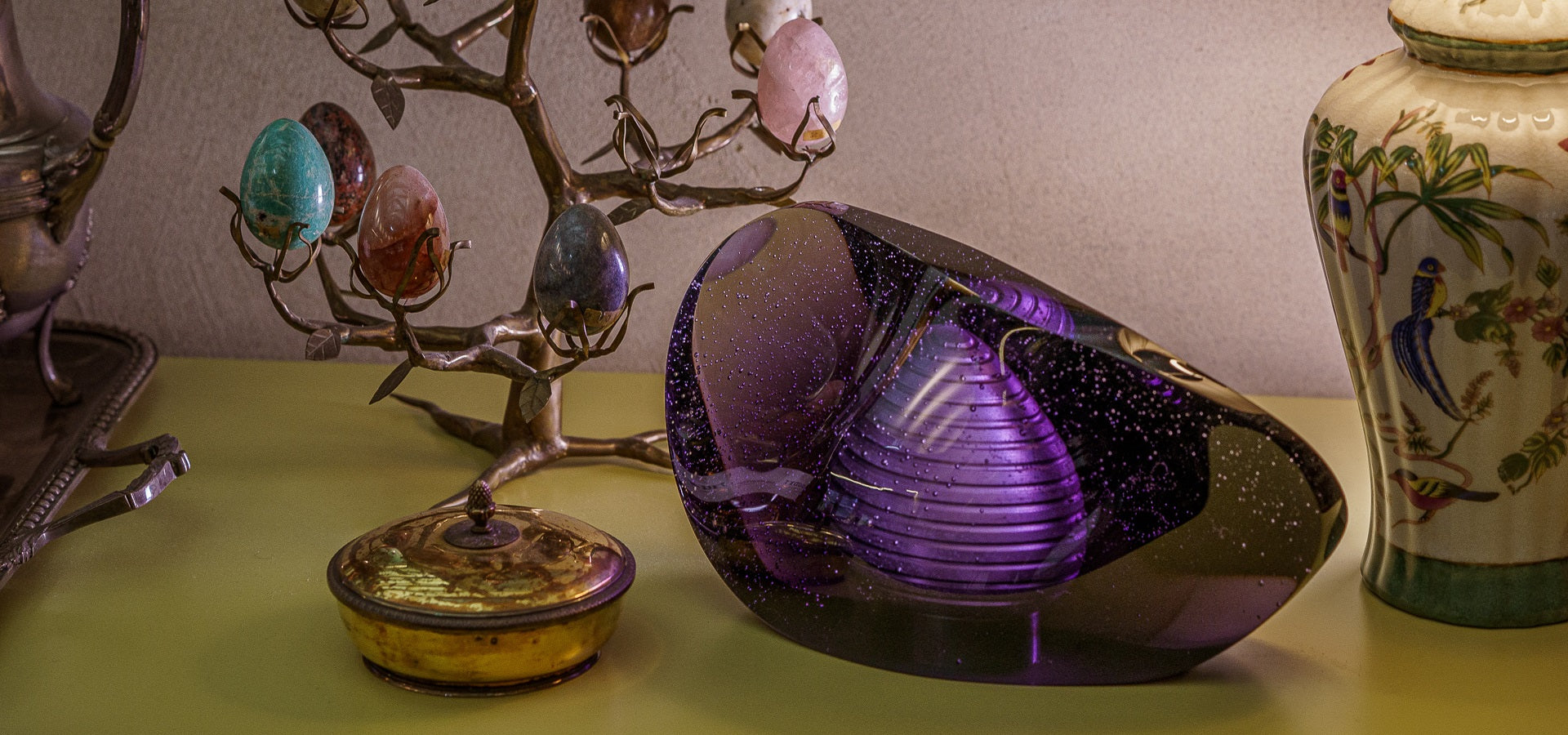
Artistic Tributes: 2026 trends include "Trailhead Memorials" and the use of artistic ceramic urns—such as those by Pulvis—that mirror the granite-like textures and deep forest greens of the Montana landscape.

Based on 2026 service excellence and directory data, here is an expanded list of providers serving the state:
| City | Funeral Home | Website |
| Billings | Dahl Funeral Chapel | dahlfuneralchapel.com |
| Billings | Smith Funeral Chapels | smithfuneralchapels.com |
| Billings | Michelotti-Sawyers Mortuary | michelottisawyers.com |
| Missoula | Garden City Funeral Home | gardencityfh.com |
| Missoula | Sunset Memorial Funeral Home | sunsetfuneralhomeandcemetery.com |
| Missoula | Brothers Mortuary | brothersmortuary.com |
| Bozeman | Dokken-Nelson Funeral Service | dokkennelson.com |
| Bozeman | Dahl Funeral & Cremation Service | dahlcares.com |
| Helena | Retz Funeral Home | retzfuneralhome.com |
| Helena | Anderson Stevenson Wilke | aswfuneralhome.com |
| Great Falls | Schnider Funeral Home | schniderfuneralhome.com |
| Great Falls | O'Connor Funeral Home | oconnorfuneralhome.com |
| Great Falls | Croxford Funeral Home | croxfordfuneralhome.com |
| Kalispell | Buffalo Hill Funeral Home | buffalohillfh.com |
| Kalispell | Johnson-Gloschat Funeral Home | jgfuneralhome.com |
| Butte | Duggan Dolan Mortuary | duggandolanmortuary.com |
| Butte | Axelson Funeral & Cremation | axelsonfuneralhome.com |
| Whitefish | Austin Funeral & Cremation | austinfh.com |
| Belgrade | Simple Traditions | belgradefuneralhome.com |
| Livingston | Franzen-Davis Funeral Home | franzen-davis.com |
Whether you find peace in a traditional service near the rolling plains or in the sculptural beauty of a Cremation Urndisplayed on your mantle, your choice is a profound act of love. By understanding the 2026 costs and the specific permit rules for National Parks in Montana, you can ensure your final tribute for the pulvis is as soulful and enduring as the Big Sky itself.
Quelle taille d'urne me faut-il ?
Règle simple : environ 1 litre de contenance pour 28 kg de poids corporel.
La contenance est indiquée sur chaque fiche produit. Les mini-urnes contiennent une petite partie des cendres à partager.
Besoin de la recevoir à une date précise ?
Livraison gratuite · Livraison en 3 à 5 jours ouvrés
Livraison express en 3 jours ouvrés maximum – à choisir lors du paiement
Besoin d'aide pour choisir ?
Parlez à notre équipe : nous vous aidons à trouver l'urne qui convient.
(562) 609-4019 art@pulvisurns.comEnvoyez-nous un message
Can You Grieve a Life That Never Had Words?
Discover why losing a beloved pet can be so profound, how wordless bonds shape our lives, and how Pulvis Art Urns brings craftsmanship and thoughtful design to the art of remembering an animal companion.
What Does the Bible Say About Cremation?
Explore what the Bible says about cremation, Christian beliefs about resurrection, and meaningful ways to honor a loved one’s memory through a thoughtful memorial.
Why Do People Light Candles for the Dead?
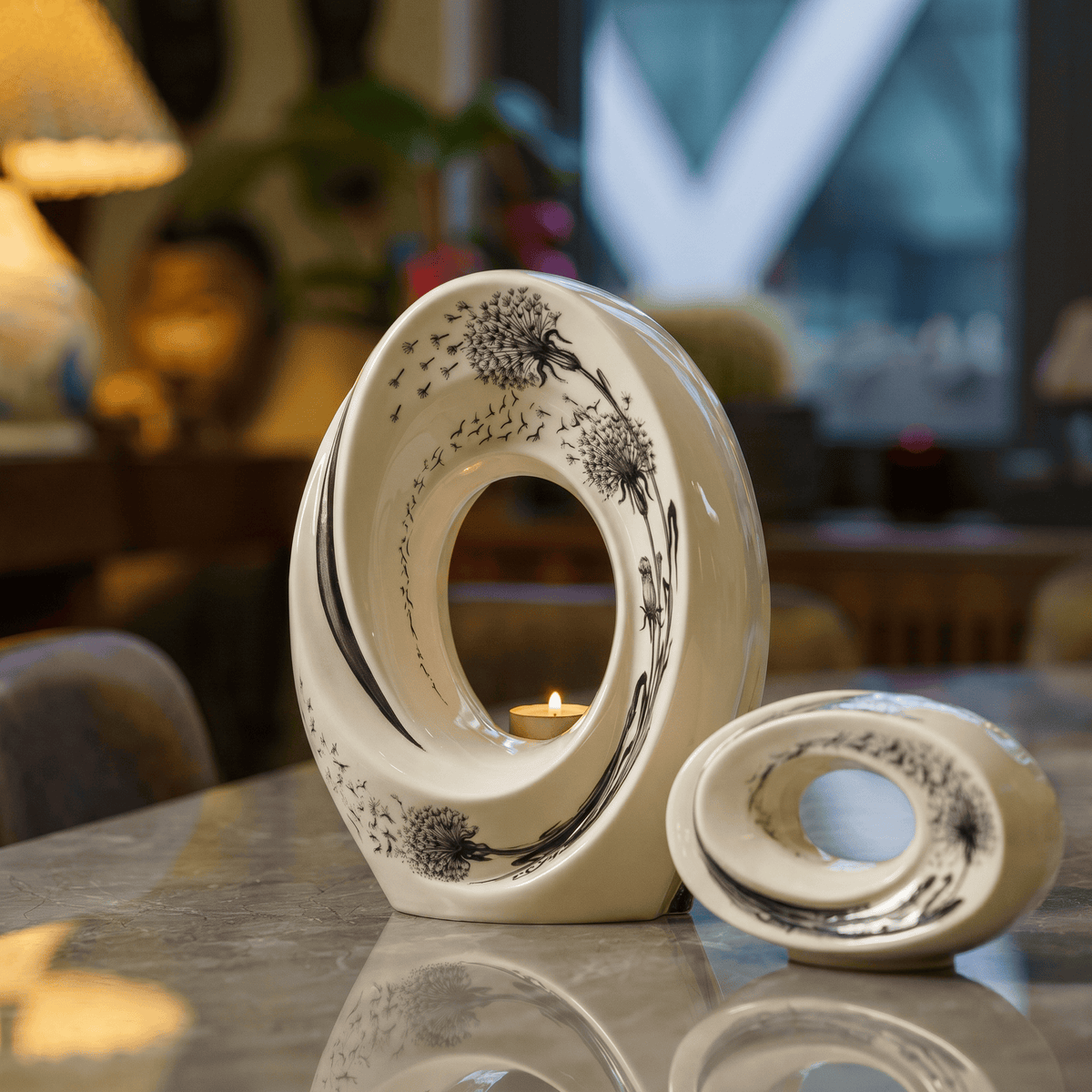
Discover the meaning behind lighting candles for the dead, exploring the traditions, beliefs, and emotions that make this simple ritual a lasting expression of remembrance, comfort, and connection within the home.

The Pet as a Witness to a Human Life
Our pets witness far more of our lives than we realise. Explore what it means for an animal to become a quiet witness to our changing homes, relationships, routines and identities — and how a memorial urn can remain as a physical connection to the life they witnessed.

Can You Inherit a Pet’s Memory?
Can we remember a pet we never knew? Explore how stories, photographs, objects and memorials can carry an animal’s memory across generations, turning a private life into part of a family’s shared history.


Partager:
Easy Guide to Funeral Homes in West Virginia
Easy Guide to Funeral Homes in District of Columbia