


Here for you: art@pulvisurns.com | (562) 609-4019
7 % de réduction sur votre commande
Utilisez ce code lors du paiement :
Creating a memorial for a loved one is a deeply personal process, and selecting the final resting place is a decision filled with significance. Custom urns provide a meaningful way to honor their memory that goes beyond standard catalog options. These handmade cremation urns are viewed as artistic tributes, reflecting the unique individuality, enduring emotion, and lasting legacy of the person they commemorate. Collaborating with skilled artisans allows families to design truly bespoke memorials that are imbued with personal stories and intimate details, making each urn one of a kind.
This guide is designed to simplify the intricate process of artisan collaboration. It explains how to effectively partner with a designer, details the key elements to consider for a truly personalized memorial, and provides practical tips to ensure the creation of a tribute that is both beautiful and enduring. By understanding the steps involved in achieving a bespoke design, families can create a lasting piece of art that serves as a fitting and heartfelt keepsake.

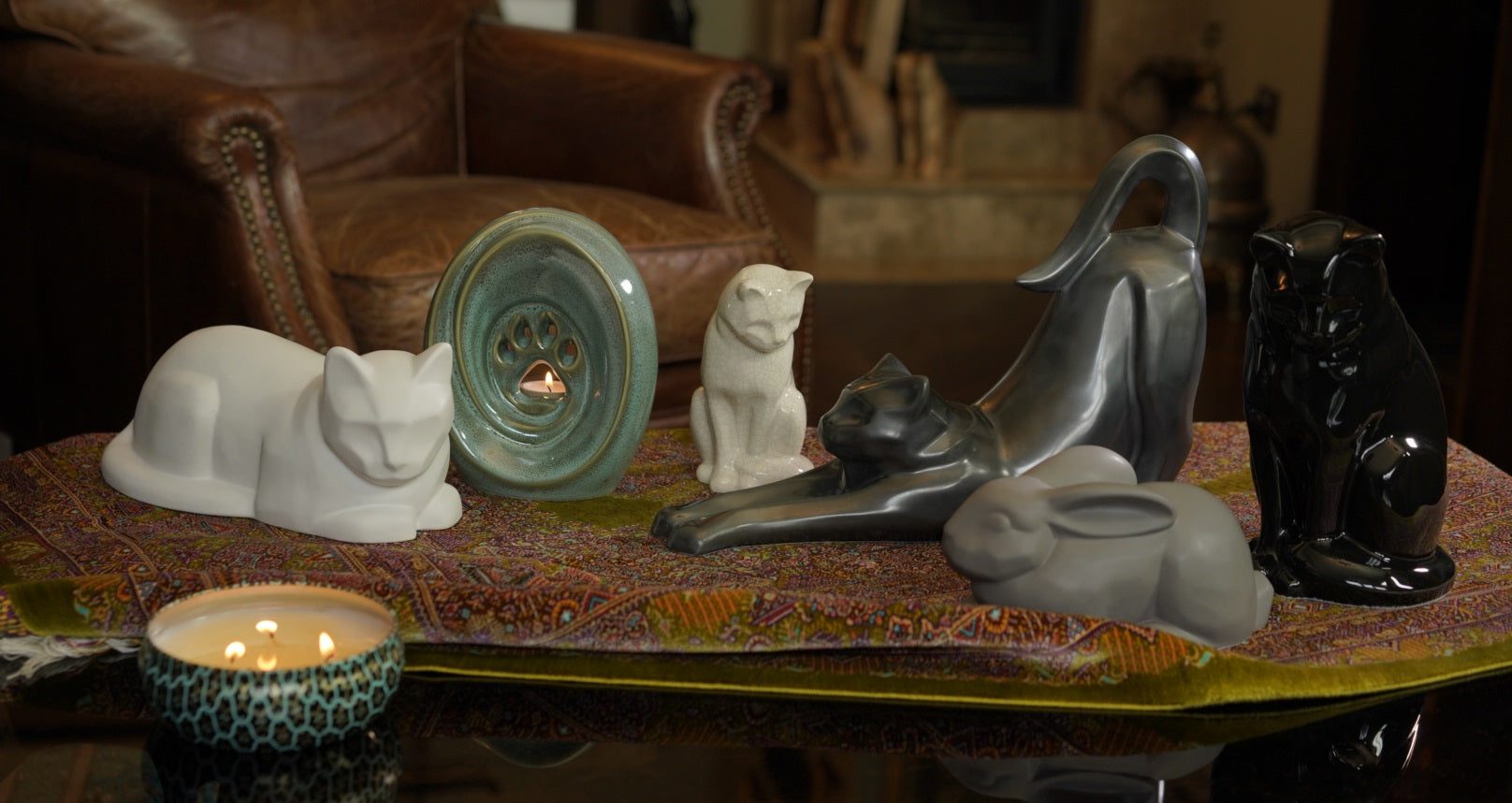
Families often seek custom urns to ensure the memorial reflects a loved one’s personality and legacy. Handmade cremation urns provide a personal and lasting tribute.
Custom urns allow families to integrate meaningful symbols, colors, and patterns that represent the life of their loved one. This personal connection adds emotional value beyond standard designs, making the urn a personalized memorial.
Collaborating with skilled artisans ensures every detail is intentional. Handmade cremation urns offer quality craftsmanship, precision, and care, resulting in a keepsake that is both durable and visually compelling.
Custom urns can be created using various materials tailored to the family's preferences and the memorial's environment. Each material is selected for its unique qualities, aesthetics, and longevity.

Working with an artisan is a collaborative creative process that requires clear communication, planning, and trust to achieve the bespoke design.
Step 1: Selecting the Right Artisan
Choose an artisan or studio experienced in handmade cremation urns and custom urns. Look for a proven history of creating personalized memorials:
· A portfolio of completed personalized memorial pieces
· Positive client testimonials
· Expertise in various materials and finishes
Step 2: Concept Development
During this phase, families share ideas and inspirations, while artisans provide professional guidance. Key elements discussed include:
· Meaningful symbols or motifs
· Color palettes and finishes
· Functional requirements such as size or display location
Sketches or digital renderings are often provided to visualize the urn before creation.
Families review and refine the design by giving feedback on:
· Patterns and engravings
· Size and proportions
Refinement ensures a balance between aesthetics, symbolism, and functionality.
Step 4: Creation and Craftsmanship
Once finalized, the artisan begins crafting the urn. This process ensures the creation of a handmade cremation urn that is unique and durable.
· Shaping and molding (for ceramic or wood)
· Casting (for bronze or metal)
· Detailing, finishing, and sealing

Creating a personalized memorial requires careful consideration of several design factors, all contributing to the final bespoke design.
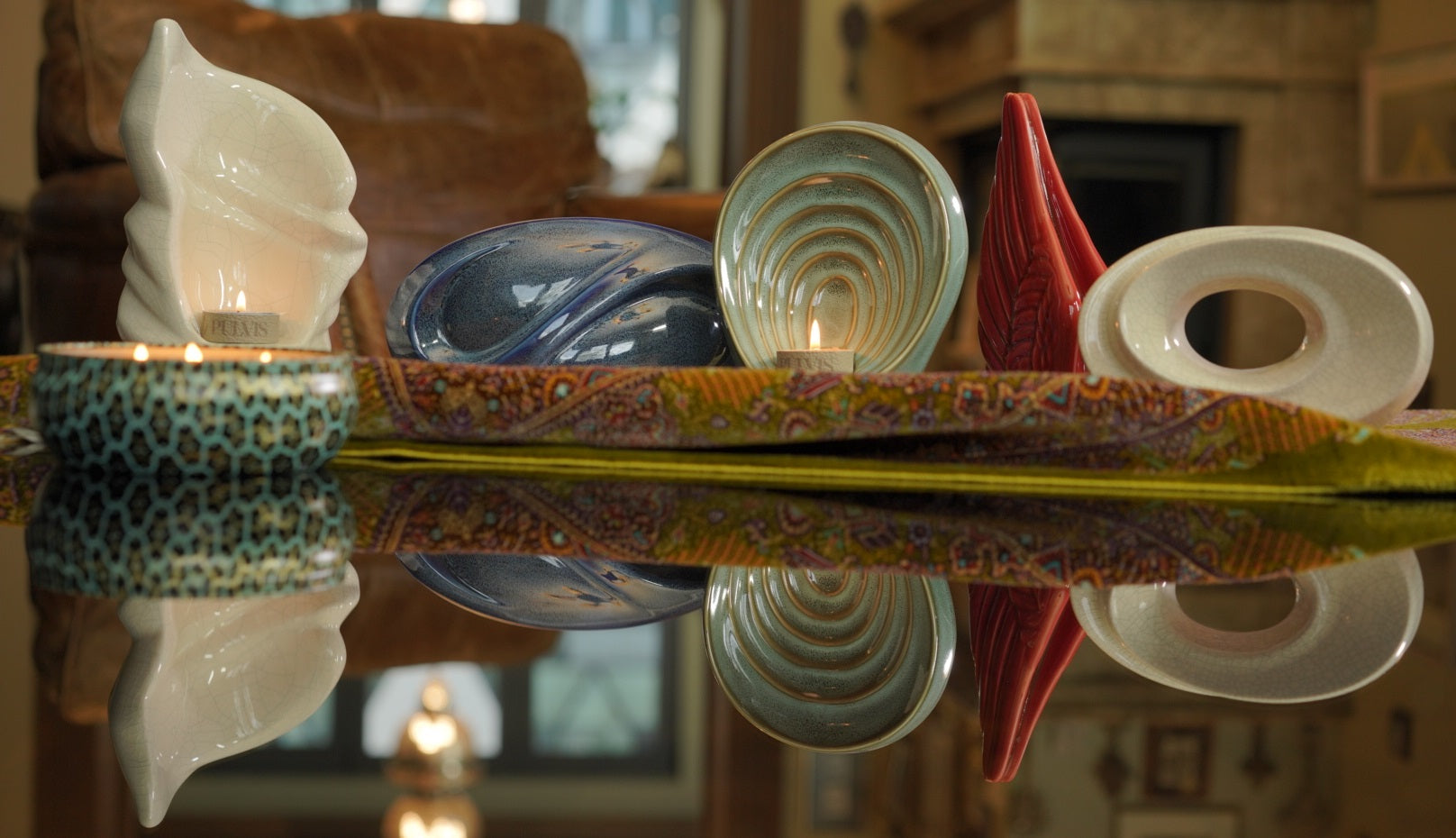
Each material offers specific qualities that influence the final look, feel, and durability of the urn:
|
Material |
Characteristics |
Ideal Longevity |
Visual Appeal |
|
Ceramic |
Artistic, versatile, colorful |
High indoor durability |
Smooth, glazed finishes |
|
Bronze |
Elegant, strong, classic |
Extremely durable, can be outdoor |
Rich metallic tones, develops patina |
|
Wood |
Warm, natural, organic |
Moderate, requires indoor care |
Unique grain patterns, sustainable options |
|
Stone |
Solid, timeless, symbolic |
Very durable |
Natural textures, engravings possible |
Considerations for size and function ensure the urn meets practical needs while fitting the personalized memorial vision:
· Number of family members’ ashes to store
· Display location (home, niche, altar)
· Proportions and weight relative to material
Adding symbolic elements can enhance the emotional impact and create a true bespoke design:
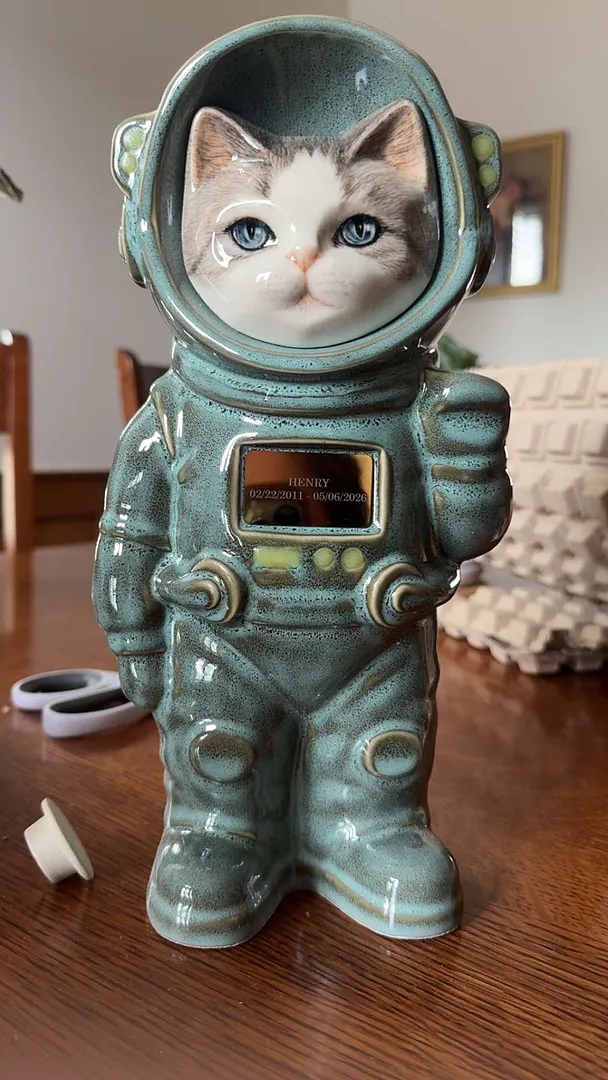
· Engravings of names, dates, or quotes
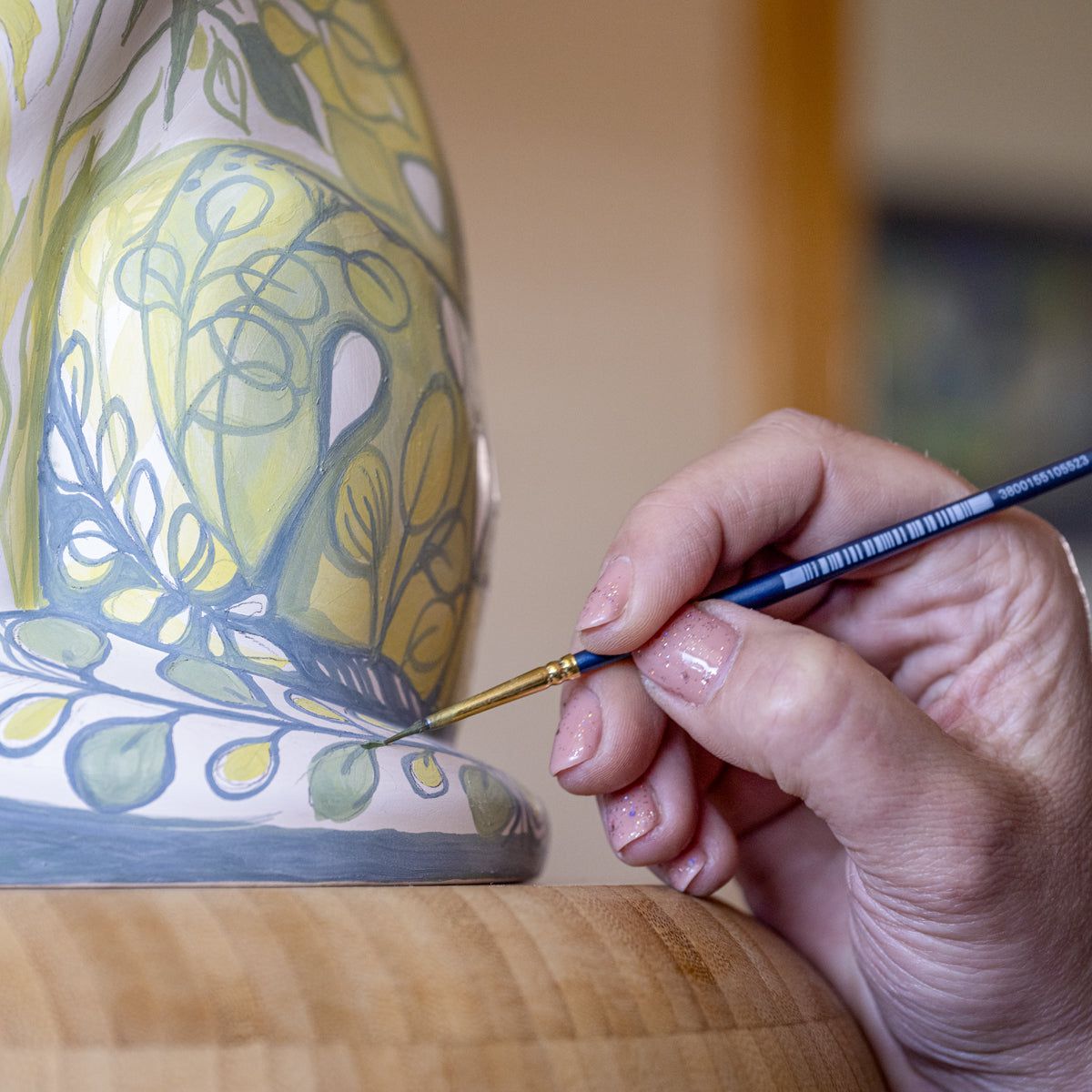
· Etched or painted imagery representing hobbies or passions
· Cultural or religious motifs
The final finish affects both durability and visual impression, crucial for a lasting handmade cremation urn:
· Glossy, matte, or textured surfaces
· Hand-painted or inlaid designs
· Protective coatings for long-term preservation

Working with an artisan ensures the memorial is both unique and meaningful, providing value far beyond a mass-produced item.
· Emotional Connection: Families feel directly involved in the creation process.
· Unique Design: Each urn is one-of-a-kind.
· Expert Guidance: Artisans advise on design, materials, and finishes.
· Durability: Professional craftsmanship ensures longevity.

Creating a custom urn is a deeply personal and collaborative journey that transforms cherished memories into a lasting piece of art. The process is a careful blend of remembrance and craftsmanship, requiring open communication between you and the chosen artisan to ensure the final memorial perfectly encapsulates the spirit and legacy of your loved one.
Identify key elements that reflect the loved one’s personality and values. This foundation guides the entire design process.
Review portfolios and select an artisan experienced in handmade cremation urns and custom urns to begin the artisan collaboration.
Provide imagery, symbols, or motifs with personal significance. Discuss the urn’s size and intended display location to inform the bespoke design.
Provide feedback on proposed designs and refine colors, patterns, or inscriptions as needed to create a perfect personalized memorial.
Confirm all elements align with expectations for aesthetics, functionality, and symbolism before the crafting process begins.
Artisans craft the urn and provide finishing touches to ensure the memorial is complete and ready for display.

Successful artisan collaboration relies on clear communication and mutual respect for the creative process.
Proper care maintains both the aesthetic and emotional value of your personalized memorial.
|
Material |
Care Instructions |
Ideal Environment |
|
Wipe with soft cloth; avoid harsh cleaners |
Indoor, dry area |
|
|
Apply gentle polish or wax; prevent scratches |
Indoor or outdoor shaded areas |
|
|
Use beeswax or natural polish occasionally |
Indoor, away from sunlight and moisture |
|
|
Clean with mild soap; avoid chemicals |
Indoor or protected outdoor spaces |
Handmade cremation urns provide emotional, aesthetic, and practical value that endures.
· Emotional Significance: Reflects personal stories and legacy.
· Heirloom Potential: Can be preserved for generations.
· Enhanced Memorial Experience: Personalized memorial features support meaningful remembrance.
Creating a bespoke memorial ensures the urn becomes a lasting tribute to a loved one’s life.

Choosing a custom urn is an investment in creating a permanent and meaningful tribute that truly celebrates the life lived, transforming the memorial process into an act of heartfelt creation. The deeply involved artisan collaboration elevates a simple vessel into a singular piece of unique art, providing lasting comfort and establishing a tangible connection to the loved one’s memory. By taking the time to design a personalized memorial, families ensure that their loved one's unique story is preserved with dignity, beauty, and enduring affection, resulting in a keepsake that honors their legacy for generations to come. To begin creating your unique tribute and discuss the possibilities for a truly bespoke design, please Contact Us.
1. How do I create a custom urn with an artisan?
The process includes selecting materials, sharing personal stories and inspirations, reviewing design sketches, and approving the final creation. Each step requires close artisan collaboration to ensure a personalized and meaningful memorial.
2. What materials are commonly used for handmade cremation urns?
Ceramic, bronze, wood, and stone are popular materials for handmade cremation urns. Each offers unique aesthetics, durability, and emotional significance for a bespoke design.
3. Can custom urns include personal symbols or artwork?
Yes. Custom urns are designed specifically to incorporate personal elements. Engravings, hand-painted designs, and symbolic motifs can be added to create a truly personalized memorial.
4. How long does it take to make a custom urn?
Depending on the complexity of the bespoke design and the materials used, artisan-made urns may take several weeks to a few months for completion. It is best to discuss the timeline with your artisan during the initial consultation.
5. How do I choose the right artisan?
Look for experience with handmade cremation urns, a strong portfolio of custom work, positive client reviews, and clear communication skills to ensure your vision for a personalized memorial is realized.
6. Are custom urns suitable for indoor and outdoor display?
Yes. Material selection determines suitability. Bronze and stone are generally ideal for protected outdoor spaces, while ceramic and wood are best for indoor display. Consult the artisan regarding proper care for long-term placement.

Quelle taille d'urne me faut-il ?
Règle simple : environ 1 litre de contenance pour 28 kg de poids corporel.
La contenance est indiquée sur chaque fiche produit. Les mini-urnes contiennent une petite partie des cendres à partager.
Besoin de la recevoir à une date précise ?
Livraison gratuite · Livraison en 3 à 5 jours ouvrés
Livraison express en 3 jours ouvrés maximum – à choisir lors du paiement
Besoin d'aide pour choisir ?
Parlez à notre équipe : nous vous aidons à trouver l'urne qui convient.
(562) 609-4019 art@pulvisurns.comEnvoyez-nous un message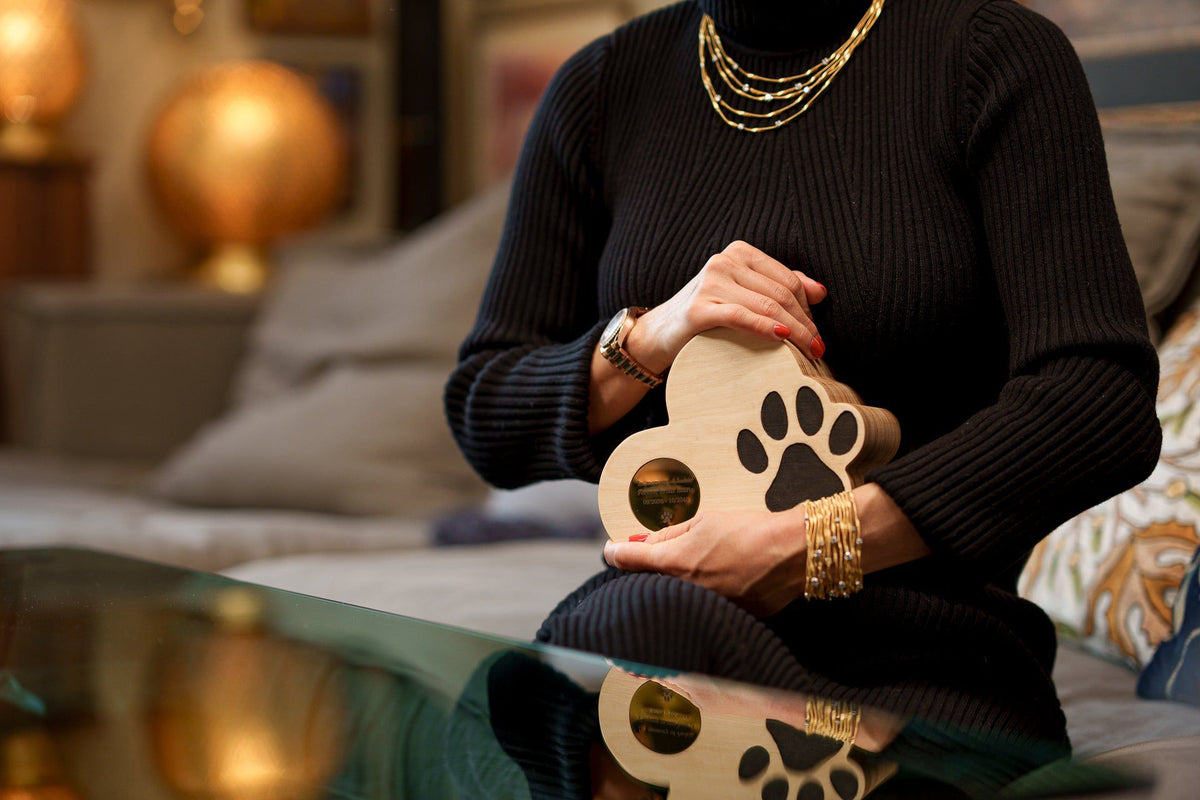
Can You Grieve a Life That Never Had Words?
Discover why losing a beloved pet can be so profound, how wordless bonds shape our lives, and how Pulvis Art Urns brings craftsmanship and thoughtful design to the art of remembering an animal companion.
What Does the Bible Say About Cremation?
Explore what the Bible says about cremation, Christian beliefs about resurrection, and meaningful ways to honor a loved one’s memory through a thoughtful memorial.
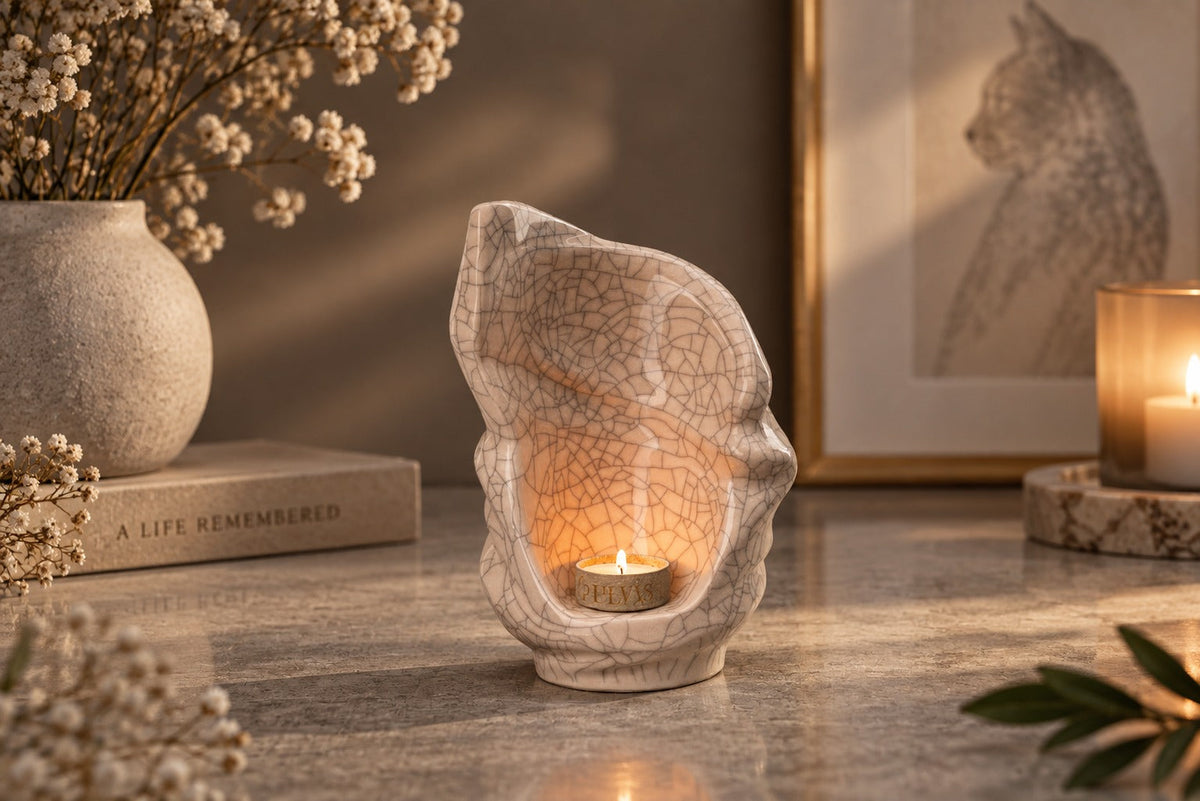
Why Do People Light Candles for the Dead?
Discover the meaning behind lighting candles for the dead, exploring the traditions, beliefs, and emotions that make this simple ritual a lasting expression of remembrance, comfort, and connection within the home.

The Pet as a Witness to a Human Life
Our pets witness far more of our lives than we realise. Explore what it means for an animal to become a quiet witness to our changing homes, relationships, routines and identities — and how a memorial urn can remain as a physical connection to the life they witnessed.

Can You Inherit a Pet’s Memory?
Can we remember a pet we never knew? Explore how stories, photographs, objects and memorials can carry an animal’s memory across generations, turning a private life into part of a family’s shared history.


Partager:
The Colors of Grief: How Mourning Shades Differ Around the World
When to Replace an Urn: Signs and Best Practices