

Here for you: art@pulvisurns.com | (562) 609-4019
Choosing an urn is a deeply personal decision, but it is also a practical one.
When people begin looking for an urn, they often focus first on its appearance. They consider the material, shape, colour, craftsmanship, and whether the design feels appropriate for the person being remembered. These elements are important, but there is another question that can make the choice much easier:
Where will the urn be kept?
An urn intended to remain in a home may require very different considerations from one that will be placed in a columbarium niche, buried in a cemetery, displayed in a memorial garden, or kept as a smaller keepsake.
The location can influence the urn's size, material, durability, proportions, appearance, and even the way it is designed to be accessed or transported.
Thinking about the final location before purchasing an urn can therefore prevent practical difficulties later and help create a memorial that feels both meaningful and appropriate.
The right urn is not necessarily the largest, most elaborate, or most traditional one. It is the one that works naturally within the place where it will be kept while also reflecting the person being remembered.

An urn is not simply an object that holds cremated remains.
For many families, it becomes part of a physical environment.
It may be placed on a shelf in the living room, displayed alongside photographs, kept in a private room, placed inside a niche, buried beneath the ground, or incorporated into an outdoor memorial space.
Each environment has different requirements.
An urn displayed inside a home is generally protected from rain, extreme temperatures, and direct environmental exposure. An urn placed outdoors may need to withstand changing weather conditions. A columbarium may have very specific dimensions for the available niche. A burial may involve requirements concerning the material and construction of the urn.
This is why choosing an urn based solely on appearance can sometimes create unexpected problems.
The best approach is to think about the destination first and the design second.
Once you know where the urn will be kept, you can begin narrowing down the aesthetic and material choices.
Keeping an urn at home has become a deeply personal way of maintaining a connection with someone who has died.
Instead of separating the memorial from everyday life, the urn can become part of the home.
It may be placed in a living room, bedroom, study, hallway, library, or another meaningful location.
For an urn intended to remain indoors, there are several things to consider.
An urn for home display does not necessarily need to be large.
Its proportions should work with the space in which it will be placed.
A larger sculptural urn may become a central feature on a console, pedestal, or dedicated table. A smaller design may work better on a bookshelf, cabinet, or among photographs and personal objects.
Before choosing a design, measure the intended location.
Consider not only the height and width of the surface but also the available space around the urn.
An object can feel very different when placed in a small, enclosed area compared with an open room.
An urn displayed at home should have a stable base and be appropriate for the surface where it will stand.
This is particularly important if the urn will be placed somewhere accessible to children, pets, or frequent household activity.
A beautiful object should also feel secure.
Because the urn may remain visible for many years, some families choose a design that naturally complements their interior.
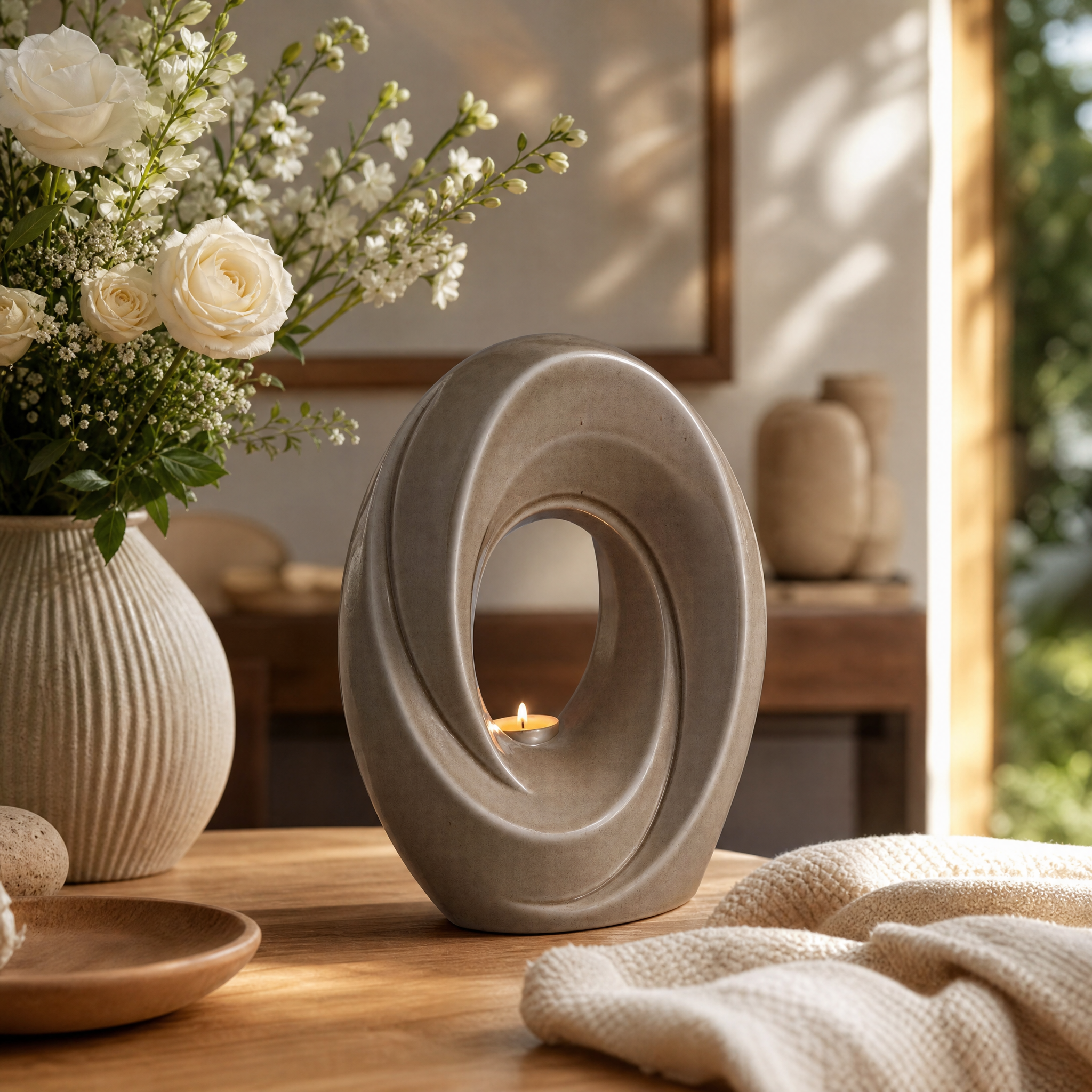
A contemporary ceramic urn may work alongside modern furniture and artwork.
A more organic form may feel appropriate in a home filled with natural materials and plants.
A minimalist design may disappear gently into a calm, understated interior.
There is no correct aesthetic.
The important thing is that the urn feels comfortable within the environment and meaningful to the person being remembered.

Not everyone wants an urn to become part of the general interior.
Some families prefer to create a specific place for remembrance.
This might be a small table, shelf, cabinet, or corner containing the urn together with photographs, flowers, books, candles, artwork, or other personal objects.
The space does not need to be elaborate.
Sometimes a simple arrangement is more meaningful.
The advantage of creating a dedicated memorial area is that it provides a physical place to return to.
It can be private or visible.
It can be visited intentionally or simply exist quietly within the home.
When choosing an urn for such a space, its relationship with the surrounding objects becomes particularly important.
Rather than choosing an urn in isolation, consider how its form, scale, material, and colour will interact with the rest of the memorial.
A sculptural urn might be allowed to stand alone, while a simpler design might work beautifully alongside photographs, flowers, books, or other objects with personal significance.
A columbarium is a structure designed to house cremated remains in individual compartments, often called niches.
If the urn will be placed in a columbarium, measurements become one of the most important considerations.
Unlike an urn intended for a home, a columbarium urn must fit within a predetermined space.
Before purchasing an urn, obtain the exact dimensions of the niche.
Do not rely on a general description such as "standard size."
Niches can vary considerably.
You may need to know the maximum height, width, and depth, as well as the dimensions of the opening. In some cases, the internal dimensions may be different from the visible opening.
Some facilities may also have rules concerning materials, inscriptions, decorations, closures, or the number of urns that can be placed inside.
These requirements should always be checked directly with the cemetery or columbarium before making a purchase.
An urn can be beautiful and still be unsuitable if it does not fit the niche.
For this reason, the physical dimensions of the space should come before the aesthetic decision.
Once you know the maximum permitted size, you can choose the design that best fits within those boundaries.
This does not mean that choosing an urn for a columbarium has to be purely technical. Within the available dimensions, there can still be considerable freedom to choose a form, material, colour, and finish that feels personal.

Some families choose to bury cremated remains in a cemetery or another permitted location.
If burial is the intended final placement, the environment becomes an important part of the decision.
The urn may be exposed to soil, moisture, temperature changes, and other environmental conditions depending on the burial method and location.
The requirements can therefore differ significantly from those for an indoor urn.
Different materials behave differently over time.
Some are designed to remain stable for long periods.
Others may be intentionally selected because they are designed to return gradually to the environment.
There is no single material that is appropriate for every type of burial.
The intended burial location and local cemetery requirements should always be considered before choosing the urn.
Cemeteries may have rules concerning urn dimensions, burial containers, materials, vaults, depth, cemetery plots, permitted decorations, and installation procedures.
These requirements vary by location.
Before purchasing an urn for burial, speak with the cemetery or burial provider and confirm what is permitted.
It is much easier to make the aesthetic decision once the practical requirements are known.
A garden can become a particularly meaningful place of remembrance.
Plants change with the seasons.
Flowers grow and disappear.
Trees become larger.
The landscape continues to evolve.
For some families, this creates a sense of continuity that can be comforting.
An urn placed in an outdoor environment should be chosen with the conditions of that environment in mind.
Consider exposure to rain, snow, frost, sunlight, humidity, temperature fluctuations, wind, and soil moisture.
Not every urn is designed for permanent outdoor placement.
An urn that is perfectly suitable for an interior may not be appropriate for a garden.
The manufacturer or artist should be able to provide information about the intended use and environmental suitability of the material.
An outdoor memorial also invites a different relationship with time. While an indoor object may remain protected within the same environment, a garden changes continuously. The memorial becomes part of a living landscape, and the urn should be chosen with that relationship in mind.

Sometimes the urn is not the entire memorial.
It may be placed alongside a photograph, sculpture, plaque, plant, bench, artwork, or another object.
In this case, consider the urn as part of a larger composition.
A highly sculptural urn may work beautifully as the focal point of a simple arrangement.
A quieter design may work better when surrounded by photographs or other meaningful objects.
Think about proportion.
A small urn placed beside a large memorial sculpture may become visually insignificant.
A very large urn may overwhelm a delicate arrangement.
The goal is not necessarily visual perfection.
It is to create a space that feels balanced and personal.
A memorial space can be highly designed, or it can be extremely simple. What matters most is that the arrangement feels natural to the people who will live with it.
Not all cremated remains have to be kept in a single full-size urn.
Some families choose to divide the remains among several memorial objects.
Keepsake urns are smaller vessels designed to hold a portion of cremated remains.
They can be particularly useful when family members live in different places or when several people want to maintain a physical connection with the person who has died.
A keepsake urn may be kept at home, with a family member, in a private memorial space, alongside photographs, or as part of a personal collection of meaningful objects.
When choosing a keepsake urn, consider both its size and how it will be used.
Because it is smaller, it can also provide more flexibility in terms of placement.
A keepsake can sit discreetly on a bedside table or shelf, or it can become part of a larger arrangement dedicated to remembrance.

Sometimes the final location is not immediately decided.
A family may initially keep the urn at home and later move it to a cemetery, columbarium, or another memorial location.
In this situation, flexibility becomes important.
Choose an urn that can be handled safely and transported appropriately.
Consider its weight, dimensions, closure, packaging requirements, and material.
If you expect to move the urn internationally, additional documentation and transportation requirements may apply.
These requirements vary depending on the countries involved and the method of transportation, so they should be checked before travelling.
Thinking about possible future moves can also influence the design itself. A particularly delicate or unusually shaped object may require more careful handling than a compact, robust design.
Not every home has a large amount of space available for memorial objects.
An urn may need to fit on a narrow shelf, inside a cabinet, on a bedside table, or in another compact location.
In these situations, proportion becomes particularly important.
A smaller urn can provide the same emotional significance without requiring a large display area.
Look for designs that have a stable footprint while using vertical space efficiently.
Also consider whether the urn will be placed among other objects.
A design that is visually simple may work particularly well in a small space because it does not create a sense of visual overcrowding.
Sometimes the most meaningful memorial is not the one that occupies the most space, but the one that feels naturally integrated into the environment.
The opposite can also be true.
A large room may make a very small urn feel visually disconnected from its surroundings.
In an expansive interior, a larger sculptural design can sometimes create a more balanced presence.
This does not mean that the urn needs to become a dramatic centerpiece.
It simply means that scale matters.
Architectural spaces often require objects with enough visual weight to feel intentional within them.
This is one of the reasons contemporary urn design can be particularly interesting.
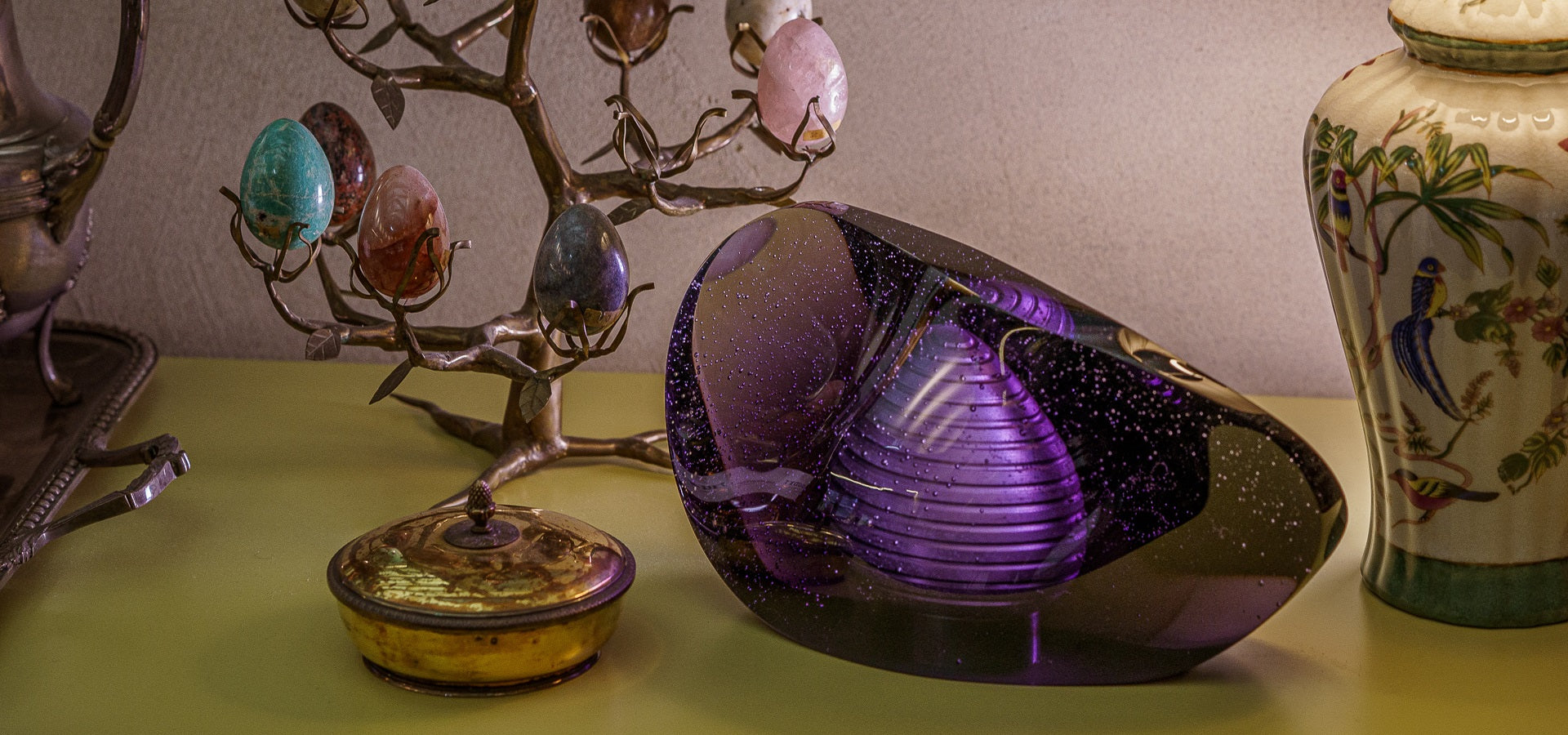
An urn can function not only as a memorial object but also as a sculptural element within an interior.
The object can interact with furniture, architecture, light, and surrounding artwork, becoming part of the visual character of the room without losing its emotional significance.

Location and material should be considered together.
Ceramic can offer an expressive range of forms, textures, and finishes.
A ceramic urn may work particularly well indoors, where it can be appreciated as a tactile and sculptural object.
However, outdoor and burial use depend on the specific ceramic, finish, construction, and environmental conditions.
Metal can offer strength and a more architectural appearance.
Depending on the material and finish, metal urns may be suitable for a variety of environments, but exposure to moisture and weather can affect different metals differently.
Wood can introduce warmth and a connection with natural materials.
It may be particularly appropriate for interiors or certain natural memorial settings, depending on its treatment and intended use.
Some families specifically seek urns designed to break down naturally over time.
These may be appropriate for certain forms of burial or water-based memorialization where legally permitted.
The key is to select the material according to the intended environment rather than assuming that all urns can be used in every setting.
The place where an urn is kept can change how its material and colour appear.
Natural light can highlight texture.
Direct sunlight can affect certain finishes over time.
Artificial lighting can make a surface appear warmer, cooler, softer, or more reflective.
Before choosing an urn, consider the lighting of the intended location.
A highly textured surface may become especially expressive when light falls across it.
A smooth, minimalist surface may work better in a clean, contemporary interior.
The surrounding colours matter too.
An urn does not exist visually on its own.
Its environment becomes part of how it is experienced.
This is especially relevant when choosing an artistic urn. A form that looks one way in a showroom or photograph may feel entirely different when placed beside a particular wall, piece of furniture, window, or collection of personal objects.
An urn may remain untouched for years, but there may also be occasions when it needs to be moved.
Family members may relocate.
A home may be renovated.
The urn may be transferred to another memorial location.
The remains may need to be divided or transferred, depending on the circumstances.
For this reason, it is worth understanding how the urn is constructed and sealed.
A secure closure is important.
The urn should also be handled according to the manufacturer's instructions.
If the urn is particularly large, heavy, delicate, or sculptural, consider whether two people may be needed to move it safely.
This is especially relevant when choosing an artistic object. A visually delicate form may require different handling from a compact traditional vessel.
An important question is often overlooked:
Is this intended to be the final location?
Sometimes the answer is yes.
Sometimes it is not.
If the urn will remain in one place permanently, the design can be chosen specifically for that environment.
If the location may change, flexibility may be more important.
For example, a family may initially choose to keep an urn at home while deciding whether a cemetery or columbarium is right for them.
There is no need to make every decision immediately.
However, understanding the possible future destination can prevent having to replace an urn simply because it does not meet the requirements of the next location.
A little planning can therefore make the decision easier and reduce unnecessary stress later.

Practical considerations should come first, but they do not have to determine the entire aesthetic.
Once the location, dimensions, material requirements, and regulations are understood, the design can become a deeply personal choice.
Ask:
What kind of object feels appropriate for this person?
Perhaps they loved contemporary architecture.
Perhaps they were drawn to nature.
Perhaps their home was minimalist.
Perhaps they appreciated handmade craftsmanship.
Perhaps they preferred subtle, understated objects.
Or perhaps they would have loved something unusual and expressive.
The urn can become an extension of that personality.
It does not have to look like a conventional funeral object.
It can reflect a life rather than simply represent a death.
This is particularly important when the urn will remain visible in a home. The object may become part of the family's surroundings for years, so its appearance can be chosen as an expression of the person rather than solely as a symbol of mourning.
The most successful memorial objects often feel as though they belong exactly where they are placed.
This does not mean that they disappear.
It means that the object and its surroundings create a natural relationship.
An elegant ceramic urn may sit quietly among books and photographs.
A sculptural design may stand on a dedicated pedestal.
A smaller keepsake may rest beside a personal photograph.
An outdoor urn may become part of a garden.
A niche urn may be selected specifically around the dimensions and visual character of its columbarium space.
In each case, the location contributes to the meaning of the object.
This relationship between object and environment is one of the defining characteristics of contemporary memorial design. An urn does not have to exist separately from the world around it. It can become part of the architecture, landscape, or interior in which it is placed.
Before choosing an urn, it can be helpful to make a simple checklist.
Where will it be kept?
Home, columbarium, cemetery, garden, or another location?
Is the location permanent?
If not, could the urn need to be moved later?
What dimensions are permitted?
Measure the available space carefully.
Is there a material requirement?
Check with the cemetery, columbarium, or memorial provider.
Will the urn be indoors or outdoors?
Environmental exposure can influence the appropriate material and finish.
Does it need to be transported?
If so, consider its weight, dimensions, construction, and transportation requirements.
Will it be displayed with other objects?
Consider the visual relationship between the urn and photographs, artwork, flowers, or personal belongings.
What kind of design feels appropriate?
Think about the person being remembered and the environment in which the urn will exist.
How important is craftsmanship?
If the urn will remain visible for many years, the quality of its construction and finish may be an important consideration.

There is no single perfect urn.
The right choice depends on the person, the family, the intended location, and the way remembrance is approached.
For one family, the ideal urn may be a discreet object kept privately at home.
For another, it may be a sculptural piece displayed prominently in the living room.
Someone else may choose a smaller keepsake urn shared between family members.
Another person may choose an urn specifically designed for burial or a memorial garden.
These choices are not contradictory.
They simply reflect different ways of remembering.
The important thing is to understand the practical requirements of the location before allowing the emotional and aesthetic aspects of the decision to guide the final choice.
An urn is ultimately both a vessel and an object of remembrance.
Where it is kept influences how it is experienced.
At home, it can become part of everyday life.
In a columbarium, it becomes part of a dedicated memorial environment.
In a cemetery, it becomes connected to a permanent place of remembrance.
In a garden, it can exist alongside nature and the changing seasons.
As a keepsake, it can remain close to an individual family member.
None of these approaches is more meaningful than another.
What matters is that the urn is appropriate for its environment and meaningful to the people who choose it.
This is why the question "Which urn should I choose?" can often be answered by beginning with a simpler question:
"Where will this urn live?"
Once the destination is clear, many other decisions become easier.
The right size becomes clearer.
The right material becomes clearer.
The practical requirements become clearer.
And eventually, the design that feels right can emerge naturally.

The final location of an urn is more than a practical detail.
It becomes part of the story of remembrance.
A shelf can become a familiar place.
A garden can become a living memorial.
A niche can become a permanent point of connection.
A photograph beside an urn can preserve a face.
A carefully chosen object can transform an otherwise difficult space into one that feels peaceful and personal.
The urn itself cannot contain everything a person meant to those who loved them.
No object could.
But it can provide something tangible.
A place where memory can exist.
A form that can remain visible.
A physical reminder of a life that mattered.
At Pulvis Art Urns, contemporary urn design approaches the memorial object not only as a functional vessel, but also as an expression of art, craftsmanship, and personal meaning. An urn can therefore be selected not simply according to where it will be kept, but according to how it should feel within that place.
The most meaningful choice may ultimately be the one that brings these elements together: the right place, the right proportions, the right material, and a design that feels connected to the person being remembered.
Because an urn does not exist in isolation.
It becomes part of a home, a landscape, a memorial space, or a family story.
And when the right object finds the right place, remembrance can become something quietly tangible — a physical presence that remains while life continues around it.
The Urn as a Bridge Between Presence and Absence
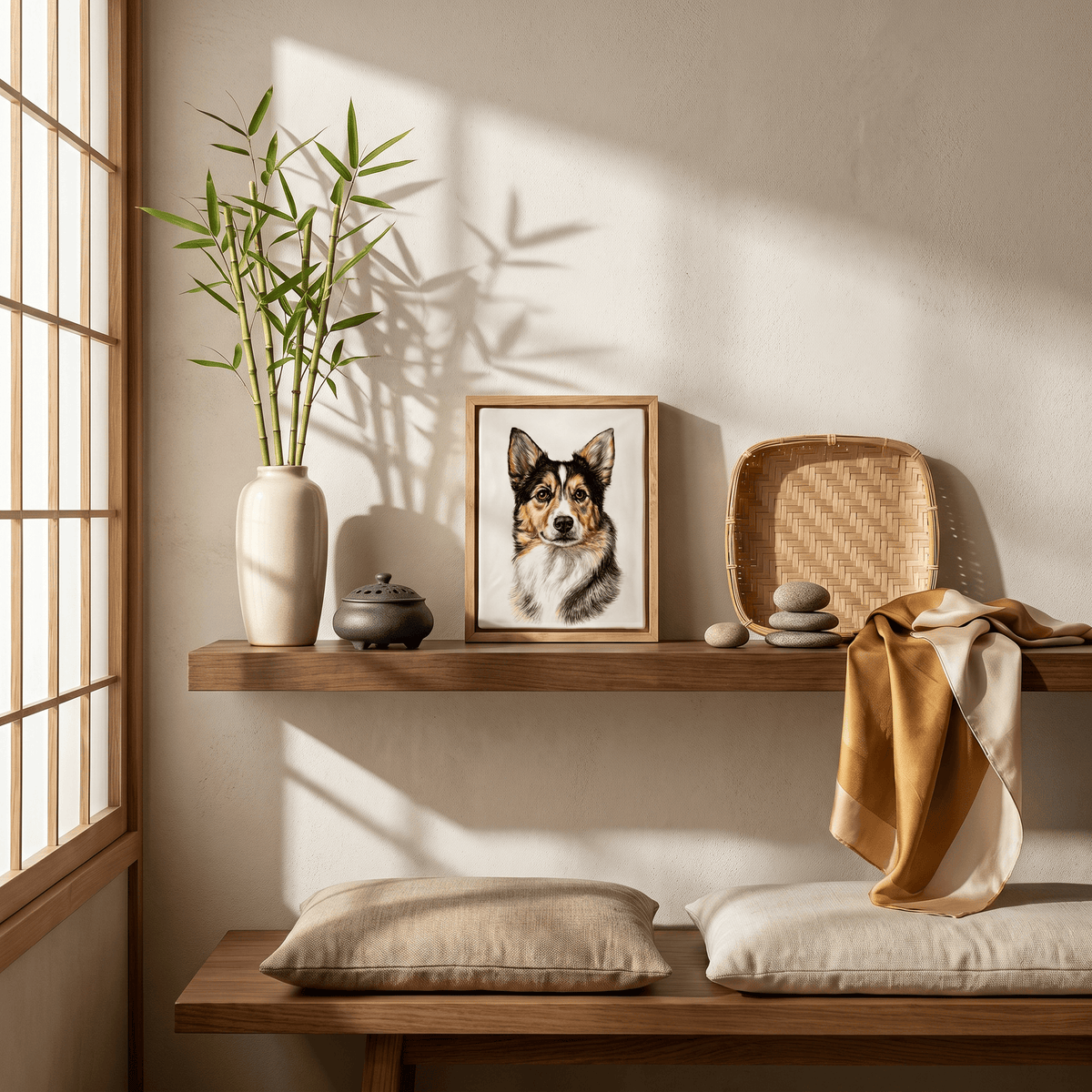
What happens when a pet is no longer physically present, but something of that life remains? Explore how a memorial urn can become a bridge between absence and presence, giving memory a tangible form and a lasting place within the home.
Memento Mori: Why Humans Have Always Made Art About Death
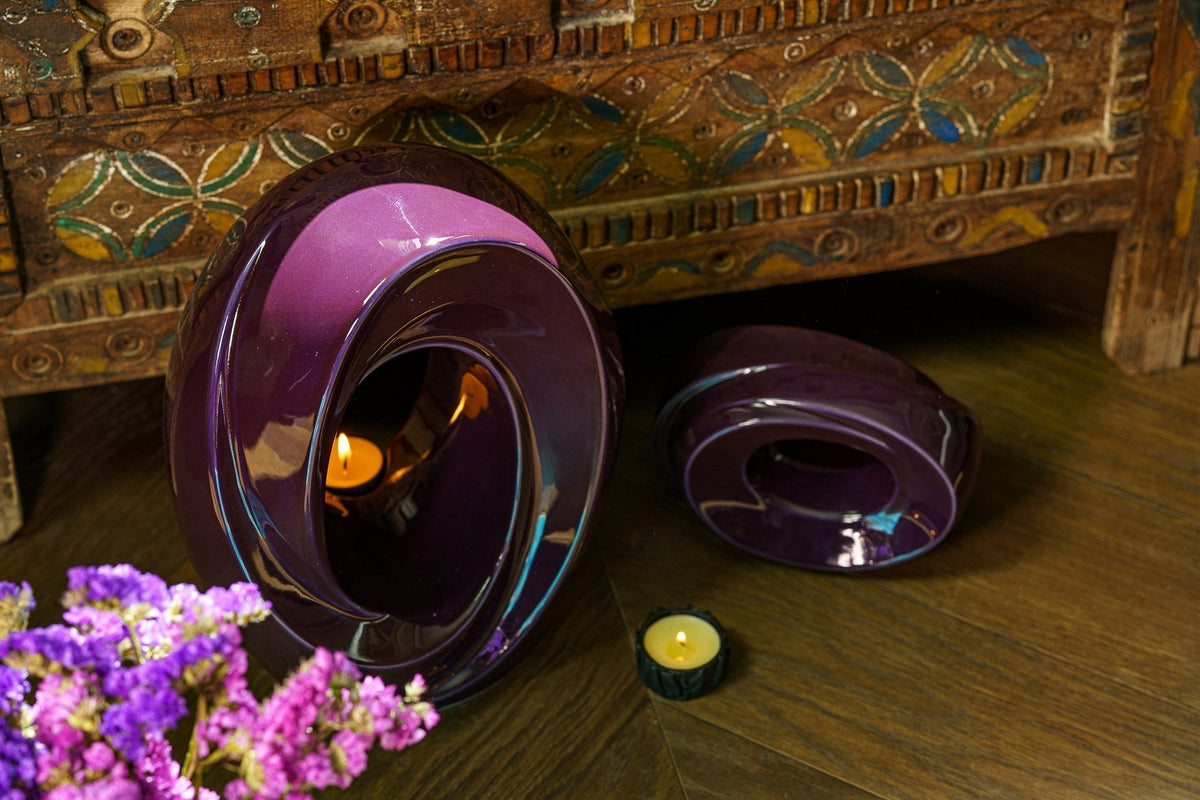
For thousands of years, humanity has transformed death into art — from skulls and fading flowers to portraits, monuments and memorial objects. Explore why we continue to create around mortality, memory and the human desire to make something last.
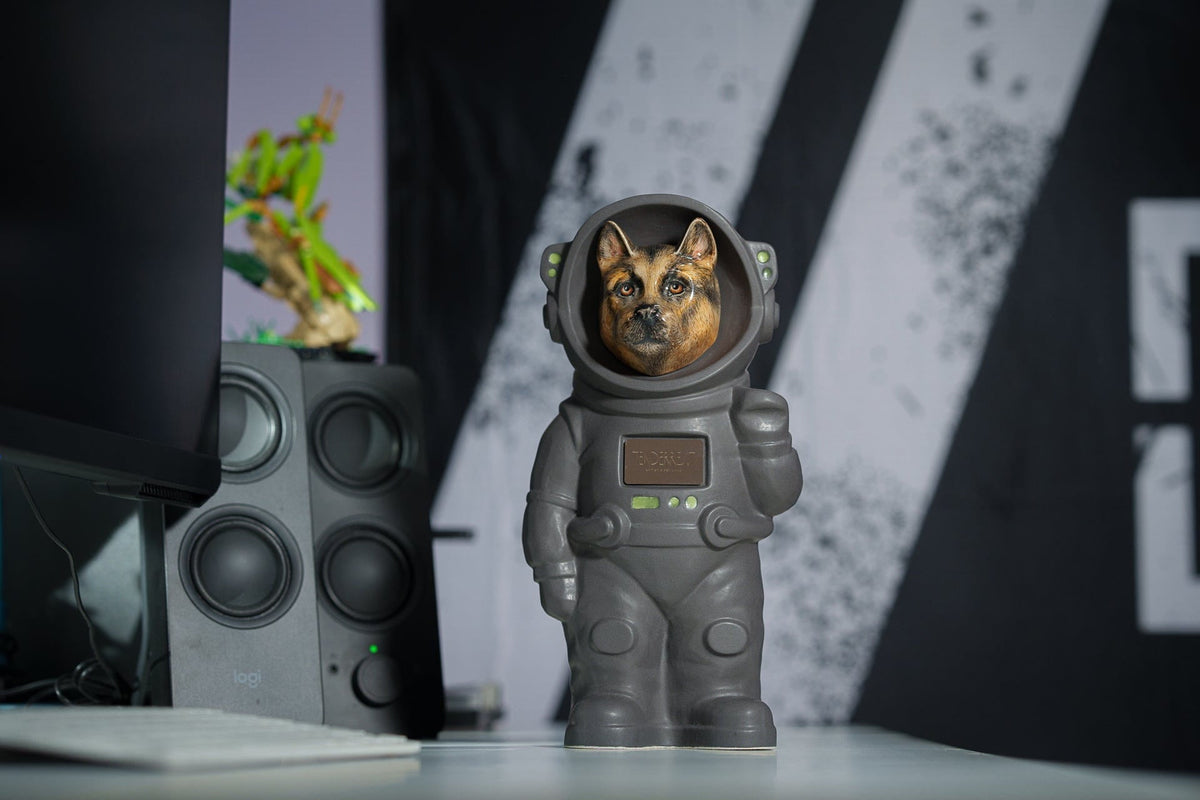
Every pet leaves behind an archive of its life — photographs, familiar objects, stories and traces of everyday routines. Discover how these fragments preserve not only memories, but the physical and emotional story of a beloved companion.
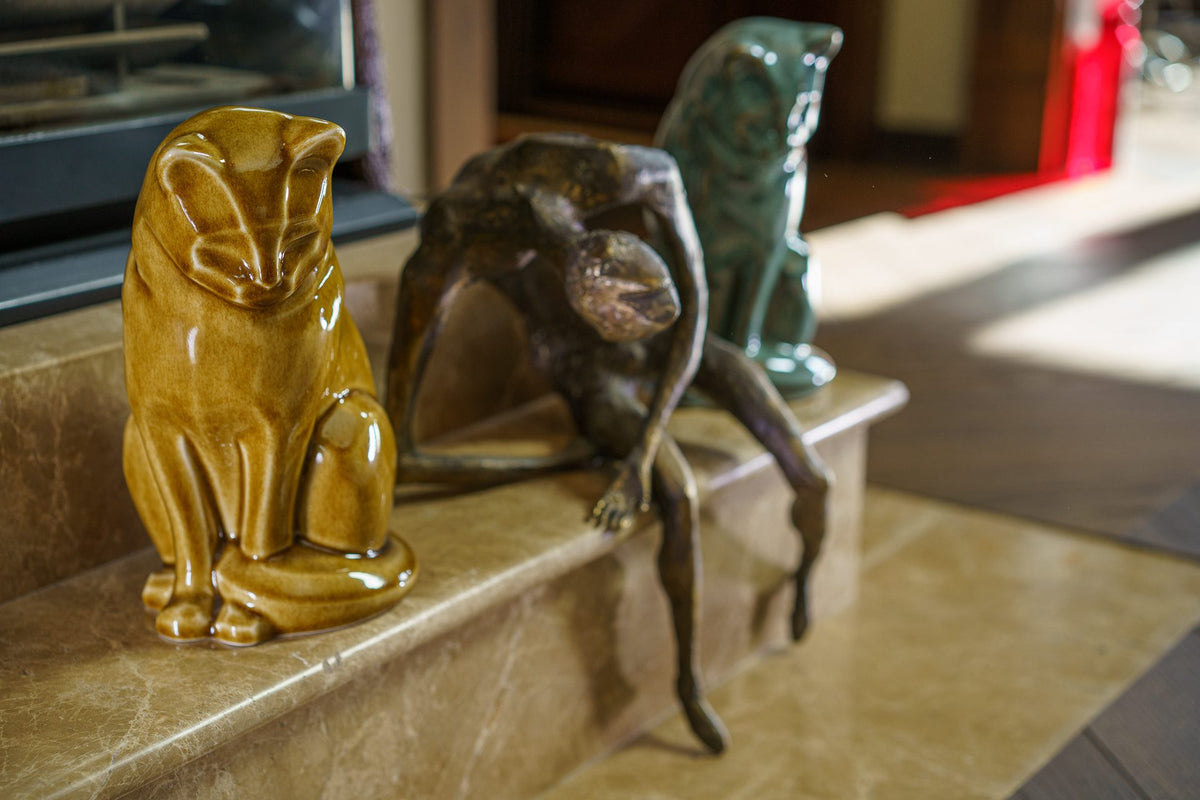
The New Aesthetics of Pet Memorials
Pet memorials are moving beyond traditional symbols of mourning. Explore how contemporary design, art, craftsmanship and materials are creating a more personal and understated aesthetic for remembering a beloved animal.
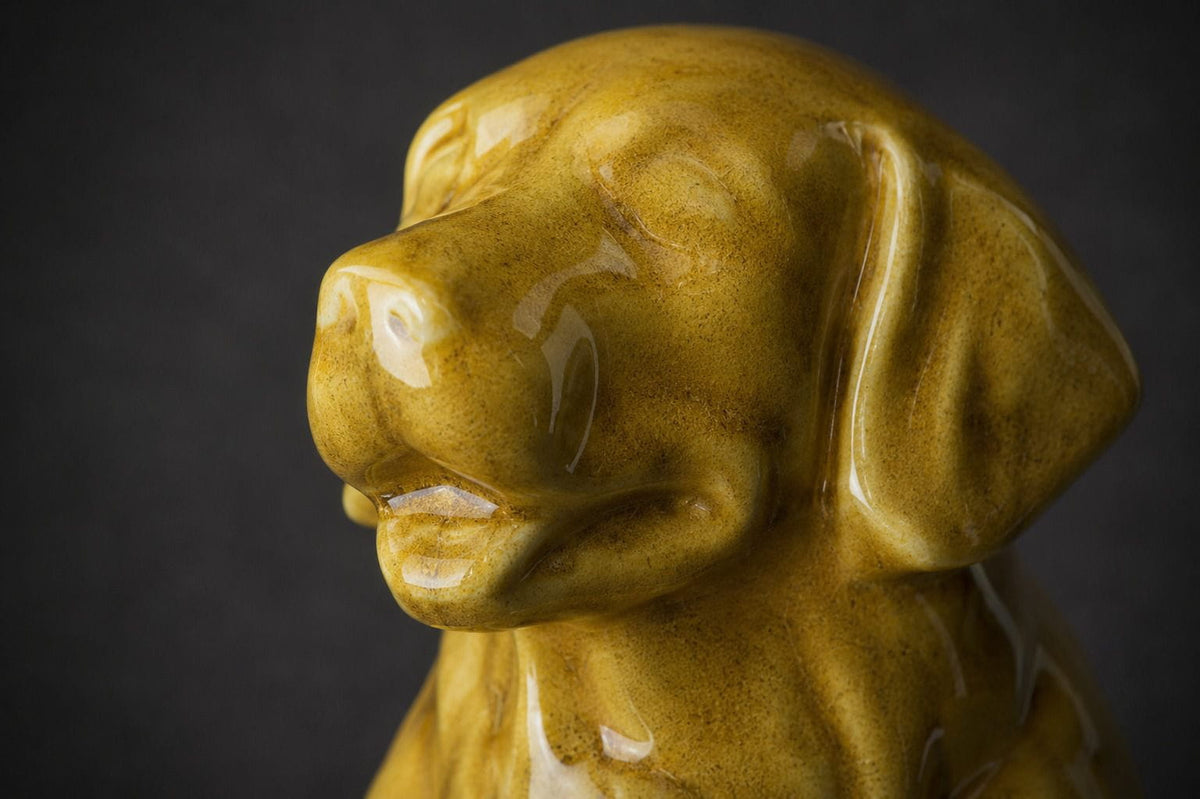
Can a pet urn be more than a vessel for ashes? Explore how craftsmanship, materials and sculptural design can transform a memorial urn into a meaningful work of art that keeps the memory of a beloved companion present.

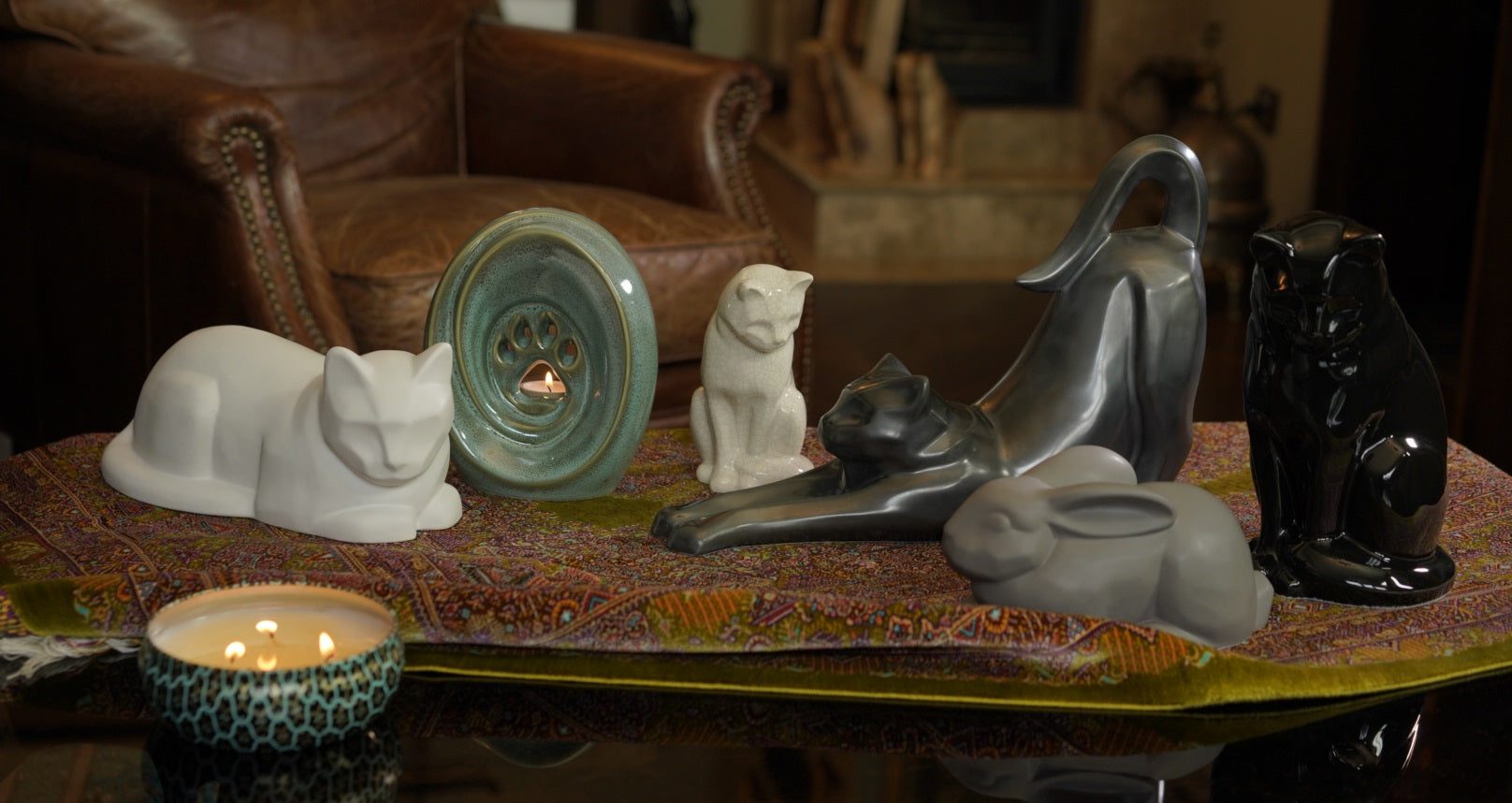
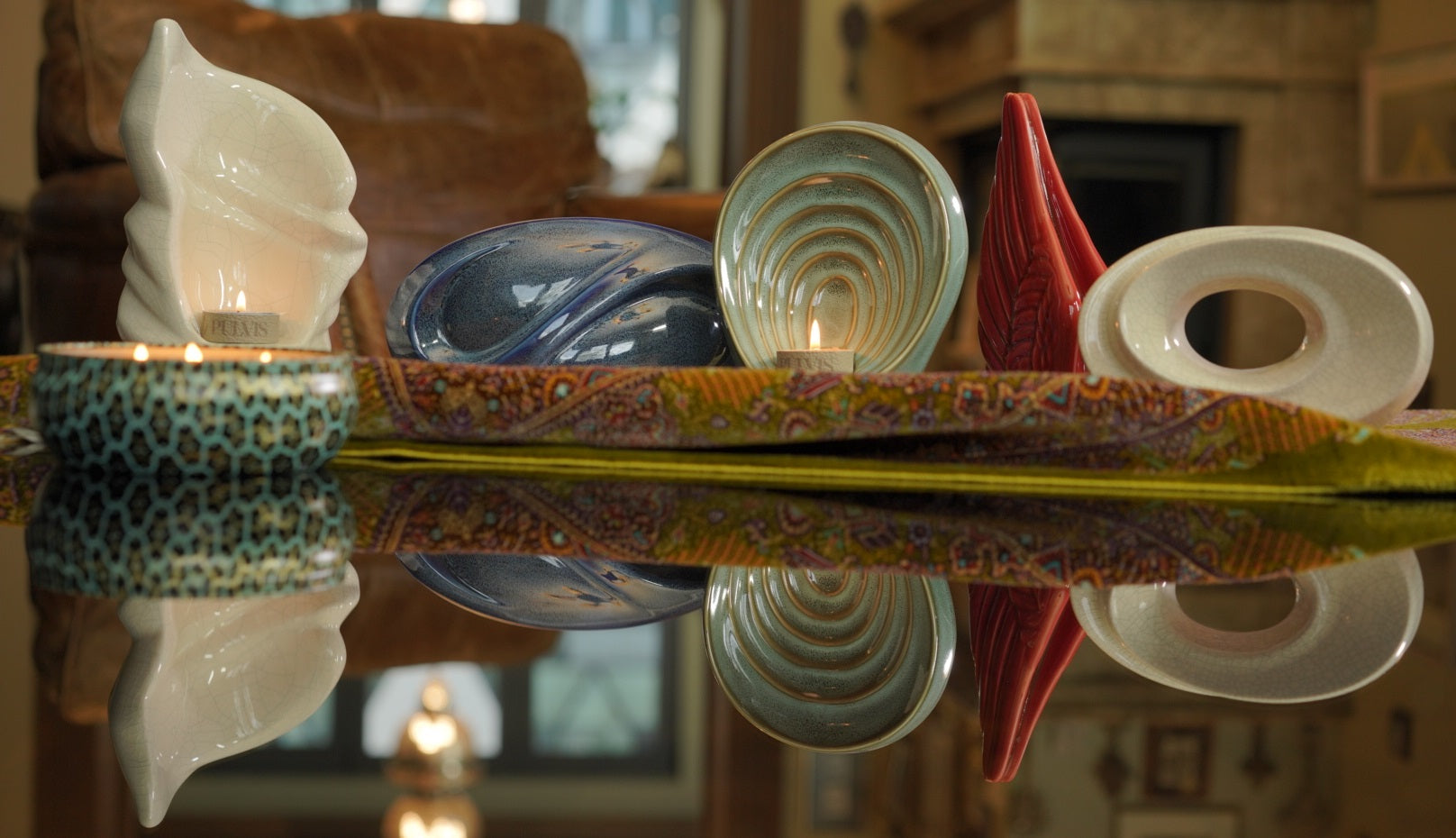

Compartir:
The Art of Giving Absence a Shape
What Should You Do With Ashes After Cremation?