


Here for you: art@pulvisurns.com | (562) 609-4019
7 % de réduction sur votre commande
Utilisez ce code lors du paiement :
When a child loses someone they love, grief takes a unique form.
Children do not experience death in the same way adults do. Their understanding of loss develops gradually, shaped by age, emotional maturity, previous experiences, personality, and the way the adults around them communicate.
A child may understand that someone has died, yet still struggle to understand what “forever” means. They may continue expecting the person to return, ask the same questions repeatedly, or express grief through play, drawings, silence, or changes in behaviour rather than through words.
While adults often process grief through conversations and reflection, children frequently process emotions through imagination, creativity, actions, and the world around them.
This does not mean their grief is smaller.
It means their grief speaks a different language.
Understanding how children experience loss helps families provide the support they need while allowing young people to create their own meaningful ways of remembering the people they have lost.
A child’s understanding of death changes as they grow.
The way they interpret loss depends on their developmental stage and their ability to understand abstract concepts such as permanence, absence, and time.
Young children often struggle with the idea that death is permanent.
They may believe that the person will return or that death is temporary.
They may ask:
“When will they come back?”
“Can they visit tomorrow?”
“Can doctors make them better?”
“Where are they now?”
These questions are not signs of denial. They are attempts to understand something that feels impossible to comprehend.
Young children often understand death through the experiences they already know. They may compare it to sleep, leaving, or being away.
This is why gentle and honest explanations are so important.

As children grow, they begin to understand that death is permanent.
However, emotional understanding often develops more slowly than intellectual understanding.
A child may know someone is gone but still struggle with questions such as:
Why did this happen?
Could I have stopped it?
Will someone else I love die?
Who will take care of me now?
At this stage, reassurance and open communication are essential.
Teenagers often understand death similarly to adults but may express grief differently.
They may:
hide their emotions
avoid discussing feelings
appear independent
rely more on friends than family
process grief privately
Their grief can sometimes be overlooked because it does not always appear outwardly.
However, teenagers can experience deep loss and may need just as much support as younger children.
One of the most difficult concepts for children is understanding that someone will not physically return.
Adults often understand this immediately, but children develop this understanding over time.
A child may ask the same question repeatedly:
“Where are they?”
“Are they coming home?”
“When will I see them again?”
Repeating questions is often part of processing.
Each time they ask, they may be trying to understand a different part of the reality.
Children need patience, consistency, and reassurance as they gradually build their understanding of loss.

Adults often expect grief to be expressed through sadness and conversation.
Children may express grief differently.
They may:
play games involving themes of loss
draw pictures
create imaginary conversations
become quieter
become more emotional
change their routines
ask repeated questions
become more attached to caregivers
These behaviours are not signs that a child is avoiding grief.
They are ways of processing emotions that may be too complicated to explain verbally.
For many children, actions become their language of remembrance.
Not every loss affects a child in the same way.
The relationship a child had with the person who died shapes their experience.
The loss of a parent can affect a child’s sense of safety and stability.
Children may worry about:
who will care for them
whether life will ever feel normal again
whether other loved ones may disappear
Grandparents often represent family history, traditions, and unconditional love.
Their loss can create feelings of losing a connection to the past.
The loss of a sibling can affect a child’s identity, family role, and understanding of fairness.
For children and teenagers, losing a friend can be especially difficult because friendships often represent independence and personal identity.
Every relationship creates a different type of bond.
Every loss creates a different grief experience.

One of the biggest challenges adults face is explaining death to children.
Many people try to protect children by avoiding difficult conversations or using softer phrases such as:
“They went to sleep.”
“They went away.”
“We lost them.”
Although these expressions are often used with love, they can sometimes create confusion.
A child may wonder:
Will they wake up?
Did they leave because of something I did?
Can they come back?
Using clear, age-appropriate language helps children understand what happened while feeling emotionally supported.
Honesty creates security.
Many children experience guilt after someone dies.
They may believe:
they caused the death
they were responsible in some way
something they said or did contributed to what happened
This is especially common in younger children because they often see themselves as more connected to events around them than they actually are.
Children need repeated reassurance:
The death was not their fault.
Nothing they said, thought, or did caused the loss.
Providing this reassurance helps prevent children from carrying unnecessary guilt.

Children naturally create personal forms of remembrance.
Unlike adults, who may focus on formal rituals, children often create private and imaginative connections.
They may remember someone through:
drawings and artwork
writing letters
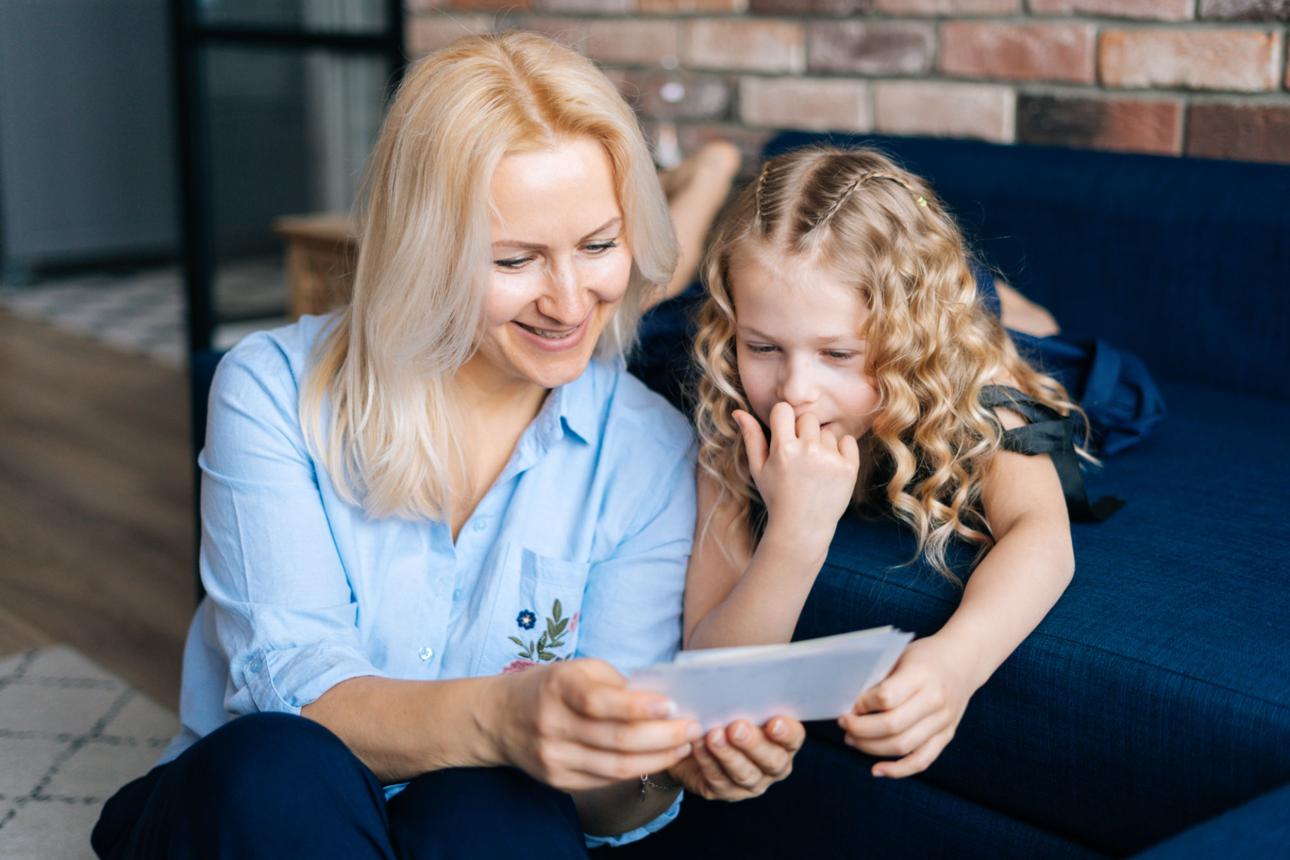
keeping photographs
creating memory boxes
talking to the person privately
visiting meaningful places
keeping a special object
These actions allow children to maintain connection while understanding that the person is no longer physically present.
Objects can have powerful meaning for children after loss.
A simple item can become a connection to someone they miss.
It may be:
a piece of jewellery
a favourite belonging
a photograph
a handwritten note
a small keepsake
For children, objects provide something concrete in a situation that feels invisible and confusing.
They create a physical reminder:
“This person existed. They loved me. They are part of my story.”

Children experience the world through their senses.
Touch, sight, and physical presence play an important role in understanding emotions.
After a loss, an object connected to someone who died can provide comfort because it feels real.
A child may hold it when they miss the person.
They may keep it nearby during important moments.
They may create their own small rituals around it.
The object becomes a bridge between memory and the present.
Children today often grow up surrounded by digital memories.
Photos, videos, voice recordings, and messages can become important parts of remembering someone.
A child may find comfort in:
hearing a loved one’s voice
seeing videos of shared moments
looking through family photographs
learning new stories about that person
Digital memories can provide connection, especially when a child is too young to remember many moments personally.
However, physical objects often provide something different: a sense of touch, presence, and permanence.
Together, digital and physical memories can help children build a fuller understanding of the person they lost.
Children learn about people not only through their own memories but also through the stories others share.
When families talk about someone who has died, they help children understand who that person was.
Stories preserve:
personality
humour
values
traditions
important moments
A child who was very young—or not yet born—can still develop a meaningful connection through stories.
Memory becomes something passed between generations.

Sometimes adults avoid mentioning someone who has died because they fear causing sadness.
However, children often need reassurance that remembering is allowed.
They need to know:
it is okay to talk about the person
it is okay to miss them
it is okay to feel happy while remembering
it is okay to ask questions
Silence can sometimes make children feel that the person has disappeared completely from family life.
Remembering keeps connection alive.
Children often benefit from being included in remembrance.
When families make decisions about memorials, rituals, or ceremonies, allowing children to participate can help them feel connected and valued.
Depending on their age, children may:
choose a meaningful photograph
create artwork
write a message
select flowers
participate in a ceremony
help create a memory space
Participation helps children understand that they have a place in the story of remembrance.
Certain moments can bring grief back unexpectedly.
Children may feel the absence of someone during:
birthdays
holidays
school achievements
graduations
family celebrations
personal milestones
A child may think:
“I wish they were here to see this.”
These moments show that grief changes over time rather than disappearing.
The relationship continues through memories of what someone would have experienced alongside them.
Children often carry grief into everyday environments.
After a loss, they may experience:
difficulty concentrating
changes in friendships
tiredness
emotional sensitivity
changes in behaviour
reduced motivation
Teachers and caregivers play an important role by providing understanding and stability.
A grieving child may not always need answers.
Sometimes they need patience and someone who notices.

Rituals give children a sense of participation and belonging.
They allow children to actively take part in remembrance rather than feeling powerless.
Simple rituals may include:
lighting a candle
planting a tree
creating artwork
visiting a meaningful place
preparing something the person loved
celebrating their birthday in a special way
These rituals help children understand that love continues after loss.
Children often observe how adults respond to loss.
They learn from:
conversations
emotional expressions
family traditions
shared memories
When adults show that grief and love can exist together, children learn that their emotions are also acceptable.
Children do not need adults to hide sadness completely.
They need reassurance that sadness can be survived.
There is no single way children grieve.
One child may want to talk constantly.
Another may avoid the topic.
One may cry openly.
Another may appear unaffected.
These differences do not mean one child loved more or less.
Children, like adults, have individual ways of processing emotions.
The most important thing is creating a safe environment where every response is accepted.

A common fear after loss is that remembering someone means a child cannot move forward.
However, remembering and growing can happen together.
A child can:
continue enjoying life
create new memories
build relationships
pursue dreams
while still carrying love for someone who is gone.
Moving forward does not mean leaving someone behind.
The people we lose often continue influencing who we become.
Children carry loved ones forward through:
values they learned
traditions they continue
stories they repeat
lessons they remember
A person’s influence can continue long after their physical presence is gone.
This is one of the most powerful forms of legacy.
Children experience grief differently from adults, but their emotions are no less meaningful.
They remember through drawings, questions, objects, stories, imagination, rituals, and personal expressions of love.
Their ways of keeping someone close may look different, but they reflect the same human need shared by adults:
The need to maintain connection with someone who mattered.
When children are given honesty, support, and freedom to remember, they learn that grief is not only about losing someone.
It is also about carrying love forward.
Because even after someone is gone, the relationship they created can continue shaping a child’s life, identity, and memories for years to come.
Quelle taille d'urne me faut-il ?
Règle simple : environ 1 litre de contenance pour 28 kg de poids corporel.
La contenance est indiquée sur chaque fiche produit. Les mini-urnes contiennent une petite partie des cendres à partager.
Besoin de la recevoir à une date précise ?
Livraison gratuite · Livraison en 3 à 5 jours ouvrés
Livraison express en 3 jours ouvrés maximum – à choisir lors du paiement
Besoin d'aide pour choisir ?
Parlez à notre équipe : nous vous aidons à trouver l'urne qui convient.
(562) 609-4019 art@pulvisurns.comEnvoyez-nous un message
Can You Grieve a Life That Never Had Words?
Discover why losing a beloved pet can be so profound, how wordless bonds shape our lives, and how Pulvis Art Urns brings craftsmanship and thoughtful design to the art of remembering an animal companion.

What Does the Bible Say About Cremation?
Explore what the Bible says about cremation, Christian beliefs about resurrection, and meaningful ways to honor a loved one’s memory through a thoughtful memorial.
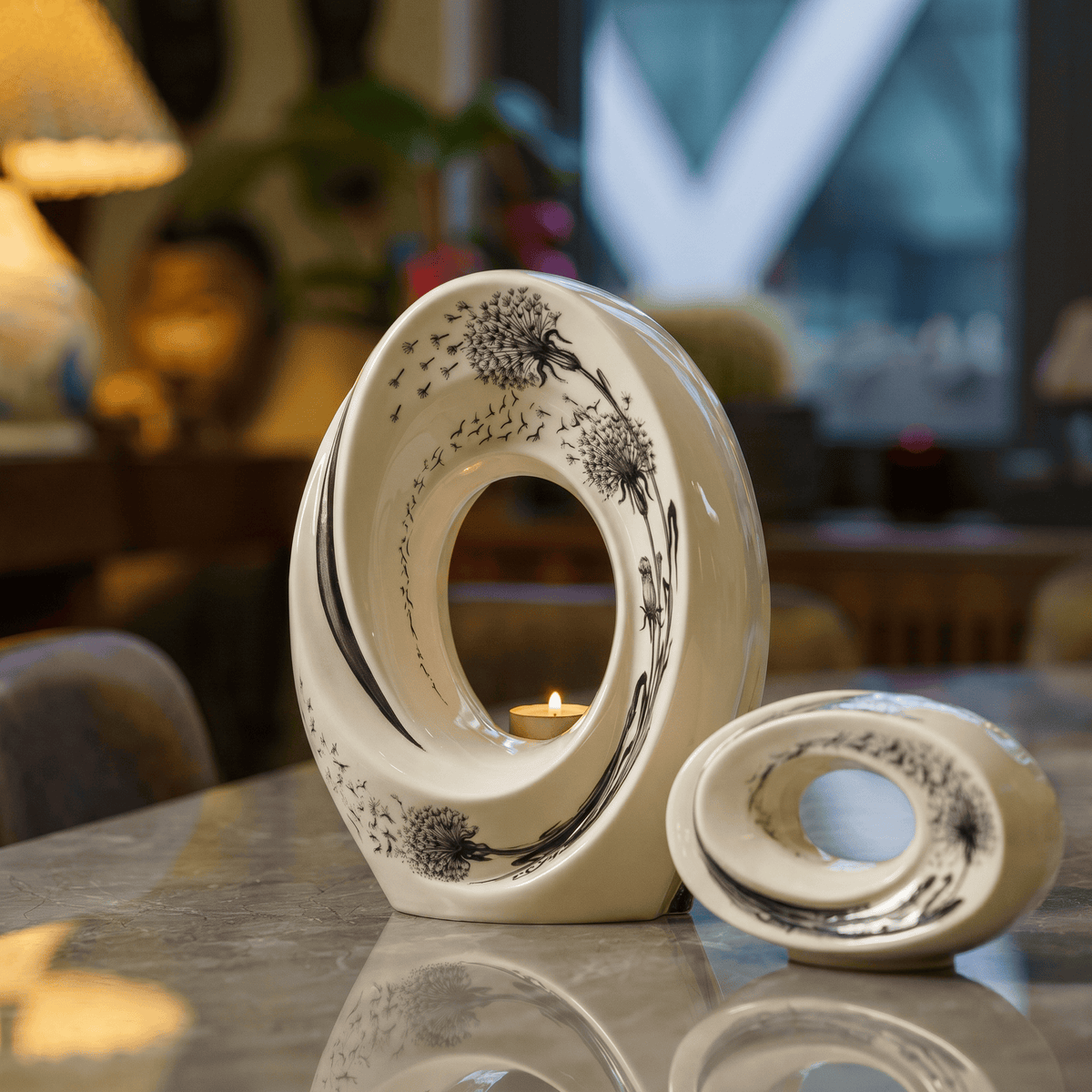
Why Do People Light Candles for the Dead?
Discover the meaning behind lighting candles for the dead, exploring the traditions, beliefs, and emotions that make this simple ritual a lasting expression of remembrance, comfort, and connection within the home.

The Pet as a Witness to a Human Life
Our pets witness far more of our lives than we realise. Explore what it means for an animal to become a quiet witness to our changing homes, relationships, routines and identities — and how a memorial urn can remain as a physical connection to the life they witnessed.

Can You Inherit a Pet’s Memory?
Can we remember a pet we never knew? Explore how stories, photographs, objects and memorials can carry an animal’s memory across generations, turning a private life into part of a family’s shared history.


Partager:
Why We Talk to Loved Ones Who Have Passed Away: The Psychology of Continuing Bonds
What Size Urn Do I Need for Human Ashes?