


Here for you: art@pulvisurns.com | (562) 609-4019
7 % de réduction sur votre commande
Utilisez ce code lors du paiement :
The German Shepherd is one of the world’s most recognized and respected dog breeds - admired for its intelligence, discipline, and unwavering devotion. Yet behind its noble appearance lies a story that began not in the modern home or the police academy, but in the open fields of 19th-century Germany.
In the late 1800s, Germany was undergoing rapid industrial and social change. Amid that transformation, the country’s pastoral traditions were still deeply rooted in the land. Farmers and herders depended on capable dogs to manage and protect their flocks — animals that could think independently, respond swiftly to commands, and work tirelessly through the seasons.
Across the German countryside, several regional herding breeds existed, each adapted to the specific terrain and climate of their homeland. Dogs from Thuringia, Württemberg, and Bavaria were known for their stamina, intelligence, and loyalty, but they lacked standardization. There was no single breed that embodied the ideal working dog of Germany.
That vision belonged to Captain Max von Stephanitz, a former cavalry officer who combined military precision with a passion for functional breeding. In 1899, while attending a dog show near Frankfurt, Stephanitz encountered a striking wolf-like herding dog named Horand von Grafrath. Captivated by the dog’s intelligence, composure, and physical balance, he purchased Horand on the spot and declared him the prototype of a new, unified breed — the Deutscher Schäferhund, or German Shepherd Dog.

Stephanitz’s approach to breeding was revolutionary for its time. While many breeders pursued appearance or pedigree, he prioritized temperament and utility. His philosophy was simple but enduring:
“Utility and intelligence are the true criteria of beauty.”
The German Shepherd was to be a working dog in the truest sense — intelligent, disciplined, adaptable, and devoted to its task and its people. To ensure these principles would guide future generations, Stephanitz founded the Verein für Deutsche Schäferhunde (SV), the official society for the breed, and established a breeding standard that emphasized mental stability, obedience, and courage.
Under his guidance, the breed rapidly gained recognition, not only as a capable herding dog but as a model of loyalty and service. The German Shepherd became a living symbol of reliability — a dog that could protect, guide, and comfort with equal dedication.
The turn of the 20th century saw the German Shepherd step beyond the fields and into a global role. During World War I, the breed served as a messenger, rescue, and sentry dog for German forces. Their intelligence and composure under pressure impressed soldiers from other nations, many of whom brought these dogs home after the war.
By the 1920s, German Shepherds had become international icons of service. They worked alongside police officers, served as guide dogs for the visually impaired, and appeared in early cinema — most famously through Rin Tin Tin, the rescued war dog who became a Hollywood legend.
Over time, the breed’s image evolved from national pride to universal symbol — representing courage, loyalty, and partnership across borders.

Today, the German Shepherd remains one of the most versatile and admired breeds in the world. Whether working in search and rescue, guiding those in need, or simply watching over a home, the essence of Stephanitz’s vision endures.
The name Deutscher Schäferhund - German Shepherd Dog - literally means “protector of the flock.” Yet that flock, over time, has come to represent more than sheep or land. It symbolizes us — the people the breed has chosen to protect, serve, and love.
The German Shepherd’s story is one of transformation — from field guardian to family companion, from working dog to cultural icon. But at its heart, it remains what it always was: a testament to the quiet strength of loyalty.
It is not only a breed defined by service — it is a living reflection of what it means to stand by someone, faithfully and without hesitation, no matter the task or distance
 The Artistic Tribute — A Form that Holds Presence
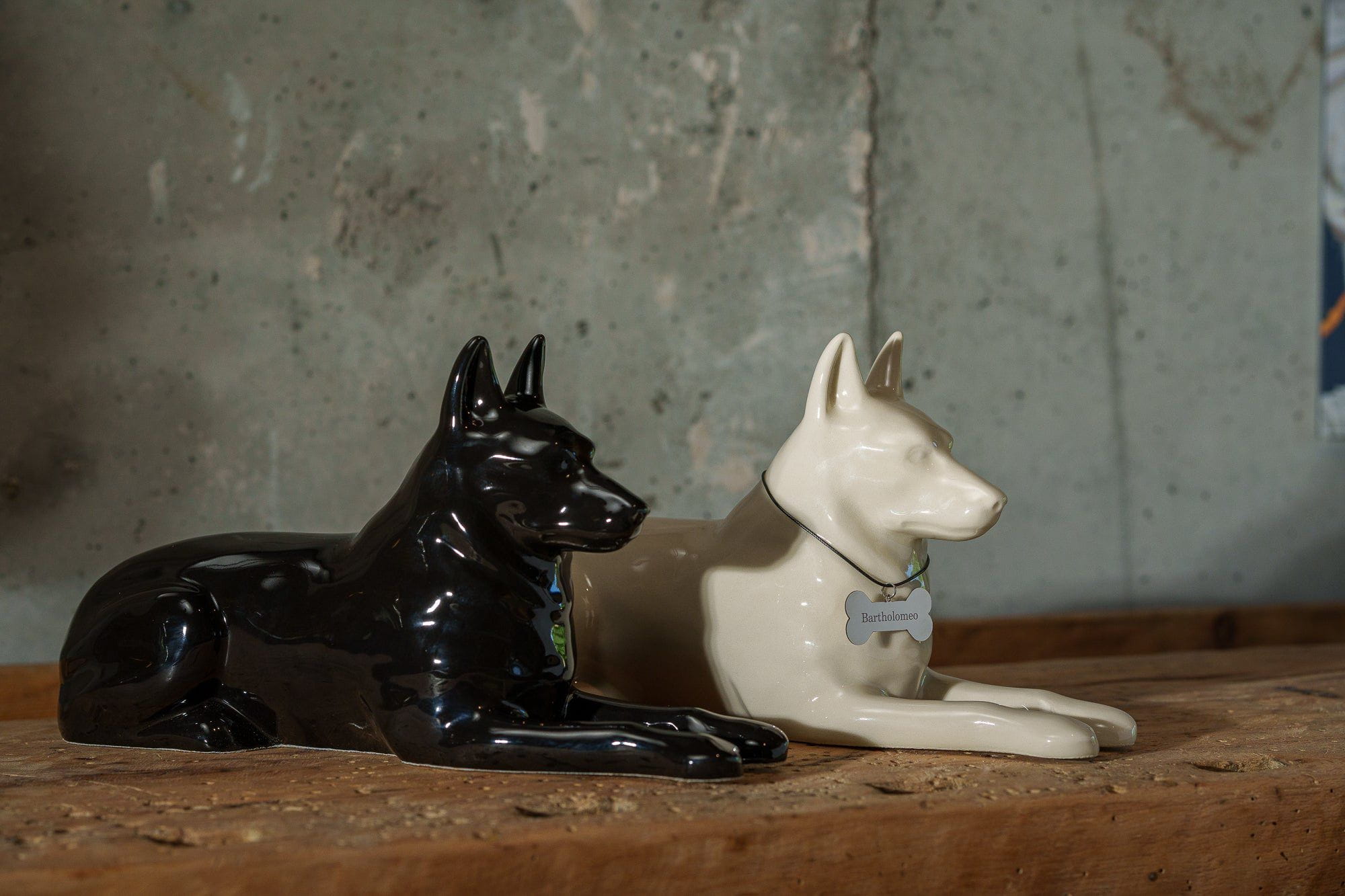
In celebration of this enduring legacy, our German Shepherd memorial urn was created as both a sculpture and a sanctuary — a space where presence continues to live, even in stillness.
The design captures the breed’s defining posture: strong, composed, and noble. Each detail — the attentive ears, the poised stance, the balance between watchfulness and calm — was sculpted to reflect the German Shepherd’s dual nature as both guardian and companion.
To honor different expressions of remembrance, the collection is offered in four distinguished variations:
German Shepherd Pet Urn – Gray Matte, evoking quiet strength and timeless grace;
German Shepherd Pet Urn – Rusty Brown, warm and earthy, reminiscent of loyal devotion;
German Shepherd Pet Urn – Off-White, serene and pure, a tribute to gentleness and peace;
German Shepherd Pet Urn – Lamp Black, bold and dignified, embodying steadfast protection and eternal presence.
Each urn is handcrafted with care — a lasting homage to the faithful hearts who stood by our side, and who continue to watch over us, even in silence.

Crafted from fine ceramic, the piece conveys endurance through material and warmth through touch. The surface, shaped and refined by hand, holds the gentle imperfections that only human craftsmanship can give - a reminder that love, like art, is made personal through care.
This urn is not meant to speak of loss, but of continuity. Its presence carries the same strength the breed has always embodied — a strength rooted in devotion.

“In every curve of clay, there is a whisper of watchfulness —
the timeless posture of a Shepherd still guarding its home.”
The German Shepherd urn stands as a tribute to one of humanity’s most loyal companions - a form that transforms memory into meaning, and silence into enduring companionship.

Quelle taille d'urne me faut-il ?
Règle simple : environ 1 litre de contenance pour 28 kg de poids corporel.
La contenance est indiquée sur chaque fiche produit. Les mini-urnes contiennent une petite partie des cendres à partager.
Besoin de la recevoir à une date précise ?
Livraison gratuite · Livraison en 3 à 5 jours ouvrés
Livraison express en 3 jours ouvrés maximum – à choisir lors du paiement
Besoin d'aide pour choisir ?
Parlez à notre équipe : nous vous aidons à trouver l'urne qui convient.
(562) 609-4019 art@pulvisurns.comEnvoyez-nous un message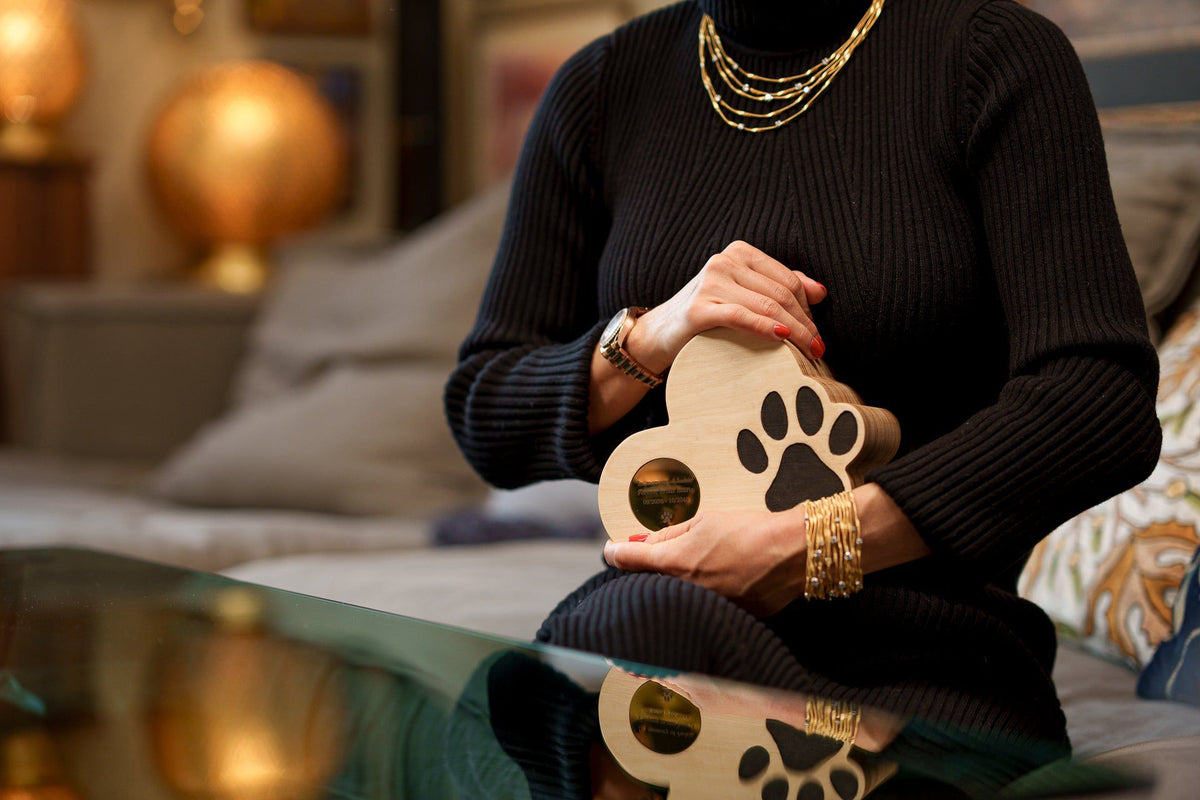
Can You Grieve a Life That Never Had Words?
Discover why losing a beloved pet can be so profound, how wordless bonds shape our lives, and how Pulvis Art Urns brings craftsmanship and thoughtful design to the art of remembering an animal companion.
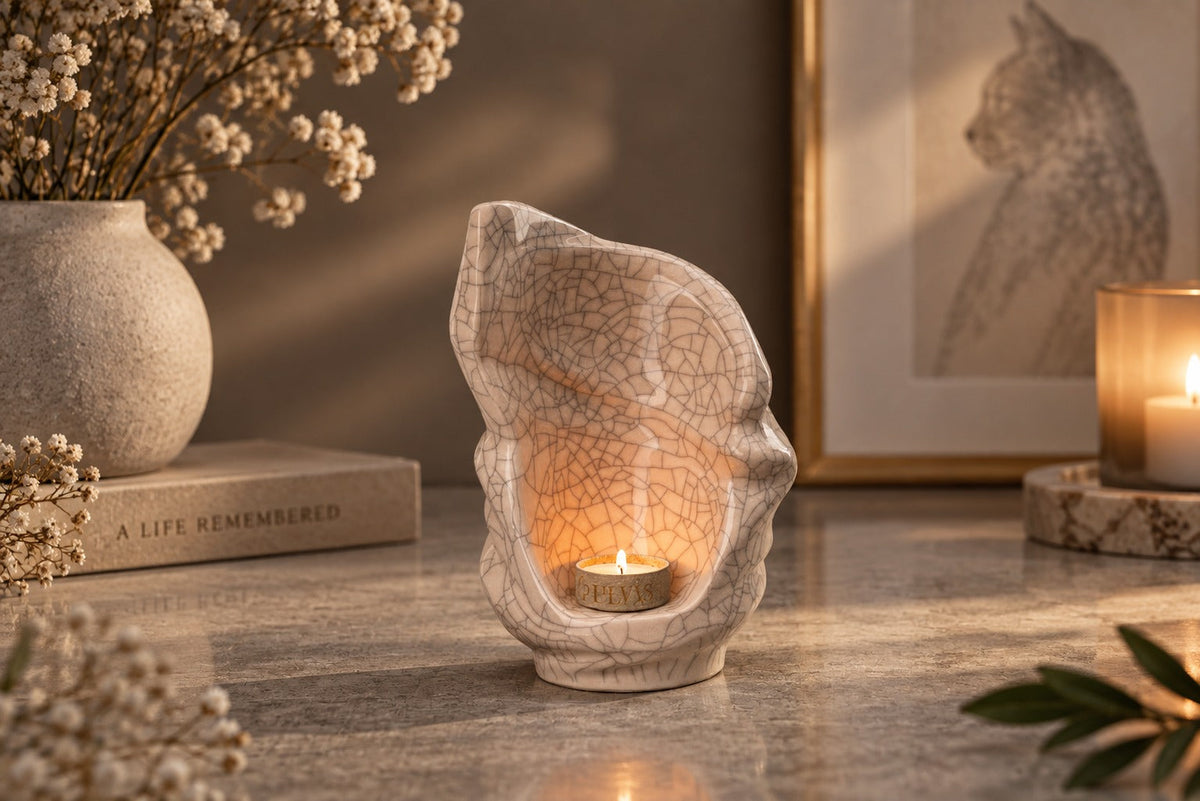
What Does the Bible Say About Cremation?
Explore what the Bible says about cremation, Christian beliefs about resurrection, and meaningful ways to honor a loved one’s memory through a thoughtful memorial.
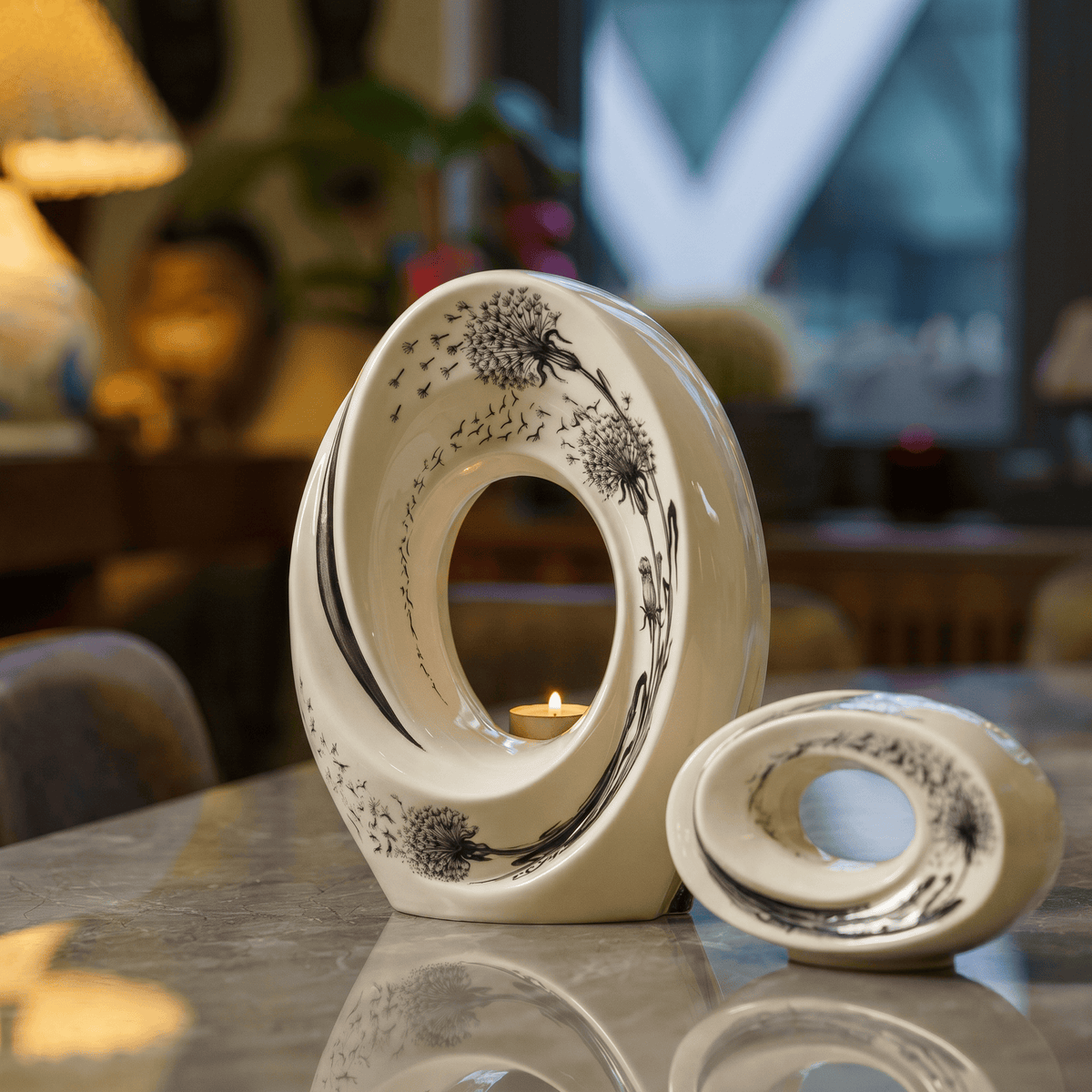
Why Do People Light Candles for the Dead?
Discover the meaning behind lighting candles for the dead, exploring the traditions, beliefs, and emotions that make this simple ritual a lasting expression of remembrance, comfort, and connection within the home.
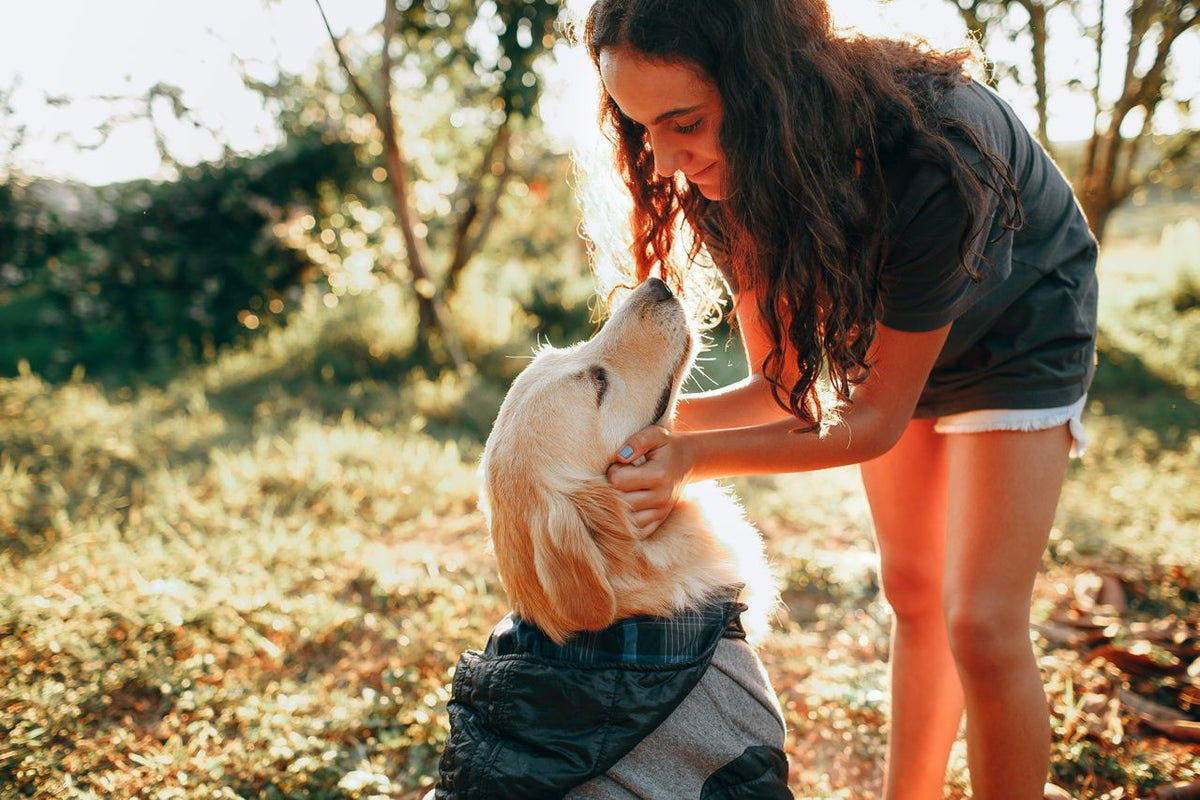
The Pet as a Witness to a Human Life
Our pets witness far more of our lives than we realise. Explore what it means for an animal to become a quiet witness to our changing homes, relationships, routines and identities — and how a memorial urn can remain as a physical connection to the life they witnessed.

Can You Inherit a Pet’s Memory?
Can we remember a pet we never knew? Explore how stories, photographs, objects and memorials can carry an animal’s memory across generations, turning a private life into part of a family’s shared history.



Partager:
Essential Legal Steps After a Loved One’s Passing: Comparative Guide for Families
Essential Legal Steps to Take When Your Pet Passes Away. A Compassionate Legal Guide.