

Here for you: art@pulvisurns.com | (562) 609-4019
In Delaware, the "First State," end-of-life traditions are evolving with a strong emphasis on flexibility, transparency, and a deep-seated connection to the Atlantic coastline. As of 2026, new regulations have modernized how residents approach final arrangements, making natural options like "natural organic reduction" (human composting) legally available alongside traditional choices. Whether you are planning a quiet service in Dover or a coastal memorial in Sussex County, this guide provides the essential 2026 data for the First State.
A Delaware Perspective on Choice and the Coast
In Delaware, the shift toward cremation is driven by a desire for simple, meaningful ceremonies that are not tied to a single location.
Emotional and Psychological Factors: Delaware families increasingly value the "portable legacy" that cremation provides. It allows for a Celebration of Life at a meaningful location—perhaps a sunrise gathering at Cape Henlopen or a family service in a historic church. Many choose to keep a loved one’s remains in a sculptural Cremation Urn, treating the pulvis (ashes) as a permanent piece of home art that keeps the memory present in their daily lives.
Environmental Values: With its low-lying geography and vulnerable coastline, Delaware residents are highly attuned to land use. Traditional burial is increasingly seen as land-intensive. Cremation, particularly when paired with a handcrafted ceramic vessel, is viewed as a lower-impact choice. As of February 2026, Natural Organic Reduction is also a legal option, offering a truly "green" return to the earth for those seeking an alternative to both burial and burning.

Financial Practicality: Delawareans are famously pragmatic. In 2026, a traditional burial can be a significant expense, often averaging over $9,100. Choosing direct cremation offers "financial peace of mind," typically saving families between $6,000 and $7,000 compared to a full funeral, allowing those resources to be used for a more personalized tribute.
Delaware's cremation costs reflect its regional position, with prices varying slightly between the urban north and the coastal south.
Cremation Rates: Delaware follows the national trend where over half of families now choose cremation, a figure projected to grow toward 80% by 2045.
Average Cost Breakdown: In 2026, Delaware families should budget for the following average expenses:
Traditional Full-Service Burial: A full funeral averages $9,166, with high-end services in the Wilmington-Newark area reaching $11,285+.
Direct Cremation: For a simple process with no ceremony, the average cost is $2,634, though some providers offer packages starting as low as $895 - $1,395.
Full-Service Cremation: A cremation including a formal viewing and memorial service typically averages $6,833.
New regulations effective February 11, 2026, have clarified several key procedures in Delaware.
The 24-Hour/5-Day Rule: A body must be buried or cremated within five days of death. If the body is kept longer than 24 hours, it must be embalmed, refrigerated, or placed in a hermetically sealed casket.
The Medical Examiner’s Signature: All cremation permits in Delaware require the signature of the Chief Medical Examiner (or a deputy), which serves as an affirmation that there is no medical reason to delay the process.
Authorization Hierarchy: Remains can only be cremated with the written consent of the next of kin or a legally responsible party.
The 60-Day Unclaimed Rule: If cremated remains are not claimed within 60 days, the funeral establishment may notify the Attorney General that they have been abandoned. After 12 months, the home may dispose of them in a cemetery of their choice.
For those choosing cremation, the vessel for the pulvis is often chosen to harmonize with the natural beauty of the First State.
Sizing Rules: The industry standard is: 1 lb of body weight prior to cremation = 1 cubic inch of ash. A standard adult urn generally holds 200 cubic inches.
Scattering at Sea: Under the Federal Clean Water Act, scattering must occur at least three nautical miles from shore. Notice must be given to the EPA within 30 days of the event.
Public and Private Land: Scattering is permitted on private property with owner consent (written consent is recommended). For Delaware State Parks, you must contact the specific park office first to obtain authorization and check for local rules.
Artistic Tributes: 2026 trends include the use of artistic ceramic urns—such as those by Pulvis—that mirror the tranquil, sandy tones of the Delaware coastline.

Based on 2026 service excellence and on-site facility data, here are several highly-regarded providers:
| City / Region | Funeral Home | Website |
| Newark | Strano & Feeley Family Funeral Home | stranofeeley.com |
| Newport / Wilmington | Nichols-Gilmore Funeral Home | nicholsgilmore.com |
| Sussex County | Parsell Funeral Homes & Crematorium | parsellfuneralhomes.com |
| Millsboro / Sussex | Watson Funeral Home & Crematorium | watsonfh.com |
| Dover / Statewide | Bennie Smith Funeral Homes | benniesmith.com |
| Sussex County | Bishop-Hastings Funeral Home | bishophastingsfh.com |
| Wilmington | Chandler Funeral Homes | chandlerfuneralhome.com |
| New Castle | Spicer-Mullikin Funeral Homes | spicermullikin.com |
Whether you find peace in a traditional ceremony in historic Old New Castle or in the sculptural beauty of a Cremation Urn displayed on your mantle, your choice is a profound act of love. By understanding the 2026 costs and the specific five-day rule in Delaware, you can ensure your final tribute for the pulvis is as soulful and enduring as the First State itself.
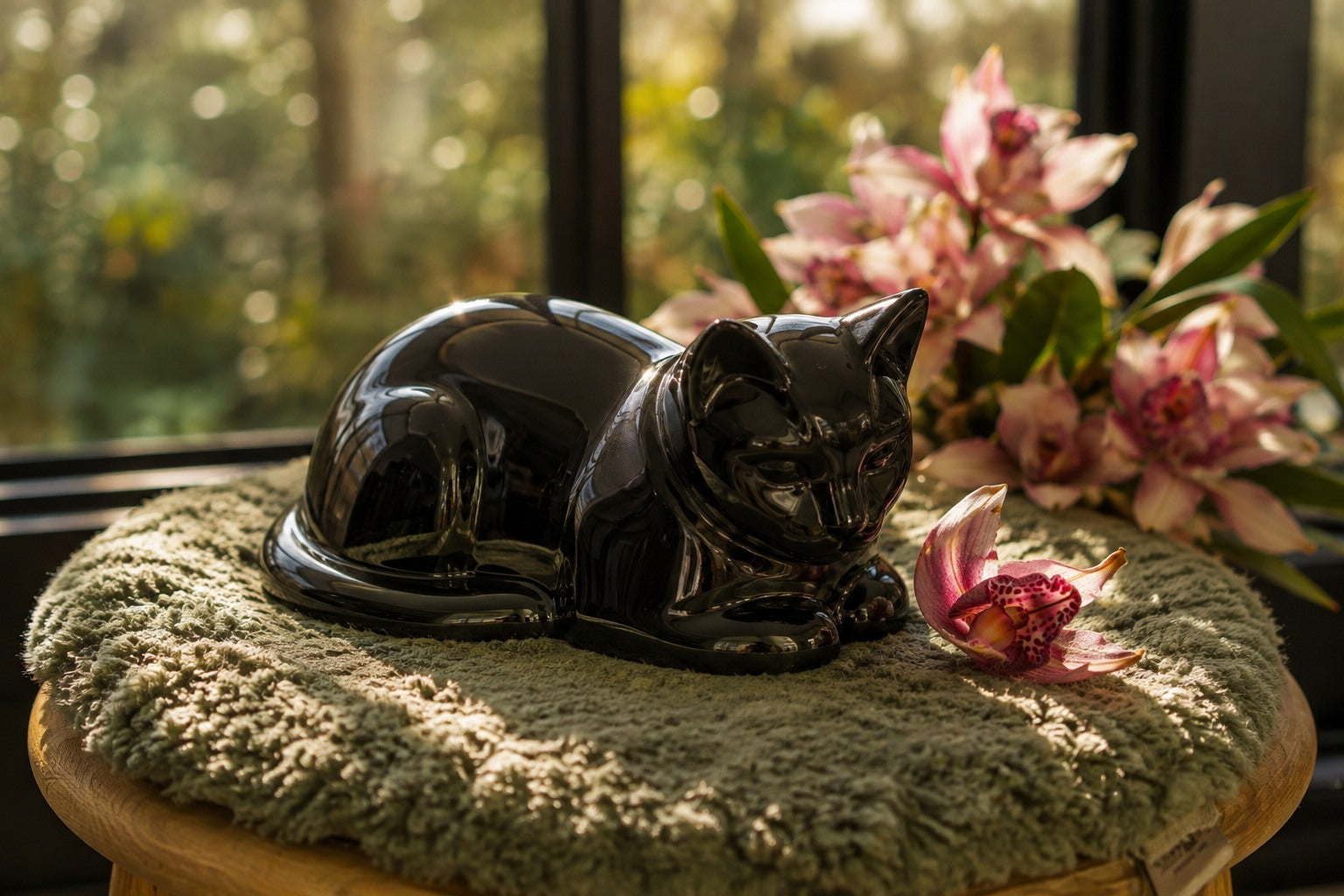
Why Pet Grief Doesn’t Always Get Easier. It Gets Different
Pet grief does not always become easier with time. It changes. Discover how loss evolves, why memories take on new meaning, and how memorial objects such as urns can become quiet reminders of a life once shared.
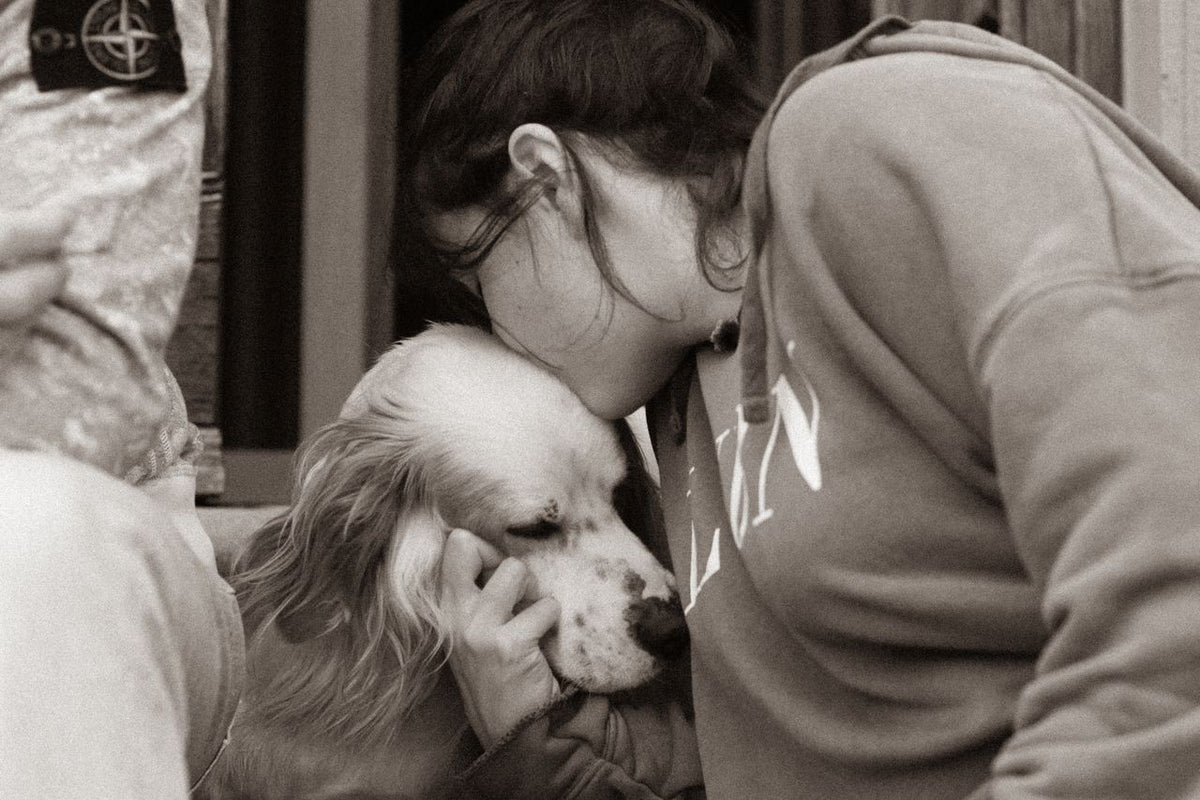
Why Your Pet’s Smell Can Bring Back an Entire Memory
Why can the smell of a pet bring back an entire moment? Discover how scent, emotion and memory are connected, and why the familiar smell of an animal can preserve some of our most intimate memories of life together.
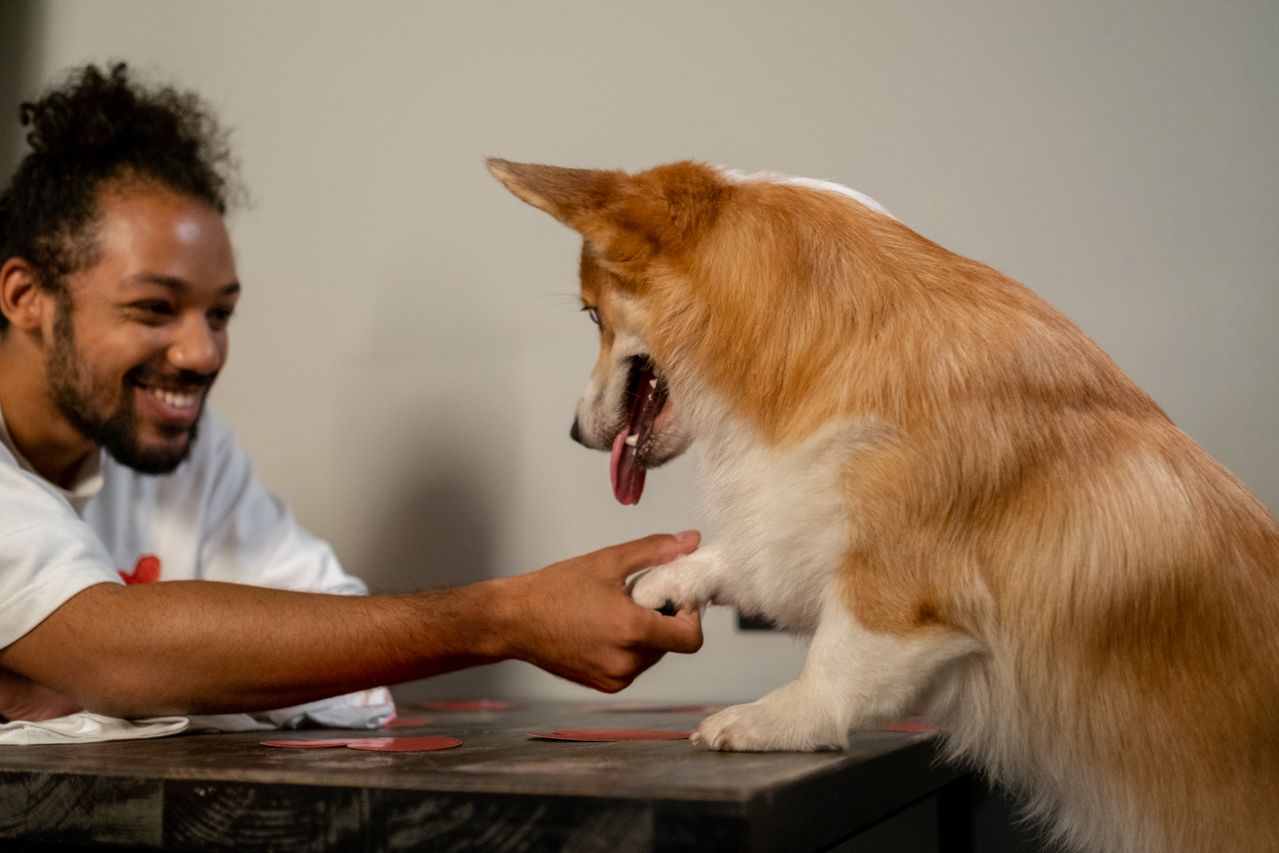
Can You Recognize Your Pet’s Personality in Their Face?
Can you recognize your pet’s personality in their face? Explore how years of companionship teach us to read subtle expressions, emotions and familiar gestures — and why a pet’s face can become one of the most powerful places where memory lives.
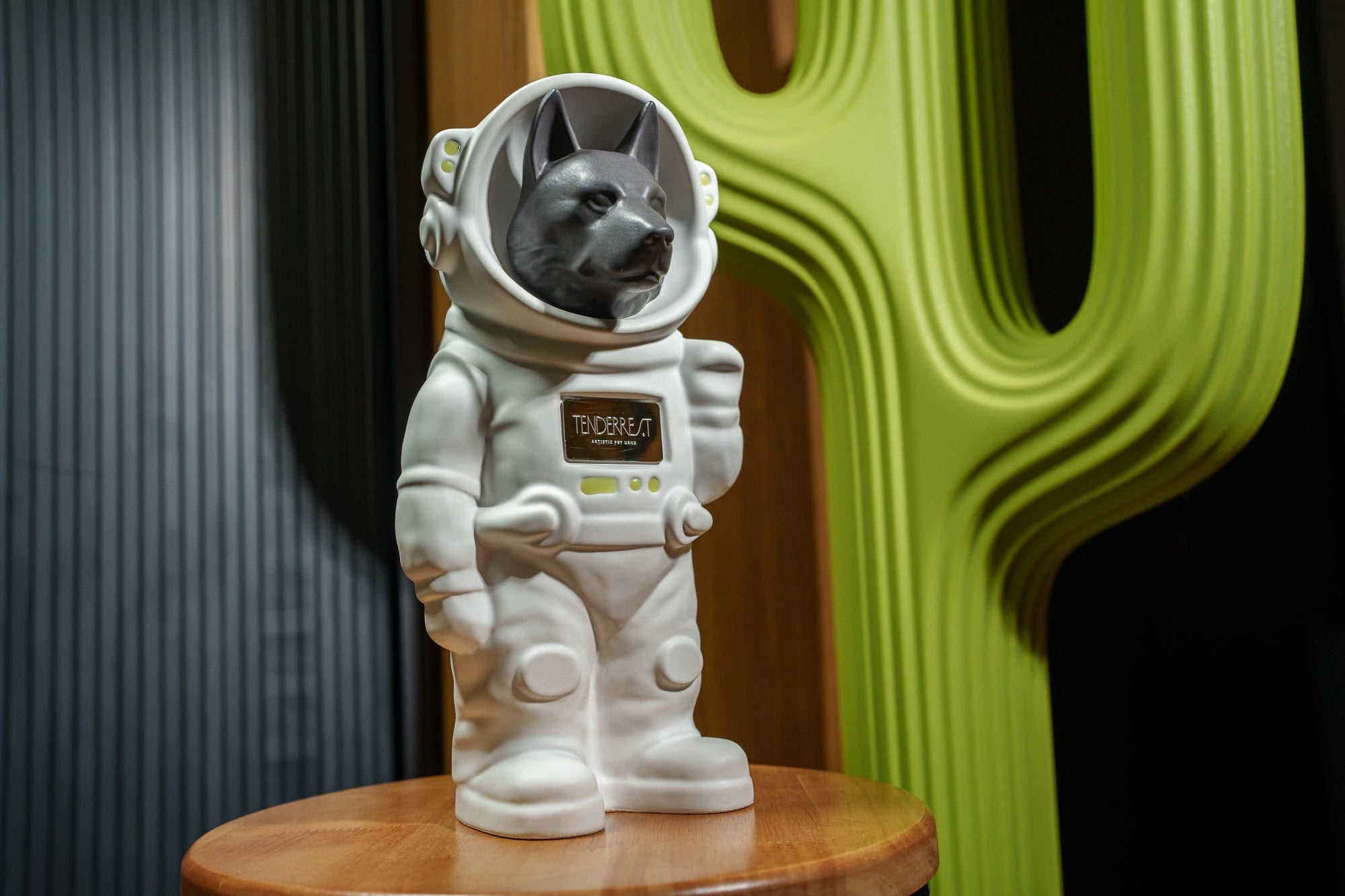
How Technology Is Changing the Way We Remember Our Pets
Our pets now leave behind more than photographs and keepsakes. From videos and voice recordings to social-media profiles and digital archives, technology is changing how we preserve their memories—and how we keep their presence close after they are gone.
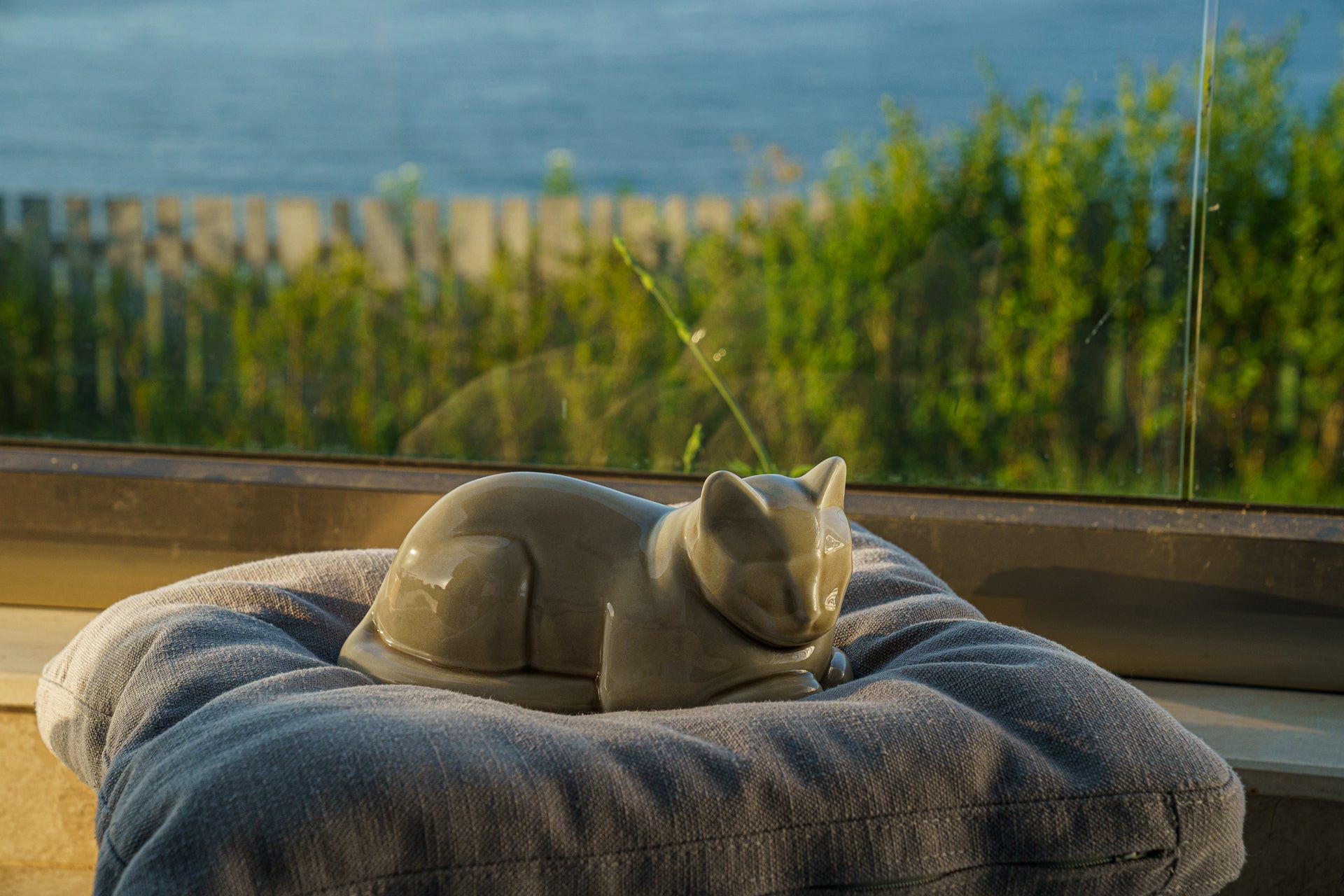
What Are the Best Ways to Memorialize a Pet?
Meaningful ways to memorialize a beloved pet, from choosing the right urn and creating a memory corner to personalized tributes, memorial gardens, artwork, and lasting keepsakes.


Partager:
Easy Guide to Funeral Homes in District of Columbia
The Benefits of Personalized Engravings on Adult Urns