



Here for you: art@pulvisurns.com | (562) 609-4019
7 % de réduction sur votre commande
Utilisez ce code lors du paiement :
Choosing a memorial urn is a deeply personal and emotional decision. Whether you are honoring a beloved family member or a cherished pet, an urn serves as a lasting tribute and a tangible reminder of the love and connection shared. Although both human and pet urns serve the primary purpose of storing cremated remains, there are significant differences between the two. From size and materials to personalization options and memorial practices, understanding these distinctions can help you select the most meaningful urn for your loved one.

In this guide, we will explore cremation urns for ashes, comparing human and pet options in depth. We will discuss urn types, material differences, personalization options, and modern memorial practices, so that you can make a thoughtful and informed choice.
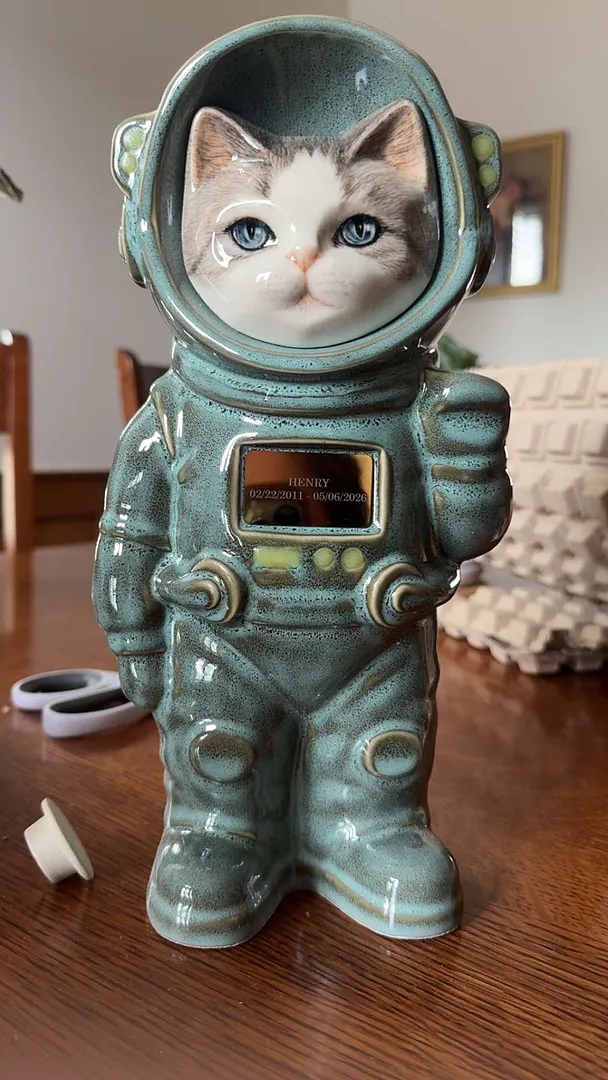
Explore our collection of handcrafted ceramic memorials to find a beautiful resting place that captures the essence of your companion. You can visit Pulvis Art Urns to view our pet collection and find a unique design that honors your bond.
Memorial urns are not just containers; they are symbols of remembrance, respect, and love. The decision to select the right urn is often part of the grieving process. For human urns, the focus is often on tradition, durability, and cultural or religious significance. For pets, urns often highlight personality, warmth, and emotional connection.
Recognizing the differences between human and pet urns can guide your decision-making. For instance, human urns generally require larger capacities and formal designs, while pet urns often offer whimsical or personalized options. Knowing these distinctions ensures that your choice feels both appropriate and comfortable.
Explore premium cremation urns for ashes at Pulvis Urns. Find elegant designs that honor your loved one’s memory with dignity and care.
The most noticeable difference between human and pet urns is size.

Human ashes require larger containers, and standard guidelines recommend one cubic inch of capacity per pound of body weight. This means urns for ashes for adults typically range between 180 and 220 cubic inches.
When selecting an adult urn or large urns for human ashes, consider whether the urn will serve as a display piece in the home, be placed in a columbarium, or be buried. Larger urns are preferred for permanent display or burial, while smaller keepsakes may be chosen for family members who wish to share the ashes.

Pet urns vary widely based on the size of the animal. Small cats or toy dogs may only require 20–50 cubic inches, while larger breeds may need urns comparable in size to adult human urns. Unlike human urns, pet urns often allow for multiple keepsake urns, which let family members retain a portion of ashes for personal remembrance.

The design of an urn can reflect the personality of the deceased, whether human or animal and the emotional tone of the memorial.
Human urns often prioritize elegance, formality, and timeless appeal. Common features include:
Traditional vase or box shapes
Neutral or subdued colors
Smooth finishes and minimal embellishments
The design typically aligns with home décor or formal memorial spaces, ensuring the urn complements other elements such as photographs, memorial plaques, or family heirlooms.
 Pet Urns
Pet urns often embrace creativity and personalization. Designs may include:
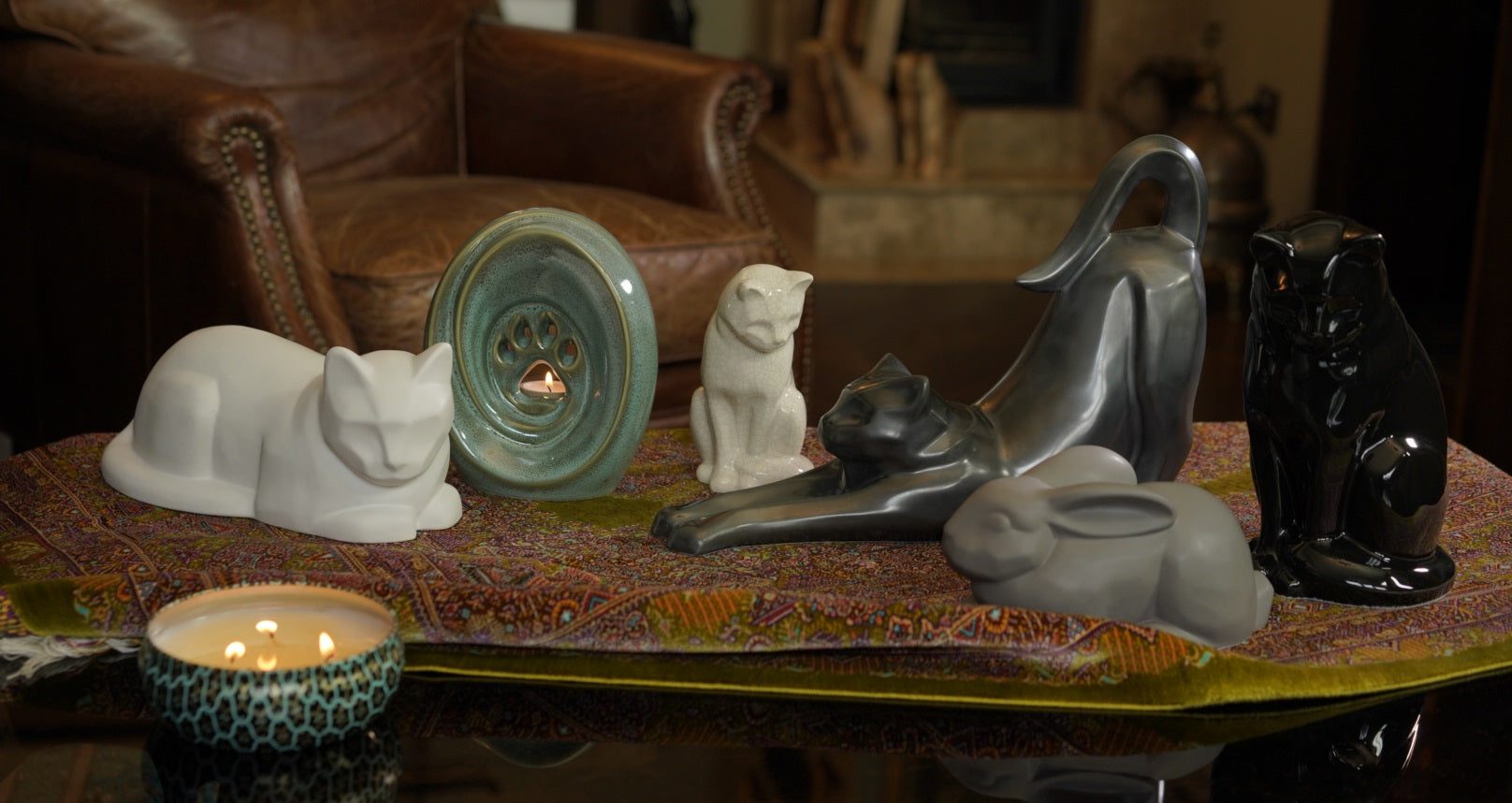
Paw prints or animal motifs
Fun colors or playful patterns
Custom shapes resembling the pet
Pet urns are designed to celebrate the individuality and spirit of the pet, often reflecting the warmth, joy, and companionship they brought to the family.

The materials used for urns significantly impact their durability, aesthetic appeal, and symbolism. Understanding material differences can help you choose a lasting tribute.
Metal: Brass, stainless steel, or aluminum offer longevity and sleek designs.
Wood: Oak, walnut, or cherry blossoms provide warmth and elegance.
Stone: Marble or granite conveys permanence and gravitas.
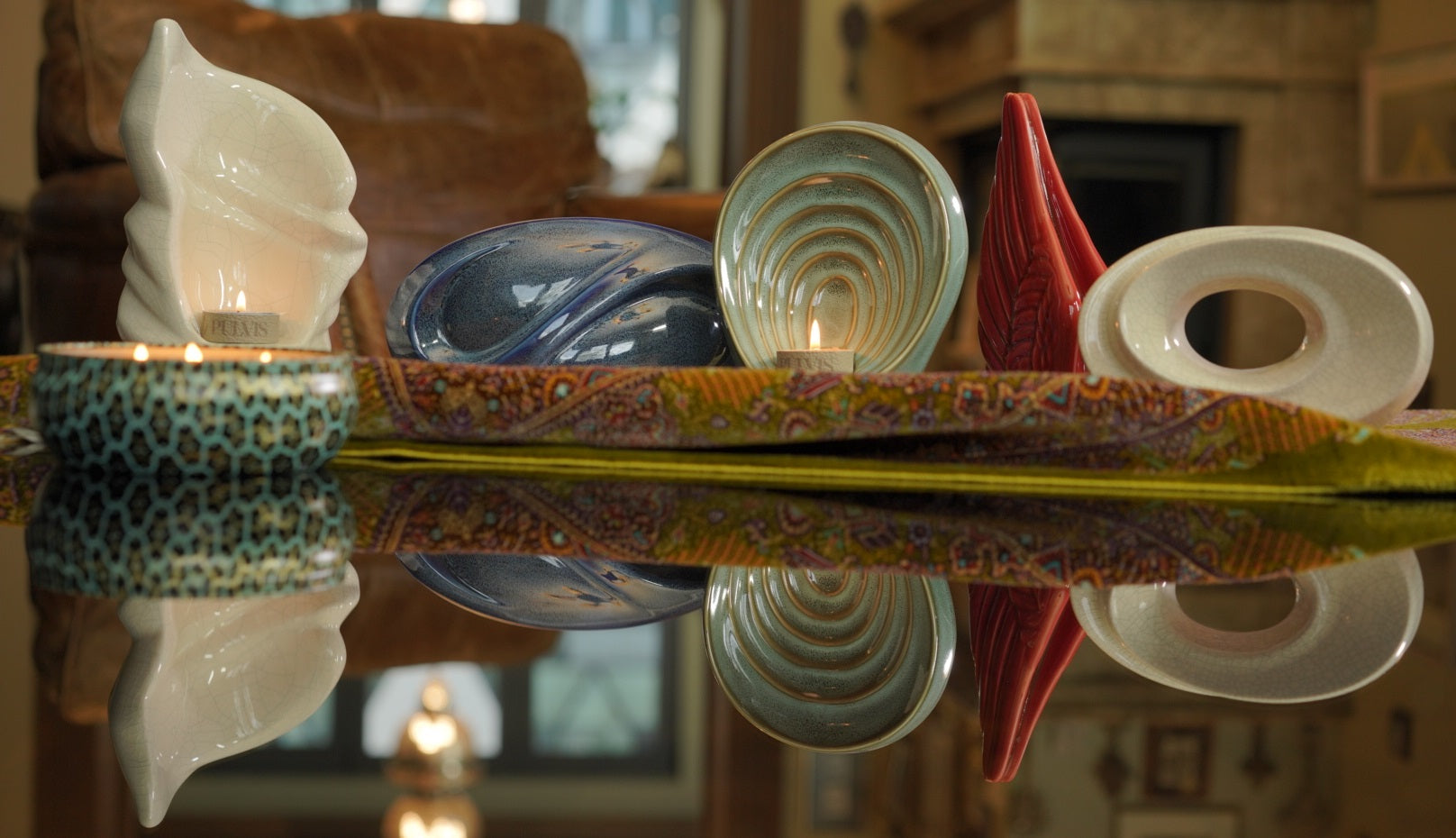
Ceramic urns for ashes: Popular for artistic designs, customizable shapes, and home display.
These materials emphasize durability, formal appearance, and cultural or religious appropriateness.
Ceramic and resin for decorative appeal
Wood for warmth and natural beauty
Biodegradable materials for environmentally friendly memorials
Pet urns often focus on emotional expression and personalization, rather than strictly formal aesthetics.
Modern urns offer a wide range of personalization options, and the degree of customization differs between human and pet urns.
Our team believes that every companion deserves a tribute as unique as their spirit. Learn more about our story, our passion for fine craftsmanship, and the dedicated artisans behind every Pulvis Art Urn on our about us page.
 Human Urns
Personalization tends to be subtle and dignified, reflecting respect for tradition. Options may include:
Engraving of the deceased’s name and dates
Religious symbols or meaningful quotes
Minimalistic decorative elements
Human urns balance individuality with reverence, ensuring that memorials are elegant and timeless.

Pet urns allow for more expressive and creative personalization. Options include:
Photo printing or etched portraits
Paw prints or custom figurines
Shapes or colors reflecting the pet’s personality
Personalized pet urns often celebrate the unique relationship between owner and animal, capturing memories that are joyful, playful, and emotionally resonant.
Cultural and Memorial Practices
Memorial practices differ widely based on culture, religion, and personal preference.
Funeral or memorial services
Placement in columbariums
Burial in cemeteries or mausoleums
These practices emphasize tradition, respect, and collective remembrance. Some families may even pass down urns for dad through generations, creating a tangible connection to ancestry and heritage.
Keeping the urn at home in a memory corner
Scattering ashes in a favorite location
Creating garden memorials or placing urns in outdoor spaces
These evolving memorial practices reflect how pets are increasingly considered part of the family and highlight the emotional bond they share with their owners.
While both human and pet urns carry deep emotional weight, the nature of that emotion differs.
Human urns often signify connection to family, heritage, and collective memory. They can represent generational continuity and formal remembrance, offering comfort through ritual and tradition.
Pet urns, however, symbolize companionship, loyalty, and daily joy. They remind owners of routines, playful moments, and unconditional love. Pet urns are often more interactive owners who may choose to place them in visible areas of the home, hold private ceremonies, or even take them outdoors.

Selecting an urn involves balancing emotional, practical, and aesthetic factors.
Durability: Human urns often prioritize longevity, particularly for burial or permanent display. Pet urns may focus on decorative appeal and eco-friendly urn.
Placement: Consider whether the urn will be displayed at home, buried, or kept in a columbarium.
Budget: High-quality human urns can vary widely in price, while pet urns generally offer more affordable options without sacrificing quality.
Many people have misconceptions when selecting urns:
“All urns are the same.” Size, design, and purpose vary significantly between human and pet urns.
“Pet urns are less meaningful.” For many families, a pet memorial is as significant as human remembrance.
“Customization is limited.” Modern urns offer extensive personalization for both human and pet memorials.
Understanding these differences ensures you choose a memorial that feels both appropriate and heartfelt.
The process of selecting an urn should balance emotional, aesthetic, and practical considerations:
Traditional or cultural significance
Long-term durability and security
Design and material that complement your home or memorial site
Personal connection and memory
Creative expression and individuality
Placement and visibility in home or garden memorials
Whether selecting adult urns for ashes or a personalized pet urn, the right choice is one that provides comfort and preserves cherished memories.
Explore our wide range of cremation urns for ashes at Pulvis Urns. Find elegant, durable, and personalized memorials to honor your loved ones with care.
Proper care ensures that both human and pet urns remain beautiful and secure:
Clean gently with appropriate materials
Avoid exposure to extreme temperatures or direct sunlight
Check seals for metal or composite urns to ensure ashes remain protected
Maintaining the urn preserves both its aesthetic quality and its emotional significance.
Our team at Pulvis Art Urns understands the weight of this decision. To learn more about our story or to contact us for guidance on selecting the right memorial for your companion, please visit our About and Contact page.

Human and pet urns may serve the same practical purpose, but their differences reflect the unique ways we honor the lives we have lost. From size and design to materials and personalization options, these distinctions help families create meaningful memorials tailored to their loved ones, whether human or animal.
By understanding cremation urns for ashes, urn types, material differences, and personalization options, you can make a decision that is emotionally resonant and practical. Whether choosing urns for adult ashesor a cherished pet urn, the goal remains the same: to celebrate and preserve a life, and to honor the love and memories shared.

What is the main difference between human and pet urns?
Human urns tend to be larger, formal, and durable, while pet urns are often smaller, creative, and highly personalized.
Are ceramic urns suitable for both humans and pets?
Yes, ceramic urns for ashes are versatile and can be used for both, offering durability and decorative appeal.
Can I personalize a human urn?
Absolutely. Most human urns allow for engraving names, dates, or symbols to make a meaningful tribute.
What size urn do I need for an adult?
Typically, one cubic inch per pound of body weight is recommended. Large urns for human ashes often range from 180–220 cubic inches.
Are biodegradable urns available for both humans and pets?
Yes, biodegradable urns are available and ideal for environmentally friendly memorial practices.

Quelle taille d'urne me faut-il ?
Règle simple : environ 1 litre de contenance pour 28 kg de poids corporel.
La contenance est indiquée sur chaque fiche produit. Les mini-urnes contiennent une petite partie des cendres à partager.
Besoin de la recevoir à une date précise ?
Livraison gratuite · Livraison en 3 à 5 jours ouvrés
Livraison express en 3 jours ouvrés maximum – à choisir lors du paiement
Besoin d'aide pour choisir ?
Parlez à notre équipe : nous vous aidons à trouver l'urne qui convient.
(562) 609-4019 art@pulvisurns.comEnvoyez-nous un message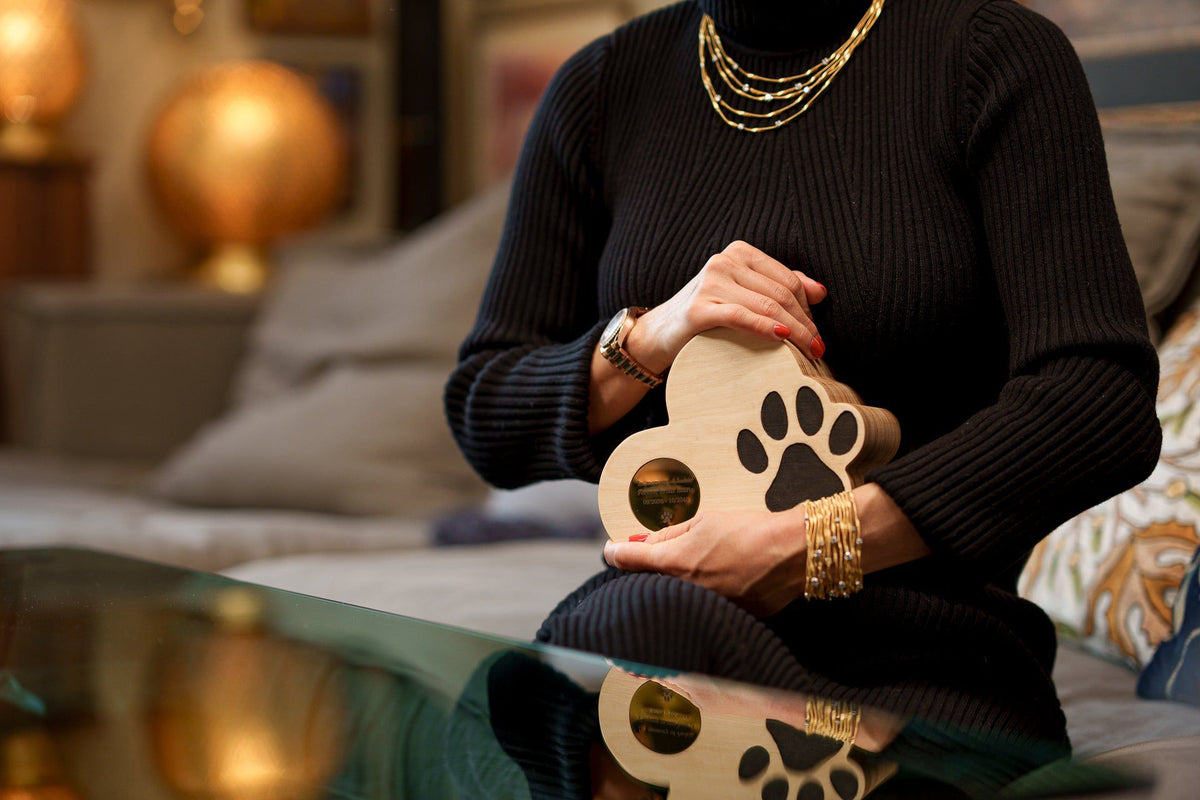
Can You Grieve a Life That Never Had Words?
Discover why losing a beloved pet can be so profound, how wordless bonds shape our lives, and how Pulvis Art Urns brings craftsmanship and thoughtful design to the art of remembering an animal companion.
What Does the Bible Say About Cremation?
Explore what the Bible says about cremation, Christian beliefs about resurrection, and meaningful ways to honor a loved one’s memory through a thoughtful memorial.
Why Do People Light Candles for the Dead?
Discover the meaning behind lighting candles for the dead, exploring the traditions, beliefs, and emotions that make this simple ritual a lasting expression of remembrance, comfort, and connection within the home.
The Pet as a Witness to a Human Life
Our pets witness far more of our lives than we realise. Explore what it means for an animal to become a quiet witness to our changing homes, relationships, routines and identities — and how a memorial urn can remain as a physical connection to the life they witnessed.
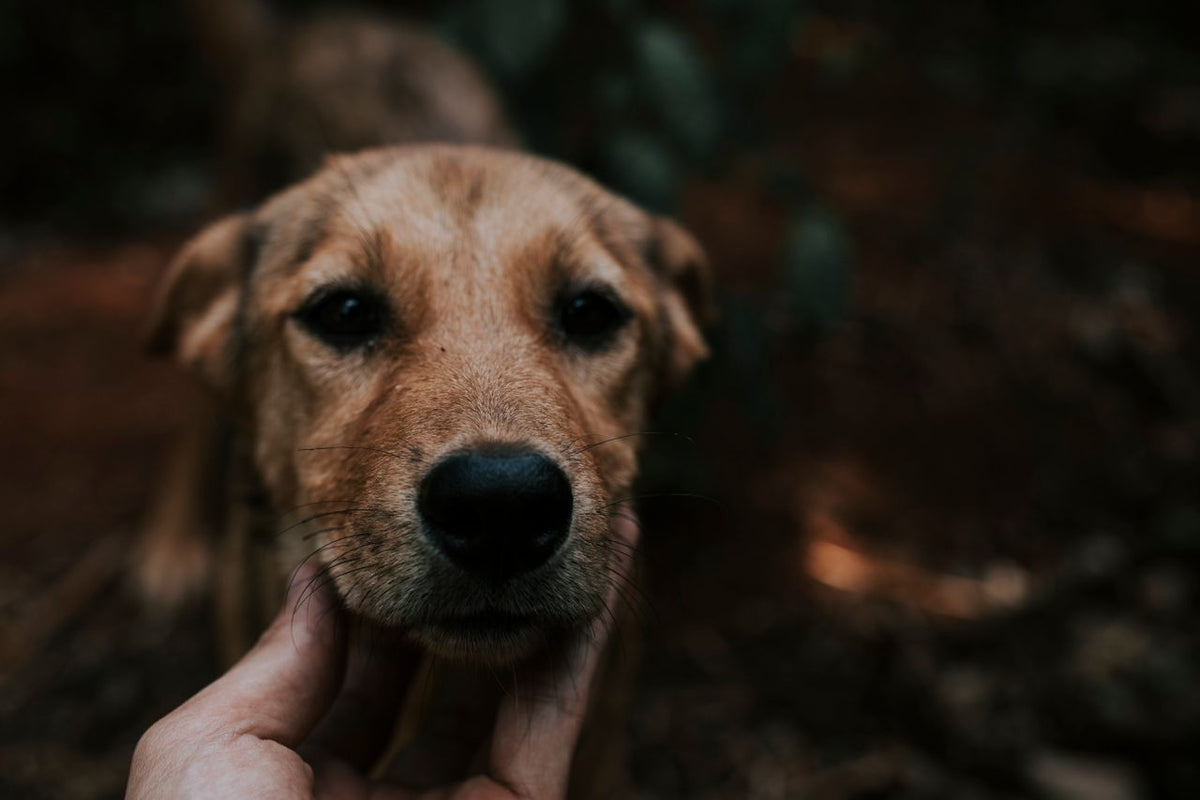
Can You Inherit a Pet’s Memory?
Can we remember a pet we never knew? Explore how stories, photographs, objects and memorials can carry an animal’s memory across generations, turning a private life into part of a family’s shared history.


Partager:
Easy Guide to Funeral Homes in Minnesota
Personalized Dog Urns Creating a One of a Kind Tribute