

Here for you: art@pulvisurns.com | (562) 609-4019
When two people share a deep bond in life, families sometimes want their cremated remains to remain together after death. This may be the case for spouses, partners, siblings, parents and children, or two people who simply wished to be remembered side by side.
One way to honour that connection is to keep both people’s ashes in the same urn. But is this actually possible? Are there special urns designed for two people? And what should families consider before combining cremated remains?
The answer depends partly on personal wishes and partly on the laws and regulations that apply to the location where the ashes will be kept or interred.
In many circumstances, yes. Two people's cremated remains can be kept together in a single memorial urn, provided that the applicable laws, cemetery regulations and wishes of the individuals or their families allow it.
There are urns specifically designed to accommodate the cremated remains of two people. These are often called companion urns, double urns or keepsake urns for two.
Some have one larger chamber designed to hold both sets of ashes, while others have separate compartments within the same piece.
The choice between these designs can be meaningful. A shared chamber represents complete togetherness, while separate compartments allow each person's remains to remain physically distinct within one memorial object.

A companion urn is a memorial urn designed to hold the cremated remains of two people.
These urns are often chosen by couples who spent much of their lives together and wanted their final resting place to reflect that relationship.
A companion urn can be particularly appropriate for married couples or long-term partners, but it is not limited to romantic relationships.
Families may also choose one for siblings, parents and children, or other relatives who shared a particularly close bond.
The design can range from traditional and understated to contemporary and artistic.
For families who want the urn to become part of their home, the material, shape and craftsmanship can be just as important as its practical capacity.
No.
Having two people's ashes in the same urn does not necessarily mean that the ashes have to be physically mixed.
This depends on the design of the urn and the family's wishes.
Some double urns have a single interior space where both sets of cremated remains are placed together.
Others have separate internal compartments, allowing each person's ashes to remain identifiable while still being housed within the same memorial.
For families who want the symbolism of being together while preserving a physical distinction between the two individuals, a divided urn can be an especially meaningful option.
There are many personal reasons.
For couples who spent decades together, keeping their ashes in the same urn can represent the continuation of a lifelong relationship.
A husband and wife may have shared a home, raised children, travelled together and built a life side by side. A shared urn can reflect that story.
The same can be true of siblings who remained close throughout their lives or parents and children who had an exceptionally strong relationship.
For some families, the idea is simply comforting: two people who belonged together in life can remain together in remembrance.

This is a different question from keeping two people's ashes in the same urn.
Cremation generally takes place individually, and cremated remains are normally processed and identified separately.
If two people have expressed a wish to have their ashes together, this is usually addressed after the individual cremations through the use of a companion urn or another shared memorial.
Families should not assume that two people can be cremated together simply because they wish to have their ashes together.
The specific rules and procedures depend on the crematorium and local regulations.
This does not necessarily prevent their ashes from being placed in the same urn.
In fact, companion urns are often used when one person dies years before the other.
For example, one partner may be cremated and have their ashes kept in an individual urn until the second partner dies.
Later, the family can arrange for both sets of remains to be placed together in a companion urn, if this is permitted and reflects their wishes.
This can create a memorial that represents the relationship as a whole rather than focusing on the moment when each individual died.
The situation becomes more complicated if one person's remains have already been interred.
If a family wishes to remove those remains and combine them with another person's ashes, they may need permission from the cemetery and possibly other authorities.
Cemetery rules can determine whether cremated remains may be removed, transferred or placed elsewhere.
The family should therefore discuss the proposed arrangement with the relevant cemetery before taking any action.

In many places, companion urns can be interred in cemeteries, but the rules vary.
Some cemeteries have specific spaces designed for cremated remains and may allow more than one person to be placed in a single plot.
Others may have restrictions on the number of sets of remains permitted in a particular grave or niche.
The cemetery may also have requirements concerning the size, material or type of urn.
Before purchasing a companion urn for cemetery interment, it is worth confirming the cemetery's requirements.
This can prevent a situation where the chosen urn does not fit the designated memorial space.
Depending on local laws, keeping cremated remains at home can be an option.
A companion urn can provide a dedicated place for both individuals, allowing their shared memorial to remain within the family home.
For some families, this can feel more personal than a cemetery.
The urn might be displayed in a quiet part of the home alongside photographs, flowers, letters or other objects associated with the people being remembered.
For others, the urn may be kept privately rather than displayed.
There is no single correct way to create a memorial. What matters is that the arrangement feels appropriate for the people being remembered and those who live with the loss.
Yes, if the relevant regulations and family wishes allow it.
A shared urn can sometimes be used for parents who were married for many years or who wanted their remains to remain together.
It can also be meaningful for siblings or other family members.
However, it is important to consider the wishes of everyone involved.
Cremated remains can carry significant emotional importance, and family members may have different ideas about where they should be kept.
If the deceased left clear instructions about their wishes, those should be considered carefully.

Combining two people's ashes is a deeply personal decision, so disagreement within a family can be difficult.
One person may feel that the two individuals should remain together, while another may prefer to keep their ashes separate.
Before combining the remains, families should consider whether either person expressed a preference during their lifetime.
Written instructions, a will, funeral arrangements or conversations with family members may provide useful guidance.
If there is a serious dispute over who has authority to make decisions about the remains, legal advice may be appropriate.
This is an important consideration.
Once two people's ashes have been combined in a single chamber, separating them later may be extremely difficult or impossible to do reliably.
For this reason, families should think carefully before choosing a shared chamber.
If preserving the ability to identify or separate each person's remains is important, a companion urn with separate internal compartments may be a better choice.
This allows the two people to share one memorial while keeping their cremated remains physically distinct.
There is no single ideal design.
The right urn depends on the amount of cremated remains, whether the ashes should remain separate, where the urn will be kept and the family's aesthetic preferences.
A larger single-chamber urn may be appropriate for families who want both sets of ashes together.
A divided companion urn can be better for those who want each person's remains to remain separate.
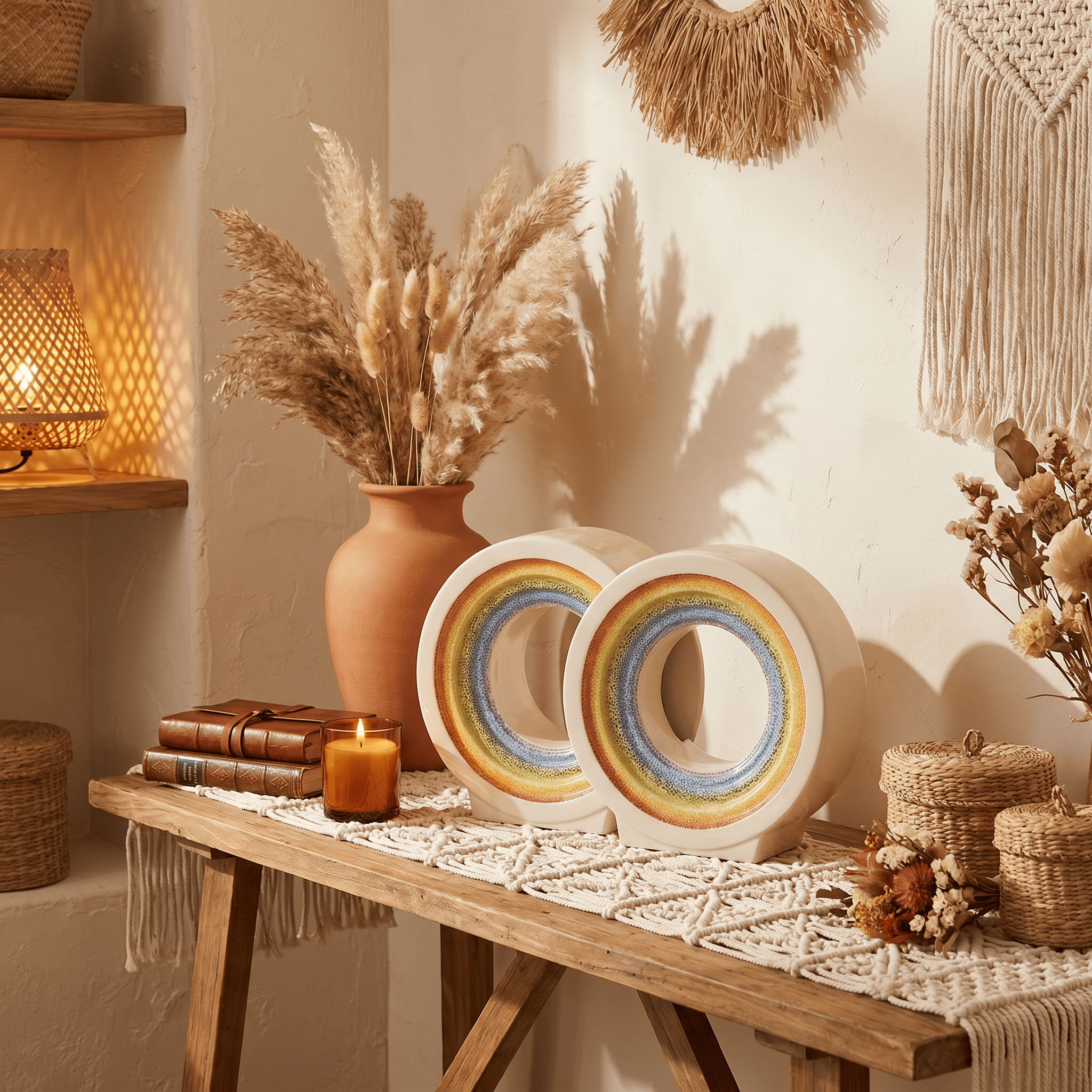
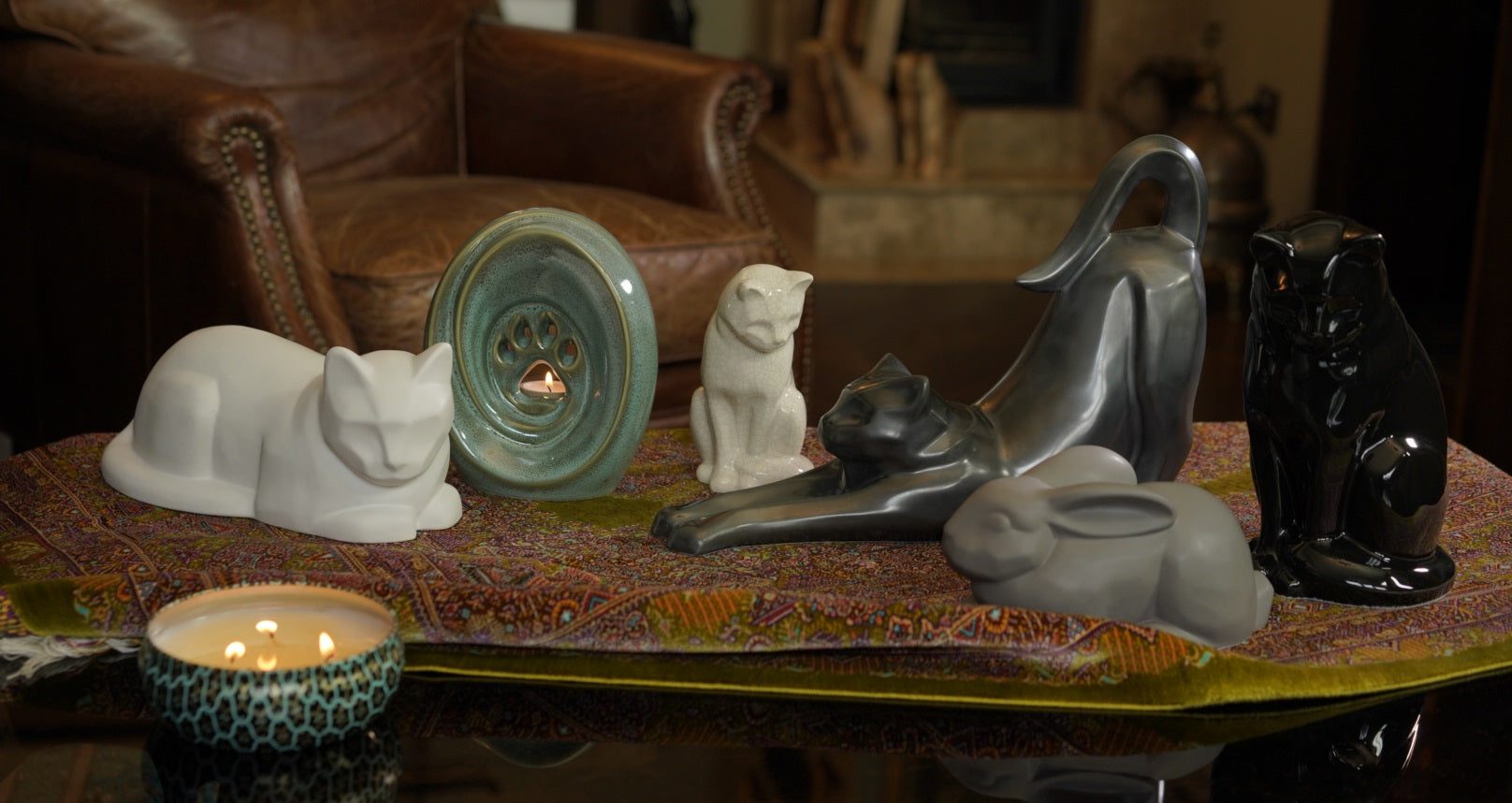
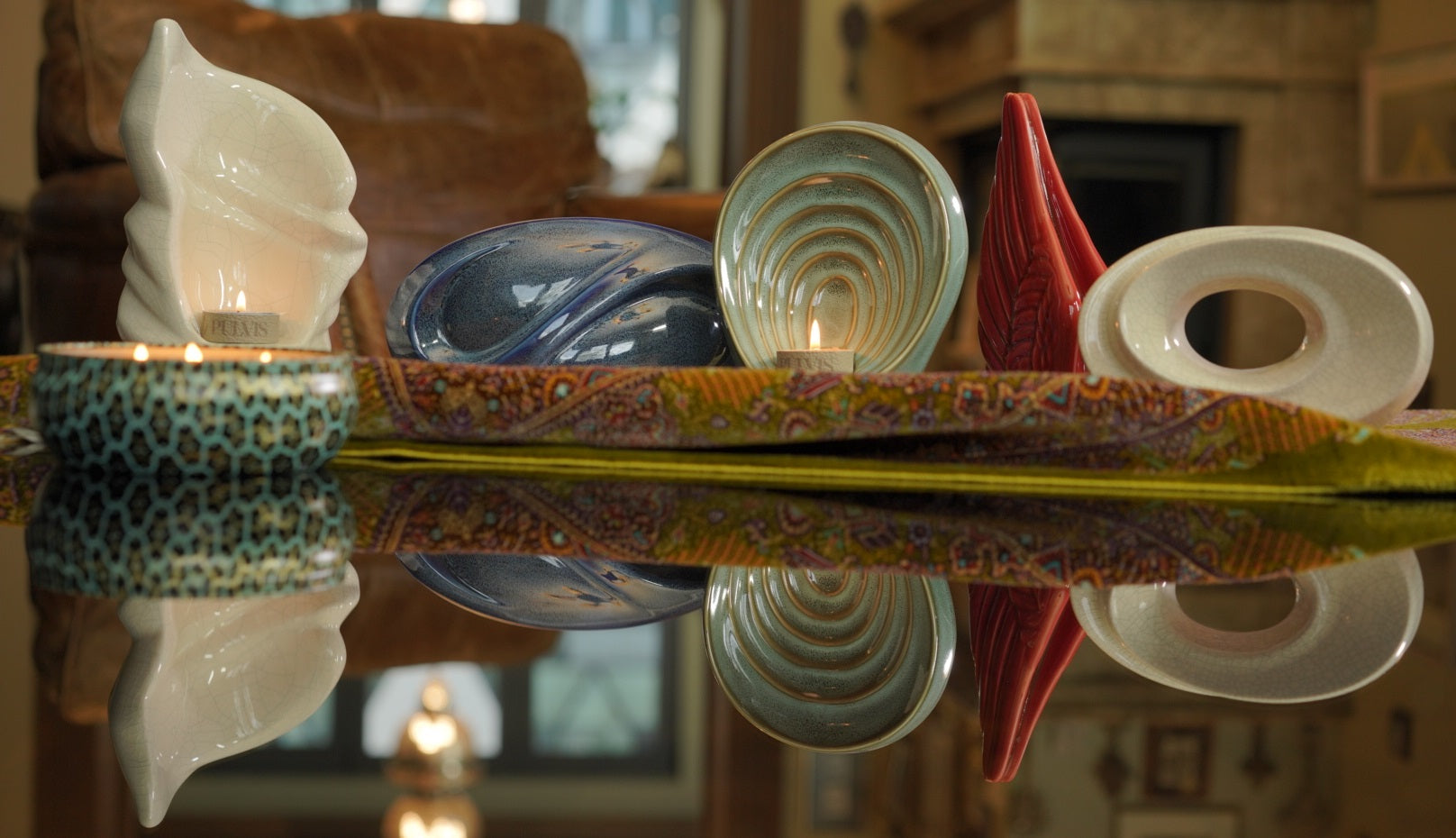
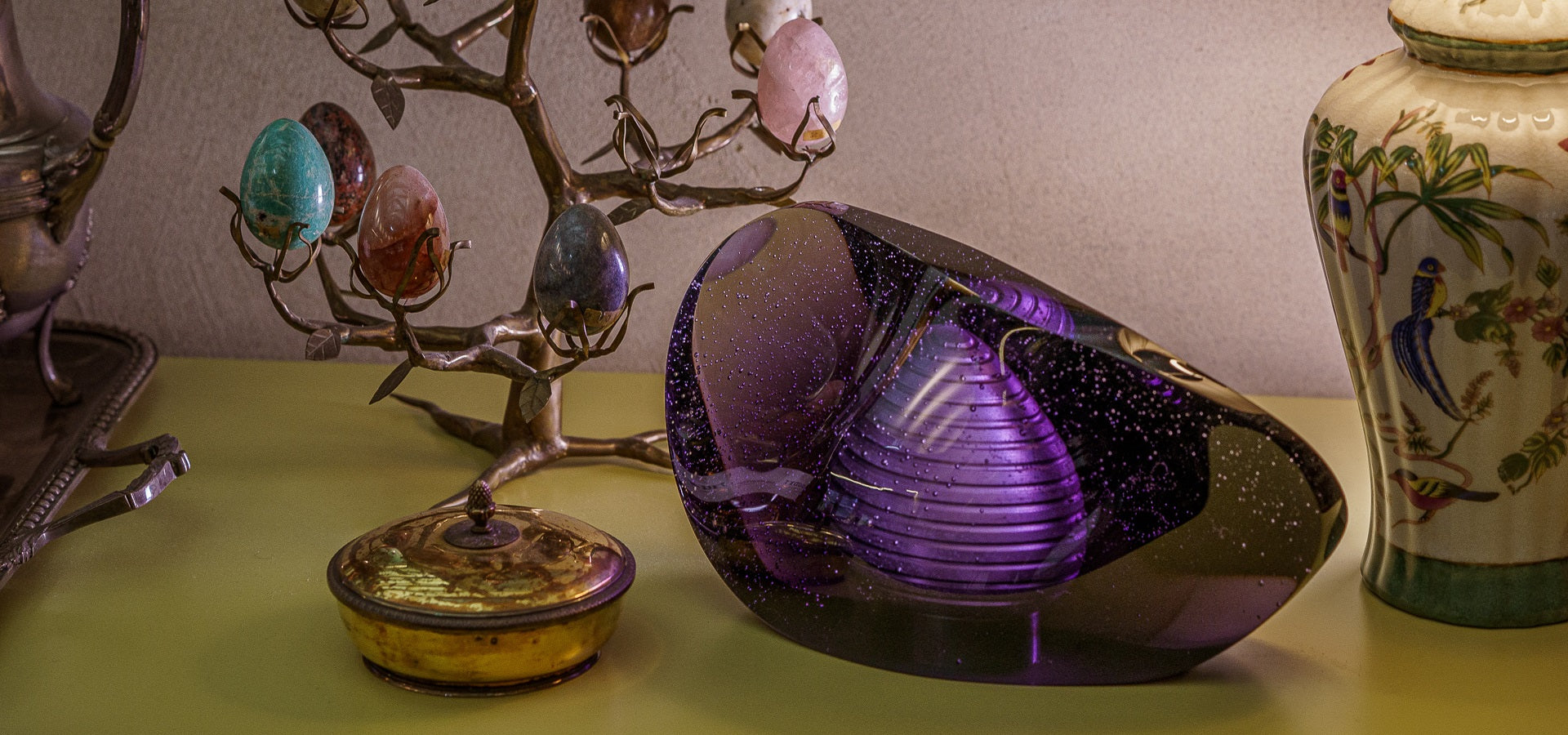
There are also companion urns designed as sculptural or decorative objects, allowing the memorial to feel less like a traditional container and more like a lasting piece of art.
For families looking for something particularly personal, Pulvis creates handcrafted memorial urns that combine function with thoughtful design and artistic craftsmanship.
A carefully designed companion urn can become more than a container for ashes. It can become a physical representation of the relationship between two people.

Yes.
A shared urn can remain with a family for generations, particularly when it has been thoughtfully chosen and cared for.
Over time, the urn can become associated not only with the two people whose ashes it contains but also with the family history surrounding them.
Children and grandchildren may remember the couple through photographs, stories and the memorial object itself.
This is one reason craftsmanship can matter so much when choosing an urn.
An object that is designed to last can continue to have meaning long after the immediate period of grief has passed.
A shared urn can be moved in much the same way as an individual urn, although cemetery regulations and transportation requirements still need to be considered.
If the urn is kept at home, moving it between homes may be relatively straightforward depending on local regulations.
If it is interred in a cemetery or placed in a columbarium, the family may need permission before removing it.
If the move involves another country, additional rules concerning the transportation of cremated remains may apply.
Planning ahead can make the process much easier.
Yes.
Not every family needs to place all of both people's remains into one large urn.
A family might keep the majority of the ashes together in a companion urn while distributing small portions into keepsake urns for children or other close relatives.
This can allow multiple family members to have a physical connection to the people they have lost.
It also means that a shared memorial does not have to be the only place where the ashes are kept.

For many families, placing two people's ashes in the same urn is ultimately less about the physical remains and more about the relationship those people shared.
A companion urn can represent a marriage, a lifelong friendship, a sibling bond or a family connection that remained meaningful throughout life.
The design of the memorial can reinforce that symbolism.
Two forms can meet within one object. Two compartments can exist side by side. Or two sets of remains can rest together in a single space.
These details can make an urn deeply personal.
Choosing to keep two people's ashes in the same urn is a decision that combines practical considerations with profound emotional meaning.
Families should first check the relevant cemetery and legal requirements, especially if the urn will be buried, placed in a columbarium or transported across borders.
They should also consider whether they want the ashes to remain separate or to share one chamber, as this may affect the type of urn they choose.
For those who want to preserve both the individuality of each person and the connection between them, a carefully designed companion urn can offer a meaningful balance.
Pulvis creates handcrafted memorial urns that give families the opportunity to approach remembrance through design, material and form. A shared urn can become a lasting expression of two lives and the relationship that connected them.
Ultimately, there is no universal definition of what a final resting place should look like.
For some people, being remembered separately feels right. For others, the idea of remaining together is the most natural continuation of a lifelong bond.
When two people shared a life, keeping their ashes together can be a quiet and powerful way of honouring that connection — giving two stories one lasting place to be remembered.
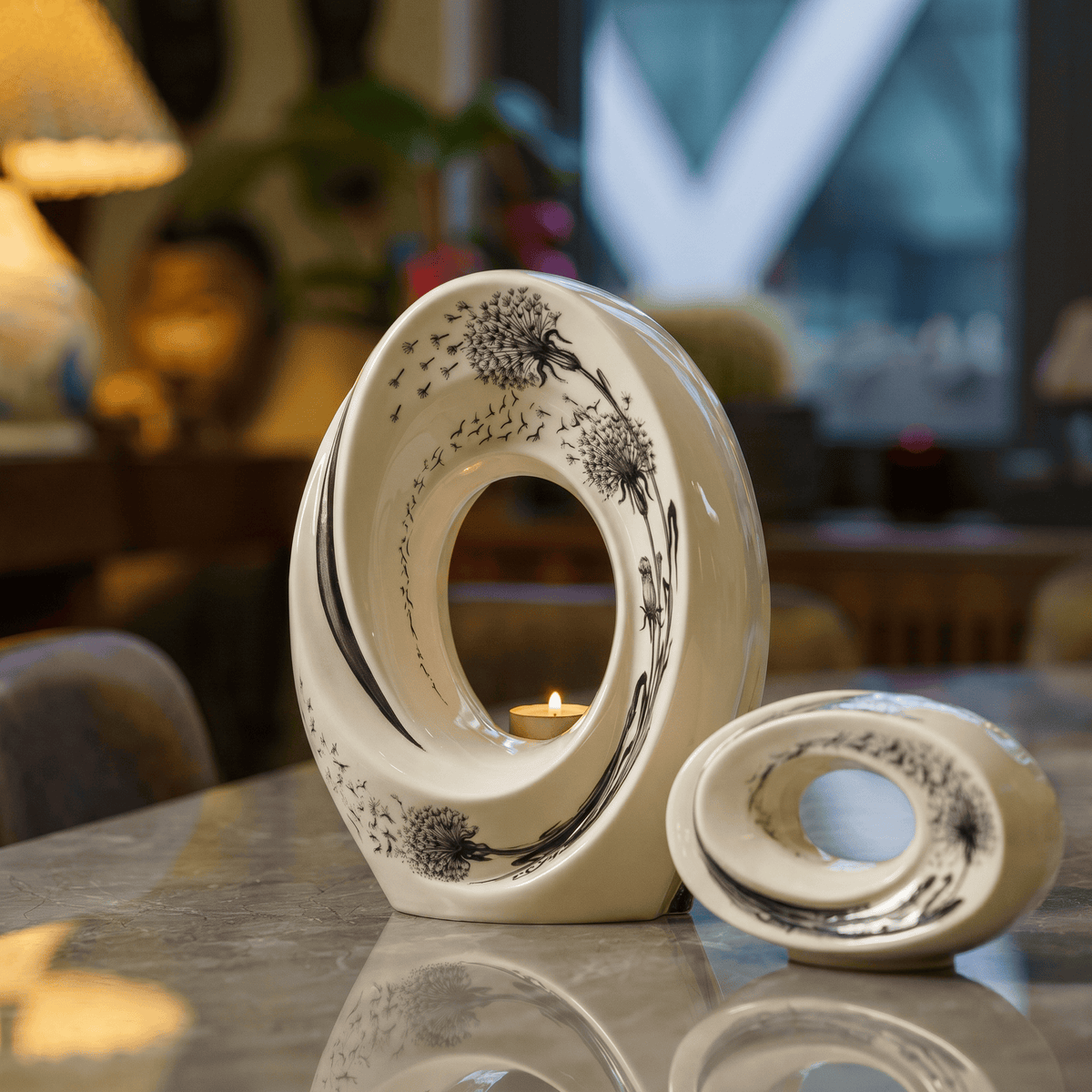
Why Do People Light Candles for the Dead?
Discover the meaning behind lighting candles for the dead, exploring the traditions, beliefs, and emotions that make this simple ritual a lasting expression of remembrance, comfort, and connection within the home.
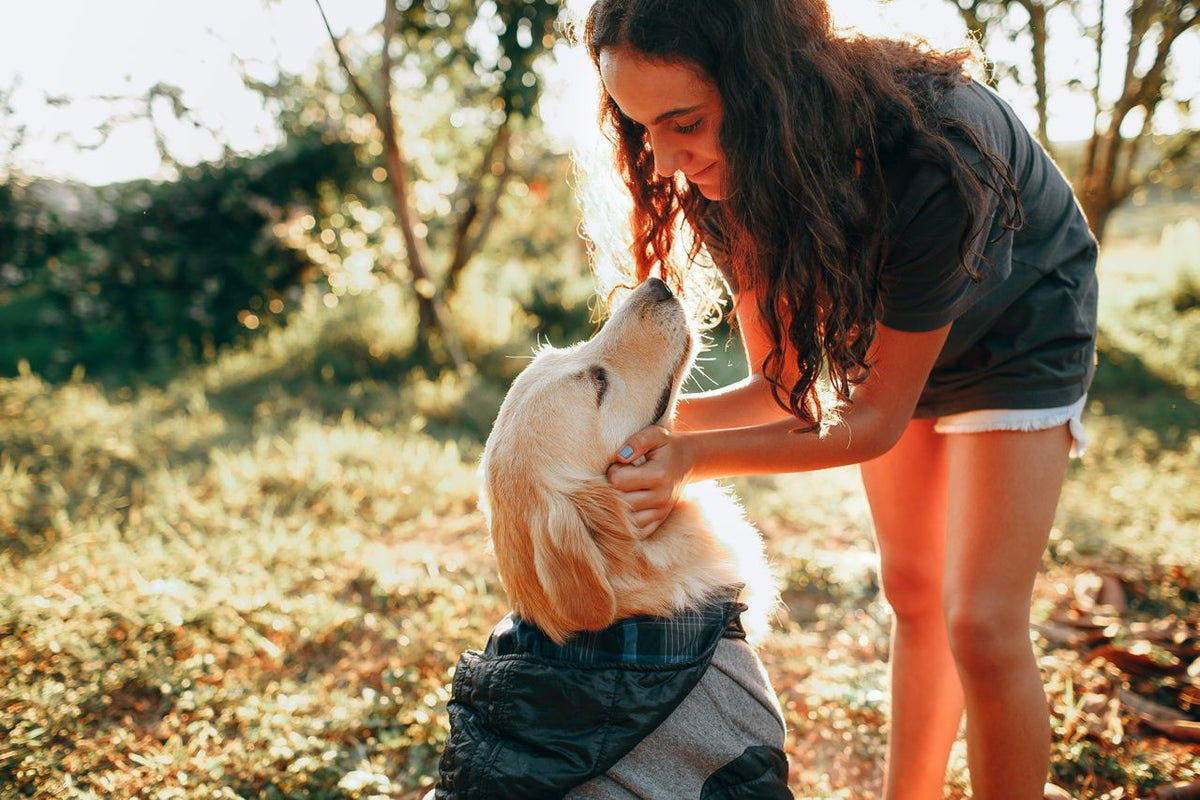
The Pet as a Witness to a Human Life
Our pets witness far more of our lives than we realise. Explore what it means for an animal to become a quiet witness to our changing homes, relationships, routines and identities — and how a memorial urn can remain as a physical connection to the life they witnessed.

Can You Inherit a Pet’s Memory?
Can we remember a pet we never knew? Explore how stories, photographs, objects and memorials can carry an animal’s memory across generations, turning a private life into part of a family’s shared history.
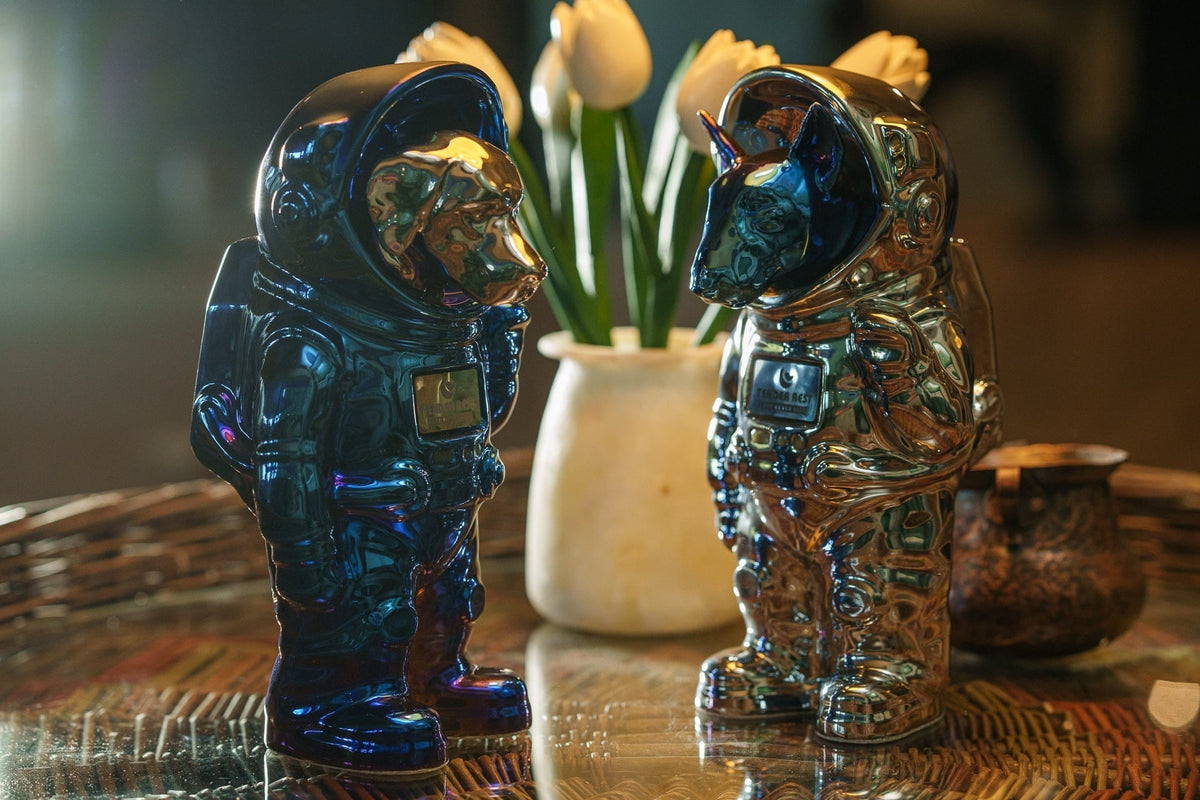
What a Pet Teaches Us About Impermanence
Living alongside a pet teaches us that the most meaningful parts of life are often temporary. Explore how animals shape our understanding of time, impermanence a quiet, lasting expression of what remains.
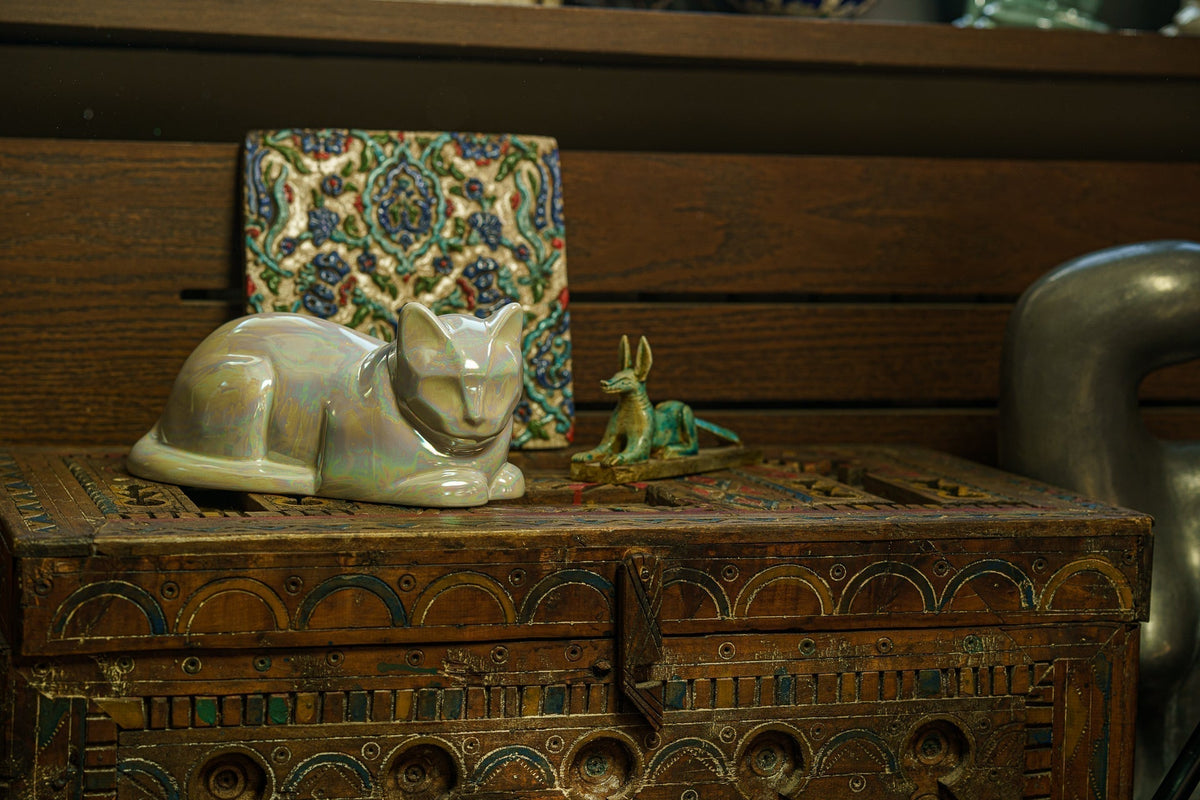
Why the Best Pet Memorials Don't Always Look Like Pet Memorials
The most meaningful pet memorials do not always rely on familiar symbols. Discover how contemporary pet urn design uses form, material, colour, and craftsmanship to create personal memorials that quietly belong within the home.


Partager:
Can You Move an Urn From One Cemetery to Another?
What Happens to a Pet’s Microchip After Cremation?