



Here for you: art@pulvisurns.com | (562) 609-4019
7% de descuento en tu pedido
Usa el código al finalizar la compra:
The passing of a loved one initiates a period of profound emotional vulnerability, but it also triggers a series of complex legal and logistical requirements. Among the most sensitive of these is the question of "custody" over the cremated remains. While the cremation process itself is a technical procedure, the distribution of the resulting ashes is a matter of law, ethics, and family history.
In the eyes of the legal system, cremated remains occupy a unique category. They are not "property" in the way a car or a bank account is, but they are subject to the Right of Sepulcher—a legal doctrine that grants certain survivors the right to control the disposition of a body and the duty to ensure it is handled with dignity. When instructions are absent, or when family dynamics are strained by long-standing grievances, this "right" can become a focal point of intense conflict.
When a person dies without leaving explicit, legally binding instructions, the state steps in with a "statutory hierarchy." This is a predetermined list of who has the legal authority to make decisions. While specific laws vary by jurisdiction, most modern legal systems follow a remarkably similar order of precedence.
Many states now allow individuals to sign a "Designated Agent for Personal Representative" or "Appointment of Agent for Disposition" form. This is a standalone document where you name a specific person to handle your remains. This person’s authority supersedes all others, including a spouse or children. This is the most effective way to ensure your wishes are followed if you suspect your family might disagree.
In the absence of a designated agent, the primary legal right falls to the surviving spouse or registered domestic partner. This right is generally absolute, meaning the spouse can choose to scatter the ashes, bury them, or keep them in a designer ceramic urn without needing permission from the deceased’s children or parents.
If there is no spouse, the right passes to the adult children. Here is where the majority of legal disputes arise. Legally, all adult children have an equal rank. If four siblings are involved, and three want to scatter the ashes while one wants to inter them in a cemetery, the crematory may refuse to release the remains until a unanimous agreement is reached or a court issues an order.

If the deceased was unmarried and had no children, the rights move to the parents. If the parents are deceased, the right falls to the adult siblings. As with children, all siblings hold equal legal weight, which can lead to stalemates in larger families.
Disputes over cremains are rarely about the "ashes" themselves; they are typically about what the ashes represent—legacy, religion, and control.
One branch of the family may follow a religion that mandates burial in consecrated ground, while another branch may prefer a "green" scattering.
The primary cause of litigation is the lack of a clear, written directive. Without a Will or a Letter of Instruction, family members are left to "guess" what the deceased would have wanted, often projecting their own desires onto the departed.
In our modern, mobile society, children often live in different states or countries. A dispute may arise simply because multiple family members want the remains to stay "local" to them so they can visit a memorial site.
For some, the idea of dividing ashes into multiple keepsake urns is a beautiful way to share a memory. For others, it feels like a violation of the "wholeness" of the person.

An often-overlooked aspect of the "Right to Ashes" is the corresponding financial obligation. In most legal frameworks, the person who has the right to control the disposition also bears the initial responsibility for the costs.
The individual who signs the cremation authorization form at the funeral home is the party contractually liable for the bill. Even if the hierarchy says you have the right, if you cannot pay or refuse to sign, the right may practically shift to the next person in line who is willing to assume the financial burden.
Generally, cremation and funeral expenses are considered "priority debts." This means that if the deceased had assets, the person who paid for the cremation can file a claim against the estate to be reimbursed before other creditors (like credit card companies) are paid.
To prevent your family from entering a legal "bind," you must move beyond verbal promises. Courts often disregard testimony about what a person "said" in favor of what they "wrote."
While an executor manages your money, they do not always have the right to manage your body. You must ensure your Will explicitly links the two, or better yet, use a specialized "Disposition of Remains" document that is recognized by your local funeral board.
By pre-funding your cremation and selecting your memorial vessel in advance, you remove the decision-making burden from your heirs. When a funeral home has a paid contract and a signed selection for a specific hand-crafted urn, it becomes much harder for disgruntled relatives to challenge the process.
If you are currently in a conflict with family members over a loved one's ashes, consider the following paths:
A professional mediator can help the family find a middle ground. Often, the solution involves compromise—perhaps scattering a portion and interring the rest.

Modern memorialization has provided a technical solution to an emotional problem. By using small keepsake urns, the remains can be shared among multiple households, allowing each person to grieve in their own way.
If you believe a family member is about to scatter ashes against the deceased's wishes, you can seek a temporary restraining order (TRO) from a probate court to halt the disposition until a judge can hear the case.
In many cases, the dispute is not about where the ashes go, but how they are presented. Traditional, "funeral-style" urns can feel out of place in a modern home, leading some family members to prefer burial.
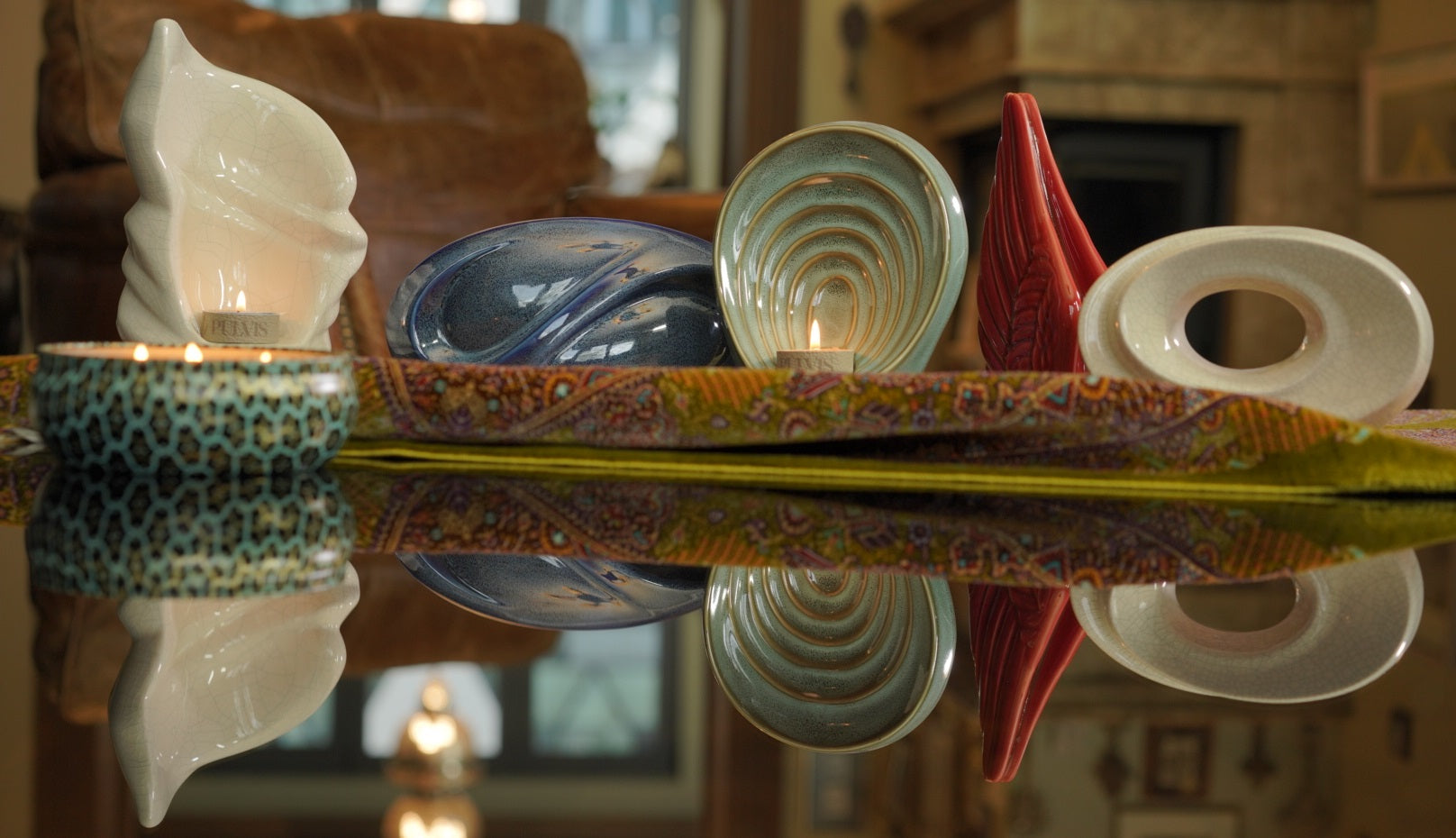
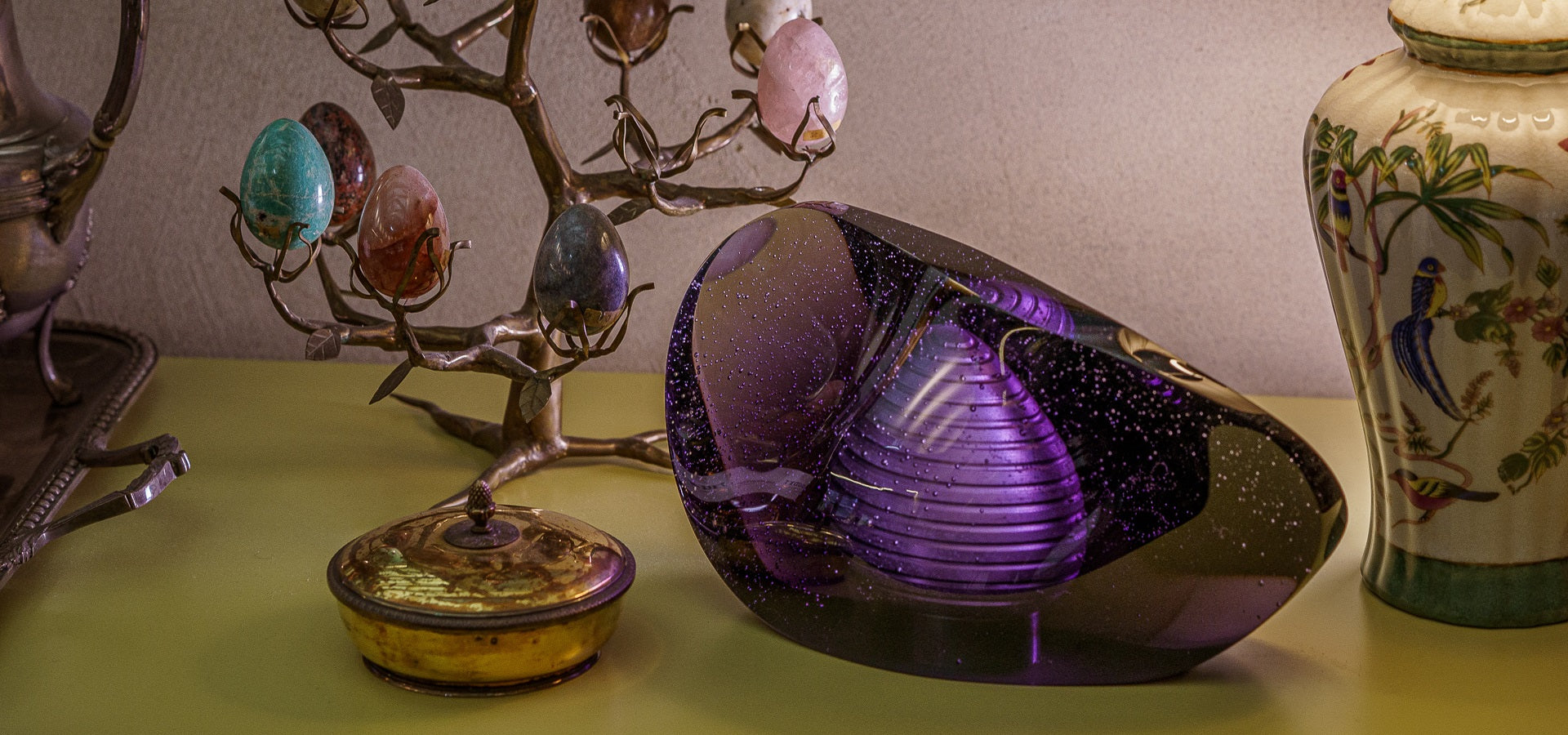
However, the rise of designer memorial art has changed the conversation. When an urn looks like a contemporary sculpture, it becomes a piece of home décor that honors the deceased's aesthetic taste. This often satisfies relatives who want a dignified memorial that doesn't feel "morbid."
These unique urns offer a way to keep a loved one close in a way that feels natural and beautiful.
Choosing a vessel that reflects the deceased's favorite color or style can be a unifying project for a grieving family, shifting the focus from "who owns the ashes" to "how do we best represent this life."

The question of who has the right to ashes after cremation is a reminder that our final acts are often for the living as much as for the dead. While the law provides a hierarchy of ranks to settle disputes, the most "right" outcome is always one that honors the spirit of the departed and maintains the peace of the survivors.
Whether you are an executor carrying out a Will or a family member choosing between personalized urns, approach the process with patience. By understanding the legal landscape and utilizing modern memorial options like sharing keepsakes, you can ensure that your loved one’s final resting place is defined by love rather than litigation.
¿Qué tamaño de urna necesito?
Regla sencilla: aprox. 1 litro de capacidad por cada 28 kg de peso corporal.
Cada página de producto indica la capacidad de la urna. Las urnas recuerdo guardan una pequeña parte de las cenizas para compartir.
¿Lo necesita para una fecha concreta?
Envío gratuito · Entrega en 3–5 días hábiles
Envío exprés en hasta 3 días hábiles: elígelo al finalizar la compra
¿Necesita ayuda para elegir?
Hable con nuestro equipo: le ayudaremos a encontrar la urna adecuada.
(562) 609-4019 art@pulvisurns.comEnvíenos un mensaje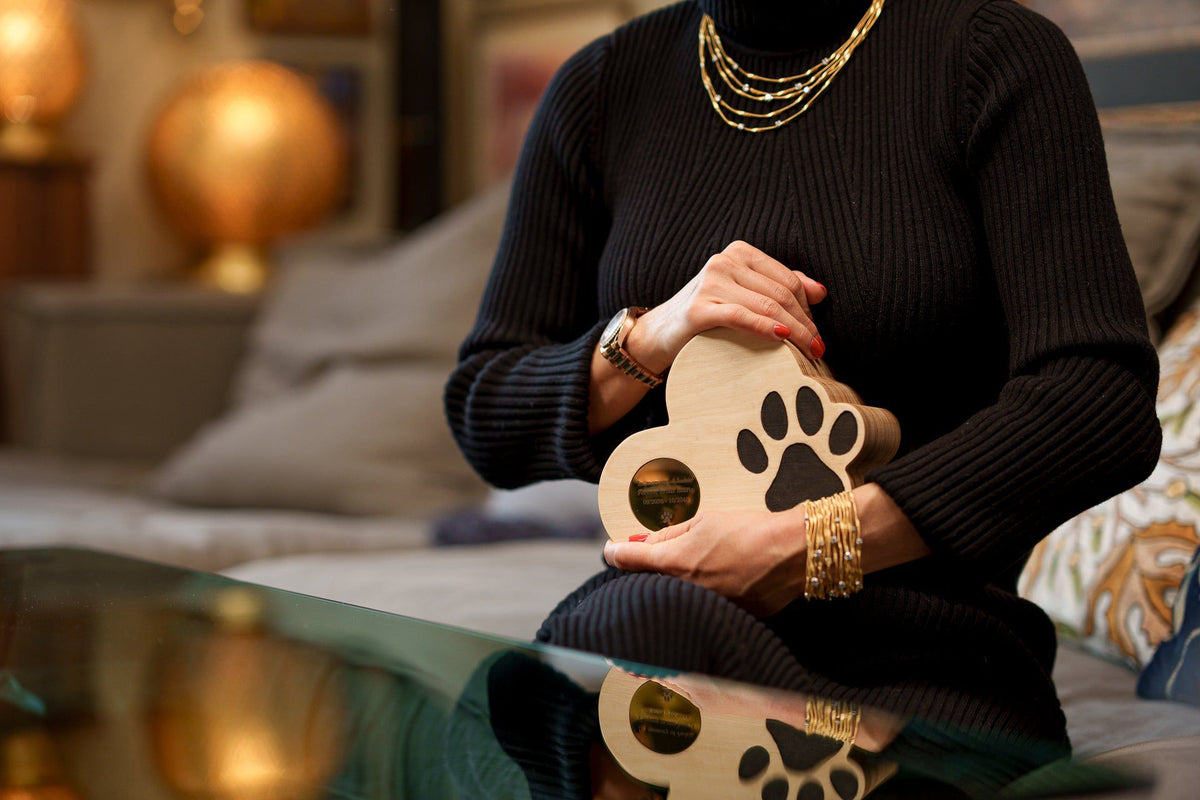
Can You Grieve a Life That Never Had Words?
Discover why losing a beloved pet can be so profound, how wordless bonds shape our lives, and how Pulvis Art Urns brings craftsmanship and thoughtful design to the art of remembering an animal companion.
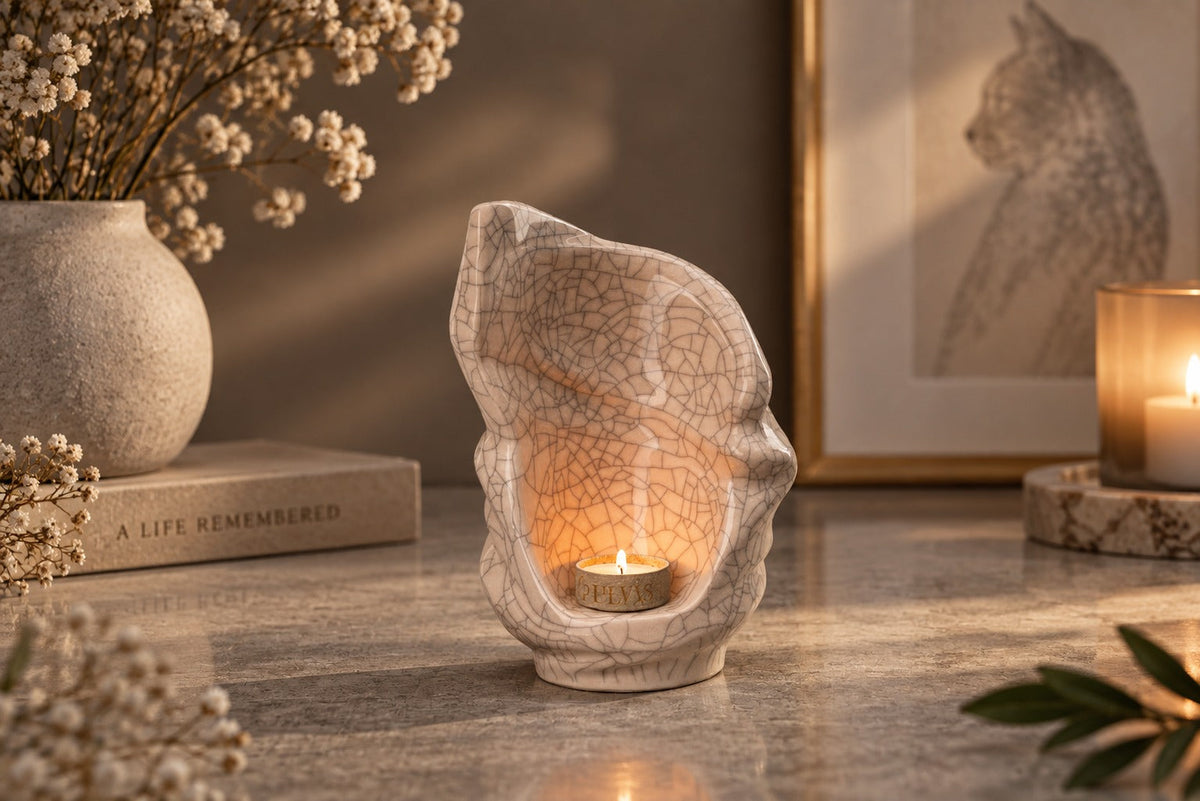
What Does the Bible Say About Cremation?
Explore what the Bible says about cremation, Christian beliefs about resurrection, and meaningful ways to honor a loved one’s memory through a thoughtful memorial.
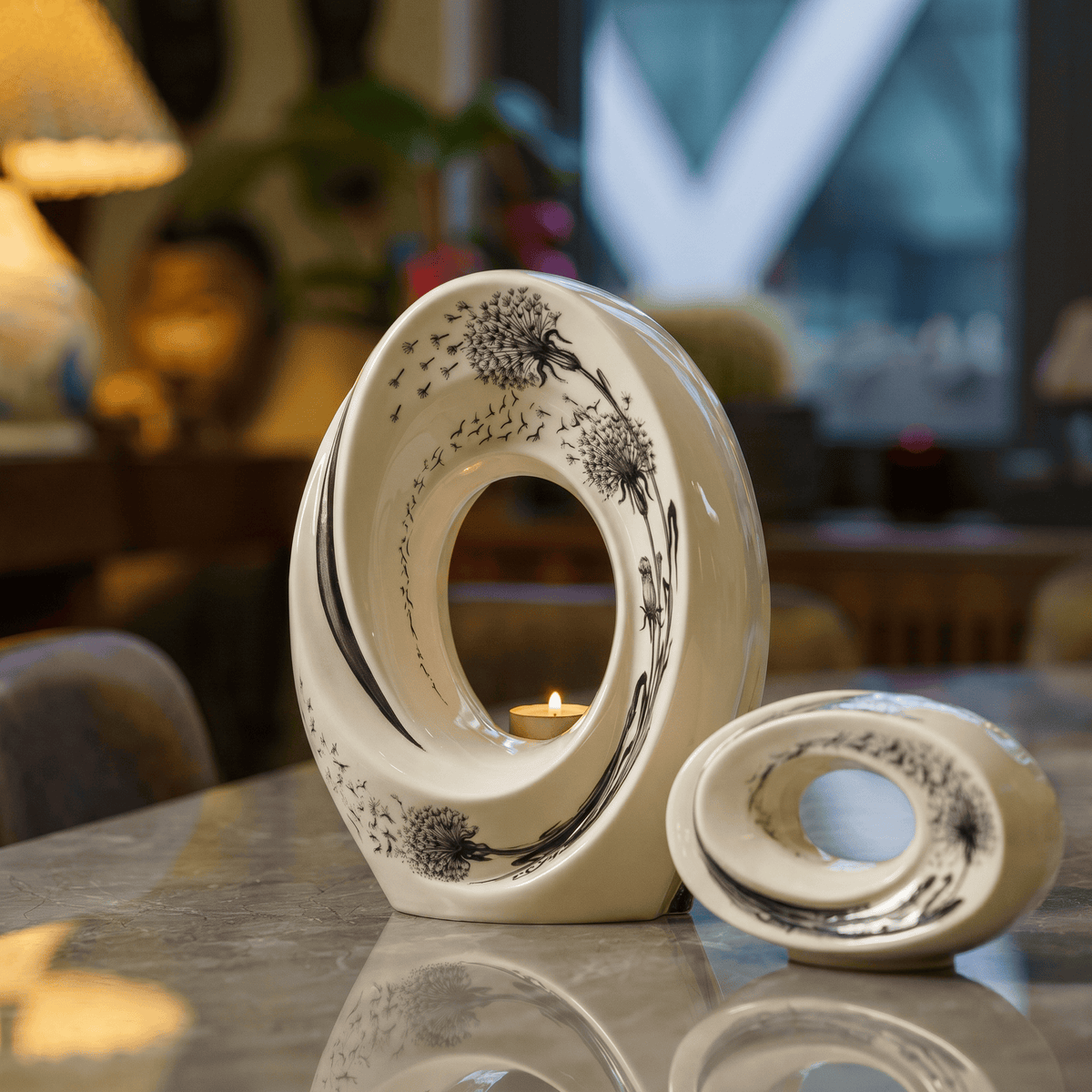
Why Do People Light Candles for the Dead?
Discover the meaning behind lighting candles for the dead, exploring the traditions, beliefs, and emotions that make this simple ritual a lasting expression of remembrance, comfort, and connection within the home.

The Pet as a Witness to a Human Life
Our pets witness far more of our lives than we realise. Explore what it means for an animal to become a quiet witness to our changing homes, relationships, routines and identities — and how a memorial urn can remain as a physical connection to the life they witnessed.

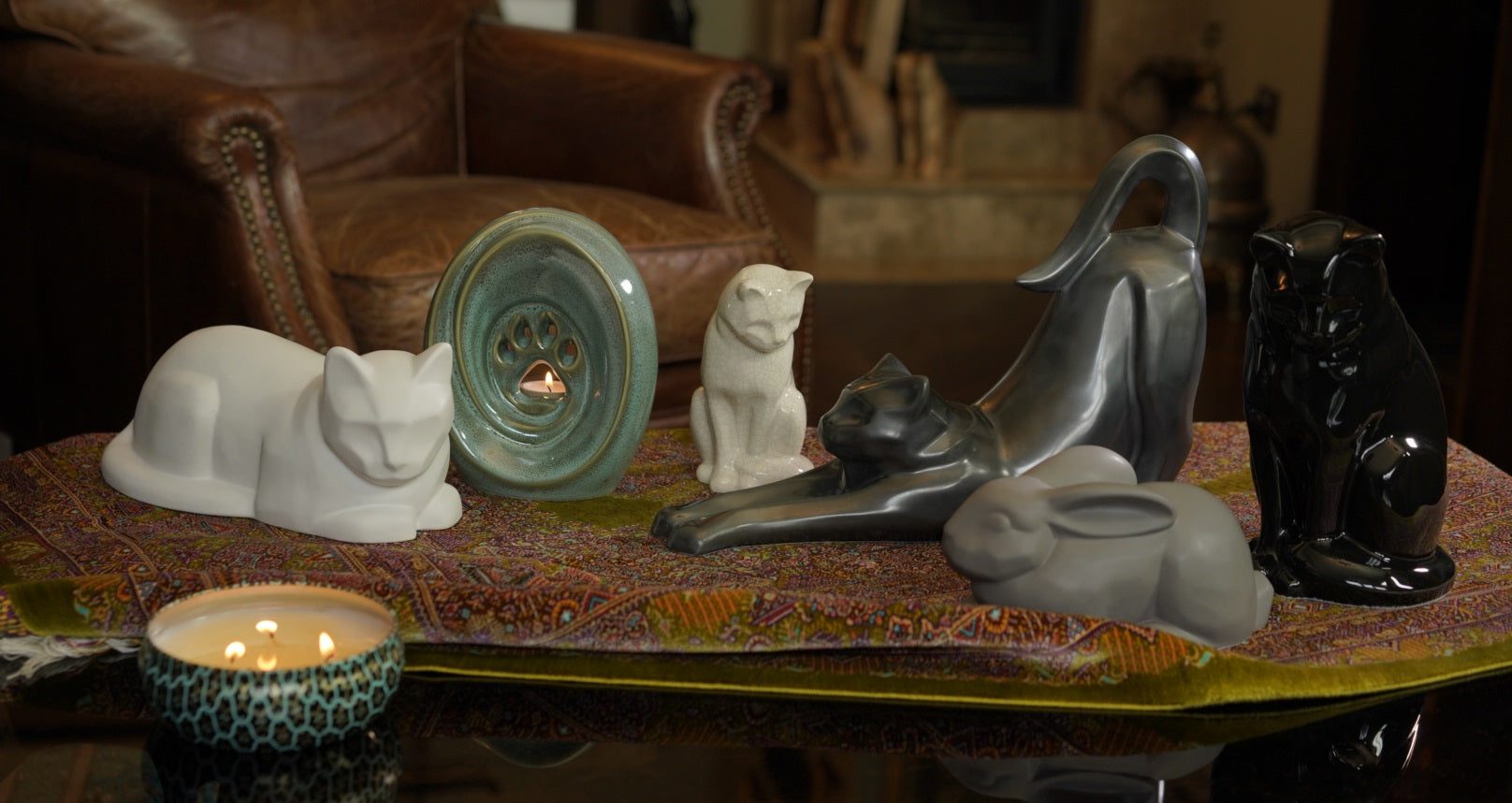
Can You Inherit a Pet’s Memory?
Can we remember a pet we never knew? Explore how stories, photographs, objects and memorials can carry an animal’s memory across generations, turning a private life into part of a family’s shared history.


Compartir:
The Definitive Guide to the Cremation Process: Ethics, Science, and Memorialization
3D-Printed Urns with Parametric Design: The Future of Memorial Art