



Here for you: art@pulvisurns.com | (562) 609-4019
7% de descuento en tu pedido
Usa el código al finalizar la compra:
In Hawaii, the "Aloha State," end-of-life traditions are profoundly shaped by a deep spiritual connection to the ʻāina(land) and the kai (sea). As of 2026, the state continues to lead the nation in embracing alternative and culturally significant choices, such as medical aid in dying and traditional water-based memorials. With limited land resources and a culture that views the ocean as a gateway for the soul, Hawaii provides a unique environment for honoring a life with both grace and environmental stewardship.
A Hawaiian Perspective on the Elements
In Hawaii, the choice between burial and cremation is often a reflection of one's relationship with the islands' fragile ecosystems and vibrant cultural heritage.
Emotional and Cultural Factors: For many Native Hawaiians and long-time residents, the ocean is the ultimate sanctuary. Cremation is widely embraced as it allows for a Celebration of Life at sea—a practice deeply woven into the local culture. Traditional ceremonies often include an oli (chant), hula (dance), or a pule (prayer) to guide the spirit home. Many families keep the pulvis (ashes) in a sculptural Cremation Urn, treating it as a sacred piece of art that bridges the gap between the physical home and the spiritual world.

Environmental Values: The concept of mālama ʻāina (caring for the land) is central to life in Hawaii. Traditional burial, which requires permanent land use, is increasingly scrutinized due to the islands' finite space. Cremation, particularly when paired with a handcrafted ceramic vessel, is seen as a respectful, low-impact choice. Interest in Green Burials and Water Cremation (alkaline hydrolysis) is high, as these methods align with the state's goal of protecting coral reefs and coastal waters.
Financial Practicality: Practicality is a hallmark of the modern Hawaii lifestyle. In 2026, the average cost of a traditional burial in Hawaii is approximately $9,467, while direct cremation offers a more accessible path at an average of $1,632. Choosing cremation allows families to bypass significant "cemetery real estate" costs and instead invest in a meaningful sea-based memorial or a lasting family heirloom.
Hawaii maintains one of the highest cremation rates in the United States, driven by both cultural preference and the logistical challenges of island life.
Cremation Rates: As of 2026, Hawaii’s cremation rate remains exceptionally high, consistently tracking with national projections that suggest over 80% of families will choose cremation by 2045.
Average Cost Breakdown: In 2026, Hawaii families should budget for the following average expenses:
Traditional Funeral with Burial: A full-service burial averages $9,467, though premium services in Honolulu can reach $14,760+.
Direct Cremation: For a simple process with no ceremony, the average cost is $1,632, with some competitive providers offering packages starting as low as $895.
Full-Service Cremation: A cremation that includes a formal viewing and memorial service typically averages $7,351 - $7,372.
Hawaii law (HRS § 338 and 327) provides a clear framework for final arrangements, emphasizing the need for proper authorization and timely filing.
The 30-Hour Rule: Under Hawaii's administrative rules, a body must generally be buried, cremated, or embalmed within 30 hours after death. If the body is in the custody of a coroner or medical examiner, this 30-hour clock begins upon the release of the remains.
The Disposition Permit: Hawaii is a "permission-based" state. A written burial-transit or disposition permitmust be issued by the Department of Health's local agent before a body can be removed from its registration district or finally disposed of.
Death Certificate Filing: A death certificate must be filed electronically within three days of the death to support the issuance of necessary permits.
Medical Aid in Dying: Hawaii’s Our Care, Our Choice Act (effective since 2019) allows mentally capable, terminally ill adults with six months or less to live to request a prescription for life-ending medication.

For those choosing cremation, the vessel for the pulvis is often chosen to harmonize with Hawaii's natural beauty.
Sizing Rules: The industry standard is: 1 lb of body weight prior to cremation = 1 cubic inch of ash. A standard adult urn generally holds 200 cubic inches.
Scattering at Sea: Federal law (the Clean Water Act) requires that all scatterings take place at least three nautical miles from shore. Only 100% biodegradable materials—such as fresh flower leis or salt-based urns—may be released into the water.
Permit for Large Gatherings: While small scatterings are generally permitted without a state permit, ceremonies involving 14 or more people require a free permit from the Department of Land and Natural Resources at least 14 days in advance.
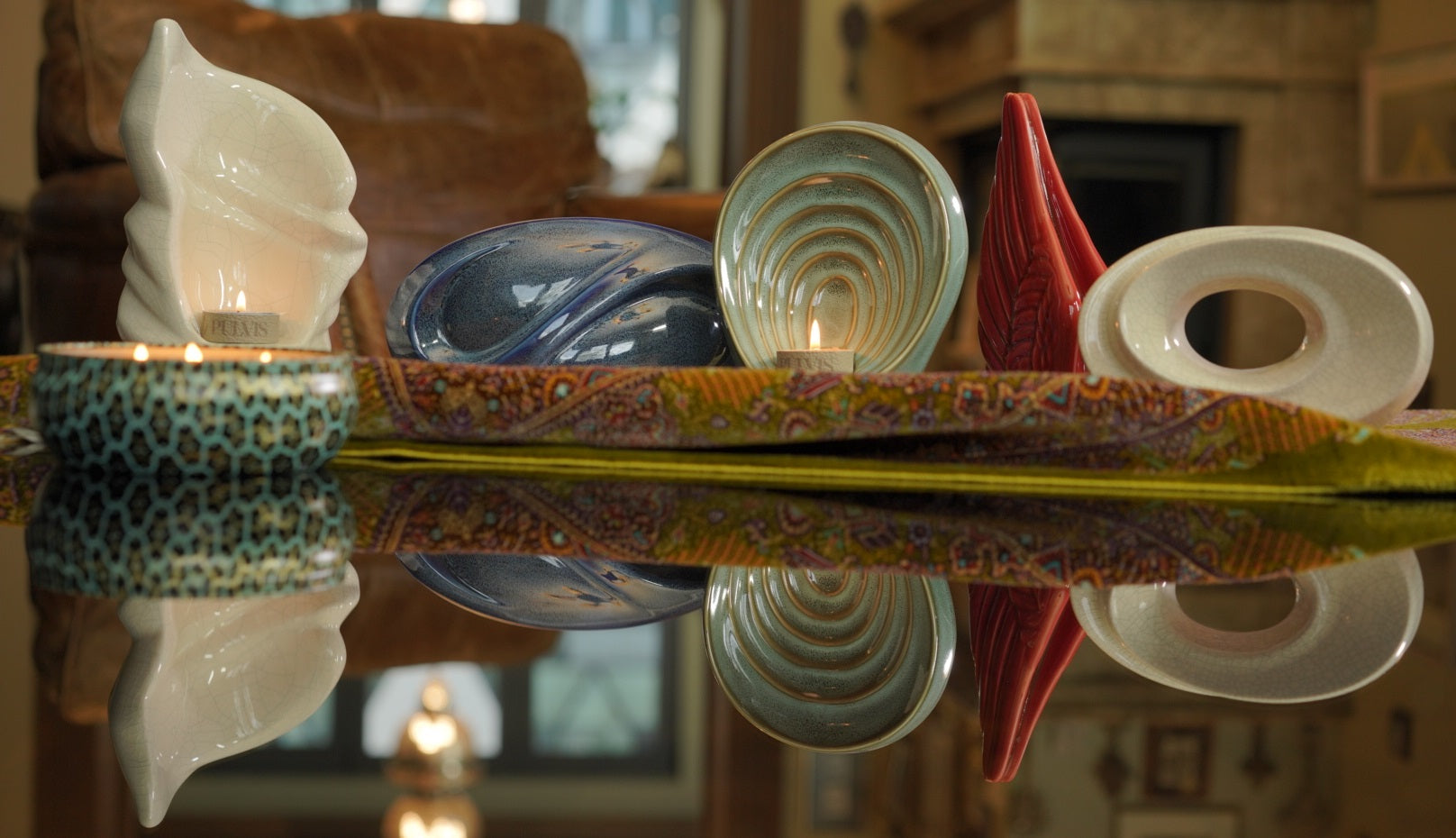
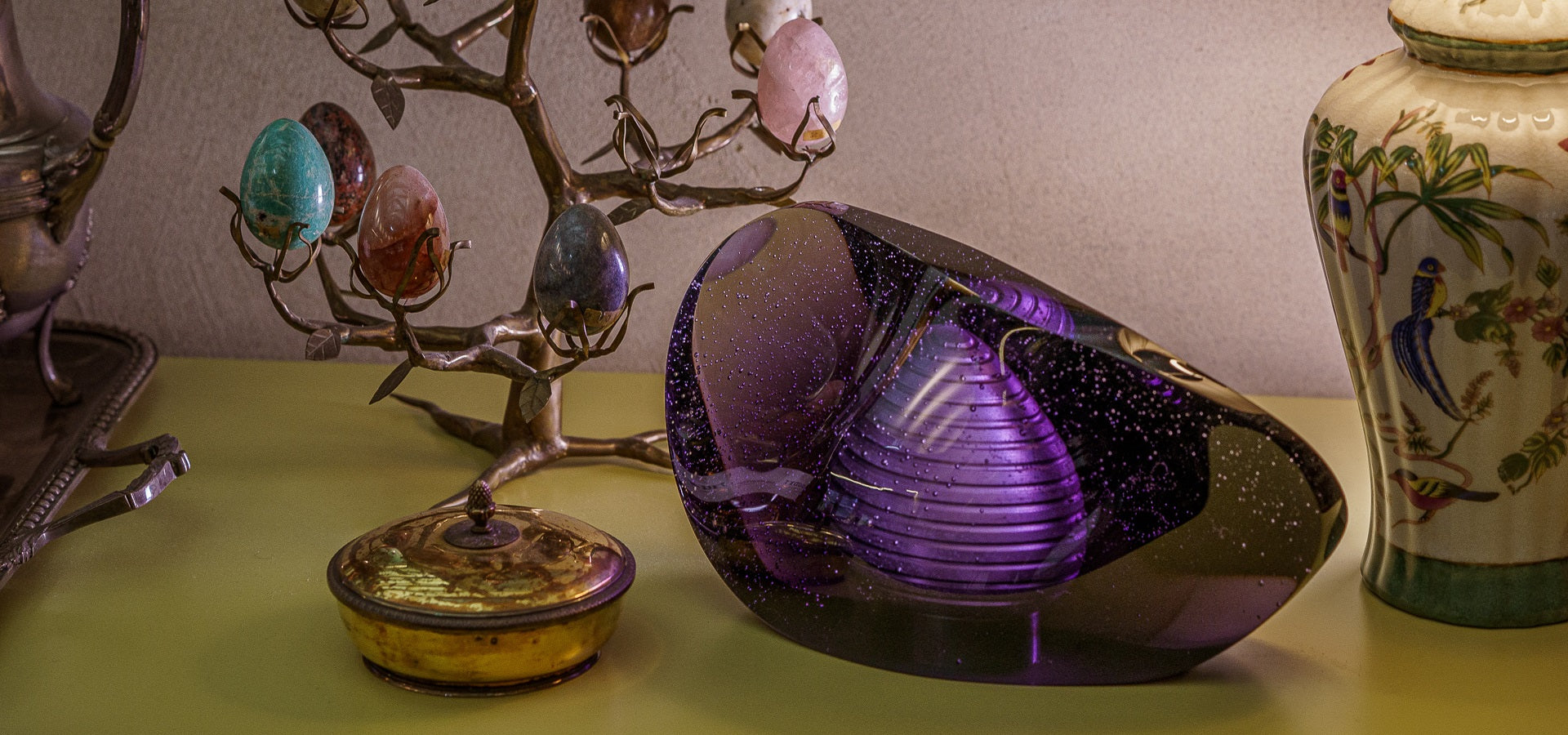
Artistic Tributes: 2026 trends include "Reef Memorials" and the use of artistic ceramic urns—such as those by Pulvis—that mirror the organic textures and tranquil colors of the Hawaiian coastline.

Based on 2026 service excellence and directory data, here are several highly-regarded providers serving the islands:
| City | Funeral Home | Website |
| Honolulu | Borthwick Mortuary | dignitymemorial.com |
| Honolulu | Diamond Head Mortuary | diamondheadmortuary.net |
| Honolulu | Williams Funeral Services | williamsfuneralservices.com |
| Honolulu | Hosoi Garden Mortuary | hosoimortuary.com |
| Kaneohe | Hawaiian Memorial Park Mortuary | ordensteinshawaiianmemorialpark.com |
| Hilo | Dodo Mortuary | dodomortuary.com |
| Hilo | Homelani Memorial Park | homelanimemorialpark.com |
| Wailuku | Nakamura Mortuary | nakamuramortuary.com |
| Kahului | Ballard Family Mortuaries | ballardfamilymortuaries.com |
| Lihue | Kauai Memorial Gardens & Funeral Home | kauaimemorialgardens.com |
| Koloa | Borthwick Kauai Mortuary | dignitymemorial.com |
| Kailua-Kona | Dodo Mortuary Kona | dodomortuary.com |
Whether you find peace in a traditional service near the slopes of Diamond Head or in the sculptural beauty of a Cremation Urn displayed on your mantle, your choice is a profound act of love. By understanding the 2026 costs and the specific three-mile scattering rule in Hawaii, you can ensure your final tribute for the pulvis is as soulful and enduring as the islands themselves.
¿Qué tamaño de urna necesito?
Regla sencilla: aprox. 1 litro de capacidad por cada 28 kg de peso corporal.
Cada página de producto indica la capacidad de la urna. Las urnas recuerdo guardan una pequeña parte de las cenizas para compartir.
¿Lo necesita para una fecha concreta?
Envío gratuito · Entrega en 3–5 días hábiles
Envío exprés en hasta 3 días hábiles: elígelo al finalizar la compra
¿Necesita ayuda para elegir?
Hable con nuestro equipo: le ayudaremos a encontrar la urna adecuada.
(562) 609-4019 art@pulvisurns.comEnvíenos un mensaje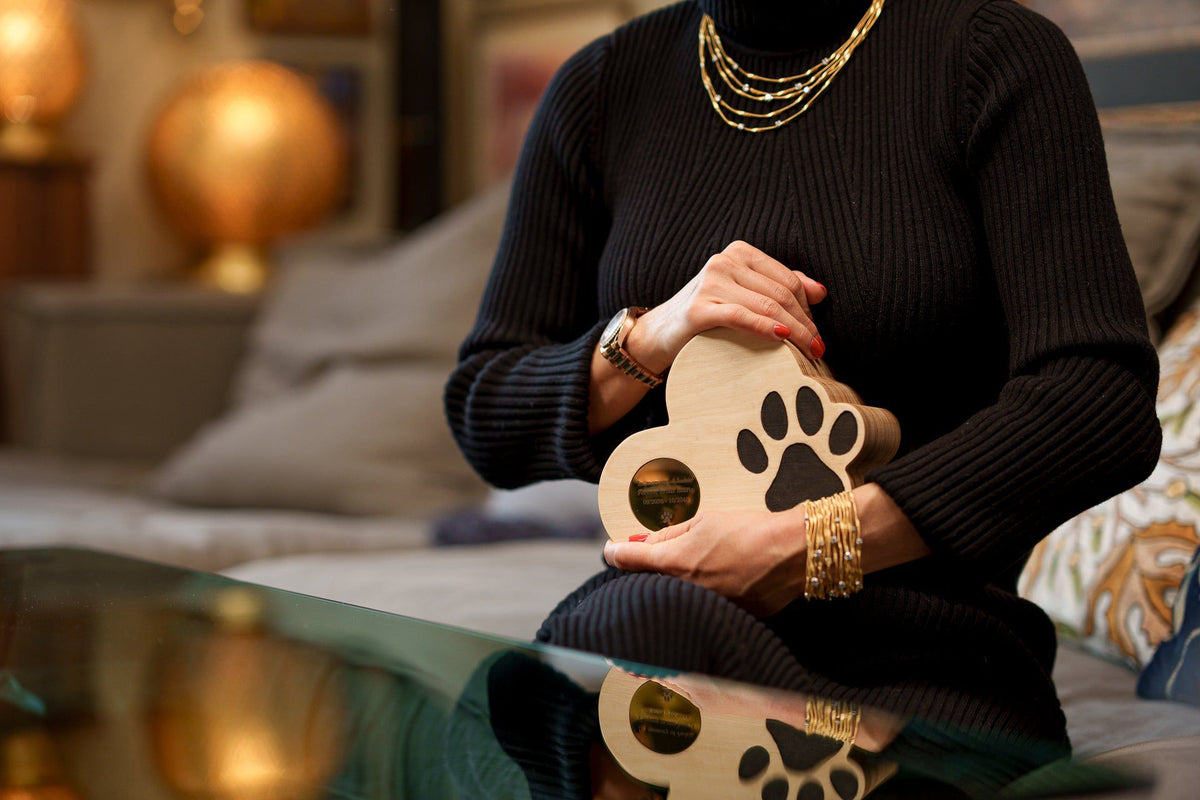
Can You Grieve a Life That Never Had Words?
Discover why losing a beloved pet can be so profound, how wordless bonds shape our lives, and how Pulvis Art Urns brings craftsmanship and thoughtful design to the art of remembering an animal companion.
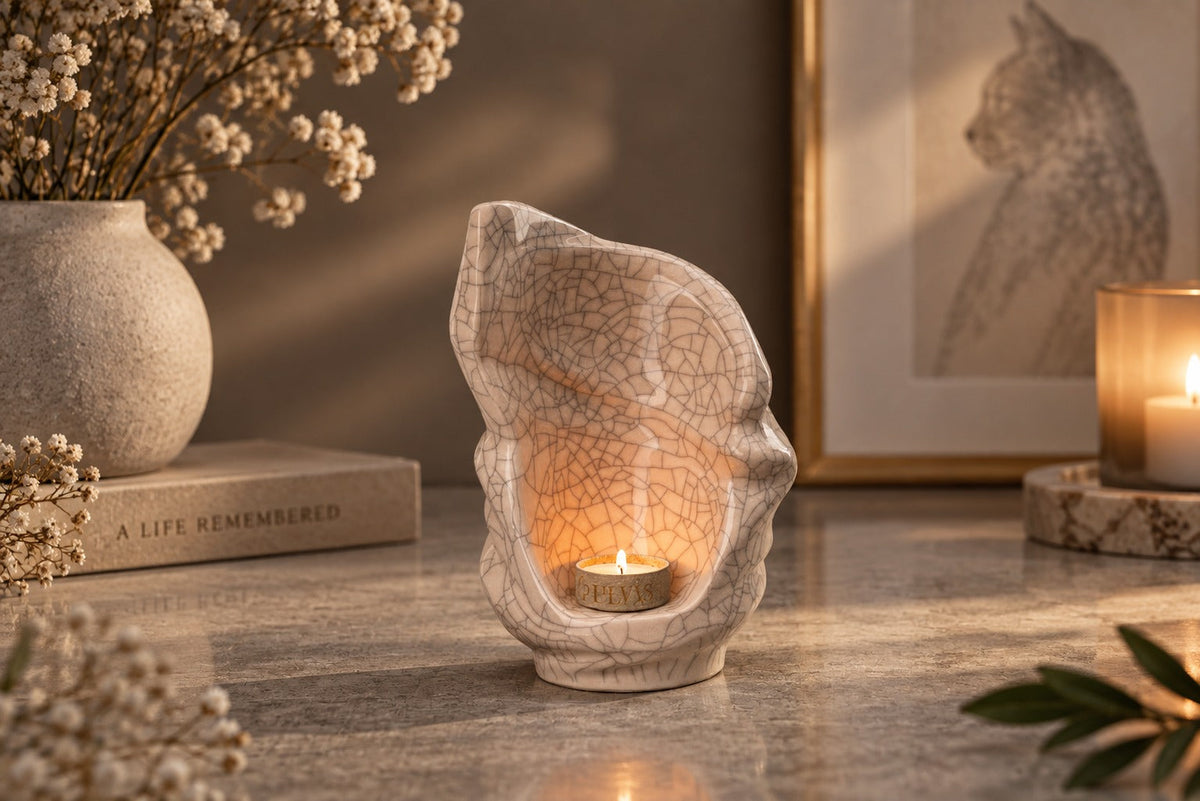
What Does the Bible Say About Cremation?
Explore what the Bible says about cremation, Christian beliefs about resurrection, and meaningful ways to honor a loved one’s memory through a thoughtful memorial.
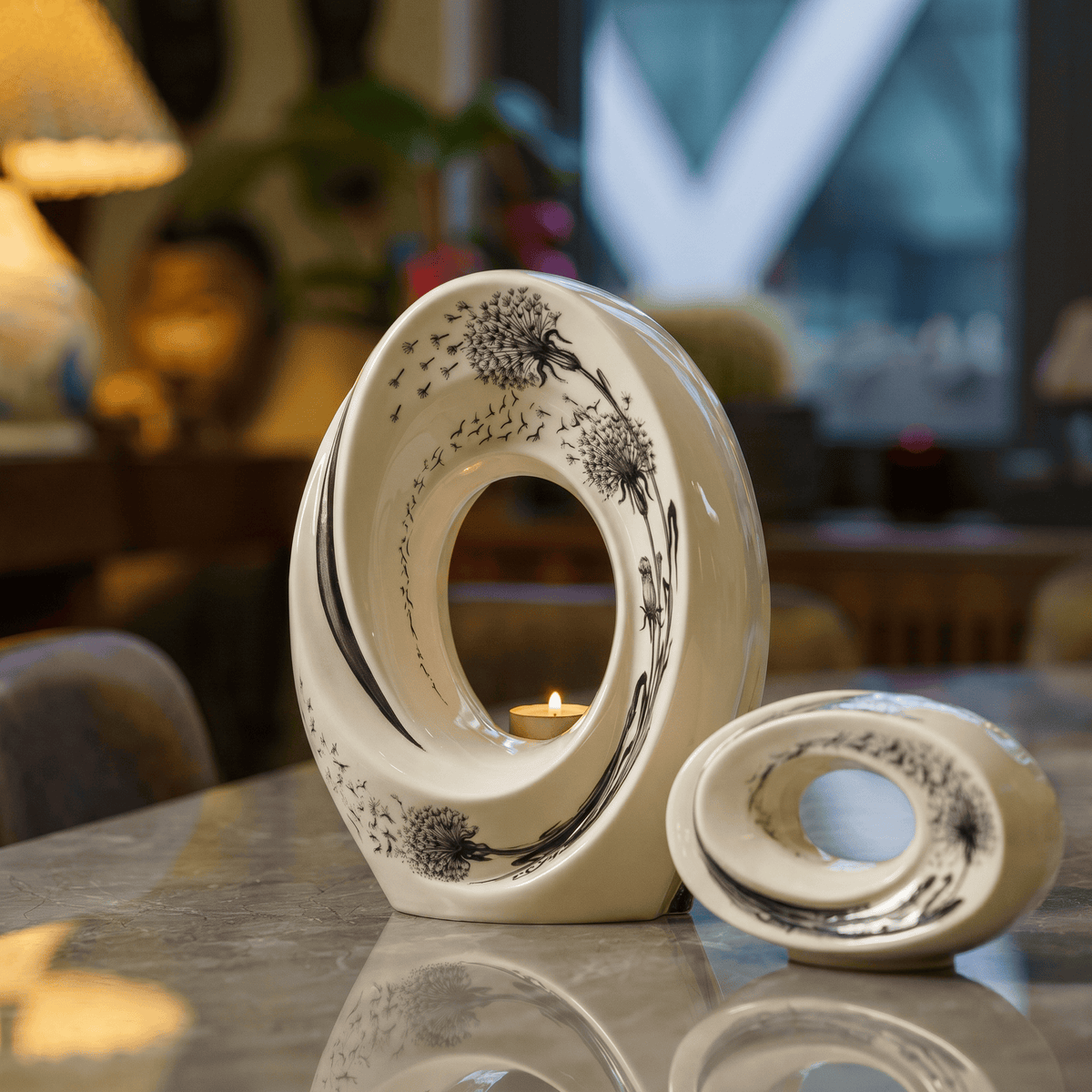
Why Do People Light Candles for the Dead?
Discover the meaning behind lighting candles for the dead, exploring the traditions, beliefs, and emotions that make this simple ritual a lasting expression of remembrance, comfort, and connection within the home.

The Pet as a Witness to a Human Life
Our pets witness far more of our lives than we realise. Explore what it means for an animal to become a quiet witness to our changing homes, relationships, routines and identities — and how a memorial urn can remain as a physical connection to the life they witnessed.

Can You Inherit a Pet’s Memory?
Can we remember a pet we never knew? Explore how stories, photographs, objects and memorials can carry an animal’s memory across generations, turning a private life into part of a family’s shared history.


Compartir:
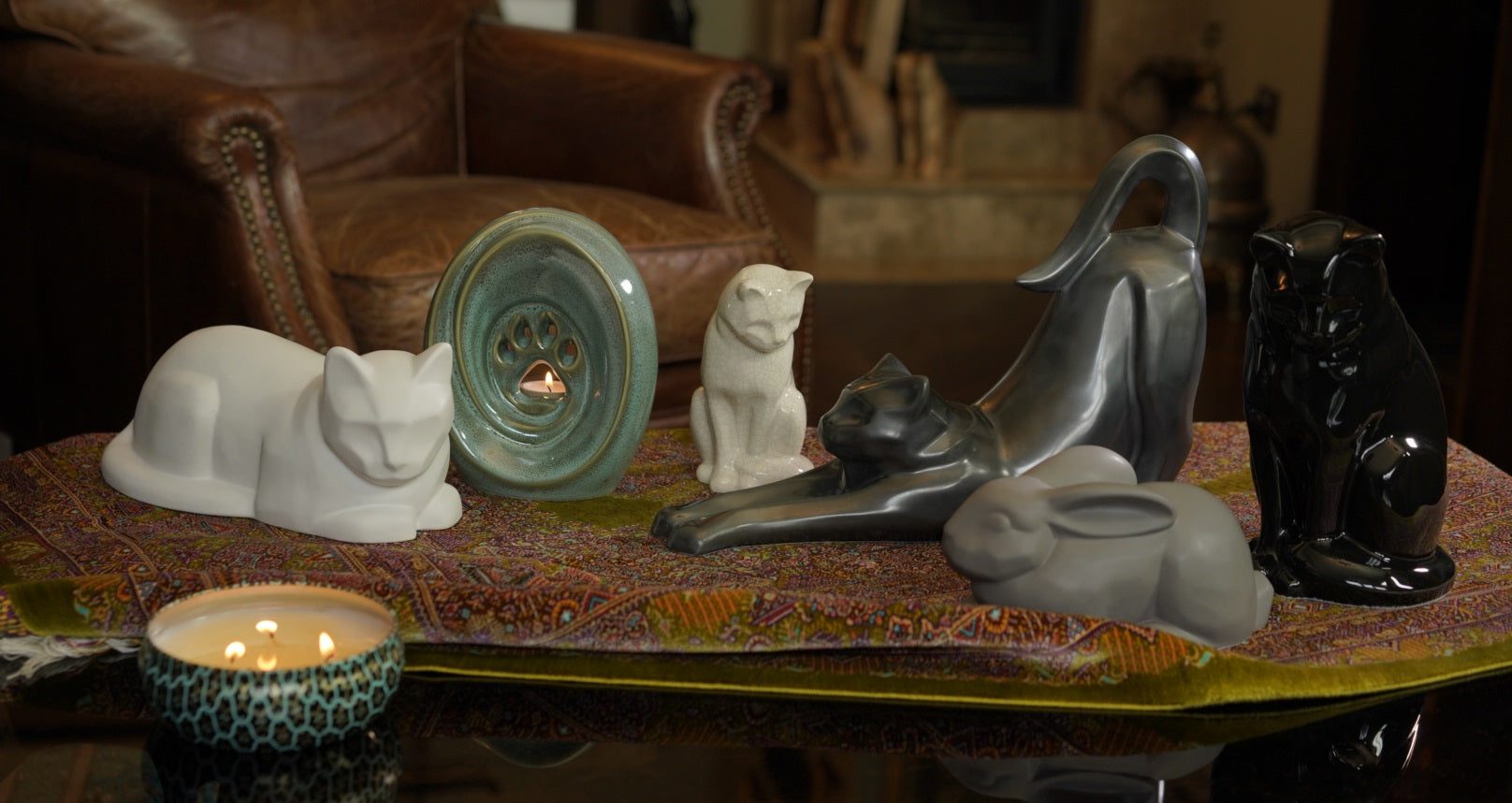
Choosing an Urn for Pet Ashes That Reflects Your Pet’s Personality
Easy Guide to Funeral Homes in Iowa