


Here for you: art@pulvisurns.com | (562) 609-4019
7% de descuento en tu pedido
Usa el código al finalizar la compra:
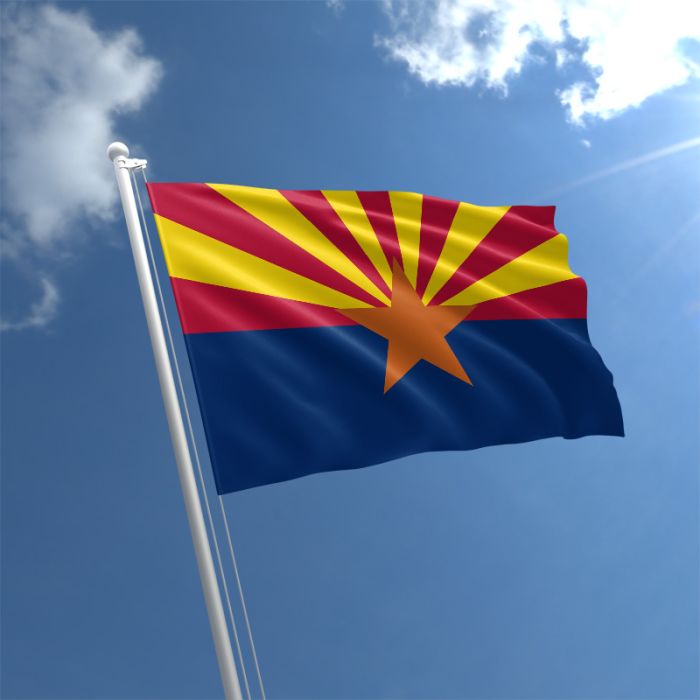
Arizona is a land of striking contrasts, from the sun-drenched sprawl of the Phoenix
metro area to the pine-covered peaks of the Mogollon Rim. This diversity is mirrored
in how its residents approach the loss of a loved one. In 2026, Arizona stands out
as a state that has largely moved away from the rigid funeral traditions of the past,
embracing instead a culture of simplicity, affordability, and natural beauty. For many
families here—whether they are lifelong residents or part of the state’s massive
retiree population—the goal is to create a tribute that feels as open and bright as the
Arizona sky. This guide serves as your essential roadmap, providing the most
current 2026 statistics, cost breakdowns, and local professional resources.
——————————————————————————————————————————
1. Traditional Burial vs. Cremation
An Analysis of Emotional, Financial, and Environmental Impacts
In Arizona, the choice between a traditional burial and cremation is often a practical
response to the state’s climate, geography, and the "transient" nature of its
population.
Emotional and Psychological Factors
A traditional burial offers a sense of permanence that many find grounding. In
Arizona's desert landscape, many memorial parks are designed as lush oases,
providing a serene, physical location for family members to visit and find peace. For
those with deep roots in the state, these local cemeteries are a link to their ancestry.
However, cremation has become the emotional preference for a vast majority of
Arizonans. It offers a unique type of "geographic freedom." Since many residents
have family living in other states, cremation allows remains to be easily transported
or shared. Many families find deep healing in holding a Celebration of Life at a
favorite natural landmark—perhaps a Sedona trailhead or a quiet spot in the
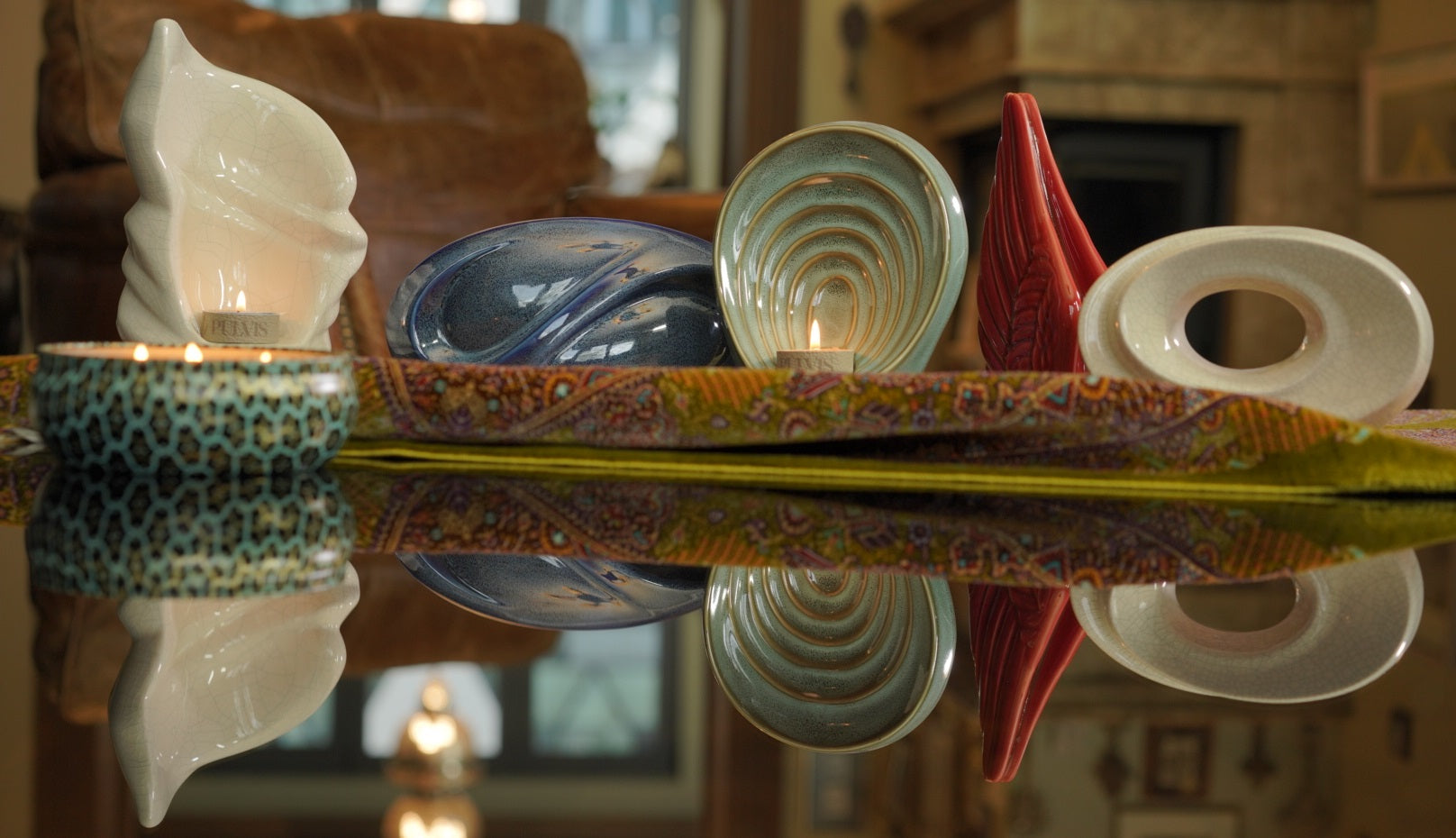
Sonoran Desert. Keeping a portion of the deceased in a handcrafted ceramic
Cremation Urn within the home allows the loved one to remain a part of the
household's daily energy, which many find more comforting than a distant grave.

Financial Realities
Economic factors play a massive role in Arizona’s funeral trends. According to 2026
data from Signature Headstones, the cost of burial land in high-growth areas like Scottsdale or Chandler has risen significantly. A traditional burial involves not just the
Funeral Home fees, but also the casket, vault, and plot, which can quickly exceed a
family's budget. Cremation is widely seen as the more pragmatic financial choice,
freeing up resources to be spent on a more meaningful Celebration of Life or a
high-quality Memorial Keepsake.
Environmental Impact
Arizona’s fragile desert ecosystem makes environmental considerations a high
priority. Traditional burial, which utilizes land and introduces chemicals into the earth,
is being viewed with more scrutiny. Cremation is often preferred for its smaller
footprint. Many families choose to scatter remains in accordance with local laws or keep
them in an artistic ceramic urn that serves as a beautiful, non-invasive tribute to the life lived.
——————————————————————————————————————————
2. Arizona State-Specific Statistics for 2026
Arizona continues to be a leader in the national shift toward cremation. The following
data, provided by Signature Headstones and Choice Mutual, reflects the state's
2026 benchmarks.
Cremation Rates
As of 2026, the cremation rate in Arizona has reached approximately 70%. This
is well above the national average and reflects the state’s preference for simpler,
more flexible arrangements.
Average Cost Breakdown
Navigating the costs in 2026 requires understanding the difference between
"traditional" and "direct" services:
Traditional Funeral with Burial: A full-service funeral in Arizona averages
$7,390. This covers the professional services of the Funeral Home, a
viewing, and a ceremony. However, families should be aware that this does
not include the cemetery plot or a monument, which can add $3,000 to $8,000
to the total.
Direct Cremation: This is the most popular and affordable option in the state.
The average cost for direct cremation in Arizona is $1,490. In competitive
markets like Phoenix or Tucson, specialized providers offer direct packages
starting even lower.
Full-Service Cremation: A cremation that includes a formal viewing and
memorial service typically averages $5,505.
——————————————————————————————————————————
3. Urn Selection & Memorial Ideas
For the 70% of Arizona families choosing cremation, the selection of a vessel and
the planning of a memorial are the most personal parts of the process.
Sizing Rules: To ensure the right fit, use the industry standard: 1 lb of body
weight prior to cremation = 1 cubic inch of ash. A standard adult requires
a Cremation Urn with a 200-cubic-inch capacity.

The Memorial Keepsake: In Arizona, where family members are often
spread across the country, a Memorial Keepsake allows everyone to have a
tangible connection to the deceased, holding a small portion of the remains in
a beautiful, artistic vessel.
Creative Tributes: Popular Memorial Ideas in Arizona for 2026 include
sunrise desert ceremonies, "memory gardens" planted with drought-resistant
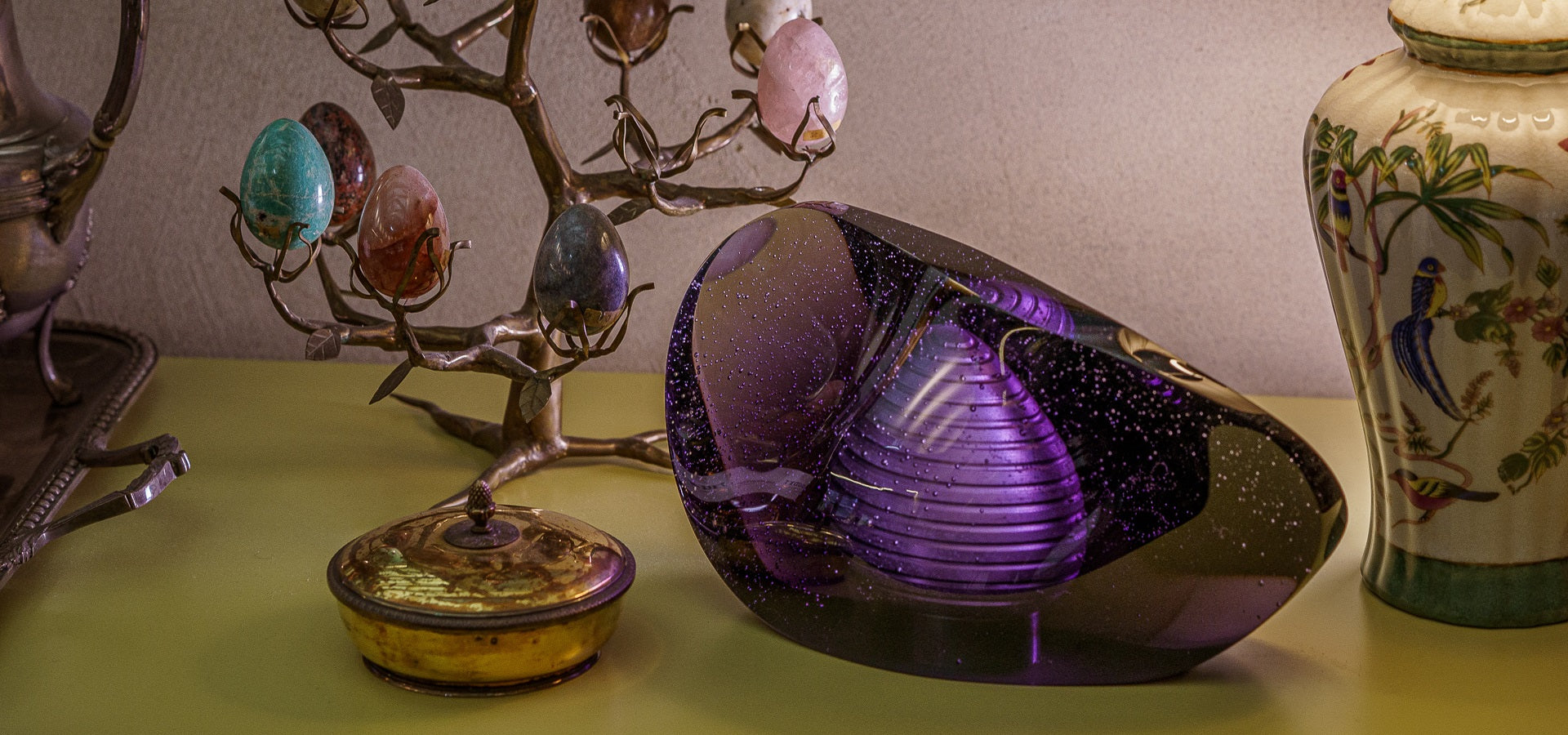
native flora, and displaying handcrafted ceramic urns that echo the colors and
textures of the Arizona landscape.
——————————————————————————————————————————
4. Featured Funeral Homes in Arizona
Based on the directory from USA Funeral Homes Online, here are several
reputable providers serving Arizona families:
In the Phoenix area, Whitney & Murphy Funeral Home is a historic institution
located at 4800 E Indian School Rd, Phoenix, AZ 85018. They can be reached at
(602) 840-5600 and are highly regarded for their long history of compassionate,
professional service.
Serving the Tucson region, Adair Funeral Homes provides dedicated care from
their Avalon Chapel at 8090 N. Northern Ave, Oro Valley, AZ 85704. They can be
reached at (520) 742-7901 and specialize in a wide range of traditions, from
standard burials to modern celebrations.
In the East Valley, Bueler Mortuary serves the Chandler community at 14 W. Hulet
Drive, Chandler, AZ 85225. Reachable at (480) 963-6351, they are known for their
family-oriented approach and expertise in cremation services.
Under the Federal Trade Commission's "Funeral Rule," you have the legal right to
purchase an urn from any outside source. You are not required to buy a vessel from
the funeral home, and they cannot charge you a fee for using a handcrafted vessel
from Pulvis.

——————————————————————————————————————————
Final Thoughts
Whether you find peace in a lush memorial park or in the sculptural beauty of a
Cremation Urn displayed in your home, your choice is a profound act of love. By
understanding the 2026 costs and statistics in Arizona, you can make an informed
decision that honors your loved one’s legacy with the dignity, warmth, and respect they deserve.
——————————————————————————————————————————
¿Qué tamaño de urna necesito?
Regla sencilla: aprox. 1 litro de capacidad por cada 28 kg de peso corporal.
Cada página de producto indica la capacidad de la urna. Las urnas recuerdo guardan una pequeña parte de las cenizas para compartir.
¿Lo necesita para una fecha concreta?
Envío gratuito · Entrega en 3–5 días hábiles
Envío exprés en hasta 3 días hábiles: elígelo al finalizar la compra
¿Necesita ayuda para elegir?
Hable con nuestro equipo: le ayudaremos a encontrar la urna adecuada.
(562) 609-4019 art@pulvisurns.comEnvíenos un mensaje
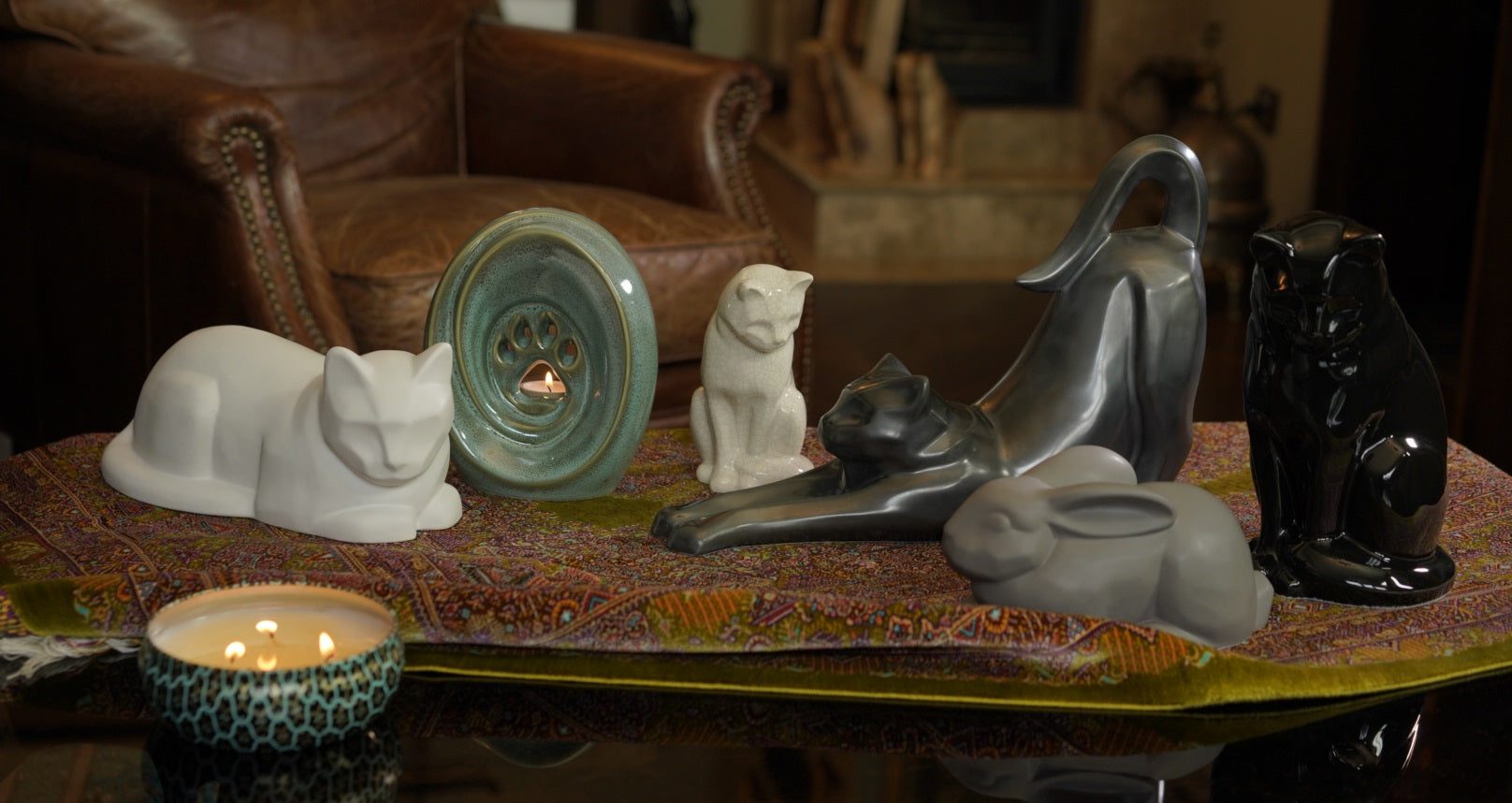
Can You Grieve a Life That Never Had Words?
Discover why losing a beloved pet can be so profound, how wordless bonds shape our lives, and how Pulvis Art Urns brings craftsmanship and thoughtful design to the art of remembering an animal companion.
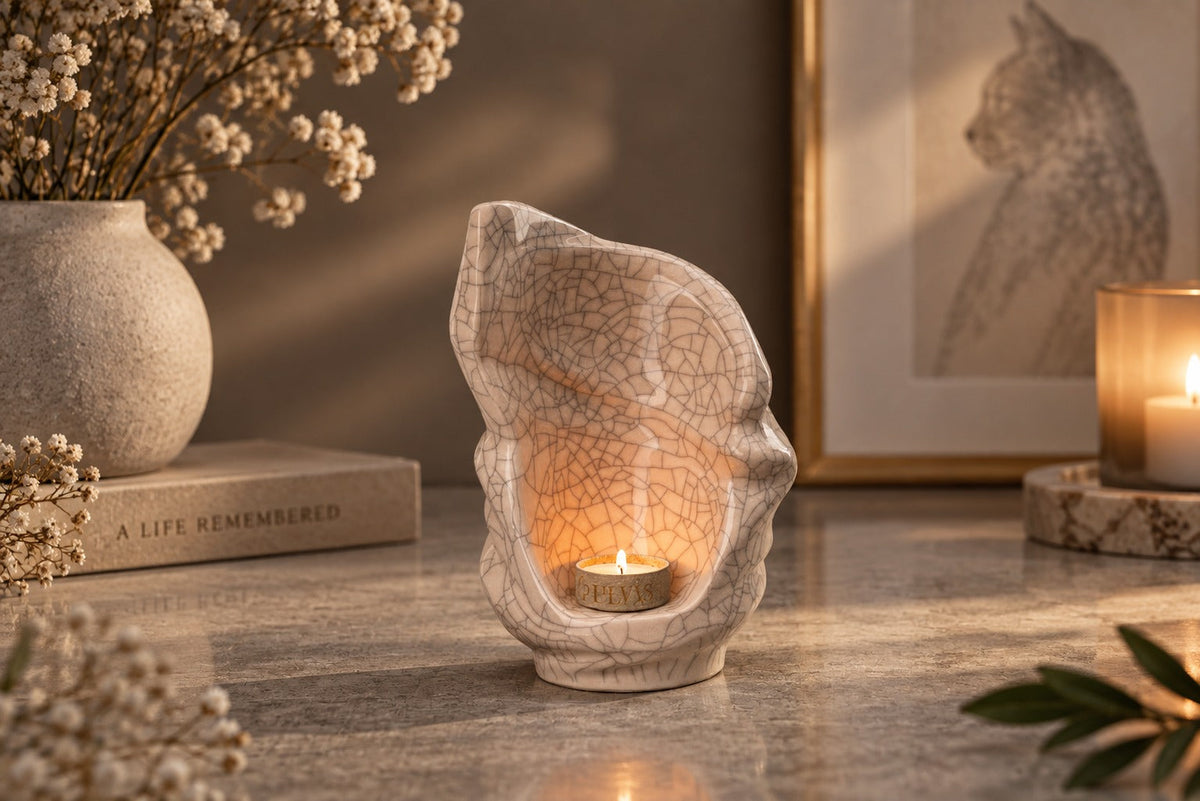
What Does the Bible Say About Cremation?
Explore what the Bible says about cremation, Christian beliefs about resurrection, and meaningful ways to honor a loved one’s memory through a thoughtful memorial.
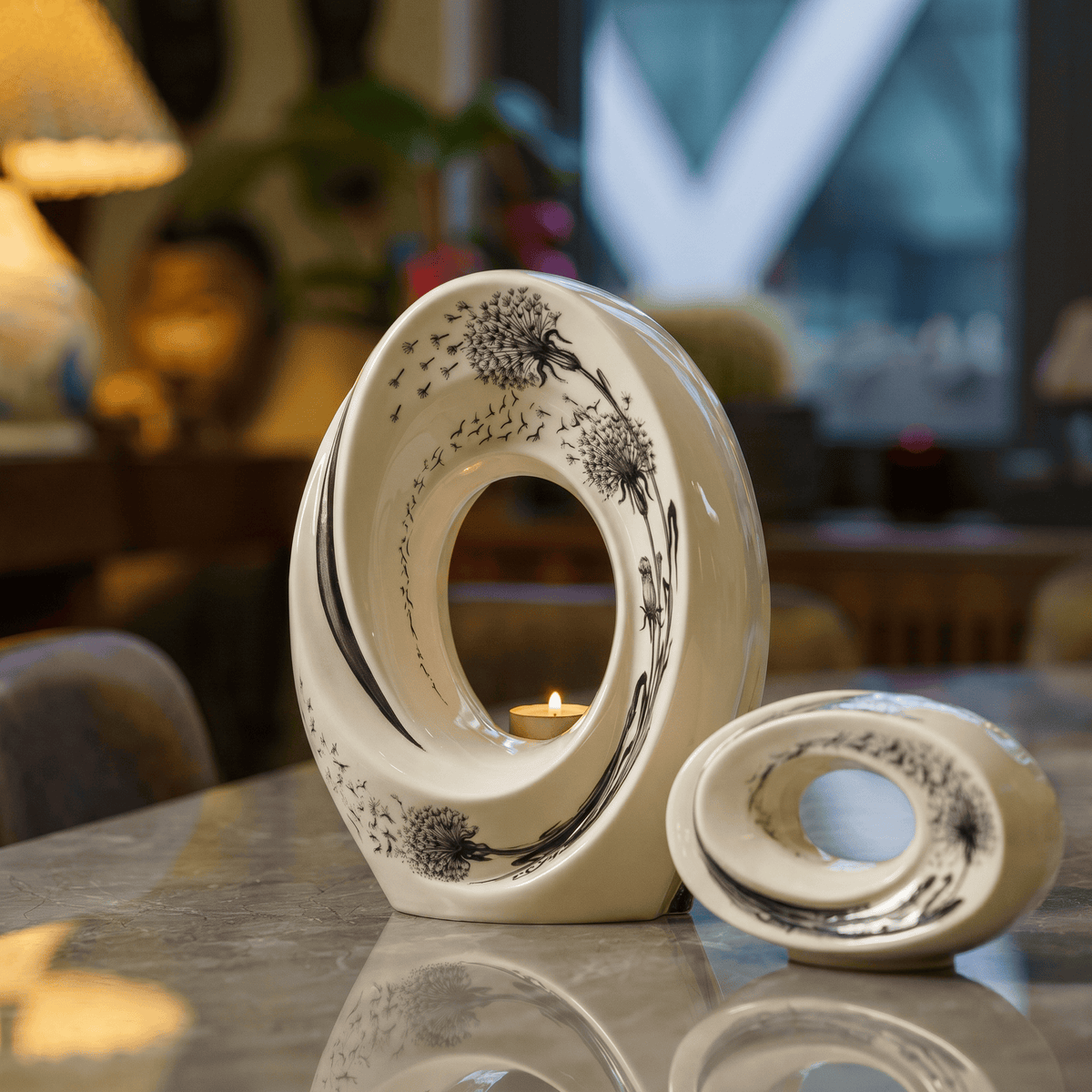
Why Do People Light Candles for the Dead?
Discover the meaning behind lighting candles for the dead, exploring the traditions, beliefs, and emotions that make this simple ritual a lasting expression of remembrance, comfort, and connection within the home.

The Pet as a Witness to a Human Life
Our pets witness far more of our lives than we realise. Explore what it means for an animal to become a quiet witness to our changing homes, relationships, routines and identities — and how a memorial urn can remain as a physical connection to the life they witnessed.

Can You Inherit a Pet’s Memory?
Can we remember a pet we never knew? Explore how stories, photographs, objects and memorials can carry an animal’s memory across generations, turning a private life into part of a family’s shared history.


Compartir:
Easy Guide to Funeral Homes in Florida
Easy Guide to Funeral Homes in Colorado