

Here for you: art@pulvisurns.com | (562) 609-4019
Cremation is no longer a practice tied to a single culture or region. Across Europe, Asia, Australia and the Americas, it has become an increasingly common choice, driven by shifting religious views, urbanization, environmental concerns and changing family structures. While customs vary by country, most cremation services fall into a few broad categories, each offering families different levels of ceremony, flexibility and cost.

Direct cremation is the most minimalist approach and is gaining traction globally, particularly in densely populated cities where space and cost are concerns. In this arrangement, the body is transferred to a crematory soon after death, without embalming, public visitation or a formal ceremony. Once legal authorizations are completed, a process that can take several days depending on local regulations - the cremation is carried out, and the remains are returned to the family in a basic container unless a permanent urn is selected.
Funeral providers typically manage documentation, permits and identification protocols, which vary widely from country to country. Because there is no viewing or service, direct cremation is often the least expensive option. Many families choose it for its simplicity or because it allows them to hold a memorial later, when relatives can travel or when cultural or seasonal considerations make gathering easier.
Optional elements may include a private family viewing, the opportunity to witness the start of cremation, expedited timelines or online memorials. In some regions, families also request keepsakes or assistance with transporting remains across borders. The appeal lies in flexibility: the farewell does not have to follow a fixed timetable.

In many parts of the world, particularly where religious or ceremonial customs remain strong, families continue to hold a traditional funeral before cremation. This approach usually includes preparation of the body, a viewing or visitation, and a formal service held days after death. Cremation takes place afterward, and the ashes are returned for burial, placement in a columbarium or another form of committal.
Such services often incorporate faith-based rites, music, readings, processions and communal mourning, reflecting long-standing traditions. Because they involve facilities, staff, transportation and ceremonial elements, these services tend to be the most costly cremation option. Still, for many families, the structure and symbolism provide comfort and a shared sense of closure.
A growing number of families are separating cremation from the memorial gathering altogether. In this model, cremation occurs shortly after death, while the memorial service is held later, sometimes weeks or months afterward. These services may take place in religious settings, community halls, outdoor spaces or private homes, with the urn, photographs and personal items serving as focal points.
This approach has become especially popular in an increasingly mobile world, allowing families to plan around travel, work schedules and cultural calendars. Memorial services often emphasize storytelling and celebration rather than ritual, though religious and secular elements may both be present. Costs typically fall between those of direct cremation and a traditional funeral, depending on the scale and setting.

Despite wide cultural differences, certain steps are common after cremation. Authorities or crematories complete required documentation, maintain identification procedures and release the remains to the family. If no permanent urn has been chosen, the ashes are typically returned in a temporary container.
Families then decide on final arrangements. Some keep the urn at home, others bury it or place it in a niche. Scattering, whether on land or water, is common in many regions, though it is often regulated. Increasingly, families divide remains into keepsakes or memorial jewelry, reflecting more personalized forms of remembrance.
International travel or shipping of remains is possible but governed by national and airline regulations, making advance planning essential.

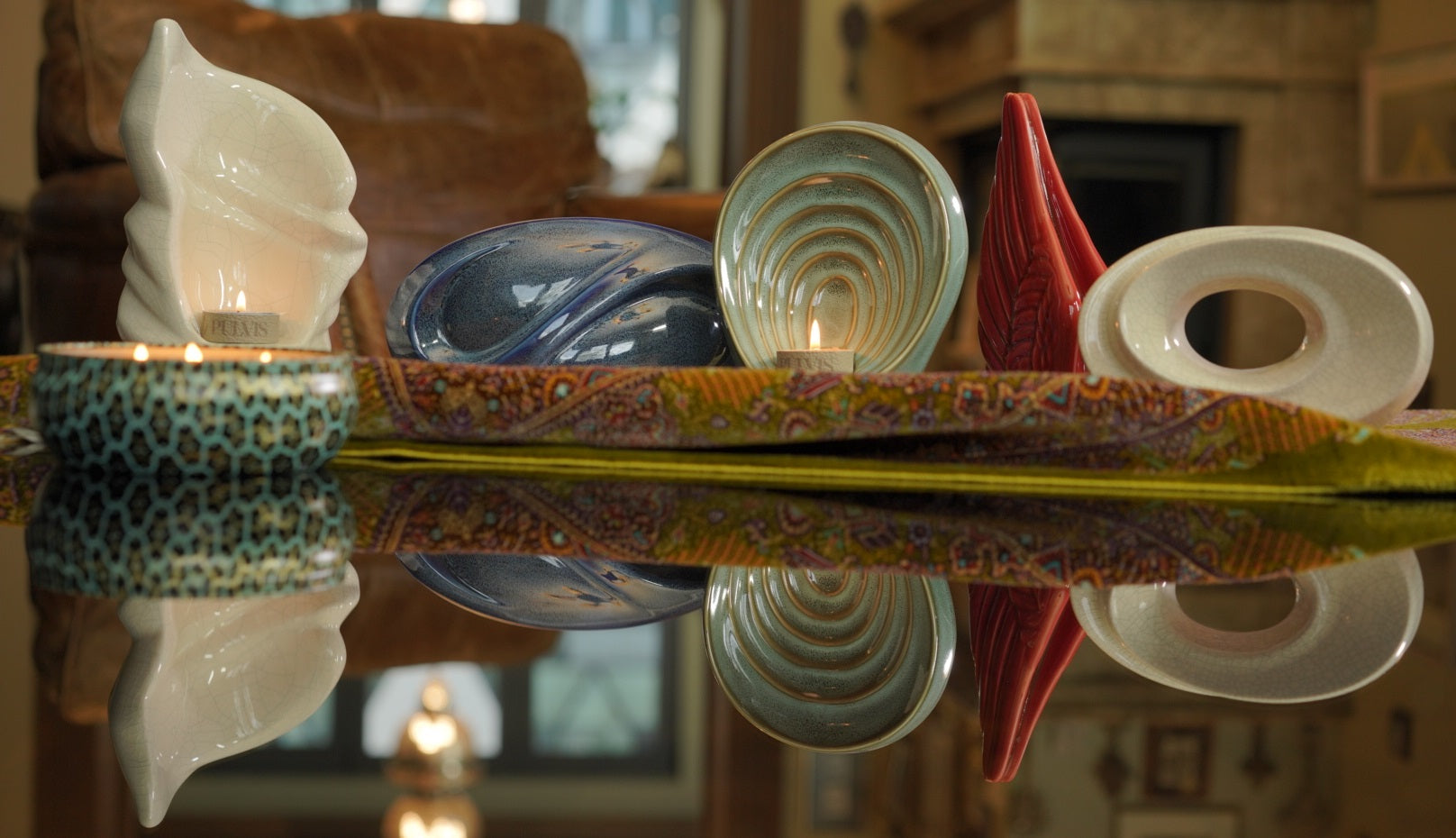
Urn preferences vary widely across cultures, but function and final placement are key considerations. Simple containers are often chosen for direct cremation or scattering, while durable materials such as metal or stone are favored for burial or columbarium placement. For memorial services, families frequently select urns designed for display, sometimes incorporating symbols, artwork or personal inscriptions.
Most adult urns are designed to hold the full remains of one person, though smaller keepsake urns allow ashes to be shared among relatives. Personalization through engraving or design has become a common way to reflect individuality and identity.
There is no single model for cremation, and practices continue to evolve. What was once dictated largely by religion or tradition is now shaped by mobility, economics, environmental awareness and personal preference. Around the world, families are redefining how they mark loss seeking options that balance ritual, flexibility and meaning in ways that feel right for them.

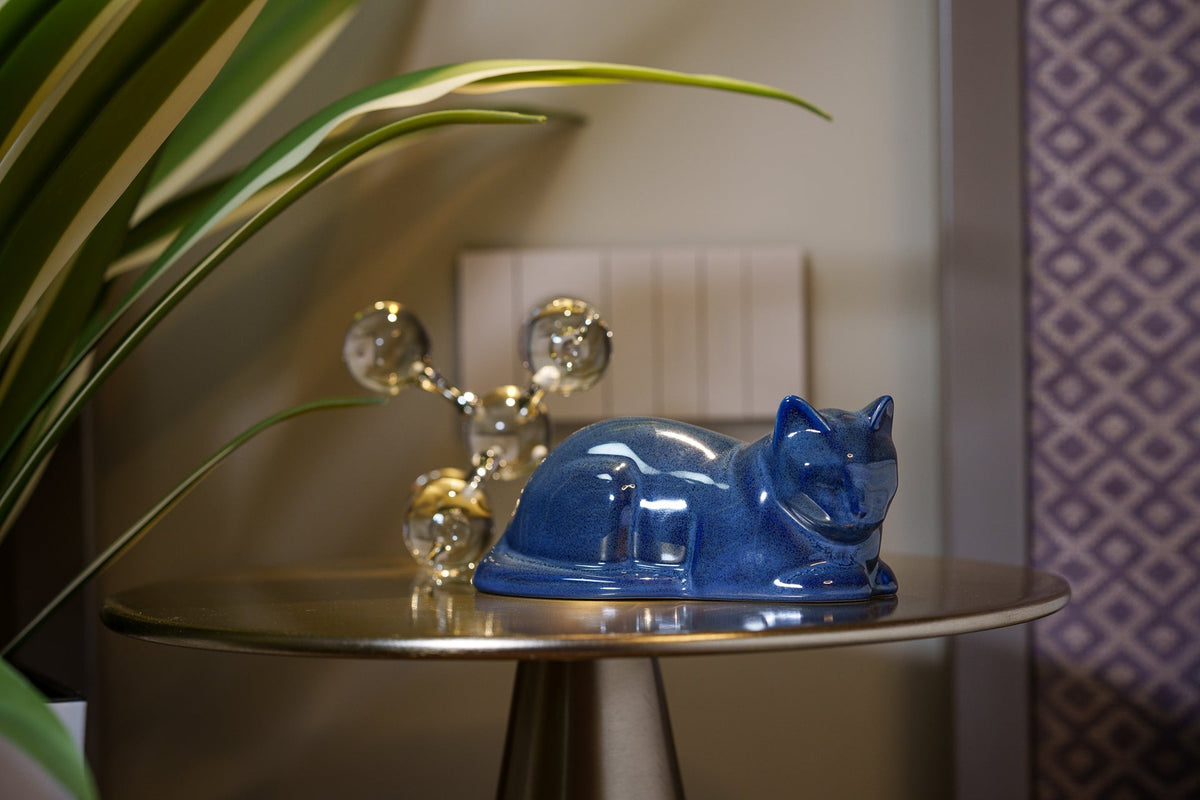
Can the Design of a Pet Urn Change the Way We Grieve?
Can the design of a pet urn influence the way we experience grief? Explore how meaningful materials, forms and memorial design can help transform loss into a lasting connection with a beloved companion.

What Are the Most Unique Urns Available Today?
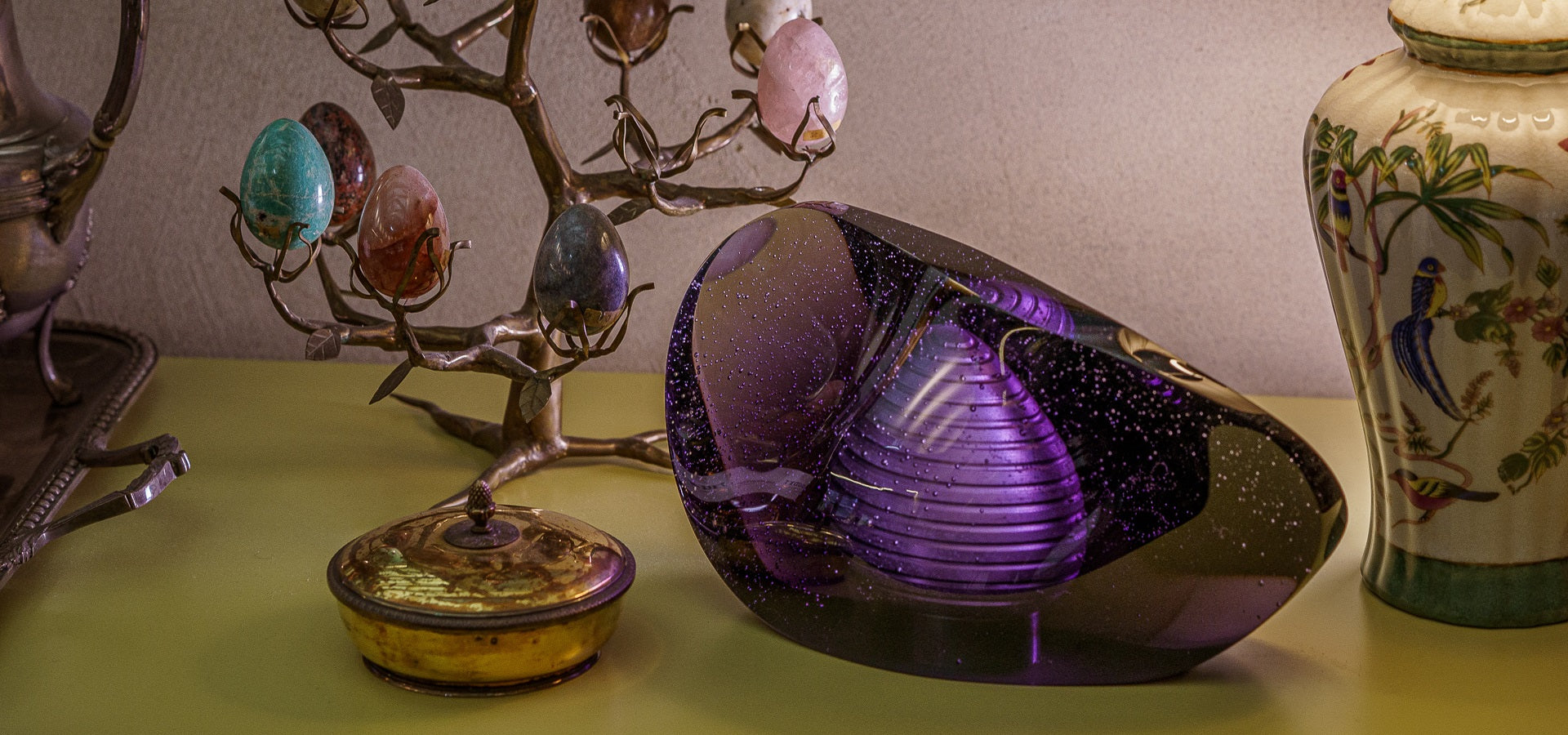
Discover the most unique cremation urns available today, from handcrafted ceramic and sculptural designs to glass, nature-inspired, personalized, and keepsake memorials. Learn what makes an urn distinctive and how to choose a meaningful design based on capacity, material, placement, and personal significance.
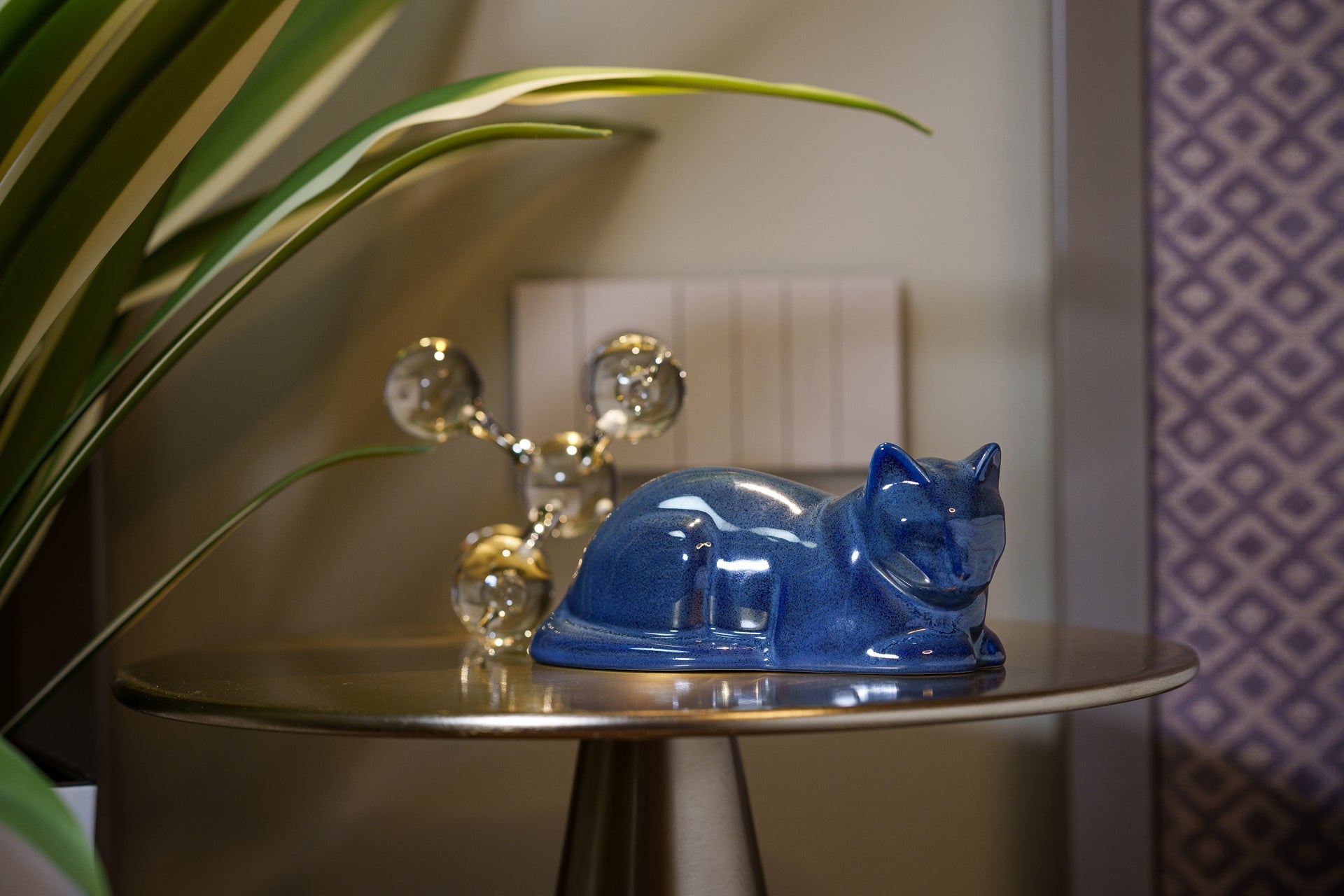
How Do You Choose the Right Pet Urn?
A practical guide to choosing the right pet urn, covering size, capacity, materials, personalization, closure, and meaningful ways to memorialize your beloved companion.
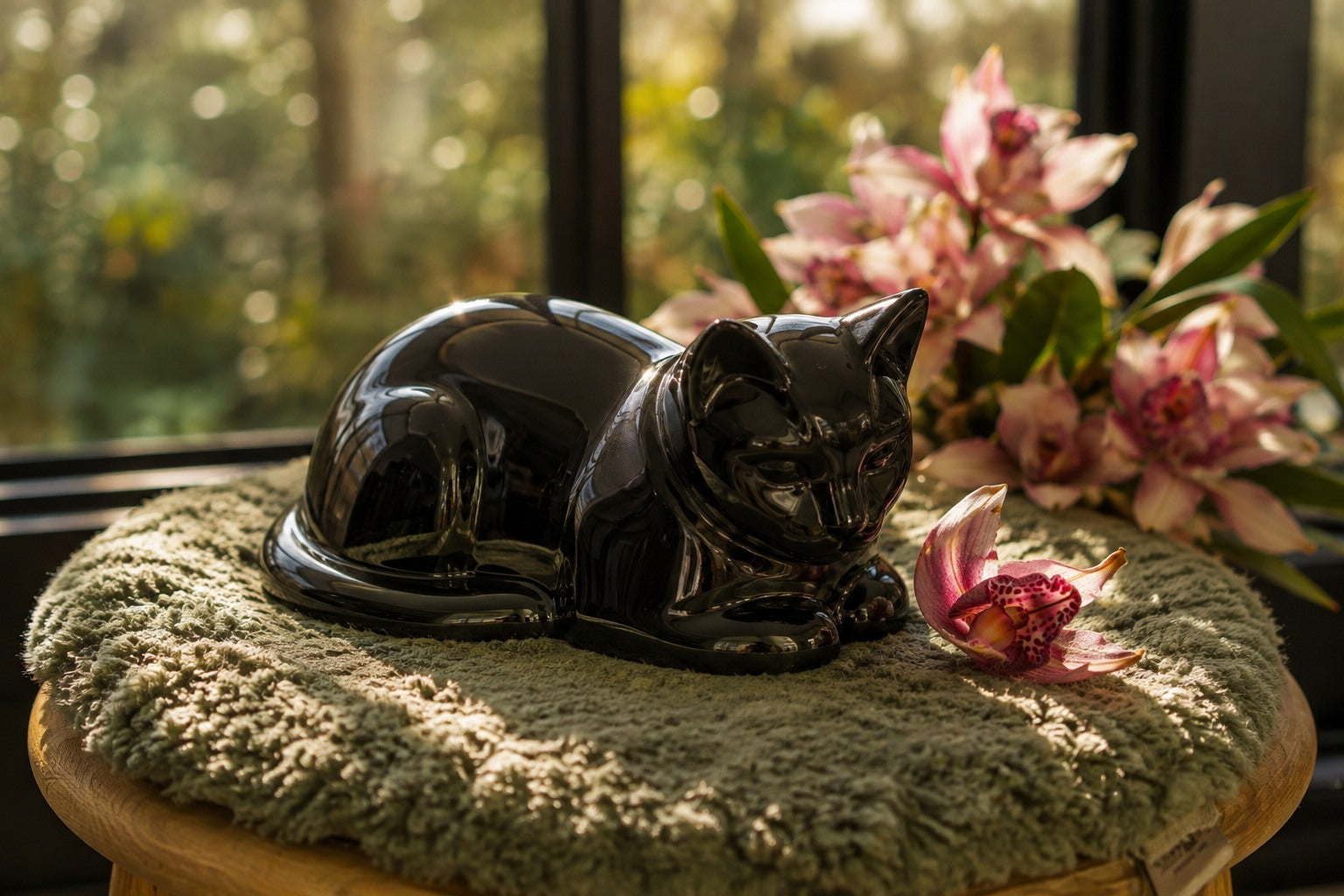
Why Pet Grief Doesn’t Always Get Easier. It Gets Different
Pet grief does not always become easier with time. It changes. Discover how loss evolves, why memories take on new meaning, and how memorial objects such as urns can become quiet reminders of a life once shared.
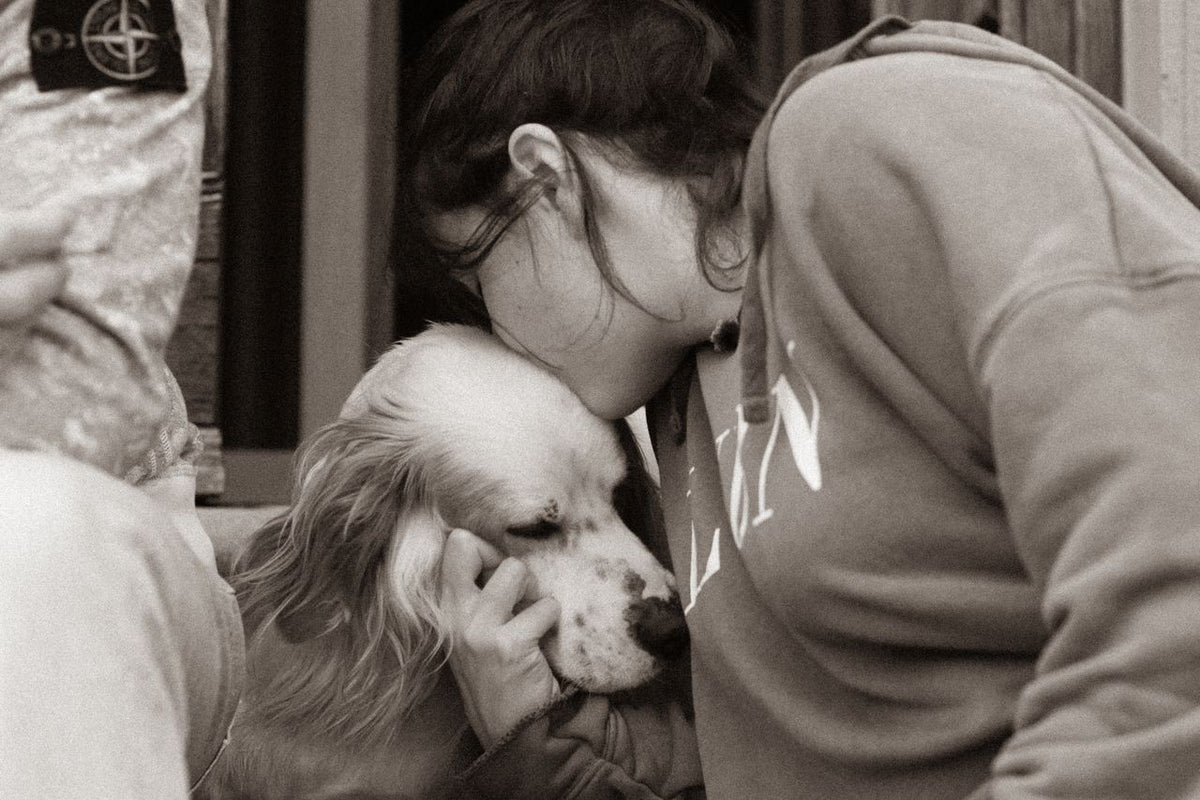
Why Your Pet’s Smell Can Bring Back an Entire Memory
Why can the smell of a pet bring back an entire moment? Discover how scent, emotion and memory are connected, and why the familiar smell of an animal can preserve some of our most intimate memories of life together.


Compartir:
Memorials That Withstand Time and Elements
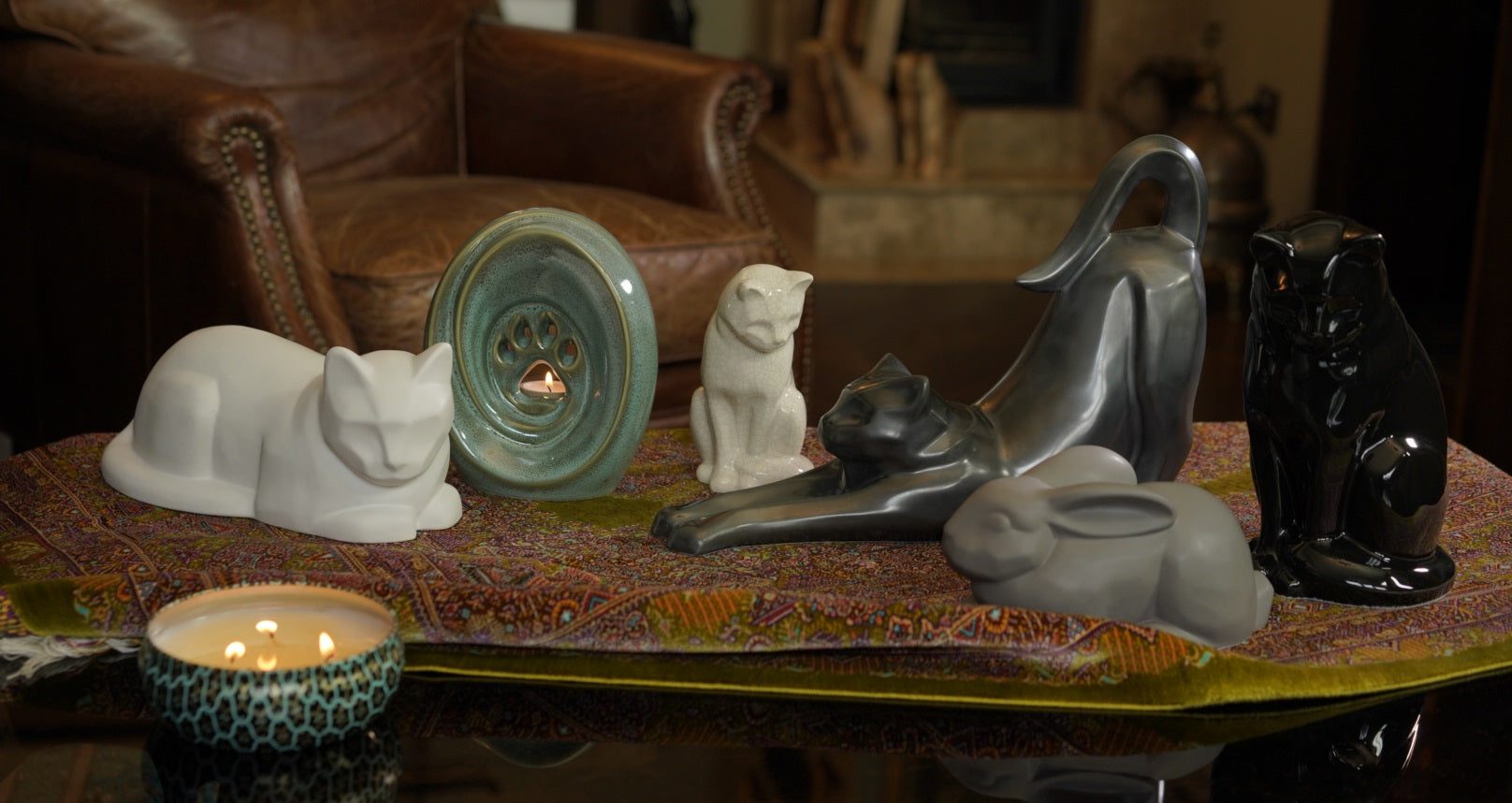
Urn for a Cat: Style, Size and Personalization Tips