


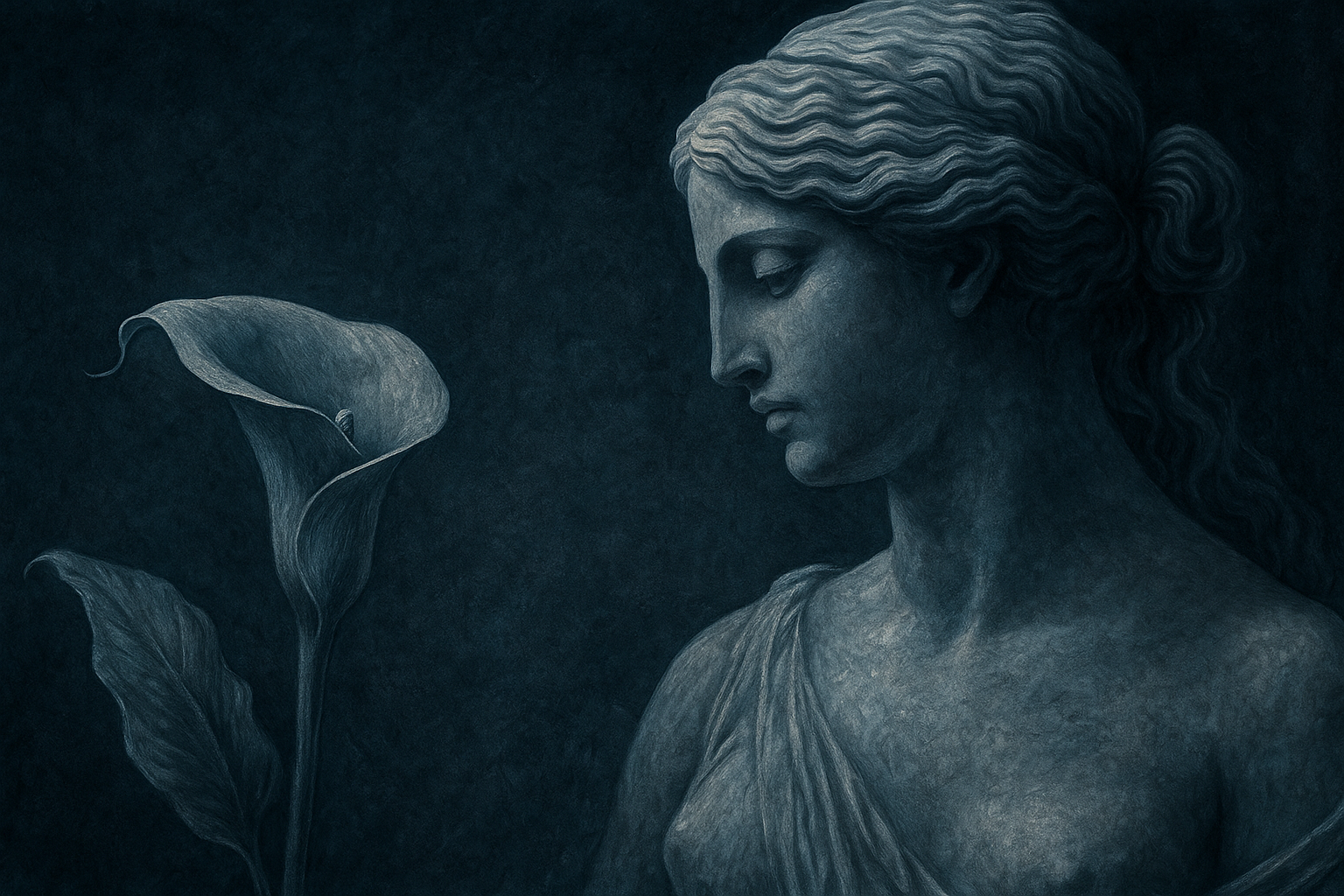
According to ancient myth, the Calla Lily was not simply born of soil and seed—it was born of the gods. In Greek mythology, it is said to have first bloomed from the divine milk of Hera, queen of the heavens. The story begins when Zeus, seeking immortality for his mortal son Heracles, brought the infant to Hera while she slept. Hoping the child would nurse and absorb the strength of the gods, he placed the boy at her breast without her knowing.
But when Hera awoke and realized she was feeding the child of another woman, she pushed him away in a wave of fury and pain. Her milk spilled across the sky, and from that sacred spray, the stars of the Milky Way were formed. A few drops fell to earth—and where they touched the ground, the Calla Lily emerged. Its radiant white bloom was said to carry the essence of that moment: purity, divinity, and the fierce power of sacred femininity.

The story does not end there. In Roman mythology, the flower caught the eye of Venus—goddess of love and beauty. Struck by its flawless form, Venus felt jealousy stir within her. In a moment of envy, she placed a bold yellow pistil at the heart of the lily—an act that marked its perfect innocence with a symbol of passion and desire. From then on, the Calla Lily carried a dual symbolism: outer serenity and inner fire, purity touched by the pulse of life.

The Calla Lily found itself at the heart of Georgia O’Keeffe’s artistic vision. Often hailed as the Mother of American Modernism, O’Keeffe redefined the boundaries of form, color, and perception through her bold, intimate portrayals of nature. Among her most iconic subjects was the Calla Lily—a bloom she returned to throughout the 1920s and 30s, captivated by its sculptural elegance and sensual lines. A flower she returned to repeatedly, captivated by its sculptural beauty and refined form.

To O’Keeffe, the Calla Lily was more than just a bloom; it was a vessel of emotion, mystery, and power. In magnifying its elegant curves and deep shadows, she invited viewers to see what they might have overlooked—the quiet drama of nature, the femininity within structure, and the strength hidden in softness. Her Calla Lily paintings, often interpreted as both abstract and deeply symbolic, challenged traditional notions of beauty and gave voice to a new kind of artistic expression—one that was both personal and universal.Her frequent and striking depictions of the flower earned her the nickname “the lady of the lilies.” While some interpreted her work through symbolic or emotional lenses, O’Keeffe consistently refuted those readings. For her, the Calla Lily was not a metaphor, but a form to be truly seen—a quiet revelation of beauty, line, and light. She wanted viewers to look closer, to experience the flower as if for the first time, stripped of expectation.

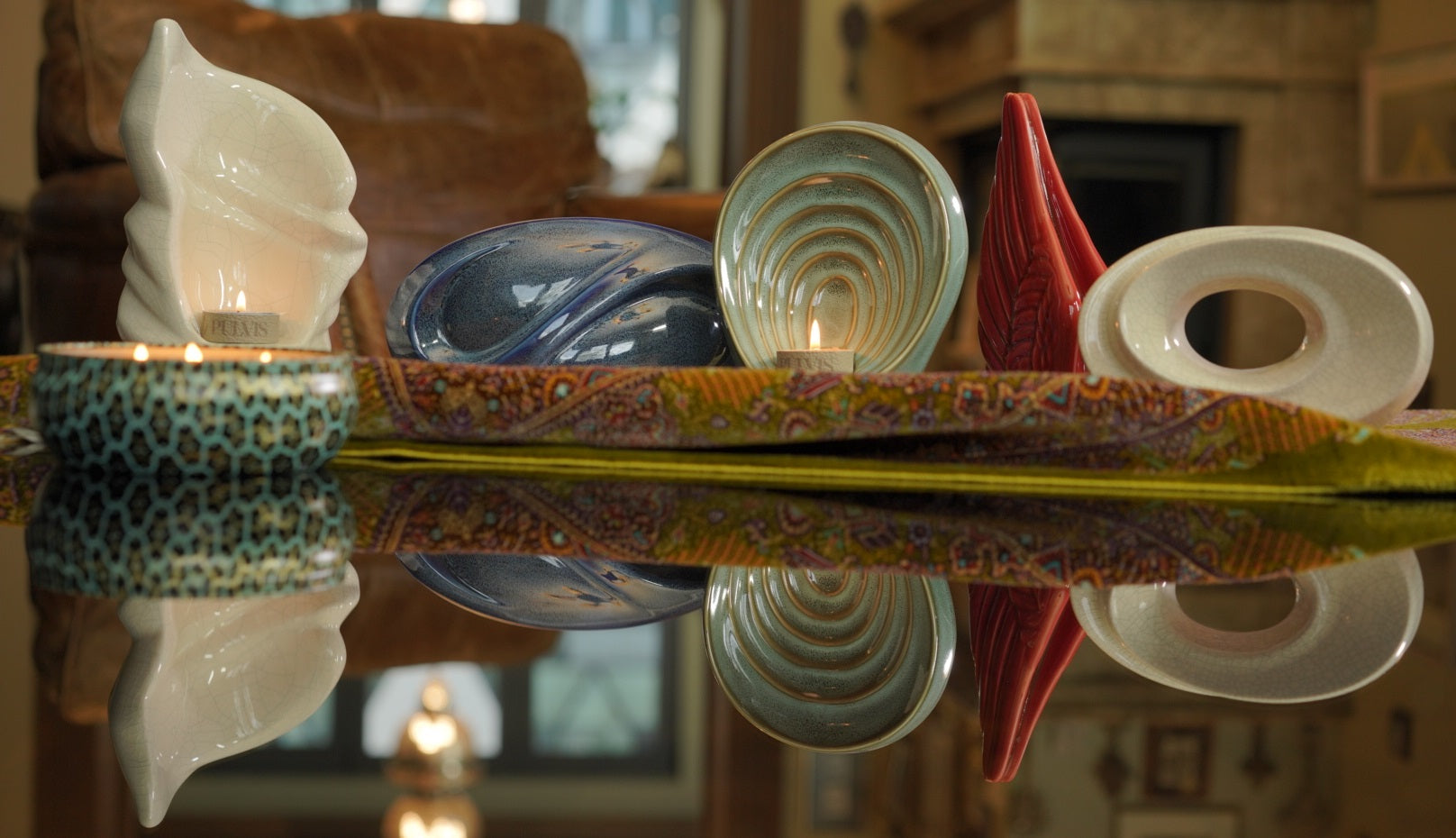
Gracefully shaped with flowing contours and serene elegance, the calla lily keepsake urn is a creation born from the hands of master artisans at Pulvis Art Urns. Each miniature vessel is a quiet celebration of craftsmanship, where every curve and detail is refined to honor memory with timeless beauty. Crafted from fine ceramic, the urn not only captivates with its gentle aesthetic but also offers enduring strength — preserving the essence of remembrance for generations to come.

This delicate flower-inspired urn is intended to cradle a small portion of ashes, making it an ideal choice for families wishing to share the memory of a loved one among several keepsakes, or for those who seek a personal token of presence to hold close.
“In the hush of death, a calla lily bloomed—
its whiteness not mourning, but memory.”
- Modern elegiac verse

Understanding the Modern Cremation Process
Direct cremation constitutes the most basic form of cremation service. The decedent is transferred to the crematory shortly after death without embalming, public visitation, or the use of a ceremonial or rental casket. Upon completion of all legally required authorizations and permits, generally within several business days the cremation is performed

5 Reasons Handmade Ceramic Cremation Urns Outperform Mass-Produced Alternatives
Handmade ceramic urns provide a unique, lasting tribute for loved ones and pets, blending artistry, personalization, and emotional meaning that mass-produced urns can’t match.

Ceramic Memorial Urns That Serve Both Humans & Pets
Dual-use cremation urns are becoming a meaningful way for families to honor the bond between a loved one and a beloved pet. Crafted in ceramic, these unified memorials symbolize shared life, simplify the memorial space, and offer personalized options like engraving and custom finishes. They provide a lasting, heartfelt tribute that keeps two connected souls together.

Dog Urns: How to Choose the Right Material & Finish
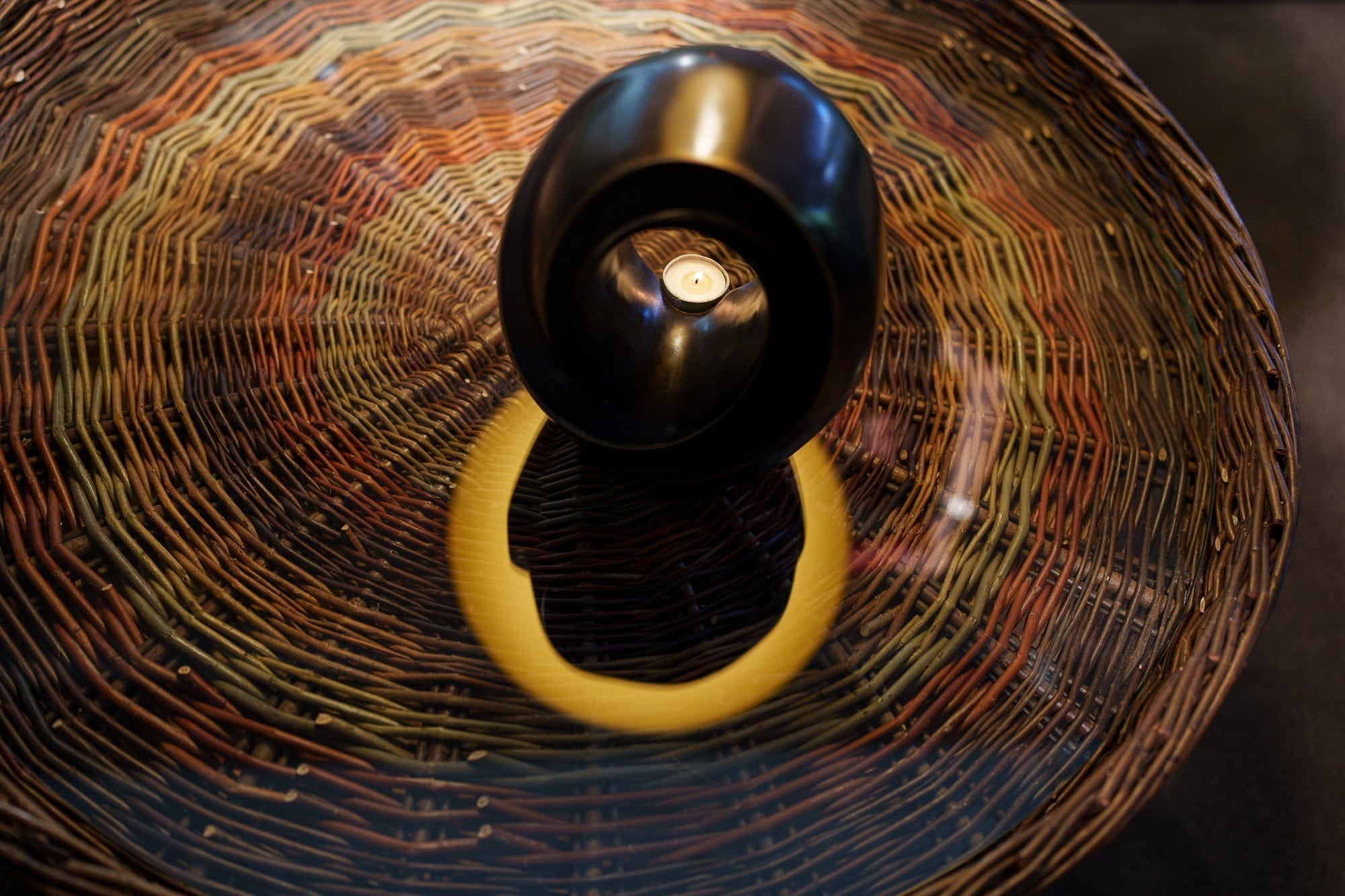
Material Deep Dive: Ceramic, Bronze, Wood. Which Urn Material Wins?


Share:
How to Properly Care for Your Cremation Urn
Echoes of the Ancestors: The Philosophy and Poetry of the Ritual Table