



Death is something we all have to face eventually, but it's not always easy to talk about. Many people avoid discussions about mortality, which can leave them unprepared when they experience loss. However, understanding and accepting that we are mortal is crucial for living a fulfilling life.
In this article, we'll explore eight expert-backed strategies for coping with the reality of death. These strategies include:
These approaches provide a comprehensive guide to navigating the complexities of mortality.
Each strategy offers unique pathways to acceptance and peace, whether through engaging with nature or seeking solace in spiritual practices.
By embracing these strategies, we can change our perspective on death and learn to live more fully.
For those looking for meaningful ways to honour their loved ones, beautiful options like the Light Handmade Cremation Urn serve as lasting tributes, blending artistry with remembrance.
Get ready to embark on a journey toward understanding and accepting death, empowering you to live each moment with greater appreciation and purpose.
Fear of mortality often stems from not fully understanding what it encompasses. Mortality, simply put, is the state of being subject to death. Recognizing this fact is fundamental to our existence and deeply influences how we live our lives.
Life follows a natural cycle—birth, growth, decay, and eventually death. This cycle is evident in all living organisms, from the smallest plants to the largest animals. Accepting this reality helps us contextualize our experiences and find peace in knowing that death is a part of life.
Common fears associated with dying include:
These fears can profoundly impact our well-being, sometimes leading to chronic anxiety or depression. It’s crucial to address these emotions constructively.
Engaging with resources and communities that provide comfort during times of loss can be beneficial. For instance, finding a meaningful way to honour a pet's memory can be therapeutic Dog Urns for Ashes. Similarly, creating personal keepsakes like the Holy Mother Keepsake Urn offers solace and a tangible connection to those we've lost.

Faith and spirituality often serve as crucial coping mechanisms when grappling with mortality. Religious beliefs provide a framework for understanding the afterlife, offering comfort and a sense of purpose beyond our earthly existence. For many, these beliefs help mitigate the fear of the unknown by presenting death as a transition rather than an end.
Spiritual practices such as prayer, meditation, or attending religious services can offer significant solace during periods of grief. These activities create opportunities for reflection and connection with a higher power, fostering inner peace and acceptance. Engaging in rituals or ceremonies also allows individuals to honour their loved ones while processing their loss.
Belonging to a faith-based community can provide invaluable support during times of mourning. These groups offer shared experiences and collective strength, making it easier to navigate the complexities of grief. Participating in communal activities like memorial services or support groups can facilitate healing by offering empathy, understanding, and practical assistance.
Memorial Cremation Pendant "ITER" - Jewelry: Crafted by esteemed French master jewelers, this pendant incorporates a magnet system that seals forever what it contains.
Engaging with spiritual practices and communities not only helps individuals find comfort but also fosters a deeper understanding of life’s cycles, easing the journey through grief and acceptance.
Engaging with nature provides profound mental health benefits, especially when coping with loss. Immersing oneself in natural surroundings can alleviate symptoms of depression and anxiety, offering a sense of peace and grounding.
Tending to a garden can be incredibly therapeutic. The act of planting seeds, nurturing growth, and witnessing the life cycle of plants mirrors our own experiences of birth, life, and death. This practice fosters acceptance and provides a tangible way to process grief.
Establishing a personal sanctuary outdoors can serve as a tribute to loved ones who have passed away. Whether it's planting a memorial tree or designing a dedicated garden space, these sanctuaries offer solace and a place for reflection.
Connecting with nature not only helps in managing grief but also reinforces our understanding of life cycles, promoting emotional healing through direct interaction with the environment.

Mindfulness practices have proven effective in reducing anxiety about death. Embracing techniques such as mindful breathing and body scans can help anchor thoughts, diminishing the fear of mortality.
Meditation, incorporated into daily routines, serves as a powerful tool to find peace amidst uncertainty. By focusing on the present moment, individuals separate themselves from anxiety-inducing thoughts about the future. Simple practices like guided imagery or mantra meditation can foster a sense of calm and acceptance.
Yoga offers numerous benefits for emotional management related to mortality. The combination of physical postures, breath control, and meditative focus promotes calmness and reflection. Specific yoga poses like Savasana (Corpse Pose) encourage contemplation of life and death, aiding in the process of acceptance.
Practicing these mindfulness-based approaches regularly not only eases the burden of existential anxiety but also enriches one's overall well-being.

Talking about death openly with loved ones is crucial for healthy coping. When people avoid discussing mortality, it can lead to feelings of isolation and unresolved grief. Creating an environment where conversations about death are normalized helps individuals process their emotions and fears more effectively.
Support groups offer a safe space to share personal experiences and receive empathy from others who understand similar struggles. These groups can be in-person or virtual, providing flexibility for participants.
"A shared pain is a half pain," says an old proverb, emphasizing the importance of communal support in times of grief .
By fostering open communication about death, individuals can better navigate their emotions, find solace, and form deeper connections with those around them.
Knowing when to seek professional help is crucial in navigating complex emotions surrounding dying or bereavement. Counseling support can provide essential tools and strategies to cope with the overwhelming feelings associated with loss .
Different types of counseling are available, tailored specifically towards grief work:
Grief counselling can be an invaluable resource for those struggling with the emotional weight of mortality, offering both professional guidance and empathetic support.

Living life to the fullest despite knowing we will die one day requires a shift in perspective. Emphasizing moments of joy with loved ones, rather than dwelling on fear-based thoughts about death, can significantly enhance our well-being. By focusing on the present, we create lasting memories and deepen our connections.
Embracing life fully means acknowledging its impermanence while choosing to live vibrantly and meaningfully each day. Through gratitude practices and engaging in activities that bring joy, we can navigate our awareness of mortality with an optimistic outlook.

Accepting the fact that we will all die one day may seem overwhelming at first. However, this acceptance can lead to a greater appreciation of every precious moment we have on Earth. By using these strategies for coping with mortality, we can live more fully and meaningfully, valuing our time with loved ones and participating in activities that bring us happiness. When we incorporate an understanding of mortality into our everyday lives, we open ourselves up to a deep sense of gratitude and awareness, improving the quality of our lives.
Understanding and accepting our mortality is essential for living a fulfilling life. It allows us to appreciate the present moment and fosters a deeper connection with ourselves and others.
Faith and spirituality can provide solace during times of grief by offering a framework for understanding death. Engaging in spiritual practices can also create a sense of community support through faith-based groups .
Engaging with nature has significant mental health benefits, especially when coping with loss. Activities like gardening can serve as therapeutic practices that help individuals process grief and foster acceptance.
Mindfulness practices such as meditation and yoga can reduce anxiety related to death. Incorporating these techniques into daily routines promotes calmness, reflection, and acceptance amidst uncertainty.
Discussing mortality openly with loved ones is crucial for healthy coping. Creating safe spaces for these conversations within families or communities can help individuals share their experiences and foster understanding.
It's important to recognize when complex emotions surrounding dying or bereavement become overwhelming. Seeking professional help, whether through individual therapy or group support, can be beneficial in navigating these feelings.


Understanding the Modern Cremation Process
Direct cremation constitutes the most basic form of cremation service. The decedent is transferred to the crematory shortly after death without embalming, public visitation, or the use of a ceremonial or rental casket. Upon completion of all legally required authorizations and permits, generally within several business days the cremation is performed

5 Reasons Handmade Ceramic Cremation Urns Outperform Mass-Produced Alternatives
Handmade ceramic urns provide a unique, lasting tribute for loved ones and pets, blending artistry, personalization, and emotional meaning that mass-produced urns can’t match.

Ceramic Memorial Urns That Serve Both Humans & Pets
Dual-use cremation urns are becoming a meaningful way for families to honor the bond between a loved one and a beloved pet. Crafted in ceramic, these unified memorials symbolize shared life, simplify the memorial space, and offer personalized options like engraving and custom finishes. They provide a lasting, heartfelt tribute that keeps two connected souls together.

Dog Urns: How to Choose the Right Material & Finish
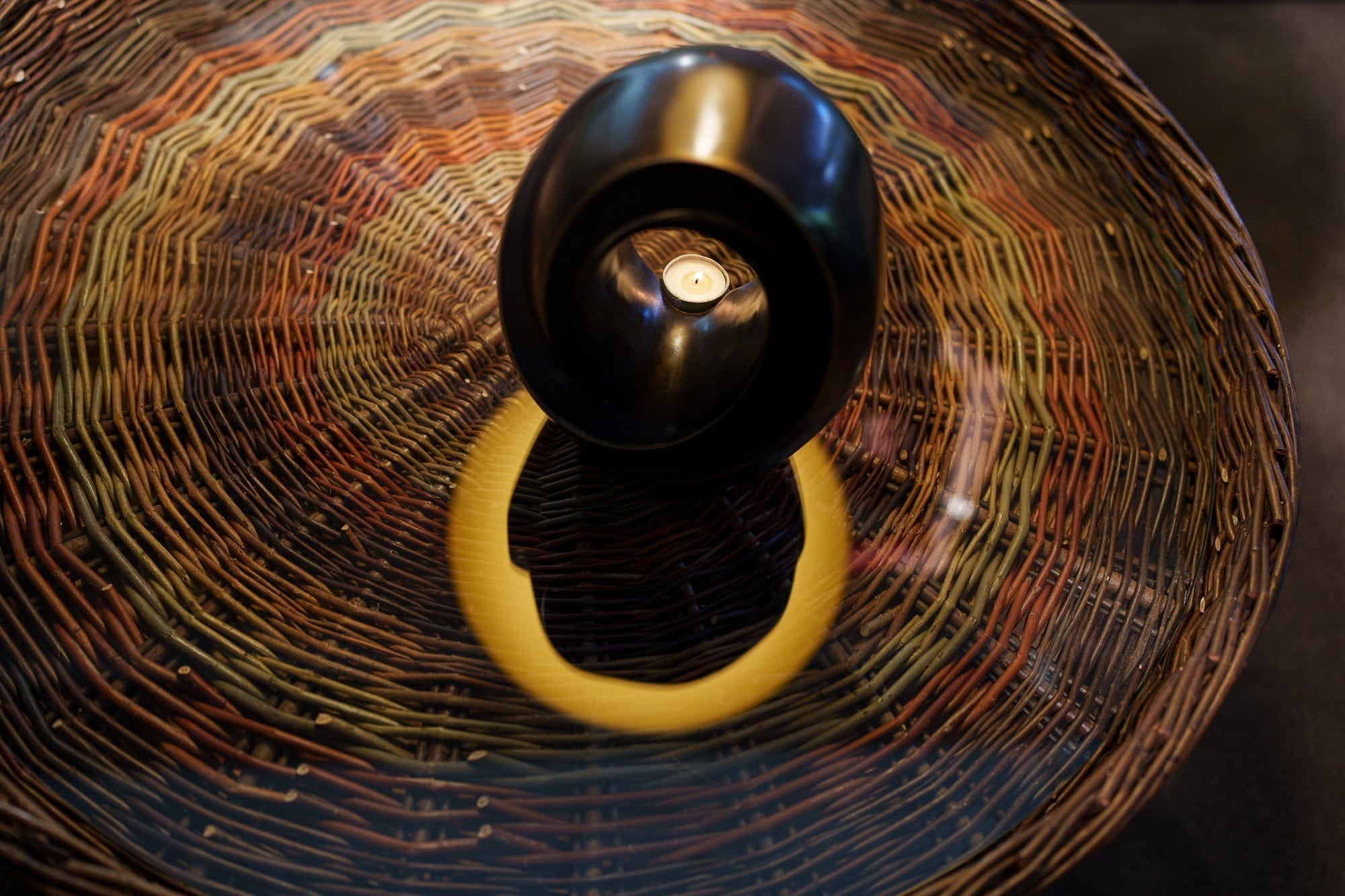
Material Deep Dive: Ceramic, Bronze, Wood. Which Urn Material Wins?


Share:
Sky Burials of Tibet: Understanding the Tradition and Practices
Rabbit Urn For Ashes - PRODUCT REVIEW 2024